How Long Does Skincare Take to Work? Timelines by Ingredient
You start a new serum on Monday and by Friday you are checking the mirror. Skincare rarely works that fast. Some products change how skin feels within minutes, but changes in tone, texture and breakouts usually take weeks or months.
Part of our guide to skincare routines and ingredients. Start with: Best Skin Care Routine: Simple AM and PM Steps for Every Skin Type
The reason is the skin’s natural renewal cycle. Skin cells take roughly four weeks to move from the lower layers to the surface in younger adults, and often longer as we age. A product that works on cell turnover or pigment has to wait for new skin to show up.
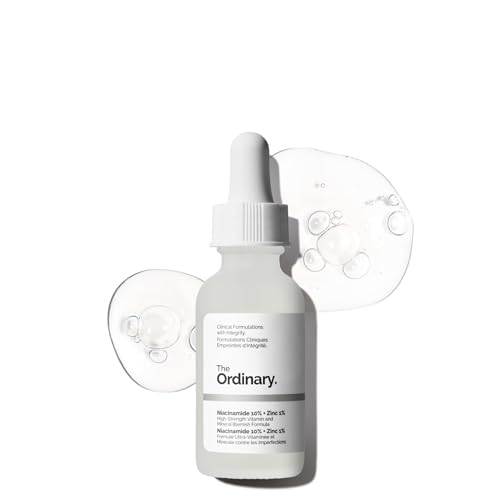
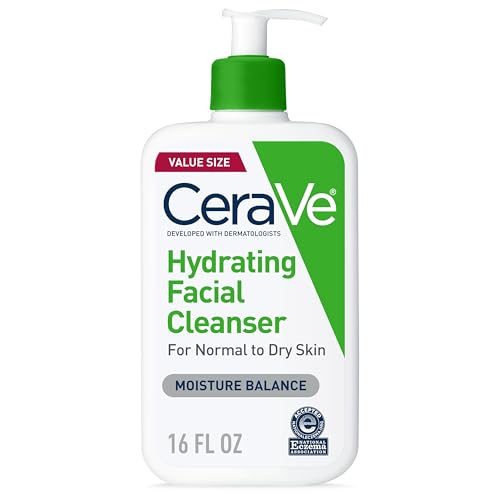
Skincare Products With Typical Timelines



Black Friday is coming: shop the deals with Prime
Understanding the timeline can save you money, because you will stop switching products every two weeks.
This guide is designed to be a reference you can return to whenever you start something new.
Consistency over months is the real secret behind most success stories.
It also helps you notice when a product is genuinely not working.
Timelines also depend on the ingredient, the strength, how often you use it and your starting point. Hydration can look better in a day, while sun damage and fine lines respond slowly and may only soften a little.
This guide gives typical timelines for common ingredients, explains why results take time, how to track progress with photos, and when to stop or change a product. The ranges are general and not promises.
I am Rakib Sarwar, a registered pharmacist with a cosmetology course, and I prefer realistic expectations to hype.
Key Takeaways
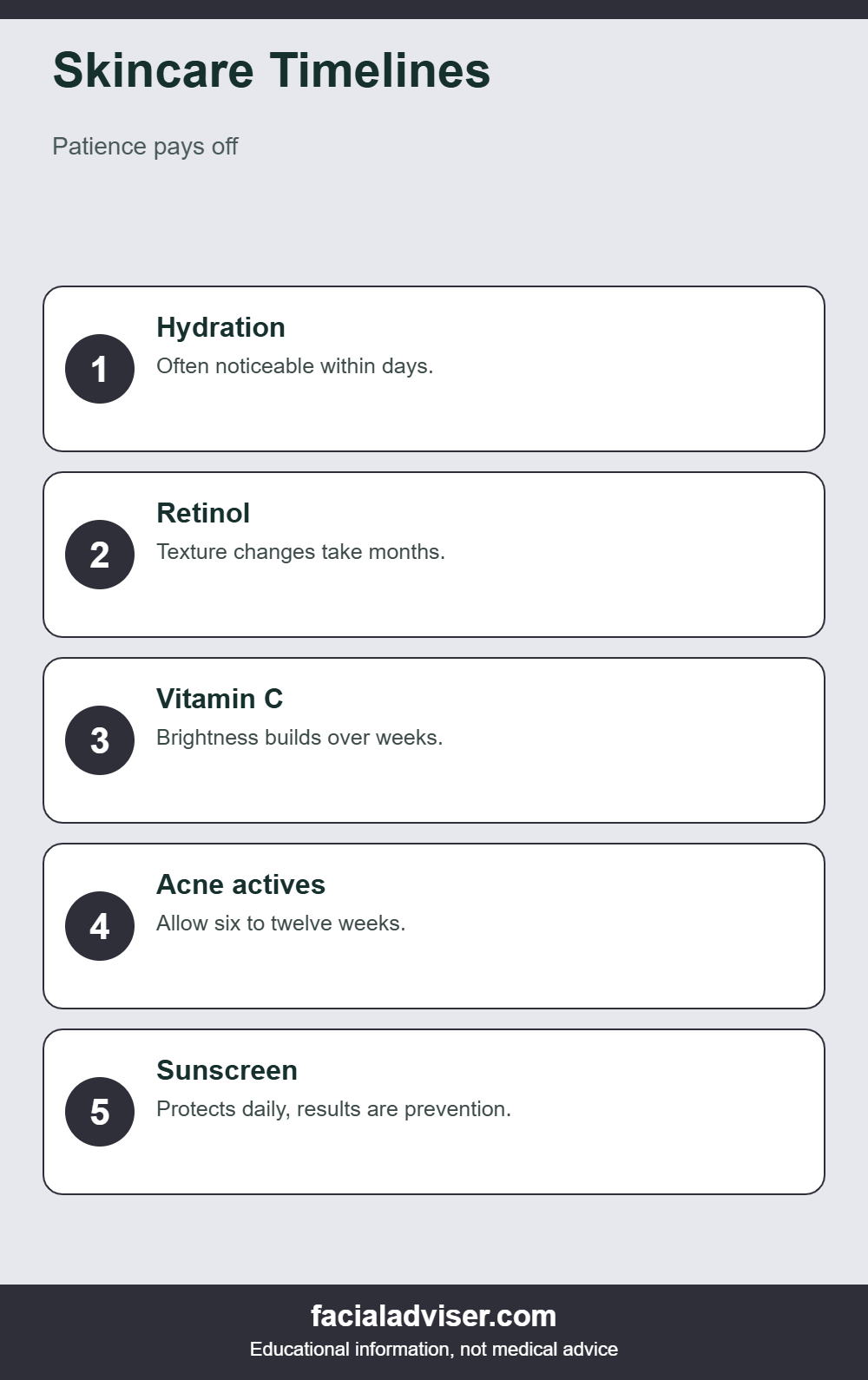
- Hydration can feel better in minutes or days.
- Brightening and tone changes often take weeks.
- Retinol needs about two to three months for early change and longer for lines.
- Acne treatments usually need six to twelve weeks.
- Sunscreen protects daily but works as prevention.
- Photos and a simple log beat judging by memory.
What This Covers
- Why Skincare Takes Time
- Typical Timelines by Ingredient
- Fast Changes: Hydration and Barrier Care
- Medium-Term Changes: Tone, Pores and Oil
- Slow Changes: Retinol, Lines and Pigment
- Acne Treatments and the Purge
- How to Track Whether a Product Works
- When to Stop or Change a Product
- Honest Limits
- When to See a Professional
- FAQ
- The Bottom Line
Why Skincare Takes Time
The outer layer of skin renews itself continually. In younger adults, the full cycle takes around a month, and it can take longer in older skin. Anything that changes pigment, texture or clogged pores needs new cells to replace old ones.
Age, hormones and sleep also play a part. Skin renews faster in children and slower in older adults, which is one reason the same product can seem to work faster for one person than another.
These timelines assume consistent use as directed and daily sunscreen. Skipping sunscreen can erase progress.
Think of skincare as a slow investment. A routine you can keep up for six months does far more than a harsh routine you abandon after two weeks.
It also helps to separate how skin feels from how it looks. Comfort improves first, tone and texture follow, and deeper changes such as lines and old marks come last.
Active ingredients also work gradually. Retinoids, vitamin C and niacinamide influence skin behavior over time, so their effect builds with repeated use rather than appearing after one application.
Your starting point matters as well. Skin with a strong barrier and mild concerns often responds faster than skin with long-standing pigment or deep lines.
| Factor | Why it changes the timeline | What you can do |
|---|---|---|
| Skin cell turnover | Slower with age | Be patient and consistent |
| Ingredient strength | Higher strength can act faster but irritate | Increase slowly |
| Frequency of use | Occasional use gives slower results | Use as directed |
| Sun exposure | Undoes progress | Wear sunscreen daily |
Typical Timelines by Ingredient
The ranges below are rough guides drawn from general dermatology teaching and product labels. Individual results vary, and some people see changes sooner or later.
Another useful habit is to put a reminder in your calendar for the end of each trial period. When the reminder arrives, review your photos and decide, instead of drifting along.
Layering several new products at once makes timelines meaningless, because you cannot tell which product caused a change or a reaction. Introduce one product at a time, a couple of weeks apart.
If you use prescription treatments, your clinician’s timeline takes priority over the general ranges here.
Treat these as a reason to give a product a fair trial, not as a deadline that proves it works or fails.
| Ingredient or step | What it targets | Typical time to notice |
|---|---|---|
| Moisturizer and humectants | Dryness and tightness | Minutes to a few days |
| Gentle cleanser | Comfort, oil and residue | Days to a couple of weeks |
| Exfoliating acids | Rough texture and dullness | Two to four weeks |
| Niacinamide | Oil, pores, tone | Four to eight weeks |
| Vitamin C | Brightness and dullness | Four to twelve weeks |
| Peptides | Smoothness and feel | Four to twelve weeks |
| Retinol | Texture and fine lines | Eight to twelve weeks for early change, months for lines |
| Acne treatments | Breakouts | Six to twelve weeks |
| Sunscreen | Prevention | Protects each day, benefits build over years |
Fast Changes: Hydration and Barrier Care
Moisturizers, ceramides and humectants such as glycerin and hyaluronic acid can make skin feel softer within minutes. Visible plumpness and less flaking can follow in days.
Seasonal changes can shift your results too, so a routine that worked in summer may need richer products in winter.
Dry skin that is treated well often feels better the same day. If it does not, check for a fragranced or alcohol-heavy product that may be holding you back.
A good cleanser matters here too. Harsh cleansers strip the skin and slow progress, while gentle ones let moisturizer and actives do their jobs. Our cleansing balm guide covers a gentle way to remove makeup.
Good Habits
- Build a gentle base first
- Add one active at a time
- Keep notes and photos
Common Mistakes
- Start three actives in one week
- Expect overnight transformation
- Ignore stinging and redness
Barrier repair takes a bit longer. If your barrier is irritated, it can take several weeks of gentle care to feel calm again.
This is why it helps to start with the basics before adding actives. A comfortable barrier makes every other step work better.
Medium-Term Changes: Tone, Pores and Oil
Niacinamide, vitamin C and exfoliating acids tend to show effects over several weeks. You may notice that skin looks brighter, smoother or less oily somewhere between one and three months.
Many people also see small improvements in oil control within a few weeks of starting niacinamide or a gentle exfoliant, though pores themselves do not physically shrink. Their look can change as oil and debris clear.
Sunscreen does not show visible results quickly, but it protects the gains from vitamin C, niacinamide and exfoliants. Without it, new pigment can form as quickly as old pigment fades.
Dark spots from acne or sun can take three to six months to fade, and some marks need professional treatment.
Using these products on a regular schedule, with sunscreen, gives them the best chance.
Slow Changes: Retinol, Lines and Pigment
Retinoids are among the best-studied ingredients, but they work slowly. Early changes in texture often appear after two to three months, and fine lines may need six months or more.
If you are using prescription retinoids, your clinician can tell you what to expect. Prescription strengths often act faster than over-the-counter ones but also bring more dryness and peeling in the first weeks.
Some people find that texture and glow improve earlier than lines. Take photos in the same light so subtle changes are easy to see, and be wary of mirrors under harsh bathroom bulbs.
Deep wrinkles, sun damage and stubborn pigment change slowly or only partially with topical products. This is a common source of disappointment.
Start gently and build up, because irritation can force you to stop and restart.
Acne Treatments and the Purge
Acne treatments need time because breakouts start under the skin weeks before they appear. Most over-the-counter actives need six to twelve weeks before you can judge them.
Whiteheads and blackheads often improve before inflamed pimples do, so look for small wins early while waiting for larger ones.
Hormones, stress, diet, sleep and some medicines can all affect breakouts. If your acne changes with your cycle, track it alongside your skincare to see patterns.
Some actives can cause a short purge, with more breakouts in the first weeks. Our guide to tretinoin purge explains what is normal and what is not.
If acne is severe, painful or leaving scars, see a clinician rather than waiting out a full trial.
How to Track Whether a Product Works
Memory is unreliable, so use photos and a short log.
Share your log with your pharmacist or doctor if you visit them. A written record of products and dates makes it much easier for them to advise you.
Keep your notes simple. A line each week is enough: what you used, how your skin felt and whether anything changed.
Take baseline photos
Use the same light, angle and no makeup before you start.
Change one thing at a time
Add a single new product so you know what caused any change.
Note use and reactions
Write down how often you use it and any stinging or redness.
Retake photos every two weeks
Compare in the same conditions.
Judge at the right time
Use the typical timeline for that ingredient.
Decide to keep, adjust or stop
Keep if it helps, adjust if irritating and stop if it does not suit.
Take photos in the same room at the same time of day. Lighting changes can hide or exaggerate progress.
When to Stop or Change a Product
Give a product its fair trial, but stop right away if it burns, swells, itches or causes a rash. A reaction is not part of the process.
Also review your whole routine every few months. Products that once suited you may no longer be needed as your skin, climate or season changes.
Do not judge a product only by its first weeks if it caused a mild, expected adjustment such as slight dryness. Judge it by the timeline, but stop if your skin is clearly unhappy.
Do not push through burning, severe redness or swelling. Stop the product and ask a pharmacist or doctor.
If there is no change at the end of the typical timeline and your skin tolerated it, it may not be the right product for your concern.
Honest Limits
The timelines here are general ranges and not guarantees. Skin type, age, hormones, sleep, diet, stress, sun exposure and medicines all affect results.
Treat before-and-after photos in advertising with caution. Lighting, angles, retouching and makeup can all change how a result looks.
Marketing often promises quick change. Independent evidence usually shows modest results over months, so treat claims of overnight transformation with caution.
When to See a Professional
See a pharmacist, doctor or dermatologist if you have persistent acne, a changing mole, sudden pigmentation, a rash that does not settle or skin that worsens with products.
Ask for help sooner rather than later if a concern is affecting your confidence or comfort. Professional guidance can save months of trial and error.
A clinician can offer prescription treatments that work faster or more strongly than most over-the-counter options.
This article is educational and is not medical advice. Timelines are general and individual results vary.
FAQ
How long does skincare take to work?
It depends on the product. Hydration can improve in days, while tone, acne and lines usually take weeks to months.
How long should I try a new product?
Allow the typical timeline for its ingredient, often four to twelve weeks, unless it irritates your skin.
Why has my skin not improved after a week?
Most active ingredients work gradually, so one week is rarely enough to judge.
How long does retinol take to work?
Early changes often appear after two to three months, and lines may need six months or more.
How long does vitamin C take to brighten skin?
Many people notice changes within four to twelve weeks with consistent daily use.
How long does niacinamide take to work?
Often four to eight weeks for oil and tone changes.
Does sunscreen show results?
It works by prevention. You may not notice a change, but it protects skin every day.
How long do acne treatments take?
Six to twelve weeks is typical before judging an over-the-counter acne product.
Is purging normal?
A short purge can happen with some actives, but burning, swelling or severe breakouts are not normal.
Can I speed up results?
Using products more often than directed usually backfires. Consistency, sunscreen and patience are better.
The Bottom Line
Give each product a fair trial based on its ingredient, track progress with photos and stop if your skin reacts badly.
See a pharmacist, doctor or dermatologist if your skin worsens or you want faster, prescription-level treatment.

Written by
Registered pharmacist and founder of Facial Adviser. Rakib's pharmacy training covers how skincare actives work and interact; a later course in cosmetology turned that into a focus on facial treatments and skincare products. He plans, researches and edits every guide on the site and checks health claims against sources such as the American Academy of Dermatology, the FDA and the NIH. He is not a dermatologist; see the Editorial Policy and Medical Disclaimer.
About · Editorial policy · How we choose products · Medical disclaimer · Contact
Keep reading: Skincare routine basics
- Best Skin Care Routine: Simple AM and PM Steps for Every Skin Type
- Skinimalism: A 3-Product Routine for Beginners and Busy People
- Skin Cycling: A 4-Night Routine, Explained for Beginners
- What Order Should You Apply Skincare? A Simple Layering Guide
- How to Patch Test a New Skincare Product
- How to Read a Skincare Ingredient List
Turn skincare time into me-time with a free audiobook