
Skin Cycling: A 4-Night Routine, Explained for Beginners
Skin cycling is a skincare schedule that rotates active nights with rest nights. Instead of using exfoliants, retinoids and other strong products every evening, you give each one its own night and then let the skin recover. The idea is to get the benefits of actives while reducing the irritation that comes from stacking them.
Part of our guide to skincare routines and ingredients. Start with: Best Skin Care Routine: Simple AM and PM Steps for Every Skin Type
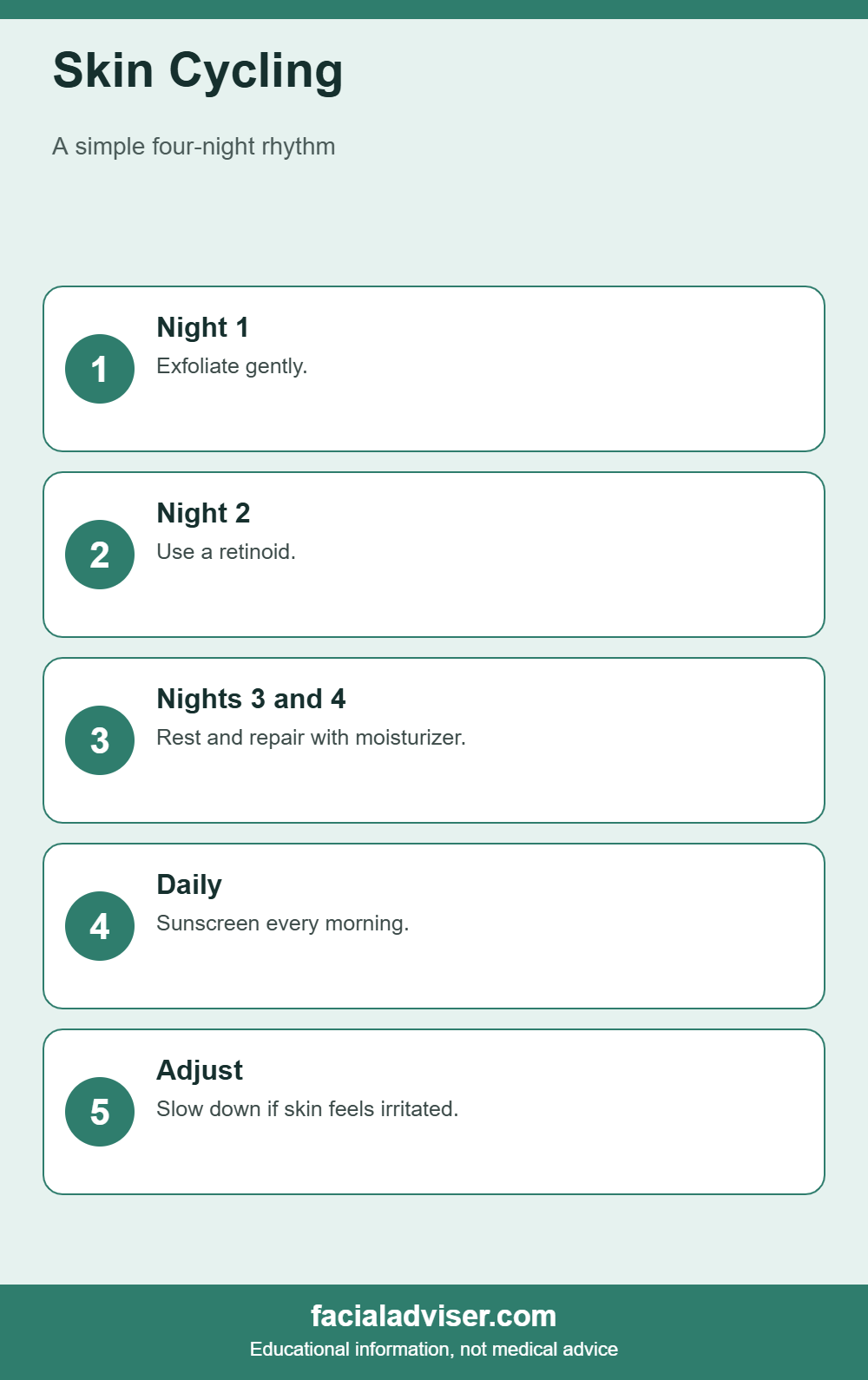
The classic version runs on a four-night cycle. Night one is for exfoliation, night two is for a retinoid, and nights three and four are for recovery with gentle hydrating products. Then the cycle repeats.
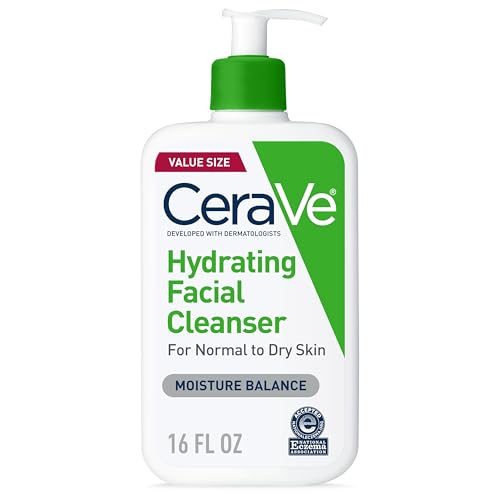
Products That Fit a Skin Cycling Routine



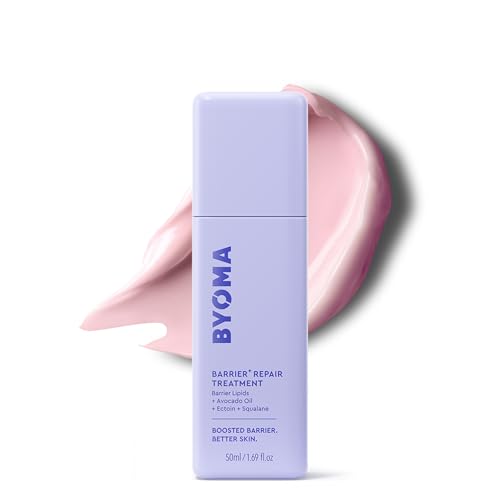

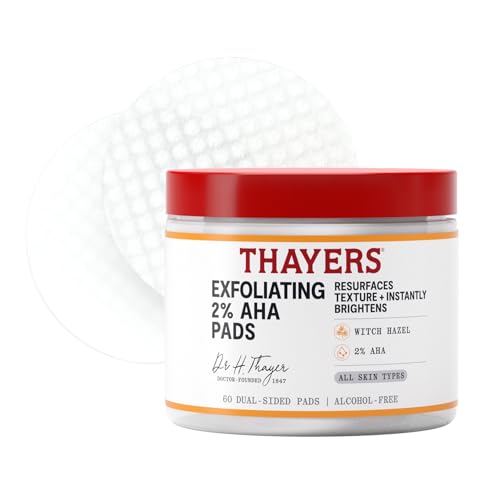
Black Friday is coming: shop the deals with Prime
It is a good fit for people who enjoy structure but find long routines hard to maintain.
Skin cycling is best seen as a flexible tool rather than a strict rule.
Pair it with sunscreen every morning for the best results.
I recommend trying a full cycle or two before deciding whether it suits you.
The cycle can be shortened or lengthened to match how your skin feels.
It became popular on social media because it is simple and gives sensitive skin a break. It is not a medical treatment, and it does not suit everyone, but many people find it easier to follow than a routine where every product is used nightly.
This guide explains how skin cycling works, who it may suit, how to start, what to use each night and when to stop or change course.
I am Rakib Sarwar, a registered pharmacist with a cosmetology course, and I focus on gentle, realistic routines.
At a Glance
- Skin cycling rotates exfoliation, retinoid and recovery nights.
- The classic cycle is four nights long and then repeats.
- Recovery nights protect the skin barrier.
- Sunscreen every morning is essential when using actives.
- Adjust the schedule if skin feels dry or irritated.
- Avoid retinoids in pregnancy unless your doctor advises.
On This Page
What Is Skin Cycling?
Skin cycling is a rotating nightly routine that alternates active ingredients with recovery nights. It lets you use exfoliating acids and retinoids without layering them together.
Write the four nights on your phone calendar or a sticky note so you always know which night it is. Skipping around the cycle defeats the purpose.
The names of the nights are not magic. What matters is that strong actives never pile up on the same evening, and that recovery nights are protected.
Many people find that after a few cycles their skin feels calmer than it did when they used every product nightly. Others find they need a longer recovery period, which is a perfectly valid adjustment.
The approach grew from the observation that many people use too many actives at once, which can damage the skin barrier and cause redness, stinging and flaking. Rest nights give the barrier time to repair.
It is a structure, not a product. You can build a cycle with the products you already own, as long as they suit your skin.
| Night | Focus | Typical product |
|---|---|---|
| Night 1 | Exfoliate | AHA or BHA product |
| Night 2 | Retinoid | Retinol or prescription retinoid |
| Night 3 | Recover | Cleanser, moisturizer |
| Night 4 | Recover | Cleanser, moisturizer |
Why It May Help
Using one strong active per night reduces the chance of overlapping irritation. Many people tolerate retinol better when it is not combined with exfoliating acids on the same evening.
Another advantage is that the schedule makes it easier to tell what is working. When only one active runs on a given night, patterns are much easier to spot.
Some dermatologists like the structure because it prevents overuse, while others note that a simple, consistent routine of gentle products can work just as well. Both views are reasonable, and the right choice depends on your skin.
It also helps to think about the skin barrier like a brick wall. Exfoliants and retinoids make skin renew faster but can loosen the mortar if overused. Recovery nights with ceramides, humectants and gentle moisturizers help rebuild it.
If your skin is already comfortable and clear, you may not need skin cycling at all. It is a tool for people who want to use actives with less irritation, not a requirement for good skin.
Recovery nights give the skin barrier time to rebuild. A healthy barrier holds water better, feels more comfortable and may help skin respond better to treatments.
Evidence for skin cycling as a specific method is limited, since it was popularized on social media rather than tested in large trials. Still, the individual parts, such as gentle exfoliation, retinoids and barrier care, are well understood.
Who Skin Cycling Suits
Skin cycling can suit people who already use or want to use exfoliating acids and a retinoid, and who often experience dryness or irritation when they use them together.
People of all skin tones can use skin cycling, but those with deeper skin tones should be especially careful with irritation, since inflammation can lead to dark marks that last longer.
Beginners to retinoids often do best with a longer recovery period. Two or three recovery nights between active nights can be gentler than the classic cycle while the skin gets used to the retinoid.
It is not ideal for people with very sensitive or compromised skin, active dermatitis, or those who are pregnant or planning pregnancy, because retinoids are generally not recommended.
Good Habits
- People using both acids and retinoids
- Those who get irritated when stacking actives
- Anyone who likes a simple schedule
Common Mistakes
- Pregnant or planning pregnancy without medical advice
- Active eczema, rosacea flares or sunburn
- People already on prescription treatments without clinician advice
The Four-Night Cycle
Each night has a clear job.
If you cannot remember which night it is, check how your skin feels. If it is tight, flaky or stinging, take a recovery night regardless of the schedule.
On exfoliation night, avoid using a physical scrub on top of a chemical exfoliant. One method is enough. Leave toner or serum on for the time stated on the label and do not rinse unless instructed.
On retinoid night, apply the product to completely dry skin to reduce irritation. A thin layer of moisturizer underneath, sometimes called buffering, can make a retinoid gentler.
On recovery nights, look for ceramides, glycerin, hyaluronic acid, panthenol and centella. Avoid fragrance, essential oils and any strong active.
Night one is exfoliation. After cleansing, use a gentle AHA or BHA toner, pad or serum, then moisturize. Do not scrub.
Night two is a retinoid. Apply a pea-sized amount over dry skin, then moisturize. Skip the exfoliant.
Nights three and four are recovery. Cleanse gently, apply a hydrating serum if you like, and moisturize with a barrier-supporting cream. Use no exfoliants or retinoids.
Mornings stay the same every day: gentle cleanse or rinse, moisturizer and sunscreen.
How to Start Skin Cycling
Start slowly and listen to your skin.
If you wear sunscreen and moisturizer already, you are halfway there. The cycle simply adds an organized order for the actives.
Resist the urge to buy a whole new set of products. Start with what suits your skin and only add or replace items when needed.
Give each new active a patch test and start at the lowest strength. Introducing one product per week lets you spot which one caused any irritation.
Keep a short log of your nights and how your skin felt in the morning. After two or three cycles, you can decide whether to keep the schedule, lengthen it or simplify it.
Build your basics
Use a gentle cleanser, moisturizer and sunscreen.
Choose one exfoliant
Pick an AHA or BHA product suitable for your skin.
Choose one retinoid
Pick a beginner strength and patch test.
Follow the four-night cycle
Exfoliate, retinoid, recover, recover.
Adjust frequency
If skin feels dry, add another recovery night.
Wear sunscreen daily
Apply SPF 30 or higher every morning.
Stop and rest the skin if you have burning, peeling, swelling or severe redness. Do not use retinoids if you are pregnant unless your doctor says it is fine.
Adjusting the Cycle for Your Skin
Sensitive skin can stretch the cycle to five or six nights with more recovery. Oily or resilient skin may handle a three-night version.
If a cycle works well for months, you can stay with it. If your skin changes, with a new climate, a new medicine or stress, be ready to adapt.
Season and climate matter too. In winter, when skin is drier and the air is heated, longer recovery periods often feel better. In summer, you may tolerate a tighter cycle but should be extra careful with sun exposure.
If you use prescription tretinoin, follow your clinician’s schedule first. Our guide to tretinoin purge covers what to expect when starting.
If you only want one active, you can run a simple cycle with one active night and two or three rest nights. The structure is flexible.
| Skin type | Possible cycle | Notes |
|---|---|---|
| Sensitive | One active night, then three to five rest nights | Go slowly |
| Normal | Four-night classic cycle | Adjust as needed |
| Oily or resilient | Three-night variation | Watch for dryness |
Common Skin Cycling Mistakes
The most common mistakes are using strong acids at high strengths, skipping recovery nights and ignoring sunscreen.
Do not combine a new exfoliant and a new retinoid in the same week. Staggering new products helps you identify the cause of any reaction.
Another mistake is adding a new active to the recovery nights because the skin looks good. Resist the urge. The calm nights are doing important work.
| Mistake | Why it hurts | Better habit |
|---|---|---|
| Exfoliating every night | Barrier damage | Stick to one night in the cycle |
| Skipping recovery nights | Irritation builds | Protect rest nights |
| Skipping sunscreen | Actives increase sun sensitivity | Apply SPF daily |
| Using too much retinoid | Peeling and redness | Use a pea-sized amount |
Our guide on how long skincare takes to work explains why results take weeks to months.
Mornings and Makeup
Keep mornings simple. Rinse or cleanse gently, apply moisturizer and finish with sunscreen. If you wear makeup, see our guide on makeup with retinol for tips.
Mornings should protect what the nights repair. Sunscreen is the key step, because exfoliants and retinoids can leave the skin more sensitive to ultraviolet light. Reapply if you spend long periods outdoors.
Active nights can leave skin slightly dry or flaky. If so, avoid heavy powder or matte formulas and choose hydrating products.
Honest Limits
Skin cycling is a schedule, not a guaranteed result. It may reduce irritation for some people, but it will not treat severe acne or deep wrinkles.
A skin cycling routine is also not a replacement for treating acne with a clinician, particularly if acne is painful, scarring or widespread.
Not every influencer’s routine suits every skin. If a version of skin cycling that works for someone else causes you stinging or dryness, treat that as feedback, not failure.
The products below are examples with strong ratings. They are not specific recommendations for your skin.
When to See a Professional
See a pharmacist, doctor or dermatologist if you have persistent acne, a rash, burning, or if you are unsure whether actives suit your skin or medicines.
Tell your clinician about any actives you use, including over-the-counter acids and retinol, since they may interact with prescription treatments or procedures such as peels and laser.
A clinician can suggest prescription options and a safer schedule for your skin.
If you are on isotretinoin or other prescription skin medicines, do not add exfoliants or retinoids without your prescriber’s advice.
This article is educational and is not medical advice. Product details come from public listings and may change.
FAQ
What is skin cycling?
A rotating nightly routine that alternates exfoliation, retinoid and recovery nights.
How long is a skin cycle?
The classic cycle is four nights, then it repeats.
Can I skin cycle every night?
No. Recovery nights are an important part of the routine.
Can I use vitamin C with skin cycling?
Many people use vitamin C in the morning and keep exfoliants and retinoids at night.
Is skin cycling good for acne?
It may help some people, but moderate to severe acne needs a clinician’s advice.
Is skin cycling safe in pregnancy?
Retinoids are generally not recommended in pregnancy. Ask your doctor.
Do I need sunscreen with skin cycling?
Yes. Exfoliants and retinoids increase sun sensitivity.
Can I use a prescription retinoid?
Yes, but follow your clinician’s schedule first.
How long until I see results?
Often several weeks to a few months.
What if my skin gets irritated?
Add more recovery nights or pause actives until your skin calms.
The Takeaway
Skin cycling rotates exfoliation, a retinoid and recovery nights, with sunscreen every morning and extra rest if skin gets irritated.
Ask a pharmacist, doctor or dermatologist if you are pregnant, use prescription skin medicines or have a skin condition.

Written by
Registered pharmacist and founder of Facial Adviser. Rakib's pharmacy training covers how skincare actives work and interact; a later course in cosmetology turned that into a focus on facial treatments and skincare products. He plans, researches and edits every guide on the site and checks health claims against sources such as the American Academy of Dermatology, the FDA and the NIH. He is not a dermatologist; see the Editorial Policy and Medical Disclaimer.
About · Editorial policy · How we choose products · Medical disclaimer · Contact
Keep reading: Skincare routine basics
- Best Skin Care Routine: Simple AM and PM Steps for Every Skin Type
- What Order Should You Apply Skincare? A Simple Layering Guide
- How to Patch Test a New Skincare Product
- How to Read a Skincare Ingredient List
- Cyber Monday Skincare Deals 2026: Live Now, Dates and What to Buy
- Best Skincare Gift Sets in the UK: 7 Sets Worth Giving This Christmas
Prime for Young Adults: a longer free trial and a lower price after it