Should Men Use Toner? When It Helps and When to Skip It
For many men, skincare starts and ends with a face wash, and anything more feels like an unnecessary extra. Toner in particular is often dismissed as a product that does little. Others remember the sting of an alcohol-based aftershave and assume toner is the same thing.
Part of our guide to skincare products. Start with: What Does a Facial Toner Do? The Real Answer
Men do not need a toner, but some can benefit from one. A cleanser, a moisturiser and a daily sunscreen cover the essentials. A toner is worth adding if you have oily or acne-prone skin and want a leave-on exfoliant such as salicylic acid, or if your skin feels tight or dry after shaving and you want an extra layer of hydration. Choose an alcohol-free formula, avoid heavy fragrance, and do not apply acid toners to freshly shaved or irritated skin.
Men’s skin does tend to be a little thicker and oilier than women’s on average, and daily shaving adds friction and small nicks that make the skin more easily irritated. That makes the choice of toner more important than whether to use one at all.
The American Academy of Dermatology’s skin care tips for men focus on choosing products for your skin type, washing daily with a mild cleanser, shaving carefully, moisturising after shaving and wearing broad-spectrum sunscreen. Toner is not on that list, which is a good indication of where it sits in order of priority.
This guide explains what toners do, which types suit different skin, how to use one alongside shaving, and when you are better off skipping it.
Shopping these picks?
Amazon Prime members get fast, free shipping on eligible items, plus Prime Video, Amazon Music and member deals. New members can start with a free trial.
Start a free Prime trialAged 18 to 24? Prime for Young Adults comes with a longer free trial and a lower price after it.
Affiliate link: we may earn a commission at no extra cost to you.
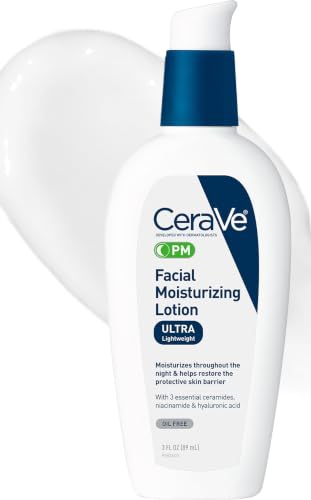
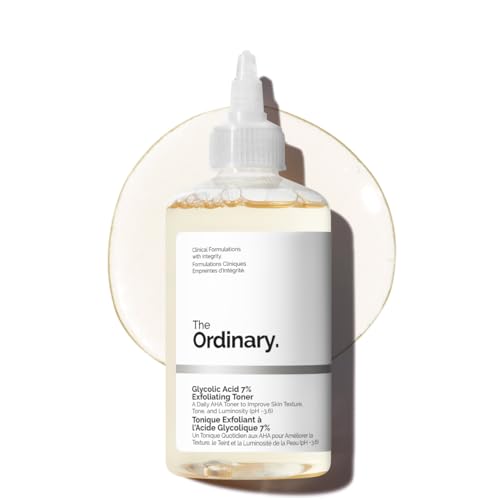
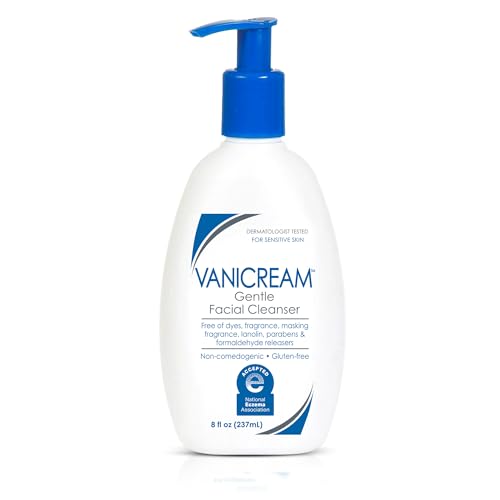
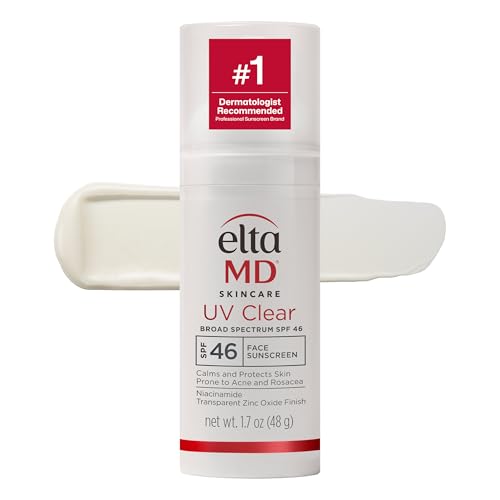
Recommended Toners and Basics for Men



Key Takeaways
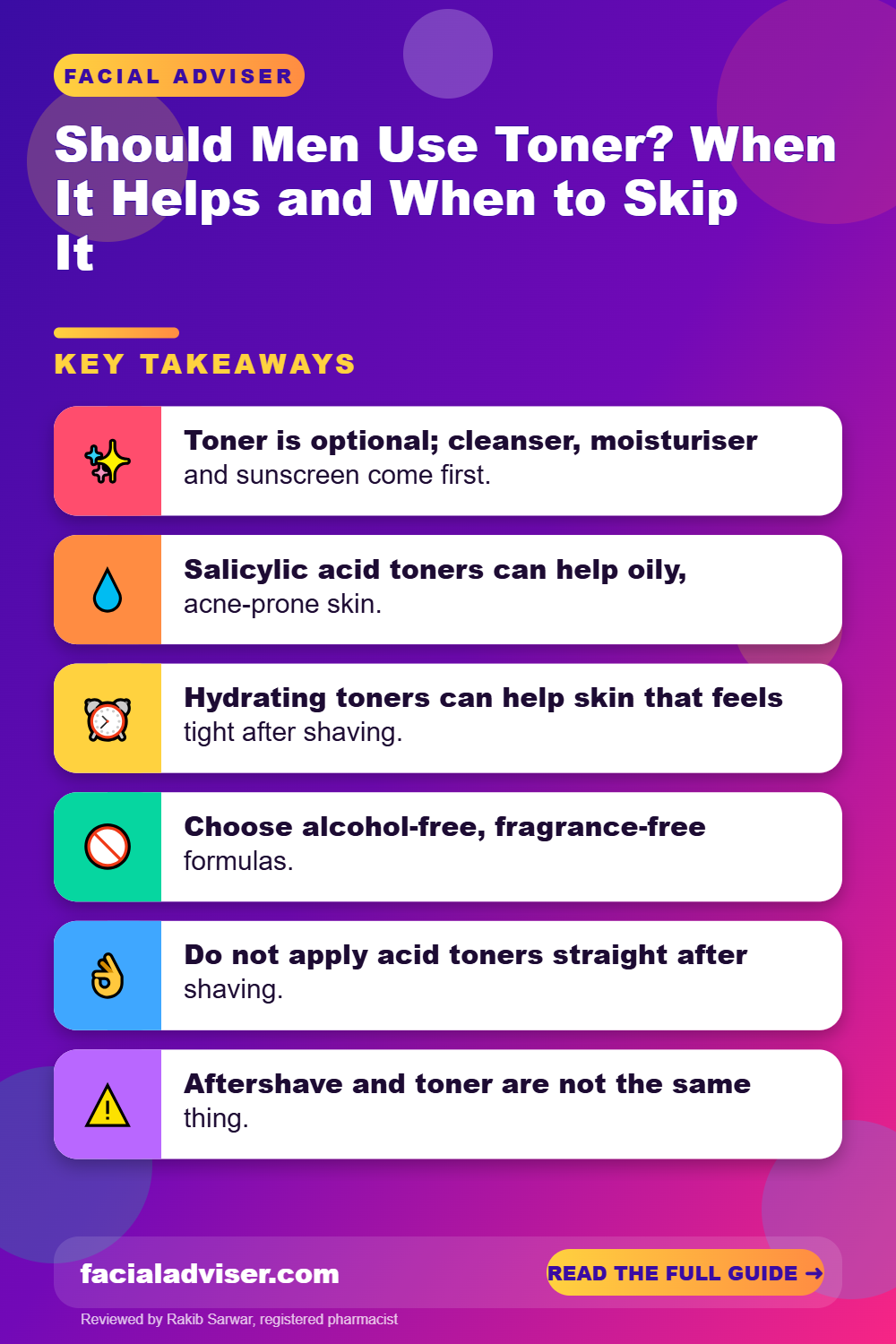
- Toner is optional; cleanser, moisturiser and sunscreen come first.
- Salicylic acid toners can help oily, acne-prone skin.
- Hydrating toners can help skin that feels tight after shaving.
- Choose alcohol-free, fragrance-free formulas.
- Do not apply acid toners straight after shaving.
- Aftershave and toner are not the same thing.
- Skip toner if your skin already feels comfortable.
Jump to a Section
- What Toner Actually Does
- Which Men Benefit Most
- Toner, Shaving and Aftershave
- Can Toner Help Razor Bumps?
- Ingredients to Look For and Avoid
- Toner and Beards
- How Men Can Add a Toner to Their Routine
- A Simple Routine With and Without Toner
- Dos and Don’ts
- Honest Limits
- When to See a Dermatologist
- Questions People Ask
- Summing Up
What Toner Actually Does
The word toner covers several quite different products. Older toners were mainly alcohol-based astringents designed to strip oil and leave the skin feeling tight. Most modern toners are gentler and have a specific job.
| Type | Main ingredients | What it does | Best for |
|---|---|---|---|
| Hydrating toner | Glycerin, hyaluronic acid, ceramides | Adds a light layer of hydration | Dry skin, tightness after shaving |
| Exfoliating toner (BHA) | Salicylic acid | Clears inside pores, reduces oil | Oily, acne-prone skin |
| Exfoliating toner (AHA) | Glycolic or lactic acid | Smooths rough texture | Dull or uneven skin |
| Soothing toner | Centella, green tea, panthenol | Calms redness | Sensitive or irritated skin |
| Astringent | Alcohol, witch hazel | Removes oil, tightens feel | Rarely needed; can irritate |
Our comparison of toner versus astringent explains why alcohol-heavy products have fallen out of favour.
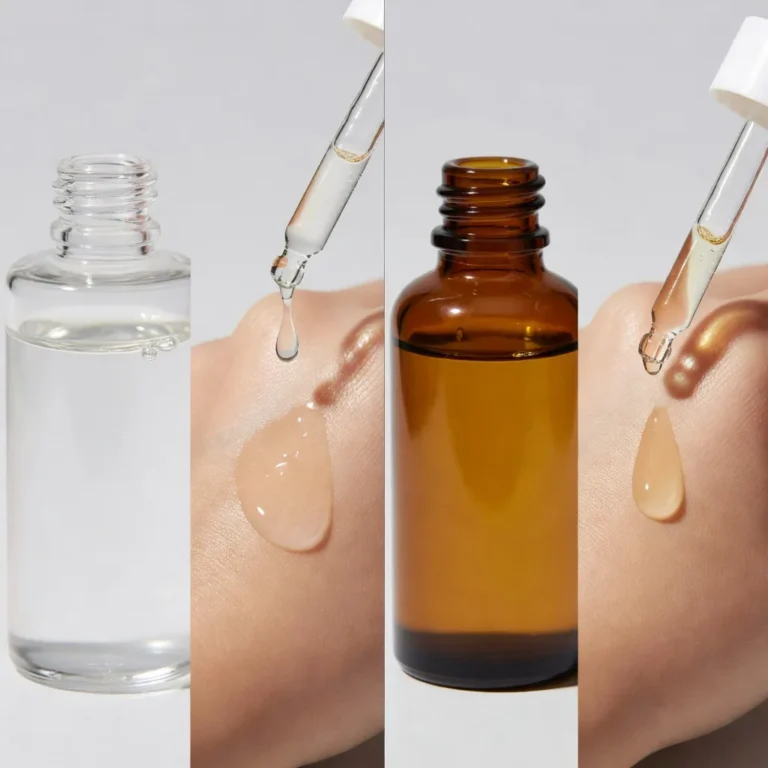
Many of the toners on the market today look similar but behave very differently. A clear liquid in a bottle could be almost pure water and glycerin, or it could be a strong exfoliant that should only be used a few times a week. Checking the ingredient list and directions before you buy saves a lot of trial and error, and it helps you avoid doubling up on acids if you already use an exfoliating cleanser or acne treatment.
Toner is not a replacement for cleanser or moisturiser. It adds one specific benefit on top of those basics.
Which Men Benefit Most
Whether a toner is worth using depends on your skin and what you want to change.
| Your skin | Is toner worth it? | What to choose |
|---|---|---|
| Oily with breakouts or blackheads | Often yes | Salicylic acid toner, a few times a week |
| Tight or dry after shaving | Sometimes | Hydrating, alcohol-free toner |
| Normal, no concerns | Usually not | Skip it or use a simple hydrating toner |
| Sensitive or prone to razor irritation | Only a gentle one | Soothing, fragrance-free toner |
| Rough or dull texture | Sometimes | Low-strength AHA toner, a few evenings a week |
If you have none of these concerns, spending the same time applying sunscreen properly each morning will do far more for your skin than adding a toner.
Men who work outdoors, play sports or sweat a lot during the day often find that oil and sweat build up by evening. For them, a good evening cleanse and a light salicylic acid toner a few times a week can help keep pores clearer without over-drying.
Toner, Shaving and Aftershave
Shaving removes a thin layer of skin cells along with the hair, and even a careful shave can leave tiny nicks. Straight afterwards, the skin is more sensitive than usual.
That is why classic alcohol-based aftershaves sting. The alcohol does have a mild antiseptic effect, but it also dries the skin and can make razor irritation worse. Many modern aftershave balms are closer to moisturisers than toners.
If you want to use a toner on shaving days, a hydrating or soothing, alcohol-free formula is the safest choice. Leave exfoliating toners with salicylic, glycolic or lactic acid for evenings or non-shaving days, so you are not applying acid to freshly shaved skin.
The AAD suggests moisturising straight after shaving while the skin is still damp. A hydrating toner can be a first light layer, followed by moisturiser, if your skin tends to feel tight.
Do not apply exfoliating acid toners immediately after shaving or to cuts, razor burn or irritated skin. It can sting and increase irritation.
Can Toner Help Razor Bumps?
Razor bumps happen when shaved hairs curl back into the skin, causing small, sometimes painful bumps, especially in men with curly or coarse beard hair.
An exfoliating toner with salicylic or glycolic acid, used a few times a week on non-shaving evenings, may help keep the surface clear so hairs are less likely to become trapped. It is a supporting step, not a cure.
Changing how you shave usually makes a bigger difference. The AAD recommends wetting the skin first, using a moisturising shaving cream, shaving in the direction of hair growth and changing blades regularly. If bumps persist, a dermatologist can suggest other options.
Our guide to waxing versus shaving covers alternatives if shaving keeps irritating your skin.
Ingredients to Look For and Avoid
Reading the label is the quickest way to tell whether a toner will help or irritate. The first few ingredients tell you most of what you need to know.
- Good signs: glycerin, hyaluronic acid, panthenol, ceramides, niacinamide, centella asiatica and allantoin are hydrating or soothing.
- Useful actives: salicylic acid for oil and breakouts, and low-strength glycolic or lactic acid for rough texture.
- Watch out for: denatured alcohol or alcohol denat near the top of the list, which can dry and sting.
- Often irritating: strong fragrance, menthol, peppermint and eucalyptus oils, which give a cooling tingle but can inflame sensitive or freshly shaved skin.
A cooling or tingling feeling is not a sign that a product is working. In many cases, it simply means an ingredient is irritating the skin. If you like a refreshing feel after shaving, a cold splash of water is a gentler way to get it.
If you have acne-prone skin, look for products labelled non-comedogenic or oil-free, which the AAD recommends for men who break out easily.
Toner and Beards
If you have a beard, the skin underneath still needs care. Oil, dead skin and product can build up at the base of the hairs, sometimes leading to flaking, itching or small bumps.
A hydrating or soothing toner can be pressed through the beard onto the skin after washing, followed by a light moisturiser or beard oil. Exfoliating toners can help with flaking, but use them sparingly, as beard skin can become irritated too.
Persistent flaking and redness under a beard is often seborrheic dermatitis rather than simple dryness. That usually responds better to medicated washes than to toner, so it is worth seeing a dermatologist if it keeps coming back.
How Men Can Add a Toner to Their Routine
Cleanse
Wash with a mild cleanser and lukewarm water, then pat dry.
Choose the right toner
Pick hydrating or soothing for daily use, or salicylic acid if you are oily and breakout-prone.
Apply with your hands
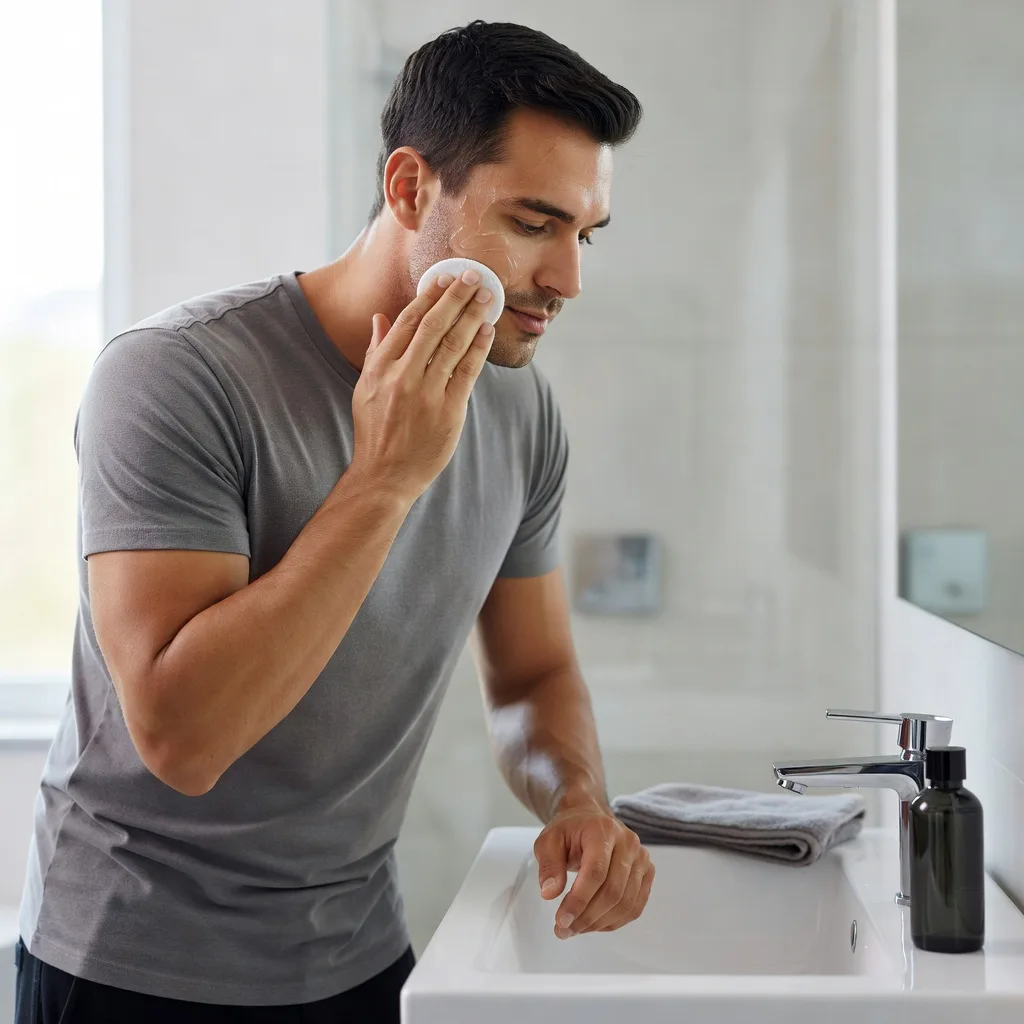
Pour a few drops into your palms and press them into your skin, or use a cotton pad for exfoliating toners.
Avoid freshly shaved areas with acid toners
Use acid toners on non-shaving days or in the evening.
Moisturise
Follow with an oil-free moisturiser if you are oily, or a richer one if you are dry.
Wear sunscreen in the morning
Finish with broad-spectrum SPF 30 or higher, especially if you use exfoliating toners.
If you want to keep things quick, choose a moisturiser with sunscreen for the morning and use toner only in the evening. That keeps your morning routine to two steps.
A Simple Routine With and Without Toner
| Step | Minimal routine | Routine with toner |
|---|---|---|
| Morning 1 | Cleanser | Cleanser |
| Morning 2 | Moisturiser with SPF | Hydrating toner (optional) |
| Morning 3 | None | Moisturiser and sunscreen |
| Evening 1 | Cleanser | Cleanser |
| Evening 2 | Moisturiser | Salicylic acid toner, a few nights a week |
| Evening 3 | None | Moisturiser |
Both routines are perfectly reasonable. The minimal version covers what most men need; the second adds a targeted step for oil, breakouts or dryness.
Consistency matters more than the number of products. A short routine used every day will do more than a longer one used occasionally.
If you are just starting out, try the minimal routine for a month before adding anything else. That gives you a baseline, so if you add a toner later, you can tell whether it is actually helping.
Dos and Don’ts
Good Habits
- Choose alcohol-free, fragrance-free toners
- Use salicylic acid toner if you are oily and breakout-prone
- Apply hydrating toner after shaving if skin feels tight
- Moisturise after toner
- Wear sunscreen daily
Common Mistakes
- Use harsh astringents to strip oil
- Apply acid toner to freshly shaved skin
- Use toner instead of cleanser or moisturiser
- Rub hard with a cotton pad
- Keep using a toner that stings or burns
Honest Limits
There is little research on toners as a category, because they vary so much. What evidence exists is for individual ingredients, such as salicylic acid for acne, rather than for toner itself.
A toner will not fix acne, razor bumps or ageing on its own. It can support a routine that already covers cleansing, moisturising and sunscreen, but those basics do most of the work.
It is also worth noting that products marketed specifically for men are not necessarily different from other toners. What matters is the ingredient list, not whether the packaging is aimed at men. A fragrance-free hydrating toner or a simple salicylic acid liquid works the same way whoever uses it, and unisex products are often cheaper for the same formula.
If you try a toner for a month and notice no difference, it is fine to stop. Plenty of men have healthy skin without ever using one.
When to See a Dermatologist
- Razor bumps are frequent, painful or leaving dark marks.
- Acne does not improve with over-the-counter products.
- Your skin is often red, flaky or itchy, especially around the beard or eyebrows.
- You notice a new or changing spot or mole.
A dermatologist can recommend treatments for razor bumps, acne or skin conditions such as seborrheic dermatitis, which is common in the beard area.
This article is for general information and does not replace professional medical advice. See a dermatologist for persistent skin concerns.
Questions People Ask
Should men use toner?
It is optional. It can help oily skin or dryness after shaving, but cleanser, moisturiser and sunscreen come first.
Is toner the same as aftershave?
No. Traditional aftershaves are often alcohol-based, while most modern toners are alcohol-free and more targeted.
What toner is best for oily male skin?
A salicylic acid toner used a few times a week is often a good choice.
Can I use toner after shaving?
A hydrating, alcohol-free toner is fine; avoid acid toners on freshly shaved skin.
Does toner help razor bumps?
An exfoliating toner may help a little, but shaving technique matters more.
Do men need a different toner from women?
No. The ingredients matter, not who the product is marketed to.
How often should men use toner?
Hydrating toners can be used daily; exfoliating toners a few times a week.
Is witch hazel a good toner for men?
It can dry and irritate some skin, especially in alcohol-based formulas.
Can toner replace moisturiser?
No. Toner adds a light layer, but most skin still needs moisturiser.
What if toner stings?
Stop using it, especially on shaved or irritated skin, and choose a gentler formula.
Summing Up
Men do not need a toner, but it can help if you are oily and breakout-prone or your skin feels tight after shaving. Cleanser, moisturiser and sunscreen remain the essentials.
Choose an alcohol-free, fragrance-free toner, keep acid toners away from freshly shaved skin, and follow with moisturiser. If a toner makes no difference after a month, it is fine to leave it out.

Written by
Registered pharmacist and founder of Facial Adviser. Rakib's pharmacy training covers how skincare actives work and interact; a later course in cosmetology turned that into a focus on facial treatments and skincare products. He plans, researches and edits every guide on the site and checks health claims against sources such as the American Academy of Dermatology, the FDA and the NIH. He is not a dermatologist; see the Editorial Policy and Medical Disclaimer.
About · Editorial policy · How we choose products · Medical disclaimer · Contact
Keep reading: Toners, mists and sunscreen
- Are Facial Sprays Useful? What Face Mists Can and Cannot Do
- What Does a Facial Toner Do? The Real Answer
- Facial Mist vs Toner: Differences, Benefits and Whether to Use Both
- Facial Toner vs Astringent: Which One Your Skin Actually Needs
- Facial Spray vs Toner: What Each Does and Whether You Need Either
- 10 Best Facial Serums for Aging Skin (2026): Picks by Concern
- 10 Best Face Masks for Every Skin Type (2026): Clay, Gel and Sheet