How to Store Vitamin C Serum So It Lasts Longer
Vitamin C serums are among the more expensive products in many routines, and they are also among the most fragile. A bottle that starts out clear or pale yellow can turn orange, then brown, well before you reach the bottom. At that point, much of what you paid for may have gone.
Part of our guide to skincare products. Start with: 10 Best Facial Serums for Aging Skin (2026): Picks by Concern
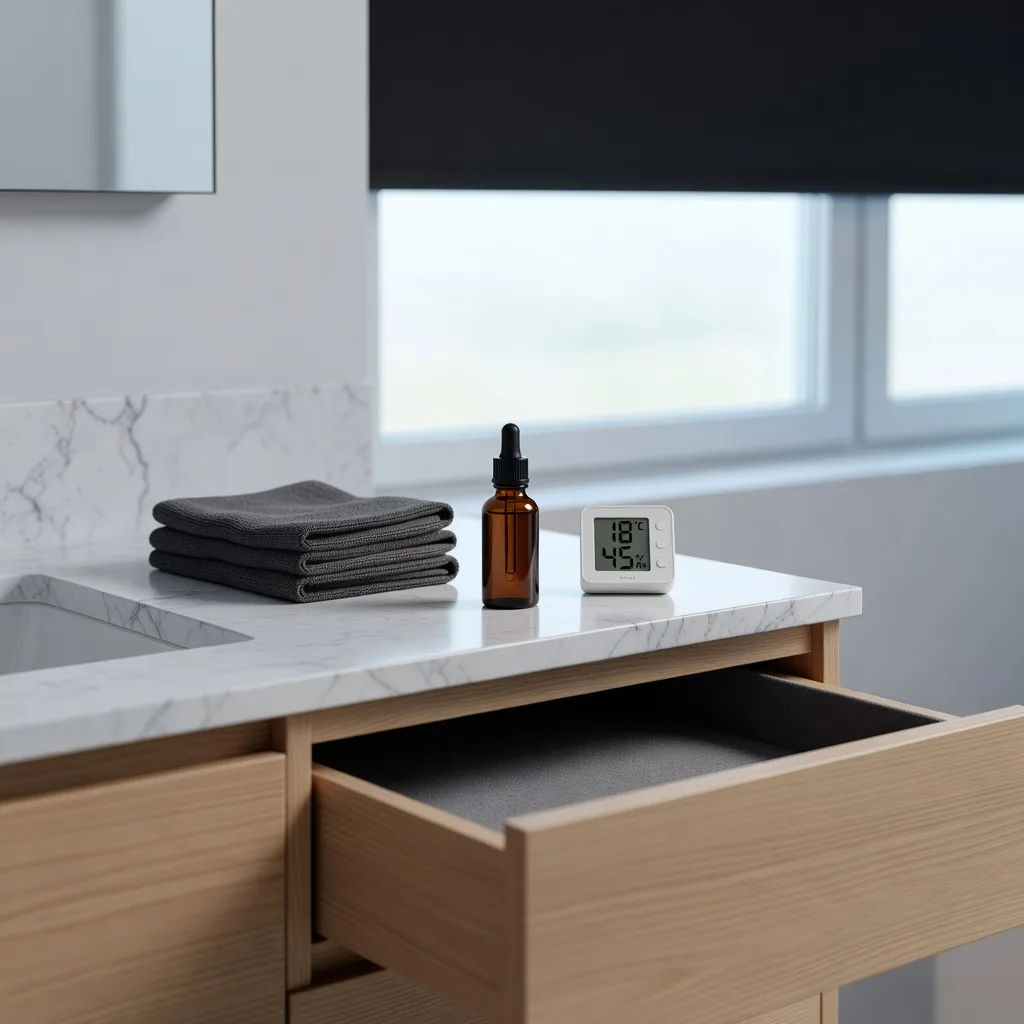
To make vitamin C serum last, keep the cap tightly closed, store it somewhere cool, dark and dry, away from the bathroom’s steam and sunny windowsills, and use it within the time the brand recommends after opening, often around three months for pure L-ascorbic acid serums. The fridge can slow oxidation further but is optional. If the serum turns dark orange or brown, or smells different, it has likely oxidised and is best replaced.
The reason is chemistry. L-ascorbic acid, the most studied form of vitamin C in skincare, is unstable. Exposure to air, light and heat causes it to oxidise, turning it into compounds that no longer work the same way. Reviews of topical vitamin C, such as one published in the Journal of Clinical and Aesthetic Dermatology, note that this instability is one of the main challenges in formulating effective vitamin C products.
Good formulation and packaging go a long way, but how you store the bottle at home still makes a difference.
This guide explains what makes vitamin C break down, the best places to keep it, how to tell when it has gone off, and how to choose products that last longer in the first place.
Shopping these picks?
Amazon Prime members get fast, free shipping on eligible items, plus Prime Video, Amazon Music and member deals. New members can start with a free trial.
Start a free Prime trialAged 18 to 24? Prime for Young Adults comes with a longer free trial and a lower price after it.
Affiliate link: we may earn a commission at no extra cost to you.
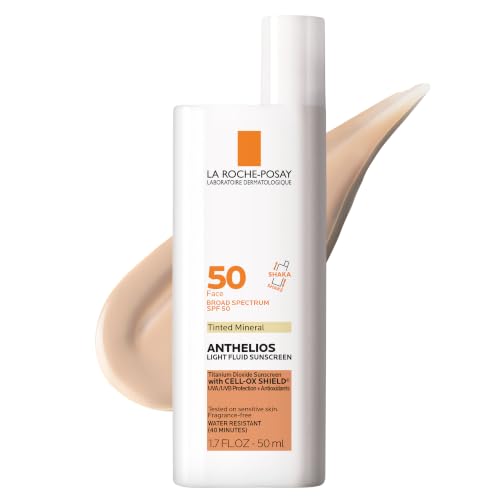
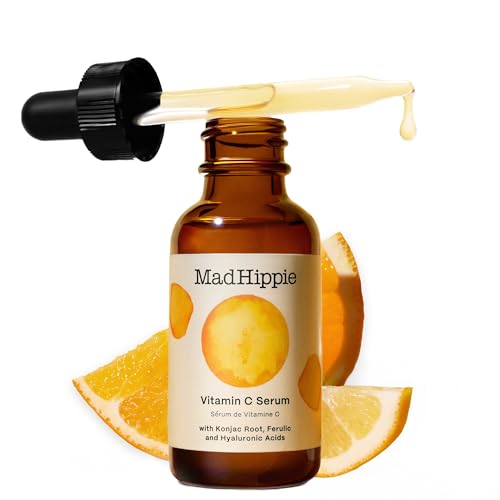
Recommended Vitamin C Serums and Partners
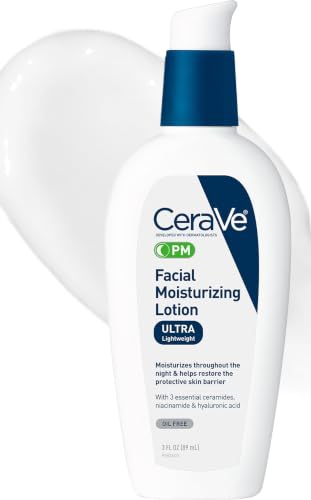

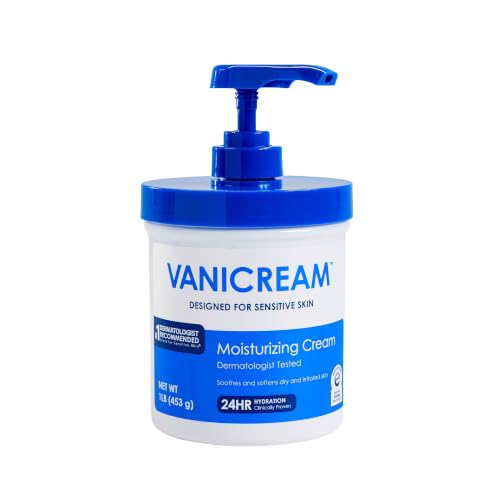
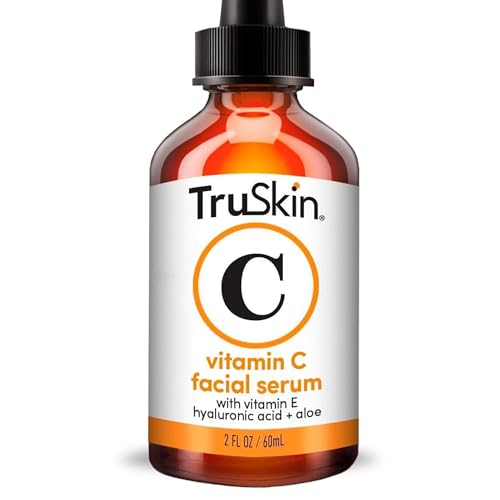
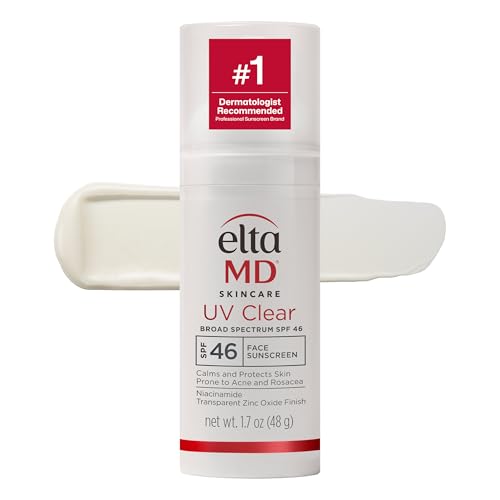
In Brief
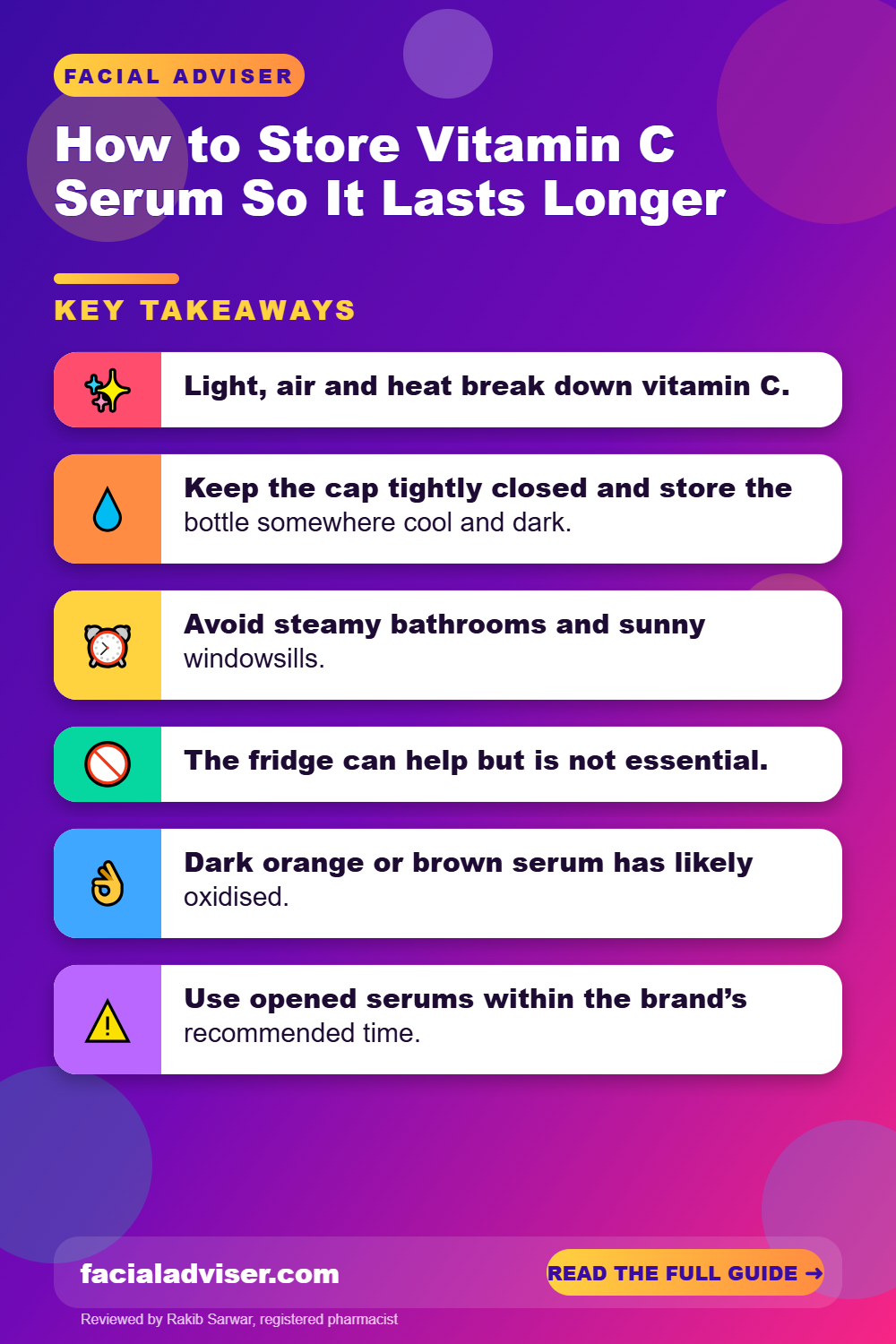
- Light, air and heat break down vitamin C.
- Keep the cap tightly closed and store the bottle somewhere cool and dark.
- Avoid steamy bathrooms and sunny windowsills.
- The fridge can help but is not essential.
- Dark orange or brown serum has likely oxidised.
- Use opened serums within the brand’s recommended time.
- Vitamin C derivatives are usually more stable than L-ascorbic acid.
What This Covers
- Why Vitamin C Breaks Down
- Where to Store Vitamin C Serum
- Should You Keep Vitamin C in the Fridge?
- How to Tell if Vitamin C Has Oxidised
- How to Store Vitamin C Serum Properly
- Choosing a More Stable Vitamin C
- Getting the Most From Your Serum
- Travelling With Vitamin C
- Dos and Don’ts
- Honest Limits
- When to See a Dermatologist
- FAQ
- Final Word
Why Vitamin C Breaks Down
Vitamin C is an antioxidant, which means it readily gives up electrons to neutralise free radicals. That is exactly what makes it useful on the skin, and exactly why it is unstable in the bottle. Oxygen, light and warmth all trigger the same reaction before the serum ever reaches your face.
| Factor | What it does | How to limit it |
|---|---|---|
| Air | Oxidises vitamin C each time the bottle is opened | Close the cap quickly and tightly |
| Light | Speeds up breakdown, especially sunlight | Use opaque packaging; store in a drawer or cabinet |
| Heat | Speeds up chemical reactions | Keep away from radiators, windows and hot cars |
| Humidity and steam | Warmth and moisture can speed degradation | Store outside the bathroom if it gets steamy |
| Time | Oxidation continues gradually after opening | Use within the recommended period |
Formulas usually include ingredients to slow this down, such as a low pH, antioxidants like vitamin E and ferulic acid, and airtight or opaque packaging. Storage at home is the last line of defence.
Some colour change is normal for certain formulas. Many L-ascorbic acid serums start pale yellow. What matters is a noticeable shift towards dark orange or brown over time.
Where to Store Vitamin C Serum
| Location | Suitable? | Why |
|---|---|---|
| Bedroom drawer or cabinet | Yes | Cool, dark and dry |
| Kitchen cupboard away from the oven | Yes | Dark and usually stable temperature |
| Fridge | Yes, optional | Cold slows oxidation |
| Bathroom shelf near the shower | Not ideal | Heat and steam from showers |
| Windowsill or dressing table in sunlight | No | Direct light and warmth |
| Car or gym bag | No | Temperature swings and heat |
The ideal spot is anywhere cool, dark and dry that you will still remember to reach each morning. Out of sight should not mean out of mind, or the serum will expire unused.
If your bathroom stays cool and you keep the serum in a closed cabinet, it is probably fine. The problem is heat and steam from long showers building up in a small room.
It also helps to keep the serum in its original box if it came in one. The box adds another layer of protection from light, and it is a handy place to write the date you opened it. Once opened, try to keep the bottle upright so the serum is not constantly in contact with the dropper and the air trapped at the top.
Should You Keep Vitamin C in the Fridge?
Lower temperatures slow down chemical reactions, so a fridge can help L-ascorbic acid serums stay fresher for longer. It is especially useful in hot climates or in summer, when room temperature is well above what most products are designed for.
It is not essential. Many serums are formulated to be stable at normal room temperature for their stated shelf life, and following the brand’s storage instructions is the best guide.
If you do refrigerate your serum, keep it in the main body of the fridge, not the door where temperature fluctuates, and away from food. Some serums can become slightly thicker when cold, which is normal. Avoid the freezer, as freezing and thawing can separate the formula.
If you live somewhere hot and do not want to use the kitchen fridge, buying smaller bottles is a practical alternative. You will finish them before they have time to degrade much.
How to Tell if Vitamin C Has Oxidised
- Colour: a shift from clear or pale yellow to dark orange, amber or brown.
- Smell: a stronger, metallic or unusual odour compared with when the bottle was new.
- Texture: separation, cloudiness or a change in thickness that does not mix back.
- Skin staining: a faint orange tint on your skin after application.
- More stinging: some people notice more irritation from an old bottle.
Oxidised vitamin C is unlikely to be harmful for most people, but it is also unlikely to deliver the brightening and antioxidant benefits you want. Some breakdown products can leave a temporary orange tint on the skin. Replacing the bottle is the sensible choice.
If you notice these changes well before the expiry date, look at where you have been storing it. Heat and light are the usual culprits.
How to Store Vitamin C Serum Properly
Check the packaging
Choose opaque, dark or airless bottles when buying.
Note the opening date
Write it on the label or box so you know when to replace it.
Close the cap tightly after every use
Minimise the time the bottle is open to the air.
Keep the dropper clean
Avoid touching it to your skin, which can introduce bacteria.
Store in a cool, dark place
A drawer, cabinet or the fridge are all good options.
Use it daily
Regular use means you finish the bottle before it degrades.
Replace when it changes colour
Dark orange or brown means it is time for a new one.
Choosing a More Stable Vitamin C
Not all vitamin C serums are equally fragile. Pure L-ascorbic acid is the most researched form but also the least stable. Several derivatives are more stable, although they have less research behind them.
| Form | Stability | Notes |
|---|---|---|
| L-ascorbic acid | Low | Most research; can sting; needs careful storage |
| Ascorbyl glucoside | Higher | Gentle; converts to vitamin C in the skin |
| Sodium ascorbyl phosphate | Higher | Gentle; often used for acne-prone skin |
| Magnesium ascorbyl phosphate | Higher | Gentle and hydrating |
| Tetrahexyldecyl ascorbate | Higher | Oil-soluble; often in oils and creams |
| Anhydrous or powder formulas | Higher | Water-free formulas oxidise more slowly |
If you keep finding that your serum turns brown before you finish it, a derivative or a water-free formula may suit you better. You may trade a little potency for a product that stays effective for longer.
Our guide to antioxidant synergy in skincare explains why combinations such as vitamin C with vitamin E and ferulic acid are also more stable.
Getting the Most From Your Serum
How you use vitamin C matters as much as how you store it. Most dermatologists suggest applying it in the morning to clean, dry skin, followed by moisturiser and sunscreen, so its antioxidant effect works alongside your sun protection.
A few drops are enough for the whole face and neck. Using more does not increase the benefit and simply empties the bottle faster.
If you also use exfoliating acids, our guide on whether to apply acids before or after vitamin C covers how to fit them together without irritation.
Stop using a vitamin C serum that causes burning, persistent redness or a rash. Rinse your skin with water and see a doctor if the reaction does not settle.
Travelling With Vitamin C
Travel is hard on vitamin C. Suitcases in hold luggage, hot cars and sunny hotel windowsills all expose the serum to heat and light, often for days at a time.
For short trips, taking a small travel-size bottle or decanting a few days’ worth into a clean, opaque container limits how much of your main bottle is exposed. Clear travel bottles are best avoided for vitamin C, since light speeds up breakdown.
Keep the serum in your toiletry bag rather than out on a counter, and put it in a hotel fridge if one is available and the climate is hot. If you are going somewhere very hot for a long time, a more stable derivative or a water-free formula may be a better travel companion than a pure L-ascorbic acid serum.
When you get home, check the colour. If it has darkened noticeably during the trip, it is time to replace it.
Dos and Don’ts
Try This
- Store serum in a cool, dark, dry place
- Close the cap tightly after each use
- Write the opening date on the bottle
- Buy smaller bottles if you use it slowly
- Replace serum that has turned dark orange or brown
Avoid This
- Keep it on a sunny windowsill
- Leave it in a steamy bathroom
- Store it in a hot car or gym bag
- Transfer it into a clear container
- Keep using a serum that has clearly oxidised
Honest Limits
There is no precise rule for how long every vitamin C serum stays effective. It depends on the form of vitamin C, the concentration, the pH, the other ingredients, the packaging and how you store it. The brand’s guidance, often shown as a small open-jar symbol with a number of months, is the best starting point.
Colour is a useful but imperfect guide. Some serums are tinted or contain ingredients that affect colour, and a serum can lose some potency before any visible change. If in doubt, replacing a bottle that is several months past opening is reasonable.
Finally, storage cannot rescue a poorly formulated product. A well-made serum in good packaging, stored sensibly, will do far more than a cheap, unstable formula kept in the fridge. Checking reviews for reports of rapid browning before you buy can save money.
When to See a Dermatologist
- Your skin burns or breaks out every time you use vitamin C.
- Dark spots are not improving despite consistent use of vitamin C and sunscreen.
- You are unsure which form or strength of vitamin C suits your skin.
- You notice new or changing spots or moles.
This article is for general information and does not replace professional medical advice. See a dermatologist for persistent skin concerns.
FAQ
How should I store vitamin C serum?
Keep it tightly closed in a cool, dark, dry place, away from heat, sunlight and bathroom steam.
Should I keep vitamin C serum in the fridge?
It can help slow oxidation, especially in hot climates, but it is optional.
How long does vitamin C serum last after opening?
It varies; many L-ascorbic acid serums are best used within about three months. Follow the brand’s guidance.
How do I know if my vitamin C has oxidised?
It usually turns dark orange or brown and may smell different.
Is oxidised vitamin C harmful?
It is unlikely to be harmful for most people, but it is less effective and can tint the skin.
Why did my vitamin C serum turn orange?
Air, light, heat or age have caused it to oxidise.
Can I store vitamin C in the bathroom?
Only if it is cool and the serum is in a closed cabinet away from shower steam.
Which type of vitamin C is most stable?
Derivatives such as ascorbyl glucoside and water-free formulas are generally more stable.
Can I freeze vitamin C serum?
It is best not to, as freezing can separate the formula.
Does packaging matter?
Yes. Opaque, dark or airless packaging helps protect vitamin C.
Final Word
Vitamin C serum breaks down with exposure to light, air and heat. Keeping it tightly closed in a cool, dark, dry place, and optionally in the fridge, helps it last longer.
Note the opening date, use it daily so you finish the bottle, and replace it when it turns dark orange or brown. If your serum keeps oxidising quickly, try a more stable derivative or a water-free formula.

Written by
Registered pharmacist and founder of Facial Adviser. Rakib's pharmacy training covers how skincare actives work and interact; a later course in cosmetology turned that into a focus on facial treatments and skincare products. He plans, researches and edits every guide on the site and checks health claims against sources such as the American Academy of Dermatology, the FDA and the NIH. He is not a dermatologist; see the Editorial Policy and Medical Disclaimer.
About · Editorial policy · How we choose products · Medical disclaimer · Contact
Keep reading: Serums and actives
- 10 Best Facial Serums for Aging Skin (2026): Picks by Concern
- Skin Cycling: How Many Nights Off Actives Does Your Skin Really Need?
- Can Mixing Skincare Actives Reduce Their Effectiveness?
- How to Transition to Retinol Smoothly: A 12-Week Plan That Avoids the Peel
- Niacinamide or Hyaluronic Acid: Pick Both?
- Antioxidant Facial Treatment: What Holds Up
- 10 Best Facial Cleansers for Combination Skin (2026): Balanced Picks
- 10 Best Facial Moisturizers for Dry Skin (2026): Rich, Gentle Creams