

Should You Apply Acids Before or After Vitamin C?
Vitamin C serums and exfoliating acids are two of the most popular ingredients for brighter, more even skin. It is natural to want to use both, and just as natural to wonder which should go on first, or whether they can be used together at all.
Part of our guide to skincare products. Start with: 10 Best Facial Serums for Aging Skin (2026): Picks by Concern
The simplest and gentlest approach is not to layer them: use vitamin C in the morning, under sunscreen, and an exfoliating acid such as glycolic, lactic or salicylic acid in the evening, a few times a week. If you do want to use both in one routine, apply the exfoliating acid first on clean, dry skin, wait a few minutes, then apply vitamin C, followed by moisturiser. Layering them raises the chance of stinging and irritation, so it is best kept for skin that already tolerates both well.
Both ingredients are acidic, and both can irritate. Vitamin C in its most common form, L-ascorbic acid, is formulated at a low pH to stay stable and absorb, and glycolic and lactic acids work by loosening dead skin cells. Put together, they can be too much for sensitive or dry skin, even if each is fine on its own.
The American Academy of Dermatology lists both vitamin C and glycolic acid among ingredients that can help fade dark spots, and it stresses daily sunscreen as the foundation of any routine aimed at pigmentation or ageing.
This guide explains how the two work, the different ways to combine them, the order to use if you layer, and how to tell when your skin has had enough.
Shopping these picks?
Amazon Prime members get fast, free shipping on eligible items, plus Prime Video, Amazon Music and member deals. New members can start with a free trial.
Start a free Prime trialAged 18 to 24? Prime for Young Adults comes with a longer free trial and a lower price after it.
Affiliate link: we may earn a commission at no extra cost to you.
Recommended Vitamin C, Acids and Support Products
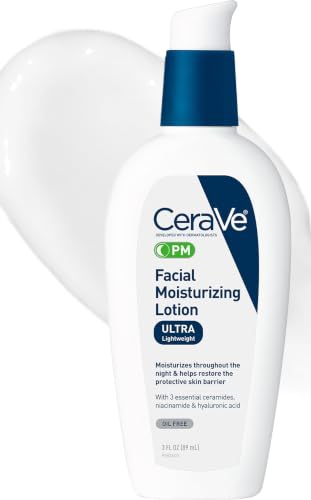
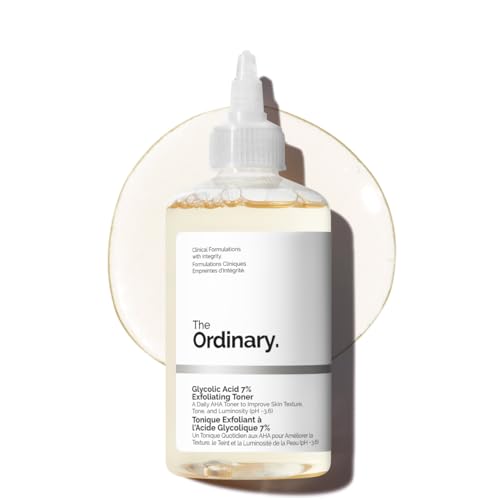
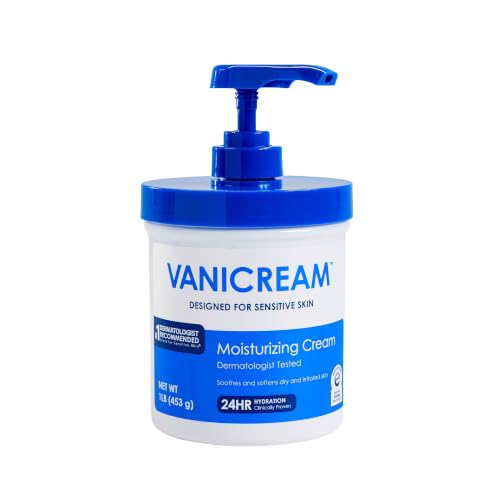

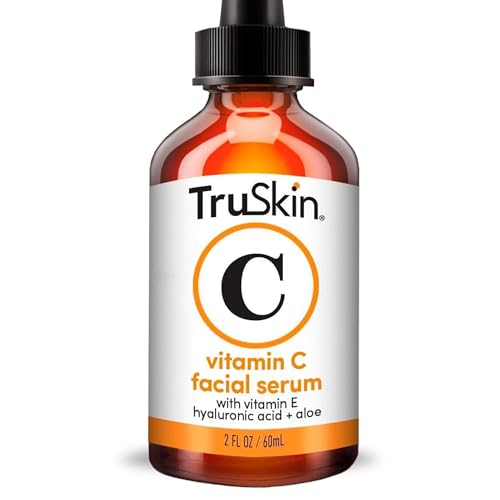
In This Guide
- Three Ways to Use Acids and Vitamin C
- How Vitamin C and Exfoliating Acids Work
- If You Layer: Which Goes First?
- How to Layer an Exfoliating Acid and Vitamin C
- Adjusting for Your Skin Type
- What About Niacinamide and Retinoids?
- Dos and Don’ts
- Signs You Are Overdoing It
- Honest Limits
- When to See a Dermatologist
- Common Questions
- The Bottom Line
What to Know First
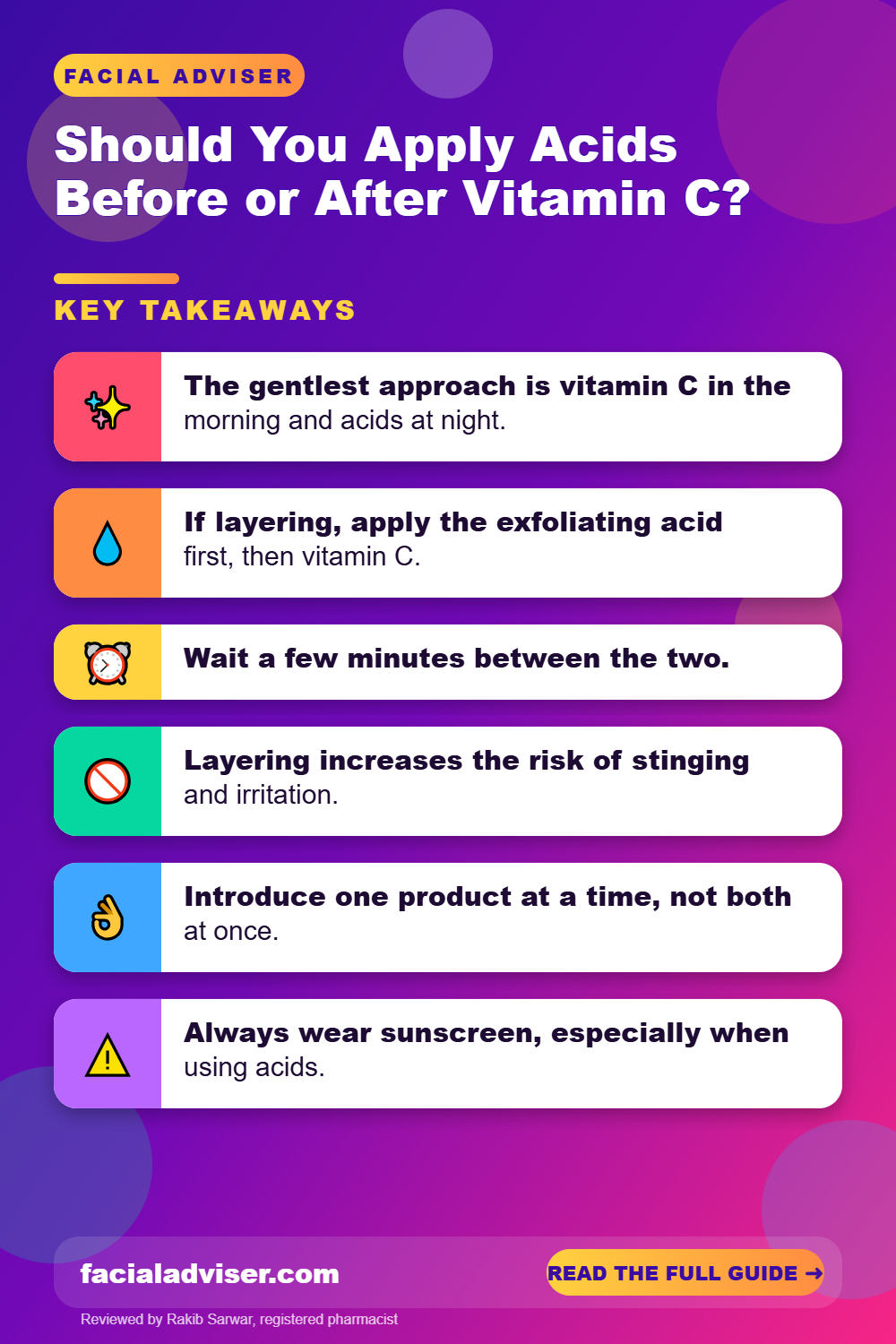
- The gentlest approach is vitamin C in the morning and acids at night.
- If layering, apply the exfoliating acid first, then vitamin C.
- Wait a few minutes between the two.
- Layering increases the risk of stinging and irritation.
- Introduce one product at a time, not both at once.
- Always wear sunscreen, especially when using acids.
- Stop and simplify if your skin stings, peels or turns red.
Three Ways to Use Acids and Vitamin C
There is no single correct routine. The best option depends on how your skin tolerates each product and how much time you want to spend.
| Approach | How it works | Best for |
|---|---|---|
| Split by time of day | Vitamin C in the morning, acid in the evening | Most people, especially sensitive or dry skin |
| Alternate days | Vitamin C one evening, acid another | People who prefer a single evening routine |
| Layer in one routine | Acid first, wait, then vitamin C | Skin that already tolerates both well |
Splitting them by time of day has an extra advantage. Vitamin C is an antioxidant, and using it under sunscreen in the morning suits its role in helping protect against environmental damage. Acids, which can make skin more sensitive to the sun, fit naturally into the evening.
Not every vitamin C product is L-ascorbic acid. Derivatives such as sodium ascorbyl phosphate and tetrahexyldecyl ascorbate are usually gentler and less acidic, which can make combining them with acids easier.
How Vitamin C and Exfoliating Acids Work
Vitamin C is an antioxidant. It is used to brighten dull skin, help fade dark marks and support the skin’s defences against environmental damage. L-ascorbic acid is the most researched form, but it is unstable, which is why many serums are packaged in dark or airless bottles and formulated at a low pH. Exfoliating acids include alpha hydroxy acids (AHAs) such as glycolic, lactic and mandelic acid, and beta hydroxy acid (BHA), which is salicylic acid. They loosen the bonds between dead skin cells so they shed more easily, which can smooth texture and help other products spread evenly.Because they do different jobs, the two can complement each other. Exfoliation helps the skin look smoother and more even, while vitamin C works on brightness and dark marks. The challenge is using them without overwhelming the skin.
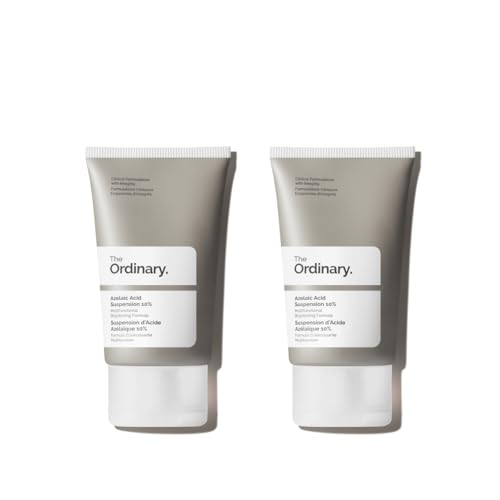
Azelaic acid is sometimes grouped with exfoliating acids, but it works differently and is generally milder. Many people find it combines more comfortably with vitamin C than glycolic acid does.
Some products already contain both, such as vitamin C serums with a small amount of ferulic or lactic acid, or exfoliating toners with added antioxidants. These are formulated to work together at set strengths, which can be a simpler option than layering two separate products. Check the ingredient list of each product in your routine, though, so you do not end up using more acid than you intended.
If You Layer: Which Goes First?
The usual advice is to apply the exfoliating acid first, on clean, dry skin, and vitamin C second. Acids are generally designed to work directly on the skin’s surface, and applying them first avoids diluting them with another product.
| Step | Product | Notes |
|---|---|---|
| 1 | Gentle cleanser | Pat skin completely dry |
| 2 | Exfoliating acid (toner or serum) | A thin layer; avoid eyes and lips |
| 3 | Wait a few minutes | Let the acid dry down fully |
| 4 | Vitamin C serum | A few drops pressed in |
| 5 | Moisturiser | Helps limit dryness |
| 6 | Sunscreen (if morning) | Essential after acids |
You may see advice that you must wait a specific time, such as 20 or 30 minutes, to let the skin’s pH reset. There is little evidence that such long waits are necessary. A few minutes to let each layer dry is usually enough and makes the routine more practical.
Some people prefer to reverse the order, with vitamin C first, especially when the acid is in a leave-on toner. What matters more than the order is how your skin responds. If one way stings and the other does not, go with the one your skin tolerates.
How to Layer an Exfoliating Acid and Vitamin C
Start with one product
Use either vitamin C or the acid on its own for several weeks before combining them.
Cleanse and dry
Wash with a gentle cleanser and pat your skin completely dry.
Apply the acid
Use a thin layer and keep it away from the eyes, nostrils and lips.
Wait a few minutes
Let the acid dry down before the next step.
Apply vitamin C
Press a few drops into the skin.
Moisturise
Finish with a fragrance-free moisturiser.
Protect from the sun
If this is a morning routine, finish with sunscreen; if evening, wear sunscreen the next day.
Try layering only two or three times a week at first. On the other days, use just one of the two products. If your skin stays calm after a few weeks, you can decide whether to layer more often.
Adjusting for Your Skin Type
Sensitive or dry skin: keep vitamin C and acids apart, with vitamin C in the morning and a gentle acid, such as lactic or mandelic acid, one or two evenings a week. A vitamin C derivative may be easier to tolerate than L-ascorbic acid. Oily or acne-prone skin: salicylic acid in the evening and vitamin C in the morning is a common combination. Oily skin often tolerates layering better, but start slowly all the same. Normal skin: you may be able to layer on some days once your skin is used to both. Watch for tightness or stinging. Darker skin tones: irritation can leave dark marks that last for months, so a gentle approach matters even more. Separating vitamin C and acids, starting with lower strengths and increasing slowly helps avoid trading one type of discoloration for another. Mature or sun-damaged skin: vitamin C in the morning, a retinoid on some evenings and an acid on others is a common approach. Avoid using the acid and retinoid on the same night.Our guide to morning versus night routine order shows where each step fits across the day.
What About Niacinamide and Retinoids?
Niacinamide is often used alongside vitamin C and acids. It is generally gentle and many people tolerate it well with both, although very high concentrations can cause flushing in some people. Our guide on whether niacinamide is safe with acids covers the details.
Retinoids are a different matter. Using a retinoid, an exfoliating acid and vitamin C in the same routine is a common cause of irritation. Keep retinoids for evenings when you are not using an acid. Our guide to how many nights off actives you need explains how to rotate them.
Exfoliating acids can increase your skin’s sensitivity to the sun. Wear a broad-spectrum sunscreen every day while using them, and for a week after you stop.
Dos and Don’ts
Worth Doing
- Start with one product at a time
- Use vitamin C in the morning under sunscreen
- Keep acids to a few evenings a week
- Moisturise after actives
- Patch test new products
Skip It
- Layer several acids with vitamin C and a retinoid
- Apply actives to irritated or broken skin
- Increase strength or frequency too quickly
- Skip sunscreen while using acids
- Keep going if your skin stings or peels
Signs You Are Overdoing It
- Stinging or burning that lasts after application
- Redness or a flushed look that does not fade
- Tightness, flaking or peeling
- Products that normally feel fine start to sting
- A shiny, tight or raw feeling to the skin
If you notice these, stop the acid and vitamin C for a week or two and use only a gentle cleanser, moisturiser and sunscreen. When your skin has settled, reintroduce one product at a time, less often than before.
The AAD’s page on fading dark spots notes that results take time and that irritation can make dark spots worse in some skin, so a slower, gentler approach is often more effective.
Honest Limits
Much of the popular advice about layering acids and vitamin C, including exact waiting times and pH rules, is based on theory rather than studies of real routines. The practical guidance here reflects what is least likely to irritate, not a proven formula for better results.
Vitamin C and acids can make skin look brighter and smoother over several weeks to months, but results vary. They will not remove deep pigmentation or scarring on their own, and daily sunscreen does more to prevent new dark spots than any serum.
It is also worth remembering that you do not need both. Many people get good results from vitamin C alone, or from an acid alone, alongside sunscreen and a moisturiser. Adding the second product is optional, and if your skin is happy with one, there is no pressure to add more. A short routine you can keep up every day will usually do more for your skin than a complicated one that leaves it irritated.
When to See a Dermatologist
- Dark spots are spreading, changing or not fading after several months.
- Your skin burns, blisters or swells after using an active product.
- You have melasma or pigmentation that returns after treatment.
- You are unsure how to combine prescription treatments with vitamin C or acids.
This article is for general information and does not replace professional medical advice. See a dermatologist for persistent skin concerns.
Common Questions
Should I apply acids before or after vitamin C?
If you layer them, the acid usually goes first, then vitamin C. Using them at different times of day is gentler.
Can I use vitamin C and glycolic acid together?
Yes, but layering can cause irritation. Many people use vitamin C in the morning and glycolic acid at night.
How long should I wait between an acid and vitamin C?
A few minutes for the acid to dry is usually enough.
Can I use vitamin C and salicylic acid together?
Yes, and oily skin often tolerates this pairing, but start slowly.
Is it better to use vitamin C in the morning?
Many dermatologists suggest the morning, under sunscreen, for its antioxidant role.
Can I use vitamin C, an acid and a retinoid together?
It is best not to. Rotate them to avoid irritation.
Do I need both vitamin C and an acid?
No. Either can be useful on its own with sunscreen and moisturiser.
What if my skin stings after layering?
Stop both for a week or two, then reintroduce one at a time, less often.
Which vitamin C is gentlest with acids?
Derivatives such as sodium ascorbyl phosphate are usually gentler than L-ascorbic acid.
Do I need sunscreen when using acids?
Yes. Acids can increase sun sensitivity, so daily sunscreen is essential.
The Bottom Line
The gentlest way to use exfoliating acids and vitamin C is to separate them, with vitamin C in the morning under sunscreen and an acid on some evenings.
If you layer them, apply the acid first, wait a few minutes, then add vitamin C and moisturiser. Introduce one product at a time, keep retinoids on separate nights, and stop if your skin stings or peels.

Written by
Registered pharmacist and founder of Facial Adviser. Rakib's pharmacy training covers how skincare actives work and interact; a later course in cosmetology turned that into a focus on facial treatments and skincare products. He plans, researches and edits every guide on the site and checks health claims against sources such as the American Academy of Dermatology, the FDA and the NIH. He is not a dermatologist; see the Editorial Policy and Medical Disclaimer.
About · Editorial policy · How we choose products · Medical disclaimer · Contact
Keep reading: Serums and actives
- 10 Best Facial Serums for Aging Skin (2026): Picks by Concern
- How to Store Vitamin C Serum So It Lasts Longer
- Skin Cycling: How Many Nights Off Actives Does Your Skin Really Need?
- Can Mixing Skincare Actives Reduce Their Effectiveness?
- How to Transition to Retinol Smoothly: A 12-Week Plan That Avoids the Peel
- Niacinamide or Hyaluronic Acid: Pick Both?
- 10 Best Face Masks for Every Skin Type (2026): Clay, Gel and Sheet
- What Does a Facial Toner Do? The Real Answer