How to Transition to Retinol Smoothly: A 12-Week Plan That Avoids the Peel
Most people who give up on retinol do it in the first month. The skin gets tight, flaky around the nose and mouth, maybe a little red and stingy, and it feels like the product is doing damage. So the bottle goes into a drawer, often just before the point where the skin would have adjusted.
Part of our guide to skincare products. Start with: 10 Best Facial Serums for Aging Skin (2026): Picks by Concern
That early rough patch is common enough to have a name: retinization, or retinoid dermatitis. Retinoids speed up how quickly skin cells turn over. Until the skin adapts to that new pace, the outer barrier is more fragile than usual, and water escapes faster. For most people it settles within a few weeks.
You can make that adjustment period much gentler. The key is starting low, using retinol infrequently at first, and building up based on how your skin responds rather than following a fixed calendar. A simple morning check, whether your plain moisturizer stings, tells you whether to hold, step up, or pause.
There is also a surprise in the latest evidence. The popular sandwich method, layering moisturizer before and after retinol, is widely recommended to reduce irritation. A small 2025 laboratory study suggests the full sandwich may significantly reduce how much retinoid activity reaches the skin, while moisturizer on just one side does not.
This guide gives you a 12-week ramp-up plan, explains the different types of retinoids and how strong they are, covers buffering methods and what the evidence says, and flags who should talk to a doctor before starting.
Shopping these picks?
Amazon Prime members get fast, free shipping on eligible items, plus Prime Video, Amazon Music and member deals. New members can start with a free trial.
Start a free Prime trialAged 18 to 24? Prime for Young Adults comes with a longer free trial and a lower price after it.
Affiliate link: we may earn a commission at no extra cost to you.
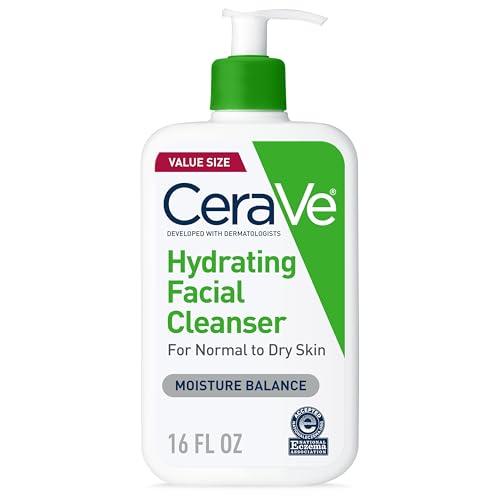
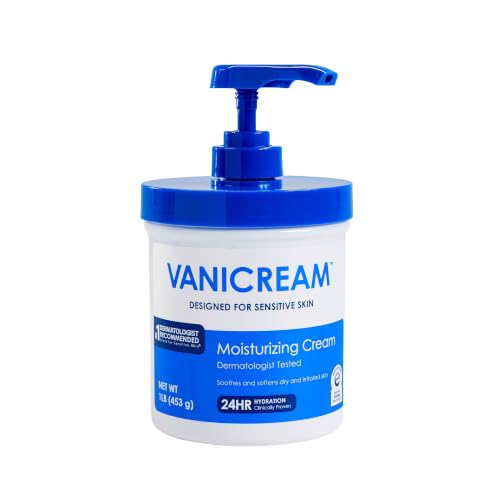
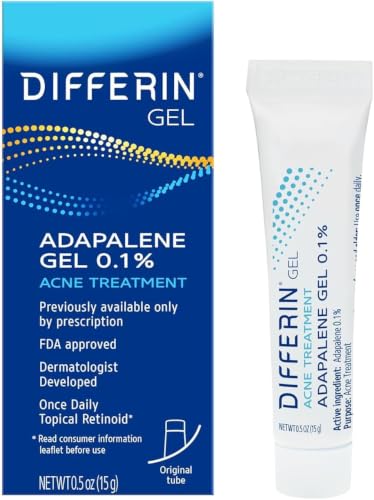
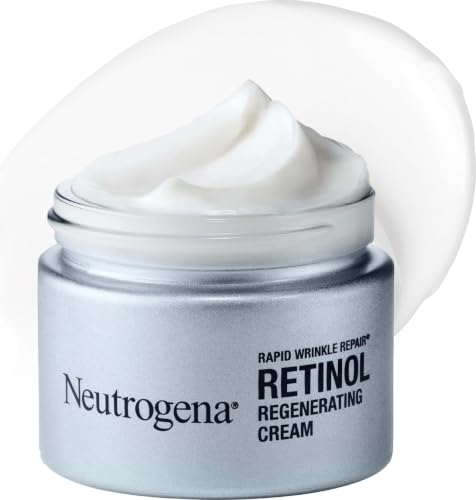
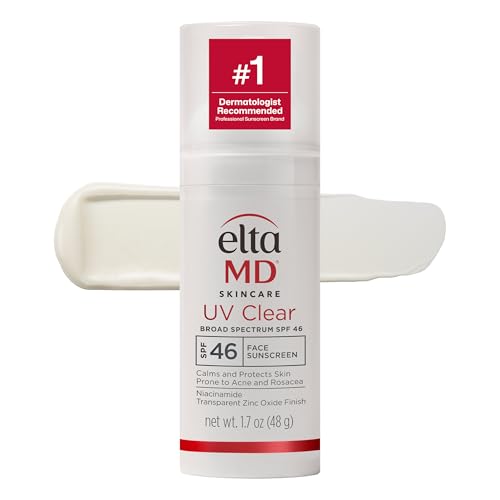
Recommended Products for Starting Retinol


Key Takeaways
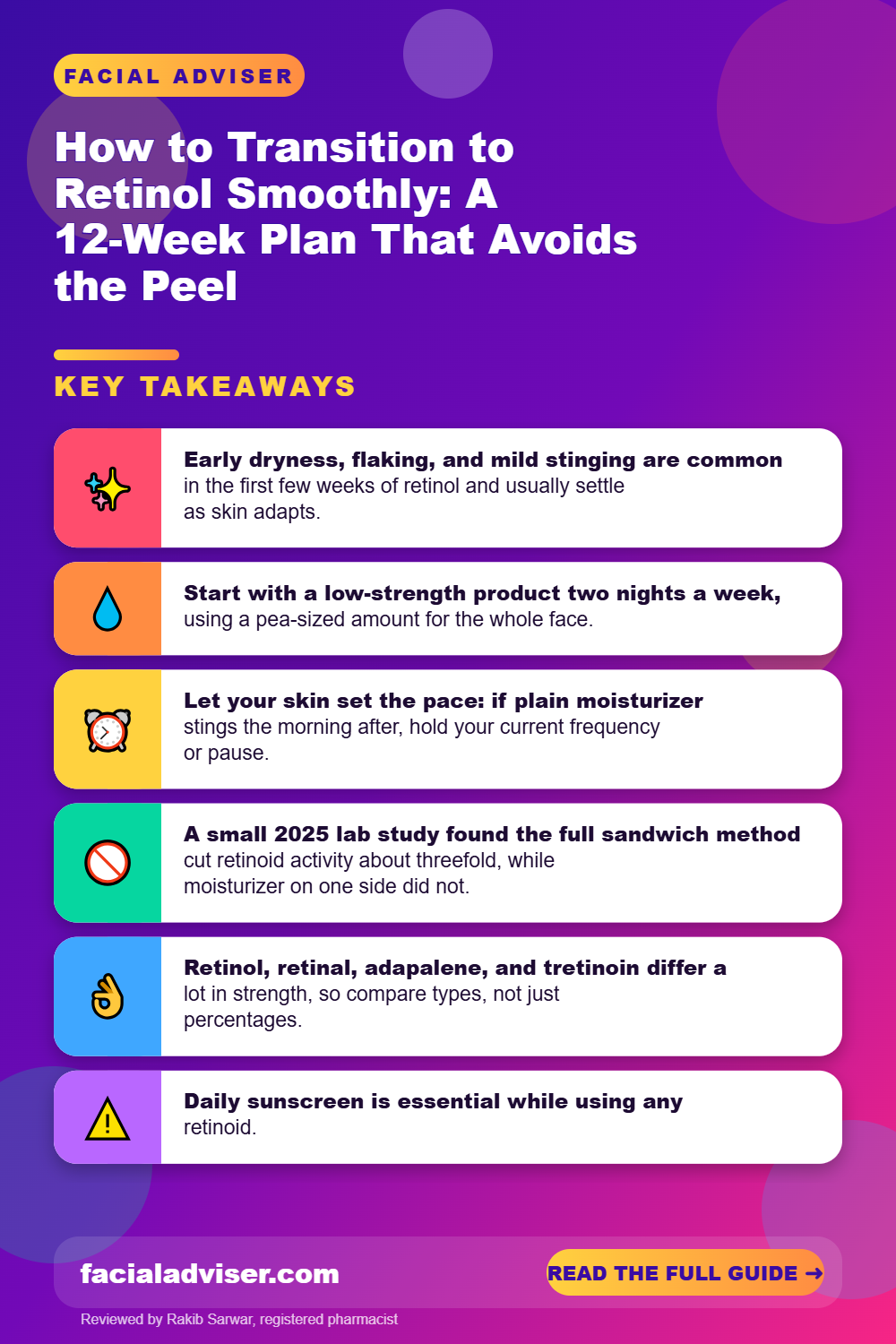
- Early dryness, flaking, and mild stinging are common in the first few weeks of retinol and usually settle as skin adapts.
- Start with a low-strength product two nights a week, using a pea-sized amount for the whole face.
- Let your skin set the pace: if plain moisturizer stings the morning after, hold your current frequency or pause.
- A small 2025 lab study found the full sandwich method cut retinoid activity about threefold, while moisturizer on one side did not.
- Retinol, retinal, adapalene, and tretinoin differ a lot in strength, so compare types, not just percentages.
- Daily sunscreen is essential while using any retinoid.
- Avoid retinoids if you are pregnant or trying to conceive unless your doctor says otherwise.
What This Covers
- Why Retinol Irritates at First
- Retinol vs Other Retinoids: Know Your Strength
- A 12-Week Ramp-Up Plan
- The Sting Check: Should You Step Up, Hold, or Pause?
- The Sandwich Method: What the Evidence Now Says
- Building the Rest of Your Routine Around It
- What Results to Expect and When
- What Retinol Cannot Do
- Who Should Talk to a Doctor First
- Your Questions, Answered
- Where This Leaves You
Why Retinol Irritates at First
Retinoids are vitamin A derivatives. Once converted in the skin to retinoic acid, they bind to receptors that change how skin cells grow and shed. Over months, that leads to smoother texture, fewer clogged pores, more even tone, and support for collagen.
In the short term, faster turnover means newer, less mature cells reach the surface sooner. The barrier they form is temporarily weaker. That is why the first weeks can bring dryness, flaking, tightness, redness, and stinging, especially around the nose, mouth, and eyes where skin is thinner.
This adjustment is often called retinization. It is not an allergy, and for most people it fades as the skin adapts. The goal of a good ramp-up plan is to keep it mild enough that you never feel the need to quit.
Retinol vs Other Retinoids: Know Your Strength
Not all retinoids are equal. Many people start with a product that is far stronger or weaker than they realize.
| Type | Availability | Relative strength | Notes |
|---|---|---|---|
| Retinyl esters (e.g. retinyl palmitate) | Over the counter | Weakest | Several conversion steps, very gentle |
| Retinol | Over the counter | Mild to moderate | Needs two conversion steps to retinoic acid |
| Retinaldehyde (retinal) | Over the counter | Moderate | One step from retinoic acid, often faster acting |
| Adapalene 0.1% | Over the counter in the US | Moderate | A retinoid designed for acne, usually well tolerated |
| Tretinoin | Prescription | Strong | Retinoic acid itself, most studied for photoaging |
Percentages are only comparable within the same type. A 1 percent retinol is not stronger than 0.025 percent tretinoin, because tretinoin does not need converting. If you are coming from a gentle retinol, jumping straight to a strong one will usually bring back the irritation.
A 12-Week Ramp-Up Plan
This plan is a starting framework. The sting check in the next section decides whether you move to the next stage or stay where you are.
| Weeks | How often | Amount | What to expect |
|---|---|---|---|
| 1 to 2 | 2 nights a week, not consecutive | Pea-sized for the whole face | Mild tightness possible |
| 3 to 4 | 3 nights a week | Pea-sized | Some flaking around nose and mouth is common |
| 5 to 8 | Every other night | Pea-sized | Irritation usually easing |
| 9 to 12 | Nightly if tolerated | Pea-sized | Skin more comfortable, early texture changes |
| After 12 | Consider a stronger form | Pea-sized | Only if the current one is fully comfortable |
Apply retinol to completely dry skin after cleansing, avoid the corners of the nose, the lip line, and the delicate skin right around the eyes at first, and follow with moisturizer. Pairing it with a planned rest schedule, like skin cycling, is another way to space it out.
The Sting Check: Should You Step Up, Hold, or Pause?
Instead of moving up on a fixed calendar, use this quick check the morning after each retinol night.
Cleanse gently
Wash with a mild, non-foaming cleanser and pat dry.
Apply a plain moisturizer
Use a fragrance-free moisturizer with no actives.
Notice the first minute
No sensation means your barrier is coping. Brief tingling that fades within a minute is borderline. Stinging or burning means the barrier is strained.
Look at the high-risk spots
Check the corners of the nose, the chin, and around the mouth for new flaking, cracks, or redness.
Decide your next step
No sting for two weeks: move to the next stage of the plan. Borderline: stay at your current frequency. Stinging or cracking: pause for three to five nights and restart one step lower.
Keep a simple log. Write the date, whether you used retinol, and the sting result. Patterns become obvious within two weeks, and you avoid guessing.
The Sandwich Method: What the Evidence Now Says
Buffering means applying moisturizer to cushion a retinoid. It comes in three common versions: moisturizer before, moisturizer after, or moisturizer before and after, often called the full sandwich.
Buffering does reduce irritation for many people, which is why dermatologists have long suggested it for beginners. The question has been whether it also reduces effectiveness.
A small ex vivo study by researchers at Kenvue, presented at the American Academy of Dermatology Annual Meeting in March 2025, tested this on donated human skin samples. Applying moisturizer on one side of the retinoid, before or after, kept retinoid activity similar to using the retinoid alone. The full sandwich reduced measured activity by roughly threefold.
How much weight to give this: the study used lab skin samples rather than people, only four biopsies per group, a 48-hour window, and was run by a skincare company. It is a useful signal, not a final answer. A practical takeaway is to moisturize after retinol by default, and reserve moisturizer-first or the full sandwich for particularly sensitive spots or flare periods.
Building the Rest of Your Routine Around It
Retinol works best in a simple routine. The fewer other actives you use while adjusting, the easier the transition.
Helps
- Use a gentle cleanser morning and night.
- Apply retinol to fully dry skin.
- Follow with a ceramide or fragrance-free moisturizer.
- Wear broad-spectrum sunscreen every morning.
- Add other actives only once retinol is comfortable.
- Use a barrier balm on dry corners of the nose and mouth.
Backfires
- Start with the strongest product you can find.
- Use exfoliating acids, scrubs, or peels on the same nights while adjusting.
- Apply more than a pea-sized amount to speed things up.
- Put retinol on damp skin, which can increase irritation.
- Skip moisturizer to see results faster.
- Wax or use hair-removal creams on areas where you apply retinol.
Pause retinol before: waxing, threading, chemical peels, laser treatments, or microneedling on the same area, and when your skin is sunburned. Retinoids can make skin more fragile and increase the risk of injury. Ask the practitioner how many days to stop beforehand.
What Results to Expect and When
Retinoids are slow. Most people notice smoother texture and fewer clogged pores after eight to twelve weeks. Changes in fine lines and pigmentation usually take three to six months, and continue gradually with longer use.
Some people see a temporary increase in breakouts in the first weeks, often called purging, particularly in areas where they usually break out. If breakouts appear in new areas or continue beyond eight weeks, the product may simply not suit your skin.
Purging or a true breakout?
Purging tends to show up as small bumps and whiteheads in your usual breakout zones, appears within the first few weeks, and clears faster than a normal spot. A reaction to the product is more likely if bumps appear in places you never break out, come with itching or burning, or keep going past two months. When in doubt, pause for a week and see whether the new bumps stop forming.
If your skin also feels tight and stripped rather than just adjusting, it may help to review whether other steps are weakening your barrier. Our guide to damaged skin barrier signs covers what to look for.
What Retinol Cannot Do
Over-the-counter retinol is gentler than prescription tretinoin, and its evidence base is smaller. Much of the strongest research on reversing sun damage uses tretinoin. Retinol can still help, but expectations should be modest, especially at low concentrations.
No retinoid replaces sunscreen. Daily UV exposure breaks down collagen faster than a retinoid can build it, and retinoids can make skin more sun sensitive. Retinol also cannot lift sagging skin or erase deep wrinkles and volume loss, which need in-office treatments.
Finally, stability matters. Retinol degrades with light and air, so opaque, airtight packaging and using the product within its recommended period make a real difference.
Who Should Talk to a Doctor First
Speak with a doctor or dermatologist before starting a retinoid if any of these apply:
- You are pregnant, breastfeeding, or trying to conceive. Retinoids are generally avoided during pregnancy.
- You have rosacea, eczema, or perioral dermatitis, which retinoids can aggravate.
- You are taking oral isotretinoin or other medications that make skin fragile or sun sensitive.
- Irritation is severe, with swelling, oozing, or cracks that do not settle after a pause.
- You have moderate to severe acne or significant sun damage and want prescription options.
Medical disclaimer: This article is for general information only and is not a substitute for professional medical advice. Speak with a doctor or dermatologist before starting retinoids, especially if you are pregnant, breastfeeding, or have a skin condition.
Your Questions, Answered
How long does it take to get used to retinol?
Many people adjust within two to six weeks. Starting with a low strength two nights a week and building up slowly keeps this period milder.
Is peeling normal when starting retinol?
Mild flaking, especially around the nose and mouth, is common in the first weeks. Cracking, burning, or swelling means you should pause.
How often should I use retinol as a beginner?
Start two nights a week, not in a row, and increase gradually over about 12 weeks if your skin stays comfortable.
Does the sandwich method make retinol less effective?
A small 2025 lab study found the full sandwich reduced retinoid activity about threefold, while moisturizer on one side did not. More research in people is needed.
Should I apply retinol on wet or dry skin?
Apply it to fully dry skin. Damp skin can increase penetration and irritation.
Can I use retinol every night?
Many people can after a few months of building up, but only if the morning sting check stays clear.
What is the difference between retinol and tretinoin?
Tretinoin is retinoic acid itself and is prescription only. Retinol must be converted in the skin, so it is gentler and generally less potent.
Can I use vitamin C with retinol?
Yes, but use vitamin C in the morning and retinol at night, especially while your skin is adjusting.
What should I do if retinol burns?
Stop for three to five nights, use only a gentle cleanser and moisturizer, and restart at a lower frequency or strength.
Is retinol safe during pregnancy?
Retinoids are generally avoided during pregnancy. Speak with your doctor about safer alternatives.
Where This Leaves You
Transitioning to retinol is mostly about patience and pacing. Early dryness and flaking are common and usually temporary, and a low-strength product used a couple of nights a week, then increased gradually, keeps them manageable.
Let the morning sting check decide your pace, moisturize after retinol rather than wrapping it on both sides by default, and wear sunscreen every day. Give it three months before judging results, and see a doctor first if you are pregnant or have a reactive skin condition.

Written by
Registered pharmacist and founder of Facial Adviser. Rakib's pharmacy training covers how skincare actives work and interact; a later course in cosmetology turned that into a focus on facial treatments and skincare products. He plans, researches and edits every guide on the site and checks health claims against sources such as the American Academy of Dermatology, the FDA and the NIH. He is not a dermatologist; see the Editorial Policy and Medical Disclaimer.
About · Editorial policy · How we choose products · Medical disclaimer · Contact
Keep reading: Serums and actives
- 10 Best Facial Serums for Aging Skin (2026): Picks by Concern
- Niacinamide or Hyaluronic Acid: Pick Both?
- Antioxidant Facial Treatment: What Holds Up
- Vitamin C Facial: What the Real Data Shows
- Collagen Facial Treatment: What the Evidence Shows
- Is Hyaluronic Acid Good for Acne?
- 10 Best Facial Moisturizers for Dry Skin (2026): Rich, Gentle Creams
- 10 Best Face Masks for Every Skin Type (2026): Clay, Gel and Sheet