10 Best Facial Moisturizers for Teenagers (2026): Light and Oil-Free
Teenage skin is going through big changes. Hormones increase oil production, breakouts often appear for the first time and acne treatments can leave skin dry and flaky at the same time. This list covers 10 options, all oil-free, gentle and free of anti-ageing actives, with notes on who each suits, because many teens skip moisturiser in the belief that oily skin does not need one.
Part of our guide to skincare products. Start with: 10 Best Facial Moisturizers for Dry Skin (2026): Rich, Gentle Creams
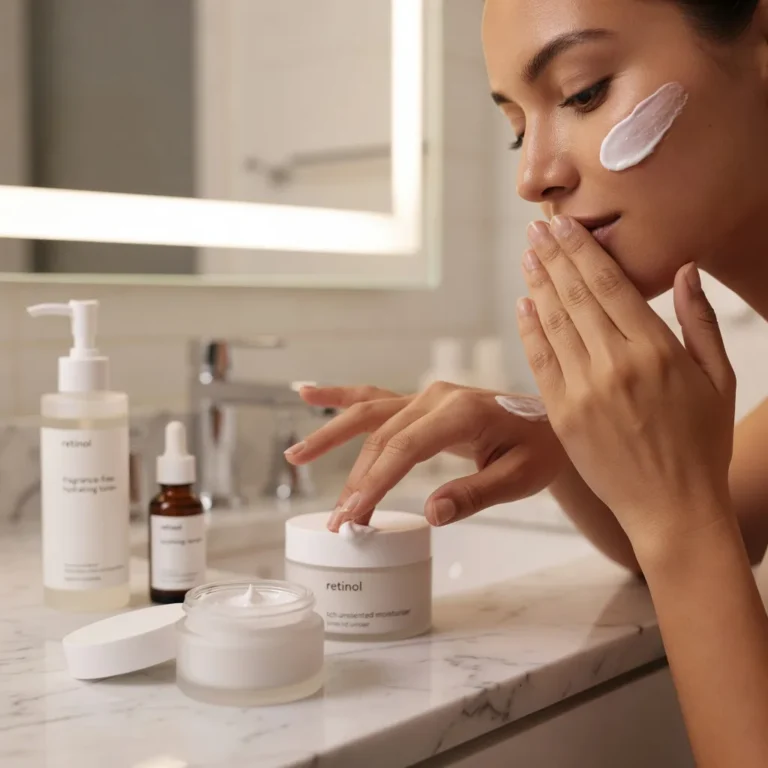
The best facial moisturiser for a teenager is a lightweight, oil-free, non-comedogenic formula, ideally fragrance-free, that hydrates without clogging pores. Gel or light lotion textures suit oily and combination skin, while a slightly richer non-comedogenic cream helps dry skin or skin irritated by acne treatments. Look for simple hydrating ingredients such as glycerin, hyaluronic acid, ceramides or niacinamide, and avoid heavy oils, strong fragrance and anti-ageing actives, which teen skin does not need. In the morning, use a moisturiser with broad-spectrum SPF 30 or add a separate sunscreen. Keep the routine to a gentle cleanser, moisturiser and sunscreen, plus any acne treatment a doctor or pharmacist recommends.
In short: choose oil-free, non-comedogenic and fragrance-free, keep it simple and add SPF in the morning.
The American Academy of Dermatology advises people with acne to choose skincare labelled non-comedogenic or oil-free and to be gentle with their skin, advice that makes moisturiser choice especially important for teenagers.
Below you will find the ten picks, how we chose them, what to look for on the label, how to pair moisturiser with acne treatments, how to include sun protection and how parents can help without overcomplicating things.
Shopping these picks?
Amazon Prime members get fast, free shipping on eligible items, plus Prime Video, Amazon Music and member deals. New members can start with a free trial.
Start a free Prime trialAged 18 to 24? Prime for Young Adults comes with a longer free trial and a lower price after it.
Affiliate link: we may earn a commission at no extra cost to you.
As an Amazon Associate we earn from qualifying purchases. This does not change which products we include.


Key Takeaways
- EltaMD Skin Recovery Light is our top pick: oil-free, lightweight and made for acne-prone, sensitive skin.
- Saturday Skin Waterfall Glacier Water Cream is an oil-free gel cream for teens who dislike heavy textures.
- Baxter of California Oil-Free Face Moisturizer suits normal to oily skin with a shine-free matte finish.
- Choose oil-free, non-comedogenic and preferably fragrance-free formulas.
- Moisturiser helps reduce dryness from acne treatments.
- None of the picks contain SPF, so add a sunscreen of SPF 30 or higher every morning.
- Teens do not need anti-ageing products; a three-step routine is enough.
What This Covers
- The 10 Best Facial Moisturizers for Teenagers Right Now
- How We Chose These Products
- Do Teenagers Need Moisturiser?
- What to Look for on the Label
- Choosing by Skin Type
- Pairing Moisturiser With Acne Treatments
- Adding Sun Protection
- What to Avoid
- How to Build a Simple Teen Moisturising Routine
- A Guide for Parents
- Dos and Don’ts
- Honest Limits
- When to See a Dermatologist
- Your Questions, Answered
- Summing Up
The 10 Best Facial Moisturizers for Teenagers Right Now
These ten moisturisers were shortlisted from widely reviewed Amazon listings and ranked by how well they fit teen skin: oil-free or non-comedogenic, gentle and free of anti-ageing actives. Each pick lists who it suits, its trade-offs and who should skip it.
| # | Product | Best For | Standout Feature | |
|---|---|---|---|---|
| 1 | EltaMD Skin Recovery Light Moisturizer | Acne-prone, sensitive teen skin | Oil-free and made to soothe reactive skin | View |
| 2 | Saturday Skin Waterfall Glacier Water Cream | Teens who dislike heavy creams | Oil-free gel cream with a watery feel | View |
| 3 | Baxter of California Oil-Free Moisturizer | Normal to oily skin wanting a matte finish | Shine-free matte finish, no grease | View |
| 4 | humane Oil-Free Daily Face Moisturizer | Teens with regular breakouts | Lightweight daily moisturiser for acne-prone skin | View |
| 5 | Glow Recipe Pink Juice Water Gel Moisturizer | Oily skin and trying a gel first | Watermelon and hyaluronic acid water gel | View |
| 6 | Amazon Basics Oil-Free Facial Moisturizer | Sensitive skin and simple routines | Fragrance-free, non-comedogenic, alcohol-free | View |
| 7 | Aveeno Clear Complexion Acne Moisturizer | Mild breakouts and fewer steps | Salicylic acid in an oil-free moisturiser | View |
| 8 | COSRX Oil Free Ultra-Moisturizing Lotion | Oily T-zone with drier cheeks | Birch sap lotion that is non-greasy | View |
| 9 | Natural Outcome Oily Skin Moisturizer Gel | Very oily, shiny teen skin | Oil-free gel with hyaluronic acid and aloe | View |
| 10 | Alba Botanica Daily Oil Free Hydrating Moisturizer | Families wanting a vegetarian formula | Oil-free with hyaluronic acid and vitamin E | View |
EltaMD Skin Recovery Light Moisturizer

Best for: Acne-prone, sensitive teen skin
EltaMD Skin Recovery Light takes the top spot because it ticks the boxes that matter most for teenagers: it is oil-free, lightweight and described as soothing for acne-prone and sensitive skin. That makes it a good partner for teens using benzoyl peroxide or salicylic acid, which often leave skin dry, tight or flaky around the nose and chin.
The listing also mentions dry skin, so it should feel comfortable on the patches that acne treatments dry out without sitting heavily on oily areas. It does not contain SPF, so pair it with a separate oil-free sunscreen in the morning. Compared with the #6 Amazon Basics lotion, it is a more specialist formula aimed at calming reactive skin.
- Oil-free face moisturiser
- Lightweight texture
- Described as soothing for acne-prone and sensitive skin
- Suitable for drier skin too
Pros
- Fits alongside drying acne treatments
- Light enough for daily use
- Made with sensitive skin in mind
Cons
- No SPF, so sunscreen is a separate step
- Small tube compared with pump bottles
Skip it if: Skip it if you want a budget everyday lotion; the Amazon Basics or Alba Botanica picks are simpler.
Check Price on AmazonSaturday Skin Waterfall Glacier Water Cream

Best for: Teens who dislike heavy creams
Saturday Skin Waterfall Glacier Water Cream is an oil-free gel moisturiser that the brand describes as releasing a burst of water on the skin. That light, bouncy texture suits teenagers with oily or combination skin who hate the feel of cream but still need hydration, particularly after cleansing or using an acne treatment.
Gel creams tend to sink in quickly and sit well under sunscreen, which helps a morning routine stay short. The listing title gives limited ingredient detail, so check the full list for fragrance if your skin reacts easily. Compared with the #1 EltaMD pick, it is less focused on soothing, but many teens will find the texture more pleasant to use every day.
- Oil-free gel moisturiser
- Water cream texture
- Designed to release a burst of hydration
- Compact size for daily use
Pros
- Very light feel suits oily skin
- Layers well under sunscreen
- Pleasant texture encourages daily use
Cons
- Listing gives few ingredient details
- May not be enough for very dry skin
Skip it if: Skip it if your skin is very dry from acne treatment; the EltaMD pick is more soothing.
Check Price on AmazonBaxter of California Oil-Free Moisturizer

Best for: Normal to oily skin wanting a matte finish
Baxter of California’s Oil-Free Face Moisturizer is a hydrating lotion marketed to men, which makes it an easy pick for teenage boys who would rather not use a product in pastel packaging. The listing says it hydrates without grease, absorbs quickly and leaves a shine-free matte finish on normal to oily skin.
Plant-based hydration technology is said to help restore the moisture barrier, which is useful after shaving or harsh cleansing. It is oil-free but does not say fragrance-free in its title, so check the pack if skin is reactive. Compared with the #8 COSRX lotion it is aimed more at a matte look, and it offers a larger bottle than most picks here.
- Oil-free hydrating lotion
- Matte, shine-free finish
- Designed for normal to oily skin
- Plant-based hydration for the moisture barrier
Pros
- Matte finish suits shiny skin
- Absorbs quickly
- Larger bottle lasts
Cons
- Not described as fragrance-free
- Less suited to dry or flaky skin
Skip it if: Skip it if your skin is dry or sensitive; the EltaMD or Amazon Basics pick is gentler.
Check Price on Amazonhumane Oil-Free Daily Face Moisturizer
Best for: Teens with regular breakouts
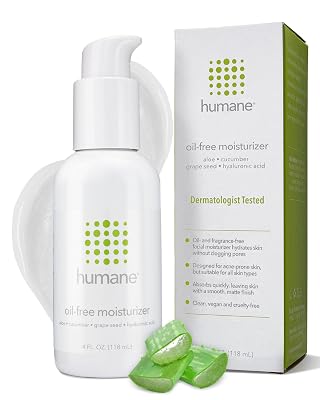
humane Oil-Free Daily Lightweight Face Moisturizer is made for acne-prone skin, and the listing says it is gentle for all skin types and includes soothing antioxidants. For teenagers dealing with regular breakouts, a moisturiser designed around acne-prone skin is a sensible starting point because it is less likely to feel heavy or clog pores.
It works as a plain daily moisturiser to pair with a separate acne treatment rather than as a treatment itself, which keeps things simple. Unlike the #7 Aveeno pick, the title does not mention an acne-fighting active, so it is easier to combine with benzoyl peroxide or other products a pharmacist recommends. As with most picks, add sunscreen in the morning.
- Oil-free daily moisturiser
- Made for acne-prone skin
- Described as gentle for all skin types
- Includes soothing antioxidants
Pros
- Designed around breakout-prone skin
- Easy to pair with acne treatments
- Lightweight daily texture
Cons
- Listing gives limited ingredient detail
- No SPF included
Skip it if: Skip it if you want a moisturiser that also treats spots; the Aveeno pick includes salicylic acid.
Check Price on AmazonGlow Recipe Pink Juice Water Gel Moisturizer
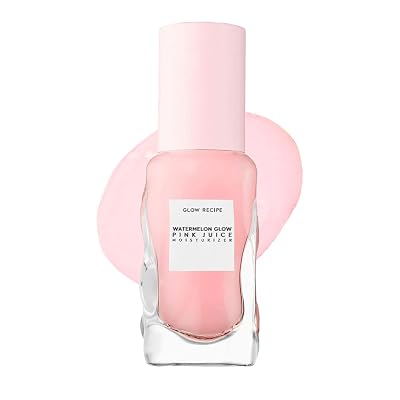
Best for: Oily skin and trying a gel first
Glow Recipe Pink Juice is an oil-free Korean water gel moisturiser for oily skin, built around watermelon extract and hyaluronic acid, according to the listing. It comes in a travel size, which makes it a low-commitment way for a teenager to see whether a gel texture suits them before buying a full-size product.
The brand notes it is vegan and made without parabens, mineral oil and sulfates. It also contains jasmine and peony extracts, and botanical blends can bother reactive skin, so patch test first and choose the #6 Amazon Basics pick if fragrance-free matters. Its glowy finish is more cosmetic than the matte look of the #3 Baxter lotion.
- Oil-free water gel moisturiser
- Watermelon extract and hyaluronic acid
- Botanical blend with jasmine and peony extracts
- Made without parabens, mineral oil and sulfates
Pros
- Light gel texture for oily skin
- Travel size to trial
- Pleasant, glowy finish
Cons
- Botanical extracts may irritate reactive skin
- Small size runs out quickly
Skip it if: Skip it if your skin reacts to plant extracts or fragrance; the Amazon Basics pick is plainer.
Check Price on AmazonAmazon Basics Oil-Free Facial Moisturizer

Best for: Sensitive skin and simple routines
Amazon Basics Oil-free Facial Moisturizer for Sensitive Skin is the simplest pick on this list and one of the most teen-friendly. The listing says it is fragrance-free, non-comedogenic, alcohol-free and paraben-free, and can be used morning and night, which covers every label point this guide recommends for young, changing skin.
It comes as a multipack of pump bottles, handy for keeping one at home and one at a parent’s house or in a sports bag. There are no flashy extras, which is the point: fewer ingredients mean fewer chances of irritation. Compared with the #1 EltaMD pick it is less specialised, but it makes an easy everyday base.
- Oil-free and fragrance-free
- Non-comedogenic for use morning and night
- Alcohol-free and paraben-free
- Pump bottles in a multipack
Pros
- Meets every key label point for teen skin
- Simple, low-irritation formula
- Multipack covers several places
Cons
- No soothing extras or SPF
- Plain texture may feel basic
Skip it if: Skip it if skin is very dry or irritated from acne treatment; the EltaMD pick is more soothing.
Check Price on AmazonAveeno Clear Complexion Acne Moisturizer

Best for: Mild breakouts and fewer steps
Aveeno Positively Radiant Clear Complexion is a daily moisturiser that also contains salicylic acid to help clear and prevent blemishes, along with a soy complex. The listing describes it as oil-free, non-comedogenic and suitable for sensitive, acne-prone skin, which suits teens with mild breakouts who want fewer steps in their routine.
Because it contains an acne active, do not stack it with other salicylic acid or strong acne products without advice, and stop if skin becomes dry or stings. Anyone with an aspirin allergy should check with a pharmacist first. Compared with the #4 humane moisturiser, it treats as well as hydrates, which is convenient but less flexible.
- Contains salicylic acid for blemishes
- Oil-free and non-comedogenic
- Includes a soy complex
- Designed for sensitive, acne-prone skin
Pros
- Combines moisturiser and acne care
- Fewer steps in the routine
- Well-known skincare brand
Cons
- Can be too drying alongside other acne products
- Not ideal for skin already irritated by treatment
Skip it if: Skip it if you already use a prescription or benzoyl peroxide routine; a plain moisturiser like Amazon Basics is safer.
Check Price on AmazonCOSRX Oil Free Ultra-Moisturizing Lotion

Best for: Oily T-zone with drier cheeks
COSRX Oil Free Lotion with Birch Sap is designed for oily and combination skin, which describes many teenagers: a shiny forehead and nose with drier cheeks. The listing says it has a light, non-greasy consistency and contains a high proportion of birch sap water to restore moisture and calm the skin.
Its lotion texture sits between the watery gels of the #2 and #5 picks and a cream, so it works on both oily and dry patches without a second product. COSRX says its formulas focus on skin-friendly ingredients for irritated skin. As with most moisturisers here, add an oil-free sunscreen in the morning.
- Oil-free lotion for oily and combination skin
- Contains a high proportion of birch sap
- Light, non-greasy consistency
- Designed to absorb quickly
Pros
- Handles oily and dry areas together
- Non-greasy finish
- Calming positioning
Cons
- Not described as fragrance-free in the title
- No SPF
Skip it if: Skip it if you need a fragrance-free formula; the Amazon Basics pick states it plainly.
Check Price on AmazonNatural Outcome Oily Skin Moisturizer Gel

Best for: Very oily, shiny teen skin
Natural Outcome’s Oily Skin Moisturizer is an oil-free daily facial gel with hyaluronic acid, watermelon and aloe vera, according to the listing. It is aimed squarely at oily skin, which makes it a good fit for teenagers whose faces get shiny by lunchtime but who still feel tight after washing.
Hyaluronic acid draws water into the skin without adding oil, and aloe is widely used to soothe. The listing title gives limited detail beyond these ingredients, so check the pack for fragrance. It is more focused on oily skin than the #10 Alba Botanica pick and lighter than the #8 COSRX lotion, which suits teens who dislike any lotion feel.
- Oil-free daily facial moisturiser gel
- Contains hyaluronic acid
- Includes watermelon and aloe vera
- Made for oily skin
Pros
- Very light gel for shiny skin
- Hydrates without adding oil
- Soothing aloe
Cons
- Limited ingredient detail in the listing
- Too light for dry, flaky patches
Skip it if: Skip it if your skin is dry; the EltaMD or COSRX pick is more comfortable.
Check Price on AmazonAlba Botanica Daily Oil Free Hydrating Moisturizer

Best for: Families wanting a vegetarian formula
Alba Botanica Daily Oil Free Hydrating Moisturizer combines hyaluronic acid and vitamin E with a plant-based blend including green tea, gotu kola and cucumber. The listing says it lightly hydrates and minimises the look of pores, and it is vegetarian, cruelty-free and made without parabens, phthalates or sulfates, according to the brand.
That makes it a good pick for families who prefer plant-based products, though botanical extracts can still irritate some skin, so patch test first. It comes in a jar, so use clean fingers to scoop it out. Compared with the #6 Amazon Basics lotion, it adds botanicals, while the #9 Natural Outcome gel is lighter for very oily skin.
- Oil-free hydrating moisturiser
- Contains hyaluronic acid and vitamin E
- Plant-based blend with green tea and cucumber
- Vegetarian, cruelty-free and paraben-free
Pros
- Light hydration for most skin types
- Plant-based, cruelty-free formula
- Helps skin look smoother
Cons
- Botanical extracts may bother reactive skin
- Jar packaging is less hygienic than a pump
Skip it if: Skip it if your skin reacts to plant extracts; the Amazon Basics pick is plainer.
Check Price on AmazonHow We Chose These Products
We shortlisted moisturisers from Amazon listings that are highly rated by a large number of shoppers, favouring established brands and fuller-featured formulas labelled oil-free, non-comedogenic or made for acne-prone and sensitive skin. We then checked each product’s listed features against the guidance cited in this post, including the AAD’s advice to choose oil-free or non-comedogenic products and to be gentle with acne-prone skin.
These are research-based picks, not hands-on lab tests. We did not measure hydration or pore-clogging ourselves, so rankings reflect listing detail, ingredients and intended use rather than personal results. We deliberately left out anti-ageing creams, retinol products and tinted or heavy formulas, which teen skin does not need.
- Strong ratings from a large number of shoppers
- Established brands and fuller-featured formulas preferred
- Oil-free or non-comedogenic labels required
- No retinol, anti-ageing actives or heavy oils
- Products with thin or unclear listings excluded or ranked lower
Do Teenagers Need Moisturiser?
Yes, most teenagers benefit from a moisturiser, even if their skin feels oily. Oil and water are not the same thing: skin can produce plenty of oil and still lack hydration, particularly after cleansing or using acne products.
- Moisturiser helps protect the skin barrier, the outer layer that keeps water in and irritants out.
- It reduces the dryness, peeling and stinging that acne treatments often cause.
- Well-hydrated skin can look less shiny, because it is not over-compensating for dryness.
- A moisturiser with SPF adds daily sun protection in one step.
The key is choosing a formula that hydrates without adding heavy oils that could clog pores. Our guide on facial moisturiser vs lotion explains how textures differ.
Some teens worry that any moisturiser will make them break out. In practice, skipping moisturiser often backfires: dry, irritated skin can become red and flaky, and acne treatments become harder to keep using. A thin layer of a light, oil-free formula is usually the best middle ground, and it can be applied only where skin feels tight if the rest of the face stays oily.
What to Look for on the Label
A few words on the packaging tell you most of what you need to know. This table summarises the most useful label terms for teen skin.
| Label term | What it means | Why it matters for teens |
|---|---|---|
| Oil-free | Contains no added oils | Less likely to feel greasy or clog pores |
| Non-comedogenic | Formulated not to block pores | Important for acne-prone skin |
| Fragrance-free | No added perfume | Lowers the risk of irritation and allergy |
| Broad spectrum SPF 30+ | Protects against UVA and UVB | Daily sun protection, especially with acne treatments |
| For sensitive skin | Usually fewer potential irritants | Helpful if skin stings easily |
| Dermatologist tested | Tested under a dermatologist’s supervision | Useful, but not a guarantee it suits everyone |
When comparing two similar products, the shorter, simpler ingredient list is often the safer first choice for young or reactive skin. Try one new product at a time and give it about two weeks before judging whether it suits you, unless it causes an obvious reaction sooner.
Terms like non-comedogenic are not strictly regulated, so a product can still cause breakouts for some people. Our guide on how to tell if a product is non-comedogenic explains how to read the ingredient list as well as the front label.
Choosing by Skin Type
Teen skin types vary as much as adult skin types. Use this guide to choose a texture that feels comfortable enough to use every day.
| Skin type | Best texture | Tips |
|---|---|---|
| Oily | Gel or water-gel | A thin layer is enough; avoid rich creams |
| Combination | Light lotion or gel | Use a little more on dry cheeks |
| Dry | Light non-comedogenic cream | Apply to slightly damp skin |
| Acne-prone | Oil-free gel or lotion | Fragrance-free, non-comedogenic |
| Sensitive | Fragrance-free lotion | Fewer ingredients, patch test first |
Skin can change with seasons and with acne treatments. A teen who needs a gel in summer may need a slightly richer cream in winter or while using a drying acne product.
Pairing Moisturiser With Acne Treatments
Many teenagers use over-the-counter acne products such as benzoyl peroxide or salicylic acid, or prescription treatments from a doctor. These can be drying, and a good moisturiser helps teens keep using them. Dryness and mild peeling in the first few weeks are common and usually settle as skin adjusts, but burning or cracking is a sign to cut back.
- Apply acne treatments first on clean, dry skin, then moisturiser on top once it has absorbed.
- If skin gets very dry, try moisturiser first and the treatment on top, or use the treatment on alternate days.
- Avoid scrubs and extra exfoliants while using acne treatments.
- Follow the doctor’s or pharmacist’s directions for prescription products.
- Be patient; acne treatments often take several weeks to show improvement.
The AAD’s acne skin care tips recommend washing twice a day and after sweating, using gentle products, and resisting the urge to pick or scrub. Our guide on how to tell if a cleanser is too harsh helps if skin feels tight after washing.
Adding Sun Protection
Sun protection matters at every age, and some acne treatments, including certain prescription creams and tablets, make skin more sensitive to the sun. A morning moisturiser with broad-spectrum SPF 30 or higher is the simplest option for teens who want fewer steps.
- Choose an oil-free, non-comedogenic SPF moisturiser or sunscreen.
- Apply a generous amount to the face, ears and neck.
- Reapply sunscreen when outdoors for long periods, especially after sweating or swimming.
- Gel or fluid sunscreens feel lighter on oily skin.
- Do not rely on makeup with SPF alone; it is rarely applied thickly enough.
The AAD’s guidance on how to apply sunscreen explains how much to use and when to reapply.
What to Avoid
Some products and habits can make teen skin worse or simply add unnecessary cost.
- Heavy oils and rich balms on oily or acne-prone skin.
- Strongly fragranced products and essential oils.
- Anti-ageing creams, strong retinol products and peels, which teen skin does not need.
- Harsh scrubs and daily exfoliation.
- Using several new products at once.
- Copying long multi-step routines from social media.
Stop using a product if it causes burning, swelling, rash or a sudden increase in breakouts. Do not combine several acne products without advice from a doctor or pharmacist, as this can badly irritate the skin.
How to Build a Simple Teen Moisturising Routine
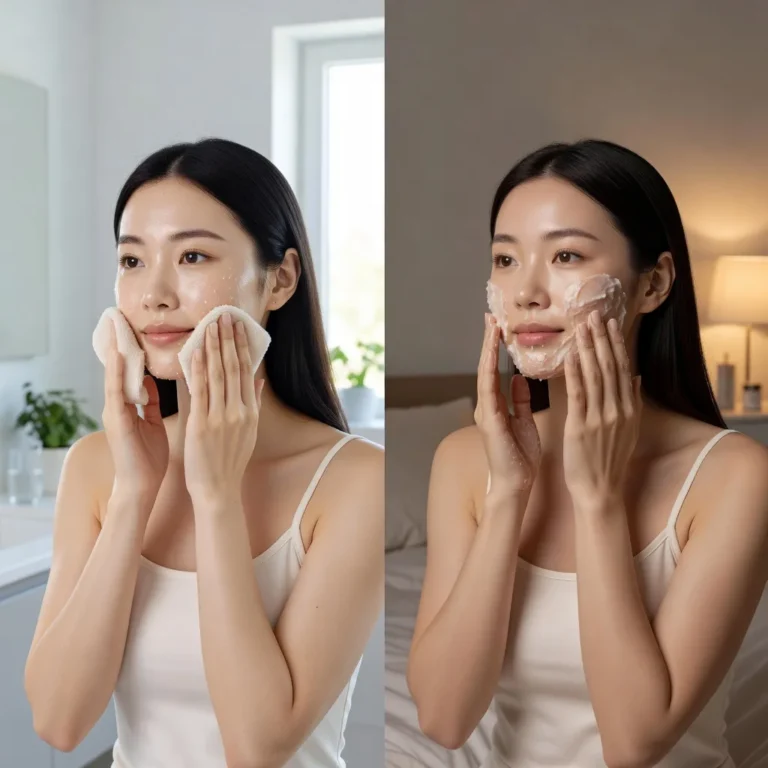
A short routine is easier to stick to, and consistency matters more than the number of products. These steps suit most teenagers, whatever their skin type, and take only a few minutes each morning and evening. If skin is very oily, the morning cleanse can be a simple rinse followed by moisturiser and SPF.
Cleanse gently
Wash with a mild cleanser and lukewarm water morning and night.
Pat dry
Use a clean towel and avoid rubbing.
Apply acne treatment if used
Use any recommended treatment on clean skin as directed.
Moisturise
Apply a pea-sized amount of oil-free moisturiser to the face.
Add SPF in the morning
Use an SPF 30 moisturiser or a separate sunscreen as the last step.
Keep hands off
Avoid picking or squeezing spots.
Stick with it
Use the same routine for six to eight weeks before changing products.
Keep a small tube of the moisturiser in a school or sports bag. A quick application after washing the face post-exercise stops skin feeling tight.
A Guide for Parents
Parents can help most by keeping things simple, supportive and practical. Skin care at this age is about comfort, health and good habits.
- Offer a basic, fragrance-free cleanser, moisturiser and sunscreen rather than large kits.
- Let teens choose a texture they like, so they actually use it.
- Check labels for oil-free and non-comedogenic wording together.
- Encourage patience with acne treatments and discourage picking.
- Arrange a visit to a doctor or dermatologist if acne is painful, widespread or affecting confidence.
Younger teens and those with very sensitive skin may do best with the simplest products available. It can also help to talk about skin care as a normal part of looking after health, like brushing teeth, rather than as a way to fix how someone looks. Acne is extremely common during the teenage years, and reassurance that it usually improves with time and the right treatment can take a lot of pressure off. If a teen is already using prescription acne medicine, check with the prescriber before adding new products.
Dos and Don’ts
Do
- Choose oil-free, non-comedogenic moisturiser
- Moisturise after cleansing
- Wear SPF 30 or higher daily
- Patch test new products
- Keep the routine short
Don’t
- Skip moisturiser because skin is oily
- Use heavy oils on acne-prone skin
- Use anti-ageing products
- Pick or squeeze spots
- Mix several acne products at once
Honest Limits
A moisturiser supports the skin barrier and makes acne treatments easier to tolerate, but it does not clear acne on its own. Moderate or severe acne usually needs targeted treatment, sometimes prescribed by a doctor.
No single product suits every teenager, and labels such as non-comedogenic are guides rather than guarantees. If a moisturiser seems to cause breakouts, switching to a lighter, simpler formula is often more helpful than adding more products. Hormones, stress, sleep and possibly diet can all affect teenage skin too, so progress is rarely a straight line even with a perfect routine.
When to See a Dermatologist
- Acne is painful, deep or leaving marks or scars.
- Over-the-counter treatments have not helped after two to three months.
- Skin becomes very red, sore or cracked from treatments.
- Breakouts are affecting mood or confidence.
This article is for general information and does not replace professional medical advice. Teenagers with persistent acne or skin reactions should see a doctor or board-certified dermatologist, with a parent or guardian where appropriate.
Your Questions, Answered
What is the best moisturiser for teenage skin?
Our top pick is EltaMD Skin Recovery Light, an oil-free option for acne-prone, sensitive skin.
Do teenagers with oily skin need moisturiser?
Yes, a light gel moisturiser helps balance hydration.
Can moisturiser cause acne in teens?
Heavy or oily formulas can; non-comedogenic ones are less likely to.
Should teens use moisturiser with SPF?
Yes, in the morning, SPF 30 or higher.
Can I use moisturiser with benzoyl peroxide?
Yes, it helps reduce dryness and peeling.
Do teens need anti-ageing creams?
No, a simple routine is all teen skin needs.
Which moisturiser on this list is best for sensitive teen skin?
Amazon Basics Oil-free Facial Moisturizer for Sensitive Skin, which is fragrance-free and non-comedogenic.
Is a gel or cream better for teens?
Gel for oily skin, light cream for dry skin.
Is the most expensive teen moisturiser worth it?
Not necessarily. EltaMD is a strong pick, but Amazon Basics or Alba Botanica cover the basics well.
When should a teen see a dermatologist?
If acne is painful, scarring or not improving with basic care.
Summing Up
The best facial moisturiser for a teenager is lightweight, oil-free, non-comedogenic and ideally fragrance-free, with SPF in the morning or a separate sunscreen on top.
Keep the routine to cleanse, moisturise and protect, pair it gently with any acne treatment and see a doctor or dermatologist if breakouts are painful or not improving.
Our top pick: EltaMD Skin Recovery Light Moisturizer
EltaMD Skin Recovery Light takes the top spot because it is oil-free, lightweight and made to soothe acne-prone and sensitive skin, which is exactly what teens using drying acne treatments need. Choose the Amazon Basics fragrance-free moisturiser instead if you want a simple, non-comedogenic everyday lotion, or the COSRX Oil Free Lotion if your skin is oily or combination.
Check Price on Amazon
Written by
Registered pharmacist and founder of Facial Adviser. Rakib's pharmacy training covers how skincare actives work and interact; a later course in cosmetology turned that into a focus on facial treatments and skincare products. He plans, researches and edits every guide on the site and checks health claims against sources such as the American Academy of Dermatology, the FDA and the NIH. He is not a dermatologist; see the Editorial Policy and Medical Disclaimer.
About · Editorial policy · How we choose products · Medical disclaimer · Contact
Keep reading: Moisturisers and face oils
- 10 Best Facial Oils for Dry Skin (2026): Softer, Comfortable Skin
- 10 Best Moisturisers for Acne-Prone Skin (2026): Light, Oil-Free Picks
- 10 Best Facial Oils for Oily Skin (2026): Light Oils That Won't Clog
- 10 Best Facial Creams for Men (2026): Calm Shaved, Oily or Dry Skin
- 10 Best Facial Moisturizers for Dry Skin (2026): Rich, Gentle Creams
- 10 Best Facial Cleansers for Combination Skin (2026): Balanced Picks
- 10 Best Facial Serums for Aging Skin (2026): Picks by Concern