How to Tell If Your Cleanser Is Too Harsh (and What to Use Instead)
Many people grew up believing that a face is only clean when it feels squeaky and tight after washing. That feeling is actually one of the clearest signs that a cleanser has taken away more than dirt and oil. It has also removed some of the fats and moisture that keep the skin barrier healthy.
Part of our guide to skincare products. Start with: 10 Best Facial Cleansers for Combination Skin (2026): Balanced Picks
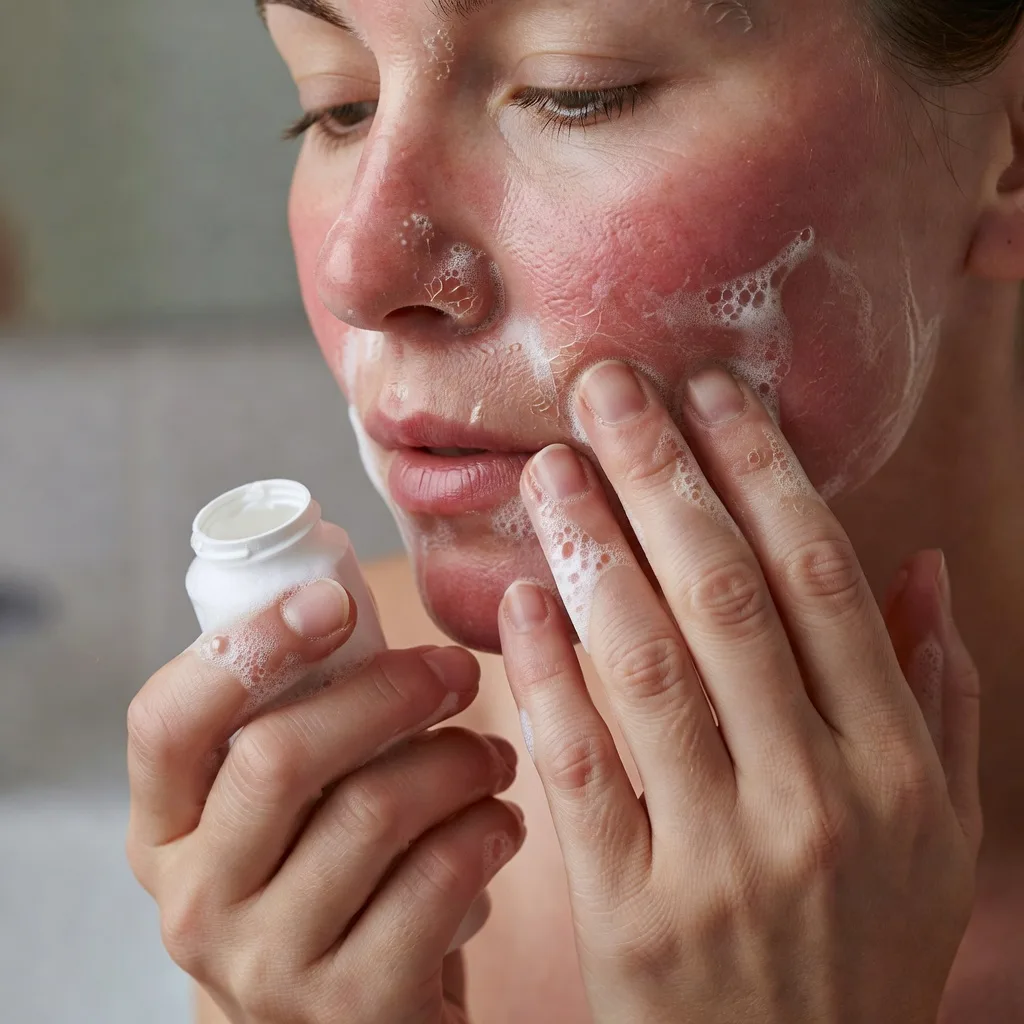
A cleanser is probably too harsh if your skin feels tight, squeaky or stings within a few minutes of washing, looks red or shiny-dry, flakes around the nose and mouth, or gets oilier and more breakout-prone over time. Strong sulfate foams, high-pH bar soaps, alcohol and fragrance are common culprits. A gentle cleanser leaves skin feeling clean but comfortable and soft. Switching to a mild, low-foam, fragrance-free cleanser used with lukewarm water usually fixes the problem within one to two weeks.
Cleansing is the step people think about least, yet it is used every day, sometimes twice, so its effects build up. A cleanser that is slightly too strong may not cause problems in a single wash but can gradually weaken the barrier, leading to dryness, sensitivity and even more oil as the skin tries to compensate.
The American Academy of Dermatology recommends a gentle, non-abrasive, alcohol-free cleanser, lukewarm water, fingertips rather than washcloths, and washing no more than twice a day and after sweating. Those basics are the benchmark against which any cleanser can be judged.
This guide explains the signs of a harsh cleanser, the ingredients to look out for, a simple home test and how to choose a gentler option for your skin type.
Shopping these picks?
Amazon Prime members get fast, free shipping on eligible items, plus Prime Video, Amazon Music and member deals. New members can start with a free trial.
Start a free Prime trialAged 18 to 24? Prime for Young Adults comes with a longer free trial and a lower price after it.
Affiliate link: we may earn a commission at no extra cost to you.
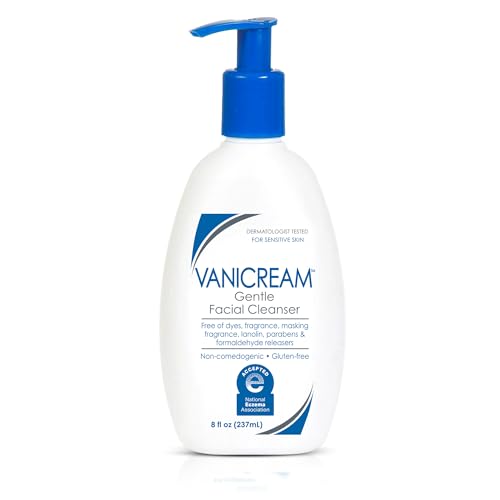
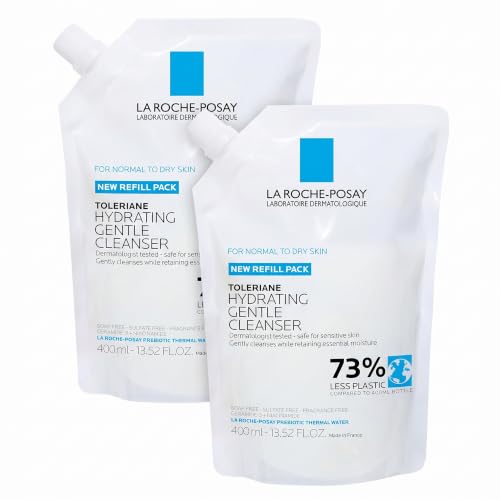
Recommended Gentle Face Cleansers




Contents
- Signs Your Cleanser Is Too Harsh
- Why Harsh Cleansers Cause Problems
- Ingredients to Watch For
- How to Test Whether Your Cleanser Suits Your Skin
- It Might Not Be the Cleanser Alone
- Choosing a Gentler Cleanser for Your Skin Type
- Oily Skin Still Needs a Gentle Cleanser
- Medicated and Acne Cleansers
- What to Expect After Switching
- Reading a Cleanser Label
- Honest Limits
- When to See a Dermatologist
- Your Questions, Answered
- Where This Leaves You
What to Know First
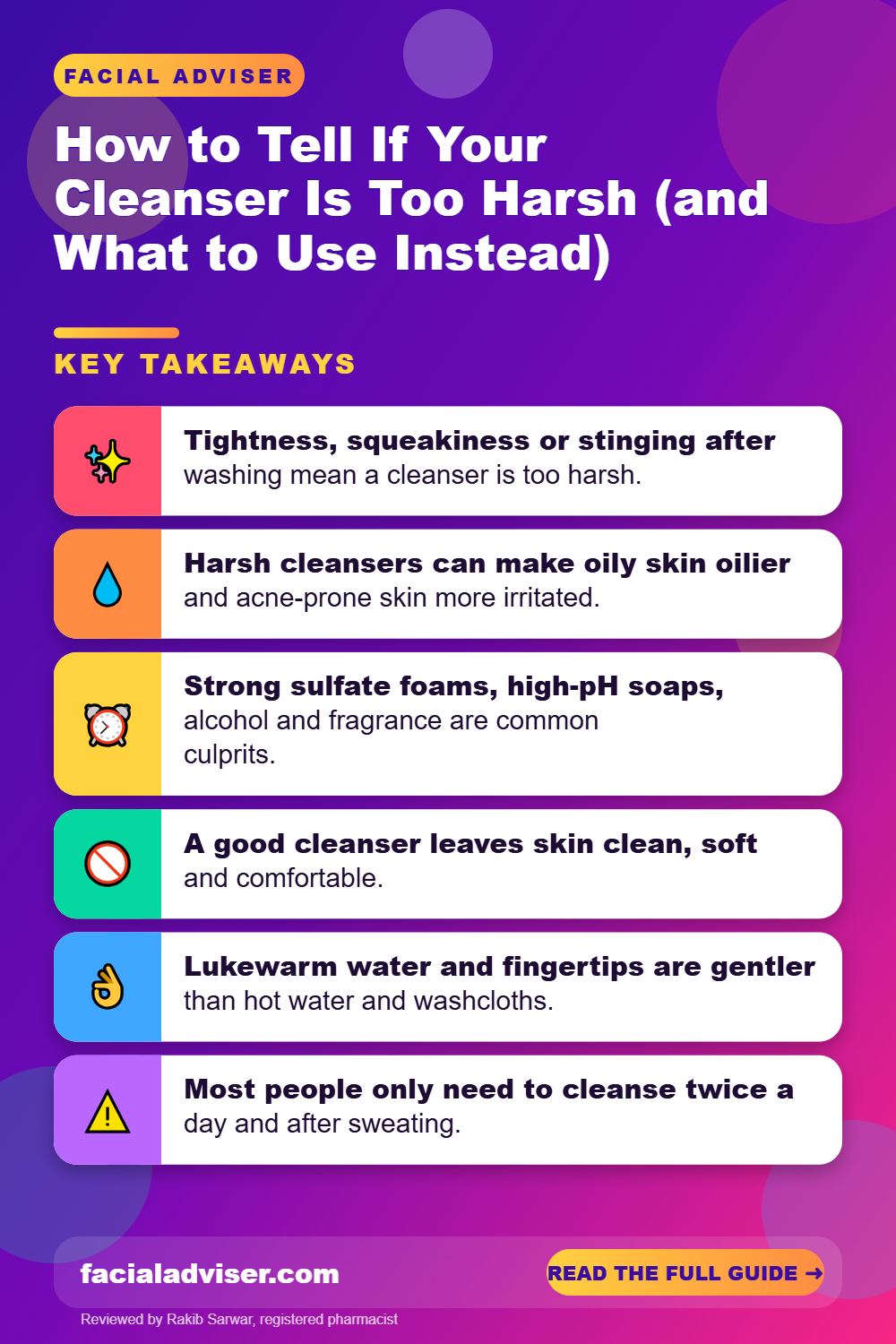
- Tightness, squeakiness or stinging after washing mean a cleanser is too harsh.
- Harsh cleansers can make oily skin oilier and acne-prone skin more irritated.
- Strong sulfate foams, high-pH soaps, alcohol and fragrance are common culprits.
- A good cleanser leaves skin clean, soft and comfortable.
- Lukewarm water and fingertips are gentler than hot water and washcloths.
- Most people only need to cleanse twice a day and after sweating.
- Skin usually feels better within one to two weeks of switching.
Signs Your Cleanser Is Too Harsh
| Sign | When you notice it | What it means |
|---|---|---|
| Tight or squeaky feel | Within minutes of washing | Natural oils and lipids have been stripped |
| Stinging or burning | During or just after cleansing | Barrier is weakened or ingredients irritate |
| Redness | After washing | Irritation from ingredients or friction |
| Flaking around nose and mouth | Over days | Ongoing dryness and barrier damage |
| Shiny but dry skin | Later in the day | Dehydrated skin overproducing oil |
| Products start to sting | Over weeks | Barrier has been worn down |
| More breakouts | Over weeks | Irritation and rebound oiliness |
You do not need to have all of these. Even one, especially tightness straight after washing, is worth paying attention to.
Timing matters. Tightness that appears straight after washing points to the cleanser. Dryness that builds up over a week or two may be the combined effect of the cleanser, the weather and other products. Stinging that starts only after you have added a new serum or exfoliant suggests the barrier was already under strain and the cleanser has become the final straw.
Why Harsh Cleansers Cause Problems
The outer layer of the skin is held together by lipids, including ceramides, cholesterol and fatty acids. Strong surfactants, the ingredients that make a cleanser foam and lift oil, cannot tell the difference between dirt and these useful fats. Used too strongly or too often, they remove both.
When the barrier is stripped, water escapes more easily and irritants get in more easily. Skin can feel tight and dry, yet some people notice their face becomes oilier later in the day, as oil production seems to compensate. That is why switching to a harsher cleanser to control oil often backfires.
Hot water makes the effect stronger. Warm water softens oils and helps surfactants work faster, so the same cleanser used with very hot water will strip more than when used with lukewarm water. Long, hot showers where the face is washed repeatedly are a common hidden cause of dryness.
Squeaky-clean skin is not the goal. Healthy skin after cleansing should feel soft and comfortable, not tight.
Ingredients to Watch For
- Sodium lauryl sulfate (SLS): a strong foaming agent that can be drying and irritating, especially near the top of the ingredient list.
- High-pH bar soap: traditional soap is alkaline and can leave the skin tight.
- Alcohol denat. or SD alcohol: high amounts can dry the skin.
- Fragrance and essential oils: common causes of irritation in sensitive skin.
- Menthol and other cooling agents: give a fresh tingle that can irritate.
- Physical scrub particles: can cause friction and micro-irritation if used daily.
- High-strength acids or benzoyl peroxide: useful for acne but drying for some if used every day.
Many gentle cleansers use milder surfactants such as cocamidopropyl betaine, decyl glucoside or sodium cocoyl isethionate, often combined with glycerin or ceramides. Our guides on alcohol in skincare and spotting fragrance on labels help with reading ingredient lists.
How to Test Whether Your Cleanser Suits Your Skin
Wash as usual
Use your normal amount with lukewarm water and fingertips for about 30 seconds.
Rinse and pat dry
Rinse thoroughly and pat dry with a soft towel.
Apply nothing
Do not use toner, serum or moisturiser for 10 to 15 minutes.
Notice how your skin feels
Check for tightness, stinging, itching or redness.
Repeat for a few days
Look for a pattern rather than judging a single wash.
Compare with a gentler option
If your skin feels tight, try a milder cleanser for a week and compare.
If your face feels comfortable but slightly less soft than before washing, that is normal. If it feels as tight as a drum, the cleanser is too strong.
It Might Not Be the Cleanser Alone
Sometimes a cleanser gets the blame when the real problem is how it is used.
Worth Doing
- Use lukewarm water
- Wash with fingertips
- Cleanse for about 30 seconds
- Wash twice a day at most, plus after sweating
- Moisturise straight after
Skip It
- Use hot water
- Scrub with washcloths or brushes
- Leave cleanser on for minutes
- Wash many times a day
- Leave skin bare and tight
The AAD advises using fingertips rather than washcloths or mesh sponges, rinsing with lukewarm water and patting the skin dry with a soft towel (AAD).
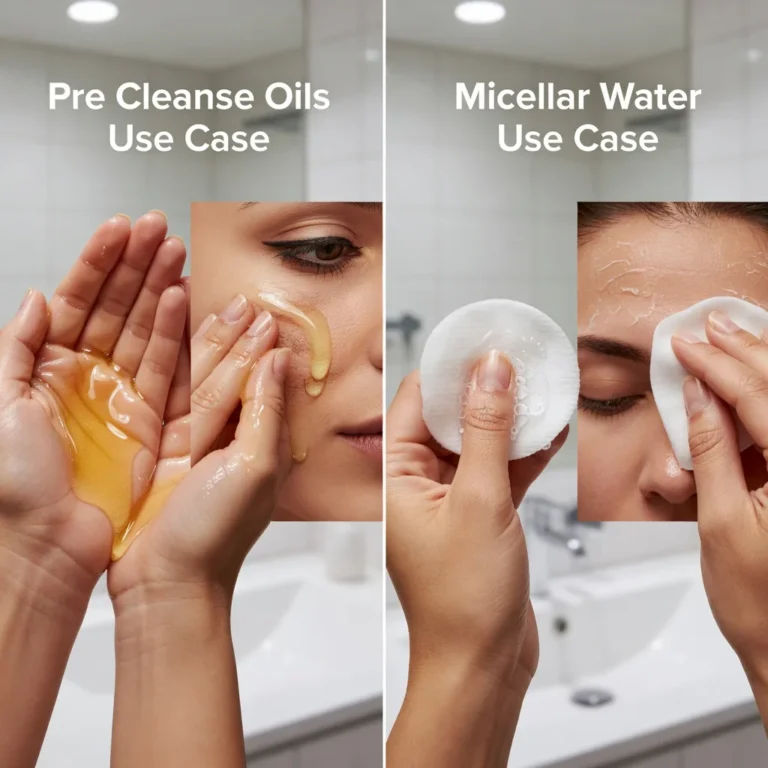
If you wear makeup or water-resistant sunscreen, you may be tempted to use a stronger cleanser to get everything off. A gentler approach is usually better: an oil, balm or micellar water first to dissolve makeup, followed by a mild cleanser.
Our guide to double cleansing explains when this is useful and how to do it without stripping your skin. If you wear little makeup, one gentle cleanse is usually enough.
Choosing a Gentler Cleanser for Your Skin Type
| Skin type | Good options | Best avoided |
|---|---|---|
| Dry | Cream, milk or hydrating non-foaming cleansers | Strong foams, bar soap |
| Oily | Gentle gel or low-foam cleansers | Harsh sulfate foams and alcohol cleansers |
| Combination | Gentle gel or low-foam cleanser | Oil-control washes on dry cheeks |
| Sensitive | Fragrance-free cream or micellar water | Fragrance, menthol, scrubs |
| Acne-prone | Gentle cleanser; medicated wash a few times a week | Using benzoyl peroxide or acid washes twice daily if drying |
Our comparison of hydrating and foaming cleansers explains which textures suit which skin types.
Oily Skin Still Needs a Gentle Cleanser
People with oily skin often choose the strongest cleanser they can find, but stripping oil away usually makes things worse. The skin can feel tight straight after washing and look shinier by lunchtime.
A gentle gel cleanser twice a day, a light moisturiser and targeted ingredients such as niacinamide or salicylic acid manage oil better than harsh washing. Blotting papers during the day remove shine without the need to wash again, which protects the barrier from extra cleansing. Our guide to why skin feels greasy after skincare explains more.
Medicated and Acne Cleansers
Cleansers containing benzoyl peroxide or salicylic acid are useful for acne, but they can be drying when used twice a day, especially alongside other acne treatments. Many people do better using a medicated wash once a day or a few times a week, with a gentle cleanser at other times.
If a medicated cleanser causes stinging, peeling or redness, cut back how often you use it or leave it on for a shorter time before rinsing. Stop if your skin becomes raw or swollen.
What to Expect After Switching
When you move to a gentler cleanser, skin usually feels less tight within days. Flaking and sensitivity often settle over one to two weeks, and some people notice their skin becomes less oily over a few weeks as it stops reacting to being stripped.
Be patient during the first week. Some people who are used to a squeaky feeling worry that a gentle cleanser is not doing enough. As long as makeup and sunscreen are coming off and your skin feels comfortable, it is working.
If your skin has become very reactive, a short break from other actives can help it recover. Our guide to repairing your skin barrier sets out a simple plan. Once your skin feels comfortable again, reintroduce treatments one at a time so you can see whether the cleanser change has made them easier to tolerate.
Reading a Cleanser Label
Cleanser labels are full of claims such as gentle, pH-balanced, dermatologist-tested and suitable for sensitive skin. These can be helpful but are not tightly defined. The ingredient list and your skin’s reaction tell you more.
| What you see | What it suggests |
|---|---|
| Sodium lauryl sulfate near the top | Strong foaming; can be drying |
| Glycerin, ceramides or panthenol high on the list | Added moisturising support |
| Fragrance or parfum | Possible irritant for sensitive skin |
| Alcohol denat. near the top | Potentially drying |
| Salicylic acid or benzoyl peroxide | Medicated; use less often if drying |
| Short, simple ingredient list | Fewer potential irritants |
A pH-balanced claim can be reassuring, since cleansers closer to the skin’s natural acidity are usually gentler than traditional soap. Our guide on skin pH and toners explains why modern gentle cleansers rarely upset the skin’s balance.
Honest Limits
Everyone’s skin tolerates cleansers differently. A foaming cleanser that dries one person’s skin may suit someone with very oily skin perfectly. Your skin’s response is a better guide than any label claim such as gentle or for sensitive skin.
A gentle cleanser will not cure acne, eczema or rosacea on its own, but it removes a common source of irritation and makes other treatments easier to tolerate.
Budget does not have to be a barrier. Many of the gentlest cleansers are inexpensive pharmacy products, and price has little to do with how kind a cleanser is to your skin.
When to See a Dermatologist
- Your skin stings or burns with even very gentle cleansers.
- You have red, scaly or itchy patches that do not settle.
- Dryness or flaking continues despite switching cleansers.
- You suspect an allergy to a cleanser ingredient.
This article is for general information and does not replace professional medical advice. See a dermatologist for persistent irritation or dryness.
Your Questions, Answered
How do I know if my cleanser is too harsh?
If your skin feels tight, squeaky, stings or looks red after washing, it is probably too harsh.
Is squeaky clean skin good?
No. A squeaky feeling usually means natural oils have been stripped.
Can a harsh cleanser make my skin oilier?
It can leave skin irritated and dehydrated, and many people notice more shine later in the day.
Is SLS bad for your face?
Sodium lauryl sulfate can be drying and irritating for many people, especially in high amounts.
What should my skin feel like after cleansing?
Clean, soft and comfortable, not tight or stinging.
How often should I wash my face?
Usually twice a day and after sweating, according to the AAD.
Is bar soap bad for the face?
Traditional soap is alkaline and can be drying; gentle syndet bars are usually better tolerated.
Should I use hot water to wash my face?
No. Lukewarm water is gentler; hot water strips oils.
How long does it take for skin to recover after switching cleansers?
Most people notice improvement within one to two weeks.
Can micellar water replace a cleanser?
For some people with sensitive skin, yes, especially if tap water or foaming cleansers irritate.
Where This Leaves You
A cleanser is too harsh if your skin feels tight, squeaky, stings or looks red after washing, or if dryness, flaking and sensitivity build up over time. Strong foams, soap, alcohol and fragrance are common causes.
Switch to a mild, fragrance-free cleanser, use lukewarm water and fingertips, and moisturise straight after. Your skin should feel clean but comfortable, and most people notice a difference within a week or two.

Written by
Registered pharmacist and founder of Facial Adviser. Rakib's pharmacy training covers how skincare actives work and interact; a later course in cosmetology turned that into a focus on facial treatments and skincare products. He plans, researches and edits every guide on the site and checks health claims against sources such as the American Academy of Dermatology, the FDA and the NIH. He is not a dermatologist; see the Editorial Policy and Medical Disclaimer.
About · Editorial policy · How we choose products · Medical disclaimer · Contact
Keep reading: Cleansers and face wash
- 10 Best Facial Cleansers for Combination Skin (2026): Balanced Picks
- Does Skipping Cleanser at Night Matter?
- Deep Pore Cleansing Facial at Home, Done Right
- Face Cleansing Steps: The Real Routine, Explained
- What Does a Deep Cleansing Facial Do?
- What Is the Difference Between Cleansing and a Facial?
- What Does a Facial Toner Do? The Real Answer
- 10 Best Facial Moisturizers for Dry Skin (2026): Rich, Gentle Creams