Hydrating vs Foaming Cleanser: How to Pick the Right Face Wash
Cleanser is the one product almost everyone uses, and it is also one of the easiest to get wrong. Pick one that is too harsh and skin feels tight and flaky by lunchtime. Pick one that is too gentle for oily skin and your face can feel greasy and congested by evening.
Part of our guide to skincare products. Start with: 10 Best Facial Cleansers for Combination Skin (2026): Balanced Picks
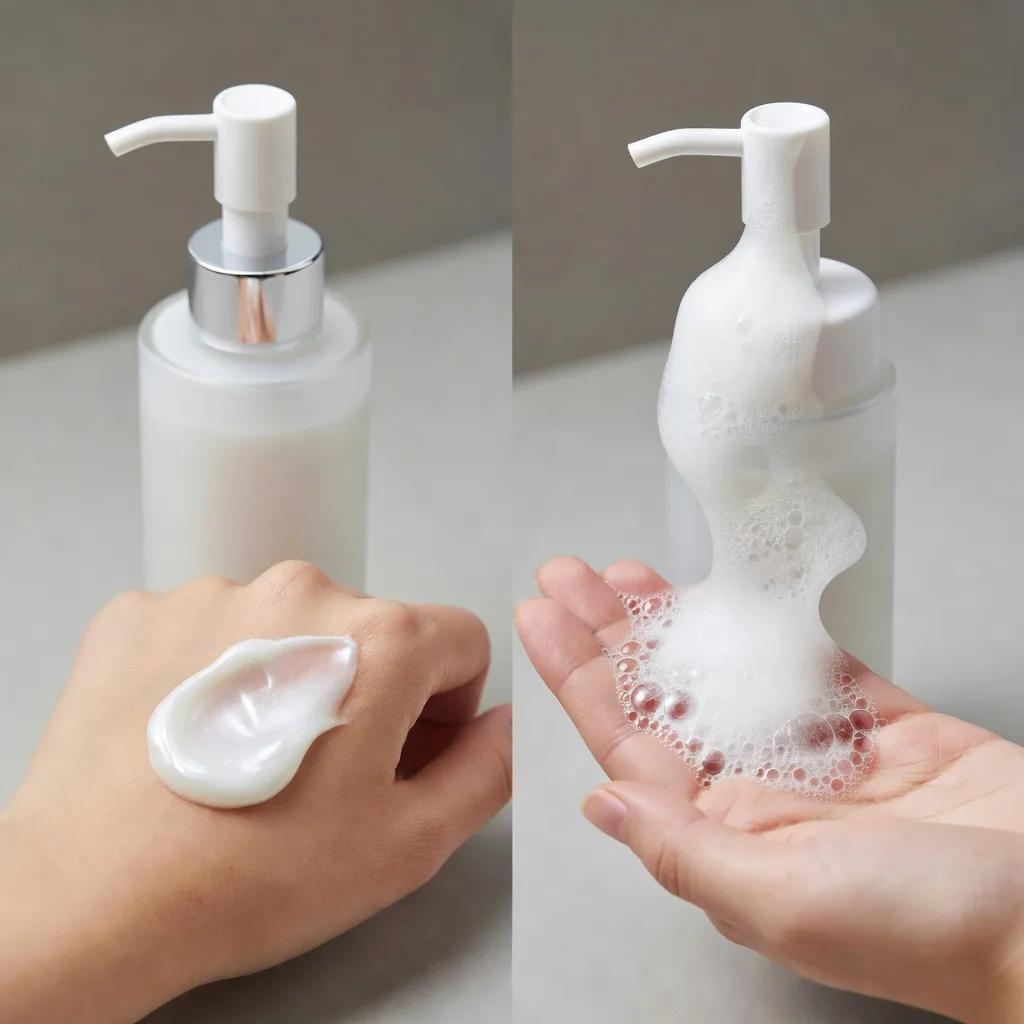
Hydrating cleansers are usually creamy or milky, produce little foam, and clean without stripping, which suits dry, sensitive, and mature skin. Foaming cleansers lather up and remove more oil, which suits oily and acne-prone skin. Many people with combination skin do well with a gentle gel that sits somewhere in between.
The foam itself is not the problem. What matters is the type and strength of the cleansing ingredients, called surfactants. Harsh surfactants such as sodium lauryl sulfate are so reliably irritating that dermatology researchers use them in experiments to deliberately damage the skin barrier. Many modern foaming cleansers use milder surfactants that lather without that level of harshness.
The best test of a cleanser is how your skin feels 10 to 15 minutes after washing. Comfortable and clean is the goal. Tight, itchy, or squeaky means the cleanser is too strong; slick or oily residue means it may be too gentle for you.
This guide explains how the two types work, walks you through that after-wash test, compares them side by side, and covers when a skin reaction means you should talk to a dermatologist.
Shopping these picks?
Amazon Prime members get fast, free shipping on eligible items, plus Prime Video, Amazon Music and member deals. New members can start with a free trial.
Start a free Prime trialAged 18 to 24? Prime for Young Adults comes with a longer free trial and a lower price after it.
Affiliate link: we may earn a commission at no extra cost to you.
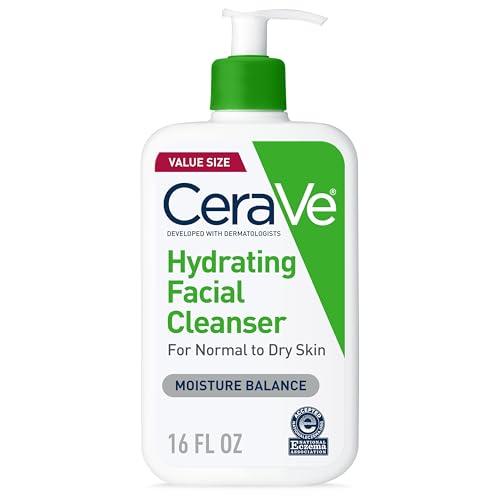
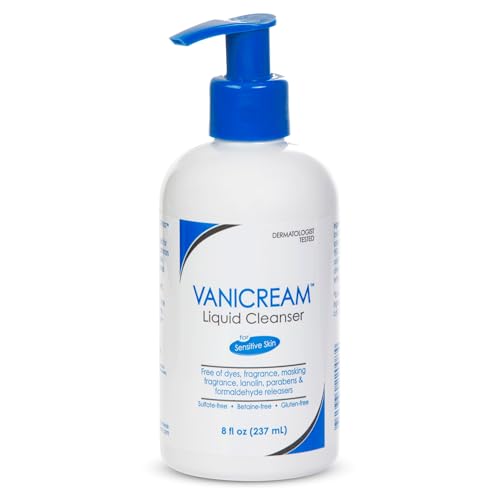
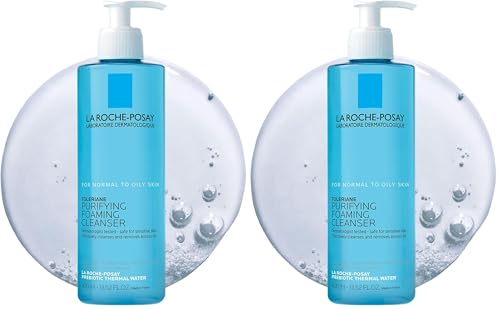
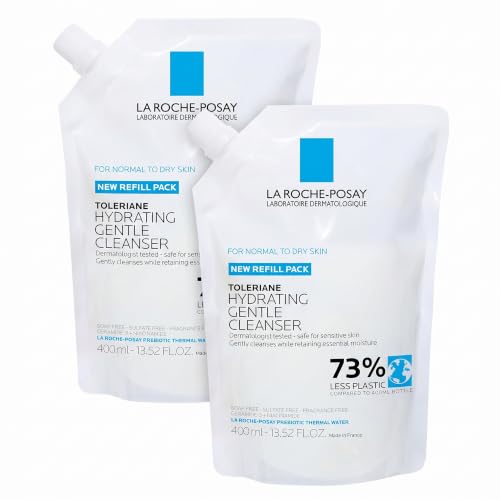
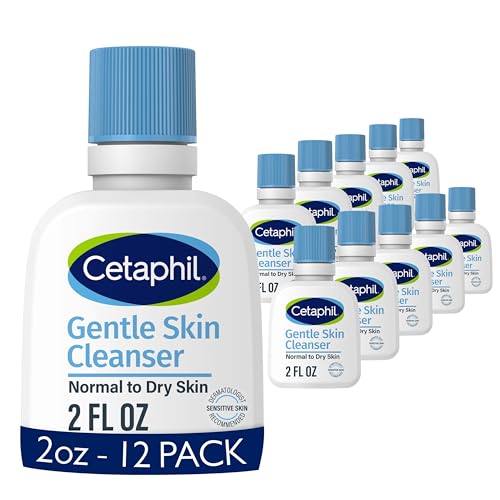
Recommended Hydrating and Foaming Cleansers


The Short Version
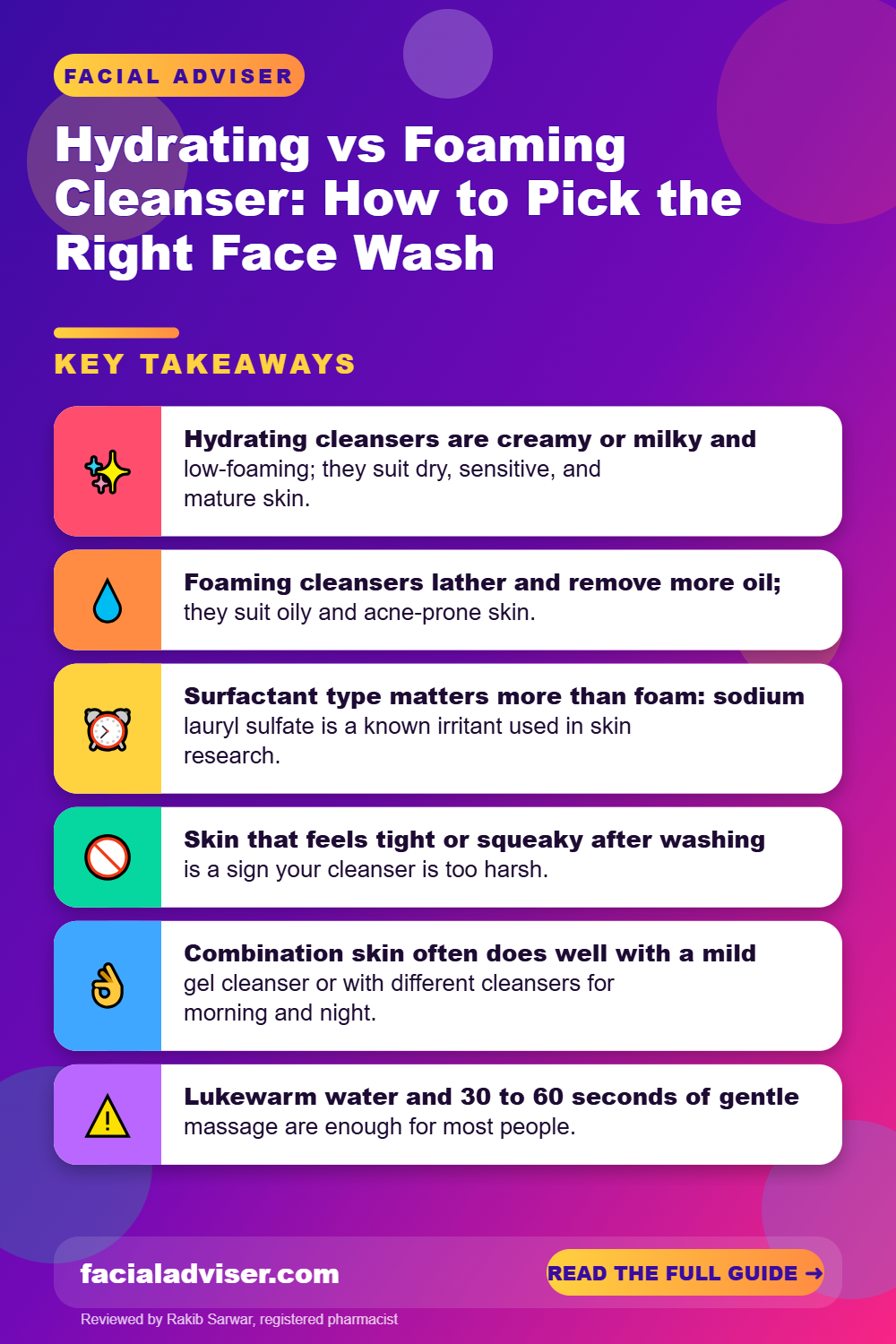
- Hydrating cleansers are creamy or milky and low-foaming; they suit dry, sensitive, and mature skin.
- Foaming cleansers lather and remove more oil; they suit oily and acne-prone skin.
- Surfactant type matters more than foam: sodium lauryl sulfate is a known irritant used in skin research.
- Skin that feels tight or squeaky after washing is a sign your cleanser is too harsh.
- Combination skin often does well with a mild gel cleanser or with different cleansers for morning and night.
- Lukewarm water and 30 to 60 seconds of gentle massage are enough for most people.
- Persistent stinging, redness, or flaking may mean a skin condition rather than the wrong cleanser.
Contents
- How Hydrating Cleansers Work
- How Foaming Cleansers Work
- Hydrating vs Foaming Cleanser Side by Side
- The After-Wash Test
- Matching a Cleanser to Your Skin Type
- How to Wash Your Face Properly
- Morning vs Night: Do You Need the Same Cleanser?
- Ingredients to Look For and Avoid
- What a Cleanser Cannot Do
- When to See a Dermatologist
- Frequently Asked Questions
- Summing Up
How Hydrating Cleansers Work
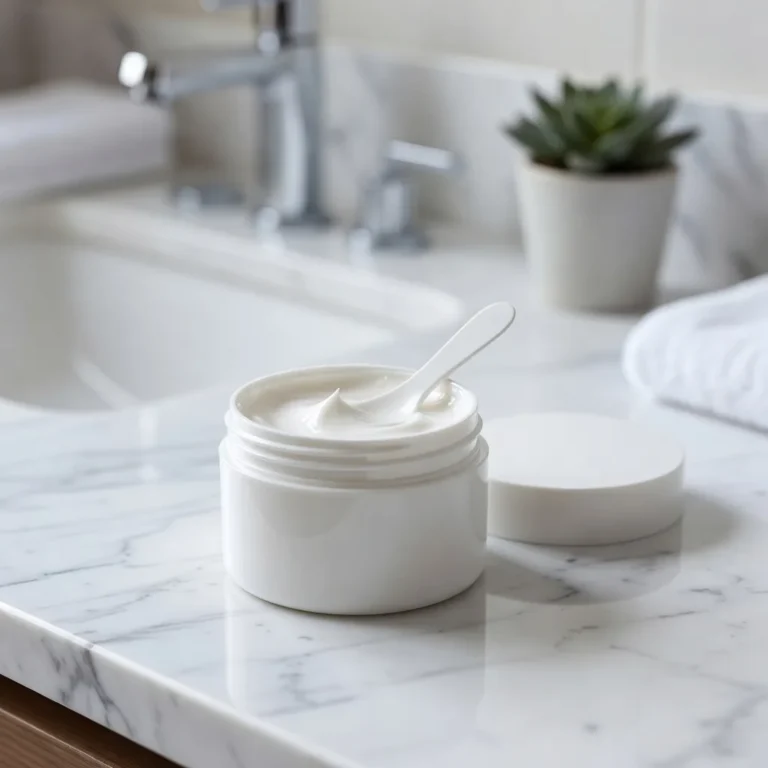
Hydrating cleansers, often labeled cream, milk, or lotion cleansers, use mild surfactants in small amounts along with moisturizing ingredients such as glycerin, ceramides, hyaluronic acid, and fatty alcohols. They lift away dirt and sunscreen without removing as much of the skin’s natural oil.
Because they produce little or no lather, some people feel they are not cleaning properly. In practice, most daily grime comes off easily without foam. The trade-off is that very oily skin or heavy makeup may need a second cleanse or a stronger product.
Hydrating cleansers are also useful when your skin barrier is damaged, for example after over-exfoliating, during retinoid use, or in cold, dry weather.
How Foaming Cleansers Work
Foaming cleansers contain surfactants that create lather when mixed with water. The foam helps spread the cleanser and lift oil, sweat, and sunscreen from the skin. Many include ingredients such as salicylic acid for acne or niacinamide for oil control.
Older foaming formulas often relied on harsh sulfates, which could leave skin tight and irritated. Many current products use gentler surfactants, such as cocamidopropyl betaine or glucoside-based cleansers, and add humectants to offset dryness.
A 2004 review by Ananthapadmanabhan and colleagues in Dermatologic Therapy described how cleansers can damage the skin barrier by binding to proteins and removing lipids, and explained that milder surfactants and added moisturizing ingredients reduce that damage. That is why two foaming cleansers can feel completely different on the same skin.
Hydrating vs Foaming Cleanser Side by Side
| Feature | Hydrating cleanser | Foaming cleanser |
|---|---|---|
| Texture | Cream, milk, or lotion | Gel or foam |
| Lather | Little or none | Rich |
| Oil removal | Gentle | Stronger |
| Best skin types | Dry, sensitive, mature, eczema-prone | Oily, acne-prone, combination |
| After-wash feel | Soft, comfortable | Clean, fresh; tight if too strong |
| With retinoids | Usually a good match | Choose a mild one |
| Removing heavy makeup | May need a second cleanse | Often better, but still may need a first cleanse |
Neither type is automatically better. The right cleanser is the one that leaves your skin clean and comfortable, day after day.
The After-Wash Test
This simple test tells you more about a cleanser than any label. Try it in the evening, when you have time to notice how your skin feels.
Wash as usual
Use a small amount of cleanser with lukewarm water and massage gently for about 30 to 60 seconds. Rinse thoroughly and pat dry.
Apply nothing
Do not use toner, serum, or moisturizer. Set a timer for 10 to 15 minutes.
Notice the feeling
Pay attention to your cheeks, forehead, and around your nose and mouth. Note whether skin feels tight, itchy, comfortable, or oily.
Look in the mirror
Check for redness, flaking, or shine. Tight skin with redness or flaking suggests the cleanser is too strong. Shine on the T-zone suggests normal oil return.
Adjust your choice
Tight or itchy skin points toward a hydrating cleanser. Comfortable skin means you have a good match. Heavy oiliness within minutes may mean a mild foaming cleanser would suit you better.
Test a new cleanser for at least a week before deciding. Skin can take a few days to settle after switching products.
Matching a Cleanser to Your Skin Type
- Dry skin: a cream or milk cleanser with ceramides or glycerin. Consider cleansing only with water in the morning.
- Oily skin: a gentle foaming or gel cleanser. Avoid very harsh products, which can leave skin irritated.
- Combination skin: a mild gel cleanser, or a hydrating cleanser in the morning and a foaming one at night.
- Acne-prone skin: a foaming or gel cleanser, possibly with salicylic acid or benzoyl peroxide, balanced with a non-comedogenic moisturizer.
- Sensitive skin: a fragrance-free hydrating cleanser with a short ingredient list.
- Mature skin: a hydrating cleanser that supports the barrier, especially if using retinoids.
Your needs can change with the seasons. Many people switch to a hydrating cleanser in winter and a foaming one in hot, humid months.
If your cleanser is right but your skin still feels dry, the next step to check is your moisturizer. Our guide to facial moisturizer vs body lotion covers what to look for.
How to Wash Your Face Properly
Do
- Use lukewarm water rather than hot.
- Massage cleanser gently for 30 to 60 seconds.
- Rinse thoroughly, including the hairline and jaw.
- Pat dry with a clean towel.
- Apply moisturizer within a few minutes.
Don’t
- Scrub with a rough washcloth or brush every day.
- Wash more than twice a day unless you have sweated heavily.
- Use body soap or bar soap not made for the face.
- Leave cleanser on for several minutes unless it is a treatment wash.
- Skip moisturizer if your skin feels tight.
If you wear water-resistant sunscreen or heavy makeup, consider double cleansing at night: a cleansing oil or balm first, then your regular cleanser. For extra exfoliation, see our guide to facial wash vs facial scrub.
Water temperature does not open or close pores. Hot water mainly strips oil and can irritate. Our guide on whether cold water closes pores explains why.
Morning vs Night: Do You Need the Same Cleanser?
Your skin has different jobs to recover from in the morning and at night, so it can make sense to cleanse differently at each time.
At night, you are removing a full day of sunscreen, makeup, sweat, pollution, and oil. This is when a more thorough cleanse matters most, and when a foaming cleanser or a double cleanse can be useful for oily skin or heavy products.
In the morning, there is much less to remove, mostly a little oil and whatever night products you applied. Many people with dry or sensitive skin find that a quick rinse with water or a very gentle hydrating cleanser is enough. People with oily or acne-prone skin may still prefer a light foaming wash to start the day.
A simple approach that works for many skin types is a hydrating cleanser in the morning and a foaming or gel cleanser at night. If you use a prescription treatment such as a retinoid or benzoyl peroxide, ask your dermatologist which cleanser fits best, since some combinations can be drying.
Whatever you choose, consistency matters. Switching cleansers every few days makes it hard to tell what is helping and what is causing irritation, so give any new routine at least two weeks before judging it.
Ingredients to Look For and Avoid
Helpful ingredients in cleansers include glycerin, ceramides, hyaluronic acid, niacinamide, and panthenol for comfort, and salicylic acid or benzoyl peroxide for acne-prone skin.
Ingredients that are more likely to irritate include sodium lauryl sulfate at high levels, strong fragrance, essential oils, and high concentrations of alcohol. Physical scrub particles in a daily cleanser can also be too much for sensitive skin.
Medicated cleansers can dry skin quickly. If you use a benzoyl peroxide or salicylic acid wash, start once a day and pair it with a good moisturizer. Stop if skin becomes raw or cracked.
What a Cleanser Cannot Do
A cleanser is on your skin for less than a minute, so its effects are limited. It removes dirt, oil, and products, and a medicated wash can help with acne, but it cannot transform your skin on its own.
| Belief | Reality |
|---|---|
| More foam means cleaner skin | Foam does not measure cleaning; harsh foam can strip the barrier |
| Squeaky clean is ideal | Squeaky often means damaged barrier |
| Oily skin needs the strongest cleanser | Harsh cleansing can worsen irritation and breakouts |
| Hydrating cleansers leave residue | Good ones rinse clean while protecting skin |
| A cleanser can shrink pores | It can only make them look clearer briefly |
For concerns like acne, pigmentation, or aging, the products that stay on your skin, such as treatments, moisturizers, and sunscreen, matter much more.
When to See a Dermatologist
See a dermatologist if you notice:
- Burning, stinging, or redness with even the gentlest cleansers.
- Dry, scaly patches that do not improve with a hydrating cleanser and moisturizer.
- Flaking around the nose, brows, or hairline that may be seborrheic dermatitis.
- Persistent redness or flushing that may be rosacea.
- Painful or cystic acne that does not improve after a few months of over-the-counter care.
- A rash, swelling, or hives after starting a new cleanser.
Medical disclaimer: This article is for general information and is not a substitute for professional medical advice. Talk to a healthcare provider about persistent or worsening skin symptoms.
Frequently Asked Questions
What is the difference between a hydrating and a foaming cleanser?
Hydrating cleansers are creamy and low-foaming, cleaning gently. Foaming cleansers lather and remove more oil.
Is a foaming cleanser bad for your skin?
Not necessarily. Mild foaming cleansers suit oily skin well. Harsh ones with strong sulfates can strip and irritate.
Which cleanser is best for oily skin?
A gentle foaming or gel cleanser, possibly with salicylic acid if you are acne-prone.
Which cleanser is best for dry skin?
A hydrating cream or milk cleanser with ingredients such as ceramides and glycerin.
Can I use both types of cleanser?
Yes. Many people use a hydrating one in the morning and a foaming one at night, or switch by season.
Why does my face feel tight after washing?
Your cleanser may be too strong, your water too hot, or you may be over-washing.
How often should I wash my face?
Once or twice a day for most people, plus after heavy sweating.
Do hydrating cleansers remove makeup?
They remove light makeup. For heavy or waterproof makeup, use a cleansing oil or balm first.
Is sodium lauryl sulfate bad?
It is a known irritant, commonly used in research to deliberately stress the skin barrier. Many people prefer to avoid it on the face.
Can the wrong cleanser cause breakouts?
Yes. Harsh cleansers can irritate skin, and heavy ones can leave residue, both of which may contribute to breakouts.
Summing Up
Hydrating and foaming cleansers do the same basic job in different ways. Hydrating cleansers clean gently and suit dry, sensitive, and mature skin, while foaming cleansers remove more oil and suit oily and acne-prone skin. The surfactants inside matter more than the amount of lather.
Use the after-wash test to find your match: clean and comfortable is the goal, while tight or squeaky skin means your cleanser is too strong. Keep water lukewarm, follow with moisturizer, and see a dermatologist if irritation continues no matter which cleanser you use.

Written by
Registered pharmacist and founder of Facial Adviser. Rakib's pharmacy training covers how skincare actives work and interact; a later course in cosmetology turned that into a focus on facial treatments and skincare products. He plans, researches and edits every guide on the site and checks health claims against sources such as the American Academy of Dermatology, the FDA and the NIH. He is not a dermatologist; see the Editorial Policy and Medical Disclaimer.
About · Editorial policy · How we choose products · Medical disclaimer · Contact
Keep reading: Cleansers and face wash
- 10 Best Facial Cleansers for Combination Skin (2026): Balanced Picks
- 10 Best Facial Cleansers for Very Dry Skin (2026): Clean Without Tightness
- 10 Best Facial Wipes for Sensitive Skin (2026): Gentle, Fragrance-Free
- 10 Best Facial Cleansers for Acne (2026): Clearer Skin Without the Sting
- 10 Best Facial Cleansers for Rosacea (2026): Gentle Washes That Calm
- 10 Best Facial Cleansers for Pregnant Women (2026): Gentle and Simple
- 10 Best Facial Moisturizers for Dry Skin (2026): Rich, Gentle Creams
- 10 Best Facial Serums for Aging Skin (2026): Picks by Concern