Paraffin Facial: What It Really Does for Skin
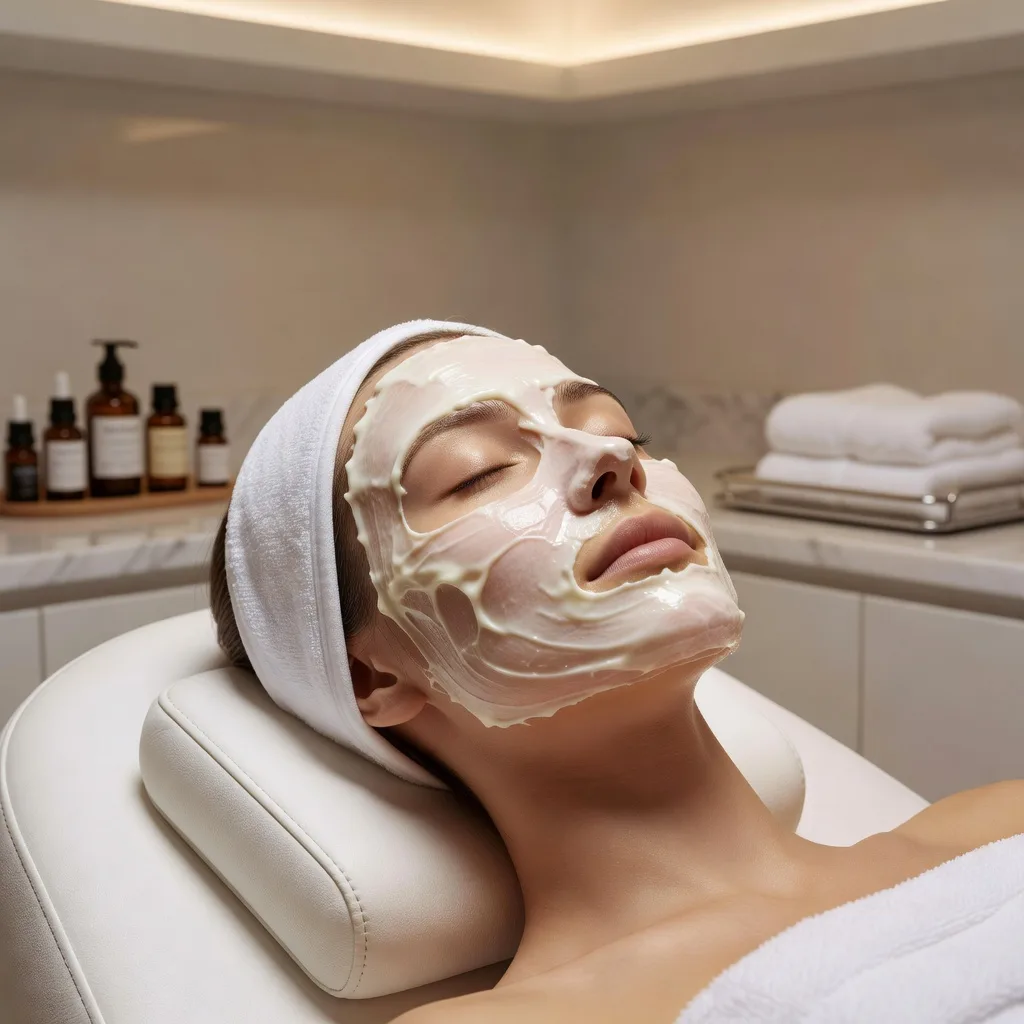
A paraffin facial feels indulgent, warm wax sealed over skin, but the honest question is what that warmth and occlusion actually accomplish once the wax comes off and the glow fades a few hours later.
Part of our guide to facial treatments. Start with: Fruit Facial at Home: Does It Actually Work?
The real mechanism is heat-driven vasodilation plus occlusion, which genuinely raises the skin’s water content while the wax is on and can transiently boost how well a product underneath penetrates, but there’s no trial evidence for collagen synthesis, wrinkle reduction, or any lasting structural change. That’s a meaningful gap between the marketing and what the research supports.
The strongest clinical evidence for paraffin actually comes from a completely different application, hand and joint arthritis therapy, not cosmetic facial treatment, and knowing that distinction changes how much weight to put on any anti-aging claim attached to a spa’s paraffin facial menu item.
This guide covers the real mechanism, what the evidence does and doesn’t support, the genuine burn and hygiene risks, and how a professional session compares to an at-home paraffin kit.
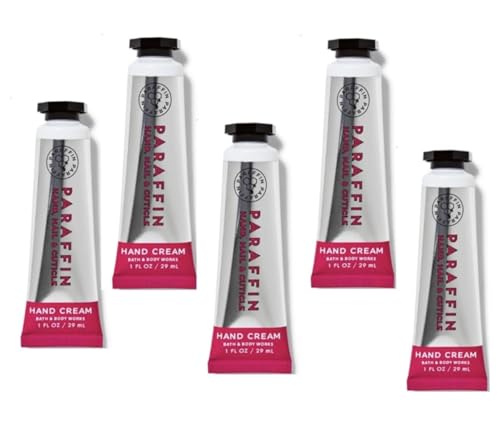
Recommended Products for Hydration Between Sessions



Key Takeaways
- A paraffin facial works through two real, well-understood mechanisms: gentle heat and occlusion, which temporarily boost hydration and comfort.
- The strongest clinical evidence for paraffin therapy is for hand and joint arthritis symptom relief, not facial rejuvenation, a genuinely different application.
- No clinical trial supports “detoxifies,” “boosts collagen,” or “anti-aging” claims made about paraffin facials specifically.
- The real safety concern is burn risk, especially for anyone with reduced heat/pain sensation, such as diabetic neuropathy or circulatory impairment.
- Properly maintained, single-use paraffin baths carry low contamination risk; the real risk comes from reusing wax or skipping hygiene protocol, not the wax itself.
- The effect is genuinely temporary, hours at most, not a lasting change to skin structure.
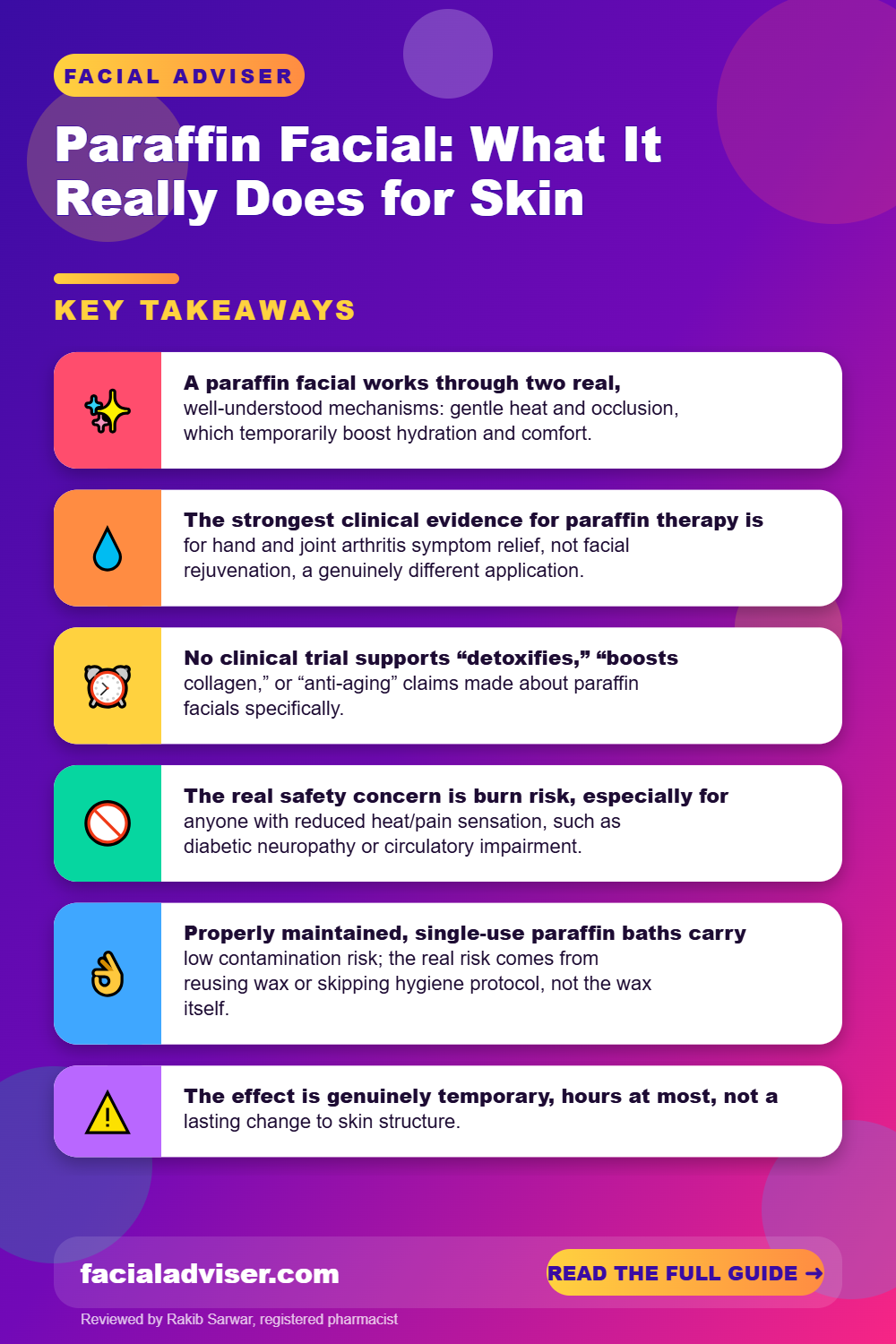
Table of Contents
- What a Paraffin Facial Actually Does
- What the Real Evidence Shows
- Marketing Claims vs. What Holds Up
- Real Safety Considerations
- Setting Realistic Expectations Before You Book
- The Shared Wax Pot Question
- What It Genuinely Can’t Do
- Why the Evidence Trail Runs Through Physical Therapy
- Professional Service vs. At-Home Paraffin Kits
- Do This, Not That
- Getting a Paraffin Facial Safely
- When to See a Dermatologist
- Frequently Asked Questions
- The Bottom Line
What a Paraffin Facial Actually Does
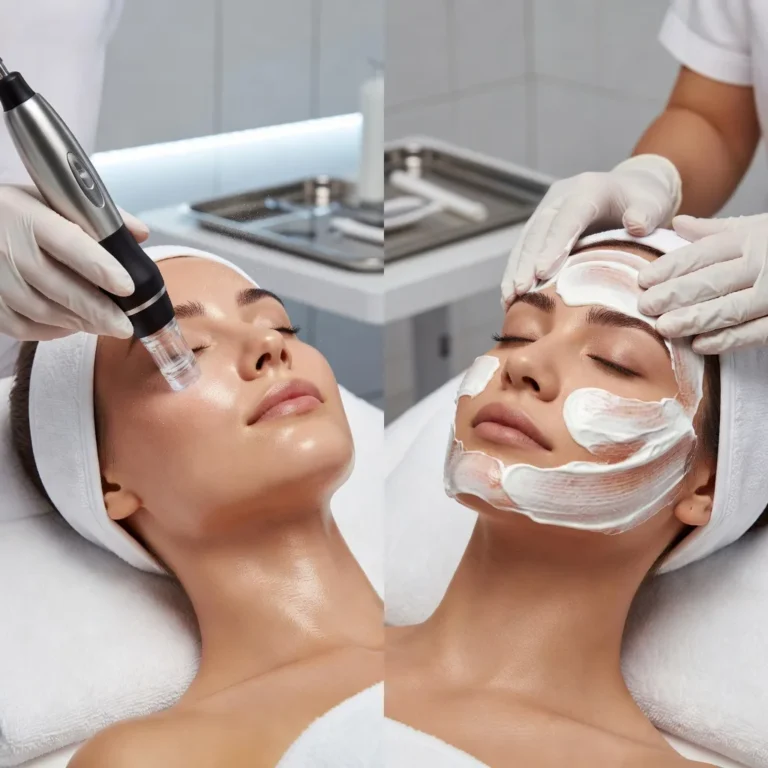
A paraffin facial applies molten cosmetic-grade wax, melted around 52°C, to the skin, where it delivers gentle heat and then seals in moisture as it cools and solidifies. Both effects are real and mechanistically straightforward: the heat causes temporary local vasodilation and increased blood flow, and the occlusive layer traps moisture against the skin while the wax is on, which raises the water content of the outermost skin layer and can help whatever cream sits underneath it penetrate a bit more effectively.
Shopping these picks?
Amazon Prime members get fast, free shipping on eligible items, plus Prime Video, Amazon Music and member deals. New members can start with a free trial.
Start a free Prime trialAged 18 to 24? Prime for Young Adults comes with a longer free trial and a lower price after it.
Affiliate link: we may earn a commission at no extra cost to you.
This guide separates that real, short-term hydration and comfort effect from the much bigger claims often made about paraffin facials, covers what the actual clinical evidence supports, and explains the genuine safety considerations, especially burn risk, that matter more than most spa menus mention.
What the Real Evidence Shows
The strongest clinical evidence for paraffin therapy comes from an entirely different field: hand and joint arthritis rehabilitation, not facial cosmetics. A 2022 systematic review and meta-analysis of randomized controlled trials found paraffin bath therapy produces measurable short-term improvements in pain and hand function for osteoarthritis and rheumatoid arthritis, particularly when combined with exercise. Separate single-blind randomized trials comparing paraffin against other heat modalities for hand osteoarthritis in women reached similar conclusions.
Note: That entire body of evidence is about joint pain and hand function, a musculoskeletal outcome, not a skin-rejuvenation outcome. No clinical trial was found testing paraffin facials specifically for anti-aging, wrinkle reduction, or skin-toning claims. The honest statement is that paraffin has real, trial-backed support for arthritic joint relief and no comparable trial support for cosmetic facial claims.
Marketing Claims vs. What Holds Up
| Claim | What’s actually true |
|---|---|
| “Deeply hydrates skin” | Real, but temporary and occlusion-driven, largely gone within hours |
| “Detoxifies skin” | No defined mechanism, no supporting evidence |
| “Anti-aging, boosts collagen, reduces wrinkles” | Unsupported for facial paraffin; no trials found testing this specific claim |
| “Soothes joint and muscle pain” (hands/feet) | Genuinely supported by RCT and meta-analysis evidence, a different application than a facial |
Real Safety Considerations
Warning: Burn risk is the primary genuine safety concern with any paraffin treatment. The wax is applied well above body temperature, and anyone with reduced ability to sense heat or pain, most notably diabetic peripheral neuropathy or peripheral vascular disease affecting circulation, may not detect overheating before a burn occurs. This is a consistently flagged contraindication across clinical and spa-industry sources, not a minor caveat.
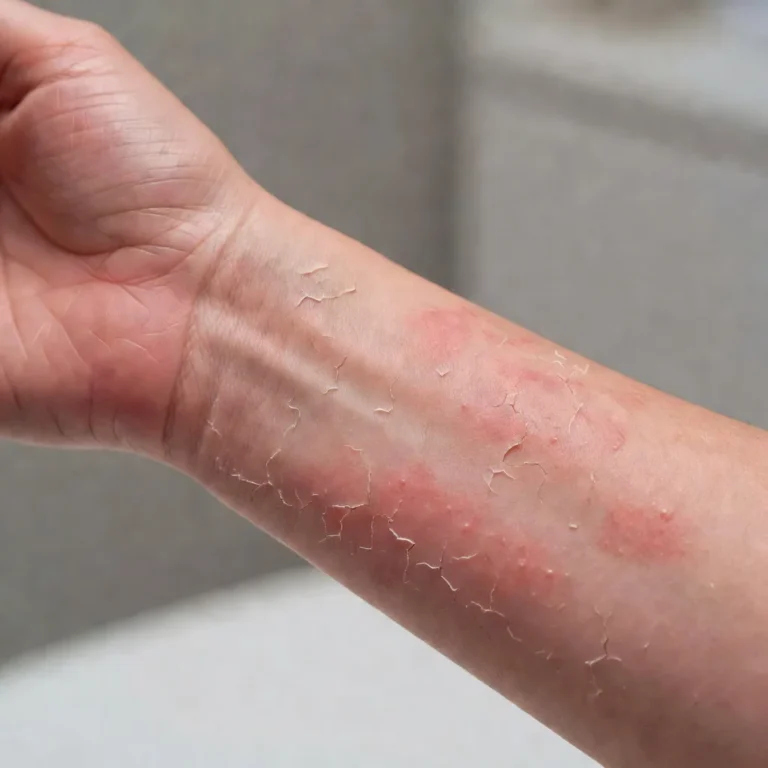
Standard contraindications also include open wounds, active bacterial, viral, or fungal skin infection, broken or cracked skin, an active eczema or psoriasis flare, and a known allergy to paraffin or its fragrance additives. Pregnancy calls for caution rather than an absolute ban, given general concerns about overheating and heightened skin sensitivity.
Setting Realistic Expectations Before You Book
The honest framing worth carrying into any booking decision is that a paraffin facial is a comfort-and-hydration add-on, not a corrective treatment, and pricing it against that expectation matters. It’s reasonable to enjoy it purely for how it feels in the moment, the same way a warm towel or a heated massage table feels good without needing to “do” anything measurable to skin structure. Where it becomes a problem is when it’s marketed or purchased as a solution to a specific concern, fine lines, dullness, or dehydration that keeps returning, since the effect fades within hours and the underlying issue is still there the next morning.
If dehydration or dullness is a recurring complaint rather than an occasional one, that’s a signal to look at daily habits, cleanser choice, humidity, and a consistent moisturizer routine, rather than scheduling more frequent paraffin sessions to chase a feeling that a spot treatment was never built to sustain.
The Shared Wax Pot Question
A common worry is whether a shared paraffin bath spreads infection between clients. Industry hygiene research reviewing salon paraffin-bath practices found that bacteria and fungi generally do not survive or proliferate in paraffin itself, largely because of its low water content, and multi-salon hygiene audits found no contamination in baths that were properly maintained. The one documented contamination case involved a clear protocol failure, repeatedly remelting the same used wax rather than following single-use practice.
The honest framing here is precise: risk is low with correct single-use protocol (a fresh liner or dip-and-discard approach, clean hands, no service on visibly infected skin) and not zero with negligent protocol. That’s different from claiming wax pots are inherently unsanitary, and different from claiming there’s no risk at all.
What It Genuinely Can’t Do
Paraffin cannot remove wrinkles, rebuild lost collagen, “detox” skin, or fade hyperpigmentation, and it produces no lasting structural change to the skin. Its legitimate, evidence-backed use case is short-term comfort and hydration for the face, and, for hands and feet specifically, real adjunct relief for arthritic joint stiffness, not facial rejuvenation in any lasting sense.
Why the Evidence Trail Runs Through Physical Therapy
It’s worth understanding why paraffin’s strongest research base sits in rehabilitation medicine rather than skincare. Paraffin wax baths have been used in physical and occupational therapy for decades specifically because heat is a well-established way to increase tissue extensibility and reduce joint stiffness before exercise or manual therapy, and wax holds heat at a controlled, sustained temperature far more effectively than a hot towel or heating pad. That’s the actual clinical context the randomized trials were designed around: measuring grip strength, pain scores, and joint function in arthritis patients, not skin texture or wrinkle depth in cosmetic patients.
Spas adapted the same wax and the same basic heat-and-occlusion mechanism for facial and hand treatments largely because the equipment and material were already inexpensive and available, not because a parallel body of cosmetic research was developed alongside it. That history helps explain the current evidence gap directly: the mechanism transferred from rehab to spa use, but the clinical trials measuring cosmetic outcomes never followed it there.
Professional Service vs. At-Home Paraffin Kits
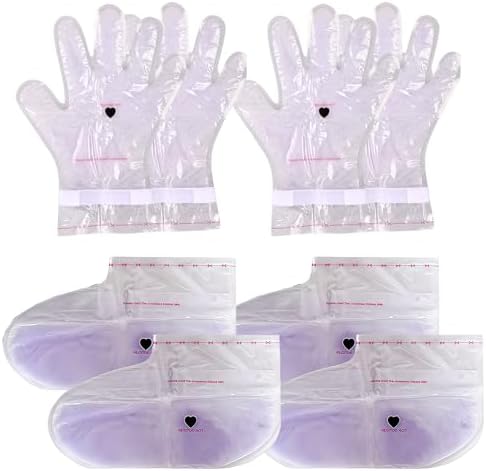
At-home paraffin kits use essentially the same low-melting-point wax as a professional spa treatment, and the underlying heat-and-occlusion mechanism doesn’t change based on who applies it. The real difference is supervision and quality control: a professional setting generally maintains the bath at a consistent, tested temperature and follows a hygiene protocol, while an at-home unit depends entirely on the user checking the wax temperature themselves before application.
Tip: If you’re using an at-home paraffin kit, test a small area, like the back of your wrist, before applying wax to your face, and never use a unit that doesn’t let you verify the temperature before dipping.
For anyone with diabetic neuropathy, reduced circulation, or any condition affecting heat or pain sensation, an at-home kit removes the safeguard of a trained provider checking in throughout the treatment, which is exactly why those conditions warrant extra caution, or a conversation with a doctor, before using paraffin at home rather than in a supervised setting like a professional heat-based skin treatment where a provider monitors the process directly.
Do This, Not That
Do
- Treat a paraffin facial as short-term comfort and hydration, not a corrective treatment
- Disclose diabetes, neuropathy, or circulation problems before booking
- Confirm the provider uses single-use liners or a clean-wax protocol
- Skip a session with any open wound, active infection, or skin flare present
- Enjoy the genuine relaxation and hydration value on its own terms
Don’t
- Expect wrinkle reduction, collagen building, or “detox” from paraffin alone
- Book a session if you have reduced heat or pain sensation without discussing it first
- Assume a shared wax pot is automatically unsanitary or automatically safe
- Use paraffin on broken, infected, or actively flared skin
- Treat this as a substitute for actives that target wrinkles or pigmentation directly
Getting a Paraffin Facial Safely
Disclose your health history
Diabetes, neuropathy, circulation problems, pregnancy, or any skin condition should be mentioned before the wax is applied.
Ask about the hygiene protocol
A reputable provider uses single-use liners or discards used wax rather than repeatedly remelting the same batch.
Tip: If a provider can’t describe their wax hygiene protocol clearly, that’s worth asking about directly before treatment.
Check the temperature before full application
A brief test application on a small area lets you confirm the heat is comfortable, not painful, before your whole face is covered.
Set realistic expectations
Expect short-term hydration and comfort, not wrinkle reduction or a lasting structural change.
Moisturize afterward
Sealing in a hydrating product right after the wax is removed extends the treatment’s real hydration benefit a bit longer.
When to See a Dermatologist
See a dermatologist or skin specialist if you have diabetes, neuropathy, a circulatory condition, or any active skin condition and are unsure whether a heat-based treatment like paraffin is safe for you. If your actual goal is treating wrinkles or pigmentation rather than short-term comfort, ask about evidence-backed options instead.
Frequently Asked Questions
What does a paraffin facial actually do?
It delivers gentle heat and then seals in moisture as the wax cools, producing real but temporary hydration and comfort.
Does a paraffin facial reduce wrinkles?
No, no clinical trial supports that claim specifically for facial paraffin treatments.
Is there real evidence paraffin helps anything?
Yes, for hand and joint arthritis symptom relief, a different application than facial cosmetics.
Who should avoid paraffin treatments?
Anyone with diabetic neuropathy, circulatory impairment, open wounds, active skin infection, or a known paraffin allergy.
Is a shared wax pot unsanitary?
Not inherently; bacteria and fungi generally don’t survive in paraffin, but reusing wax without proper protocol is a real risk.
Does paraffin detoxify skin?
No, there’s no defined mechanism or evidence supporting a detox claim.
How long does the hydration effect last?
Typically just a few hours, since the effect is occlusion-driven rather than a structural change.
Can pregnant women get paraffin facials?
Caution is advised rather than an absolute ban, given general concerns about overheating and skin sensitivity.
Is paraffin safe for sensitive skin?
Generally yes if there’s no active flare, infection, or broken skin, but a patch test is reasonable for very reactive skin.
What’s the biggest real risk with paraffin treatments?
Burns, particularly for anyone with reduced ability to sense heat or pain.
The Bottom Line
A paraffin facial delivers real, if temporary, heat-and-occlusion hydration and comfort, and that’s a genuine benefit worth enjoying for what it is. The stronger clinical evidence behind paraffin therapy actually belongs to hand and joint arthritis relief, not facial rejuvenation.
Skip the “detox” and “anti-aging” marketing language, disclose any circulation or nerve-sensation condition before booking, and confirm the provider follows a clean single-use wax protocol rather than repeatedly remelting the same batch.

Written by
Registered pharmacist and founder of Facial Adviser. Rakib's pharmacy training covers how skincare actives work and interact; a later course in cosmetology turned that into a focus on facial treatments and skincare products. He plans, researches and edits every guide on the site and checks health claims against sources such as the American Academy of Dermatology, the FDA and the NIH. He is not a dermatologist; see the Editorial Policy and Medical Disclaimer.
About · Editorial policy · How we choose products · Medical disclaimer · Contact
Keep reading: DIY and ingredient facials
- De-Tan Facial: The Two Mechanisms Marketing Blurs
- Gold Facial at Home: What the Evidence Shows
- Fruit Facial at Home: Does It Actually Work?
- Honey Facial: What the Real Evidence Shows
- Charcoal Facial: What the Evidence Actually Shows
- Facial vs Chemical Peel: Differences, Results and Which to Choose
- What Is the Best Anti-Aging Facial Treatment? Options Compared by Goal