Gold Facial at Home: What the Evidence Shows
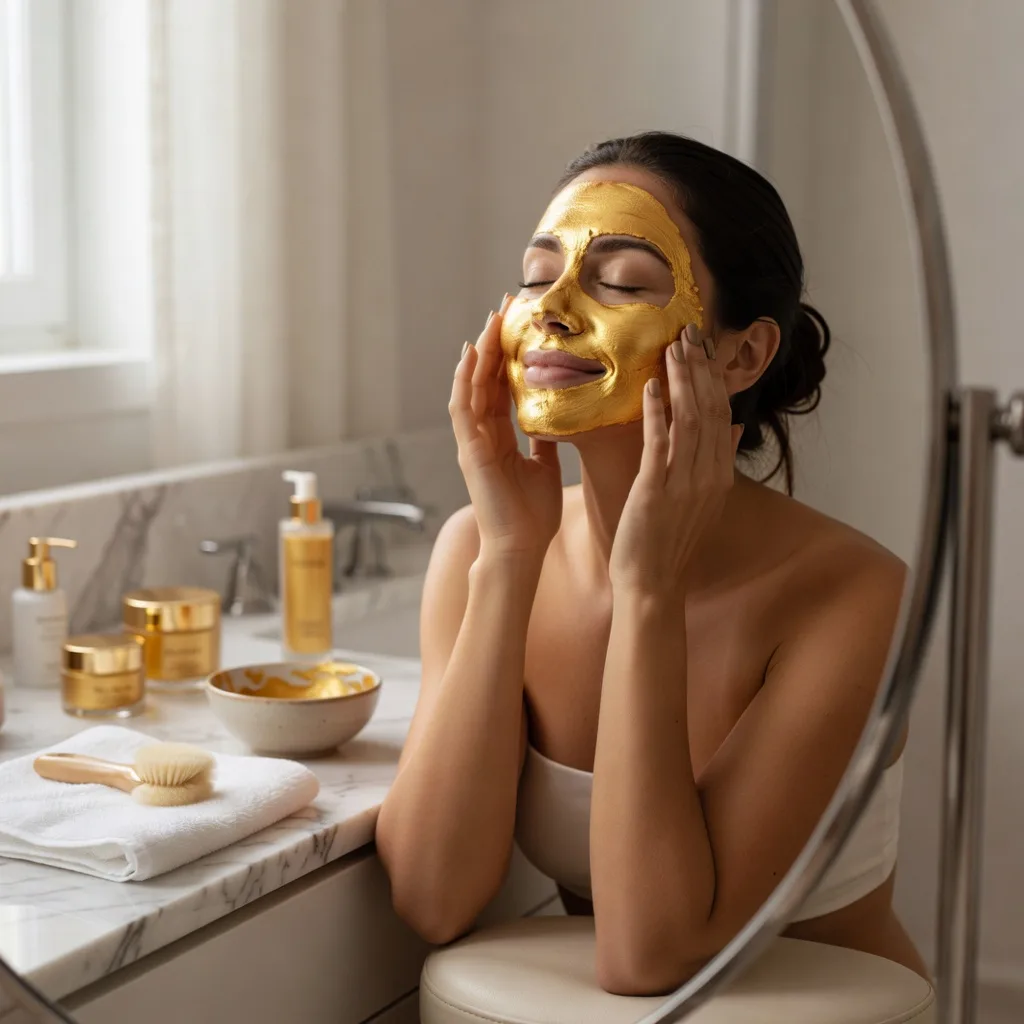
A gold facial at home promises a luxurious, ancient-feeling ritual, and the marketing behind it leans hard on a historical story that doesn’t actually hold up to scrutiny.
Part of our guide to facial treatments. Start with: Fruit Facial at Home: Does It Actually Work?
Real peer-reviewed research does show anti-inflammatory activity for specifically engineered gold nanoparticle formulations in cell and animal models, but that research doesn’t transfer cleanly to the trace, undisclosed-concentration colloidal gold or gold leaf found in most consumer masks and serums. Independent human trials on actual finished gold cosmetic products are scarce to nonexistent.
Gold contact allergy is real, if uncommon, and cosmetics carry no FDA premarket approval requirement, meaning an at-home kit’s actual purity and gold content are largely unverified by any outside body.
This guide covers the real history behind gold in skincare, what the lab evidence actually tested, the safety gaps specific to DIY kits, and a one-minute label check before you buy.
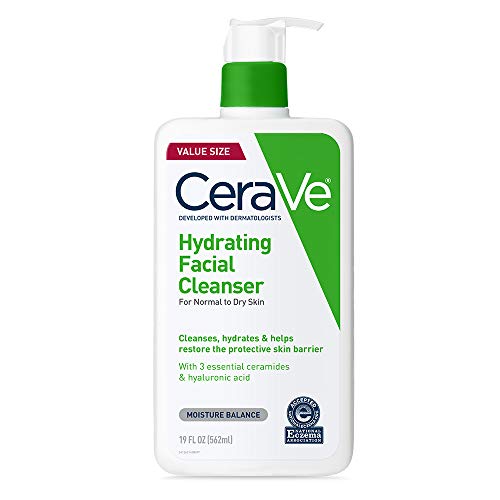
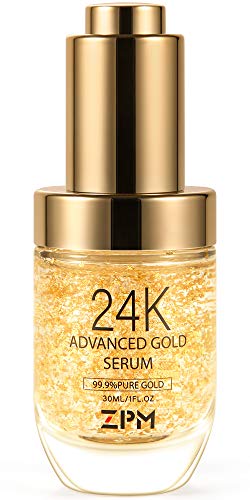
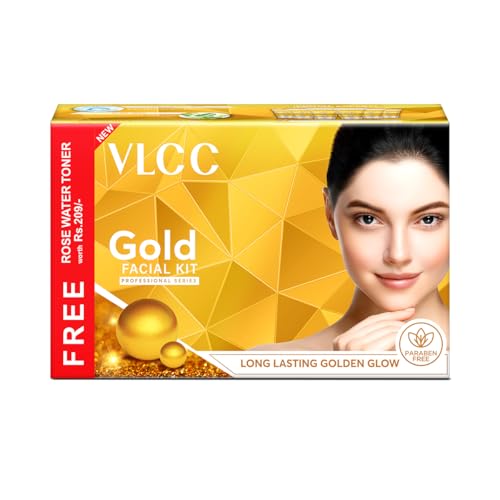
Recommended Gold Facial Kits and Products

TL;DR
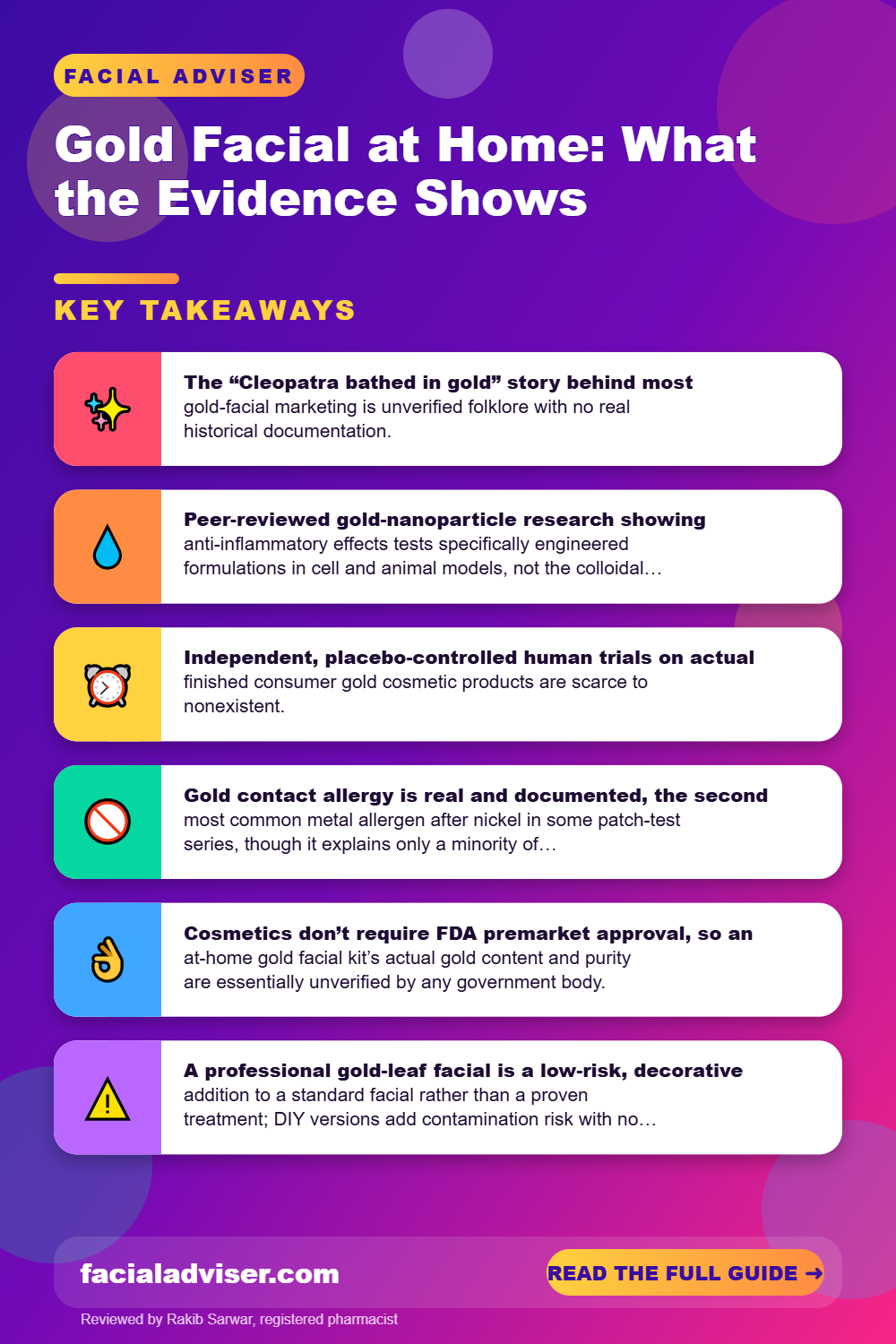
- The “Cleopatra bathed in gold” story behind most gold-facial marketing is unverified folklore with no real historical documentation.
- Peer-reviewed gold-nanoparticle research showing anti-inflammatory effects tests specifically engineered formulations in cell and animal models, not the colloidal gold or gold leaf found in consumer masks.
- Independent, placebo-controlled human trials on actual finished consumer gold cosmetic products are scarce to nonexistent.
- Gold contact allergy is real and documented, the second most common metal allergen after nickel in some patch-test series, though it explains only a minority of positive tests.
- Cosmetics don’t require FDA premarket approval, so an at-home gold facial kit’s actual gold content and purity are essentially unverified by any government body.
- A professional gold-leaf facial is a low-risk, decorative addition to a standard facial rather than a proven treatment; DIY versions add contamination risk with no offsetting evidence advantage.
What We’ll Cover
- The Cleopatra Claim, Checked Against History
- What the Real Gold-Nanoparticle Research Actually Tested
- The Gap Between Lab Research and a Consumer Product
- Gold Contact Allergy: Real, Documented, Uncommon
- A Real Gold-Cosmetic Tradition, Just Not the One Being Marketed
- What’s Probably Actually Doing the Work in a “Gold” Product
- Why an At-Home Gold Kit’s Safety Is Mostly Unverified
- Professional Gold-Leaf Facial vs. DIY At-Home Kit
- Do This, Not That
- If You Try a DIY Version Anyway
- One-Minute Check Before You Buy
- Who Should Be Cautious
- When to See a Dermatologist
- Frequently Asked Questions
- The Bottom Line
The Cleopatra Claim, Checked Against History
The “ancient Egyptian beauty secret” framing attached to nearly every gold facial product traces back to an unverified, undocumented Cleopatra story, not a sourced historical fact. Historical review finds no documentation supporting the specific gold-bathing claim; it functions as marketing shorthand for luxury and antiquity rather than a checkable historical record.
Shopping these picks?
Amazon Prime members get fast, free shipping on eligible items, plus Prime Video, Amazon Music and member deals. New members can start with a free trial.
Start a free Prime trialAged 18 to 24? Prime for Young Adults comes with a longer free trial and a lower price after it.
Affiliate link: we may earn a commission at no extra cost to you.
What is genuinely documented historically is a different tradition: real, centuries-old use of gold leaf in Japanese cosmetic and culinary practice. That’s a legitimate historical precedent for decorative gold use on skin, just not the specific Egyptian narrative most gold-facial marketing relies on.
What the Real Gold-Nanoparticle Research Actually Tested
Legitimate peer-reviewed nanomedicine research does exist on gold nanoparticles. One study synthesized gold nanoparticles using persimmon fruit extract and found enhanced anti-inflammatory and moisturizing action. A more recent 2024 study tested skin-permeable, chemically modified gold nanoparticles and found effects ameliorating inflammatory skin conditions in cell and animal models.
These are real, checkable findings, but it’s important to be precise about what was actually tested: specifically engineered, chemically modified nanoparticle formulations at controlled, disclosed concentrations, evaluated in cell cultures or animal models, not the colloidal gold or 24k gold leaf sold in consumer face masks and serums.
The Gap Between Lab Research and a Consumer Product
Fact check: independent, placebo-controlled human trials on actual finished consumer gold cosmetic products are scarce to nonexistent. What exists in the “human evidence” space for commercial gold skincare is mostly brand-commissioned consumer-perception surveys, not independent peer-reviewed clinical trials.
The concentration of gold nanoparticles used in the published lab research is also frequently not disclosed or comparable to the trace, often-undisclosed amounts used in a finished consumer product. “Gold nanoparticles show anti-inflammatory activity in a lab” does not translate to “this face mask will visibly reduce inflammation,” because formulation, concentration, delivery method, and skin-penetration profile are all different variables between a lab study and a retail product.
Gold Contact Allergy: Real, Documented, Uncommon
Gold contact allergy is genuinely documented, described as the second most common metal allergen after nickel in some patch-test series, predominantly affecting women and often presenting as persistent nodular reactions at piercing sites. The clinical significance of a positive patch test is actually low, explaining real dermatitis in only about 10 to 15 percent of positive-test cases, meaning most people with a positive gold patch test never develop a reaction from it. Still, a real subset of people can react to topical gold-containing cosmetics, and titanium dioxide found in many sunscreens and cosmetics can potentiate gold release from jewelry, worth knowing if you wear gold jewelry during a gold facial treatment.
A Real Gold-Cosmetic Tradition, Just Not the One Being Marketed
Genuine gold-leaf cosmetic and culinary use has a real, documented history in Japan, particularly associated with the Kanazawa region, a center of traditional gold-leaf craftsmanship for centuries. Edible, food-grade gold leaf is a real, still-practiced tradition there, used decoratively on food and, separately, in some cosmetic applications.
That’s a legitimate historical precedent worth acknowledging on its own terms, decorative and craft-based, rather than borrowing the unrelated and unverified Cleopatra narrative to sell it. A product’s marketing team reaching for the more dramatic, unsubstantiated origin story instead of the real one is itself a small, telling signal about how the rest of that product’s claims might hold up under scrutiny.
What’s Probably Actually Doing the Work in a “Gold” Product
Most commercial “gold” serums and masks are formulated around conventional, better-evidenced actives, hyaluronic acid for hydration, niacinamide for barrier support, or plain occlusive emollients, with trace gold added primarily for shimmer, positioning, and price justification rather than as the product’s functional workhorse.
Reading past the word “gold” on the front of the packaging to the actual ingredient list is the most useful thing a buyer can do here: if a familiar, well-evidenced active appears in a meaningful position on that list, that ingredient, not the gold, is the more plausible source of any real benefit the product delivers.
Why an At-Home Gold Kit’s Safety Is Mostly Unverified
Caution: cosmetics do not require FDA premarket approval, and neither the law nor FDA regulations require specific tests to demonstrate the safety of individual products before sale, manufacturers self-certify safety. An at-home gold mask kit’s actual gold content, purity, and contaminant profile is essentially unverified by any government body unless a problem later triggers an enforcement action.
Combine that regulatory gap with the general risk profile of any DIY or preservative-light mask, contamination and bacterial or mold growth risk from improper storage or mixing, and the honest safety framing is straightforward: at-home gold facial products are cosmetics with essentially no premarket verification of their specific gold claims, and DIY versions add contamination risk on top of that baseline gap.
Professional Gold-Leaf Facial vs. DIY At-Home Kit
| Factor | Professional Gold-Leaf Facial | DIY At-Home Gold Kit |
|---|---|---|
| Gold form | Cosmetic-grade gold leaf, inert and non-reactive | Colloidal gold or gold-infused product, purity often unverified |
| Contamination risk | Low, prepared under controlled conditions | Higher, depends on storage, mixing, and shelf life |
| Proven benefit beyond a standard facial | None established beyond massage and occlusion already present | None established; same evidence gap applies |
| Claim | What’s Actually Established |
|---|---|
| “Reduces inflammation” | Shown for specific engineered nanoparticles in lab models, not finished consumer products |
| “Ancient Egyptian secret” | Unverified folklore, not documented history |
| “Boosts collagen” | No independent human trial on a finished consumer gold product supports this |
Do This, Not That
Do
- Read the ingredient list and check where gold appears relative to other actives
- Choose a professional gold-leaf facial for the decorative, low-risk ritual it actually is
- Patch-test any new gold-containing product before full-face use
Don’t
- Assume “gold” on a label means a clinically meaningful concentration of an active ingredient
- Expect a measurable anti-aging or anti-inflammatory result from a trace-gold consumer product
- Mix or store a DIY gold mask without understanding basic contamination risk
If You Try a DIY Version Anyway
Check the source
Buy any gold-leaf or colloidal-gold product from a reputable, cosmetic-grade supplier rather than a non-cosmetic craft source.Patch test first
Apply a small amount to your inner arm and wait 24 hours before a full-face application.Use fresh, don’t store mixed product
Prepare only what you’ll use in one session rather than storing a mixed mask for later use.Follow with sun protection
Apply moisturizer and broad-spectrum SPF as you would after any facial treatment.
One-Minute Check Before You Buy
Worth trying: pull up the ingredient list of any gold product you’re considering and see where gold or colloidal gold falls in the list. If it’s near the bottom, behind common humectants and emollients, that’s a real, checkable sign it’s present in a trace, likely cosmetic-positioning amount rather than a functionally active concentration.
Who Should Be Cautious
Anyone with a known gold or metal contact allergy, particularly a history of reactions at piercing sites, should patch-test carefully or avoid gold-containing topical products altogether. Anyone using sunscreens or cosmetics containing titanium dioxide while wearing gold jewelry should be aware of the documented potential for increased gold release and irritation.
When to See a Dermatologist
If you develop persistent redness, itching, or a rash after using a gold-containing product, a dermatologist or skin specialist can patch-test for a true metal allergy rather than guessing at the cause. Readers curious about a different infused-treatment category may also want to compare it against an aqua gold facial, which despite the similar name is a mechanically distinct treatment with its own separate regulatory history.
Frequently Asked Questions
Does a gold facial actually do anything for skin?
Peer-reviewed anti-inflammatory evidence exists for specifically engineered gold nanoparticles in lab models, not for the colloidal gold or gold leaf used in most consumer products.
Is the Cleopatra gold-bathing story true?
No; it’s unverified marketing folklore with no real historical documentation behind it.
Is gold safe to put on skin?
Generally yes for most people, though a real, documented subset can develop contact allergy, particularly those with a history of reactions to gold jewelry.
Are at-home gold facial kits regulated?
Cosmetics don’t require FDA premarket approval, so a kit’s actual gold content and purity are largely unverified unless a problem later triggers an enforcement action.
Is a professional gold-leaf facial worth it?
It’s a low-risk, decorative addition to a standard facial rather than a proven treatment, reasonable to enjoy for the experience rather than for a specific skin outcome.
Can gold facials cause an allergic reaction?
Yes, in a documented but uncommon subset of people, particularly those with a history of gold jewelry reactions at piercing sites.
What ingredient actually helps with inflammation in these products?
If any active does, it’s more likely a co-formulated ingredient than the trace gold content itself, since gold typically appears in undisclosed, low concentrations.
How is this different from an aqua gold facial?
An aqua gold facial is a mechanically distinct infusion-based treatment; a gold facial or gold mask typically refers to topical gold leaf or colloidal gold with no infusion device involved.
Should I make a DIY gold mask at home?
It carries no proven advantage over a standard mask and adds real contamination risk if mixed or stored improperly, so buying a properly formulated product is generally safer.
Does wearing gold jewelry during a facial matter?
Titanium dioxide in many cosmetics and sunscreens can potentiate gold release from jewelry, a real consideration for anyone prone to metal sensitivity.
The Bottom Line
Gold facials rest on a mix of real but narrowly scoped lab research, a debunked historical origin story, and an almost entirely unverified consumer-product safety and efficacy record. The lab evidence that exists doesn’t transfer cleanly to what’s actually in a retail gold mask.
A professional gold-leaf facial is reasonable to enjoy as a low-risk, decorative ritual. Expecting a specific, proven skin outcome from it, or from a DIY at-home version, is where the marketing runs well ahead of what’s actually been established.

Written by
Registered pharmacist and founder of Facial Adviser. Rakib's pharmacy training covers how skincare actives work and interact; a later course in cosmetology turned that into a focus on facial treatments and skincare products. He plans, researches and edits every guide on the site and checks health claims against sources such as the American Academy of Dermatology, the FDA and the NIH. He is not a dermatologist; see the Editorial Policy and Medical Disclaimer.
About · Editorial policy · How we choose products · Medical disclaimer · Contact
Keep reading: DIY and ingredient facials
- Fruit Facial at Home: Does It Actually Work?
- Honey Facial: What the Real Evidence Shows
- Charcoal Facial: What the Evidence Actually Shows
- Green Tea Facial: Benefits and Side Effects
- Silver Facial: What the Real Evidence Shows
- Facial Types: A Guide to 11 Popular Facials and How to Choose One
- Microneedling Facial: Real Results, Explained