Facial Types: A Guide to 11 Popular Facials and How to Choose One
Walk into any salon and the treatment menu can feel like a foreign language: European, hydrating, oxygen, microcurrent, hydradermabrasion. Most facials share the same basic steps, but each type adds a different technique or technology aimed at a particular goal.
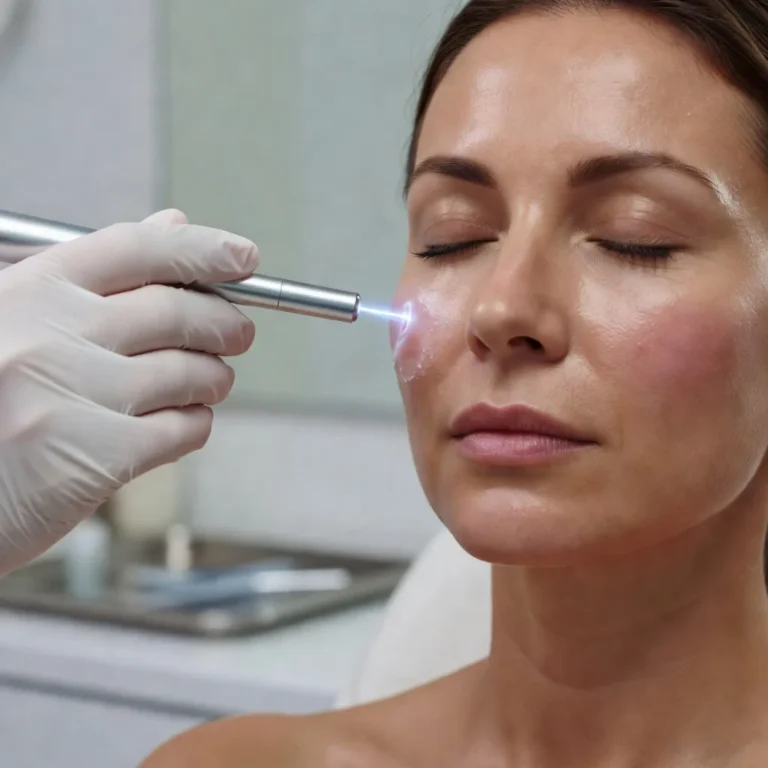
The main facial types are the classic or European facial, deep cleansing, hydrating, anti-ageing, acne facials, chemical peel facials, microdermabrasion, hydradermabrasion, LED light facials, microcurrent facials and oxygen facials. A classic facial cleanses, exfoliates, extracts and moisturises; the others add a focus, such as stronger exfoliation with peels or microdermabrasion, deeper hydration, blemish control, light therapy or gentle electrical toning. The right choice depends on your skin type, your main concern, how sensitive your skin is and how much downtime you can accept. Most facials give short-term improvement, and lasting change needs a regular routine or a course of treatments.
In short: pick a facial by your main skin goal and sensitivity, and treat most facials as a boost to your routine rather than a fix.
The American Academy of Dermatology notes that treatments such as chemical peels and microdermabrasion can improve tone and texture, with deeper treatments needing more recovery, which is why matching the facial to your skin matters.
This guide compares the most common facial types in one table, explains who each suits and gives a simple way to choose, plus tools you can use for an at-home facial between salon visits.
Shopping these picks?
Amazon Prime members get fast, free shipping on eligible items, plus Prime Video, Amazon Music and member deals. New members can start with a free trial.
Start a free Prime trialAged 18 to 24? Prime for Young Adults comes with a longer free trial and a lower price after it.
Affiliate link: we may earn a commission at no extra cost to you.
Recommended At-Home Facial Tools on Amazon




Contents
- Facial Types at a Glance
- Classic, Deep Cleansing and Hydrating Facials
- Anti-Ageing and Acne Facials
- Chemical Peel, Microdermabrasion and Hydradermabrasion Facials
- LED, Microcurrent and Oxygen Facials
- Which Facial Type Suits Your Skin?
- How to Choose the Right Type of Facial
- At-Home Facial Tools Between Salon Visits
- Risks and Side Effects of Facials
- Dos and Don’ts
- Honest Limits
- When to See a Dermatologist
- Your Questions, Answered
- Where This Leaves You
What to Know First
- Most facials cleanse, exfoliate, treat and moisturise; the type changes the focus.
- Classic facials suit most people and are a good starting point.
- Peels and microdermabrasion exfoliate more strongly and need sun care.
- Hydrating and oxygen facials give a short-term plump, dewy look.
- LED and microcurrent facials use devices with modest, gradual effects.
- Sensitive or acne-prone skin needs a gentler, targeted approach.
- Results fade without a consistent home routine.
Facial Types at a Glance
This table compares the eleven most common facial types. Names vary between salons, so always ask what steps and products a treatment includes.
| Facial type | What it involves | Best for | Downtime |
|---|---|---|---|
| Classic or European | Cleanse, steam, exfoliate, extract, mask, massage | Most skin types, first facials | None |
| Deep cleansing | Longer steam and extractions, clay mask | Oily skin, blackheads | Some redness |
| Hydrating | Humectant serums, sheet or cream masks | Dry, dehydrated skin | None |
| Anti-ageing | Peptides, antioxidants, massage, sometimes peels | Dullness, fine lines | None to minimal |
| Acne | Gentle exfoliation, extractions, calming masks | Mild to moderate breakouts | Mild redness |
| Chemical peel | Acid solution applied and neutralised | Tone, texture, sun damage | None to several days |
| Microdermabrasion | Diamond tip or crystals with suction | Rough texture, dullness | A few hours of pinkness |
| Hydradermabrasion | Suction with serums and water | Congestion, dehydration | None |
| LED light | Red or blue light panels or masks | Redness, mild acne, glow | None |
| Microcurrent | Low-level current through probes | Temporary lift and contour | None |
| Oxygen | Pressurised oxygen spray with serums | Temporary plumpness, events | None |
Many salons blend these, for example a classic facial with an LED add-on. That is usually fine, but more steps do not always mean better results, especially for sensitive skin. A typical salon facial lasts 45 to 90 minutes, and the price usually rises with added devices or stronger exfoliation rather than with better results for every skin type.
Classic, Deep Cleansing and Hydrating Facials
These three are the foundation of most treatment menus and the best place to start if you have never had a facial.
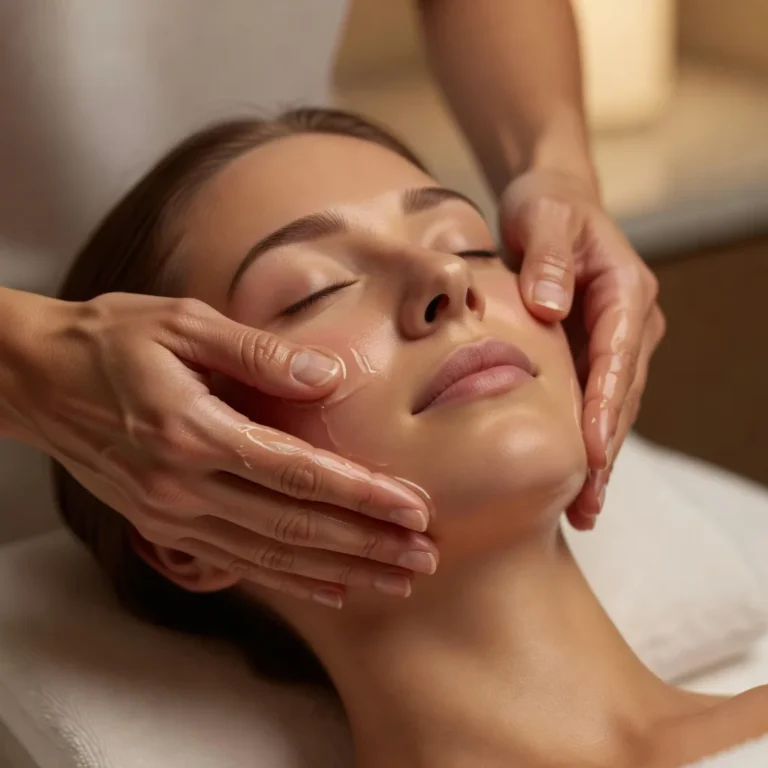
- Classic or European facials follow a standard sequence of cleansing, steaming, exfoliating, extractions, a mask and a massage. They suit most skin types.
- Deep cleansing facials spend more time on steam and extractions and often use clay masks. They suit oily skin with blackheads but can leave redness for a day.
- Hydrating facials focus on humectants such as hyaluronic acid and glycerin, with rich masks. They suit dry or dehydrated skin and give a plump, dewy look for a few days.
Our guide on European facial vs basic facial explains the differences between these salon staples in more detail.
Anti-Ageing and Acne Facials
Targeted facials use the classic structure but choose products and techniques for one concern.
Anti-ageing facials often include antioxidant serums, peptides, massage and sometimes a light peel. They can make skin look brighter and smoother for a while, but they cannot reverse wrinkles or sagging. Acne facials focus on gentle exfoliation, careful extractions and calming masks. Done well, they help clear congestion; done badly, harsh extractions can spread inflammation and leave marks.
The AAD acne skin care tips warn against picking and scrubbing, and recommend seeing a dermatologist when acne does not improve with home care. Our guide on which facial is best for acne-prone skin covers what to ask for.
Chemical Peel, Microdermabrasion and Hydradermabrasion Facials
These facials exfoliate more strongly than a classic facial, so they can do more for texture and tone but also carry more risk of irritation.
| Treatment | Method | Strength | Main risk |
|---|---|---|---|
| Superficial chemical peel | Acids such as glycolic or salicylic | Mild to moderate | Stinging, peeling, sun sensitivity |
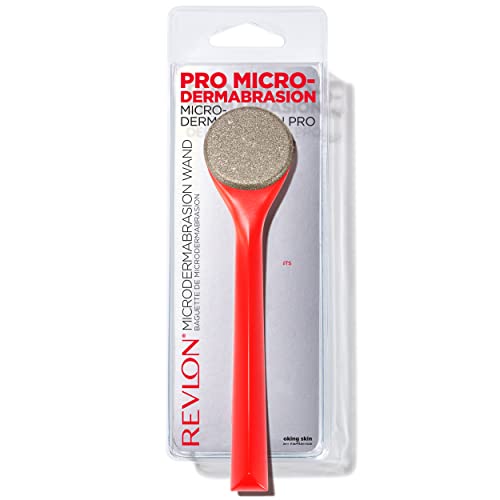
| Microdermabrasion | Diamond tip or crystals with suction | Mild to moderate | Redness, irritation if overdone |
| Hydradermabrasion | Suction with water and serums | Mild | Temporary redness |
The AAD chemical peels overview explains that deeper peels give stronger results with longer recovery. Its microdermabrasion overview notes that results build over a series of treatments. Whichever you choose, daily sunscreen afterwards is essential. Space exfoliating facials a few weeks apart, and avoid using strong acids, scrubs or retinoids at home for a couple of days before and after, because stacking exfoliation is one of the most common reasons skin becomes red, tight or sore after a facial.
LED, Microcurrent and Oxygen Facials
Device-based facials are popular because they are painless and have no downtime, but the evidence behind them varies.
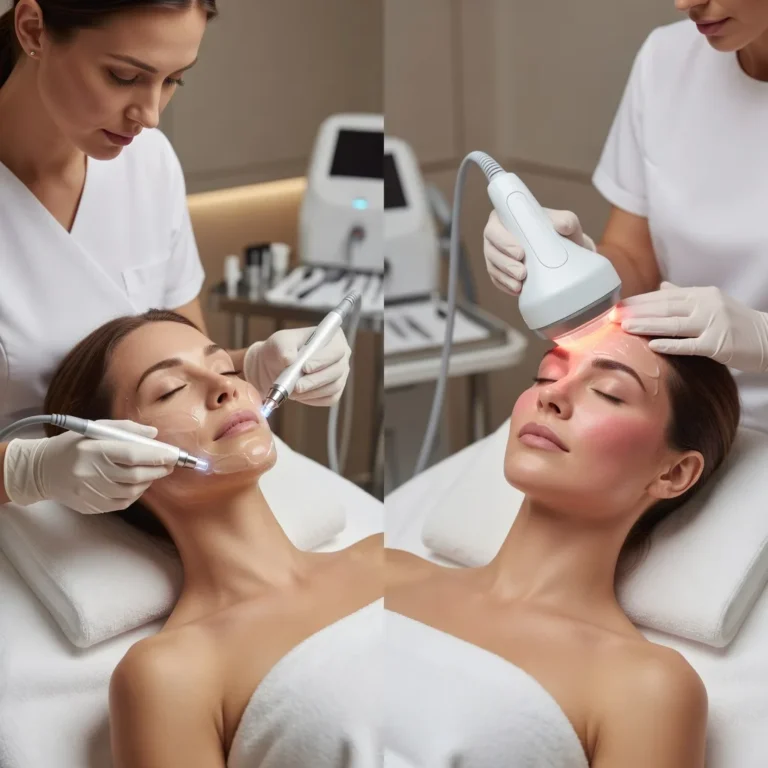
- LED facials use red light, which is often marketed for glow and fine lines, and blue light, which is used for mild acne. Effects are gradual and need repeated sessions.
- Microcurrent facials send a very low electrical current through the skin and facial muscles. Many people see a subtle, temporary lift that fades within days unless treatments continue.
- Oxygen facials spray pressurised oxygen and serums onto the skin. They feel refreshing and make skin look plump for a short time, but there is little evidence that oxygen itself changes the skin.
Device facials are usually safe for most people, but they are not suitable for everyone. Microcurrent is generally avoided with pacemakers or other implanted electrical devices and during pregnancy, and some people with light sensitivity or on light-sensitising medicines should avoid LED treatment.
Which Facial Type Suits Your Skin?
Use your skin type and main concern as a starting point.
- Dry or dehydrated: hydrating, classic or oxygen facials.
- Oily or congested: deep cleansing, hydradermabrasion or a mild salicylic peel.
- Acne-prone: an acne facial with gentle extractions, or LED blue light.
- Sensitive or rosacea-prone: a gentle classic or hydrating facial without steam, strong exfoliation or fragrance.
- Dull or uneven: chemical peel, microdermabrasion or hydradermabrasion.
- Fine lines or loss of firmness: anti-ageing facial, LED or microcurrent, with realistic expectations.
If you are unsure, start with a classic facial and tell the therapist about your concerns, any allergies and any active products you use, such as retinoids. A good therapist will adjust the steps, skip steam or extractions if your skin is reactive, and suggest a stronger option only once they have seen how your skin responds. Keep a note of what you had and how your skin looked over the following week, so you can repeat what worked and avoid what did not.
How to Choose the Right Type of Facial
These steps help you narrow down the menu and avoid a treatment that does not suit your skin.
Name your main goal
Decide whether you want cleaner pores, more hydration, a brighter tone, fewer breakouts or a short-term glow.
Know your skin type
Dry, oily, combination, sensitive or acne-prone skin each suit different facials.
Check your downtime
Choose a gentle facial before events, and leave stronger peels for quieter weeks.
Review your products
Tell the therapist about retinoids, acids or prescription creams, which can make skin more reactive.
Ask what is included
Ask about steps, products, extractions and devices, and whether you can skip steam or fragrance.
Start gentle
Try a milder version first and see how your skin reacts before booking stronger treatments.
Plan the routine
Decide how often to repeat it and what to use at home between visits.
Book a stronger exfoliating facial at least a week before an important event, not the day before, so any redness or flaking has time to settle.
At-Home Facial Tools Between Salon Visits
You can recreate parts of several facial types at home. At-home tools are milder than salon equipment, so results are gentler.
- A facial steamer can soften skin before cleansing, but keep sessions short and skip it if you have rosacea.
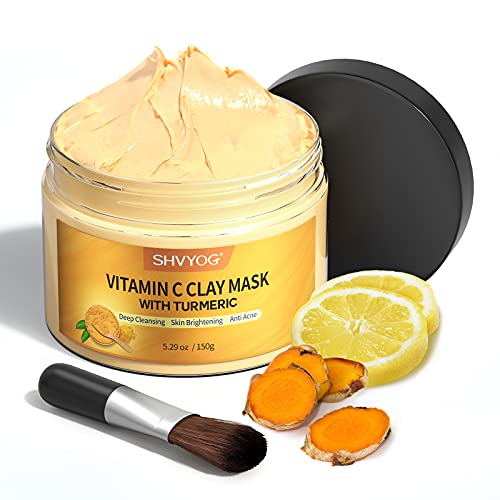
- A clay mask absorbs excess oil and suits oily or congested skin once or twice a week.
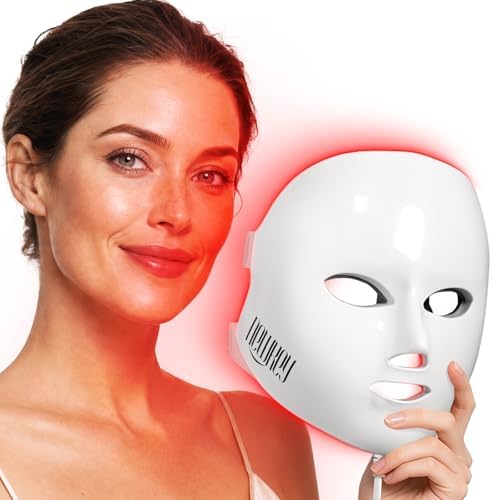
- An LED face mask offers gradual light therapy with regular use; follow the timing and eye-safety advice.
- A microcurrent device gives a subtle, short-term lift with consistent use and a conductive gel.
Our guide on how often to get a professional facial helps you balance salon visits with home care. Keep tools clean, follow the maker’s instructions and add one tool at a time, so you can tell which one your skin likes and which one causes irritation.
Risks and Side Effects of Facials
Facials are low risk for most people, but problems do happen, especially with strong exfoliation, harsh extractions or poor hygiene.
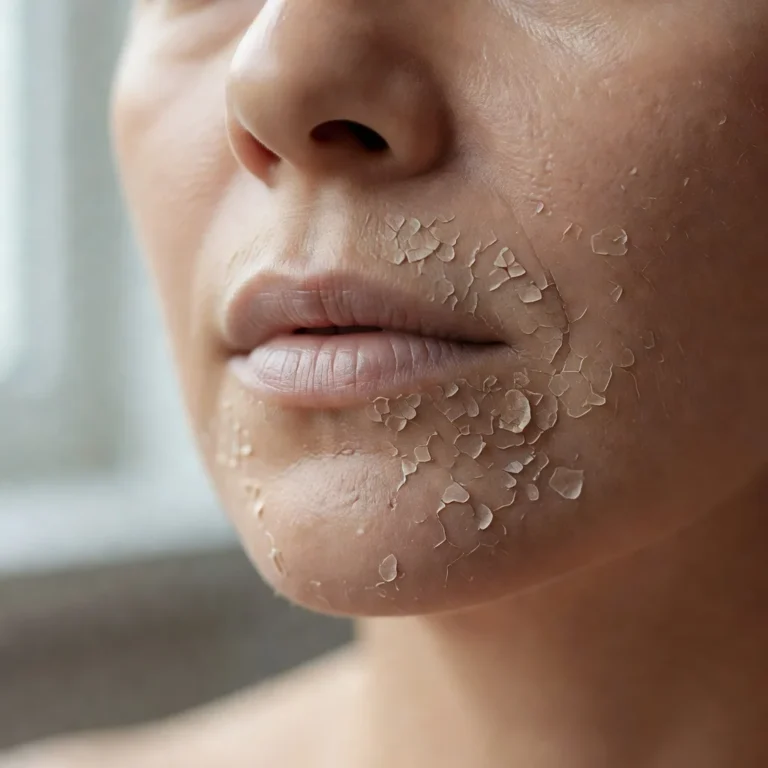
- Redness, stinging or peeling after peels and microdermabrasion.
- Breakouts after heavy masks or rough extractions.
- Allergic reactions to fragrance or botanical ingredients.
- Dark marks on deeper skin tones after irritation.
- Infection from unclean tools.
Most of these problems are avoidable. Choose a licensed, experienced therapist who uses clean, single-use or sterilised tools, answer the consultation questions honestly and speak up if anything stings or burns during the treatment. Mild pinkness that settles within a few hours is normal; pain, spreading redness or new spots over the next few days are not.
Avoid strong exfoliating facials if you have sunburn, active infection, cold sores or a flare of eczema or rosacea, or if you take oral isotretinoin. Stop any treatment that burns, and seek medical advice for blistering, swelling or pain that does not settle.
Dos and Don’ts
Try This
- Choose a facial for your main goal
- Tell the therapist about your skincare and medicines
- Ask for a patch test for new products
- Wear sunscreen after exfoliating facials
- Keep a simple routine between visits
Avoid This
- Book strong peels just before events
- Allow aggressive extractions on inflamed spots
- Stack several exfoliating treatments at once
- Use at-home devices more often than advised
- Expect one facial to fix long-term concerns
Honest Limits
Most facials work on the surface of the skin and give results that last days to weeks. They can make skin look cleaner, brighter and smoother, but they cannot remove deep wrinkles, lift sagging skin or cure acne on their own. Terms such as oxygen, detox and lifting are often marketing language rather than proof of a lasting effect.
For long-term change, daily sunscreen, a suitable cleanser and moisturiser, and proven actives such as retinoids, with dermatologist treatment where needed, matter more than the type of facial you book.
When to See a Dermatologist
- You have acne that is painful, cystic or leaving scars.
- You have rosacea, eczema or very reactive skin.
- You want stronger peels, lasers or treatment for melasma.
- You react to facial products with swelling, rash or lasting redness.
This article is for general information and does not replace professional medical advice. See a board-certified dermatologist for skin conditions, and before cosmetic procedures if you use prescription skin medication.
Your Questions, Answered
What are the main types of facials?
Classic, deep cleansing, hydrating, anti-ageing, acne, peel, microdermabrasion, hydradermabrasion, LED, microcurrent and oxygen.
Which facial type is best for beginners?
A classic or European facial.
Which facial is best for dry skin?
A hydrating facial or a gentle classic facial.
Which facial is best for oily skin?
Deep cleansing, hydradermabrasion or a mild salicylic peel.
Which facial is best for sensitive skin?
A gentle hydrating facial without steam or fragrance.
Do LED facials work?
They may help mild acne and glow gradually, with repeated sessions.
Is a microcurrent facial permanent?
No, the lift is temporary and needs regular treatment.
How often should I get a facial?
Many people choose every four to six weeks.
Can a facial cause breakouts?
Yes, occasionally, especially after heavy products or extractions.
Can I do a facial at home?
Yes, with gentle cleansing, a mask and suitable tools.
Where This Leaves You
Facial types differ mainly in their focus: cleansing, hydration, exfoliation, blemish control or device-based treatments such as LED and microcurrent. Choose by your main goal, skin type and sensitivity.
Start gentle, protect your skin with sunscreen after exfoliating treatments and keep a steady routine at home, because that is what holds on to the results.

Written by
Registered pharmacist and founder of Facial Adviser. Rakib's pharmacy training covers how skincare actives work and interact; a later course in cosmetology turned that into a focus on facial treatments and skincare products. He plans, researches and edits every guide on the site and checks health claims against sources such as the American Academy of Dermatology, the FDA and the NIH. He is not a dermatologist; see the Editorial Policy and Medical Disclaimer.
About · Editorial policy · How we choose products · Medical disclaimer · Contact
Keep reading: Types of facials compared
- Why Have a Facial? The Real Reasons
- Which Facial Is Best for Acne-Prone Skin? Options, Evidence and What to Avoid
- Which Facial Is Best for Glowing Skin? Matching the Treatment to Your Skin
- Cleanup or Facial: Which Is Actually Better?
- Facial vs Massage: Which Spa Treatment Is Worth Booking?
- Microneedling Facial: Real Results, Explained
- Is Hydrafacial a Gimmick? What Evidence Shows