How Often Should You Get a Professional Facial? A Guide by Skin Type and Goal
Ask a spa how often you should get a facial and you will often hear once a month. Ask a dermatologist and you may hear that facials are optional. Both answers have a point. How often you book depends on your skin, the type of facial, your budget of time and what you want to achieve.
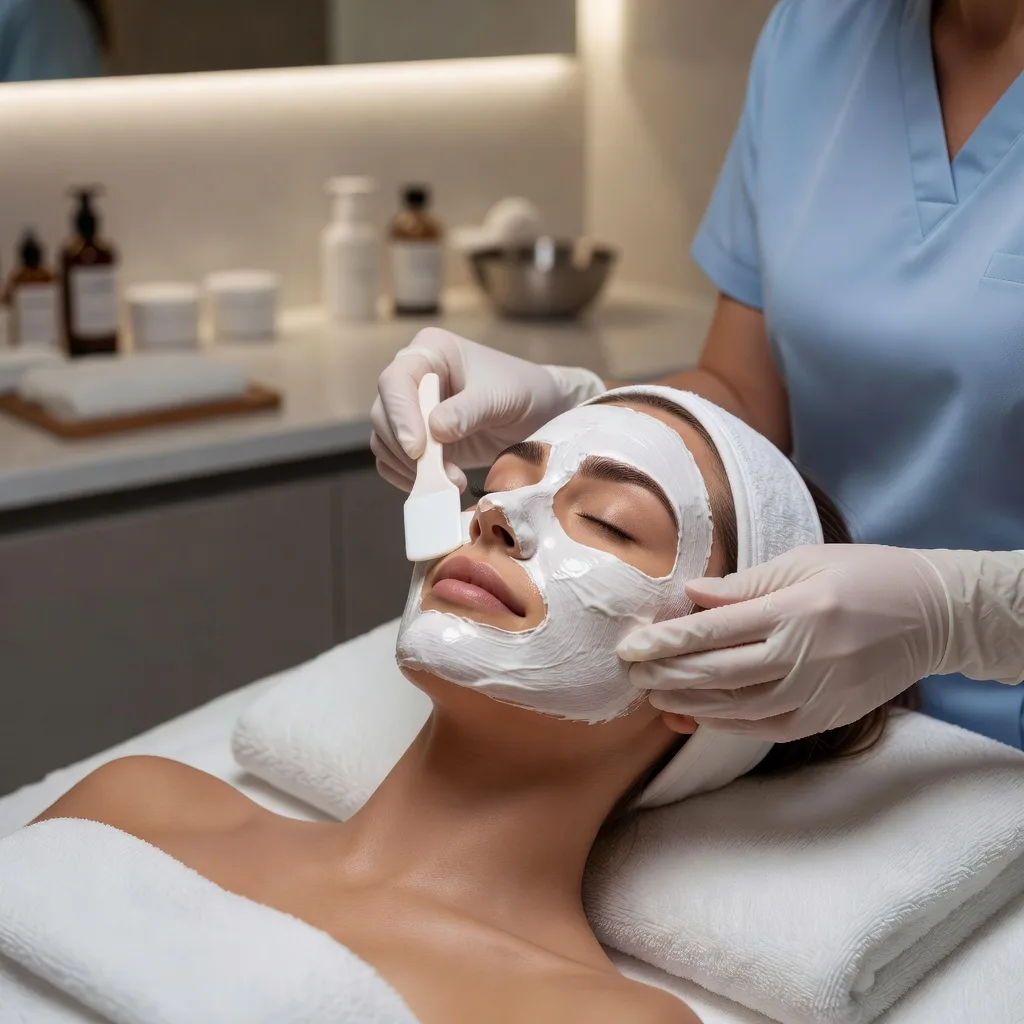
For most people, a basic professional facial every four to eight weeks is plenty, and many people with healthy skin do well with one every few months or only before events. Gentle cleansing or hydrating facials can be repeated more often than treatments that exfoliate deeply, such as peels or microdermabrasion, which need recovery time between sessions. People with acne-prone skin may benefit from regular, gentle facials, but daily treatment matters far more. No facial replaces a consistent home routine with sunscreen.
In short, match the frequency to the treatment and your skin, not to a fixed rule. A gentle monthly facial and an intensive peel are very different things, and treating them the same way is where problems start.
The American Academy of Dermatology notes that light chemical peels are often done as a series of three to five treatments spaced two to five weeks apart, while deeper peels are done far less often. That principle, stronger treatments less often, applies to most professional facials.
This guide explains ideal intervals by skin type and facial type, signs you are overdoing it and how to decide what suits you.
Buying for a salon, spa or clinic?
A free Amazon Business account gives you business-only pricing on eligible items, multi-user buying and tax-exemption tools.
Create a free Business accountAffiliate link: we may earn a commission at no extra cost to you.
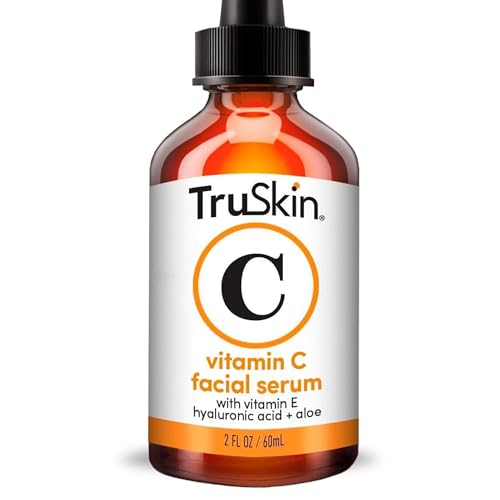
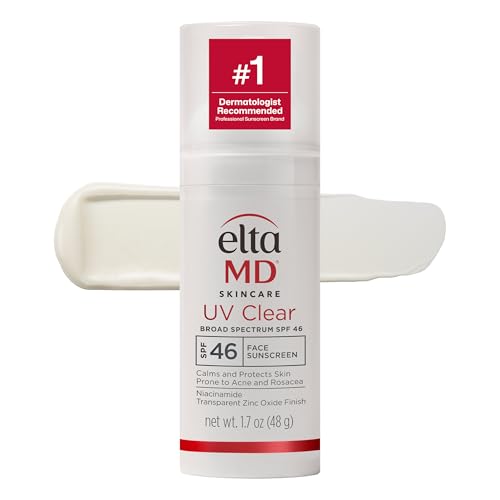
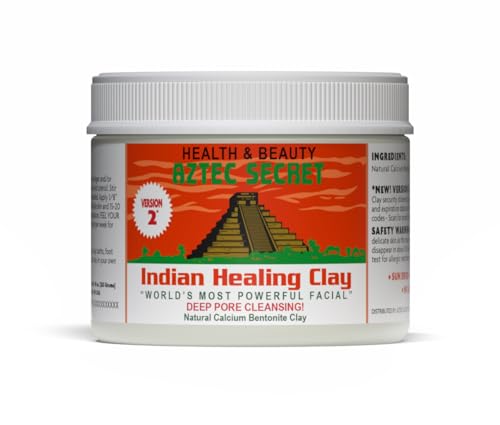
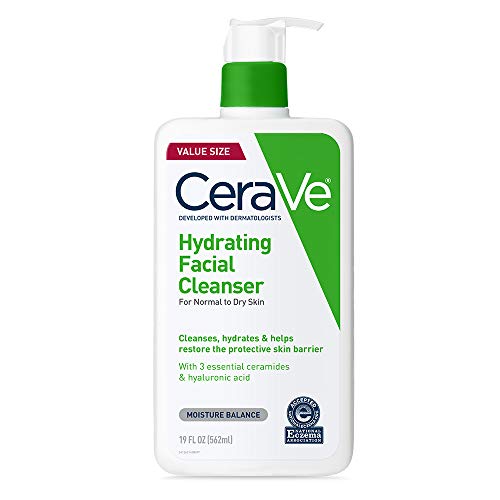
Recommended At-Home Facial Products Between Appointments


What This Covers
- Facial Frequency at a Glance
- How Often by Skin Type
- Why the Four to Six Week Rule Exists
- How Often for Acne-Prone Skin?
- How to Find Your Ideal Facial Schedule
- Signs You Are Getting Facials Too Often
- Facials With Peels and Stronger Treatments
- What to Do Between Facials
- Adjusting Frequency Through the Year
- Dos and Don’ts
- Honest Limits
- When to See a Dermatologist
- Frequently Asked Questions
- Where This Leaves You
Key Takeaways
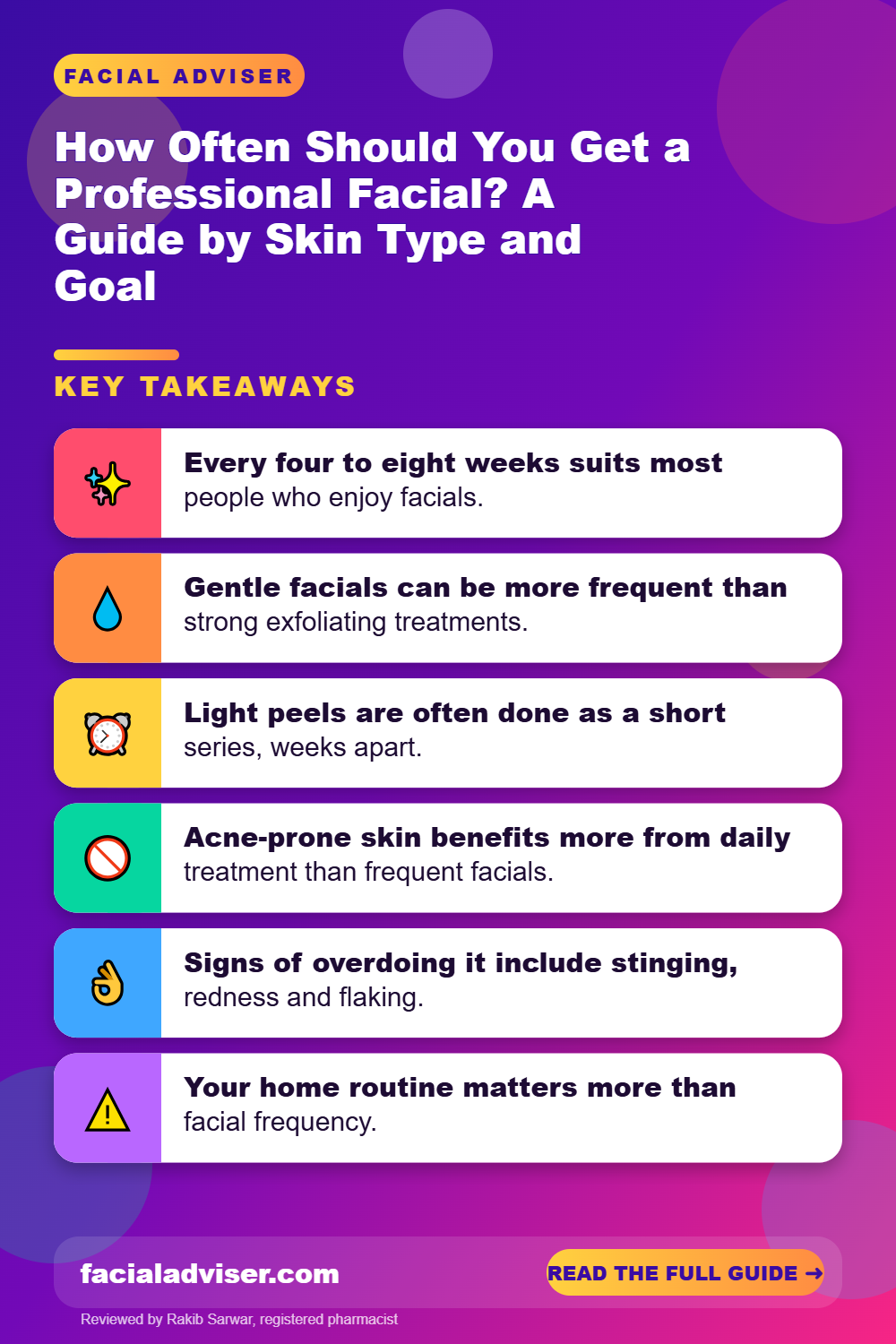
- Every four to eight weeks suits most people who enjoy facials.
- Gentle facials can be more frequent than strong exfoliating treatments.
- Light peels are often done as a short series, weeks apart.
- Acne-prone skin benefits more from daily treatment than frequent facials.
- Signs of overdoing it include stinging, redness and flaking.
- Your home routine matters more than facial frequency.
- Plan facials a few days before events, not the day before.
Facial Frequency at a Glance
This table gives typical intervals. Your therapist or dermatologist may suggest something different based on your skin.
| Facial type | Typical interval | Why |
|---|---|---|
| Classic or hydrating facial | Every 4 to 8 weeks, or as desired | Gentle; mainly cleansing and hydration |
| Deep cleansing with extractions | Every 4 to 6 weeks | Pores need time to heal between extractions |
| Light chemical peel | Series of treatments 2 to 5 weeks apart, then occasional | Skin needs to recover and renew |
| Microdermabrasion or dermaplaning | Every 3 to 6 weeks | Physical exfoliation needs recovery time |
| Medium or deep peels | Rarely; deep peels usually once | Longer healing and higher risk |
The pattern is simple: the stronger the exfoliation or the deeper the treatment, the longer you should leave between sessions.
How Often by Skin Type
Your skin type affects how often a facial is useful.
| Skin type | Suggested approach | Notes |
|---|---|---|
| Normal | Every 6 to 8 weeks, or occasionally | A good home routine may be all you need |
| Oily or congested | Every 4 to 6 weeks | Regular cleansing facials can help pores |
| Acne-prone | Every 4 to 6 weeks, gentle only | Daily acne treatment matters most |
| Dry | Every 6 to 8 weeks | Hydrating facials can help in dry seasons |
| Sensitive or rosacea-prone | Occasionally, very gentle | Avoid steam, heat and strong exfoliation |
| Mature | Every 4 to 8 weeks | Gentle peels and hydration can refresh skin |
These are starting points, not rules. If your skin looks and feels good with fewer facials, there is no need to book more. Life stage matters too: teenagers with oily skin, people going through menopause and anyone starting new medications may find their ideal schedule changes, so it is worth reviewing it every few months rather than sticking to one plan forever.
Why the Four to Six Week Rule Exists
Many spas suggest facials every four to six weeks because the outer layer of skin renews itself over a period of weeks, and a facial can help remove dead cells and clear pores that build up during that time.
That makes a monthly facial a reasonable routine for people who enjoy them, but it is not a medical requirement. Skin renewal happens whether or not you book a facial, and gentle exfoliation at home can keep skin smooth between appointments. Think of the four to six week guide as the minimum gap for treatments that clear pores or exfoliate, rather than a target you must hit.
Skin renewal slows with age and can vary between people, so the four to six week rule is a rough guide rather than a precise cycle.
If you are new to facials, our guide on what a male facial involves explains the typical steps, which are similar for everyone.
How Often for Acne-Prone Skin?
People with acne often wonder whether more frequent facials will clear their skin faster. Usually, they will not. Facials can help clear blackheads and whiteheads, but acne is driven by oil, clogged pores, bacteria and inflammation that need daily treatment.
A gentle facial every four to six weeks can support an acne routine, as long as it uses non-comedogenic products and avoids harsh extractions. The American Academy of Dermatology explains how dermatologists treat acne, and those treatments are what make the biggest difference.
Our guide on which facial is best for acne-prone skin explains which facial types help and which to avoid. If you are using a prescription treatment, bring the name to your appointment so the therapist can adjust products and avoid anything that could irritate your skin.
How to Find Your Ideal Facial Schedule
Use these steps to work out a schedule that suits you.
Define your goal
Relaxation, clearer pores, hydration or treating a specific concern.
Choose the right type of facial
Match the treatment to your skin and goal.
Start with a longer gap
Begin at every six to eight weeks and see how your skin responds.
Track your skin
Note how your skin looks in the days and weeks after each facial.
Adjust gradually
Shorten the gap only if your skin benefits and tolerates it well.
Plan around events
Book a few days before important occasions, not the day before.
Keep up your home routine
Daily cleansing, moisturiser and sunscreen matter most.
If you enjoy facials mainly for relaxation, there is nothing wrong with booking them as often as you like, provided the treatments are gentle and your skin stays comfortable.
Signs You Are Getting Facials Too Often
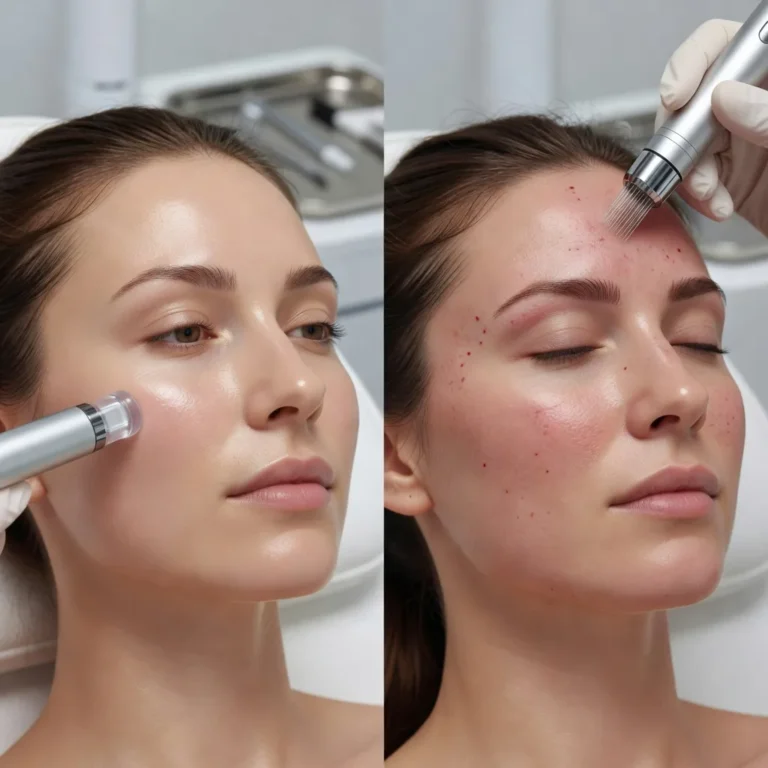
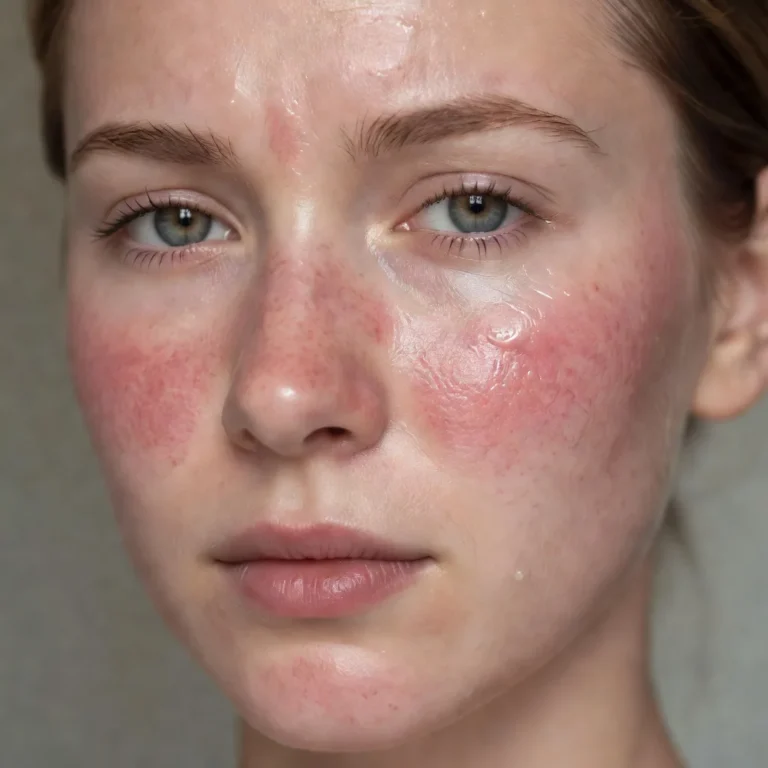
Too many facials, especially exfoliating ones, can damage the skin barrier.
- Skin stings when you apply your usual products.
- Persistent redness, tightness or flaking.
- More breakouts rather than fewer.
- Skin feels thin, shiny or unusually sensitive.
- New sensitivity to products you used to tolerate.
Stop exfoliating treatments and give your skin a break if you notice burning, persistent redness or raw patches. Avoid peels, microdermabrasion and extractions if you use prescription retinoids or have recently taken isotretinoin, unless your dermatologist approves.
If your barrier feels damaged, focus on a simple routine of gentle cleansing, moisturiser and sunscreen for a few weeks before booking another treatment. Tell your therapist what happened last time so they can choose a gentler approach, and consider waiting until your skin feels completely normal again, which can take two to four weeks.
Facials With Peels and Stronger Treatments
When a facial includes a peel or stronger exfoliation, frequency needs more care. The American Academy of Dermatology’s chemical peels FAQs describe light peels as often needing three to five treatments spaced two to five weeks apart, while a person can have only one deep peel.
Many spa facials include a mild enzyme or acid step that is gentler than a clinical peel, but it is still worth asking what is being used and how deep it goes. If your therapist suggests a course of treatments, ask how many sessions, how far apart and what you should avoid between them.
For a detailed comparison, see our guide to facials versus chemical peels. Keep a simple note of the date and type of each treatment, which makes it easy to space them sensibly and spot patterns in how your skin reacts.
What to Do Between Facials
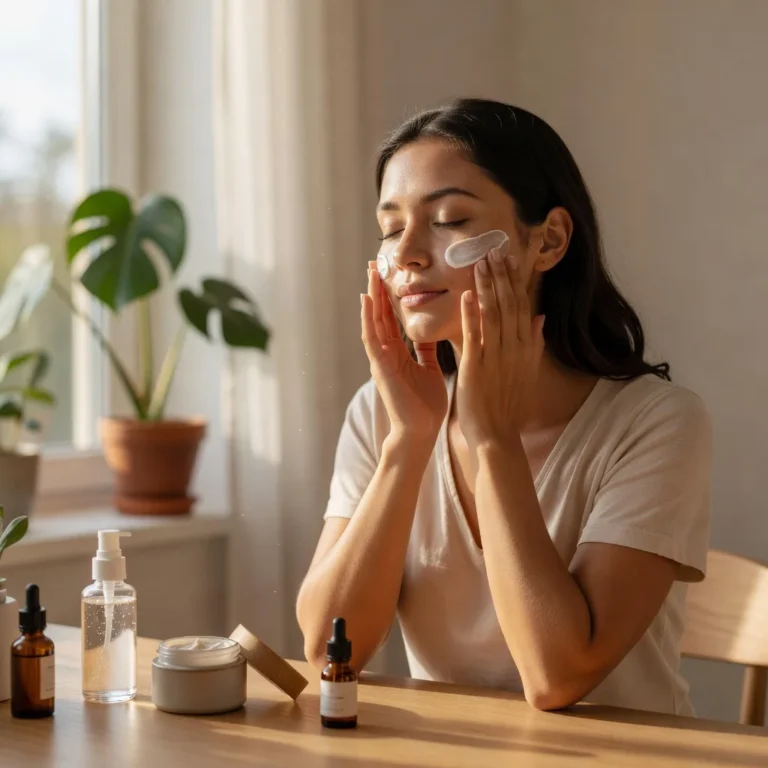
Your daily routine does most of the work, and a good routine can reduce how often you need facials.
- Cleanse gently morning and evening.
- Exfoliate gently once or twice a week, or use a leave-on exfoliant a few times a week.
- Moisturise daily with a product suited to your skin type.
- Wear broad-spectrum sunscreen every morning.
- Use targeted treatments such as retinoids or acne products as advised.
Do not exfoliate at home in the days immediately before or after a facial that includes exfoliation or a peel, as this can over-exfoliate the skin. A simple rule is to leave three to five days without acids, scrubs or retinoids on either side of a facial that includes exfoliation, unless your therapist or dermatologist gives different advice. Hydrating serums and a plain moisturiser are usually fine to continue.
Adjusting Frequency Through the Year
Your skin’s needs change with the seasons. In hot, humid months, oilier skin may benefit from regular cleansing facials. In cold, dry months, hydrating facials can help, and stronger exfoliation may need to be spaced further apart because skin is more easily irritated.
Many people also prefer to schedule stronger treatments such as peels in autumn and winter, when sun exposure is lower and it is easier to protect freshly treated skin. Before a holiday somewhere sunny, it is wise to avoid peels and strong exfoliation for a couple of weeks and to pack a high-SPF sunscreen.
If your skin changes because of pregnancy, new medications or a skin condition, check with your doctor or dermatologist before continuing your usual facial schedule. During pregnancy, for example, some ingredients used in peels and treatments may be avoided, so a gentler facial or a longer gap may be sensible.
Dos and Don’ts
Try This
- Match frequency to the treatment
- Start with longer gaps
- Track how your skin responds
- Keep up a daily routine
- Wear sunscreen every day
Avoid This
- Book strong treatments too close together
- Exfoliate at home right before a facial
- Ignore signs of irritation
- Expect frequent facials to cure acne
- Book a facial the day before a big event
Honest Limits
There is little research on ideal facial frequency, and most advice comes from professional experience rather than trials. Facials give short-term benefits, and their value depends heavily on the type of treatment and the skill of the therapist.
For most people, a consistent daily routine with sunscreen does more for skin health than frequent facials. If you have a specific concern such as acne, pigmentation or signs of aging, a dermatologist can suggest treatments with stronger evidence and advise on how facials fit in. The right schedule is the one that keeps your skin comfortable, fits your time and budget and gives you results you can actually see.
When to See a Dermatologist
- Your skin stays red, sore or irritated after facials.
- Acne is persistent, painful or scarring.
- You have a skin condition such as rosacea or eczema and want facials.
- You notice a new or changing spot or mole.
This article is for general information and does not replace professional medical advice. Consult a board-certified dermatologist for persistent skin concerns or before starting stronger treatments.
Frequently Asked Questions
How often should you get a facial?
Every four to eight weeks suits most people, but it depends on your skin and the treatment.
Is a monthly facial good for your skin?
It can be for many people, especially with gentle facials.
Can you get a facial every two weeks?
Gentle facials may be fine, but exfoliating treatments need longer gaps.
How often should I get a facial for acne?
Often every four to six weeks, gentle only, alongside daily treatment.
How often can you get a chemical peel?
Light peels are often a series two to five weeks apart.
Are facials necessary?
No, but many people enjoy them as part of their routine.
Can too many facials damage skin?
Yes, especially frequent exfoliation, which can weaken the barrier.
How often should I get a deep cleansing facial?
Every four to six weeks is common.
When should I get a facial before an event?
A few days to a week before, not the day before.
What matters more than facial frequency?
A consistent daily routine with sunscreen.
Where This Leaves You
For most people, a professional facial every four to eight weeks is plenty, with gentle facials allowing shorter gaps and stronger exfoliating treatments needing longer ones. Acne-prone skin benefits most from daily treatment, with gentle facials as support.
Start with longer gaps, watch how your skin responds, adjust gradually and keep a simple daily routine with sunscreen at the centre of your skincare.

Written by
Registered pharmacist and founder of Facial Adviser. Rakib's pharmacy training covers how skincare actives work and interact; a later course in cosmetology turned that into a focus on facial treatments and skincare products. He plans, researches and edits every guide on the site and checks health claims against sources such as the American Academy of Dermatology, the FDA and the NIH. He is not a dermatologist; see the Editorial Policy and Medical Disclaimer.
About · Editorial policy · How we choose products · Medical disclaimer · Contact