Facial Specialist vs Esthetician vs Dermatologist: Who Should You See?
Spa menus, salon websites and clinic listings use a confusing mix of titles: facial specialist, skin therapist, facialist, esthetician, medical esthetician, skin care expert and dermatologist. They can sound interchangeable, but they describe very different levels of training and scope. Knowing the difference helps you choose the right person for your skin and avoid treatments from someone who is not qualified to provide them.
Part of our guide to facials: what to expect. Start with: How Often Should You Get a Professional Facial? A Guide by Skin Type and Goal
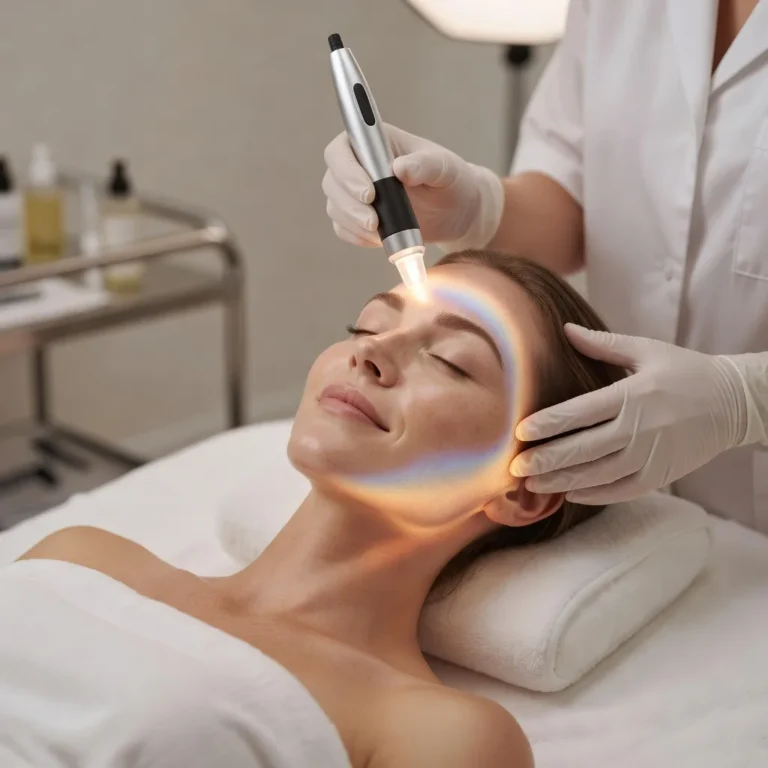
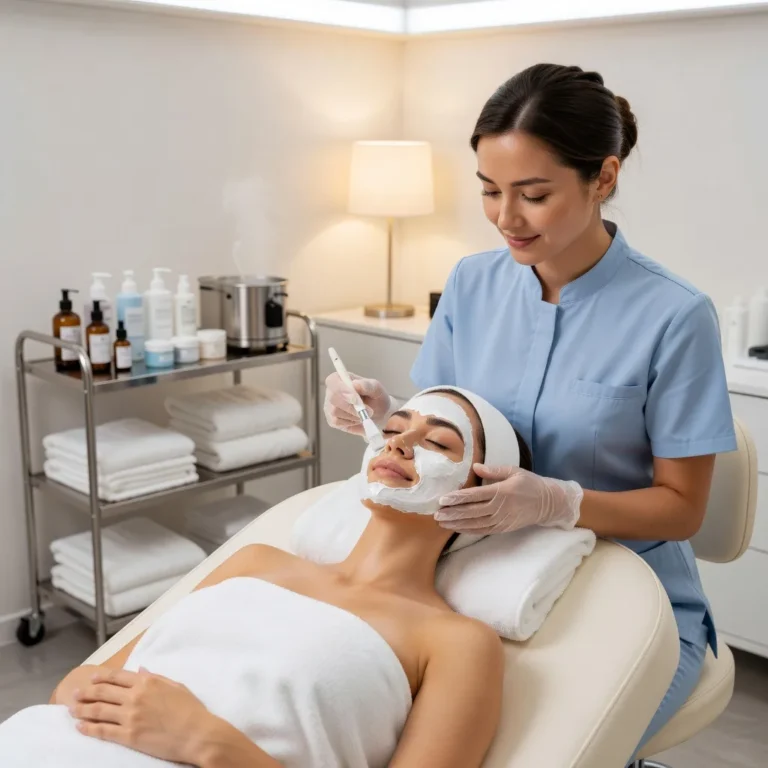
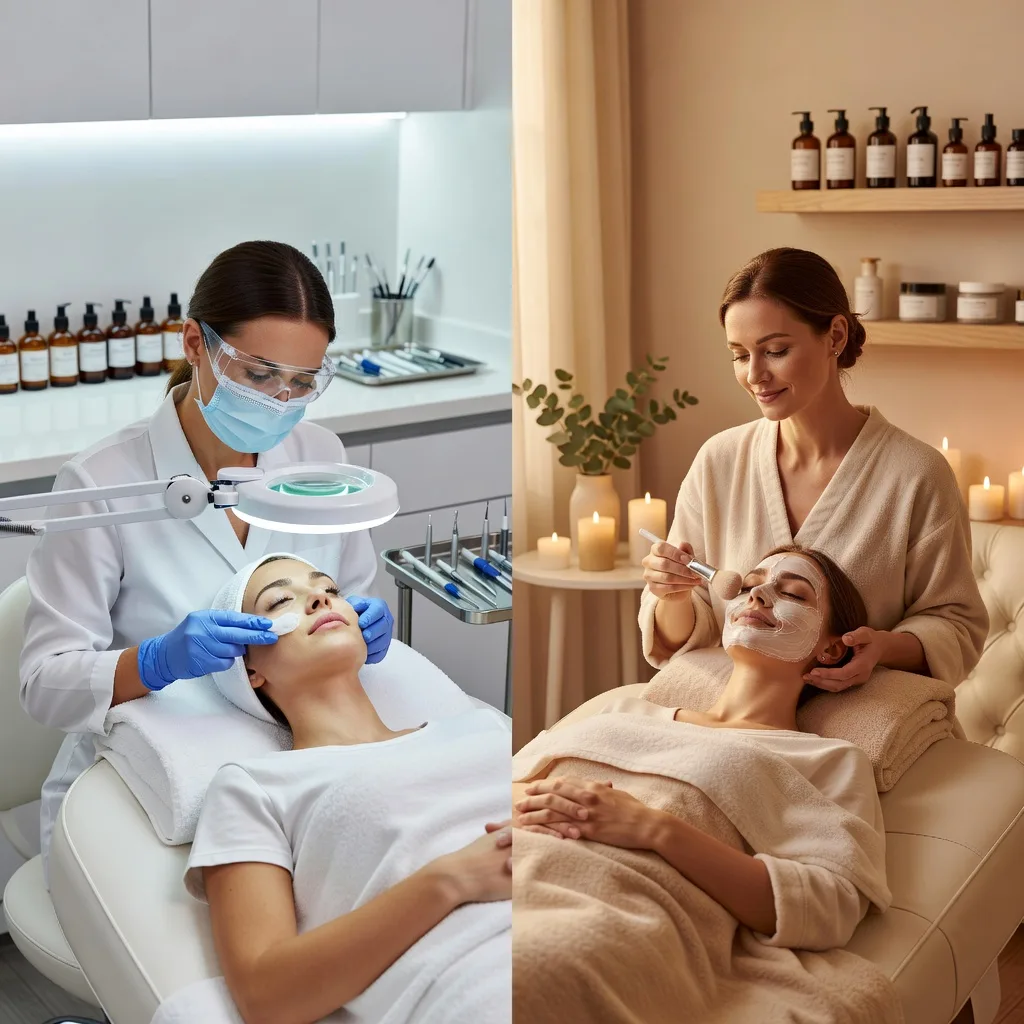
A facial specialist or facialist is usually a job title for someone who performs facials, and in many places it is not a protected or licensed title on its own. An esthetician, also spelled aesthetician, is a licensed skin care professional trained in facials, exfoliation, extractions, hair removal and makeup, who treats the surface of the skin but does not diagnose or prescribe. A medical esthetician works alongside doctors on clinical treatments. A dermatologist is a medical doctor who diagnoses and treats skin, hair and nail conditions, prescribes medicines and performs procedures. See an esthetician for cosmetic care and a dermatologist for medical concerns.
In many cases, a facial specialist is a licensed esthetician who focuses on facials. The key question is not the title on the door but the licence behind it and whether the treatment you want falls within their scope.
The American Academy of Dermatology explains that board-certified dermatologists complete medical school, an internship and a dermatology residency, and diagnose and manage thousands of skin, hair and nail conditions as well as cosmetic concerns.
This guide explains what each professional does, how their training differs, which concerns suit each one and how to choose a safe, qualified provider.
Buying for a salon, spa or clinic?
A free Amazon Business account gives you business-only pricing on eligible items, multi-user buying and tax-exemption tools.
Create a free Business accountAffiliate link: we may earn a commission at no extra cost to you.
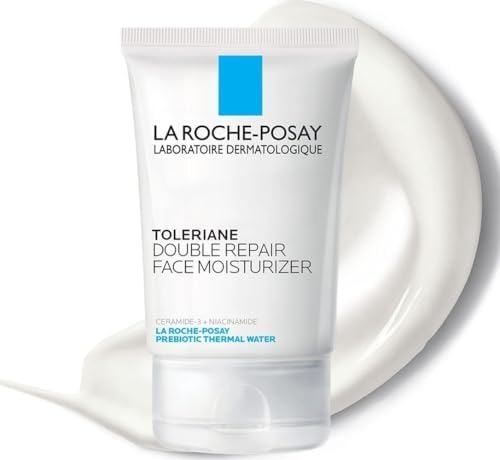
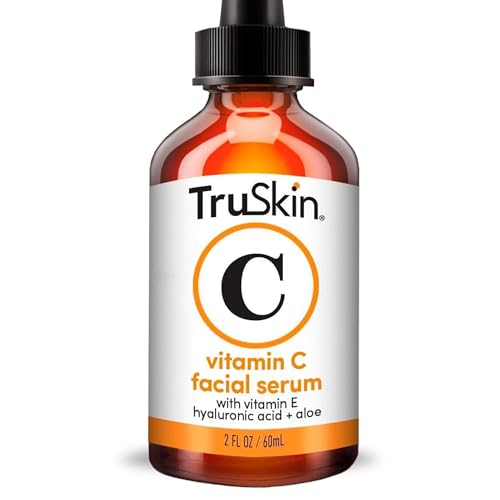
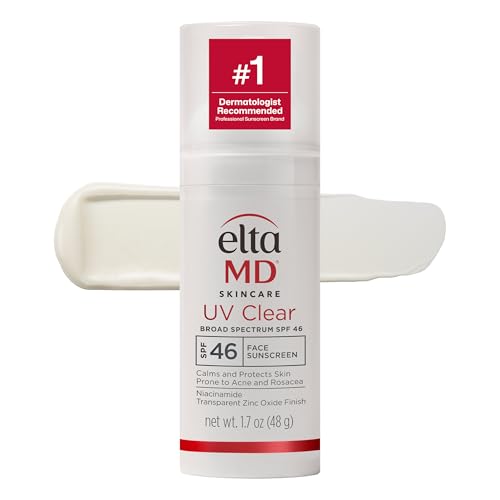
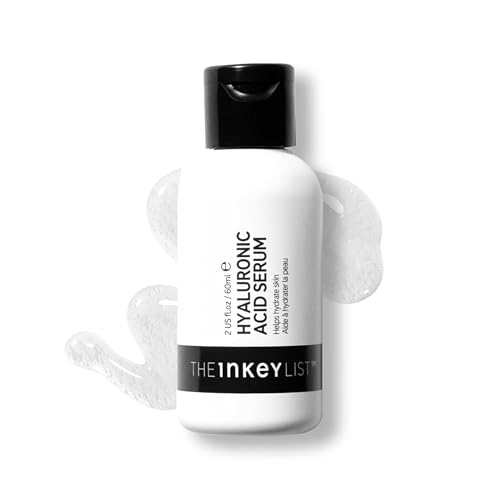
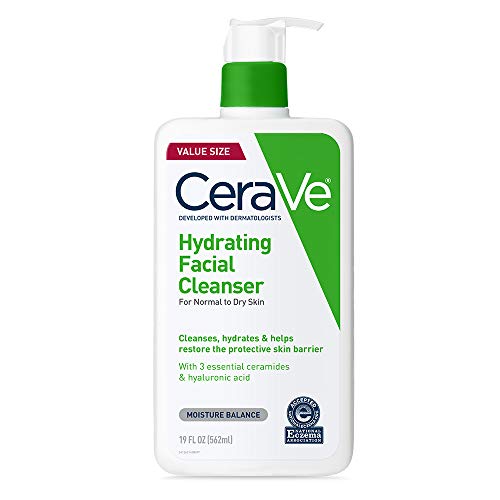
Recommended Products for a Simple Home Routine Between Appointments


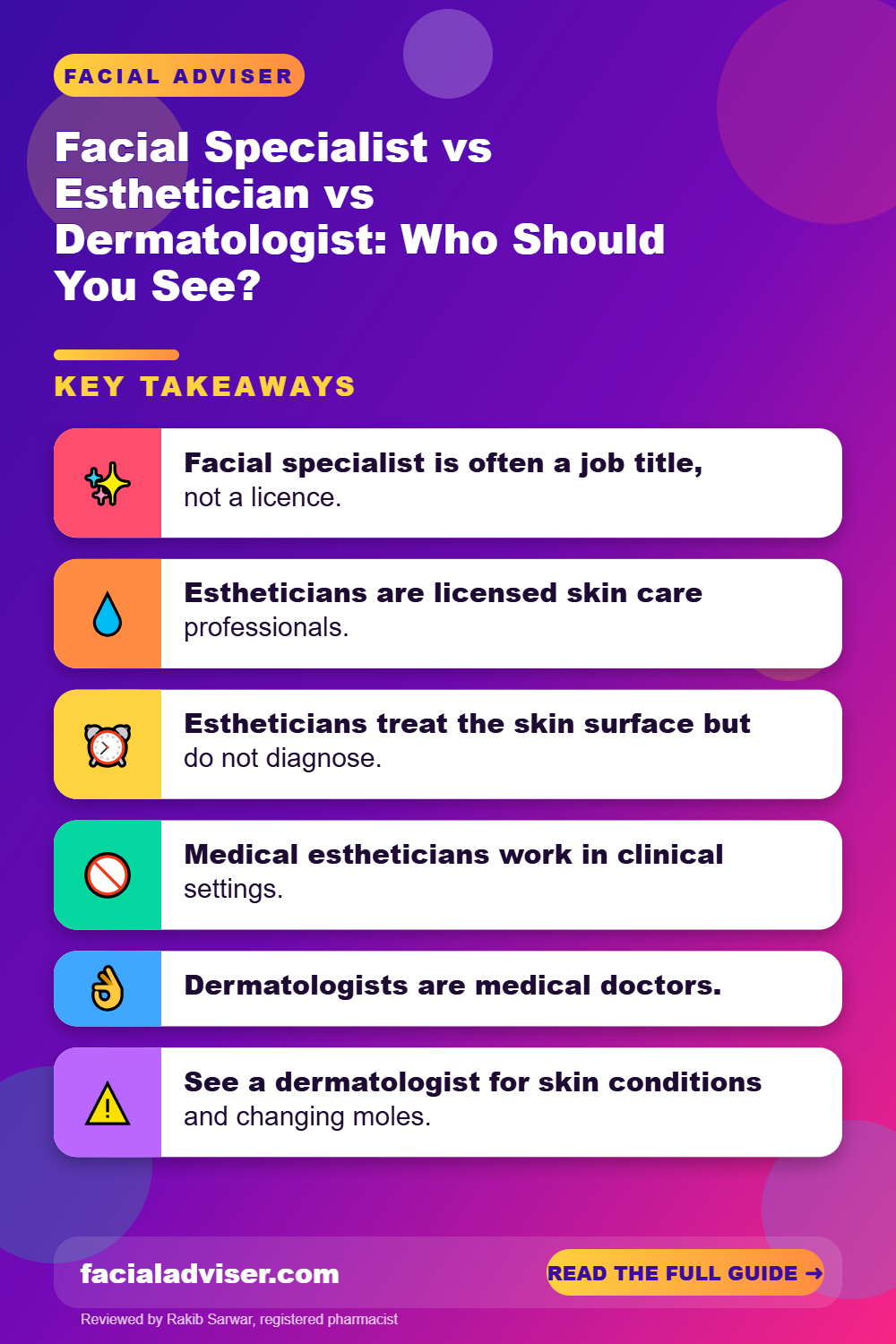
Key Takeaways
- Facial specialist is often a job title, not a licence.
- Estheticians are licensed skin care professionals.
- Estheticians treat the skin surface but do not diagnose.
- Medical estheticians work in clinical settings.
- Dermatologists are medical doctors.
- See a dermatologist for skin conditions and changing moles.
- Check licences and training before any treatment.
On This Page
- Facial Specialist, Esthetician and Dermatologist at a Glance
- What an Esthetician Does
- What a Facial Specialist Is
- What a Dermatologist Does
- How to Choose the Right Skin Professional
- Which Professional for Which Concern?
- Safety and Red Flags
- Supporting Your Skin Between Appointments
- Questions to Ask Before Booking
- Dos and Don’ts
- Honest Limits
- When to See a Dermatologist
- Questions People Ask
- Final Word
Facial Specialist, Esthetician and Dermatologist at a Glance
This comparison shows how the roles generally differ. Exact rules depend on where you live.
| Role | Training | Licensed? | What they typically do |
|---|---|---|---|
| Facial specialist or facialist | Varies; often esthetics training | Title often not protected on its own | Facials, skin treatments, product advice |
| Esthetician | Esthetics program plus exam | Yes, in most US states | Facials, light peels, extractions, waxing, makeup |
| Medical esthetician | Esthetics plus clinical training | Licensed as esthetician; works under doctors | Assists with clinical treatments, pre- and post-care |
| Dermatologist | Medical school, internship, residency | Yes, as a physician | Diagnoses and treats skin disease, prescribes, performs procedures |
The details vary by country and by state, and some places have separate licences for master or medical estheticians with extra training. In the United States, estheticians are licensed by state boards, which set training hours and the treatments estheticians can perform. Always check the rules where you live and ask your provider about their qualifications.
What an Esthetician Does
Estheticians focus on the appearance and care of the skin surface, and many are highly skilled at helping people build routines that suit their skin. Their training covers skin types, sanitation, facial techniques, product ingredients and safe use of equipment.
- Facials, cleansing and extractions.
- Light chemical peels within their licensed scope.
- Hair removal such as waxing and threading.
- Makeup application and lessons.
- Advice on skincare routines and products.
- Referring clients to a doctor when they see something concerning.
A good esthetician will also notice when your skin is irritated or reacting badly to products and adjust treatments accordingly. Estheticians do not diagnose diseases, prescribe medicines or perform procedures that go beyond the surface of the skin, such as injections or deep peels, unless local rules allow it under medical supervision. Our guide on what a facial is explains what happens during a typical esthetician appointment.
What a Facial Specialist Is
Facial specialist, facialist and skin therapist are common titles in spas and salons. In many places they describe a role rather than a separate licence. Often the person is a licensed esthetician who specialises in facials, but the title alone does not guarantee that.
When you see these titles, ask whether the person holds an esthetics licence, where they trained and how much experience they have with the treatment you want. A good provider will be happy to answer. Some facialists have additional training in specific techniques, such as lymphatic massage or particular peel systems, which can be valuable, but this is extra training on top of a licence rather than a replacement for it.
Titles such as skin expert, skin coach or skin therapist are not regulated in most places. Treat them as descriptions, and look for the licence behind them.
What a Dermatologist Does
A dermatologist is a medical doctor who specialises in the skin, hair and nails. The American Academy of Dermatology explains that board-certified dermatologists complete four years of medical school, an internship and a three-year dermatology residency before passing board exams. Read more about why to choose a board-certified dermatologist.
- Diagnose and treat conditions such as acne, rosacea, eczema, psoriasis and skin infections.
- Check moles and diagnose skin cancer.
- Prescribe medicines, including prescription retinoids and oral treatments.
- Perform procedures such as biopsies, excisions, lasers and injections.
- Offer cosmetic treatments with medical oversight.
Seeing a dermatologist does not have to mean a serious problem. Many people visit for a yearly skin check, advice on stubborn acne or a treatment plan for pigmentation, and then continue with lighter care at home or with an esthetician.
The AAD also notes that the letters FAAD after a dermatologist’s name indicate board certification. You can learn what FAAD means on its website.
How to Choose the Right Skin Professional
Define your goal
Decide whether you want relaxation, cosmetic improvement or help with a skin problem.
Match the professional
Choose an esthetician for facials and cosmetic care, a dermatologist for medical concerns.
Check the licence
Ask about licensing and look it up with the relevant board where possible.
Ask about experience
Find out how often they perform the treatment you want.
Review hygiene and safety
Look for clean rooms, sterile or single-use tools and clear consent.
Share your history
Tell them about medications, allergies and skin conditions.
Watch for red flags
Be cautious of guaranteed results or pressure to buy packages.
If you are unsure whether your concern is cosmetic or medical, start with a dermatologist. They can treat any condition and refer you to an esthetician for ongoing cosmetic care.
Our guide on whether facials are harmful explains how to spot a safe provider, and our guide on how to prepare for a facial covers what to share before treatment.
Which Professional for Which Concern?
Some concerns are clearly cosmetic, some clearly medical and some fall in between.
| Concern | Esthetician | Dermatologist |
|---|---|---|
| Relaxing facial or glow before an event | Yes | Not needed |
| Occasional blackheads and dull skin | Yes | If persistent |
| Moderate to severe or scarring acne | Supportive care only | Yes |
| Rosacea, eczema or psoriasis | Gentle care with doctor’s approval | Yes |
| Changing or new moles | No; should refer | Yes |
| Brown spots and uneven tone | Light treatments | Diagnosis and stronger treatments |
| Injections, lasers, deep peels | No, unless allowed under supervision | Yes |
Many people use both, especially those with acne, pigmentation or aging concerns who also enjoy regular facials. A dermatologist manages medical conditions and prescribes treatments, while an esthetician helps with regular facials and home care that support the plan. Clear communication between the two, where possible, gives the best results. Bringing a list of the products and medications you use to each appointment makes those conversations easier and helps avoid treatments that clash.
Safety and Red Flags
Most skin professionals are well trained and careful, but it is worth knowing the warning signs, particularly as more cosmetic treatments are offered in salons, pop-up clinics and even at home.
- The provider cannot show a licence or training for the treatment.
- Treatments involving needles, injections or blood are offered outside a medical setting.
- You are promised permanent or dramatic results from one session.
- Tools are not sterilised or single-use.
- No questions are asked about your health or medications.
- You feel pressured into expensive packages.
Treatments that break the skin, such as microneedling, injections and blood-based facials, carry infection risks. Have them only in properly licensed settings with sterile equipment and medical oversight where required.
Supporting Your Skin Between Appointments
Whichever professional you see, daily care at home matters most. Professional treatments give a boost, but what you do every morning and evening shapes your skin far more over time. A gentle cleanser, a moisturiser suited to your skin and daily sunscreen form the base of any routine. Actives such as retinoids, vitamin C or exfoliating acids can be added as advised by your esthetician or dermatologist.
The American Academy of Dermatology emphasises daily sun protection as one of the most effective ways to reduce premature skin aging. Our guide on cleansing versus facials explains how home care and professional treatments fit together.
Questions to Ask Before Booking
A few simple questions help you understand who you are booking with and whether they are the right fit.
- Are you a licensed esthetician, and where did you train?
- How often do you perform this treatment?
- What products and tools will you use, and are tools sterilised or single-use?
- What results can I realistically expect, and how long will they last?
- What are the possible side effects, and what aftercare do you recommend?
- When would you refer a client to a dermatologist?
The last question is especially revealing. A good esthetician knows the limits of their role and will tell you when something needs a doctor, such as a mole that has changed or acne that is leaving scars. Be wary of anyone who claims they can treat every skin problem themselves.
For medical procedures, ask who will perform the treatment, what their qualifications are and whether a doctor is on site. In many places, some cosmetic procedures can be delegated to trained staff, but the supervising doctor remains responsible.
Dos and Don’ts
Good Habits
- Check licences and training
- See a dermatologist for medical concerns
- Share your health history
- Ask what a treatment involves
- Keep up daily sunscreen and skincare
Common Mistakes
- Assume titles guarantee qualifications
- Have needle treatments at unlicensed venues
- Ignore changing moles
- Accept guaranteed results
- Skip questions about hygiene
Honest Limits
Rules for estheticians and other skin professionals vary widely between countries and even between states. What an esthetician can legally do in one place may be restricted in another, and rules also change over time as new treatments appear. If you are unsure, your local licensing board or health department can usually tell you who is allowed to perform a specific treatment.
Titles are only a starting point, and experience, communication and hygiene matter just as much when you choose a provider. A skilled, experienced esthetician may be a better choice for a facial than a less experienced provider with a longer title, while any medical concern needs a doctor regardless of how experienced a facialist is.
When to See a Dermatologist
- You have a new, changing, bleeding or itchy mole.
- Acne is painful, scarring or not improving.
- You have persistent redness, rashes or itching.
- You want prescription treatments or medical procedures.
This article is for general information and does not replace professional medical advice. See a board-certified dermatologist for skin conditions, changing moles or before medical cosmetic procedures.
Questions People Ask
Is a facial specialist the same as an esthetician?
Often a facial specialist is an esthetician, but the title itself is not always licensed.
What is the difference between an esthetician and a dermatologist?
An esthetician is a licensed skin care professional; a dermatologist is a medical doctor.
Can an esthetician treat acne?
They can help with mild congestion and supportive care, but not prescribe medicines.
What is a medical esthetician?
An esthetician who works in a clinical setting alongside doctors.
Can estheticians do chemical peels?
Light peels within their licensed scope, depending on local rules.
Should I see a dermatologist or esthetician for wrinkles?
Both can help; dermatologists offer medical procedures, estheticians offer cosmetic care.
Can an esthetician check moles?
They may notice changes but should refer you to a dermatologist.
What does FAAD mean?
It indicates a board-certified dermatologist who is a Fellow of the American Academy of Dermatology.
Are facialists licensed?
It depends on location; ask about their esthetics licence.
Who should I see first for skin problems?
A dermatologist if you are unsure whether it is medical.
Final Word
A facial specialist is usually a job title, an esthetician is a licensed skin care professional who treats the skin surface, and a dermatologist is a medical doctor who diagnoses and treats skin conditions.
Choose an esthetician for facials and cosmetic care, a dermatologist for medical concerns and changing moles, and always check licences and hygiene before any treatment.

Written by
Registered pharmacist and founder of Facial Adviser. Rakib's pharmacy training covers how skincare actives work and interact; a later course in cosmetology turned that into a focus on facial treatments and skincare products. He plans, researches and edits every guide on the site and checks health claims against sources such as the American Academy of Dermatology, the FDA and the NIH. He is not a dermatologist; see the Editorial Policy and Medical Disclaimer.
About · Editorial policy · How we choose products · Medical disclaimer · Contact
Keep reading: Facials: what to expect
- How Often Should You Get a Professional Facial? A Guide by Skin Type and Goal
- Man vs Woman Facial Features: Typical Differences in Bone, Skin and Ageing
- Soft vs Sharp Facial Features in Women: How to Tell and Make Up Each
- What Is the Disadvantage of Facial?
- How Much Does a Facial Cost? Discover Affordable Facial Prices in Austin
- 10 Best Facial Products for Women (2026): A Simple Core Routine