Is a Facial Harmful? Real Risks, Who Should Avoid Them and How to Stay Safe
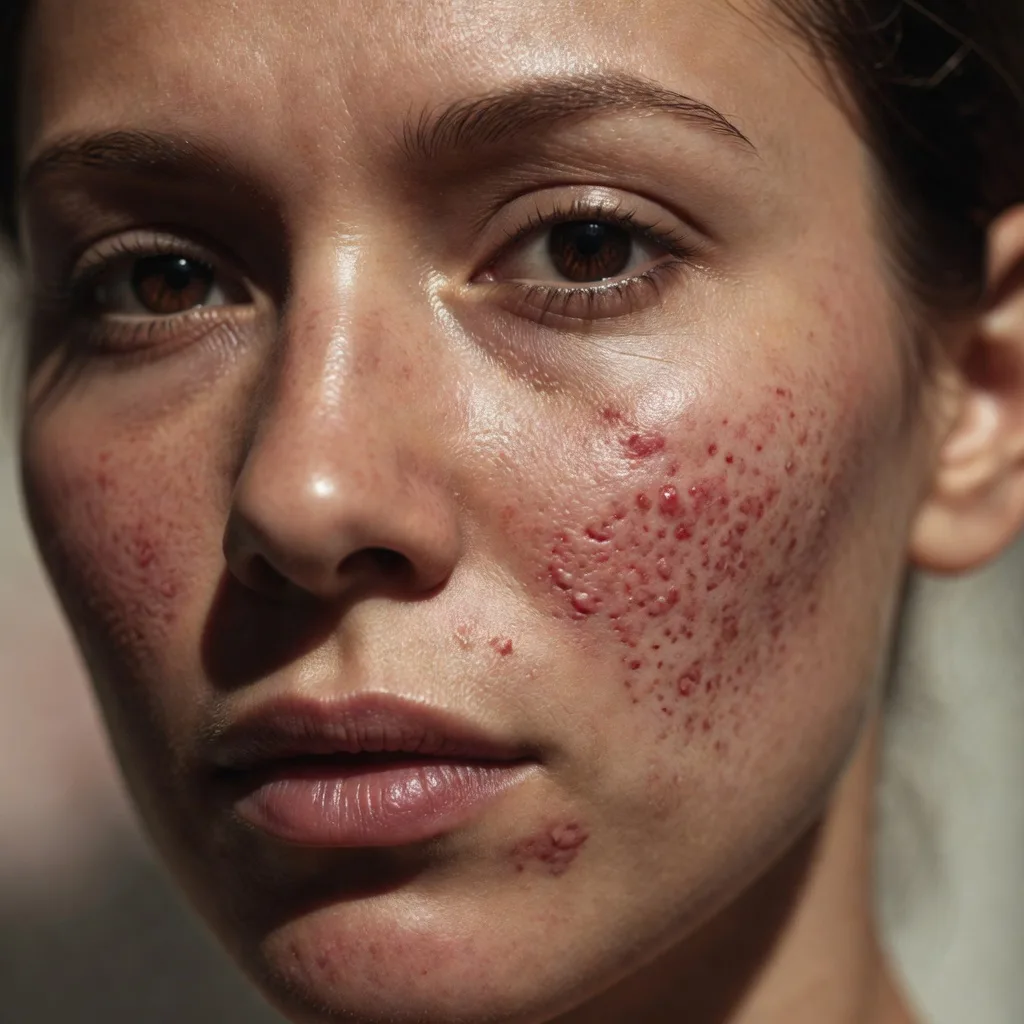
Facials are usually marketed as pure relaxation, so it can be a surprise when skin comes out red, stinging or broken out. Stories about burns from peels or infections after treatments at unlicensed spas add to the worry, and many people wonder whether facials do more harm than good.
Part of our guide to facials: what to expect. Start with: How Often Should You Get a Professional Facial? A Guide by Skin Type and Goal
For most people, a facial from a trained, licensed professional is not harmful. The most common side effects are temporary redness, mild sensitivity and a few breakouts in the following days. Real harm is uncommon but can happen, usually from over-exfoliation, strong peels on the wrong skin, aggressive extractions, allergic reactions to ingredients or poorly cleaned tools. People with active infections, sunburn, some skin conditions or who use isotretinoin or strong retinoids need extra caution. Choosing a licensed provider and sharing your medical history reduces most risks.
The level of risk depends heavily on the type of facial. A hydrating facial with gentle massage carries very little risk, while chemical peels, microdermabrasion, microneedling and blood-based treatments carry more and need proper training and hygiene.
The American Academy of Dermatology notes that exfoliation can cause redness and irritation when it is too strong or too frequent, and that allergic reactions to skincare ingredients are a common cause of contact dermatitis.
This guide explains the possible risks of facials, which treatments carry more risk, who should avoid or delay them, how to choose a safe provider and what to do if something goes wrong.
Shopping these picks?
Amazon Prime members get fast, free shipping on eligible items, plus Prime Video, Amazon Music and member deals. New members can start with a free trial.
Start a free Prime trialAged 18 to 24? Prime for Young Adults comes with a longer free trial and a lower price after it.
Affiliate link: we may earn a commission at no extra cost to you.
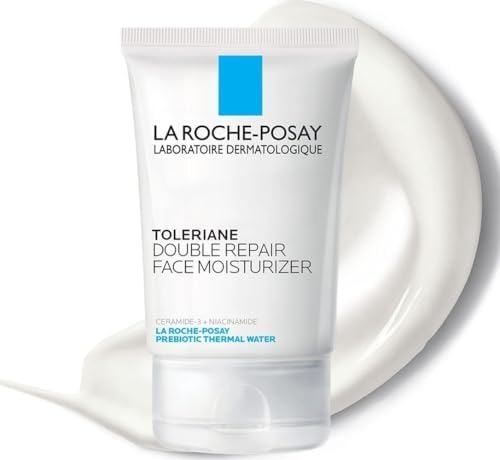
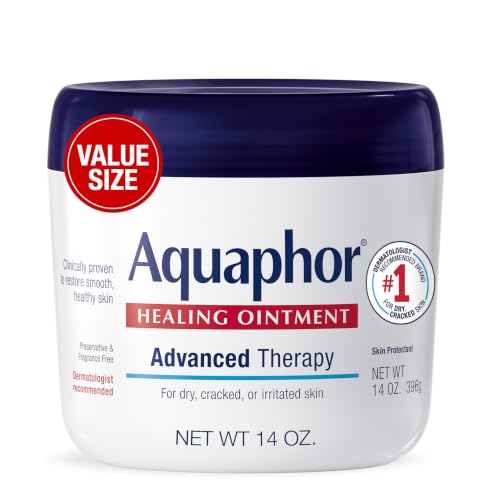
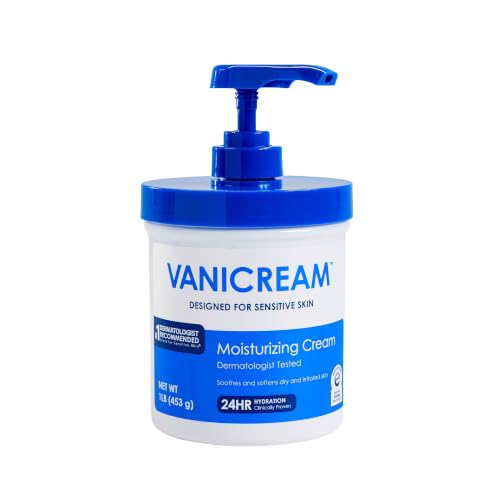
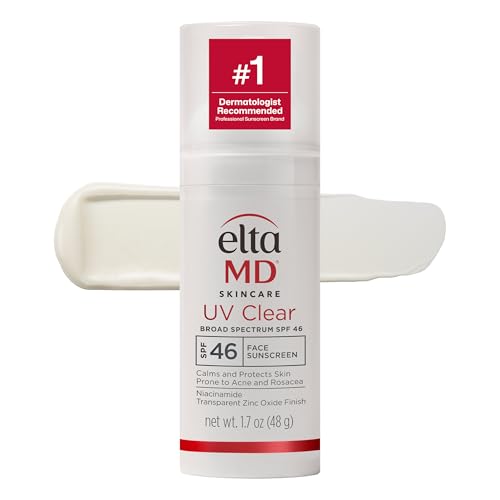
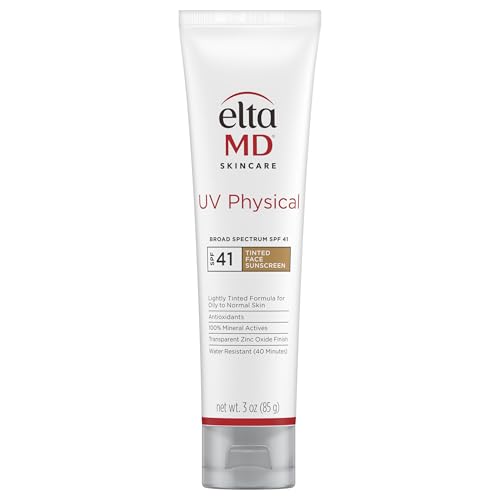
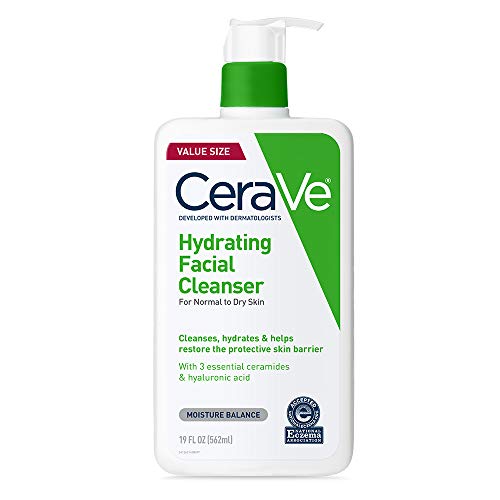
Recommended Gentle Products for Calming Skin After a Facial

Key Takeaways
- Most facials from trained professionals are safe.
- Temporary redness and mild breakouts are common.
- Over-exfoliation and harsh extractions cause most problems.
- Allergic reactions to ingredients can happen.
- Unclean tools can spread infection.
- Some medications and conditions need extra caution.
- Choose licensed providers and share your history.
In This Guide
- Possible Risks of Facials
- Which Facials Carry More Risk
- Who Should Avoid or Delay a Facial
- How to Get a Facial Safely
- Extractions: When They Help and When They Harm
- Allergic and Irritant Reactions
- What Is Normal After a Facial
- Choosing a Safe Provider
- Aftercare That Reduces Problems
- Dos and Don’ts
- Honest Limits
- When to See a Doctor
- Frequently Asked Questions
- The Takeaway
Possible Risks of Facials
Most side effects from facials are mild and short-lived. Serious problems are uncommon but more likely with intensive treatments, untrained providers or poor hygiene. Your own skin also matters: sensitive, very dry or acne-prone skin tends to react more easily than resilient, well-hydrated skin.
| Risk | What causes it | How common | How to reduce it |
|---|---|---|---|
| Redness and sensitivity | Exfoliation, massage, steam | Common, usually short-lived | Gentle treatments; avoid actives beforehand |
| Breakouts | Rich products, extractions, congestion surfacing | Fairly common for a few days | Non-comedogenic products; avoid picking |
| Allergic or irritant reactions | Fragrance, essential oils, preservatives, acids | Occasional | Share allergies; patch test |
| Burns or peeling | Strong peels or over-exfoliation | Uncommon | Trained providers; right strength for skin |
| Dark marks | Irritation or trauma on darker skin | Uncommon to occasional | Gentle treatments; avoid aggressive extractions |
| Infection | Unclean tools or broken skin | Uncommon | Licensed, hygienic providers |
| Cold sore flare | Treatment near lips in people prone to cold sores | Occasional in those prone | Tell the provider; ask your doctor |
Knowing which risks apply to your skin helps you choose a treatment with confidence. Our guide on why your face may itch after a facial explains mild reactions and when they need attention.
Which Facials Carry More Risk
Not all facials are equal when it comes to risk. Generally, the more a treatment breaks through or removes the skin’s surface, the more care it needs.
- Lower risk: hydrating facials, classic cleansing facials, LED light, gentle enzyme facials.
- Moderate risk: extraction-heavy facials, light chemical peels, microdermabrasion, dermaplaning.
- Higher risk: medium or deep peels, microneedling, radiofrequency microneedling and blood-based treatments such as PRP facials.
Higher-risk treatments should be performed by appropriately trained and licensed professionals, often under medical supervision. In 2024, the CDC reported HIV infections linked to so-called vampire facials at an unlicensed spa in New Mexico, a reminder that treatments involving needles or blood must follow strict infection control. You can read the CDC report for details. Our guide on vampire facials versus vampire facelifts explains these treatments in more depth.
Never have treatments involving needles, blood or injections at an unlicensed venue or at home parties. Ask about licensing and sterile, single-use equipment before any procedure that breaks the skin.
Who Should Avoid or Delay a Facial
Some people should postpone a facial or choose a very gentle version. This is not because facials are dangerous in general, but because certain conditions make skin more vulnerable.
- Active infections such as cold sores, impetigo or fungal rashes.
- Sunburned, broken or freshly waxed skin.
- Current or recent use of oral isotretinoin.
- Strong prescription retinoids, unless the provider adjusts the treatment.
- Flaring eczema, psoriasis or rosacea.
- Recent cosmetic injections, lasers or surgery on the face.
If you are pregnant, many gentle facials are fine, but some ingredients and devices may not be recommended. Tell your provider so they can adapt the treatment. If you have a skin condition, it is worth asking your dermatologist which treatments are suitable before booking. People with darker skin tones who tend to develop dark marks after irritation may also want to avoid aggressive peels and extractions, since inflammation can leave pigmentation that lasts for months.
How to Get a Facial Safely
Choose a licensed provider
Check that the esthetician or clinic is properly licensed where you live.
Look at hygiene
Tools should be sterilised or single-use, and surfaces and linens clean.
Share your history
Tell them about medications, allergies, conditions and recent treatments.
Start gentle
Choose a milder treatment for your first visit.
Speak up during treatment
Say if anything burns, stings strongly or hurts.
Follow aftercare
Use gentle products and sunscreen, and avoid actives for a few days.
Watch for warning signs
Seek help for spreading redness, blisters, pus or fever.
It is normal to feel mild tingling during some treatments, but not strong burning. If a product burns, ask for it to be removed straight away rather than waiting to see if it settles.
Preparation also lowers risk. Our guide on how to prepare for a facial explains what to stop and when.
Extractions: When They Help and When They Harm
Extractions can clear blackheads and some clogged pores, but they are also the step most likely to cause marks. Squeezing too hard, working on inflamed spots or using unclean tools can cause bruising, broken capillaries, infection or dark marks, particularly on darker skin tones.
A careful esthetician softens the skin first, uses gentle pressure and avoids deep, inflamed or cystic spots, which are better treated by a dermatologist. If you have acne-prone skin or tend to get dark marks, you can ask for fewer extractions or none at all.
You are allowed to say no to any part of a facial. If you are unsure about extractions, peels or devices, ask the esthetician to skip them or explain the risks first.
At home, resist the urge to squeeze spots in the days after a facial. Picking at pores that were just treated increases the risk of infection and marks, and it undoes much of the benefit of a careful professional extraction.
Allergic and Irritant Reactions
Facials often use many products in a short time, including cleansers, exfoliants, masks, serums and moisturisers. Fragrances, essential oils, preservatives and botanical extracts are common triggers for reactions.
The American Academy of Dermatology explains that contact dermatitis can be caused by irritation or by an allergy to an ingredient, and that it usually improves once the trigger is removed. If you know you react to certain ingredients, bring a list or ask to see the products before your treatment.
Over-exfoliation is another common cause of irritation. Combining a professional peel with at-home retinoids or acids around the same time can leave skin raw. The AAD guidance on how to exfoliate safely explains why more is not always better.
What Is Normal After a Facial
Knowing what is normal helps you avoid unnecessary worry. Mild redness that fades within a few hours to a day is common, as is slight tightness or sensitivity. Some people notice a few small breakouts in the days after, particularly after extractions or if their skin was congested.
Symptoms that are not normal include blistering, oozing, severe swelling, spreading redness, increasing pain, pus or fever. These can indicate a burn, allergy or infection and need medical attention. Keep your routine gentle, avoid makeup if possible for the rest of the day and use sunscreen. Our guide on wearing makeup after a facial explains when it is safe to go back to your usual products.
Choosing a Safe Provider
The provider you choose matters more than almost anything else. A well-trained esthetician will ask about your skin and health, explain what they plan to do and adjust the treatment if needed.
| What to check | Good sign | Red flag |
|---|---|---|
| Licensing | Visible licence or clinic registration | Cannot show credentials |
| Consultation | Asks about medications, allergies and conditions | Starts treatment without questions |
| Hygiene | Sterilised or single-use tools, fresh linens | Reused needles or tools taken from a drawer |
| Treatment advice | Suggests gentle options first | Pushes strong peels on a first visit |
| Needle or blood treatments | Medical supervision and sterile packaging | Offered at home parties or unlicensed venues |
| Aftercare | Clear written instructions | No advice on what to expect |
Reviews can help, but look for comments about hygiene, communication and how problems were handled, not just how relaxing the experience was. It is reasonable to ask questions before booking and to walk away if you feel rushed or uneasy.
If you are considering a medical-grade treatment such as a medium peel, microneedling or laser, a dermatology clinic is usually a safer choice than a day spa. These treatments carry more risk and benefit from medical assessment and follow-up.
Aftercare That Reduces Problems
Good aftercare lowers the chance of irritation, breakouts and dark marks. For most facials, keep your routine simple for a few days.
- Cleanse gently with lukewarm water.
- Use a fragrance-free moisturiser to support the skin barrier.
- Apply broad-spectrum sunscreen every morning.
- Avoid retinoids, acids and scrubs for several days.
- Skip saunas, hot yoga and intense exercise for about a day.
- Do not pick at spots or peeling skin.
If your skin feels tight or looks a little red, a thin layer of a bland ointment on the driest areas overnight can help it settle. Most mild sensitivity improves within a day or two.
Dos and Don’ts
Do
- Choose licensed, hygienic providers
- Share medications and allergies
- Start with gentle treatments
- Speak up if something burns
- Use sunscreen and gentle products afterwards
Don’t
- Book a facial on sunburned or infected skin
- Have needle treatments at unlicensed venues
- Combine peels with at-home acids
- Allow aggressive extractions on inflamed spots
- Ignore blistering, pus or fever
Honest Limits
There is limited high-quality research on the risks of spa facials specifically, because treatments vary so widely. Most of what is known comes from dermatology experience with individual ingredients and procedures.
Facials are generally a cosmetic treatment. They can make skin feel and look better for a while, but they are not necessary for healthy skin, and skipping them carries no health risk. If your skin reacts badly to facials, a simple, consistent routine at home can give many of the same benefits.
When to See a Doctor
- Blistering, oozing or severe burning after a treatment.
- Spreading redness, warmth, pus or fever.
- Swelling of the face, lips or eyes, or difficulty breathing.
- A rash or dark patches that do not fade after a few weeks.
This article is for general information and does not replace professional medical advice. Seek emergency care for facial swelling with breathing difficulty, and see a doctor or dermatologist for any severe or worsening reaction after a facial.
Frequently Asked Questions
Are facials bad for your skin?
Not usually; most people have only mild, temporary side effects.
Can a facial cause breakouts?
Yes, some people get a few breakouts for several days afterwards.
Can facials damage skin?
Strong peels, over-exfoliation and harsh extractions can, if done poorly.
Can you get an infection from a facial?
It is uncommon but possible with unclean tools or broken skin.
Who should not get a facial?
People with active infections, sunburn or on isotretinoin should wait.
Are facials safe during pregnancy?
Many gentle facials are, but tell your provider so they can adjust ingredients.
Can a facial cause dark spots?
Irritation or aggressive extractions can cause dark marks, especially on darker skin.
Is redness after a facial normal?
Mild redness for a few hours is normal.
Are vampire facials safe?
Only when performed by licensed professionals with strict infection control.
How do I choose a safe spa?
Check licensing, hygiene and whether they ask about your health.
The Takeaway
For most people, a facial from a trained, licensed professional is not harmful, and side effects such as redness and a few breakouts are usually temporary. Problems mostly come from over-exfoliation, harsh extractions, allergies and poor hygiene.
Choose a licensed provider, share your medical history, start with gentle treatments and follow aftercare. Seek medical help for blistering, spreading redness, pus or fever.

Written by
Registered pharmacist and founder of Facial Adviser. Rakib's pharmacy training covers how skincare actives work and interact; a later course in cosmetology turned that into a focus on facial treatments and skincare products. He plans, researches and edits every guide on the site and checks health claims against sources such as the American Academy of Dermatology, the FDA and the NIH. He is not a dermatologist; see the Editorial Policy and Medical Disclaimer.
About · Editorial policy · How we choose products · Medical disclaimer · Contact
Keep reading: Facials: what to expect
- How Often Should You Get a Professional Facial? A Guide by Skin Type and Goal
- What Should You Not Do After a Facial? Mistakes That Undo the Results
- How Long Does It Take for Facial Extractions to Heal?
- How Much Does an Extraction Facial Cost?
- How Does an Esthetician Do Extractions?
- How Many Days Before an Event Should You Get a Facial?