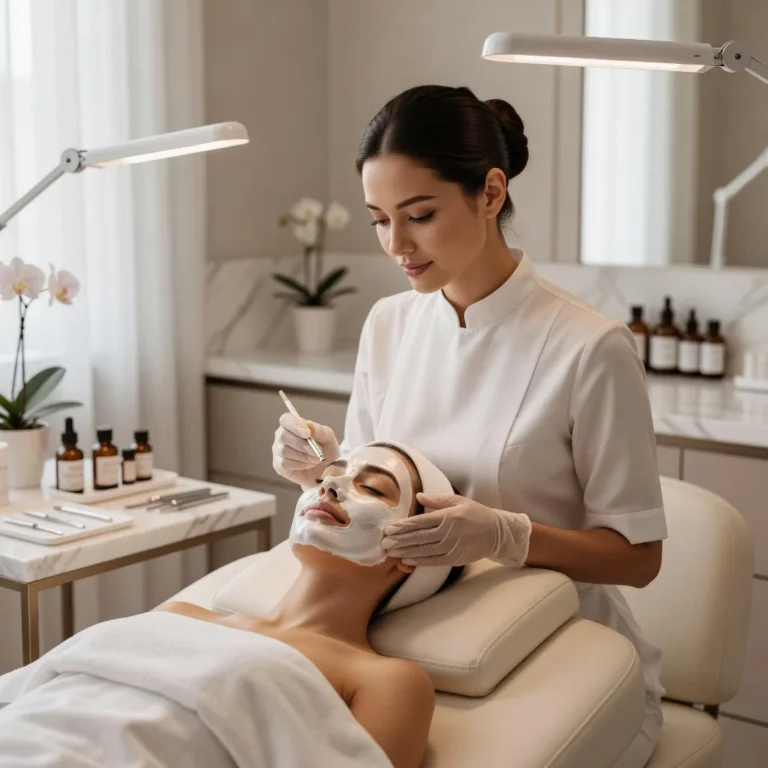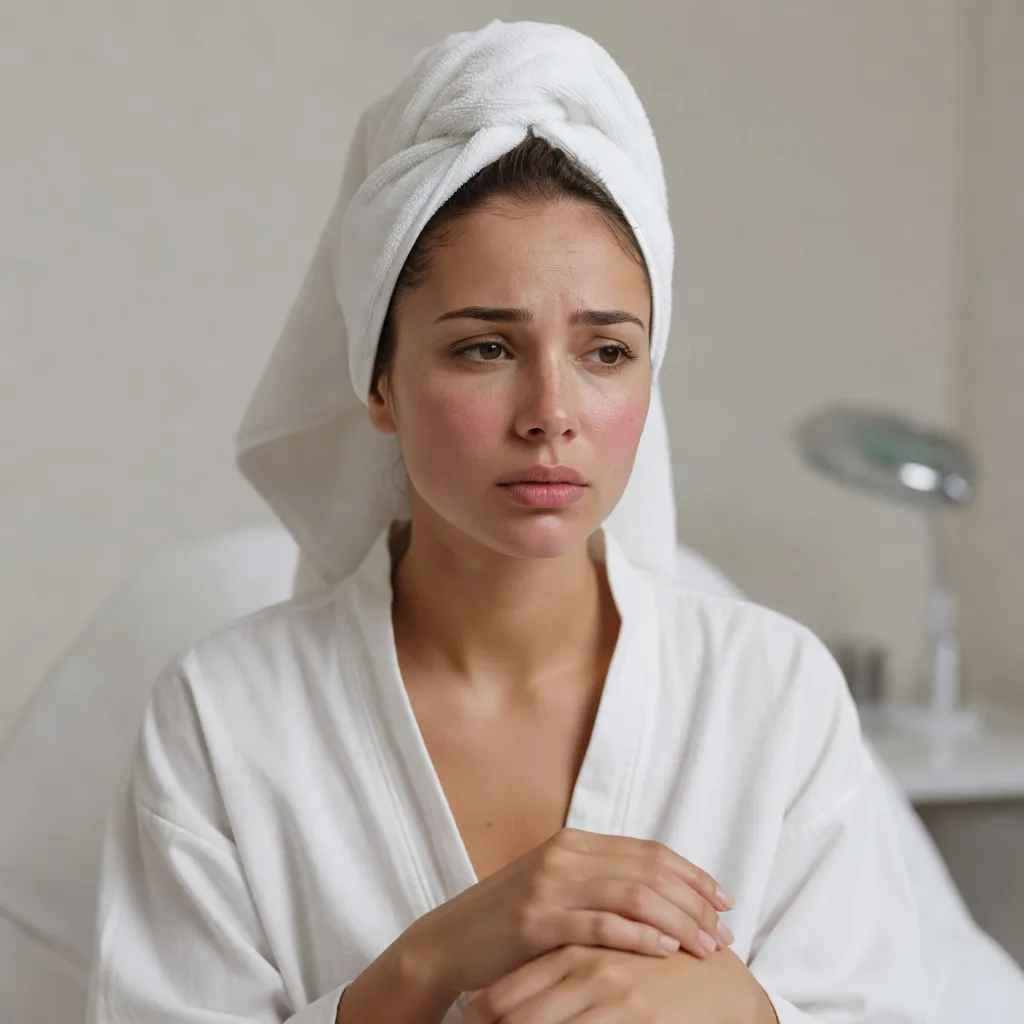
What Should You Not Do After a Facial? Mistakes That Undo the Results
Your skin usually looks its best as you walk out of a facial: clean, smooth and bright. What you do in the next day or two decides whether that glow lasts or turns into redness, breakouts or peeling. Many people unknowingly undo their results by heading straight to the gym, applying a full face of makeup or going back to strong actives that evening.
Part of our guide to facials: what to expect. Start with: How Often Should You Get a Professional Facial? A Guide by Skin Type and Goal
After a facial, avoid heavy makeup for the rest of the day, and skip saunas, steam rooms, hot showers and intense exercise for about 24 hours. Do not use retinoids, exfoliating acids, scrubs or at-home peels for several days, or longer after a chemical peel. Avoid picking at spots or peeling skin, touching your face, waxing or threading, and direct sun without sunscreen. Instead, keep your routine to a gentle cleanser, a simple moisturiser and broad-spectrum sunscreen until your skin feels completely normal.
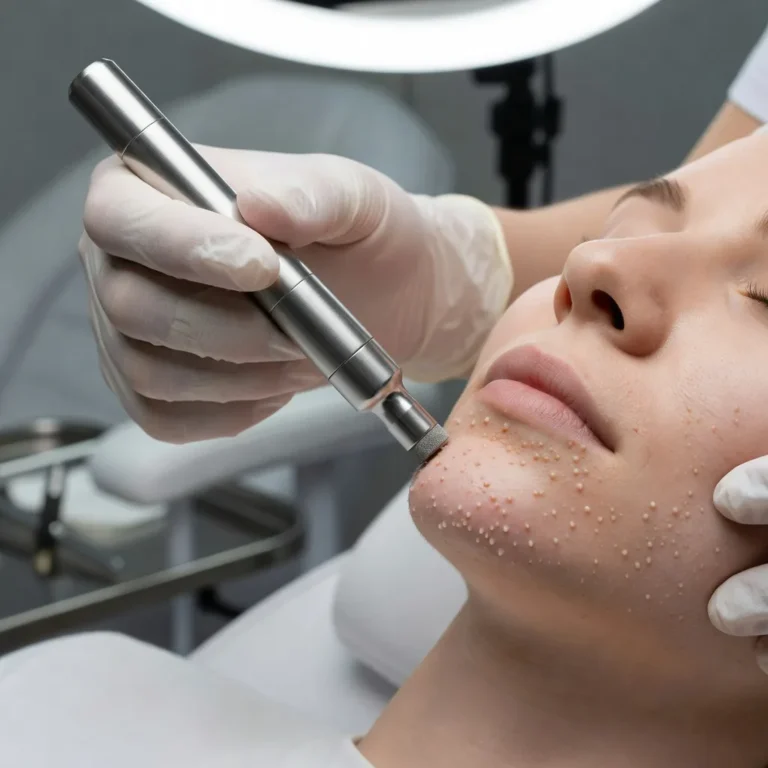
The reason is simple. Most facials exfoliate the surface and open up pores, so for a short time your skin is more sensitive to heat, friction, sun and strong ingredients. Giving it a quiet day or two lets it settle and keeps the benefits.
The American Academy of Dermatology advises daily broad-spectrum sunscreen and warns that over-exfoliating can leave skin red and irritated. Both points matter most in the days right after a facial.
This guide lists what to avoid after a facial and for how long, explains why each one matters, gives a simple aftercare routine and describes what is normal and when to get help.
Shopping these picks?
Amazon Prime members get fast, free shipping on eligible items, plus Prime Video, Amazon Music and member deals. New members can start with a free trial.
Start a free Prime trialAged 18 to 24? Prime for Young Adults comes with a longer free trial and a lower price after it.
Affiliate link: we may earn a commission at no extra cost to you.
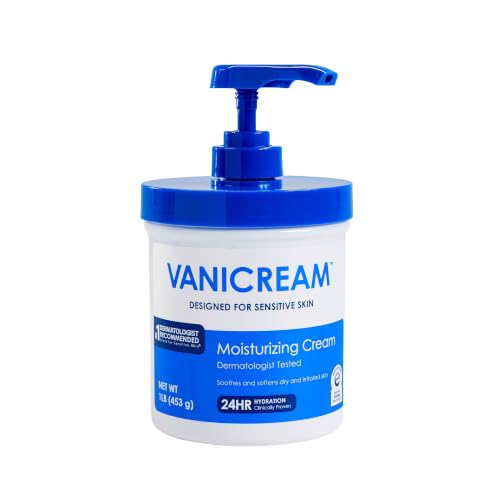
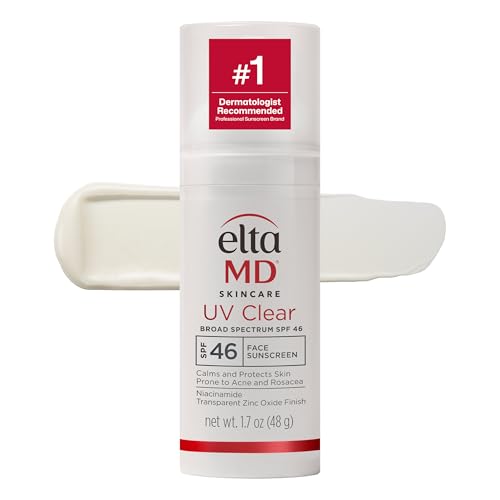
Recommended Products for Post-Facial Skin Care
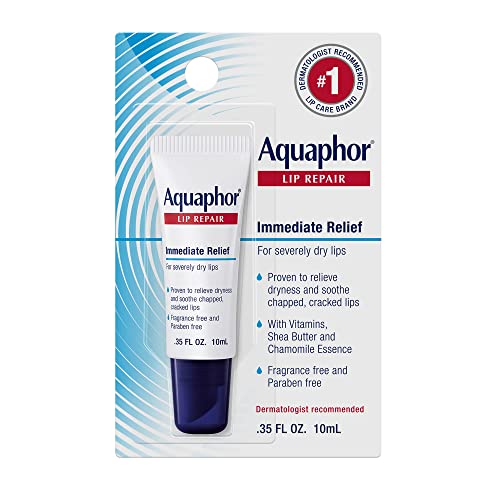

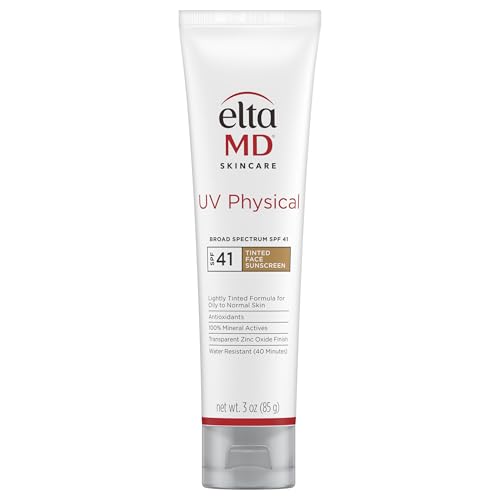
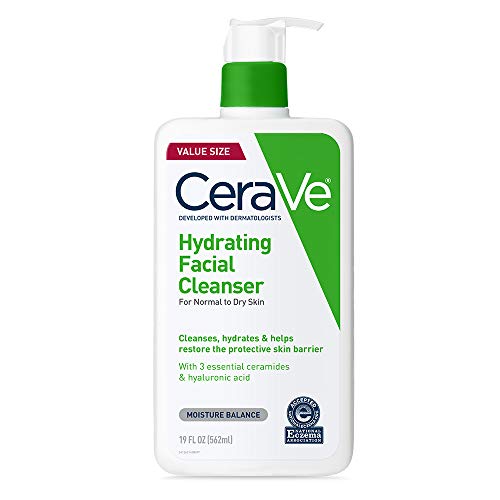
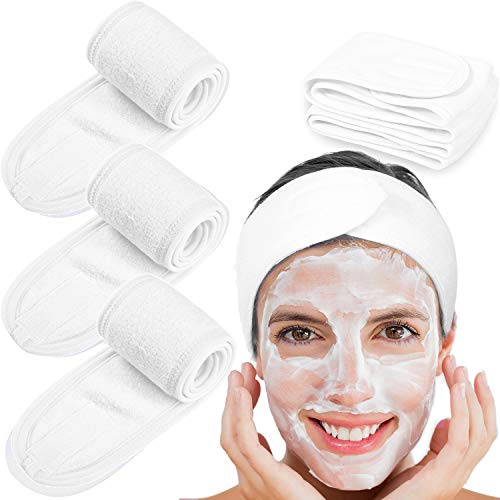
What to Know First
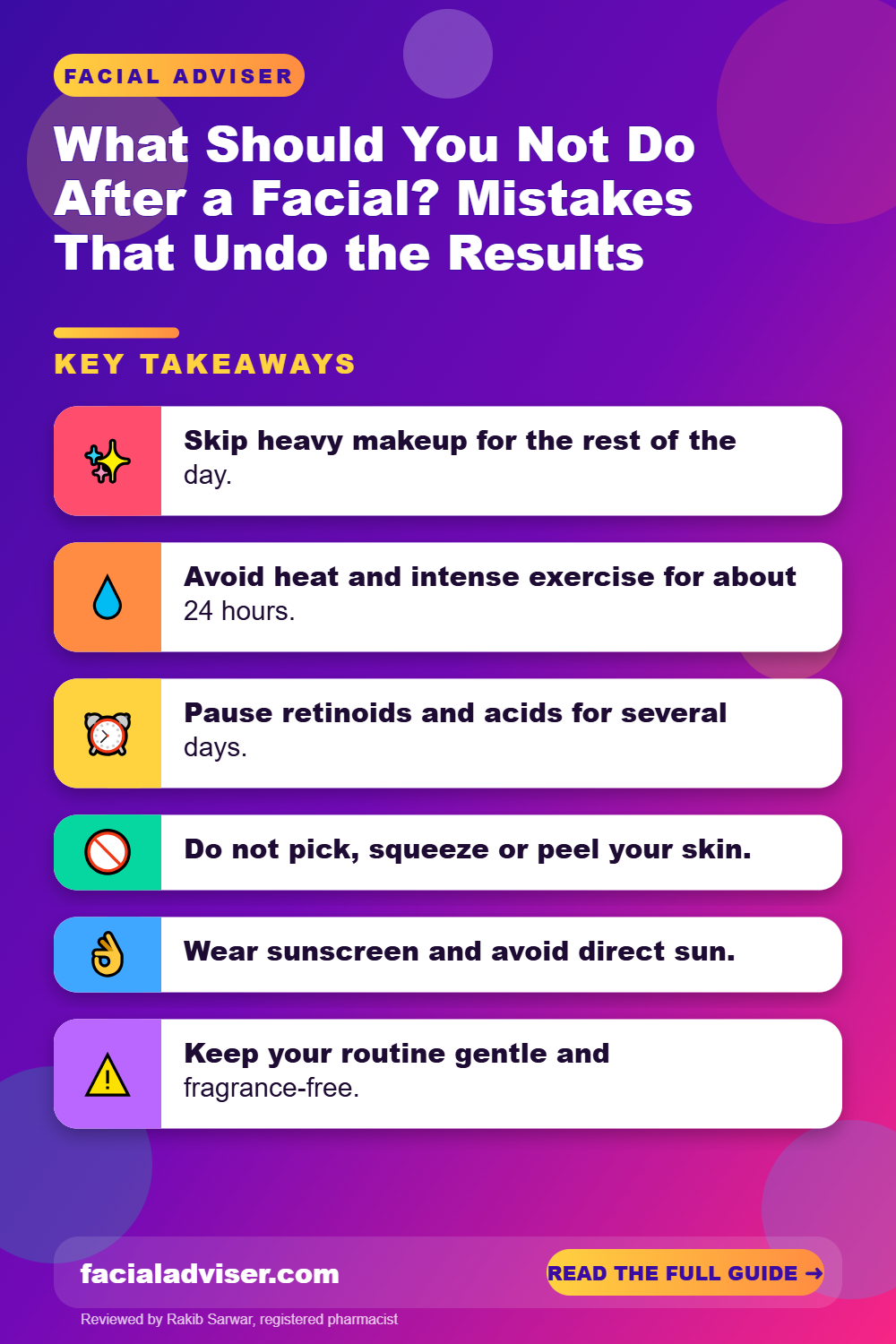
- Skip heavy makeup for the rest of the day.
- Avoid heat and intense exercise for about 24 hours.
- Pause retinoids and acids for several days.
- Do not pick, squeeze or peel your skin.
- Wear sunscreen and avoid direct sun.
- Keep your routine gentle and fragrance-free.
- Follow any specific instructions from your esthetician.
In This Guide
- What Not to Do After a Facial
- Makeup: How Long to Wait
- Heat, Sweat and Exercise
- Retinoids, Acids and Exfoliation
- How to Care for Your Skin After a Facial
- Sun Protection After a Facial
- What Is Normal and What Is Not
- Aftercare by Type of Facial
- The First 48 Hours: A Simple Timeline
- Dos and Don’ts
- Honest Limits
- When to See a Doctor
- FAQ
- Where This Leaves You
What Not to Do After a Facial
These are the most common mistakes after a facial and how long to avoid each one. Timings are general; stronger treatments such as chemical peels usually need longer.
| Avoid | Why | For how long |
|---|---|---|
| Heavy makeup | Can clog freshly cleaned pores and irritate skin | Rest of the day, ideally 24 hours |
| Saunas, steam rooms, hot baths | Heat increases redness and sensitivity | About 24 to 48 hours |
| Intense exercise | Sweat and heat can irritate and clog pores | About 24 hours |
| Retinoids and exfoliating acids | Skin is already exfoliated and sensitive | 3 to 7 days, longer after peels |
| Scrubs and cleansing brushes | Friction on sensitised skin | About a week |
| Picking or squeezing | Causes infection, marks and scarring | Always, but especially now |
| Waxing, threading, hair removal creams | Skin is more reactive | About a week |
| Unprotected sun | Freshly exfoliated skin burns more easily | Always wear sunscreen; avoid long exposure |
| New products | Hard to tell what causes a reaction | About a week |
| Swimming in chlorinated pools | Chlorine can dry and irritate skin | About 24 to 48 hours |
If your esthetician gives you different instructions, follow theirs. They know exactly which products and techniques were used on your skin. When in doubt, it is safer to give your skin an extra day of rest than to rush back to your usual routine.
Makeup: How Long to Wait
Makeup straight after a facial is one of the most common questions. Foundation, concealer and powder sit on skin whose pores have just been cleaned and may still be slightly open and sensitive. Heavy products can clog them and cause breakouts, and makeup applicators can transfer bacteria.
Ideally, skip makeup for the rest of the day. If you must wear something, choose a light, non-comedogenic product, apply it with clean hands or tools and remove it gently that evening. Mineral sunscreen with a tint can give light coverage while also protecting your skin. Our guide on whether you should wear makeup after a facial covers timing in more detail.
Clean your makeup brushes and sponges before using them on freshly treated skin. Dirty tools are a common cause of breakouts after facials.
Heat, Sweat and Exercise
Heat from saunas, steam rooms, hot yoga, very hot showers and intense workouts increases blood flow to the skin and can make post-facial redness worse. Sweat mixed with bacteria on the skin can also clog freshly cleaned pores.
- Take lukewarm rather than hot showers.
- Postpone hot yoga, saunas and steam rooms for a day or two.
- Choose light activity such as walking for the first day.
- If you do exercise, cleanse gently afterwards.
If you have a history of rosacea or flush easily, you may notice more redness after heat, so give your skin a little longer before returning to hot environments. The same applies to hot, humid weather: if you are going to be outside on a warm day, stay in the shade where possible and carry a gentle mist or cool water to refresh your skin instead of wiping it.
Retinoids, Acids and Exfoliation
Most facials include some form of exfoliation, whether a scrub, enzymes, acids or a device. Adding more exfoliation at home straight afterwards can leave skin raw, tight and peeling. The American Academy of Dermatology explains that over-exfoliating can cause irritation and suggests limiting how often you exfoliate. Read its advice on how to exfoliate safely.
- Pause retinol, retinal and prescription retinoids for several days.
- Stop glycolic, lactic, salicylic and mandelic acid products for several days.
- Skip scrubs, cleansing brushes and exfoliating pads for about a week.
- Hold off on high-strength vitamin C if it usually stings.
After a chemical peel, follow the specific timeline you were given. Restarting retinoids or acids too soon after a peel can cause burning, blistering or prolonged peeling.
How to Care for Your Skin After a Facial
Leave skin alone
Avoid touching your face and let products absorb.
Stay out of heat
Skip saunas, hot showers and intense exercise for about a day.
Protect from the sun
Apply broad-spectrum sunscreen and seek shade.
Cleanse gently that evening
Use lukewarm water and a mild, fragrance-free cleanser.
Moisturise
Apply a simple moisturiser to support the skin barrier.
Sleep on a clean pillowcase
Reduce bacteria and friction on freshly treated skin.
Reintroduce actives slowly
Restart retinoids and acids after several days, one at a time.
Change your pillowcase the night of your facial. It is a small step that reduces the chance of breakouts on skin with freshly cleaned pores.
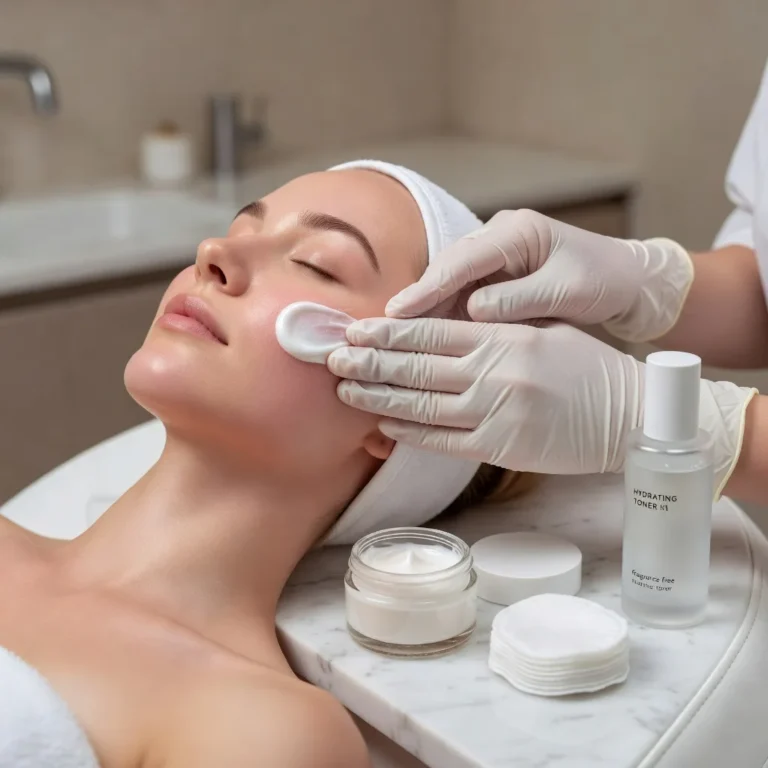
A simple routine is enough. Cleanse gently, moisturise and protect with sunscreen until your skin feels normal again, which is usually within a day or two after a gentle facial. Choose fragrance-free products where you can, since fragrance is a common trigger for irritation on sensitised skin, and pat your face dry with a clean towel rather than rubbing.
Sun Protection After a Facial
Freshly exfoliated skin can be more sensitive to UV, so it is easier to burn and more prone to dark marks. Wear a broad-spectrum sunscreen of at least SPF 30 every morning, reapply when outdoors and wear a hat if you will be in the sun for long periods.
The American Academy of Dermatology explains how to apply sunscreen properly, including using enough and reapplying. Mineral sunscreens with zinc oxide or titanium dioxide are often better tolerated on sensitive, post-facial skin. If you had a peel or an exfoliating treatment, be especially careful for the first week, because that is when new marks from sun exposure are most likely to appear, particularly on medium and deeper skin tones.
What Is Normal and What Is Not
Mild redness for a few hours, slight tightness and a few small breakouts over the next several days are common after facials, especially after extractions. Light flaking can occur after exfoliating treatments. Let flakes shed on their own, and use a little extra moisturiser rather than scrubbing them away.
Signs that something is wrong include blistering, oozing, severe or increasing pain, spreading redness, swelling, pus or fever. These need medical attention. Itching can be mild irritation or an allergic reaction; our guide on why your face may itch after a facial explains the difference. For a broader look at risks, see our guide on whether facials are harmful.
Aftercare by Type of Facial
How careful you need to be depends on what the facial involved. A gentle hydrating facial needs very little change to your routine, while peels and resurfacing treatments need more time.
| Facial type | Main aftercare focus | Typical recovery |
|---|---|---|
| Hydrating or classic facial | Avoid heavy makeup and heat for the day | Same day to 24 hours |
| Deep cleansing with extractions | Do not pick; keep skin clean; avoid makeup | 1 to 3 days |
| Enzyme or light peel facial | Pause actives; sunscreen; expect light flaking | 3 to 7 days |
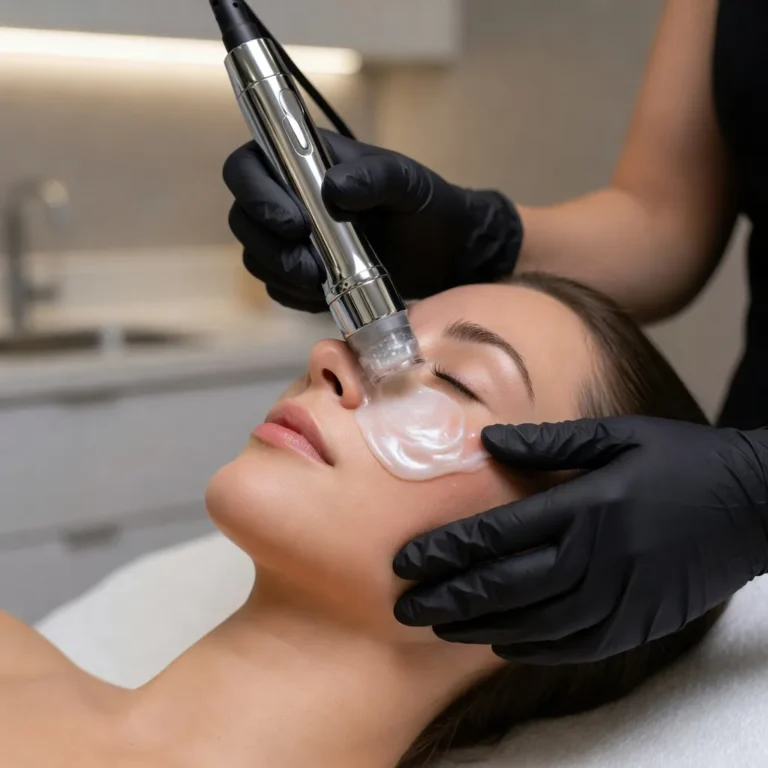
| Microdermabrasion or dermaplaning | Pause exfoliants; sunscreen; gentle moisturiser | 2 to 5 days |
| HydraFacial-style treatment | Avoid heat and actives for a day or two | 1 to 2 days |
| Medium or medical peel | Follow the clinic’s instructions exactly | Often 1 to 2 weeks |
If you are not sure which type of facial you had, ask your esthetician before you leave. Most will give you written aftercare instructions, and it is worth keeping them for the next few days.
Before your next appointment, preparation matters too. Our guide on how to prepare for a facial explains what to pause beforehand so aftercare is easier.
The First 48 Hours: A Simple Timeline
A rough timeline can make aftercare easier to follow.
- Straight after: leave skin alone, skip makeup and avoid touching your face.
- That evening: cleanse gently with lukewarm water, moisturise and change your pillowcase.
- The next morning: cleanse gently, moisturise and apply sunscreen; light makeup is usually fine.
- Day two: resume normal activity, including exercise, if your skin feels calm.
- Days three to seven: slowly reintroduce actives one at a time, unless you had a peel.
If your skin still feels tight, hot or sensitive on day two, wait a little longer before exercise, makeup or actives. Your skin’s comfort is a better guide than the calendar.
People with sensitive or reactive skin often do best by adding back one product every few days. That way, if something stings or causes redness, it is easy to tell which product is responsible.
Dos and Don’ts
Try This
- Keep skincare simple for a few days
- Wear sunscreen every day
- Use lukewarm water
- Change your pillowcase
- Follow your esthetician’s advice
Avoid This
- Wear heavy makeup the same day
- Go to a sauna or hot yoga
- Use retinoids or acids straight away
- Pick at spots or peeling skin
- Wax or thread your face
Honest Limits
Aftercare reduces the chance of problems but cannot guarantee that you will not get redness or a few breakouts. Some reactions depend on your skin and the products used during the treatment.
The timings in this guide are general recommendations. Stronger treatments, sensitive skin and certain skin conditions may need longer recovery, while a very gentle hydrating facial may need hardly any changes to your routine.
When to See a Doctor
- Blistering, oozing or severe burning.
- Spreading redness, warmth, pus or fever.
- Swelling of the face, lips or eyes.
- A rash that spreads or does not improve within a few days.
This article is for general information and does not replace professional medical advice. Seek urgent care for facial swelling with breathing difficulty, and see a doctor or dermatologist for severe or worsening reactions after a facial.
FAQ
Can I wear makeup after a facial?
It is best to wait until the next day.
Can I work out after a facial?
Avoid intense exercise for about 24 hours.
When can I use retinol after a facial?
Usually after several days, or longer after a peel.
Can I wash my face after a facial?
Yes, gently that evening with lukewarm water.
Is it normal to break out after a facial?
A few small breakouts for several days is common.
Can I go in the sun after a facial?
Wear sunscreen and avoid long sun exposure.
Can I shower after a facial?
Yes, but use lukewarm water and avoid long hot showers.
Can I wax after a facial?
Wait about a week before waxing or threading.
Why is my skin red after a facial?
Mild redness from exfoliation or massage usually fades within hours.
Can I swim after a facial?
Wait a day or two before swimming in chlorinated pools.
Where This Leaves You
After a facial, give your skin a quiet day or two. Skip heavy makeup, heat and intense exercise, pause retinoids and acids for several days, and avoid picking, waxing and unprotected sun.
Keep your routine to a gentle cleanser, moisturiser and sunscreen until your skin feels normal. Those simple steps help your results last and reduce the chance of irritation or breakouts.

Written by
Registered pharmacist and founder of Facial Adviser. Rakib's pharmacy training covers how skincare actives work and interact; a later course in cosmetology turned that into a focus on facial treatments and skincare products. He plans, researches and edits every guide on the site and checks health claims against sources such as the American Academy of Dermatology, the FDA and the NIH. He is not a dermatologist; see the Editorial Policy and Medical Disclaimer.
About · Editorial policy · How we choose products · Medical disclaimer · Contact
Keep reading: Facials: what to expect