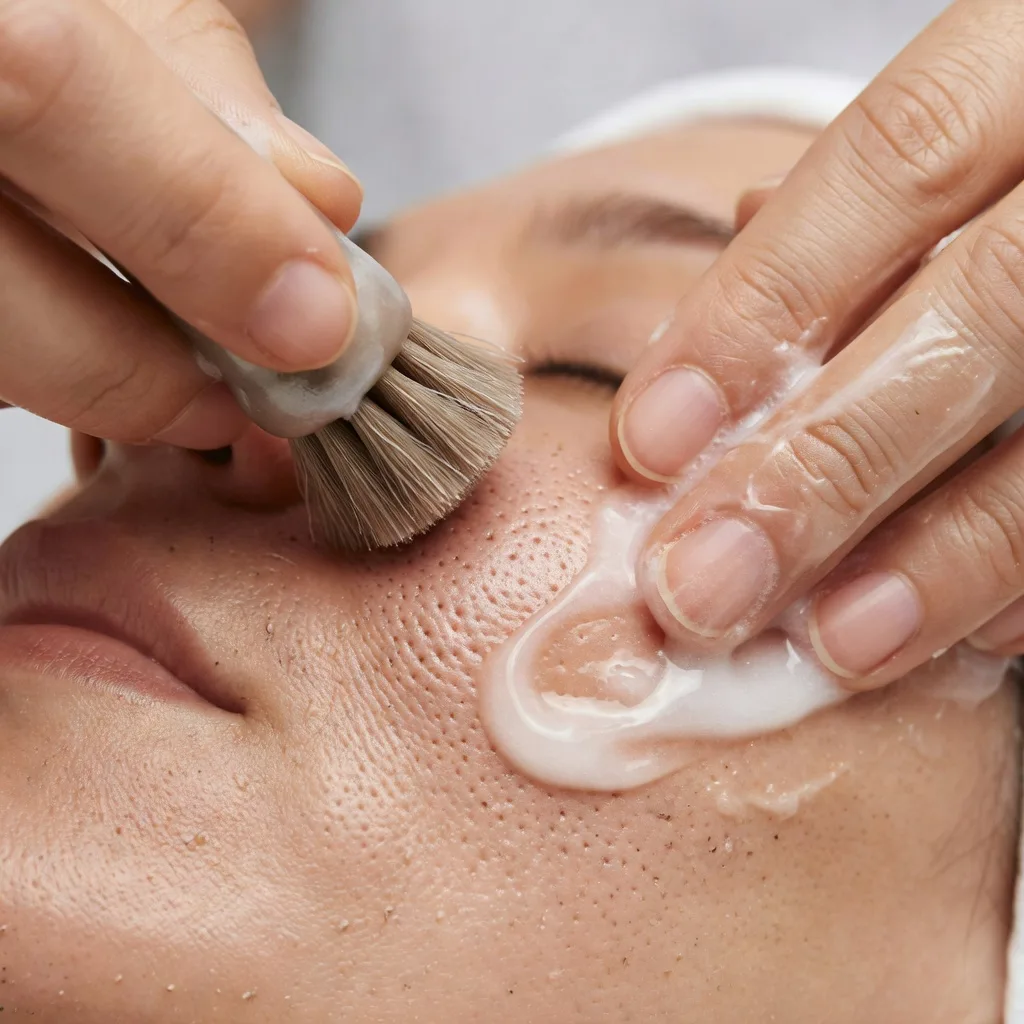
How Do You Deep Clean Your Pores? A Gentle Routine That Works
Clogged pores are one of the most common skin frustrations. Blackheads on the nose, rough bumps on the chin and a greyish look across the cheeks can make skin feel dirty even when you wash it every day. It is tempting to scrub hard, squeeze or pull off a pore strip, but those approaches often leave skin red and irritated while the pores fill up again within days.
Part of our guide to skin concerns. Start with: How Can I Make My Pores Less Visible?
To deep clean your pores, remove makeup and sunscreen thoroughly, ideally with a cleansing oil or balm followed by a gentle cleanser, then use salicylic acid, an oil-soluble exfoliant that works inside the pore, a few times a week. Add a clay mask once or twice a week if your skin is oily, and use a light, non-comedogenic moisturiser so skin does not overcompensate with more oil. Avoid squeezing, harsh scrubs and frequent pore strips. For stubborn blackheads or acne, a dermatologist can recommend retinoids or professional extractions.
Deep cleaning is not about scrubbing harder. Pores are small openings where oil and dead skin can collect, and what clears them is dissolving that build-up gently and consistently, not attacking the surface.
The American Academy of Dermatology advises washing gently, choosing products labelled non-comedogenic and avoiding picking and squeezing, which can push debris deeper and cause scarring.
This guide explains why pores clog, which methods genuinely help, a step-by-step routine, how to adjust it for your skin type and when to see a dermatologist.
Shopping these picks?
Amazon Prime members get fast, free shipping on eligible items, plus Prime Video, Amazon Music and member deals. New members can start with a free trial.
Start a free Prime trialAged 18 to 24? Prime for Young Adults comes with a longer free trial and a lower price after it.
Affiliate link: we may earn a commission at no extra cost to you.
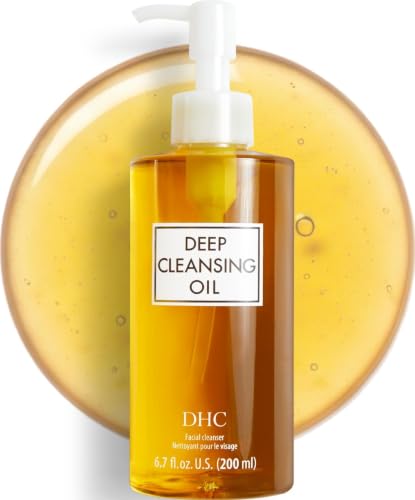
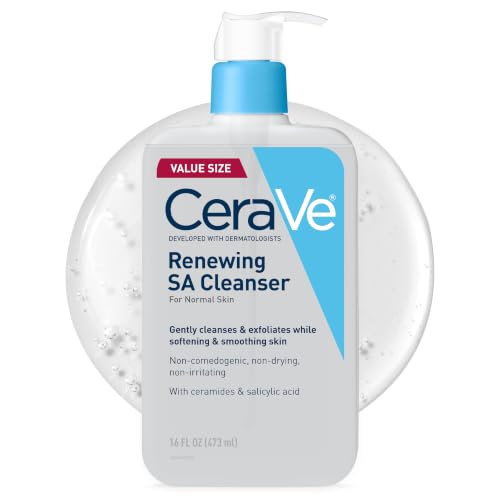
Recommended Products for Clearer Pores



The Short Version
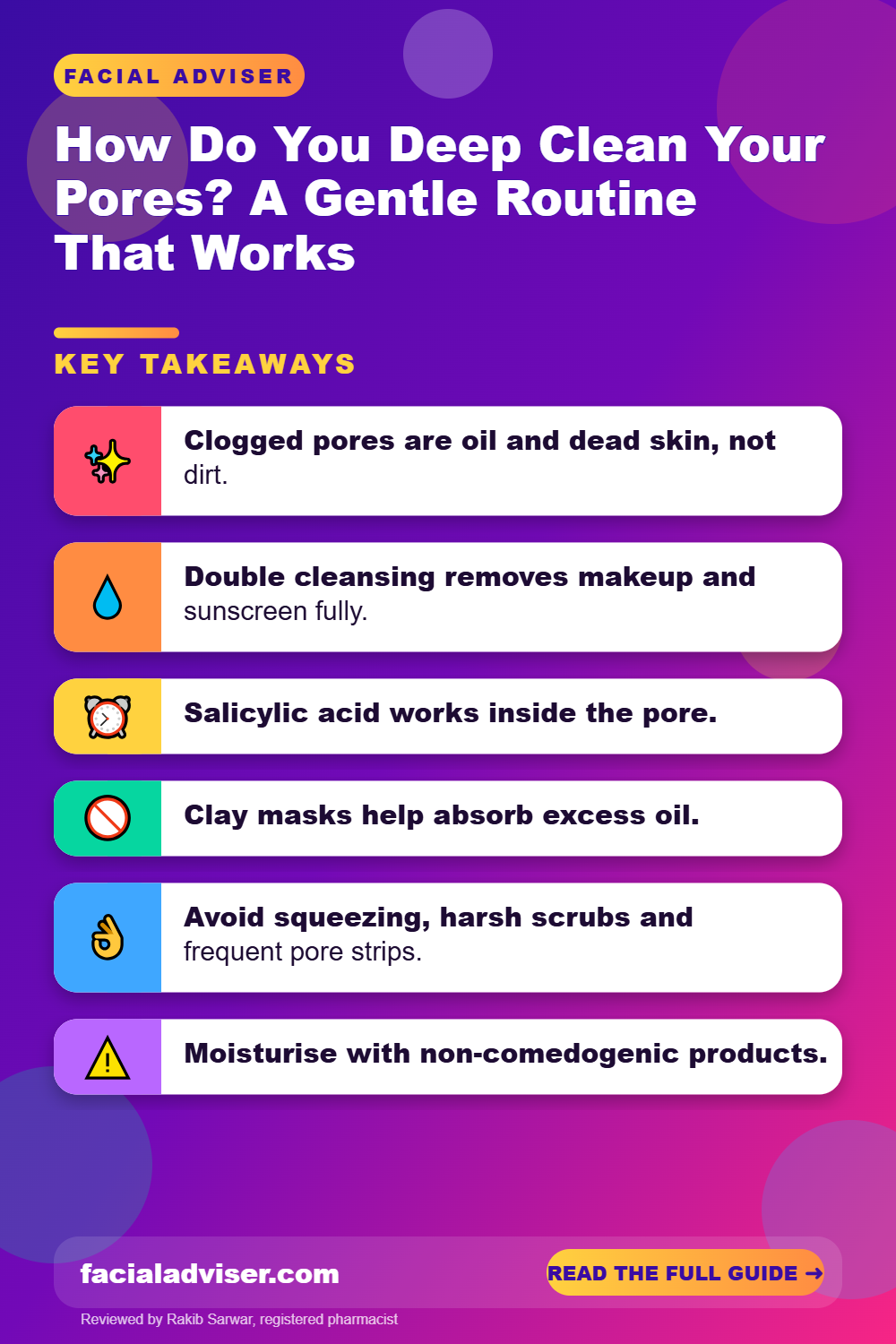
- Clogged pores are oil and dead skin, not dirt.
- Double cleansing removes makeup and sunscreen fully.
- Salicylic acid works inside the pore.
- Clay masks help absorb excess oil.
- Avoid squeezing, harsh scrubs and frequent pore strips.
- Moisturise with non-comedogenic products.
- See a dermatologist for persistent blackheads or acne.
What This Covers
- Why Pores Get Clogged
- What Actually Works to Clear Pores
- What to Avoid
- How to Deep Clean Your Pores at Home
- Adjusting for Your Skin Type
- Does Steam Open Pores?
- Makeup and Clogged Pores
- Clearing Blackheads on the Nose and Chin
- What to Expect Week by Week
- Dos and Don’ts
- Honest Limits
- When to See a Dermatologist
- Your Questions, Answered
- Final Word
Why Pores Get Clogged
Each pore is the opening of a hair follicle connected to an oil gland. Oil (sebum) flows up through the pore to the surface. When dead skin cells and oil build up faster than they are shed, they can form a plug. If the plug stays open to the air, it darkens and becomes a blackhead. If it is covered by skin, it becomes a whitehead.
| Cause | What happens | What helps |
|---|---|---|
| Excess oil | More sebum mixes with dead cells | Oil control, salicylic acid, clay |
| Slow shedding of dead skin | Cells collect inside the pore | Gentle chemical exfoliation |
| Heavy or comedogenic products | Can add to the plug | Non-comedogenic formulas |
| Incomplete makeup removal | Residue sits in pores | Thorough double cleansing |
| Hormones | Increase oil production | Consistent routine; dermatologist if needed |
| Humidity and sweat | Mix with oil and debris | Cleanse after sweating |
Some dots on the nose are not blackheads at all but sebaceous filaments, a normal part of the pore lining that refills naturally. Our guide on sebaceous filaments versus blackheads explains how to tell the difference and why filaments should not be squeezed.
What Actually Works to Clear Pores
Several methods help clear pores, but they work in different ways. Combining a few gentle methods is usually more effective than relying on one harsh one.
| Method | How it works | How often | Notes |
|---|---|---|---|
| Double cleansing | Oil or balm dissolves makeup and sebum; cleanser removes residue | Evenings when wearing makeup or sunscreen | Choose rinse-clean oils |
| Salicylic acid (BHA) | Oil-soluble; exfoliates inside the pore | 2 to 4 times a week, building up | May dry or irritate at first |
| Clay masks | Absorb surface oil | Once or twice a week | Can dry sensitive skin |
| Retinoids | Normalise shedding of skin cells | Several nights a week | Start slowly; can irritate |
| Niacinamide | May help regulate oil and the look of pores | Daily | Generally well tolerated |
| Professional extractions | Manual removal by a trained provider | Occasionally | Avoid at home |
Salicylic acid is often the most useful single step for clogged pores because it can dissolve oil and loosen the plug from within. Retinoids, available over the counter as adapalene or prescribed by a doctor, are one of the most effective long-term options for blackheads and acne. They work more slowly than salicylic acid but help prevent new plugs forming. Start with a small amount two or three nights a week and increase gradually, and avoid using them on the same night as other strong exfoliants.
What to Avoid
Some popular pore-cleaning methods do more harm than good, especially when used often.
- Squeezing or picking, which can push debris deeper, cause infection and leave marks.
- Harsh scrubs with large, jagged particles that irritate the surface.
- Frequent pore strips, which remove the top of the plug but can irritate skin.
- Peel-off masks with strong adhesives that pull at the skin.
- Over-washing, which can dry skin and trigger more oil production.
- Very hot steam held close to the face, which can irritate or burn.
The American Academy of Dermatology advises against picking and squeezing and recommends washing gently rather than scrubbing. Read its skin care tips for acne-prone skin for more detail.
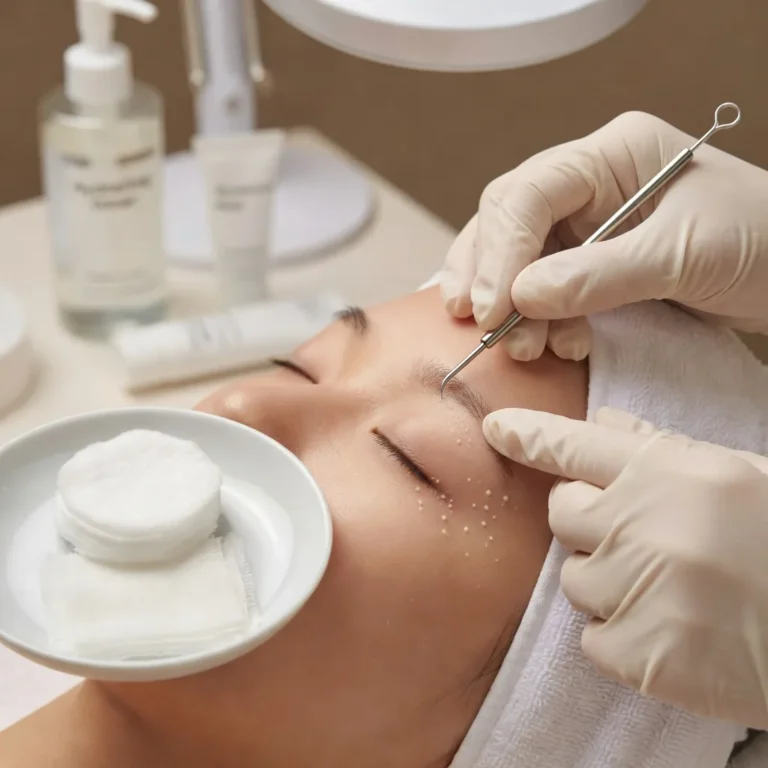
Do not use sharp tools, pins or extractor tools at home. They can break the skin, introduce infection and cause permanent scarring. Leave extractions to trained professionals.
How to Deep Clean Your Pores at Home
Remove makeup and sunscreen
Massage a cleansing oil or balm over dry skin, then rinse.
Cleanse gently
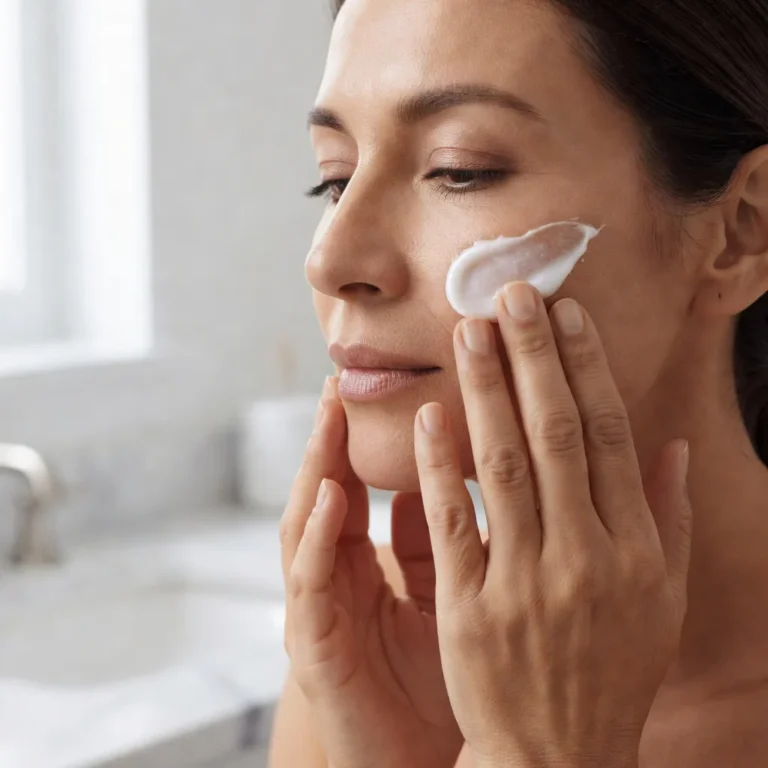
Follow with a mild cleanser, using lukewarm water.
Apply salicylic acid
Use a BHA product two to four times a week, building up slowly.
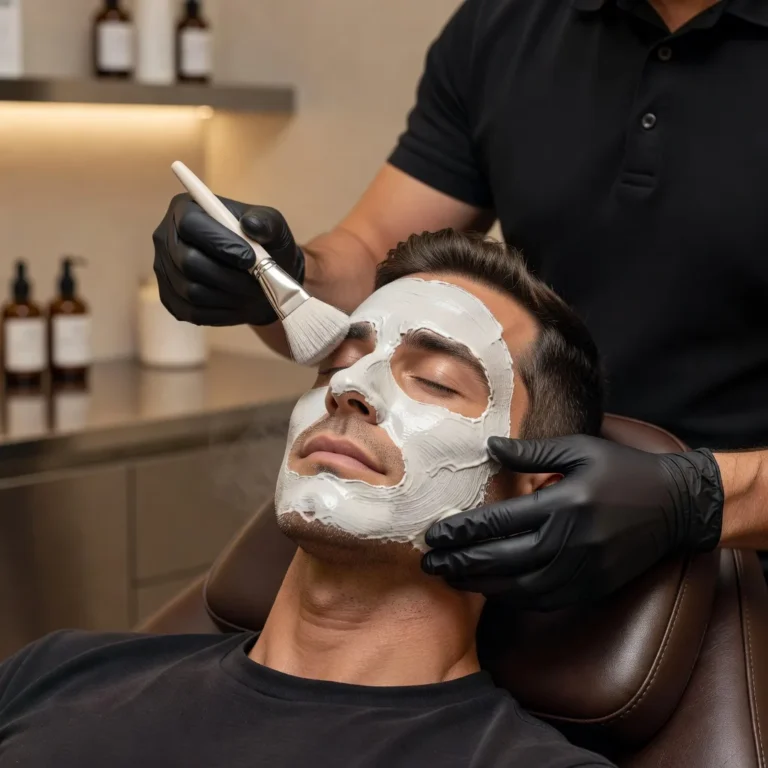
Use a clay mask weekly
Apply to oily areas once or twice a week and rinse before it cracks.
Moisturise
Use a light, non-comedogenic moisturiser every day.
Protect with sunscreen
Wear broad-spectrum sunscreen every morning.
Be consistent
Give the routine six to eight weeks before judging results.
Do not use salicylic acid and a clay mask on the same night at first. Alternate them so you can see how your skin tolerates each one and avoid over-drying.
Consistency matters more than intensity. Pores refill naturally, so a gentle routine done regularly keeps them clearer than an occasional deep scrub. Our guide on when double cleansing is necessary explains who benefits most from an oil cleanse.
Adjusting for Your Skin Type
Pore care needs to fit your skin type, or it can cause dryness and irritation that make skin look worse.
Oily skin can still be dehydrated. If your face feels tight after cleansing but shiny by midday, add hydration rather than more drying products.
- Oily skin: salicylic acid several times a week, clay masks once or twice a week, light gel moisturiser.
- Combination skin: focus actives and masks on the T-zone; keep cheeks hydrated.
- Dry skin with clogged pores: gentle oil cleanse, salicylic acid once or twice a week, richer non-comedogenic moisturiser.
- Sensitive skin: start with a low-strength BHA once a week, avoid scrubs and fragrance, patch test first.
If your skin is both oily and dehydrated, heavy mattifying products can make it feel tight and produce even more oil. A light hydrating moisturiser often helps balance it. Our guide on whether facial oils clog pores explains which oils are more or less likely to cause problems.
Does Steam Open Pores?
Pores do not open and close like doors, so steam does not literally open them. Warmth can soften the oil and dead skin inside pores, which can make cleansing or professional extractions a little easier. However, very hot steam can irritate skin and worsen redness, especially for people with rosacea or sensitive skin.
Similarly, cold water does not close pores. It may make skin feel tighter briefly, but it does not change pore size. Our guide on whether cold water closes pores explains this myth in more detail. A warm washcloth held on the face for a minute before cleansing is a gentle alternative to steaming. Use a clean cloth each time and keep the water comfortably warm rather than hot.
Makeup and Clogged Pores
Makeup does not automatically clog pores, but heavy, oily or poorly removed products can contribute. Choosing non-comedogenic formulas, cleaning brushes regularly and removing makeup every night all help. Sunscreen should never be skipped to avoid clogged pores; instead, choose a lightweight, oil-free formula and remove it properly in the evening. Pillowcases, phone screens and hats that touch the face also collect oil and bacteria, so washing or wiping them regularly is a simple extra step.
If you want your base to look smoother over visible pores without adding congestion, our guide on makeup for enlarged pores covers primers and application techniques that blur without clogging.
Clearing Blackheads on the Nose and Chin
The nose and chin usually have the most visible clogged pores because they have more oil glands. They also tend to get the most attention from squeezing and pore strips, which is why they are often the most irritated.
- Massage cleansing oil over the nose for a minute to loosen debris.
- Apply salicylic acid to the nose and chin first when starting out.
- Use a clay mask only on these areas if the rest of your face is dry.
- Keep hands, phones and hair products away from the chin and nose where possible.
Blackheads on the nose often come back within days or weeks, even with a good routine, because the pores there are large and produce a lot of oil. That is normal. The aim is to keep them smaller and less noticeable, not to remove them for good.
If you have used pore strips for years and your nose looks red or rough, take a break from them for a month while you use salicylic acid regularly. Many people find their skin looks smoother once the irritation settles.
What to Expect Week by Week
Knowing what to expect helps you stick with a routine long enough to see results.
- Weeks 1 to 2: skin may feel cleaner; some people notice mild dryness or tingling from new actives.
- Weeks 2 to 4: some people see a temporary increase in small breakouts as clogged pores clear, often called purging.
- Weeks 4 to 8: blackheads and rough texture usually start to look better.
- After 8 weeks: results become more stable with continued use.
If your skin becomes red, flaky or painful at any stage, cut back on how often you use actives. Irritation is not a sign that a product is working and can make pores look worse. The American Academy of Dermatology explains how to exfoliate safely at home to avoid this.
Dos and Don’ts
Do
- Double cleanse when wearing makeup or sunscreen
- Use salicylic acid regularly
- Use clay masks on oily areas
- Moisturise with non-comedogenic products
- Be patient and consistent
Don’t
- Squeeze or pick at pores
- Scrub hard with rough particles
- Use pore strips often
- Over-wash your face
- Use extraction tools at home
Honest Limits
No routine can permanently empty or shrink pores. Pore size is largely genetic, and pores naturally refill with oil over time. The goal is to keep them clearer and less noticeable, not to eliminate them.
Results take time. Salicylic acid and retinoids often need several weeks of consistent use before blackheads and congestion improve. If a product irritates your skin, reduce how often you use it rather than pushing through.
When to See a Dermatologist
- You have many blackheads or whiteheads that do not improve after two to three months.
- You have painful, inflamed or cystic acne.
- Clogged pores leave dark marks or scars.
- Over-the-counter products irritate your skin.
This article is for general information and does not replace professional medical advice. See a dermatologist for persistent acne, painful spots or scarring.
Your Questions, Answered
What is the best way to deep clean pores?
Double cleansing plus regular salicylic acid, with clay masks for oily skin.
Does steam open pores?
No, but warmth can soften oil and debris inside them.
Are pore strips bad for your skin?
Occasional use is usually fine, but frequent use can irritate skin.
How often should I use salicylic acid?
Start two or three times a week and build up as tolerated.
Can I squeeze blackheads?
It is best not to; it can cause infection and scarring.
Do clay masks clean pores?
They absorb surface oil and can help pores look clearer.
Why do my pores fill up again so fast?
Pores naturally produce oil; consistency is key.
Does cold water close pores?
No, it does not change pore size.
Are retinoids good for clogged pores?
Yes, they are among the most effective long-term options.
Should I see a dermatologist for blackheads?
If they do not improve after a few months or cause scarring.
Final Word
Deep cleaning your pores is about dissolving oil and dead skin gently and consistently. Double cleanse when wearing makeup or sunscreen, use salicylic acid a few times a week, add clay masks for oily areas and moisturise with non-comedogenic products.
Avoid squeezing, harsh scrubs and frequent pore strips, and give your routine several weeks to work. If blackheads or acne persist, a dermatologist can recommend stronger treatments.

Written by
Registered pharmacist and founder of Facial Adviser. Rakib's pharmacy training covers how skincare actives work and interact; a later course in cosmetology turned that into a focus on facial treatments and skincare products. He plans, researches and edits every guide on the site and checks health claims against sources such as the American Academy of Dermatology, the FDA and the NIH. He is not a dermatologist; see the Editorial Policy and Medical Disclaimer.
About · Editorial policy · How we choose products · Medical disclaimer · Contact
Keep reading: Pores and texture
- How Can I Make My Pores Less Visible?
- 10 Best Facial Products for Pores (2026): Clearer, Smoother Skin
- Dry, Flaky Skin Around the Eyebrows: Causes and Treatment
- Uneven Skin Texture on Cheeks: Causes and How to Smooth It
- Patchy Dry Skin Around the Mouth: Causes and How to Heal It
- What Causes Open Pores on the Nose? Oil, Genes, Age and What Helps
- How to Calm Inflamed Red Patches on Your Face
- Are Facials Good for Acne?