At What Age Should You Start Using Anti-Aging Serum? A Decade-by-Decade Guide
There is no birthday on which anti-aging serum suddenly becomes necessary. Skin changes gradually, and the right time to start depends more on your skin, your sun exposure and your goals than on a number. What does help is knowing which ingredients earn their place at each stage, so you do not spend money too early or start too late.
Part of our guide to skincare products. Start with: 10 Best Facial Serums for Aging Skin (2026): Picks by Concern
Most people can start using an anti-aging serum in their mid to late 20s, when collagen production begins to slow gradually and early fine lines or sun damage may appear. A daily broad-spectrum sunscreen should come first, from your teens onwards, because it prevents more ageing than any serum. In your 20s, an antioxidant such as vitamin C and a hydrating serum are enough for most people, with a low-strength retinol added in the later 20s. In your 30s and 40s, retinoids become the core step, supported by peptides and hydration. From your 50s, gentle retinoids, rich hydration and barrier care matter most.
In short: sunscreen from your teens, a simple serum from your mid 20s and a retinoid by your late 20s or 30s.
The American Academy of Dermatology recommends a broad-spectrum sunscreen of SPF 30 or higher every day, because ultraviolet light is the main cause of early wrinkles and dark spots.
This guide explains when to start anti-aging cream and serum, which ingredients suit each decade and how to introduce them without irritating your skin.
Shopping these picks?
Amazon Prime members get fast, free shipping on eligible items, plus Prime Video, Amazon Music and member deals. New members can start with a free trial.
Start a free Prime trialAged 18 to 24? Prime for Young Adults comes with a longer free trial and a lower price after it.
Affiliate link: we may earn a commission at no extra cost to you.
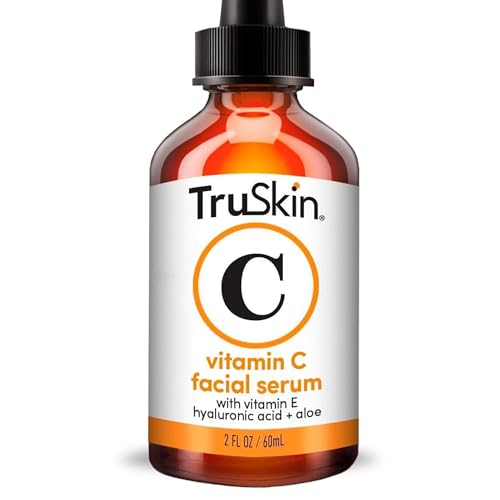
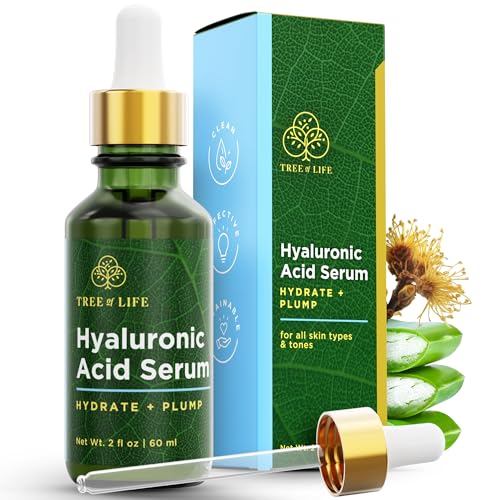
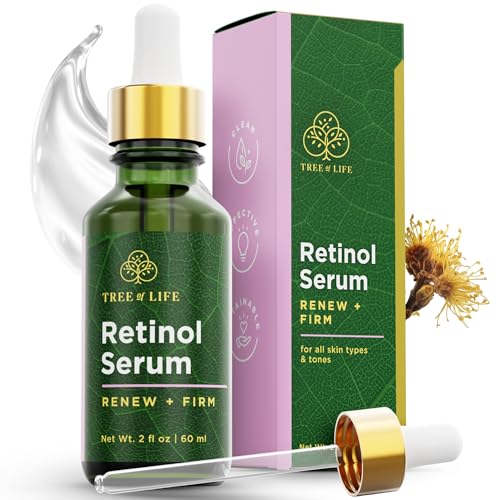
Recommended Anti-Aging Serums and Sunscreens



Jump to a Section
- Why Age Matters Less Than You Think
- When to Start Anti-Aging Cream vs Serum
- Your 20s: Prevention and Protection
- Your 30s: Retinoids Take Centre Stage
- Your 40s: Firmness, Texture and Tone
- Your 50s and Beyond: Comfort and Barrier Care
- What Each Anti-Aging Serum Ingredient Does
- Anti-Aging Serums by Decade at a Glance
- How to Start an Anti-Aging Serum Routine
- Dos and Don’ts
- Honest Limits
- When to See a Dermatologist
- Your Questions, Answered
- Final Word
Key Takeaways
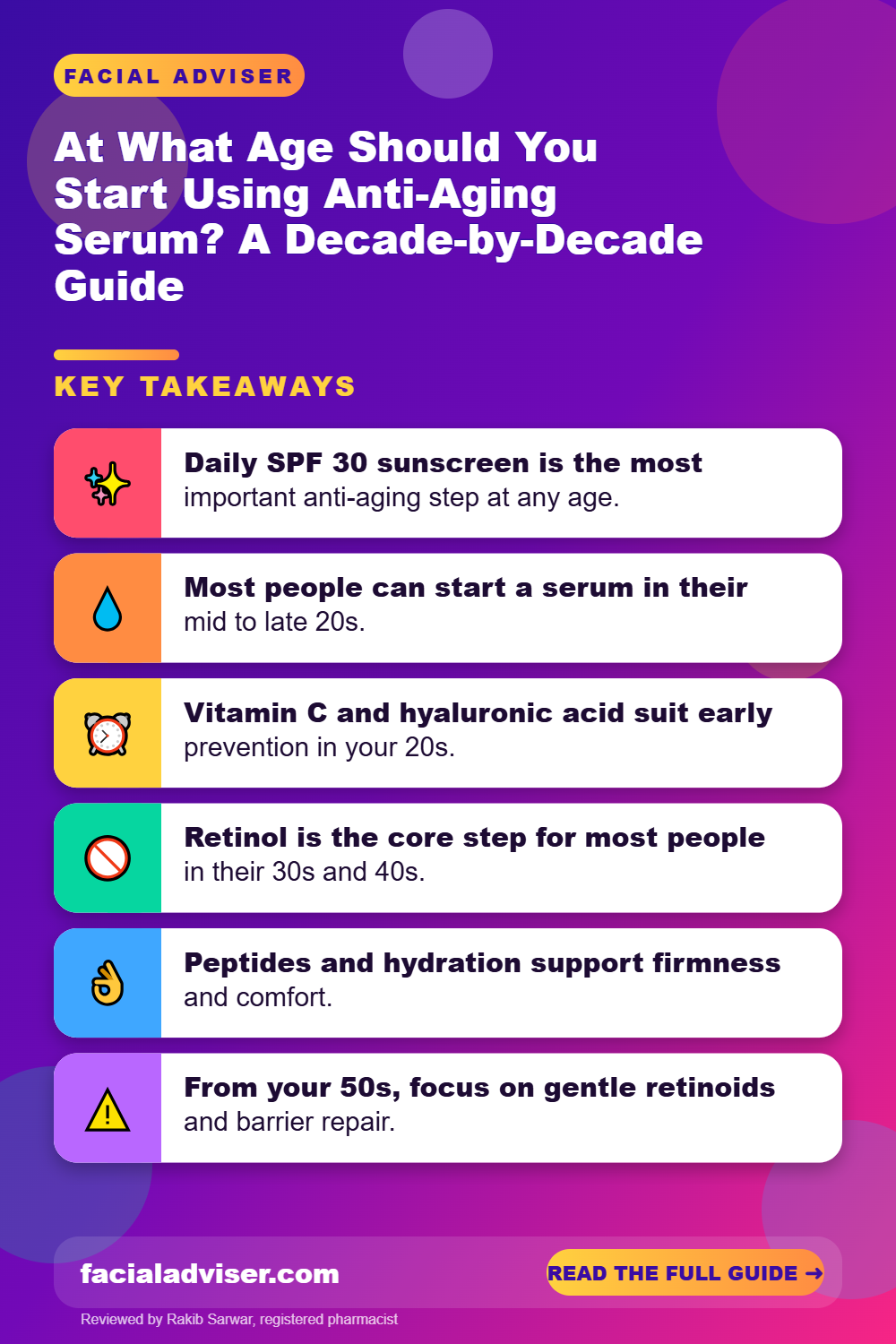
- Daily SPF 30 sunscreen is the most important anti-aging step at any age.
- Most people can start a serum in their mid to late 20s.
- Vitamin C and hyaluronic acid suit early prevention in your 20s.
- Retinol is the core step for most people in their 30s and 40s.
- Peptides and hydration support firmness and comfort.
- From your 50s, focus on gentle retinoids and barrier repair.
- Introduce one new active at a time to avoid irritation.
Why Age Matters Less Than You Think
Skin ageing has two drivers. Intrinsic ageing is the natural, genetic slowdown in collagen and cell renewal that begins gradually in your 20s. Extrinsic ageing is caused by outside factors, mainly sun exposure, but also smoking, pollution and poor sleep. For most people, extrinsic ageing causes far more visible change than the calendar.
That is why two people of the same age can have very different skin. Someone with years of unprotected sun exposure may see lines and dark spots in their late 20s, while someone who has always worn sunscreen may not notice much change until their late 30s. Start by looking at your skin and your habits, not your age alone. Signs that it may be time for a serum include fine lines that stay after your expression relaxes, dullness that moisturiser does not fix, new dark spots or freckles that linger, and skin that feels rougher than it used to. If none of these apply, sunscreen and a good moisturiser may be all you need for now.
When to Start Anti-Aging Cream vs Serum
People often ask whether they should start with an anti-aging cream or a serum. Both can contain the same active ingredients; the difference is the texture and how concentrated the actives tend to be.
| Product | Texture | Main role | Best starting point |
|---|---|---|---|
| Serum | Thin, fast-absorbing | Delivers concentrated actives | Mid to late 20s |
| Anti-aging cream | Richer, moisturising | Hydrates and seals in actives | Late 20s or 30s, or earlier for dry skin |
| Eye cream | Light or rich, small amount | Targets thin skin around the eyes | Late 20s onwards if needed |
| Sunscreen | Lotion, gel or fluid | Prevents UV damage | Teens onwards, every day |
A serum is usually the easier first step because it layers under your usual moisturiser without changing your routine much. A night cream with retinol or peptides can replace a separate serum if you prefer fewer products. What matters is the active ingredient and how consistently you use it.
Your 20s: Prevention and Protection
In your early 20s, collagen levels are still high, so the priority is protecting what you have. Around the mid to late 20s, many people start to notice the first fine lines around the eyes or mouth, especially if they spend time in the sun.
- Daily broad-spectrum sunscreen of SPF 30 or higher, even on cloudy days.
- A vitamin C serum in the morning to help protect against environmental damage and brighten tone.
- A hydrating serum with hyaluronic acid if your skin feels tight or dry.
- A low-strength retinol two or three nights a week from your mid to late 20s, if your skin tolerates it.
- Niacinamide if you are also dealing with oiliness, enlarged pores or breakouts.
If you are in your early 20s and worried about lines around the mouth, our guide on preventing fine lines around the mouth in your early 20s covers habits and products that help. Many people in their 20s also still get acne, and some anti-acne ingredients, such as retinoids, help with both.
Your 30s: Retinoids Take Centre Stage
By your 30s, cell turnover is slower and early sun damage may show as uneven tone, dullness and lines that linger after you stop smiling. This is when a retinoid becomes the most useful serum for most people.
- Retinol most nights, building up strength slowly as your skin adjusts.
- Vitamin C in the morning for brightness and antioxidant support.
- A peptide serum or cream to support firmness and the skin barrier.
- Hyaluronic acid or a good moisturiser to reduce dryness from retinol.
- Sunscreen every morning, reapplied when you are outdoors.
Starting a retinoid can cause dryness and flaking at first. Our guide on how to transition to retinol smoothly shows how to build up without irritation. If you also have acne or strong sun damage, a dermatologist can prescribe a stronger retinoid such as tretinoin.
Your 40s: Firmness, Texture and Tone
In your 40s, lines often become more defined, skin may feel thinner or drier and changes in firmness begin to show along the jaw and cheeks. Hormonal changes can also make skin drier.
- A retinoid remains the core step, at a strength your skin tolerates.
- Peptide serums to support firmness and comfort.
- Richer moisturisers with ceramides to protect the barrier.
- Gentle exfoliation with alpha hydroxy acids once or twice a week for dull texture.
- Vitamin C or niacinamide for dark spots and uneven tone.
If you use alpha hydroxy acids, the FDA notes in its guidance on alpha hydroxy acids that they can increase sun sensitivity, so daily sunscreen becomes even more important. For sagging rather than lines, serums help less, and in-clinic treatments may be worth discussing.
Your 50s and Beyond: Comfort and Barrier Care
After menopause, skin loses collagen more quickly and becomes drier, thinner and more easily irritated. The goal shifts from prevention to supporting comfort, strength and tone.
- A gentle retinoid a few nights a week, or a milder alternative if retinol stings.
- Rich hydration with hyaluronic acid, glycerin and ceramides.
- Peptide creams to support a comfortable, firmer feel.
- Vitamin C or niacinamide for age spots and dullness.
- Sunscreen every day, including the neck, chest and backs of the hands.
It is never too late to start. Studies on retinoids and sunscreen show benefits even when people begin in later life, although results take longer and are more modest than prevention started earlier.
What Each Anti-Aging Serum Ingredient Does
Knowing what each ingredient is good at makes it much easier to choose the right serum for your age and concerns, rather than buying whatever is newest.
- Retinol and other retinoids: speed up cell turnover and support collagen, with the strongest evidence for fine lines and texture.
- Vitamin C: an antioxidant that helps defend against environmental damage and brightens dull, uneven tone.
- Peptides: short chains of amino acids that support the skin barrier and a firmer, smoother feel.
- Hyaluronic acid: draws water into the upper skin for an instant plumping effect that lasts hours, not months.
- Niacinamide: calms redness, supports the barrier and helps with enlarged pores and uneven tone.
Retinoids and sunscreen do the heavy lifting; the others are supporting players. If you can only afford or tolerate one serum, choose the one that targets your biggest concern and keep everything else simple.
Anti-Aging Serums by Decade at a Glance
Use this table as a quick reference. Your own skin type, sensitivity and concerns should guide the final choice.
| Age | Main concern | Key serums | Must-have |
|---|---|---|---|
| Teens to early 20s | Protecting healthy skin | Usually none needed; gentle moisturiser | Daily sunscreen |
| Mid to late 20s | First fine lines, sun damage | Vitamin C, hyaluronic acid, low-strength retinol | Daily sunscreen |
| 30s | Dullness, early lines, uneven tone | Retinol, vitamin C, peptides | Daily sunscreen |
| 40s | Deeper lines, texture, firmness | Retinoid, peptides, AHAs, niacinamide | Daily sunscreen |
| 50s and older | Dryness, thinning, age spots | Gentle retinoid, hydrating and peptide serums | Daily sunscreen |
Moving up a row does not mean you must buy more products. Many people in their 40s and 50s do well with just a retinoid, a moisturiser and sunscreen. Add extra serums only when you have a specific concern that your current routine is not addressing.
How to Start an Anti-Aging Serum Routine
Whatever your age, introducing serums slowly gives you the best results with the least irritation.
Start with sunscreen
Wear broad-spectrum SPF 30 or higher every morning before adding anything else.
Pick one active
Choose the serum that matches your main concern, such as vitamin C for tone or retinol for lines.
Patch test
Apply a small amount on the jawline for a few days to check for a reaction.
Start slowly
Use a retinoid two or three nights a week at first and build up over several weeks.
Apply in the right order
Cleanse, apply serum to dry skin, then moisturiser, then sunscreen in the morning.
Add a second active later
Wait four to six weeks before introducing another new product.
Judge after three months
Most serums need at least 8 to 12 weeks of consistent use to show results.
Keep it simple. One well-chosen serum used consistently, plus sunscreen, will do more than a shelf of products used on and off.
Dos and Don’ts
Good Habits
- Wear sunscreen daily from your teens
- Start retinoids slowly
- Choose serums for your skin concern
- Moisturise to support the barrier
- Give products at least three months
Common Mistakes
- Buy strong actives in your early 20s just in case
- Layer several new actives at once
- Use retinoids while pregnant
- Skip sunscreen when using retinol or AHAs
- Keep using a serum that burns or stings
Do not use retinol or prescription retinoids if you are pregnant, trying to conceive or breastfeeding without advice from your doctor. Stop any serum that causes persistent redness, burning, swelling or a rash.
Honest Limits
Anti-aging serums can improve fine lines, texture and tone, but they cannot lift sagging skin, replace lost volume or undo deep wrinkles. Evidence is strongest for sunscreen and retinoids; vitamin C, peptides and hyaluronic acid have supportive but more modest effects, and results vary between formulas.
Starting too early rarely helps and can sometimes irritate young skin for no benefit. Most people in their teens and early 20s need only a gentle cleanser, moisturiser and sunscreen. The AAD guide on how to apply sunscreen explains the amount to use. Our guide on the benefits of vitamin C facial cream covers realistic results from that ingredient.
When to See a Dermatologist
- You want prescription-strength retinoids or advice on stronger treatments.
- Serums repeatedly irritate your skin or cause breakouts.
- You have melasma or dark spots that do not improve.
- You notice a new, changing or unusual mole or spot.
This article is for general information and does not replace professional medical advice. See a board-certified dermatologist for skin conditions, prescription treatments or if you react to skincare products.
Your Questions, Answered
At what age should you start using anti-aging serum?
Most people can start in their mid to late 20s.
When should you start anti-aging cream?
Usually in your late 20s or 30s, earlier if your skin is dry or sun-damaged.
Is 25 too early for retinol?
No, a low-strength retinol is reasonable from the mid 20s.
Is it too late to start anti-aging serum at 50?
No, serums and sunscreen still help at any age.
What is the best first anti-aging serum?
Vitamin C or a gentle retinol, alongside sunscreen.
Do teenagers need anti-aging serum?
No, sunscreen and a gentle routine are enough.
Can I use vitamin C and retinol together?
Yes, usually vitamin C in the morning and retinol at night.
How long do anti-aging serums take to work?
Around 8 to 12 weeks of regular use.
Is sunscreen really anti-aging?
Yes, it prevents most early visible ageing.
Should I use a serum or a cream?
Either works; the active ingredient matters most.
Final Word
Most people can start an anti-aging serum in their mid to late 20s, but daily sunscreen should come first and matters at every age.
Choose serums that match your decade and skin concerns, introduce them one at a time, and give each product at least three months before judging the results.

Written by
Registered pharmacist and founder of Facial Adviser. Rakib's pharmacy training covers how skincare actives work and interact; a later course in cosmetology turned that into a focus on facial treatments and skincare products. He plans, researches and edits every guide on the site and checks health claims against sources such as the American Academy of Dermatology, the FDA and the NIH. He is not a dermatologist; see the Editorial Policy and Medical Disclaimer.
About · Editorial policy · How we choose products · Medical disclaimer · Contact
Keep reading: Serums and actives
- 10 Best Serums for Mature Skin to Reduce Wrinkles (2026): Top Picks
- 10 Best Facial Serums for Aging Skin (2026): Picks by Concern
- Skinimalism Guide: How to Build a Simple Minimal Skincare Routine
- Snow Mushroom Benefits for Glowing Skin: Tremella vs Hyaluronic Acid
- Skin Barrier Repair: Signs of Damage, Ceramides and a Simple Routine
- What Does a Facial Toner Do? The Real Answer
- 10 Best Facial Cleansers for Combination Skin (2026): Balanced Picks