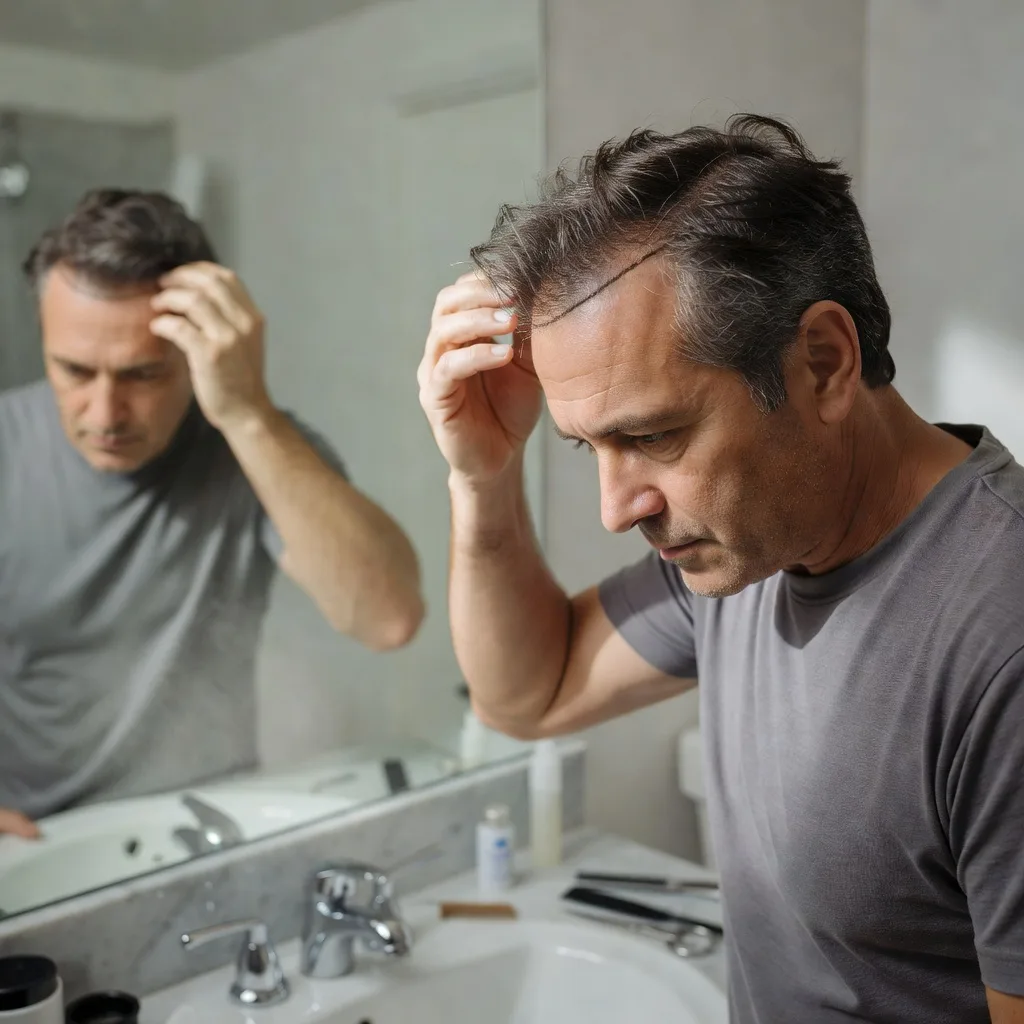
How Long Does a Hair Replacement System Last?
How long does a hair replacement system last before it needs replacing, not just reattaching?
Part of our guide to men's grooming tools. Start with: 10 Best Hair Dryers (2026): Faster Drying With Less Heat Damage
Most bonded or taped systems last 4 to 12 weeks depending on the base material, and it’s almost always the base — not the hair fiber — that fails first. A 100% human-hair system on a thin base can still need replacing within weeks.
The real annual cost varies enormously by program type, from roughly $1,000 a year for a DIY approach to $8,000 or more for a full-service franchise program, once replacement frequency is factored in.
This guide covers real lifespan data by base type, the genuine risks of adhesive irritation and traction alopecia, and practical steps to extend a system’s life.
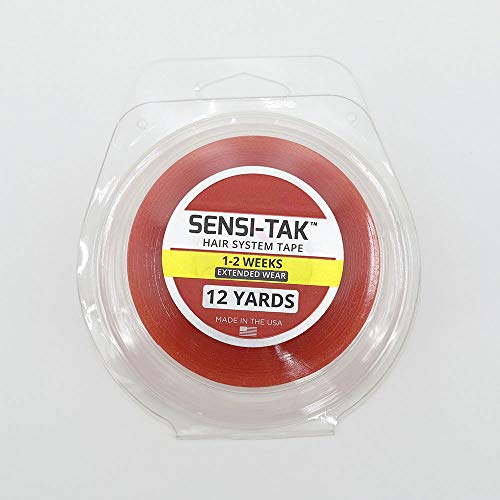
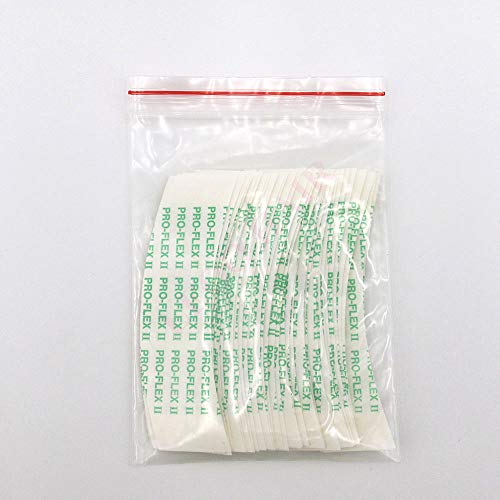
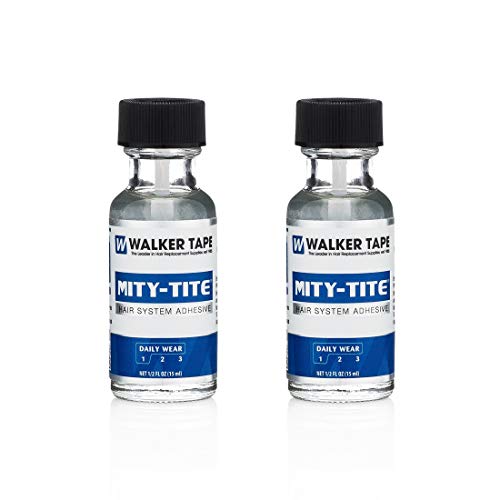
Recommended Hair Replacement Systems and Adhesives
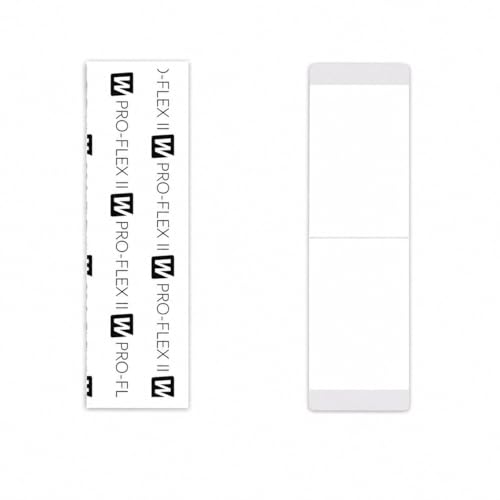
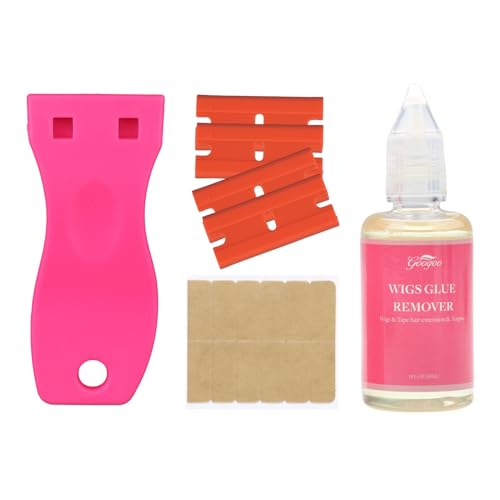
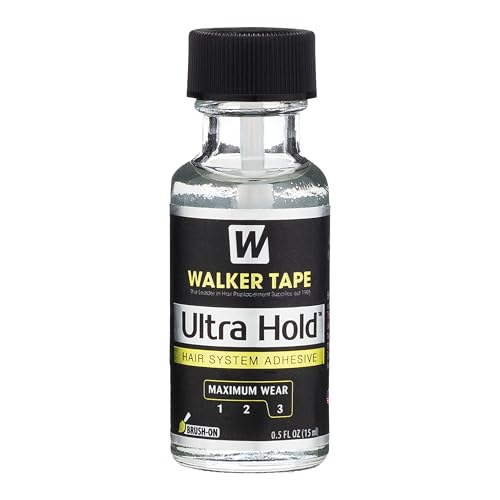
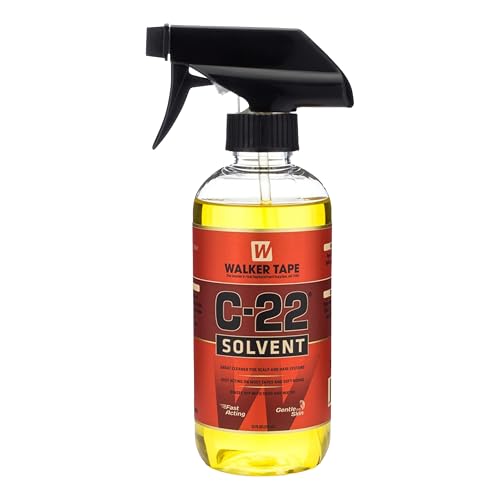
Cutting to the Chase
- Most bonded or taped hair replacement systems last 4 to 12 weeks before needing replacement, even if they’re reattached every 3-4 weeks in between.
- The base material — skin, lace, or monofilament — usually fails before the hair fiber does. A 100% human-hair system on a thin skin base can still need replacing within 4-6 weeks purely from base degradation.
- Total annual cost varies enormously by program: roughly $1,000/year for a DIY self-installed approach up to $8,000+/year for a full-service franchise program.
- Scalp irritation and allergic dermatitis from adhesives are common, documented complaints across the hairpiece industry.
- Traction alopecia is a real, established risk of tension-based attachment generally, though no dedicated study measuring its incidence specifically in hair-replacement-system wearers (as opposed to cosmetic hair extensions) was found — that’s a genuine evidence gap, not a settled statistic.
Table of Contents
- Real Lifespan Numbers by Base Type
- Reattachment vs. Full Replacement
- What Actually Fails First
- The Real Cost Over a Year
- Human Hair vs. Synthetic
- The Risks Worth Knowing
- Traction Alopecia: What’s Actually Established
- Base Type Comparison Table
- Steps to Extend a System’s Life
- Do’s and Don’ts
- A Practical Check for Scalp Irritation
- What’s Not Well Established
- Frequently Asked Questions
Real Lifespan Numbers by Base Type
“How long does it last” depends almost entirely on the base material a hair replacement system is built on, not just on how well it’s cared for. Industry sources converge on a range roughly like this: ultra-thin skin bases (around 0.03mm) tend to last about 4 weeks before needing replacement; thicker skin bases (0.06-0.10mm) can stretch anywhere from 2 to 6 months; Swiss lace bases tend to run 1-2 months; French lace typically lasts 3-4 months; and monofilament bases, generally the most durable option, can last 6-12 months. Averaged across all these variants, most bonded or taped systems land somewhere in a 4-to-12-week window before genuinely needing replacement.
Shopping these picks?
Amazon Prime members get fast, free shipping on eligible items, plus Prime Video, Amazon Music and member deals. New members can start with a free trial.
Start a free Prime trialAged 18 to 24? Prime for Young Adults comes with a longer free trial and a lower price after it.
Affiliate link: we may earn a commission at no extra cost to you.
This data comes from manufacturer and industry sources rather than independent clinical trials — worth stating plainly, since there isn’t a large body of peer-reviewed research specifically tracking hairpiece base degradation the way there is for, say, drug efficacy. It’s the most consistent figure available, but it should be treated as industry-reported experience, not laboratory-verified data.
Reattachment vs. Full Replacement
A detail that’s easy to miss: reattachment and full replacement are two separate maintenance cycles, not the same event. Bonded or taped systems typically need to be removed and reapplied roughly every 3-4 weeks even when the unit itself isn’t due for full replacement yet — the adhesive bond degrades faster than the base material does. Skipping this reattachment cycle to save money doesn’t extend the system’s overall life; it just means wearing a system with a failing bond, which raises the risk of the piece shifting or lifting unexpectedly.
What Actually Fails First
Here’s the most underused, genuinely surprising point in this whole topic: it’s almost always the base — not the hair fiber — that fails first and dictates when a system needs replacing. The base degrades from a combination of adhesive residue buildup, natural skin oils, sweat, and the mechanical wear of daily handling and cleaning, long before the actual hair strands wear out from normal use. That means a system built with 100% human hair on an ultra-thin skin base can still need full replacement within 4-6 weeks purely because the base has broken down — the “human hair lasts longer” marketing claim is only half-true, since it describes the fiber’s durability, not the base’s.
The Real Cost Over a Year
| Program type | Typical annual cost |
|---|---|
| Full-service franchise program | $8,000+/year |
| Independent salon-based program | $4,000+/year |
| DIY self-installed system | $1,000+/year |
| Direct unit purchase only (per unit) | $200-400 retail, $100-300 wholesale in bulk |
| Ongoing monthly maintenance (adhesive, cleaning, styling) | $50-300/month |
Given the 4-to-12-week replacement window described above, most wearers need roughly 4 to 6 replacement units per year just to keep a system looking fresh, on top of whatever program-level service fees apply. That replacement cadence is the real cost driver most upfront pricing conversations skip — the per-unit price looks manageable until you multiply it by how often it actually needs replacing.
Human Hair vs. Synthetic
Human hair systems generally last longer functionally — they can be re-styled, heat-styled, and colored the way natural hair can, which synthetic fiber cannot tolerate without degrading. But as covered above, the base material is usually the limiting factor on total lifespan regardless of fiber type. Synthetic-fiber systems are cheaper upfront and can be a reasonable choice for someone testing whether a hair system suits their lifestyle before investing more, but they lose their texture and shine faster with regular washing and wear, and cannot handle styling heat at all.
No rigorously independent comparative study was found quantifying exactly how much longer human hair fiber lasts versus synthetic fiber under equivalent conditions — the numbers available come from industry and manufacturer sources, and should be understood as trade reporting rather than peer-reviewed measurement.
The Risks Worth Knowing
Scalp irritation and allergic contact dermatitis from adhesives are well-documented, common complaints across multiple hairpiece-industry sources discussing itching, redness, and skin reactions tied to prolonged occlusive tape or glue contact. The mechanism is consistent with standard contact-dermatitis principles: occlusion traps moisture and heat against skin, certain adhesive chemicals act as sensitizers over repeated exposure, and trapped moisture can also support bacterial or fungal overgrowth under the bond area.
Traction Alopecia: What’s Actually Established
Traction alopecia — hair loss caused by sustained, repeated pulling force on the follicle — is a well-established mechanism for tension-based hair attachment generally: sustained tension over time causes progressive, and eventually permanent if unaddressed, follicular damage without adequate recovery periods between attachment cycles. Industry sources rank attachment methods by relative tension risk, from highest to lowest, roughly as: sew-in or braided-base attachment, then fusion or keratin bonds, then microlink or bead attachment, then tape-based systems, with occasional clip-on attachment carrying the lowest tension risk.
What’s worth stating honestly: no peer-reviewed study was found specifically measuring traction alopecia incidence in non-surgical hair replacement system wearers, as distinct from the more heavily studied cosmetic hair-extension population. The mechanism is well-established in the broader hair-tension literature, but a hair-replacement-system-specific incidence rate simply doesn’t exist in the published research — that’s a real evidence gap worth naming rather than papering over with borrowed numbers from a different population.
Base Type Comparison Table
| Base type | Typical lifespan | General durability tier |
|---|---|---|
| Ultra-thin skin (0.03mm) | ~4 weeks | Most delicate, most natural-looking |
| Skin base 0.06-0.10mm | 2-6 months | Moderate durability |
| Swiss lace | 1-2 months | Delicate, breathable |
| French lace | 3-4 months | More durable than Swiss lace |
| Monofilament | 6-12 months | Most durable option |
Steps to Extend a System’s Life
Follow the recommended reattachment schedule
Sticking to roughly every 3-4 weeks for bond maintenance, rather than stretching it to save money, protects both the base and your scalp.Clean the base regularly with recommended products
Removing adhesive residue, oil, and sweat buildup on schedule is what actually slows base degradation, more than the hair fiber’s own care routine.Avoid excess heat styling on synthetic-fiber sections
Even human-hair systems have base materials that can be damaged by high heat near the attachment points, regardless of the fiber’s own heat tolerance.Rotate between two units if your budget allows
Alternating systems gives each one recovery time and can meaningfully extend total wear-life across both units compared to running one continuously.Watch your scalp, not just the unit
Persistent irritation is a sign to change your adhesive or attachment method, not just a cosmetic annoyance to push through.
Do’s and Don’ts
Do
- Factor base type, not just hair-fiber quality, into how long a system will realistically last.
- Budget for 4-6 replacement units per year if you’re using a bonded or taped system regularly.
- Watch for scalp irritation as an early, actionable warning sign, not something to ignore.
Don’t
- Assume “100% human hair” alone guarantees a long-lasting system if it’s built on a delicate base.
- Skip scheduled reattachment to save money — it doesn’t extend the base’s life, it just weakens the bond.
- Ignore persistent redness or itching under the attachment area, since it can progress to a genuine allergic reaction.
A Practical Check for Scalp Irritation
There’s no formal at-home diagnostic test for adhesive sensitivity before it happens, but there is a practical, low-risk check: before committing to a new adhesive product across your full scalp, apply a small amount to a limited area (behind the ear or a small patch under the existing unit) and wait 48 hours, watching for redness, itching, or bumps — the same basic patch-test principle used for any topical product with sensitization potential. If irritation shows up on the patch test, that’s useful information before you’re committed to a full application.
What’s Not Well Established
This guide draws on the best available industry data, but it’s worth being direct about the gaps: independent, peer-reviewed research specifically on hair-replacement-system lifespan, and specifically on traction-alopecia incidence in this wearer population, is thin to nonexistent. Most of the numbers here come from manufacturers, retailers, and industry publications rather than controlled studies, and should be treated as reasonable trade-reported ranges rather than clinically verified facts.
Frequently Asked Questions
How long does a hair replacement system last?
Most bonded or taped systems last 4 to 12 weeks before needing full replacement, with the exact figure depending heavily on the base material — thinner, more delicate bases wear out faster than thicker skin bases or monofilament.
What actually determines how long a hair system lasts?
The base material — skin, lace, or monofilament — is usually the limiting factor, not the hair fiber. A system can fail from base degradation well before the hair strands themselves wear out.
How often does a system need to be reattached versus fully replaced?
Reattachment (removing and reapplying the bond) typically happens every 3-4 weeks, which is a separate, more frequent cycle from full unit replacement, which happens roughly every 4-12 weeks depending on base type.
How much does a hair replacement system cost per year?
It varies widely by program: roughly $1,000/year for a DIY self-installed approach, $4,000+/year for an independent salon program, and $8,000+/year for a full-service franchise program, plus ongoing monthly maintenance costs.
Does human hair last longer than synthetic hair in a system?
The hair fiber itself does last longer and tolerates styling better, but since the base usually fails first regardless of fiber type, a human-hair system on a delicate base won’t necessarily outlast a synthetic system on a more durable base.
Can a hair replacement system cause scalp irritation?
Yes. Adhesive-related scalp irritation and allergic contact dermatitis are common, well-documented complaints, typically caused by occlusion, adhesive sensitizers, and trapped moisture under the attachment area.
Can wearing a hair system cause traction alopecia?
Tension-based attachment methods generally carry an established traction alopecia risk from sustained pulling force on the follicle, though no dedicated study specifically measuring this risk in hair-replacement-system wearers was found — the mechanism is established, but a system-specific incidence rate isn’t.
Which attachment method carries the lowest tension risk?
Industry sources rank occasional clip-on attachment as carrying the lowest tension risk, with sew-in or braided-base attachment generally considered the highest, and tape-based, microlink, and fusion bonds falling in between.
How can I extend the life of my hair replacement system?
Sticking to the recommended reattachment schedule, cleaning the base regularly to remove adhesive and oil buildup, avoiding excess heat near attachment points, and rotating between two units if possible all genuinely help extend total wear-life.
How do I test a new adhesive for irritation before full application?
Apply a small amount to a limited area, like behind the ear or a small patch under the existing unit, and wait 48 hours watching for redness, itching, or bumps, the same basic principle used for patch-testing any topical product.

Written by
Registered pharmacist and founder of Facial Adviser. Rakib's pharmacy training covers how skincare actives work and interact; a later course in cosmetology turned that into a focus on facial treatments and skincare products. He plans, researches and edits every guide on the site and checks health claims against sources such as the American Academy of Dermatology, the FDA and the NIH. He is not a dermatologist; see the Editorial Policy and Medical Disclaimer.
About · Editorial policy · How we choose products · Medical disclaimer · Contact
Keep reading: Hair tools
- 10 Best Hair Dryers (2026): Faster Drying With Less Heat Damage
- Can You Shampoo After Dying Hair?
- Can I Bleach My Hair 2 Days in a Row?
- Why Use a Diffuser for Curly Hair? How It Works, Frizz and Heat Protection
- Drybar The Double Shot Oval Blow-Dryer Brush: Smooth, Frizz-Free Volume?
- 10 Best Hair Curlers (2026): Irons and Wands for Lasting Curls
- 10 Best Safety Razors (2026): Closer, Calmer Shaves for Every Level
- 10 Best Beard Trimmers (2026): Even Lengths, Clean Edges