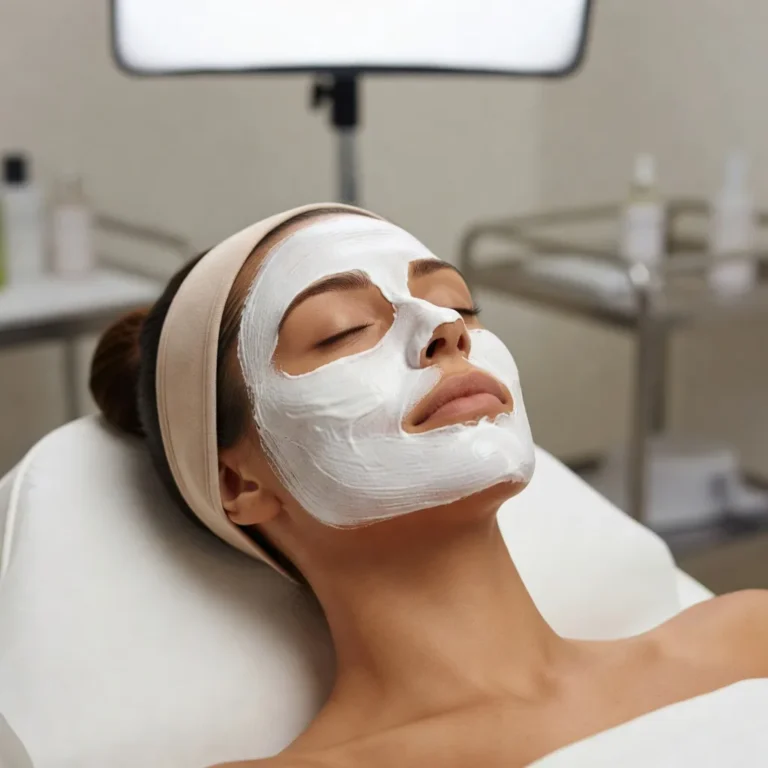
Is a Fruit Facial Good for Your Skin? Benefits, Risks and Who Should Skip It
Fruit facials are one of the most popular salon treatments, especially in South Asia, and they are often sold as a natural way to get glowing skin. But are they actually good for your skin, and are they safe if you have acne or sensitive skin?
Part of our guide to facial treatments. Start with: Fruit Facial at Home: Does It Actually Work?
Yes, a fruit facial can be good for most normal, dry and combination skin. Fruit-based products contain natural acids, such as citric and malic acid, and enzymes such as papain from papaya and bromelain from pineapple, which gently loosen dead skin cells to leave skin brighter and smoother. The massage and mask also add hydration and a short-term glow. However, results are mild and temporary, fruit acids can irritate sensitive skin, and raw fruit applied to the face can cause stinging, rashes or sun sensitivity. People with active acne, rosacea or very sensitive skin should choose gentle, non-comedogenic products or skip it.
In short: a fruit facial is a pleasant, gentle brightening treatment, not a cure for skin problems.
The US Food and Drug Administration notes that alpha hydroxy acids, including citric acid, can increase sun sensitivity, and advises sunscreen during and for a week after use. The American Academy of Dermatology also advises gentle exfoliation matched to your skin type.
This guide explains what a fruit facial can and cannot do, who it suits, how it affects acne-prone skin and how to get one safely at a salon or at home.
Shopping these picks?
Amazon Prime members get fast, free shipping on eligible items, plus Prime Video, Amazon Music and member deals. New members can start with a free trial.
Start a free Prime trialAged 18 to 24? Prime for Young Adults comes with a longer free trial and a lower price after it.
Affiliate link: we may earn a commission at no extra cost to you.
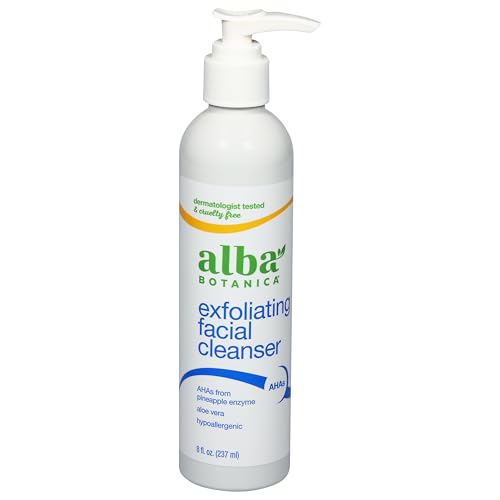
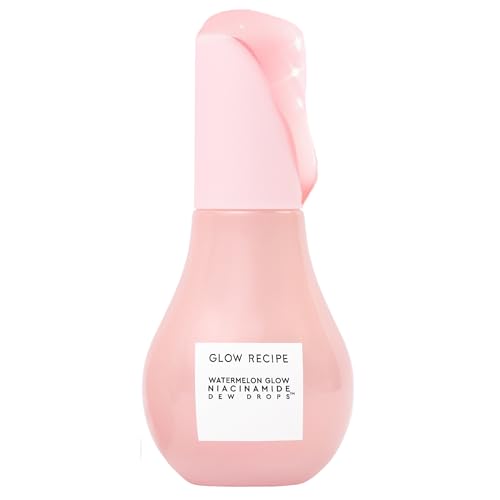
Recommended Fruit Facial and Fruit Enzyme Products
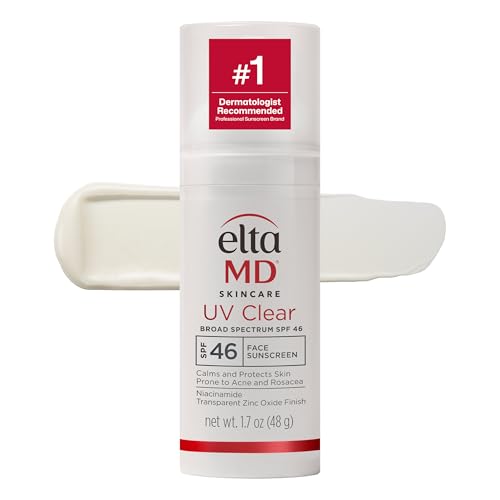
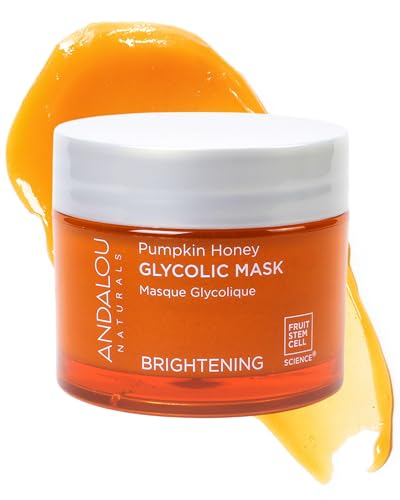
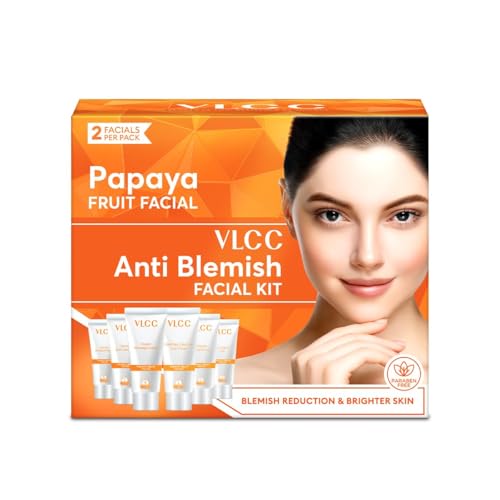


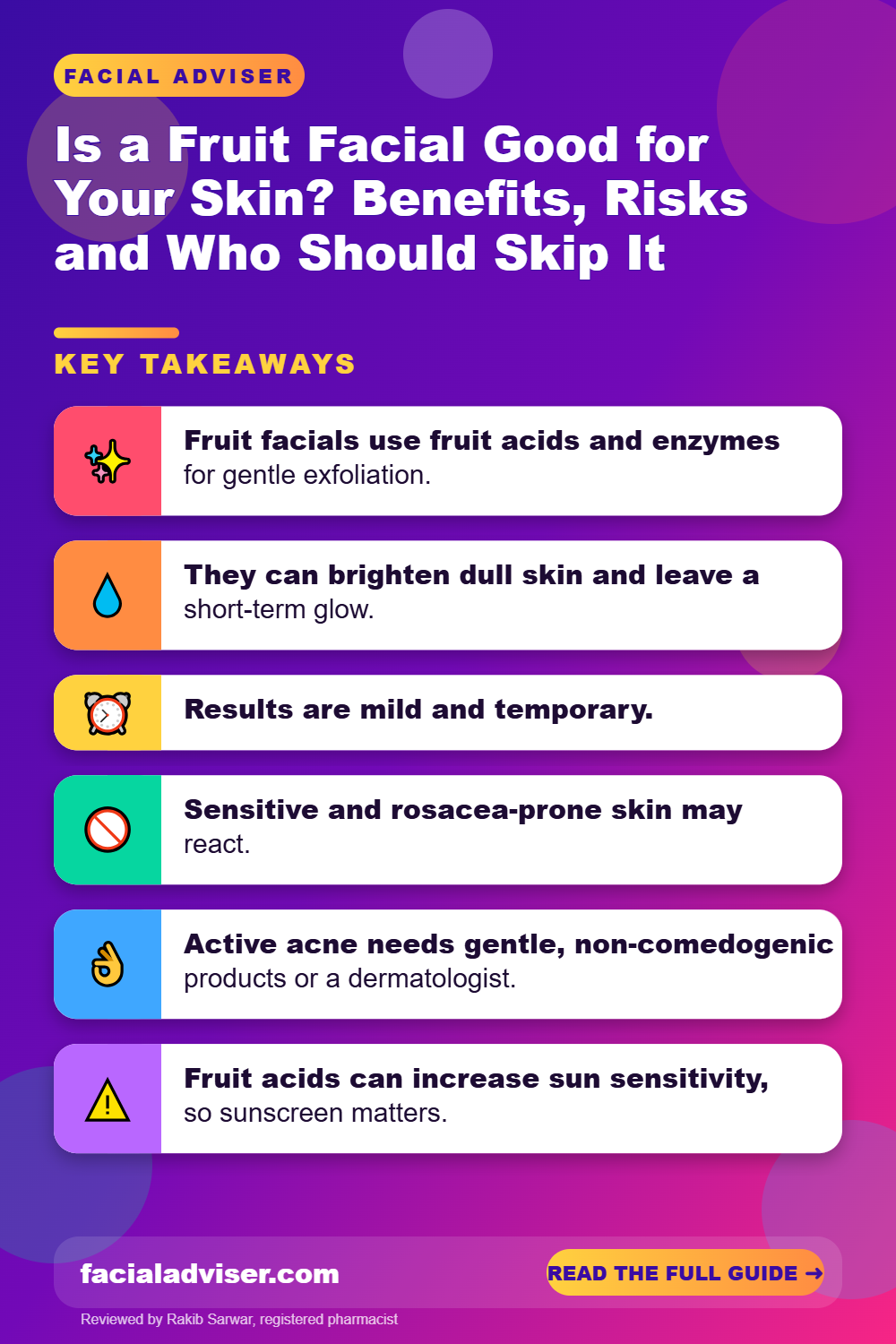
In Brief
- Fruit facials use fruit acids and enzymes for gentle exfoliation.
- They can brighten dull skin and leave a short-term glow.
- Results are mild and temporary.
- Sensitive and rosacea-prone skin may react.
- Active acne needs gentle, non-comedogenic products or a dermatologist.
- Fruit acids can increase sun sensitivity, so sunscreen matters.
- Patch test before any new fruit product.
In This Guide
- What Is a Fruit Facial?
- Benefits of a Fruit Facial
- Risks and Side Effects
- Is a Fruit Facial Good for Acne-Prone Skin?
- Who Should Get a Fruit Facial and Who Should Skip It
- How to Get a Safe, Effective Fruit Facial
- Which Fruits Suit Which Skin Types?
- Fruit Facial vs Other Facials
- Aftercare
- Dos and Don’ts
- Honest Limits
- When to See a Dermatologist
- Questions People Ask
- The Takeaway
What Is a Fruit Facial?
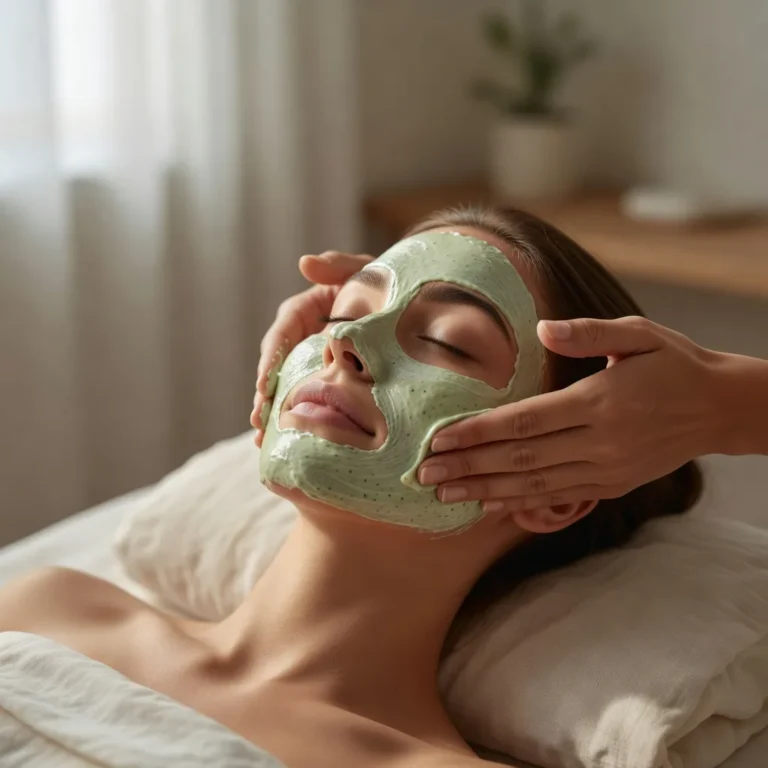
A fruit facial is a salon or home facial that uses products made with fruit extracts, pulps or enzymes. Salon kits usually follow a set sequence of five or six steps and take 45 to 60 minutes, while home versions often use fresh fruit.
- Cleansing with a fruit-based cleanser.
- Exfoliation with a fruit scrub or enzyme gel, often papaya or pineapple.
- Massage with a fruit cream to relax the skin.
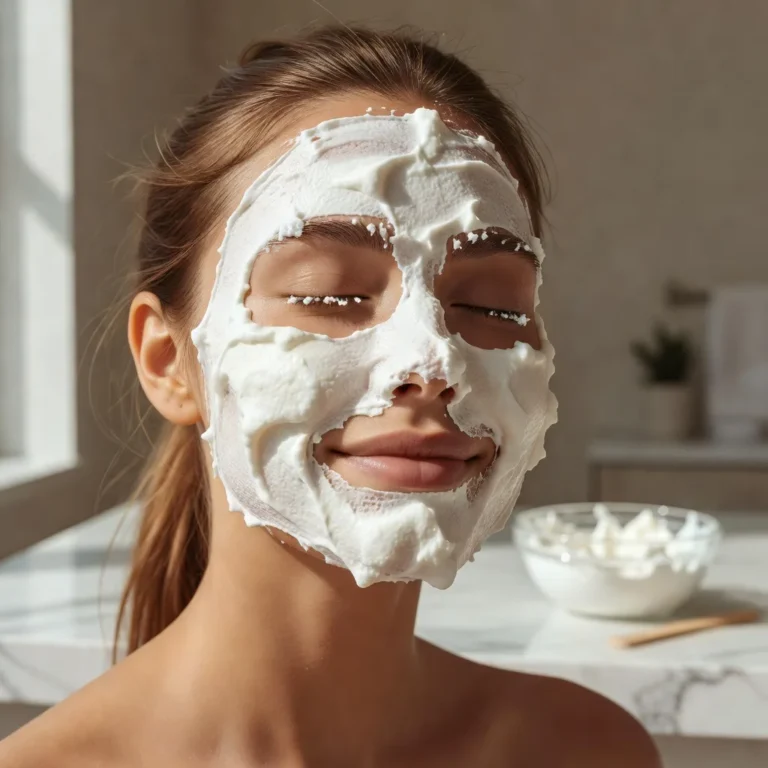
- A fruit pack or mask left on for 10 to 20 minutes.
- Toner and moisturiser to finish, plus sunscreen in the daytime.
The active parts are the fruit acids and enzymes. Papain from papaya and bromelain from pineapple break down the protein bonds that hold dead skin cells together, while citric and malic acids act as mild alpha hydroxy acids. A professional kit also controls the strength of these ingredients, which is one reason salon or formulated home products are usually gentler and more predictable than fresh fruit from the kitchen. Our guide on which facial is best for glowing skin compares fruit facials with other options.
Benefits of a Fruit Facial
When the products suit your skin, a fruit facial offers several gentle benefits.
| Benefit | How it works | How strong |
|---|---|---|
| Brighter skin | Enzymes and fruit acids remove dull surface cells | Mild to moderate |
| Smoother texture | Gentle exfoliation evens the surface | Mild |
| Hydration | Fruit creams, packs and moisturisers | Mild, short-term |
| Relaxation | Facial massage | Good |
| Even tone | Regular exfoliation over time | Mild, needs repeat sessions |
| Antioxidant support | Vitamin-rich fruit extracts | Limited evidence |
The glow is usually most noticeable straight after the facial and for a few days afterwards. Regular sessions every four to six weeks, alongside a good home routine, give more consistent results than an occasional facial. Gentle cleansing, a light moisturiser and daily sunscreen do more to keep skin bright between appointments than any single treatment.
Risks and Side Effects
Fruit facials are natural, but natural does not always mean gentle. Fruit acids and enzymes can irritate some skin types, and fresh fruit is harder to control than a formulated product, because the acid and enzyme levels vary from one piece of fruit to the next.
- Stinging, redness or burning, especially with citrus or high-acid fruits.
- Allergic reactions or rashes to specific fruits or fragrances.
- Breakouts from heavy, oily fruit creams on acne-prone skin.
- Increased sun sensitivity after acid exfoliation.
- Rarely, dark patches when citrus juice on the skin meets strong sunlight.
Never apply lemon or lime juice to your face and then go into the sun. Citrus juice on sun-exposed skin can cause a painful reaction called phytophotodermatitis, which may leave dark marks for weeks.
If your skin stings for more than a few seconds during a fruit facial, ask the therapist to remove the product straight away. Mild tingling is common with enzyme products, but burning, spreading redness or itching are signs to stop. Rinse with cool water, apply a plain moisturiser and avoid other active products until your skin settles.
Is a Fruit Facial Good for Acne-Prone Skin?
A fruit facial is not an acne treatment, but it can be done carefully if your acne is mild and not inflamed.
- Choose gel-based, non-comedogenic fruit products rather than rich creams.
- Ask the therapist to skip heavy massage over active spots.
- Avoid scrubs with rough particles on inflamed acne.
- Skip the facial entirely during a painful breakout.
- Keep using your acne treatments, but pause strong acids or retinoids a few days before.
For persistent acne, prescription or proven over-the-counter treatments work far better than any facial. The American Academy of Dermatology’s acne tips warn that scrubbing can irritate the skin and recommend products labelled non-comedogenic, which is a useful rule for choosing facial products too. A fruit facial can still be a relaxing treat once your skin is calm, as long as the products will not clog pores. Our guide on which facial is best for acne-prone skin covers safer options.
Who Should Get a Fruit Facial and Who Should Skip It
Use your skin type as a guide. If you have more than one concern, such as oily skin with sensitivity, follow the more cautious advice.
| Skin type | Is a fruit facial good? | Tip |
|---|---|---|
| Normal | Yes | Any fruit kit is usually fine |
| Dry | Yes | Choose hydrating fruits like banana or avocado |
| Oily | Usually | Choose gel products and papaya or pineapple enzymes |
| Combination | Usually | Use lighter products on the T-zone |
| Mild, non-inflamed acne | With care | Non-comedogenic gel products only |
| Sensitive or rosacea | Often not | Patch test or choose a gentler facial |
| Eczema or broken skin | No | Wait until skin heals |
If you are unsure how your skin will react, ask for a patch test on the jawline or behind the ear a day before your appointment. This is especially important if you have reacted to skincare, fragrances or specific fruits before, or if you are trying a new salon or kit for the first time.
How to Get a Safe, Effective Fruit Facial
These steps help you get the benefits without irritation, whether you book a salon facial or try a kit at home.
Patch test first
Try the products on a small area a day before.
Tell the therapist about your skin
Mention acne, sensitivity, allergies and medications.
Pause strong actives
Stop retinoids and acids two or three days before.
Choose the right kit
Hydrating fruits for dry skin, enzyme fruits for oily skin.
Keep it gentle
Ask for light pressure and no harsh scrubs.
Protect your skin afterwards
Wear sunscreen daily for at least a week.
Repeat sensibly
Book every four to six weeks rather than more often.
If you want to try a fruit facial at home, use a formulated fruit enzyme mask rather than raw fruit. The strength is controlled, the product is tested and it is far less likely to sting.
Which Fruits Suit Which Skin Types?
Different fruits bring different benefits, which is why salons often offer several fruit kits. Choosing the right one for your skin makes irritation less likely and results more noticeable.
- Papaya: contains the enzyme papain, a gentle exfoliant that suits oily, dull and combination skin.
- Pineapple: contains bromelain, another enzyme exfoliant; can tingle, so it is better for resilient skin.
- Pumpkin: often paired with mild acids in enzyme masks for brightening; suits normal and oily skin.
- Banana and avocado: soft and creamy, better suited to hydrating dry skin than exfoliating it.
- Watermelon and cucumber: mostly water, so they feel cooling and soothing rather than exfoliating.
- Citrus: high in acid and more likely to sting; best avoided on the face in raw form.
If your skin is sensitive, start with the gentlest options, such as a hydrating banana or watermelon-based product, and save enzyme or acid-rich fruits for when you know how your skin reacts. Whatever fruit you choose, a formulated product with a stable, tested strength is safer than fresh fruit pulp.
Fruit Facial vs Other Facials
A fruit facial is a gentle option, so it helps to know how it compares with stronger treatments before you book. The right choice depends on your skin concern, budget and how much downtime you can accept.
- Fruit facial: gentle exfoliation and glow, low risk for most skin.
- Gold facial: focuses on massage and radiance, similar mild results.
- Chemical peel: much stronger acid exfoliation with more visible results and more downtime.
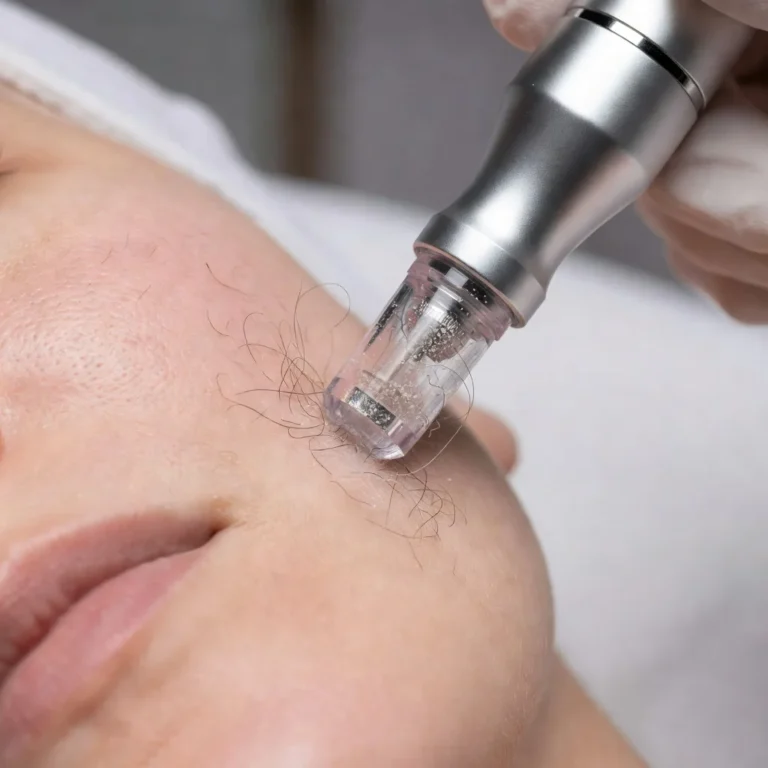
- HydraFacial: device-based exfoliation, extraction and hydration with consistent results.
Our guide comparing a facial and a chemical peel explains the difference in strength and results.
Aftercare
Freshly exfoliated skin is more sensitive, so treat it gently for a few days. Simple aftercare also helps your glow last longer and lowers the risk of irritation or breakouts.
- Use a mild cleanser and lukewarm water.
- Apply a light, non-comedogenic moisturiser.
- Wear broad-spectrum SPF 30 or higher every day.
- Skip scrubs, acids and retinoids for two or three days.
- Avoid heavy makeup for the rest of the day if you can.
The FDA advises using sunscreen during and for a week after using alpha hydroxy acid products, because they make skin more sensitive to the sun.
Dos and Don’ts
Do
- Patch test new fruit products
- Choose products for your skin type
- Wear sunscreen daily afterwards
- Tell your therapist about acne or allergies
- Book every four to six weeks
Don’t
- Put lemon juice on your face
- Have a fruit facial over inflamed acne
- Scrub hard with rough particles
- Expect it to fix acne or scars
- Mix it with other exfoliants the same week
Honest Limits
There is little direct research on salon fruit facials, and kits vary widely in what they contain. Much of what we know comes from studies on the individual ingredients, such as alpha hydroxy acids and fruit enzymes, rather than on complete fruit facials.
Fruit facials can improve how skin looks and feels for a short time, but they do not treat acne, melasma, deep pigmentation or wrinkles. For those concerns, a dermatologist can recommend treatments with stronger evidence. Think of a fruit facial as a pleasant maintenance treat for healthy-looking skin rather than a corrective treatment.
When to See a Dermatologist
- You have persistent or painful acne.
- Your skin reacts to facials with lasting redness, rashes or dark marks.
- You have rosacea, eczema or very sensitive skin.
- You want to treat pigmentation, scars or wrinkles.
This article is for general information and does not replace professional medical advice. See a board-certified dermatologist for skin conditions and before cosmetic treatments if you take medications that affect the skin.
Questions People Ask
Is a fruit facial good for all skin types?
It suits most normal, dry and combination skin; sensitive skin may react.
Is a fruit facial good for acne?
Only with gentle, non-comedogenic products and never over inflamed spots.
How often should I get a fruit facial?
Every four to six weeks is usually enough.
What are the side effects of a fruit facial?
Stinging, redness, rashes, breakouts and sun sensitivity.
Does a fruit facial whiten skin?
It can brighten dull skin but does not change your natural skin tone.
Which is better, fruit facial or herbal facial?
Both are gentle; choose based on your skin and any ingredient sensitivities.
Can I do a fruit facial at home?
Yes, with formulated fruit enzyme products rather than raw citrus.
How long do results last?
Usually a few days to a week.
Is a fruit facial good before a wedding?
Yes, if booked a week before and your skin has tolerated it before.
Can I go in the sun after a fruit facial?
Wear sunscreen and avoid strong sun for a few days.
The Takeaway
A fruit facial can be good for most normal, dry and combination skin, giving a gentle, short-term glow through fruit acids, enzymes and massage.
Patch test first, choose products for your skin type, avoid it over inflamed acne and wear sunscreen daily afterwards.

Written by
Registered pharmacist and founder of Facial Adviser. Rakib's pharmacy training covers how skincare actives work and interact; a later course in cosmetology turned that into a focus on facial treatments and skincare products. He plans, researches and edits every guide on the site and checks health claims against sources such as the American Academy of Dermatology, the FDA and the NIH. He is not a dermatologist; see the Editorial Policy and Medical Disclaimer.
About · Editorial policy · How we choose products · Medical disclaimer · Contact
Keep reading: DIY and ingredient facials
- Fruit Facial at Home: Does It Actually Work?
- Fruit Facial vs Gold Facial: Differences, Benefits and Which to Choose
- How to Do a Fruit Face Pack at Home: Recipes, Steps and Skin-Type Tips
- Can Eating Too Much Fruit Cause Skin Problems? What the Evidence Says
- White Bumps on Eyelids: Home Remedies, Causes and When to See a Doctor
- Marshmallow Facial: What the Evidence Shows
- What Is a Spa Facial?
- Facial Types: A Guide to 11 Popular Facials and How to Choose One