
HydraFacial vs Deep Cleansing Facial: Differences, Results and Which to Book
If your pores feel clogged and your skin looks dull, both a HydraFacial and a deep cleansing facial will be on your shortlist. Both aim to clear congestion and leave skin fresh, but they get there in different ways, and how your skin looks and feels afterwards can be quite different.
Part of our guide to facial treatments. Start with: Is Hydrafacial a Gimmick? What Evidence Shows
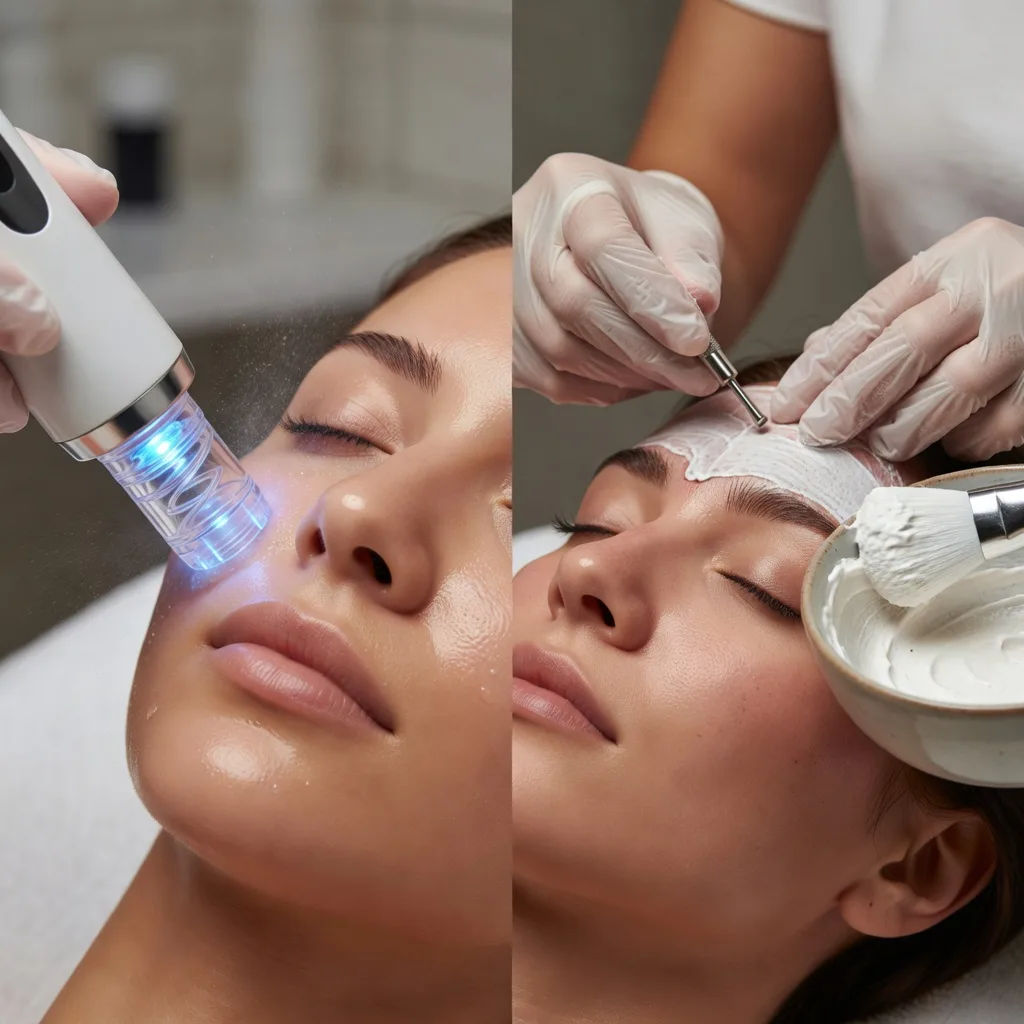
The main difference between a HydraFacial and a deep cleansing facial is how pores are cleared. A deep cleansing facial is a hands-on treatment that usually includes double cleansing, steam, exfoliation, manual extractions with fingers or tools, a clay or purifying mask and a soothing finish. A HydraFacial is a hydradermabrasion treatment that uses a wet, spiral-tipped wand to cleanse and exfoliate, applies a mild acid solution, vacuums out pore congestion and then infuses hydrating serums. A deep cleansing facial allows targeted manual extraction of stubborn blackheads, while a HydraFacial is quicker, more consistent and usually leaves less redness.
In short: a deep cleansing facial relies on hands-on extraction, while a HydraFacial uses device-led extraction with hydration.
A small study in Skin Research and Technology found hydradermabrasion left the outer skin layer smoother straight after treatment. The American Academy of Dermatology advises choosing exfoliation that suits your skin type and warns that aggressive scrubbing can irritate skin.
This guide compares the two side by side, explains what happens in each session and helps you decide which suits your skin, budget and timing.
Shopping these picks?
Amazon Prime members get fast, free shipping on eligible items, plus Prime Video, Amazon Music and member deals. New members can start with a free trial.
Start a free Prime trialAged 18 to 24? Prime for Young Adults comes with a longer free trial and a lower price after it.
Affiliate link: we may earn a commission at no extra cost to you.
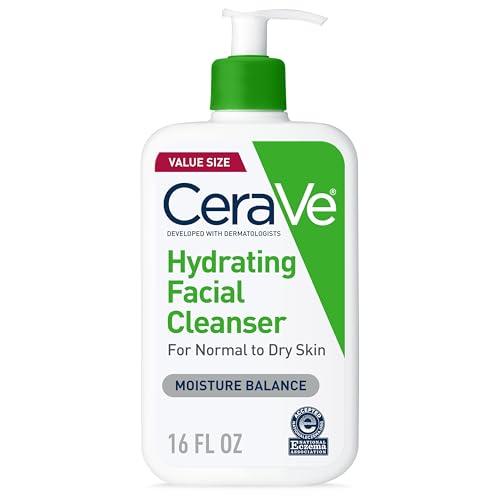
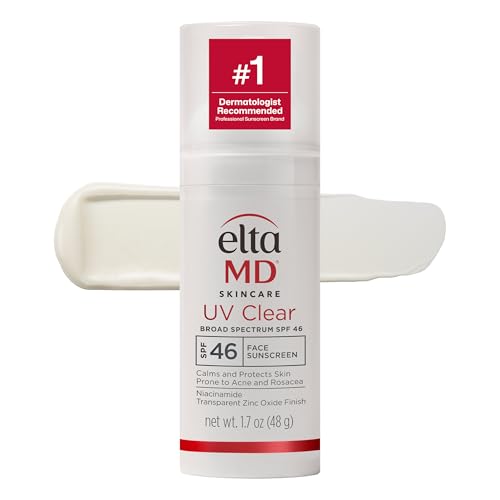
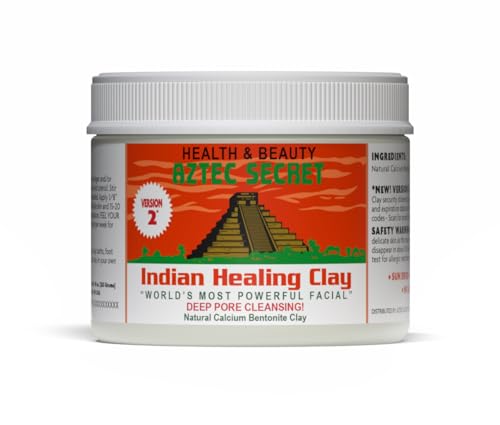
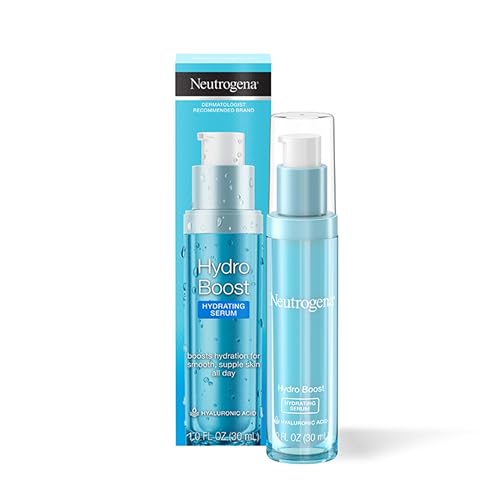
Recommended At-Home Deep Cleansing and Hydration Products



What This Covers
- HydraFacial vs Deep Cleansing Facial at a Glance
- What Happens in a Deep Cleansing Facial
- What Happens in a HydraFacial
- Results Compared
- Which Treatment Suits You?
- How to Choose Between a HydraFacial and a Deep Cleansing Facial
- Side Effects and Safety
- Keeping Pores Clear at Home
- Cost, Aftercare and How Often to Book
- Dos and Don’ts
- Honest Limits
- When to See a Dermatologist
- Frequently Asked Questions
- The Bottom Line
What to Know First
- A deep cleansing facial uses steam, manual extraction and a purifying mask.
- A HydraFacial uses a device to exfoliate, extract with suction and hydrate.
- Deep cleansing facials allow targeted removal of stubborn blackheads.
- HydraFacials usually leave less redness and are more consistent.
- Manual extractions should only be done by trained therapists.
- Both have little or no downtime.
- Daily sunscreen protects results from either treatment.
HydraFacial vs Deep Cleansing Facial at a Glance
This table compares typical versions of each treatment. Spa menus vary, and the same name can cover quite different steps, so always ask what your session includes before you book.
| Feature | HydraFacial | Deep cleansing facial |
|---|---|---|
| Method | Device-led hydradermabrasion | Hands-on, therapist-led |
| Extraction | Vortex suction | Manual, with fingers or tools |
| Exfoliation | Wet spiral tip plus a mild acid | Scrub, enzyme or mild acid |
| Mask | Not usually | Clay or purifying mask |
| Hydration | Serums infused at the end | Moisturiser and soothing products |
| Feel | Cool, wet, gentle suction | Steamy, some pressure during extractions |
| Redness afterwards | Usually little | Some, for a few hours |
| Best for | Congestion with dehydration, quick glow | Stubborn blackheads, very congested skin |
The biggest difference you will notice is the extraction step. Suction is gentle and even, while manual extraction can clear deeper, more stubborn blackheads but depends heavily on the therapist’s skill. Both can work well; the right choice depends on how congested your skin is and how it reacts to pressure. If you have never had either, asking the therapist to assess your skin first is a sensible way to decide.
What Happens in a Deep Cleansing Facial
A deep cleansing facial focuses on clearing pores rather than pampering. A typical session takes 60 to 90 minutes and looks like this:
- Double cleansing to remove makeup, sunscreen and oil.
- Steam to soften the skin and loosen congestion.
- Exfoliation with a scrub, enzyme or mild acid.
- Manual extractions of blackheads and clogged pores, with fingers wrapped in tissue or a sterile tool.
- A clay or purifying mask to absorb oil.
- A soothing toner, moisturiser and sunscreen.
Careful extractions can make pores look clearer straight away, although skin may be red for a few hours. A good therapist prepares the skin with steam and softening products first, uses gentle, even pressure and stops if a pore does not clear easily, rather than forcing it. Our guide on whether a facial gets rid of blackheads explains what extractions can and cannot do, and our comparison of a European facial and a HydraFacial covers a similar hands-on option.
What Happens in a HydraFacial
A HydraFacial is a trademarked hydradermabrasion treatment, and similar treatments are sold under other names. A typical session has three main stages and takes 30 to 60 minutes.
- Cleanse and exfoliate: a wet, spiral-tipped wand loosens dead skin while cleansing.
- Acid step and extraction: a mild acid solution softens congestion, then vortex suction draws debris from pores.
- Hydrate and protect: serums with ingredients such as hyaluronic acid and antioxidants are applied.
- Optional boosters, LED or lymphatic drainage may be added.
Most people find it cool and relaxing, with little or no redness afterwards, and can return to work or normal activities straight away. Because the acid step softens congestion before suction draws it out, it can clear many blackheads without the pressure of manual extraction. You can read the hydradermabrasion study abstract on PubMed, and our guide on hydrodermabrasion explains the technology in more detail.
Results Compared
Both treatments target congestion, but they differ in depth, redness and hydration. The table below shows where each one usually performs best for common concerns.
| Concern | HydraFacial | Deep cleansing facial |
|---|---|---|
| Surface blackheads | Good | Good |
| Stubborn, deep blackheads | Moderate | Good, with skilled extraction |
| Oily skin | Good | Very good, with clay mask |
| Dehydration | Very good | Moderate |
| Dullness | Very good, instant glow | Good, best the next day |
| Redness afterwards | Little | Some |
| Deep scars and active acne cysts | No | No |
A HydraFacial usually gives an instant, dewy glow that lasts about a week or two. A deep cleansing facial often looks best the day after, once redness from extractions settles. Blackheads return over time with both, so a steady home routine matters more than any single session. Regular gentle exfoliation with a BHA, non-stripping cleansing and daily sunscreen help keep pores clearer for longer between appointments.
Which Treatment Suits You?
Use your skin type and main concern as a guide. If you have several concerns, start with the one that bothers you most and choose the treatment that targets it.
- Very oily skin with stubborn blackheads: a deep cleansing facial with careful extractions.
- Congested but dehydrated skin: a HydraFacial.
- Before an event: a HydraFacial a few days before, for less redness.
- Sensitive or rosacea-prone skin: a gentle HydraFacial, and avoid aggressive extractions.
- Deeper skin tones prone to dark marks: a HydraFacial, or very gentle manual extraction.
- Active inflamed acne: neither; see a dermatologist.
If you are unsure, a HydraFacial is the gentler starting point. You can book a deep cleansing facial for stubborn areas if blackheads remain. Many people alternate the two, using a HydraFacial for regular maintenance and a deep cleansing facial every few months for a more thorough clear-out. Our guide explaining the difference between cleansing and a facial covers what to expect from different treatments.
How to Choose Between a HydraFacial and a Deep Cleansing Facial
These steps help you choose the right treatment and prepare for it. They take only a few minutes and can save you redness, marks and money.
Name your main concern
Stubborn blackheads point to a deep cleansing facial; dull, dehydrated congestion points to a HydraFacial.
Consider your sensitivity
Reactive skin usually suits a HydraFacial better.
Check for inflamed spots
Avoid extractions over painful or inflamed acne.
Pause strong actives
Stop retinoids and acids a few days before if advised.
Plan timing
Leave a few days before events after manual extractions.
Ask about the therapist
Choose someone trained and experienced in extractions.
Plan aftercare
Keep your routine gentle and wear sunscreen daily.
Keeping a short note of how your skin looked and felt in the week after each treatment makes it much easier to decide which is worth repeating and how often to book.
Ask the therapist to focus extractions only on areas that need it. Over-extracting healthy skin increases redness and the risk of marks.
Side Effects and Safety
Both treatments are low risk in trained hands, but they have different side effects. Most are mild and settle within a day or two.
- Deep cleansing facial: redness and small marks after extractions, and rarely broken capillaries or scarring with aggressive technique.
- HydraFacial: mild tingling or redness from the acid step and occasional small breakouts as pores clear.
- Both: irritation if combined with strong actives too soon afterwards.
Never squeeze inflamed, painful spots or cysts, and avoid both treatments over cold sores, sunburn or eczema and rosacea flares. If you use isotretinoin or prescription retinoids, check with your dermatologist before any extractions.
People with deeper skin tones should choose experienced therapists, as over-extraction can leave dark marks that take weeks to fade. If your skin stays red, swollen or painful for more than a day or two, pause all actives and contact the clinic.
Keeping Pores Clear at Home
Home care cannot replace a professional treatment, but a simple, consistent routine helps results last longer and slows the return of blackheads. The AAD guide on how to safely exfoliate at home explains how to choose exfoliation that suits your skin.
- Daily: a gentle, non-stripping cleanser.
- Two or three times a week: a leave-on BHA for clogged pores.
- Once a week: a short steam and a clay mask for oily areas.
- Every morning: broad-spectrum sunscreen.
Do not squeeze blackheads with your fingernails or use a pore vacuum on high settings. Both can cause bruising, broken capillaries and marks. Keep home steaming short and skip it if you have rosacea.
Cost, Aftercare and How Often to Book
Prices vary by location and clinic, so compare what each session includes and think about the cost over a few months rather than a single visit.
- Deep cleansing facials are often booked every four to six weeks.
- HydraFacials are often booked monthly, or a few days before events.
- Add-ons such as LED, boosters or high-frequency increase the price.
Aftercare is similar for both, and it makes a real difference to how long your skin stays clear. Use a mild cleanser, a light moisturiser and sunscreen, skip acids, retinoids and scrubs for a couple of days, and avoid touching or picking at your skin as pores settle. Avoid heavy makeup for the rest of the day after manual extractions.
Dos and Don’ts
Do
- Choose a trained therapist for extractions
- Tell your therapist about sensitive areas
- Wear sunscreen daily afterwards
- Leave a few days before events
- Use a BHA at home to keep pores clear
Don’t
- Squeeze inflamed spots
- Book extractions the day before an event
- Pick at skin afterwards
- Use strong actives straight afterwards
- Expect blackheads never to return
Honest Limits
Research on both treatments is limited. The hydradermabrasion imaging study involved only eight people, and deep cleansing facials vary too much between spas to study easily. Much of what we know comes from clinical experience rather than controlled trials, so be cautious of bold claims about permanently shrinking pores.
Both give temporary improvements. Blackheads and oiliness return over time, so regular home care matters more than any single appointment. For persistent acne, a dermatologist can recommend treatments with stronger evidence, such as prescription topicals, which do far more to prevent new breakouts than facials alone.
When to See a Dermatologist
- You have persistent or inflamed acne.
- You have painful cysts or nodules.
- You react to facials with lasting redness, bumps or dark patches.
- You use prescription skincare and want to add treatments safely.
This article is for general information and does not replace professional medical advice. See a board-certified dermatologist for acne and other skin conditions and before cosmetic treatments if you take medications that affect the skin.
Frequently Asked Questions
What is the difference between a HydraFacial and a deep cleansing facial?
A HydraFacial uses a device with suction; a deep cleansing facial uses steam and manual extraction.
Which is better for blackheads?
A deep cleansing facial for stubborn ones; a HydraFacial for general congestion.
Which causes less redness?
A HydraFacial usually does.
Which is better before an event?
A HydraFacial, booked a few days before.
Is there downtime?
Little for a HydraFacial; some redness after manual extractions.
How long do results last?
Usually a week or two, then blackheads slowly return.
Are manual extractions safe?
Yes, when done gently by a trained therapist.
Can I have either with acne?
Avoid extractions over inflamed spots; see a dermatologist.
How often should I book?
Many people book every four to six weeks.
Can I alternate the two?
Yes, many people alternate depending on their skin.
The Bottom Line
A deep cleansing facial clears pores with steam, manual extractions and a purifying mask, while a HydraFacial uses a device to exfoliate, extract with suction and hydrate, usually with less redness.
Choose by how stubborn your blackheads are and how your skin reacts, and keep pores clear between visits with gentle home care and daily sunscreen.

Written by
Registered pharmacist and founder of Facial Adviser. Rakib's pharmacy training covers how skincare actives work and interact; a later course in cosmetology turned that into a focus on facial treatments and skincare products. He plans, researches and edits every guide on the site and checks health claims against sources such as the American Academy of Dermatology, the FDA and the NIH. He is not a dermatologist; see the Editorial Policy and Medical Disclaimer.
About · Editorial policy · How we choose products · Medical disclaimer · Contact
Keep reading: HydraFacial and hydrodermabrasion
- Is Hydrafacial a Gimmick? What Evidence Shows
- Diamond Glow Facial vs Hydrafacial: Real Difference
- Microdermabrasion Facial vs HydraFacial: Differences, Results and Which to Book
- HydraFacial vs Oxygen Facial: Differences, Results and Which to Choose
- Skinwave Facial vs HydraFacial: Differences, Results and Which to Book
- Geneo Facial vs HydraFacial: Differences, Results and Which to Book
- Facial vs Chemical Peel: Differences, Results and Which to Choose
- What Is the Best Anti-Aging Facial Treatment? Options Compared by Goal


One Comment