Diamond Glow Facial vs Hydrafacial: Real Difference
Diamond Glow facial vs Hydrafacial is one of the most commonly confused comparisons in the premium-facial space, both get shopped as interchangeable options, but the two devices work through genuinely different mechanisms underneath similar marketing.
Part of our guide to facial treatments. Start with: Is Hydrafacial a Gimmick? What Evidence Shows
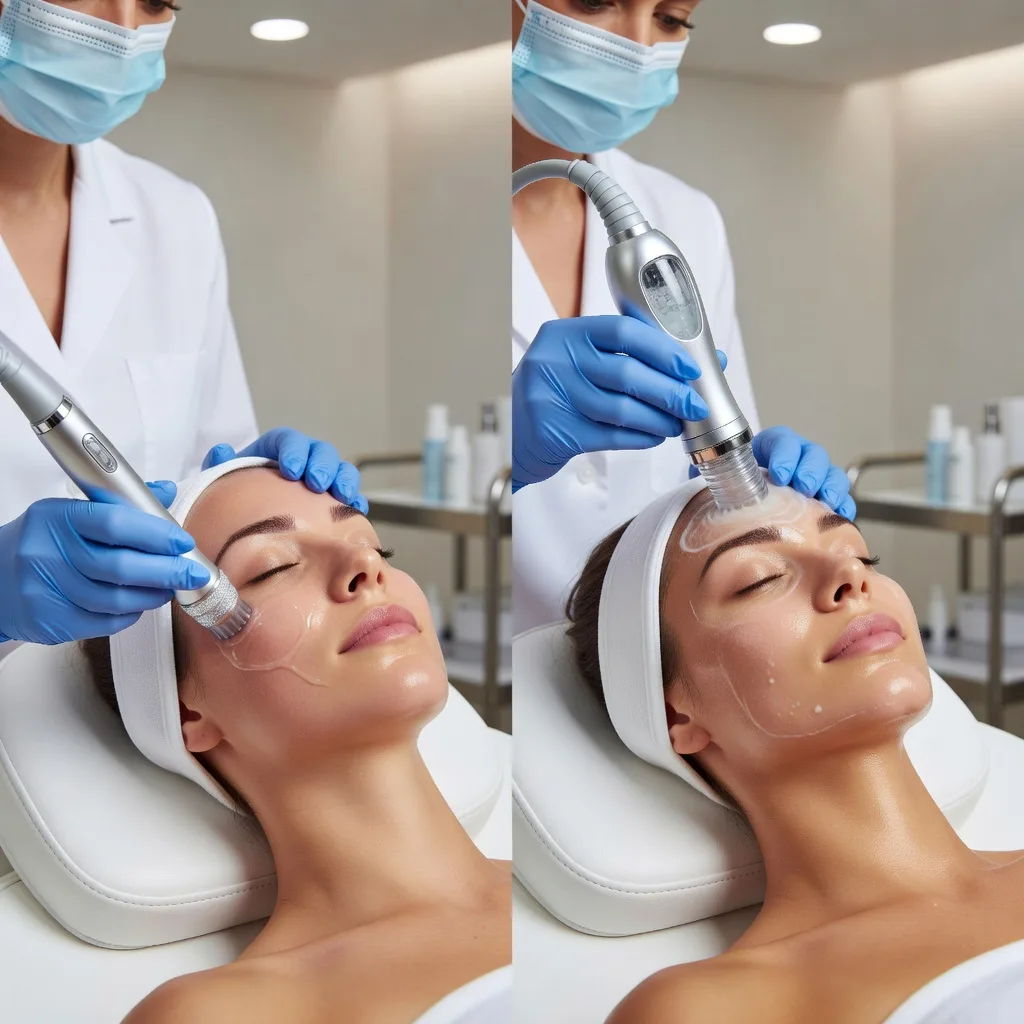
DiamondGlow uses a solid diamond-coated tip for direct mechanical abrasion, while HydraFacial uses a liquid-filled vortex tip with no abrasive material touching the skin at all. That single distinction explains most of the real differences in sensitivity, session feel, and who each option suits better.
Neither device carries the kind of independent, controlled clinical evidence you’d want for a strong efficacy claim, and knowing exactly what is and isn’t published for each one changes how much weight to put on either brand’s marketing.
This guide breaks down the real mechanism difference, what’s actually published as evidence for each, the shared FDA regulatory category both sit in, and how to choose between them based on your own skin.
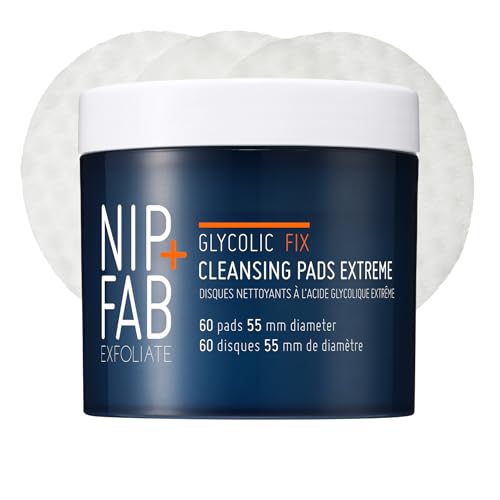
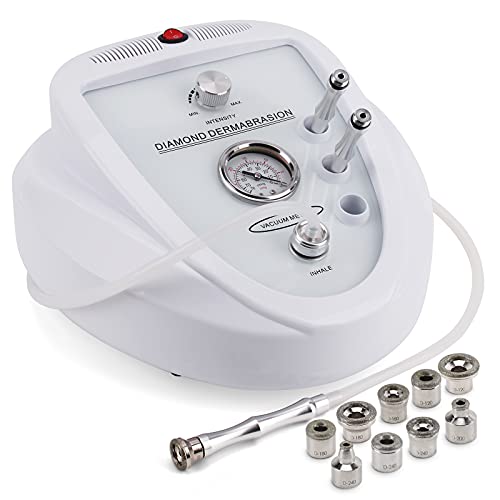
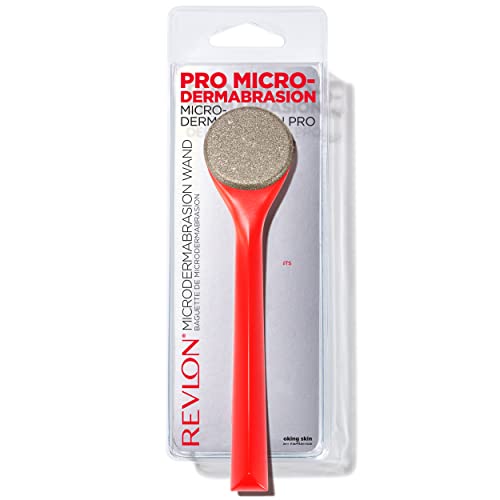
Recommended At-Home Diamond Microdermabrasion and Hydrating Tools

Key Takeaways
- DiamondGlow uses a solid diamond-coated tip for direct mechanical abrasion; HydraFacial uses a liquid-filled vortex tip with no abrasive material touching the skin at all.
- DiamondGlow performs exfoliation, extraction, and serum infusion simultaneously in one pass; HydraFacial runs a sequential cleanse-peel-extract-hydrate protocol.
- HydraFacial’s liquid-mediated mechanism is generally considered gentler for sensitive or reactive skin than DiamondGlow’s direct abrasive contact.
- Neither device is “FDA-approved” for efficacy; both sit in the same low-oversight Class I dermabrasion device category, exempt from premarket review.
- The main published clinical data for HydraFacial comes from a small, unblinded, company-linked study, useful but not independent proof.
- No comparable published trial was found for DiamondGlow specifically; its evidence base is almost entirely manufacturer data.
Table of Contents
- DiamondGlow vs. HydraFacial: the Real Difference
- The Mechanism: Solid Abrasive vs. Liquid Vortex
- How Each Session Actually Runs
- Which Is Gentler for Sensitive Skin
- What “FDA Regulated” Actually Means for Both
- Company Data vs. Independent Evidence
- Add-On Boosters and Customization
- How Often to Book Either Treatment
- Cost and Positioning
- Do This, Not That
- How to Choose Between Them
- When to See a Dermatologist
- Frequently Asked Questions
- The Bottom Line
DiamondGlow vs. HydraFacial: the Real Difference
DiamondGlow and HydraFacial solve the same basic problem, exfoliate, extract, and infuse serum, through genuinely different mechanisms: a solid diamond-coated wand versus a liquid-filled vortex tip. They’re often shopped as interchangeable “premium facial” options, but the actual devices work in meaningfully different ways, with real implications for sensitive skin and what you can expect from a session.
Shopping these picks?
Amazon Prime members get fast, free shipping on eligible items, plus Prime Video, Amazon Music and member deals. New members can start with a free trial.
Start a free Prime trialAged 18 to 24? Prime for Young Adults comes with a longer free trial and a lower price after it.
Affiliate link: we may earn a commission at no extra cost to you.
This guide separates the real mechanistic difference from the marketing positioning, covers what’s actually published as evidence for each, and explains the regulatory status both devices share.
The Mechanism: Solid Abrasive vs. Liquid Vortex
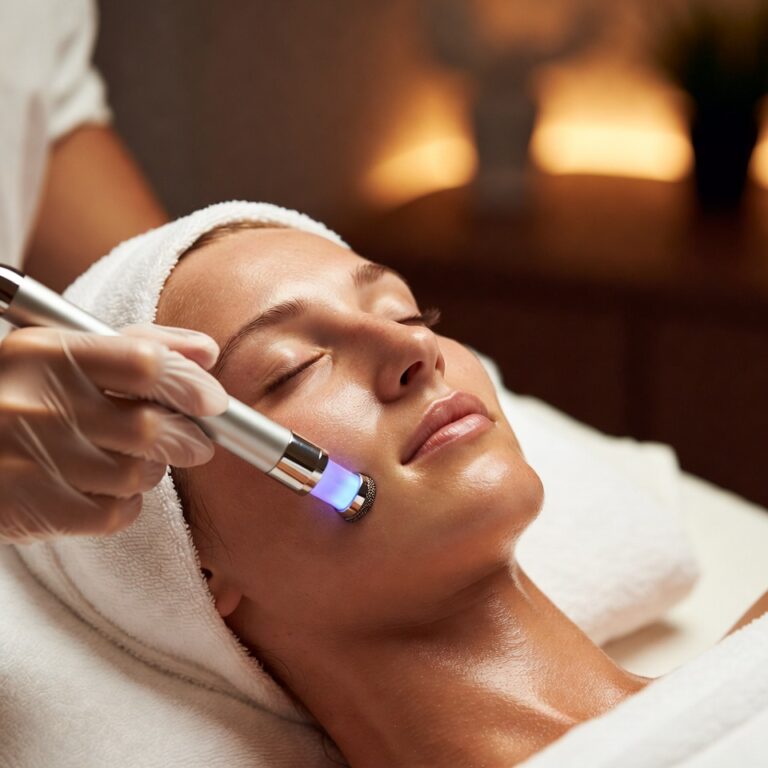
DiamondGlow, made by Allergan Aesthetics (part of AbbVie) and previously marketed as Dermalinfusion, uses a solid diamond-coated tip that performs direct mechanical abrasion against the skin, while vacuum suction simultaneously infuses serum through the same tip while pores are open. The company calls this “3-in-1” technology: exfoliation, extraction, and serum infusion happening in one simultaneous pass.
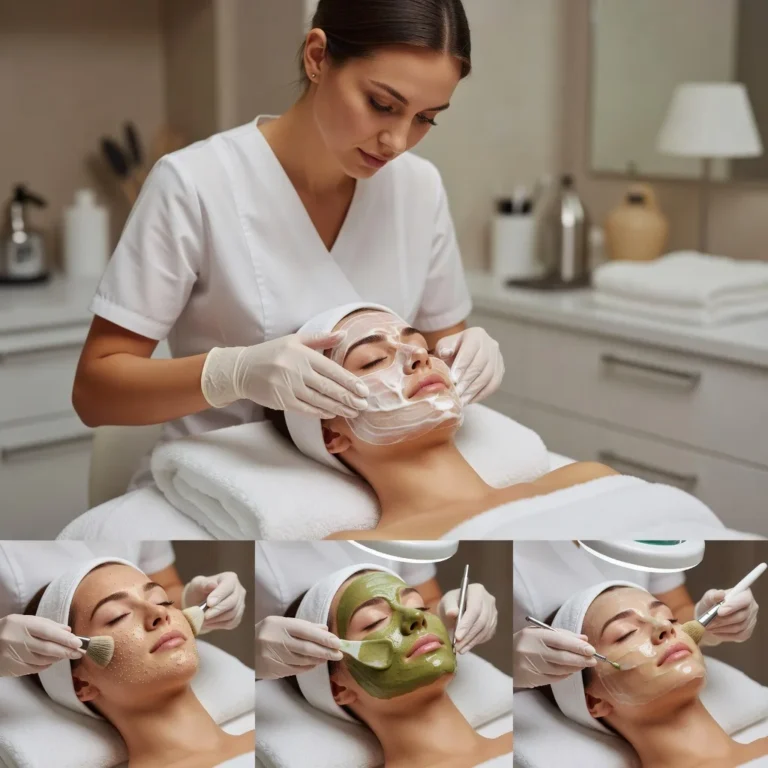
HydraFacial, made by The Beauty Health Company, uses a spiral, vortex-shaped tip with a liquid solution circulating through it rather than a solid abrasive surface. The exfoliation and extraction action comes from the fluid dynamics of that vortex plus vacuum suction lifting debris out of the pore, not from diamond-on-skin grinding. It’s structured as a sequential, staged protocol rather than one simultaneous pass.
How Each Session Actually Runs
| DiamondGlow | HydraFacial | |
|---|---|---|
| Exfoliation mechanism | Solid diamond-coated tip, direct abrasion | Liquid-filled vortex tip, no solid abrasive contact |
| Serum infusion | Simultaneous, through the same tip during exfoliation | Separate hydrate step after cleanse-peel-extract |
| Protocol structure | One combined simultaneous pass | Sequential: cleanse, peel, extract, hydrate |
| Typical serums used | SkinMedica Pro-Infusion Serums | Hyaluronic acid, antioxidants, peptides, varies by add-on |
In practice, DiamondGlow’s single combined pass tends to run slightly faster per session, while HydraFacial’s staged protocol is more often expanded with add-on boosters or LED light steps layered onto the base four-step routine.
Which Is Gentler for Sensitive Skin
Because HydraFacial’s mechanism involves no direct particulate or abrasive contact, it’s widely considered the gentler option for rosacea, reactive, or highly sensitive skin, while DiamondGlow’s direct diamond-tip contact carries a somewhat higher friction and irritation profile, particularly at higher suction or abrasion settings.
Note: This gentler-for-sensitive-skin framing is the consistent view across clinic and med-spa comparison pages, but it reflects clinical consensus and provider experience rather than a head-to-head controlled trial comparing irritation rates between the two devices directly.
What “FDA Regulated” Actually Means for Both
Neither device is “FDA-approved” in the sense that implies formal efficacy testing, the way a drug is approved. FDA guidance places manual dermabrasion devices and motorized/powered dermabrasion devices, which covers both diamond-tip and vortex-based mechanical exfoliation tools, in Class I, the lowest-risk device category, and both were exempted from premarket notification requirements decades ago for standard indications like general dermabrasion and scar revision.
That guidance doesn’t distinguish diamond-tip devices from liquid-vortex devices by mechanism type, both reasonably sit in the same low-oversight regulatory tier. DiamondGlow’s own FAQ discloses directly that the serums used in its infusion step are not approved by the FDA and aren’t intended to treat disease, a useful, direct admission from the manufacturer’s own materials about what “FDA regulated” does and doesn’t cover here.
Company Data vs. Independent Evidence
Warning: The main published data for HydraFacial’s acne-clearing effect comes from a small study, 20 patients enrolled, 18 completed, that was nonrandomized and unblinded with no placebo or control group, and one of its authors was disclosed as an employee of the HydraFacial company itself despite the paper stating no funding was provided. That’s useful, industry-adjacent information, not independent clinical proof, and press coverage repeating it as “100% efficacy” overstates what a 20-person open-label study can actually establish.
| Device | What’s actually published |
|---|---|
| HydraFacial | One small, unblinded, company-linked study on acne clearing; no independent controlled trial found |
| DiamondGlow | No comparable published trial found; evidence base is almost entirely manufacturer FAQ and satisfaction marketing |
Neither device has the kind of independent, peer-reviewed, controlled evidence base you’d want for a strong efficacy claim. That absence is worth stating plainly for both, rather than treating one as scientifically validated over the other based on which company happens to publish more marketing material.
Add-On Boosters and Customization
HydraFacial’s sequential four-step protocol is the one more commonly extended with add-on boosters, since each step is a distinct stage a provider can swap or supplement, brightening-focused solutions, growth-factor or peptide serums, and LED light therapy layered on after the base cleanse-peel-extract-hydrate sequence are all routinely offered as upgrades. DiamondGlow’s single simultaneous pass has comparatively fewer standardized add-on slots, since exfoliation, extraction, and infusion are already happening together through one tip, customization there tends to come down to which specific Pro-Infusion Serum is selected rather than an extra staged step.
Neither the base treatment nor any add-on booster changes the underlying regulatory picture, an add-on serum or LED step is still a cosmetic product or a separate low-risk device, not something that pushes either treatment into a higher-oversight category. Ask specifically what a proposed add-on is meant to do and what it costs before agreeing to it, since upsells at this price tier can add up quickly across a single visit.
How Often to Book Either Treatment
Skin’s natural surface-cell turnover cycle runs roughly 28 to 40 days, and that physiological pace is the real reason both treatments are typically spaced every four to six weeks for general maintenance rather than weekly or biweekly once any initial course is finished. Booking either treatment much more often than that cycle allows doesn’t meaningfully accelerate results and mostly adds unnecessary friction and irritation risk on top of whatever serum or booster is being used.
A provider recommending a tighter initial course, sessions every two weeks for several visits, to address a specific concern like dullness or mild congestion is a reasonable, commonly used pattern for either device. Once that course ends, dropping to a monthly-to-six-week maintenance cadence matches the timeline over which either treatment’s exfoliation and hydration effects naturally fade.
Cost and Positioning
Both devices are generally positioned as comparable, premium-tier facials, priced above basic diamond-peel microdermabrasion or a standard European facial. That premium pricing reflects the licensing and franchise costs a spa pays to offer either proprietary system, not a documented difference in outcome quality between the two brands.
Do This, Not That
Do
- Choose HydraFacial if you have reactive, rosacea-prone, or highly sensitive skin
- Ask your provider which specific serum or booster will be used, for either device
- Read manufacturer-reported results as company data, not independent clinical proof
- Treat “FDA regulated” language as a safety-category fact, not an efficacy claim
- Compare pricing at your specific providers rather than assuming one brand is cheaper
Don’t
- Assume either device has strong independent clinical trial backing
- Choose DiamondGlow for very reactive or rosacea-prone skin without discussing settings first
- Treat a single HydraFacial study (unblinded, company-linked) as proven efficacy
- Assume one brand is medically superior based on marketing alone
- Skip disclosing known serum or ingredient sensitivities before either treatment
How to Choose Between Them
Assess your skin’s reactivity
Rosacea-prone or highly sensitive skin generally tolerates HydraFacial’s liquid mechanism better than direct diamond-tip contact.
Decide if you want a combined or staged session
DiamondGlow’s single pass is faster; HydraFacial’s staged protocol allows more customization with add-on steps.
Tip: Ask specifically which serum or booster will be used in either treatment, and check it against any known ingredient sensitivities before booking.
Weigh the evidence honestly
Neither device has strong independent clinical backing; treat manufacturer figures as company data.
Compare real pricing at your providers
Cost differences reflect licensing and positioning more than any documented outcome difference.
Disclose your full skin history
Recent retinoid use, active breakouts, or known sensitivities matter regardless of which device you choose.
When to See a Dermatologist
See a dermatologist or skin specialist if you have rosacea, very reactive skin, or a history of irritation from professional facials, before choosing between these two devices. If you want to understand the plain diamond-tip mechanism either device builds on, our diamond microdermabrasion guide and DiamondGlow guide cover that in more depth.
Frequently Asked Questions
What’s the main difference between DiamondGlow and HydraFacial?
DiamondGlow uses a solid diamond-coated tip for direct abrasion; HydraFacial uses a liquid-filled vortex tip with no abrasive material touching the skin.
Which is gentler for sensitive skin?
HydraFacial is generally considered gentler since its mechanism involves no direct particulate contact.
Are both devices FDA-approved?
Neither is efficacy-approved; both fall under the same low-oversight Class I dermabrasion device category.
Is there strong clinical evidence for HydraFacial?
The main published study is small, unblinded, and company-linked, useful but not independent proof.
Is there strong clinical evidence for DiamondGlow?
No comparable published trial was found; its evidence is mostly manufacturer data.
Which is faster per session?
DiamondGlow’s single combined pass tends to be faster than HydraFacial’s sequential protocol.
Do both use serum infusion?
Yes, DiamondGlow infuses serum simultaneously with exfoliation; HydraFacial infuses it as a separate hydrate step.
Is one significantly cheaper than the other?
Both are generally comparable premium-tier facials; cost differences reflect provider positioning more than proven outcome differences.
Should I ask what serum is used before booking either?
Yes, checking the specific serum or booster against known sensitivities applies to both treatments.
Can either device treat rosacea-prone skin safely?
HydraFacial’s liquid mechanism is generally the safer starting point; discuss settings with your provider either way.
The Bottom Line
DiamondGlow and HydraFacial are genuinely different mechanisms wearing similar “premium facial” marketing: one is a solid abrasive tip with simultaneous infusion, the other a liquid vortex with a staged protocol. The gentler-for-sensitive-skin edge reasonably goes to HydraFacial, while neither device has the kind of independent clinical trial backing that would let you call one objectively superior.
Choose based on your skin’s actual reactivity and what specific serum or booster is being used, not on which brand’s marketing sounds more advanced, and treat both companies’ published results as company data rather than independent proof.

Written by
Registered pharmacist and founder of Facial Adviser. Rakib's pharmacy training covers how skincare actives work and interact; a later course in cosmetology turned that into a focus on facial treatments and skincare products. He plans, researches and edits every guide on the site and checks health claims against sources such as the American Academy of Dermatology, the FDA and the NIH. He is not a dermatologist; see the Editorial Policy and Medical Disclaimer.
About · Editorial policy · How we choose products · Medical disclaimer · Contact
Keep reading: HydraFacial and hydrodermabrasion
- Is Hydrafacial a Gimmick? What Evidence Shows
- Microdermabrasion Facial vs HydraFacial: Differences, Results and Which to Book
- HydraFacial vs Oxygen Facial: Differences, Results and Which to Choose
- Skinwave Facial vs HydraFacial: Differences, Results and Which to Book
- Geneo Facial vs HydraFacial: Differences, Results and Which to Book
- European Facial vs HydraFacial: Differences, Results and Which to Book
- Facial vs Chemical Peel: Differences, Results and Which to Choose
- What Is the Best Anti-Aging Facial Treatment? Options Compared by Goal