Pearl Facial: What the Evidence Actually Shows
A pearl facial, built around finely ground pearl powder, carries centuries of traditional use and a modern marketing story about collagen and brightening. The actual research tells a more careful, still-promising story.
Part of our guide to facial treatments. Start with: Fruit Facial at Home: Does It Actually Work?
Pearl powder’s evidence trail runs from cell studies to animal models to just one small human trial of 20 subjects, genuinely preliminary rather than proven. Its brightening effect is partly explainable as simple light reflection from a fine mineral powder, distinct from a genuine biological pigment-modulating effect.
The contamination question that comes up around pearl powder deserves careful, honest framing: the documented heavy-metal risk applies to the broader category of unregulated imported traditional powders, not to pearl powder’s own chemistry specifically.
This guide walks through what the evidence actually supports, and the sourcing habit that matters more than avoiding the ingredient outright.
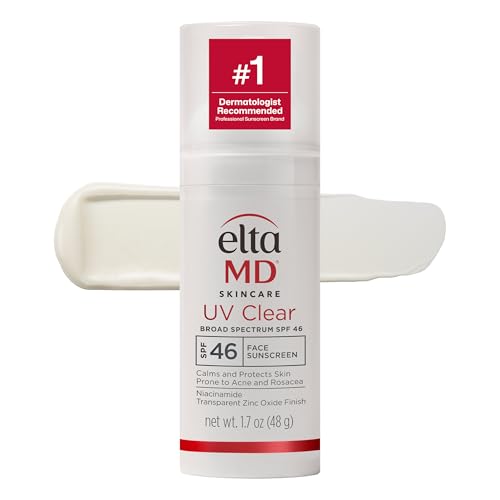
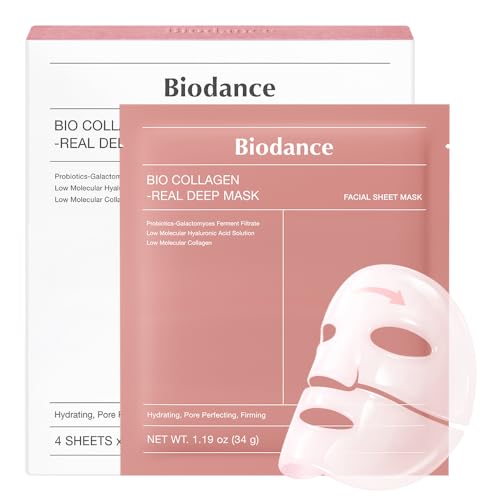
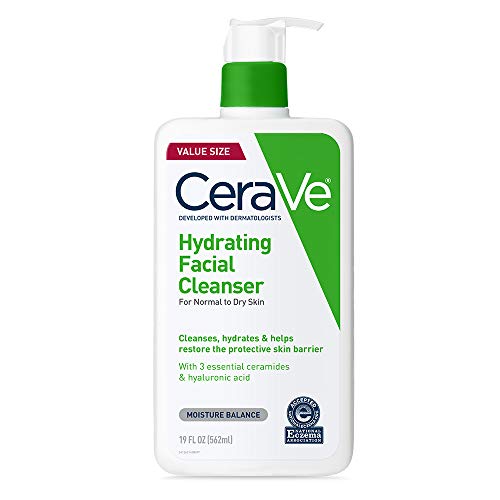
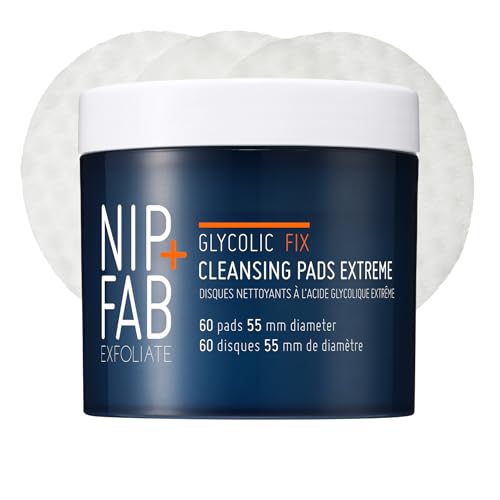
Recommended Pearl Facial Kits and Brightening Products
Key Takeaways
- Pearl powder is roughly 95 percent calcium carbonate, with a small organic matrix of proteins and polysaccharides making up the rest.
- The evidence trail runs from cell studies to animal models to just one small human trial of 20 subjects over 8 weeks, promising but genuinely preliminary.
- Calcium carbonate’s brightening effect is largely an optical, light-reflecting one, similar to any fine mineral powder, not necessarily a biologically active pigment-modulating effect.
- “Boosts collagen production” outruns the current evidence, which doesn’t include a reproducible, dose-responsive clinical trial establishing that effect.
- There’s no direct, peer-reviewed study testing commercial pearl powder cosmetics for heavy metal contamination specifically.
- The real, documented contamination risk applies to the broader category of unregulated imported traditional powders, like kohl and kajal, which the FDA has explicitly warned about.
- Sourcing from cosmetic-GMP-certified brands with third-party testing is the genuinely useful precaution, not avoiding pearl powder as inherently toxic.
Table of Contents
- What Pearl Powder Actually Is
- The Real Evidence Trail, Cell to Animal to One Human Trial
- Optical Brightening vs. Biological Brightening
- Claims That Outrun the Evidence
- The Heavy Metal Question: What’s Actually Documented
- Comparing Claims to Evidence Quality
- Do This, Not That
- How to Choose and Use Pearl Powder Safely
- Why Sourcing Matters More Than the Ingredient Itself
- When to See a Doctor
- Frequently Asked Questions
- The Bottom Line
What Pearl Powder Actually Is
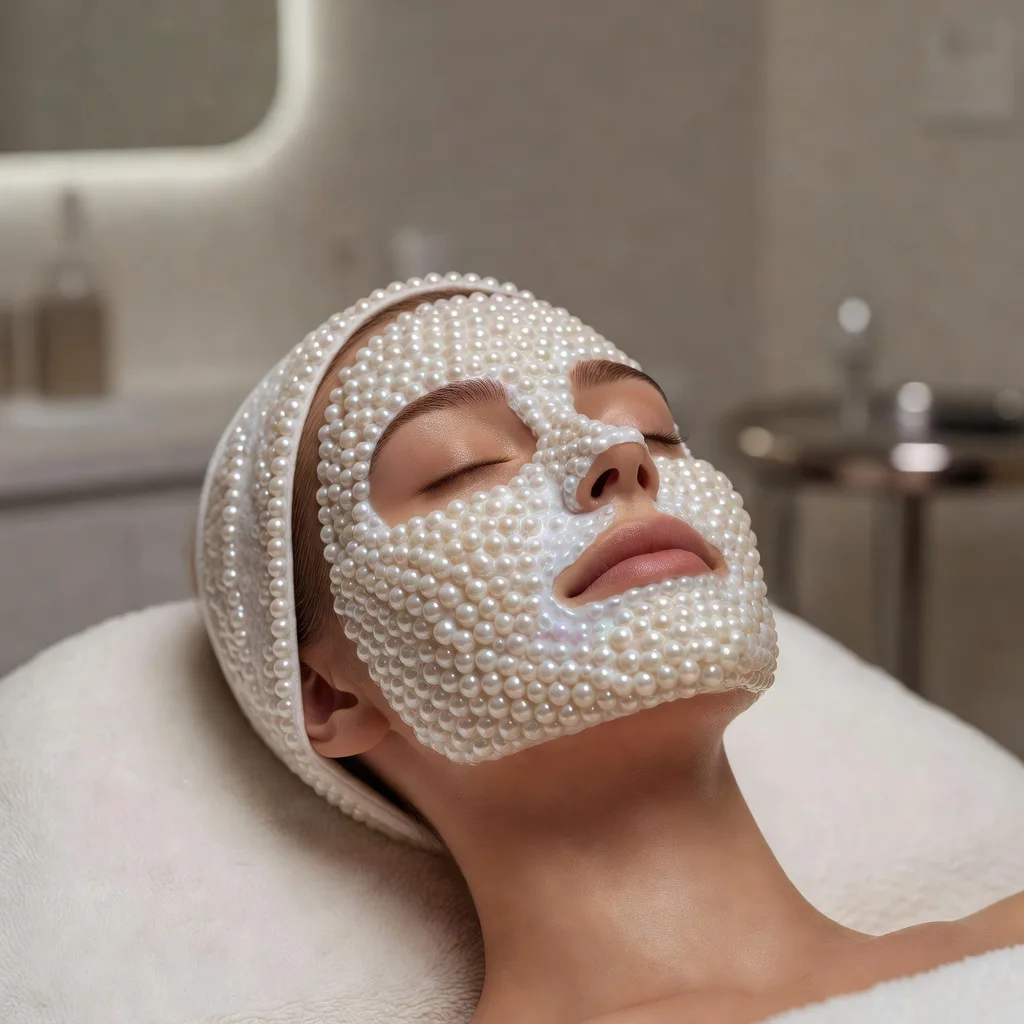
Pearl powder is finely ground freshwater or seawater pearls, with centuries of documented use in Traditional Chinese Medicine. Modern skincare use mixes it with water, aloe, or serum into a paste mask, or includes it as an ingredient in commercial creams and masks marketed for brightening and collagen support. Its composition, per a dermatology-focused ingredient review, is roughly 95 percent calcium carbonate in the aragonite crystal form, with the remaining fraction an organic matrix of proteins, glycoproteins, and polysaccharides.
Shopping these picks?
Amazon Prime members get fast, free shipping on eligible items, plus Prime Video, Amazon Music and member deals. New members can start with a free trial.
Start a free Prime trialAged 18 to 24? Prime for Young Adults comes with a longer free trial and a lower price after it.
Affiliate link: we may earn a commission at no extra cost to you.
The Real Evidence Trail, Cell to Animal to One Human Trial
Claimed benefits studied for pearl powder include wound healing, antioxidant and antiaging effects, and reduction of UV-induced inflammation. But the evidence progression here is telling and worth being honest about: research moves from in vitro cell studies, to animal models in mice, pigs, and rats, to a single human trial of just 20 subjects over 8 weeks, which did show increased antioxidant markers. The review’s own author concludes that much more research is necessary to delineate pearl powder’s potential role in skincare, an honest acknowledgment that this is promising-but-preliminary science, not a proven, established effect.
Optical Brightening vs. Biological Brightening
This distinction matters and rarely gets made in pearl-powder marketing. Calcium carbonate itself functions largely as a light-reflecting cosmetic pigment, the same optical brightening effect you’d get from any sufficiently fine mineral powder catching and scattering light on the skin’s surface. That’s genuinely real, but it’s a cosmetic, immediate, temporary effect, not the same thing as a biologically active ingredient that modulates melanin production or genuinely brightens skin tone over time through a physiological mechanism. Claims implying the latter rest on much thinner evidence than claims about the former.
Claims That Outrun the Evidence
Note: “Boosts collagen production” and dramatic anti-aging claims are the biggest overreach here. The actual evidence base is one small human trial plus preclinical animal and cell models, not a demonstrated, reproducible, dose-responsive clinical effect on collagen synthesis specifically.
Marketing that implies pearl powder is pharmacologically superior to plain exfoliation and moisturizing isn’t substantiated by independent, large-scale human trials. That doesn’t mean the ingredient does nothing, the preliminary antioxidant-marker findings in that one human trial are a real, if small, data point, it means the confident anti-aging language often attached to pearl powder products is ahead of what’s actually been shown.
The Heavy Metal Question: What’s Actually Documented
This deserves careful, honest framing rather than a blanket scare claim, because the actual documentation is more specific than most consumer content suggests. There isn’t a peer-reviewed study I could point to that specifically tested commercial pearl-powder cosmetic products for lead, mercury, arsenic, or cadmium. A 2024 survey of 23 online cosmetic samples, foundations, blushes, masks, and eyeshadows, tested for chromium, iron, nickel, manganese, and zinc, not pearl products specifically and not the heavy metals of greatest public-health concern, and concluded overall low risk by WHO margin-of-safety standards.
What is well documented is a broader pattern: unregulated, imported traditional powder cosmetics as a category have repeatedly tested positive for dangerous heavy metals, most notably kohl and kajal eyeliners, which the FDA explicitly calls a serious health concern because they commonly contain large amounts of lead, and which the agency actively intercepts through import alerts since they aren’t legally sold in the US. Similar concerns have surfaced in some unregulated imported herbal and Ayurvedic remedies. The honest takeaway: the contamination risk is real for the category of cheap, unregulated, imported traditional powders generally, not specifically proven for pearl powder’s own chemistry.
Comparing Claims to Evidence Quality
| Claim | Evidence quality |
|---|---|
| Antioxidant activity | One small human trial (20 subjects, 8 weeks) plus preclinical models |
| Collagen production boost | Not established, no dose-responsive human trial |
| Optical brightening | Real, expected from any fine light-reflecting mineral powder |
| Biological/pigment-modulating brightening | Not well established |
| Product source | Contamination risk consideration |
|---|---|
| Cosmetic-GMP-certified brand with third-party testing | Documented low risk pattern for tested cosmetics generally |
| Unregulated imported “medicinal” powder | Same category as kohl/kajal, documented heavy-metal concern |
Do This, Not That
Do
- Buy from cosmetic-GMP-certified brands that offer third-party testing or certificates of analysis
- Treat the antioxidant-marker finding as a real but small, preliminary data point
- Understand calcium carbonate’s brightening as primarily an optical, light-reflecting effect
- Patch test before full-face use
- Ask sellers directly about heavy-metal testing if buying loose powder from an import or herbal source
Don’t
- Expect a demonstrated collagen-boosting effect from current evidence
- Assume “natural” or “traditional” automatically means contaminant-free
- Buy loose “medicinal” pearl powder from unregulated import sources without checking sourcing
- Confuse a fine powder’s light-reflecting brightening with true pigment modulation
- Treat the heavy-metal concern as proven specifically for pearl powder’s own chemistry
How to Choose and Use Pearl Powder Safely
Choose a cosmetic-GMP-certified brand
Look for manufacturers who publish third-party testing results or certificates of analysis.
Patch test 24 to 48 hours ahead
Apply diluted paste to your inner forearm before trying it on your face.
Mix into a gentle carrier
Water, aloe vera, or a serum you already tolerate works well as a base.
Tip: A thinner paste is easier to apply evenly and rinse off completely than a very thick one.
Apply for 10 to 15 minutes
Avoid the eye area and any broken skin.
Rinse thoroughly and moisturize
Make sure no residue remains, then follow with your normal moisturizer.
Why Sourcing Matters More Than the Ingredient Itself
The genuinely useful precaution here isn’t avoiding pearl powder outright, it’s paying attention to where it comes from. A cosmetic-GMP-certified skincare brand operates under quality and safety testing standards that unregulated imported “medicinal” powders generally don’t. If you’re buying loose pearl powder marketed as a traditional remedy rather than a cosmetic product, that’s the specific situation where the documented heavy-metal concerns for the broader unregulated-powder category become most relevant to you.
Warning: Loose powders sold as “traditional medicine” through informal import channels, rather than as regulated cosmetics, fall into the same general risk category the FDA has already flagged for kohl and kajal eyeliners. That warning is about the distribution channel and lack of testing, not about pearl powder’s chemistry specifically, but the practical advice is the same either way: know your source.
A simple, practical filter is to ask whether a product discloses a manufacturing facility, batch testing, or a certificate of analysis on request. A brand that can answer those questions is operating in the same regulatory environment as any mainstream cosmetic ingredient; a seller who can’t, or who markets the product primarily through unverifiable health claims, is the situation where added caution is warranted. This same filter applies equally well to any traditional powder ingredient, not just pearl, so it’s a habit worth carrying into other purchase decisions too.
When to See a Doctor
See a dermatologist if you develop a rash, irritation, or unexplained skin reaction after using a pearl powder product, or a physician if you have reason to suspect heavy metal exposure from an unregulated source, such as unusual fatigue, abdominal pain, or other systemic symptoms after regular use of an unverified imported powder. If brightening is your actual goal rather than a byproduct of an unproven ingredient, a provider can also point you toward a professionally supervised option like a Vitalize Peel treatment, which has a clearer, more established evidence base behind its results.
It’s also worth mentioning any new skincare product to your doctor if you’re pregnant or immunocompromised, simply as a general precaution, since neither group is well represented in the small existing human trial on pearl powder specifically.
Frequently Asked Questions
What is pearl powder actually made of?
Roughly 95 percent calcium carbonate, with a small organic matrix of proteins, glycoproteins, and polysaccharides making up the rest.
Does pearl powder really boost collagen?
This claim outruns current evidence, which includes only preclinical models and one small human trial, not a demonstrated dose-responsive effect on collagen synthesis.
Is pearl powder’s brightening effect real?
Its optical brightening from light-reflecting calcium carbonate is real; a genuine biological, pigment-modulating brightening effect is less well established.
Is pearl powder contaminated with heavy metals?
No specific peer-reviewed study has tested commercial pearl powder cosmetics for heavy metals; the documented contamination risk applies to the broader category of unregulated imported traditional powders.
Is pearl powder safe to use?
Generally yes when sourced from a cosmetic-GMP-certified brand and patch tested first; caution applies mainly to unregulated imported “medicinal” sources.
How much human research exists on pearl powder?
Just one small trial of 20 subjects over 8 weeks showing increased antioxidant markers, alongside broader preclinical cell and animal studies.
How long should a pearl powder mask stay on?
Typically 10 to 15 minutes before rinsing thoroughly.
Is pearl powder FDA-regulated?
It’s a cosmetic ingredient, not FDA-approved or regulated as a drug, and FDA has issued no specific warning against pearl powder itself.
What’s the real precaution with pearl powder?
Sourcing from cosmetic-GMP-certified brands with third-party testing, rather than avoiding the ingredient as inherently toxic.
What products carry the documented heavy-metal risk instead?
Unregulated imported traditional powders like kohl and kajal eyeliners, which the FDA explicitly warns commonly contain large amounts of lead.
The Bottom Line
Pearl powder has a real, if preliminary, evidence trail behind its antioxidant claims, one small human trial plus preclinical models, and its brightening effect is genuinely explainable as an optical, light-reflecting one from fine calcium carbonate particles. The collagen-boosting and dramatic anti-aging claims attached to it, though, outrun what’s actually been demonstrated.
The contamination concern you’ll see raised about pearl powder is real for the broader category of unregulated imported traditional powders, but it hasn’t been specifically documented for pearl powder’s own chemistry. Buy from a cosmetic-GMP-certified source, patch test, and keep your expectations calibrated to what a small, honest evidence base actually supports.

Written by
Registered pharmacist and founder of Facial Adviser. Rakib's pharmacy training covers how skincare actives work and interact; a later course in cosmetology turned that into a focus on facial treatments and skincare products. He plans, researches and edits every guide on the site and checks health claims against sources such as the American Academy of Dermatology, the FDA and the NIH. He is not a dermatologist; see the Editorial Policy and Medical Disclaimer.
About · Editorial policy · How we choose products · Medical disclaimer · Contact
Keep reading: DIY and ingredient facials
- Fruit Facial at Home: Does It Actually Work?
- Lemon Facial: The Safety Issue Nobody Mentions
- Milk Facial: The Best-Evidenced Natural Facial
- Wine Facial: Does It Actually Work?
- Paraffin Facial: What It Really Does for Skin
- De-Tan Facial: The Two Mechanisms Marketing Blurs
- Facial vs Chemical Peel: Differences, Results and Which to Choose
- What Is the Best Anti-Aging Facial Treatment? Options Compared by Goal