Facial vs Chemical Peel: Differences, Results and Which to Choose
Facials and chemical peels are two of the most requested skin treatments, and they are sometimes offered on the same menu at spas and clinics. That makes it easy to think of a peel as simply a stronger facial. In reality they have different goals, different levels of intensity and very different recovery times.
A facial is a multi-step treatment that usually involves cleansing, gentle exfoliation, extractions, massage, a mask and moisturiser, aimed at refreshing and hydrating the skin with little or no downtime. A chemical peel applies an acid solution that removes damaged outer layers of skin in a controlled way, so newer skin can grow back. Light peels have minimal downtime, while medium and deep peels can take one to three weeks to heal. Peels are better for sun damage, uneven tone, acne scarring and fine lines; facials are better for relaxation, hydration and maintenance.
In short, a facial maintains and refreshes your skin, while a chemical peel is a corrective treatment that aims to change it.
According to the American Academy of Dermatology, light peels may need three to five treatments with up to a week of redness and scaling, while deep peels need two to three weeks of recovery. A 2026 scoping review in Cureus found that superficial peels such as glycolic and salicylic acid show promise for acne and pigment problems in darker skin, but warned of pigment risks with improper use.
This guide explains how each works, results, risks, cost of time and how to decide which one is right for your skin.
Shopping these picks?
Amazon Prime members get fast, free shipping on eligible items, plus Prime Video, Amazon Music and member deals. New members can start with a free trial.
Start a free Prime trialAged 18 to 24? Prime for Young Adults comes with a longer free trial and a lower price after it.
Affiliate link: we may earn a commission at no extra cost to you.
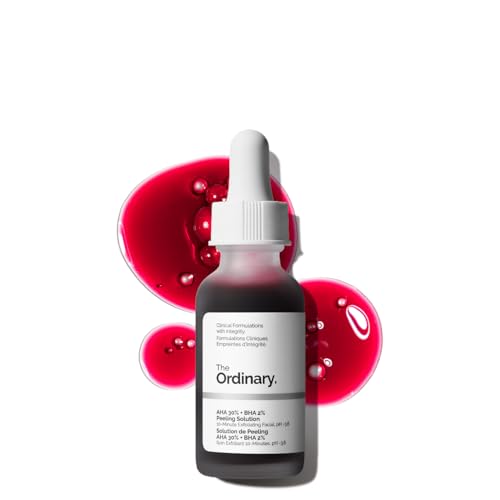
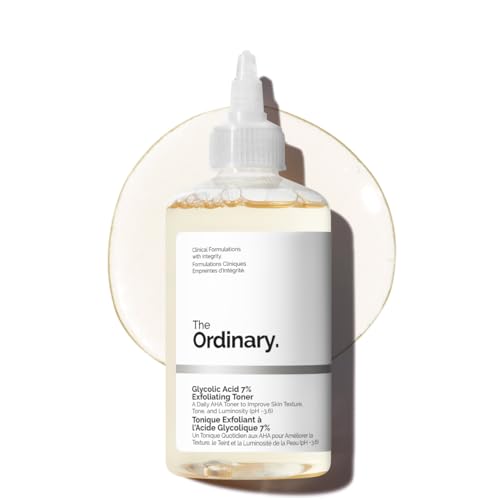
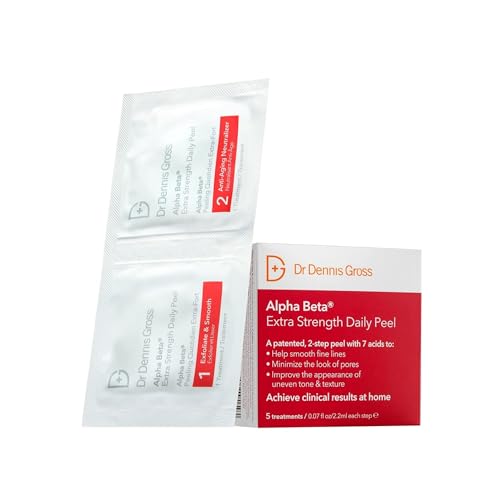
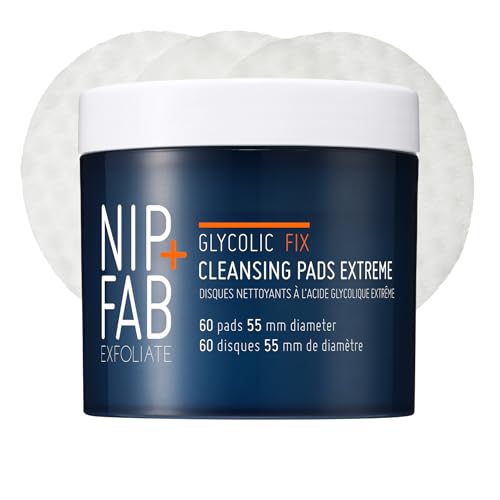
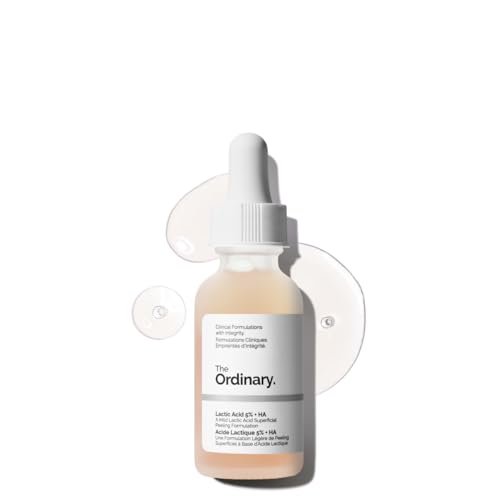
Recommended At-Home Peel Products


What This Covers
- Facial vs Chemical Peel at a Glance
- What Happens During a Facial
- How a Chemical Peel Works
- Results: What Each Can and Cannot Do
- Risks and Side Effects
- How to Choose Between a Facial and a Chemical Peel
- Aftercare After a Peel or Facial
- At-Home Exfoliants vs Professional Peels
- How Often Should You Have Each?
- Dos and Don’ts
- Honest Limits
- When to See a Doctor
- Questions People Ask
- The Takeaway
In Brief
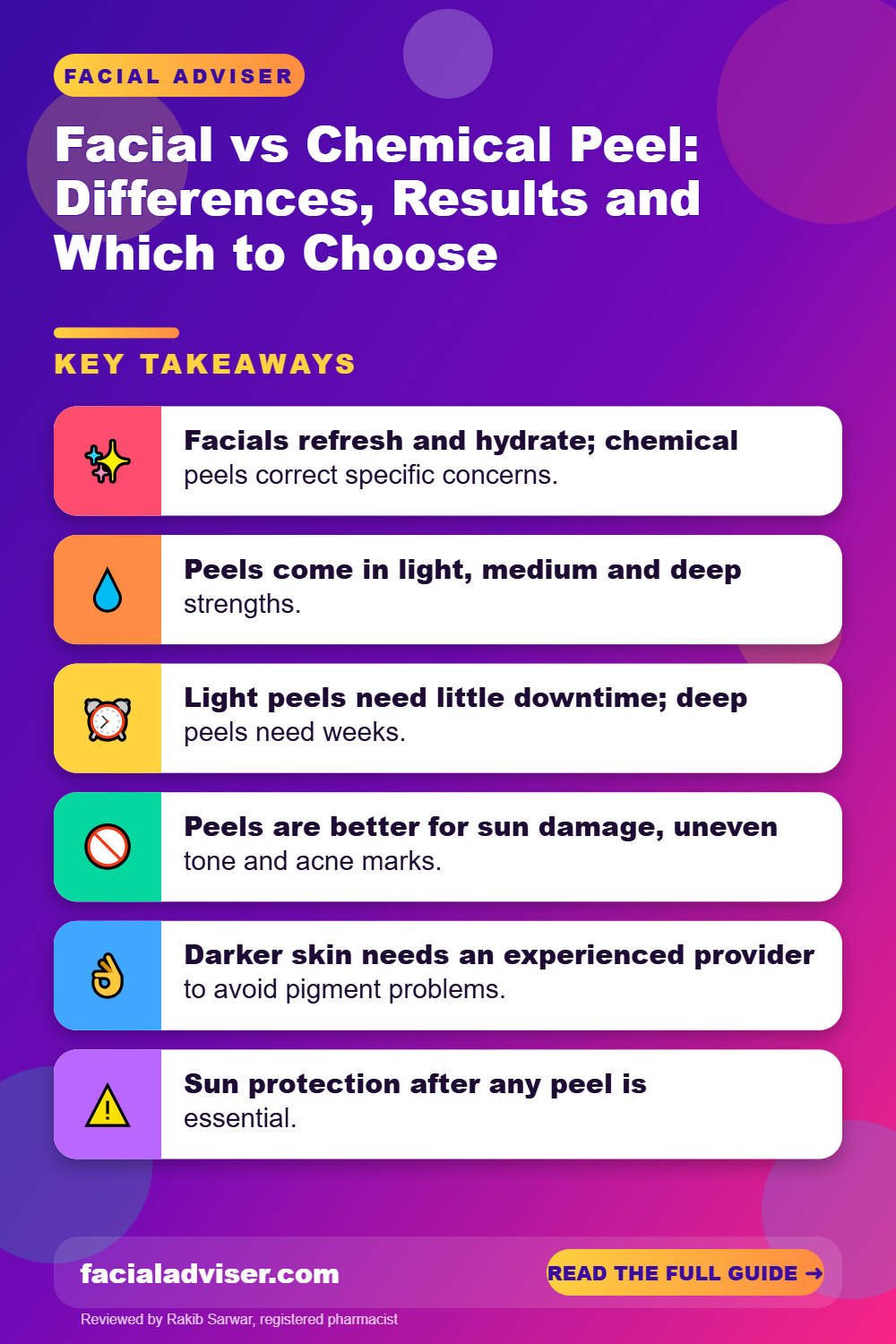
- Facials refresh and hydrate; chemical peels correct specific concerns.
- Peels come in light, medium and deep strengths.
- Light peels need little downtime; deep peels need weeks.
- Peels are better for sun damage, uneven tone and acne marks.
- Darker skin needs an experienced provider to avoid pigment problems.
- Sun protection after any peel is essential.
- Both work best alongside a consistent daily routine.
Facial vs Chemical Peel at a Glance
This table shows how a typical facial compares with the three main strengths of chemical peel.
| Feature | Facial | Light peel | Medium peel | Deep peel |
|---|---|---|---|---|
| Main goal | Cleanse, hydrate, relax | Brighten, smooth, treat mild acne | Treat sun damage and uneven tone | Treat severe sun damage and deep lines |
| Downtime | None | Up to about a week of redness and flaking | About 7 to 14 days | About 14 to 21 days |
| Who performs | Esthetician | Esthetician or dermatologist | Dermatologist | Dermatologist or surgeon, in a surgical setting |
| Sessions | Regular, often monthly | A series, weeks apart | Sometimes repeated | Usually only once |
| Risk level | Very low | Low | Moderate | Higher |
A facial and a light peel can sometimes be combined, and many facials include a mild enzyme or acid step. Medium and deep peels are medical procedures and should be treated as such.
What Happens During a Facial
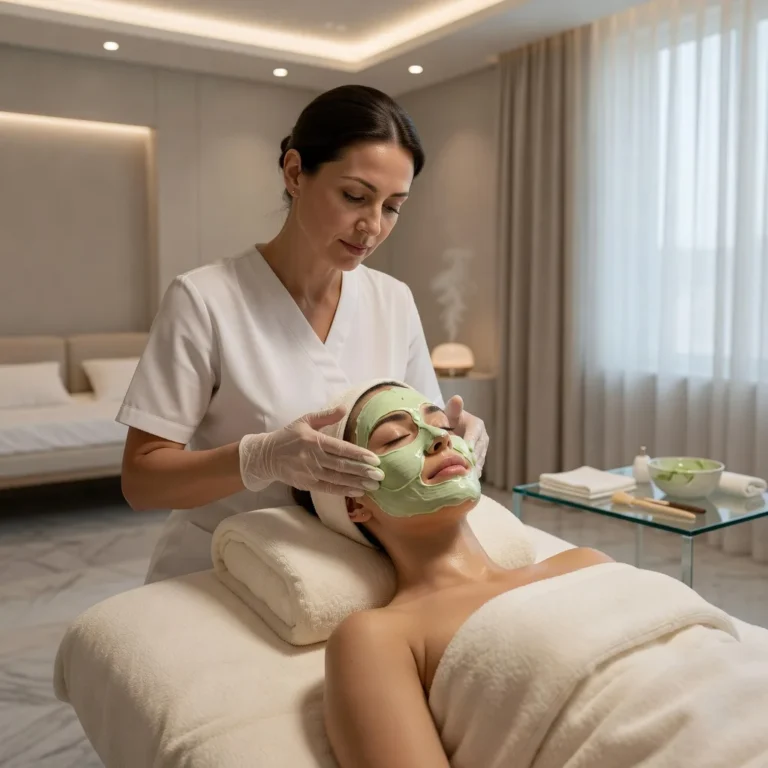
A standard facial usually lasts about an hour and follows a set routine: cleansing, a skin analysis, gentle exfoliation, steam, extractions if needed, a facial massage, a mask suited to your skin and finally serum, moisturiser and sunscreen.
The main benefits are clean, hydrated, comfortable skin and a short-term glow. Extractions can clear blackheads, and massage may temporarily reduce puffiness. Many people also value the relaxation. Because a facial is gentle, it suits most skin types, including many people with sensitive skin, and it can be a good introduction to professional skincare. A skilled esthetician can also spot changes worth checking with a dermatologist and suggest simple adjustments to your home routine, which is often where lasting improvements come from.
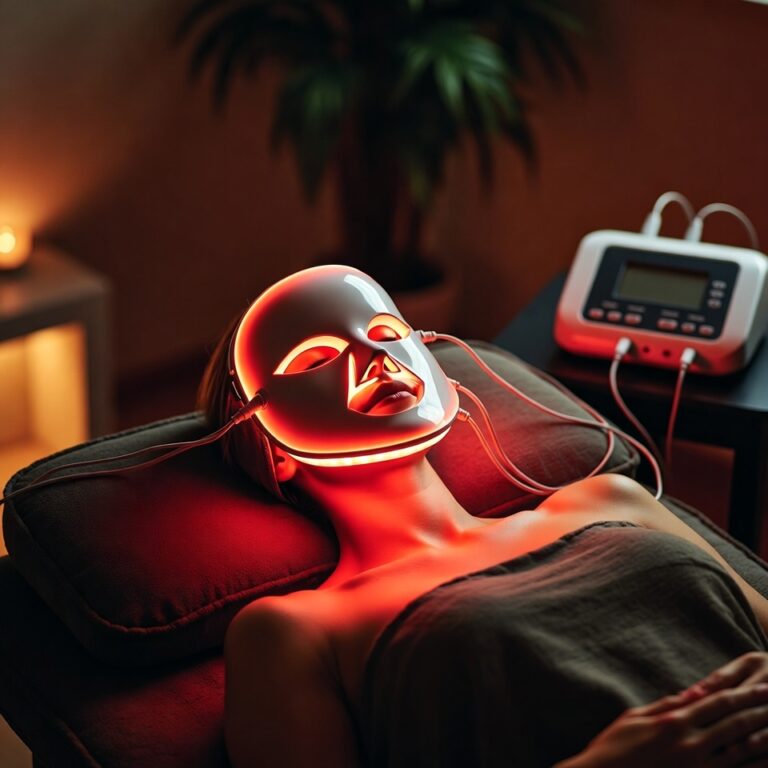
Facials vary widely between spas. Some include stronger steps such as enzyme peels, microdermabrasion or LED light. Ask exactly what is included so you know how your skin might react.
For more on choosing the right type of facial, our guide on which facial is best for glowing skin compares the popular options.
How a Chemical Peel Works
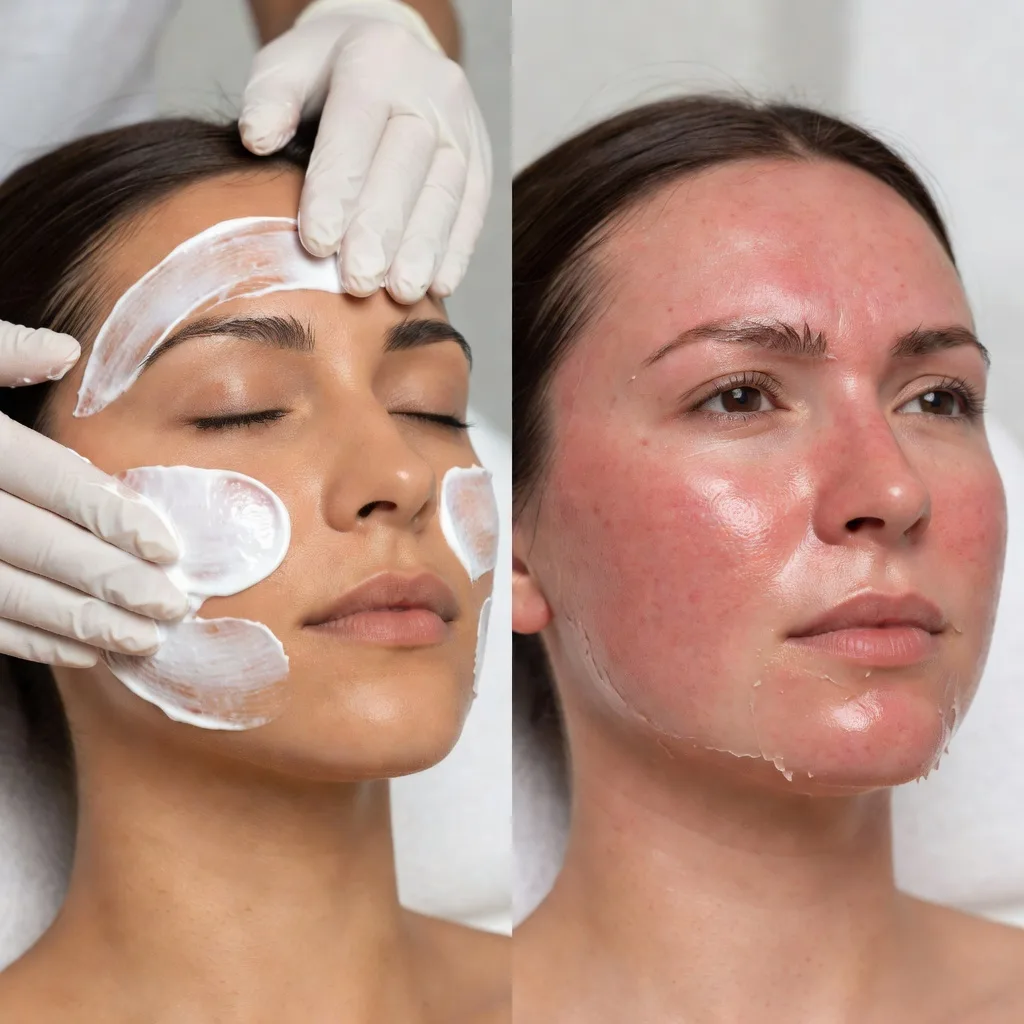
A chemical peel uses an acid solution to loosen and remove layers of skin. The depth depends on the type of acid, its strength, how it is applied and how long it stays on the skin.
- Light (superficial) peels: often glycolic, lactic or salicylic acid; affect only the outer layer.
- Medium peels: often trichloroacetic acid (TCA); reach the upper part of the dermis.
- Deep peels: stronger agents such as phenol; reach deeper and are done in a surgical setting.
As the treated skin peels away over the following days, it is replaced by new skin that often looks smoother and more even. The American Academy of Dermatology explains in its chemical peels FAQs that a person can have only one deep peel, whereas light peels are usually repeated in a series.
A scoping review published in Cureus and available on PubMed looked at chemical peels in people with darker skin tones. It found positive outcomes for acne and acne scarring in the included studies, with superficial glycolic and salicylic peels showing good safety profiles, but noted that research is limited and that improper use can cause chemical burns.
Results: What Each Can and Cannot Do
The table below compares likely outcomes for common concerns.
| Concern | Facial | Chemical peel |
|---|---|---|
| Dull skin | Short-term glow | Brighter skin that lasts longer |
| Blackheads and clogged pores | Extractions help short term | Salicylic peels help over a series |
| Acne marks and uneven tone | Little effect | Often noticeable improvement |
| Fine lines | Temporary plumping from hydration | Light to moderate improvement, depending on depth |
| Sun damage | Little effect | Medium and deep peels can help significantly |
| Dehydration | Good short-term improvement | Can temporarily increase dryness |
Results from facials are mostly temporary, which is why many people book them regularly. Peel results last longer, but new sun damage and aging continue, so daily sunscreen is needed to keep the benefits.
Risks and Side Effects
Facials are very low risk, though extractions can leave redness or marks if done too aggressively, and some products can irritate sensitive skin.
- Light peels: redness, dryness, stinging and flaking for a few days.
- Medium peels: swelling, crusting and brown flaking for one to two weeks.
- Deep peels: significant swelling and a longer, more involved recovery.
- All peels: temporary darkening or lightening of the skin; scarring is rare with an experienced provider.
- Cold sores can flare after peels in people prone to them.
People with darker skin tones have a higher risk of lasting pigment changes after peels, so choose a dermatologist experienced in treating skin of colour. Avoid peels if you have used isotretinoin recently, have active infections or open wounds, or are pregnant, unless a doctor approves.
Picking at peeling skin, skipping sunscreen or using tanning beds after a peel all raise the risk of complications. Following aftercare instructions closely matters as much as the peel itself.
How to Choose Between a Facial and a Chemical Peel
Name your goal
Relaxation and hydration suggest a facial; tone, texture or acne marks suggest a peel.
Check your downtime
If you cannot have flaking for a week, choose a facial or a very light peel.
Consider your skin tone
Darker skin needs a provider experienced with peels in skin of colour.
Review medications
Retinoids, isotretinoin and some acne treatments affect peel safety.
Start gently
Begin with a light peel or facial before considering stronger options.
Choose the right professional
Estheticians for facials and light peels; dermatologists for medium and deep peels.
Plan aftercare
Allow time for gentle skincare and strict sun protection.
Stop using retinoids, strong acids and scrubs a few days before a peel unless your provider says otherwise. Starting with calm, well-hydrated skin lowers the risk of irritation.
If you are comparing peels with more intensive resurfacing, our guide on vampire facials versus CO2 laser covers stronger options.
Aftercare After a Peel or Facial
After a facial, most people can carry on as normal. Avoid heavy makeup for a few hours if extractions were done, and wear sunscreen.
After a peel, aftercare is essential:
- Cleanse gently with lukewarm water and a mild cleanser.
- Use a bland moisturiser or healing ointment to support the skin as it peels.
- Let skin shed naturally; do not pick or peel it off.
- Avoid retinoids, acids and scrubs until your skin has fully healed.
- Apply broad-spectrum sunscreen daily and avoid direct sun and tanning beds.
If your skin feels hot, very painful or starts to blister unexpectedly after a light peel, contact the provider promptly.
At-Home Exfoliants vs Professional Peels
Many skincare products contain the same acids used in light peels, such as glycolic, lactic and salicylic acid, but at much lower strengths. Used regularly, they can gradually improve dullness, rough texture and clogged pores.
At-home products are not a substitute for a professional medium or deep peel, and stronger at-home peel kits can cause burns if misused. Start slowly, a couple of times a week, and stop if you notice burning or persistent redness. Our guide on how often to exfoliate sensitive skin explains how to build up safely.
Avoid combining several exfoliating acids with retinoids on the same night, and do not use at-home acids in the days before or after a professional peel unless your provider approves.
How Often Should You Have Each?
Frequency depends on the treatment, your skin and your goals. Facials are often booked every four to six weeks, roughly in line with the skin’s natural renewal cycle, though there is no strict rule and many people have them less often.
Light peels are commonly done as a course of several treatments spaced a few weeks apart, then repeated occasionally for maintenance. Medium peels are done far less often, and a deep peel is usually a one-time procedure. A dermatologist can suggest a schedule that fits your skin type and the concern you want to treat.
Seasonal timing can matter too. Many people prefer peels in autumn and winter, when sun exposure is lower, which makes it easier to protect healing skin.
Dos and Don’ts
Do
- Match the treatment to your goal
- Start with gentler options
- Tell your provider about medications
- Follow aftercare advice
- Use sunscreen every day
Don’t
- Assume a peel is just a strong facial
- Pick at peeling skin
- Use strong acids right before a peel
- Book a medium peel right before an event
- Use tanning beds after a peel
Honest Limits
Facials offer short-term benefits and relaxation, but they do not change deeper skin structure. Chemical peels can improve tone and texture, but results depend on depth, skin type and aftercare, and light peels usually give gradual, modest changes rather than dramatic ones.
Neither treatment replaces a daily routine of gentle cleansing, moisturising and sun protection. For deep wrinkles, significant scarring or sagging, other treatments may be needed, and a dermatologist can advise on what is realistic for you.
When to See a Doctor
- You have blisters, oozing or severe pain after a peel.
- Dark or light patches persist weeks after treatment.
- You develop signs of infection, such as pus, fever or spreading redness.
- You want a medium or deep peel or have a skin condition that needs medical care.
This article is for general information and does not replace professional medical advice. Consult a board-certified dermatologist before having a chemical peel, especially if you have darker skin or a skin condition.
Questions People Ask
What is the difference between a facial and a chemical peel?
A facial cleanses and hydrates; a chemical peel uses acids to remove damaged layers.
Is a chemical peel better than a facial?
For sun damage, uneven tone and acne marks, yes; for relaxation and hydration, a facial suits better.
How long does it take to recover from a peel?
Light peels take days; medium peels one to two weeks; deep peels two to three weeks.
Can I get a facial and a peel together?
Many facials include a light peel step; stronger peels are done separately.
Are chemical peels safe for dark skin?
They can be, with an experienced provider, but pigment problems are a risk.
How often can I get a light peel?
Often every few weeks in a series, as advised by your provider.
Can I wear makeup after a peel?
After a light peel, usually soon; after medium peels, wait until healing is well under way.
Do facials help acne?
Extractions help short term; peels or medical treatment work better for ongoing acne.
Can I do a chemical peel at home?
Mild at-home exfoliants are fine; stronger peels should be done professionally.
What should I avoid after a peel?
Sun, tanning beds, picking skin and strong active ingredients.
The Takeaway
A facial is a refreshing, low-risk treatment for clean, hydrated skin, while a chemical peel uses acids to remove damaged layers and correct concerns such as uneven tone, sun damage and acne marks.
Choose based on your goal and how much downtime you can manage, start gently, pick the right professional and protect your skin with sunscreen every day.

Written by
Registered pharmacist and founder of Facial Adviser. Rakib's pharmacy training covers how skincare actives work and interact; a later course in cosmetology turned that into a focus on facial treatments and skincare products. He plans, researches and edits every guide on the site and checks health claims against sources such as the American Academy of Dermatology, the FDA and the NIH. He is not a dermatologist; see the Editorial Policy and Medical Disclaimer.
About · Editorial policy · How we choose products · Medical disclaimer · Contact
Keep reading: Chemical peels and acid facials
- 10 Best Facial Peels for Aging Skin (2026): Smoother, Brighter at Home
- Is Facial Peeling After a New Product Normal? What to Do
- Grape Peel Treatment: What It Really Does
- Vitalize Peel Treatment: What's Really In It
- Azelaic Acid Facial: What It Treats Best
- What Is a Spa Facial?
- Fruit Facial at Home: Does It Actually Work?