
How Often to Exfoliate Sensitive Skin (and How to Do It Safely)
Sensitive skin puts you in an awkward spot. You may have rough patches, dullness or clogged pores that exfoliation could help, but every time you try a scrub or an acid your face turns pink, stings or feels tight for days. The question is not really whether to exfoliate, but how little you can get away with and still see a benefit.
Part of our guide to skincare products. Start with: 10 Best Face Masks for Every Skin Type (2026): Clay, Gel and Sheet
For most people with sensitive skin, exfoliating once a week, or even once every one to two weeks, is enough. Start with a mild chemical exfoliant, such as a low-strength lactic acid, mandelic acid or a gentle salicylic acid product, rather than a gritty scrub. Apply it to a small area first, follow with a fragrance-free moisturiser, and increase to twice a week only if your skin stays calm. If you see redness, burning or peeling, stop and let your skin recover.
The American Academy of Dermatology notes that how often you exfoliate depends on your skin type and the method you use, and that people with sensitive skin may need a mild chemical exfoliant or simply a washcloth. It also advises stopping if your skin becomes red, inflamed or irritated.
Some people with very reactive skin, or conditions such as rosacea or eczema, may do better without exfoliating at all, or only under a dermatologist’s guidance. That is a perfectly reasonable choice.
This guide explains how often to exfoliate sensitive skin, which methods are gentlest, how to start without triggering a flare, and the signs that you are overdoing it.
Shopping these picks?
Amazon Prime members get fast, free shipping on eligible items, plus Prime Video, Amazon Music and member deals. New members can start with a free trial.
Start a free Prime trialAged 18 to 24? Prime for Young Adults comes with a longer free trial and a lower price after it.
Affiliate link: we may earn a commission at no extra cost to you.
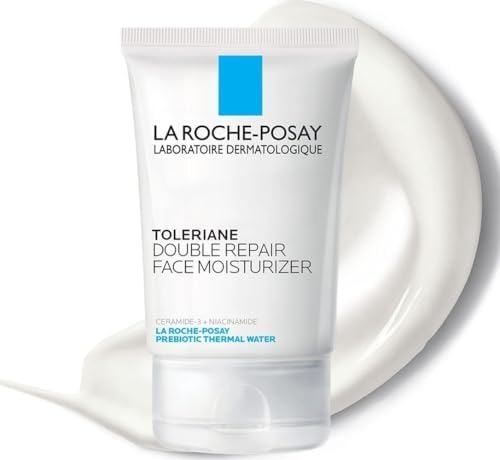
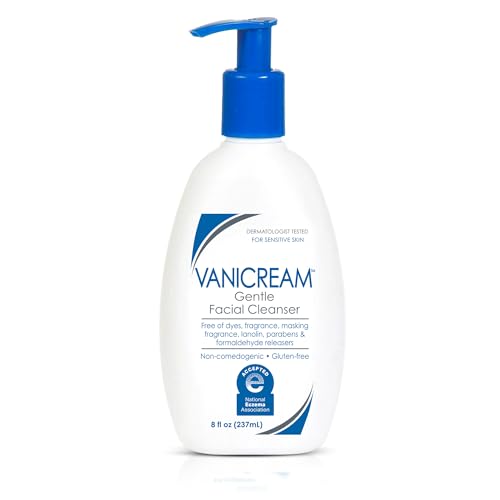
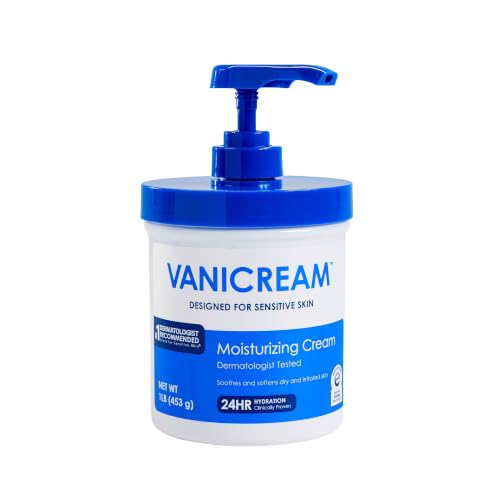
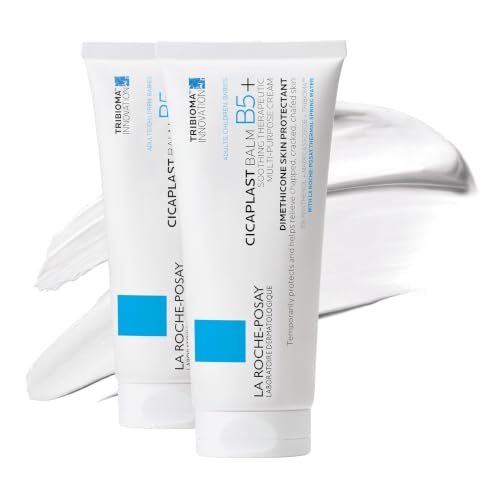
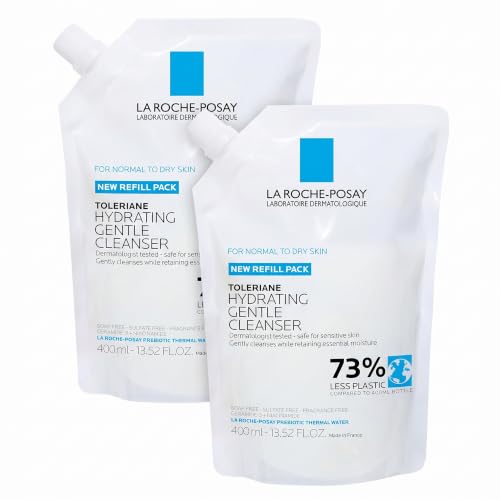
Recommended Gentle Products for Sensitive Skin

The Short Version
- Once a week or less is enough for most sensitive skin.
- Mild chemical exfoliants are usually gentler than scrubs.
- Patch test and start with the lowest strength.
- Always follow with a fragrance-free moisturiser.
- Stop at the first sign of redness, burning or peeling.
- Do not combine exfoliation with retinoids on the same night.
- Some sensitive skin does better without exfoliation at all.
What This Covers
- How Often to Exfoliate by Skin Sensitivity
- Why Sensitive Skin Needs a Lighter Touch
- Gentlest Ways to Exfoliate
- How to Exfoliate Sensitive Skin Safely
- Signs You Are Over-Exfoliating
- Reading Exfoliant Labels
- Fitting Exfoliation Into Your Routine
- Dos and Don’ts
- Adjusting for Seasons and Conditions
- Honest Limits
- When to See a Dermatologist
- Common Questions
- The Bottom Line
How Often to Exfoliate by Skin Sensitivity
Sensitive skin is not one type. Some people only react to strong fragrances, while others flush with almost any new product. Use the table as a starting point and adjust based on how your skin responds.
| Your skin | Suggested starting frequency | Gentlest options |
|---|---|---|
| Mildly sensitive, otherwise normal | Once a week, up to twice if tolerated | Lactic or mandelic acid, low-strength salicylic acid |
| Sensitive and dry | Once every one to two weeks | PHA or low-strength lactic acid, soft washcloth |
| Sensitive and oily or acne-prone | Once a week, up to twice if tolerated | Low-strength salicylic acid |
| Very reactive, flushes easily | Every two weeks or not at all | Soft washcloth, or skip exfoliation |
| Rosacea or eczema | Only with a dermatologist’s advice | Often none; azelaic acid may be prescribed |
These are cautious starting points, not targets. There is no reward for exfoliating more often, and many people with sensitive skin find that once a week is the most they will ever need.
Frequency and strength work together. A very mild product used weekly is gentler than a strong product used monthly, which can still cause a reaction in one go.
Why Sensitive Skin Needs a Lighter Touch
Exfoliation removes dead cells from the outermost layer of skin. That layer is also part of your skin barrier, which keeps water in and irritants out. Sensitive skin often has a barrier that is easier to disrupt, so removing too much of it quickly leads to stinging, dryness and redness.
Once the barrier is irritated, products that normally feel fine can start to sting as well. That is why over-exfoliation often shows up as a sudden sensitivity to your whole routine, not just the exfoliant.
It also explains why results from exfoliating sensitive skin come from consistency rather than intensity. A gentle product used occasionally, alongside a routine that keeps the barrier healthy, tends to give smoother skin over time with far fewer setbacks than frequent, stronger sessions followed by weeks of recovery.
If your skin is already in that state, stop all exfoliation and focus on repair. Our guide on repairing your moisture barrier explains how long recovery usually takes and what to use in the meantime.
Gentlest Ways to Exfoliate
There are two main approaches: physical exfoliation, which removes cells by friction, and chemical exfoliation, which loosens the bonds between cells so they shed more easily.
| Method | How gentle | Notes for sensitive skin |
|---|---|---|
| PHAs (gluconolactone, lactobionic acid) | Very gentle | Larger molecules that work slowly; often well tolerated |
| Mandelic acid | Gentle | A larger AHA that penetrates slowly |
| Lactic acid (low strength) | Gentle to moderate | Also hydrating; start at the lowest strength |
| Salicylic acid (BHA) | Moderate | Useful for oily, acne-prone skin; can dry |
| Glycolic acid | Stronger | Small molecule, more likely to sting |
| Soft washcloth | Gentle if used lightly | Use light pressure and lukewarm water |
| Gritty scrubs | Often harsh | Rough particles can irritate sensitive skin |
| Brushes and devices | Often harsh | Easy to overdo; best avoided |
Our comparison of facial wash versus facial scrub goes into more detail on why scrubs are often a poor fit for reactive skin.
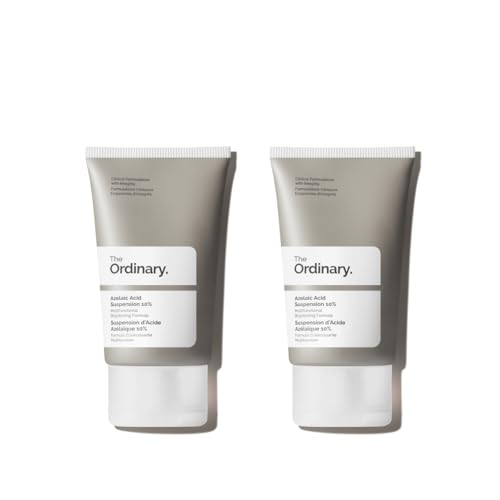
Azelaic acid is sometimes grouped with exfoliants. It has a mild smoothing effect and is often recommended for redness-prone skin, but it can tingle at first, so treat it like any other new active and introduce it slowly.
How to Exfoliate Sensitive Skin Safely
Patch test first
Apply the exfoliant to a small area, such as along the jaw, for several days before using it on your whole face.
Choose an evening with nothing else active
Skip retinoids and other acids on the night you exfoliate.
Cleanse gently
Use a mild, fragrance-free cleanser and pat your skin completely dry.
Apply a thin layer
Use the smallest amount the directions allow and avoid the eyes, nostrils and lips.
Moisturise
Follow with a fragrance-free moisturiser to support your barrier.
Protect the next day
Wear sunscreen the next morning, since exfoliating acids can increase sun sensitivity.
Wait and watch
Leave at least a week before the next session and only increase frequency if your skin stays calm.
The AAD suggests testing new products on a small area before using them more widely, which is especially useful for exfoliants.
Signs You Are Over-Exfoliating
- Redness or flushing that lasts after you finish your routine
- Stinging or burning when you apply products that used to feel fine
- Tightness, dryness or a shiny, waxy look to the skin
- Flaking or peeling
- New breakouts or small bumps
- Skin that feels raw or tender to touch
If you notice any of these, stop exfoliating completely. The AAD’s guidance on exfoliating safely at home advises stopping if skin becomes red, inflamed, peeling or irritated.
Do not try to fix over-exfoliated skin with another active product. Pause all acids and retinoids, keep your routine to a gentle cleanser and moisturiser, and give your skin time to recover.
Reading Exfoliant Labels
Exfoliants are not always labelled clearly. Toners, pads, serums, cleansers and even some moisturisers can contain acids, so check the ingredient list of every product in your routine before adding a dedicated exfoliant.
Look for names such as glycolic acid, lactic acid, mandelic acid, salicylic acid, gluconolactone and lactobionic acid. Enzymes from papaya or pineapple, listed as papain or bromelain, are also exfoliating, although they tend to be milder. If two or three of your products contain these ingredients, you may already be exfoliating more often than you think.
Strength matters too. Many brands list the percentage on the front of the bottle. For sensitive skin, starting with the lowest percentage in a range is sensible, and a higher number is not a sign of a better product. Leave-on products such as toners and serums also act for longer than wash-off cleansers, so a cleanser with a small amount of acid is usually a gentler way to begin.
Fragrance and essential oils are worth avoiding in exfoliants for sensitive skin, because they add another possible source of irritation to a product that is already more likely to sting.
Fitting Exfoliation Into Your Routine
Evening is usually the best time to exfoliate, because your skin has the night to recover and you are not applying makeup or going outside straight away.
If you use a retinoid, keep it on different nights from your exfoliant. Using both on the same night is a common reason for sensitive skin to flare. Our guide to how many nights off actives you need shows how to space them out.
A simple weekly plan for sensitive skin might be one exfoliation night, one or two nights with another active if you use one, and the rest of the week with just cleanser and moisturiser. For many people, those plain nights do the most to keep skin calm.
Keep a short note of which night you exfoliated and how your skin felt the next day. After a few weeks, you will have a clear picture of how often your skin can handle it.
Dos and Don’ts
Helps
- Start with the lowest strength available
- Exfoliate in the evening
- Moisturise straight afterwards
- Wear sunscreen the next day
- Pause during flares or after sunburn
Backfires
- Scrub hard or use gritty particles
- Combine acids and retinoids on the same night
- Exfoliate broken, sunburned or irritated skin
- Increase frequency because results feel slow
- Use several exfoliating products at once
Adjusting for Seasons and Conditions
Sensitive skin often changes through the year. In cold, dry weather or when the heating is on, many people need to exfoliate less often or stop for a while. In warm, humid weather, the skin may tolerate it a little better.
Other things that can make skin more reactive for a while include sunburn, windburn, recent waxing, a cold that has left your nose raw, or starting a new prescription. Skip exfoliation until your skin has settled.
If you have acne as well as sensitivity, a low-strength salicylic acid product used once or twice a week is often a reasonable balance. For dullness or rough patches without breakouts, a gentle lactic or mandelic acid may suit you better.
Honest Limits
Exfoliation is optional. Skin sheds dead cells naturally, and many people with sensitive skin have a clear, comfortable complexion without ever using an exfoliant. If every attempt leads to irritation, it is fine to stop and focus on gentle cleansing, moisturising and sunscreen.
Exfoliants also have limits. They can make skin feel smoother and look a little brighter, but they will not remove deep scars or treat conditions such as rosacea, which need medical care.
Individual responses vary a great deal, so treat any suggested frequency as a starting point and let your skin’s reaction guide you.
When to See a Dermatologist
- Your skin reacts to most products you try.
- You have ongoing redness, flushing or visible blood vessels.
- You have scaly, itchy or inflamed patches.
- Irritation from exfoliation does not settle after a week or two of a simple routine.
- You are unsure whether your sensitivity is a skin condition such as rosacea or eczema.
A dermatologist can help identify what is behind your sensitivity and suggest treatments that are safe for your skin.
This article is for general information and does not replace professional medical advice. See a dermatologist for persistent skin concerns.
Common Questions
How often should I exfoliate sensitive skin?
For most people, once a week or less, increasing only if the skin stays calm.
What is the gentlest exfoliant for sensitive skin?
PHAs, mandelic acid and low-strength lactic acid are generally among the gentlest.
Are scrubs bad for sensitive skin?
Gritty scrubs are often too harsh; a mild chemical exfoliant or soft washcloth is usually better.
Can I exfoliate sensitive skin every day?
Daily exfoliation is usually too much for sensitive skin.
Should I exfoliate in the morning or at night?
Evening is usually best, followed by sunscreen the next morning.
Can I use a retinoid and an exfoliant together?
It is best to use them on different nights to limit irritation.
What happens if I over-exfoliate?
You may see redness, stinging, tightness, flaking or breakouts.
How long does over-exfoliated skin take to heal?
Often one to two weeks with a gentle routine, sometimes longer.
Do I need to exfoliate at all?
No. Exfoliation is optional, and some sensitive skin does better without it.
Can I exfoliate with rosacea?
Only with advice from a dermatologist, as exfoliation can trigger flares.
The Bottom Line
Most sensitive skin does best with gentle chemical exfoliation once a week or less, using the lowest strength available and a good moisturiser afterwards.
Patch test, keep exfoliation away from retinoid nights, wear sunscreen the next day, and stop at the first sign of irritation. If your skin reacts to almost everything, skipping exfoliation and seeing a dermatologist is the safer path.

Written by
Registered pharmacist and founder of Facial Adviser. Rakib's pharmacy training covers how skincare actives work and interact; a later course in cosmetology turned that into a focus on facial treatments and skincare products. He plans, researches and edits every guide on the site and checks health claims against sources such as the American Academy of Dermatology, the FDA and the NIH. He is not a dermatologist; see the Editorial Policy and Medical Disclaimer.
About · Editorial policy · How we choose products · Medical disclaimer · Contact
Keep reading: Face masks and exfoliation
- 10 Best Face Masks for Every Skin Type (2026): Clay, Gel and Sheet
- Multi-Masking Explained: How to Use Different Masks on Different Zones
- Gentler Alternatives to Exfoliation for Smoother Skin
- 10 Best Face Mask Treatment Devices (2026): LED Masks With Honest Limits
- Facial Masks Homemade for Acne Scars: Real Answer
- Can Over-Exfoliating Cause Acne?
- What Does a Facial Toner Do? The Real Answer
- 10 Best Facial Cleansers for Combination Skin (2026): Balanced Picks