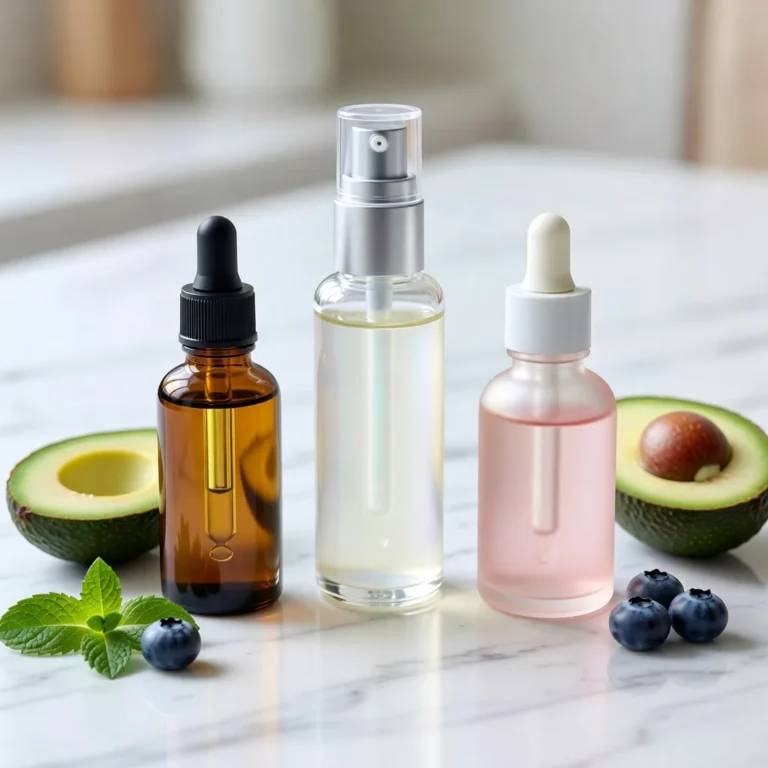
Gentler Alternatives to Exfoliation for Smoother Skin
Exfoliation is often presented as essential for smooth, glowing skin. But for many people, scrubs sting, acids leave the face red and tight, and every attempt ends with a week of repair. If that sounds familiar, the good news is that smoother skin does not depend on harsh exfoliation.
Part of our guide to skincare products. Start with: 10 Best Face Masks for Every Skin Type (2026): Clay, Gel and Sheet
Gentler alternatives to exfoliation include better hydration and barrier care, which often makes rough skin feel smoother on its own; very mild chemical exfoliants such as PHAs; smoothing ingredients such as azelaic acid, niacinamide and low-strength urea; and light physical options such as a soft, damp washcloth or konjac sponge used with no pressure. Choosing one of these, used a few times a week at most, can improve texture with far less irritation than scrubs or strong acids.
A lot of what looks like a need to exfoliate is actually dehydration. When skin is dry, dead cells cling together in visible flakes, and the surface feels rough. Supporting the barrier and keeping skin moisturised helps it shed cells more normally.
The American Academy of Dermatology notes that exfoliation can damage the skin if done too aggressively, and that people with sensitive skin may need only a mild chemical exfoliant or a washcloth. For some, no exfoliation at all is the right choice.
This guide explains why skin can feel rough, the gentlest options for smoothing it, and how to choose between them based on your skin and goals.
Shopping these picks?
Amazon Prime members get fast, free shipping on eligible items, plus Prime Video, Amazon Music and member deals. New members can start with a free trial.
Start a free Prime trialAged 18 to 24? Prime for Young Adults comes with a longer free trial and a lower price after it.
Affiliate link: we may earn a commission at no extra cost to you.
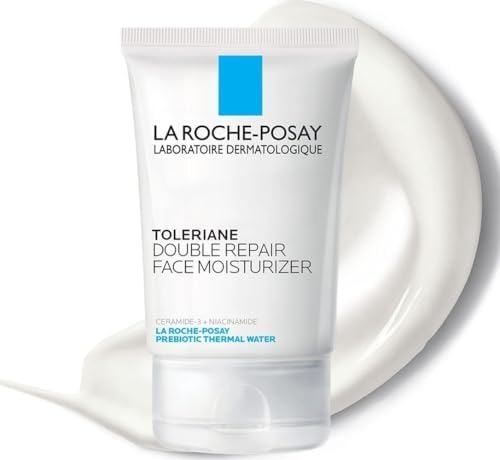
Recommended Gentle Smoothing Products
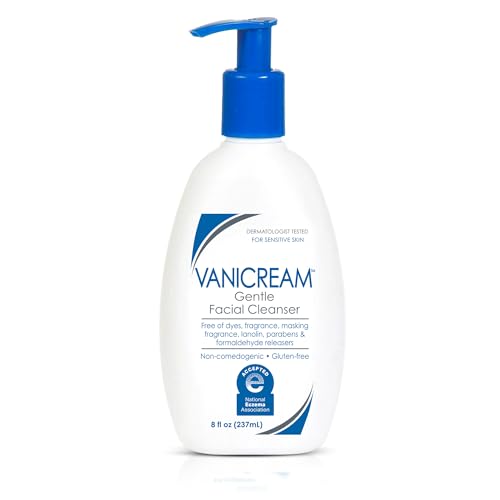

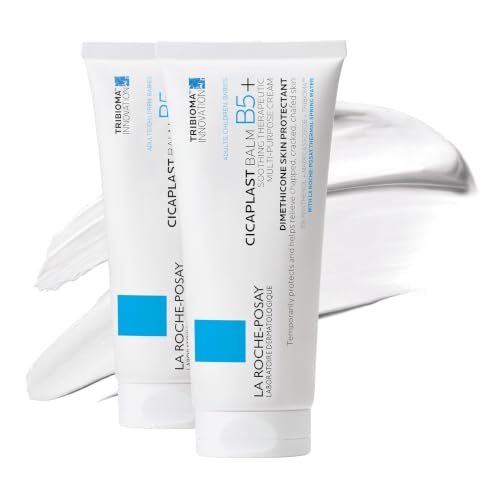
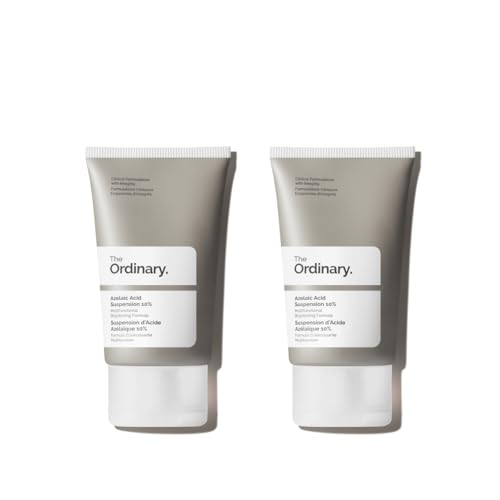

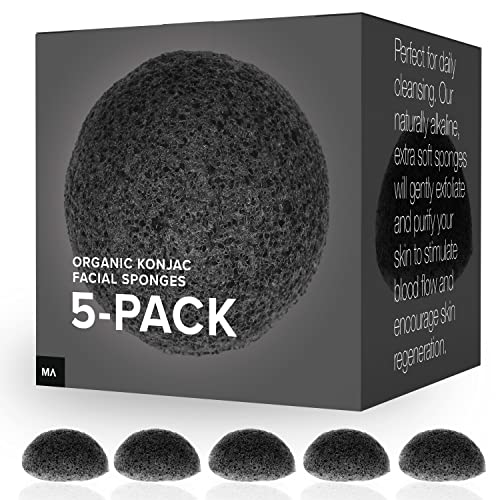
In Brief
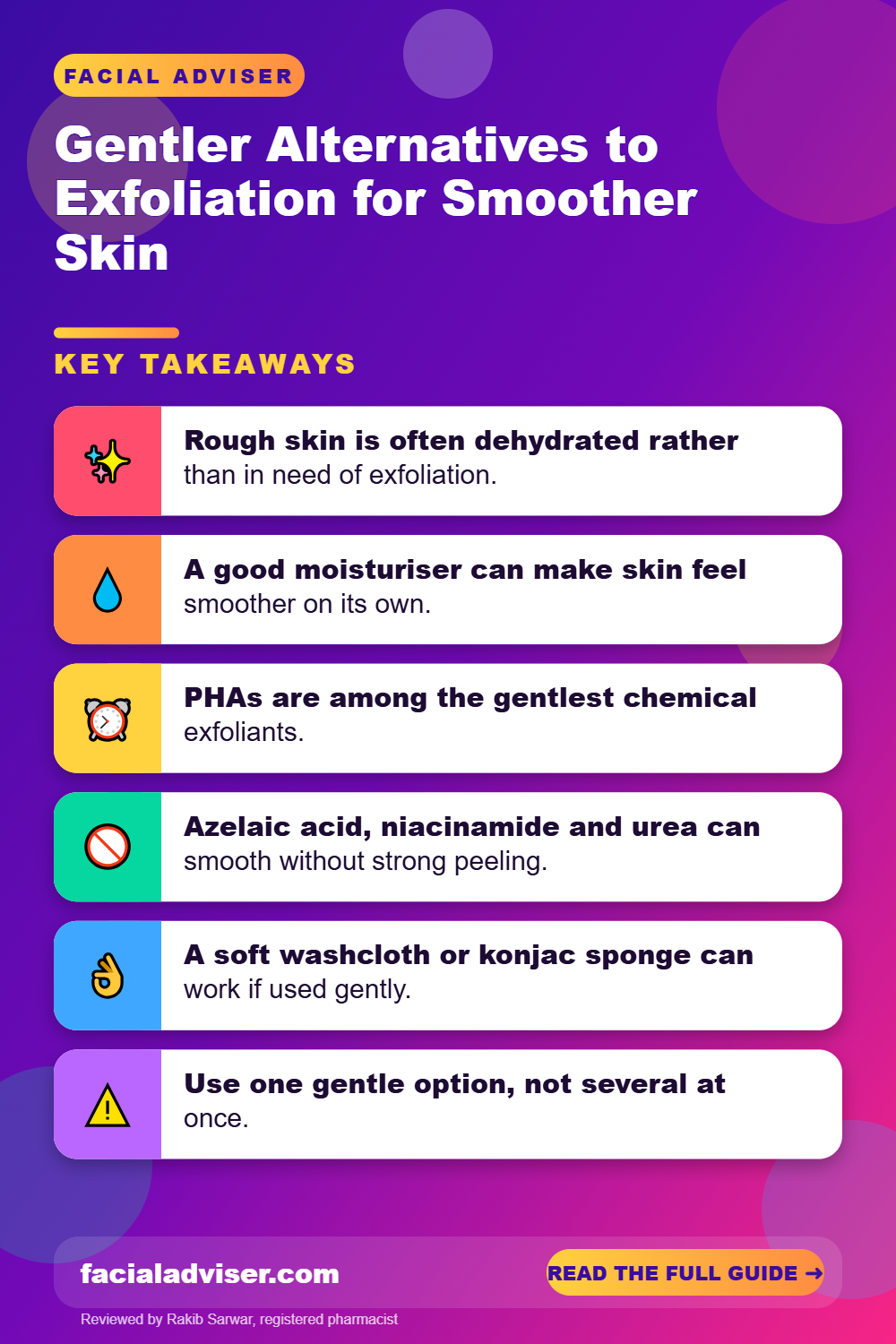
- Rough skin is often dehydrated rather than in need of exfoliation.
- A good moisturiser can make skin feel smoother on its own.
- PHAs are among the gentlest chemical exfoliants.
- Azelaic acid, niacinamide and urea can smooth without strong peeling.
- A soft washcloth or konjac sponge can work if used gently.
- Use one gentle option, not several at once.
- Stop at the first sign of irritation.
What This Covers
- Why Skin Feels Rough in the First Place
- Hydration and Barrier Care
- The Gentlest Options Compared
- PHAs: The Mildest Chemical Exfoliants
- How to Smooth Skin Without Harsh Exfoliation
- Gentle Physical Options
- What About Retinoids?
- Choosing by Skin Type
- A Gentle Smoothing Routine
- Dos and Don’ts
- Honest Limits
- When to See a Dermatologist
- Your Questions, Answered
- The Takeaway
Why Skin Feels Rough in the First Place
| Cause | What you notice | Gentler fix |
|---|---|---|
| Dehydration | Tight, flaky, dull skin | Moisturise well; support the barrier |
| Damaged barrier | Stinging, redness, rough patches | Pause actives; gentle cleanser and moisturiser |
| Clogged pores | Small bumps, blackheads | Gentle salicylic acid or azelaic acid |
| Sun damage | Uneven texture and tone | Daily sunscreen; retinoid if tolerated |
| Keratosis pilaris on face | Tiny rough bumps, often on cheeks | Gentle urea or lactic acid creams |
| Over-exfoliation | Shiny, tight, sensitive skin | Stop exfoliating and let skin recover |
The last row is surprisingly common. People with rough skin often exfoliate more, which damages the barrier, which makes skin rougher. Breaking that cycle usually means doing less, not more.
If your skin is red, stinging or peeling right now, the gentlest alternative to exfoliation is no exfoliation at all. Focus on a gentle cleanser and moisturiser until your skin settles.
Hydration and Barrier Care
Before trying any exfoliant, make sure your skin is well moisturised. A moisturiser with humectants such as glycerin and hyaluronic acid, plus barrier lipids such as ceramides, can visibly smooth rough, flaky skin within days.
Healthy skin sheds dead cells on its own in a process called desquamation. When skin is dry, enzymes involved in that process work less efficiently, and cells build up. Restoring moisture helps the skin do its own exfoliating.
Our guide on repairing your moisture barrier covers the products and habits that help most.
The AAD’s tips for relieving dry skin, such as lukewarm water, gentle cleansers and moisturising straight after washing, are often enough to transform rough texture.
It is worth giving hydration a fair trial before adding anything else. Two weeks of consistent moisturising, twice a day, with no scrubs or acids, is enough to see how much of your roughness was simply dryness. Many people are surprised to find that most of it disappears.
The Gentlest Options Compared
| Option | How it works | Best for | Notes |
|---|---|---|---|
| PHAs (gluconolactone, lactobionic acid) | Very mild chemical exfoliation | Sensitive or dry skin | Large molecules; work slowly |
| Azelaic acid | Smooths and evens tone; mildly exfoliating | Redness, bumps, dark marks | May tingle at first |
| Niacinamide | Supports barrier, refines look of texture | Most skin types | Not an exfoliant, but can improve texture |
| Low-strength urea | Softens and hydrates rough skin | Dry, rough or bumpy skin | Can sting broken skin |
| Low-strength lactic acid | Mild AHA with hydrating effect | Dry, dull skin | Start once a week |
| Soft washcloth | Very light physical exfoliation | Most skin, used gently | No pressure; lukewarm water |
| Konjac sponge | Soft plant-fibre sponge | Normal to sensitive skin | Replace regularly; let it dry fully |
You only need one of these. Combining several mild exfoliants can add up to the same irritation you were trying to avoid.
If you are unsure where to start, begin with the option that matches your main complaint. For flaky dryness, choose hydration and perhaps urea. For bumps and redness, azelaic acid. For dullness on sensitive skin, a PHA. For general roughness on resilient skin, a soft washcloth once a week.
PHAs: The Mildest Chemical Exfoliants
Polyhydroxy acids, or PHAs, include gluconolactone and lactobionic acid. They are related to AHAs such as glycolic acid, but their larger molecules penetrate the skin more slowly, which usually makes them gentler.
PHAs also attract water, so they tend to hydrate as they exfoliate. That combination makes them a popular choice for sensitive and dry skin, and for people who find glycolic acid too strong.
They work gradually, so results may take several weeks. Use a PHA product two or three times a week to start, and only increase if your skin stays calm.
PHAs are often found in toners, serums and cleansers. A PHA cleanser is the gentlest way to try them, since it is rinsed off after a minute, while a leave-on toner or serum gives a slightly stronger effect. Either way, avoid using a PHA product on the same night as a retinoid or another acid.
Our guide on how often to exfoliate sensitive skin covers frequency in more detail.
How to Smooth Skin Without Harsh Exfoliation
Pause harsh products
Stop scrubs and strong acids for two weeks and let your skin settle.
Moisturise well
Use a moisturiser with humectants and ceramides twice a day.
Choose one gentle option
Pick a PHA, azelaic acid, niacinamide or a soft washcloth, not several.
Patch test
Try the new product on a small area for a few days.
Start slowly
Use it two or three times a week at most at first.
Protect with sunscreen
Wear broad-spectrum SPF 30 or higher daily, as sun damage worsens texture.
Review after six weeks
Keep what helps and drop what does not.
Apply moisturiser to slightly damp skin straight after cleansing. It is one of the simplest ways to make rough skin feel smoother, and it costs nothing extra.
Gentle Physical Options
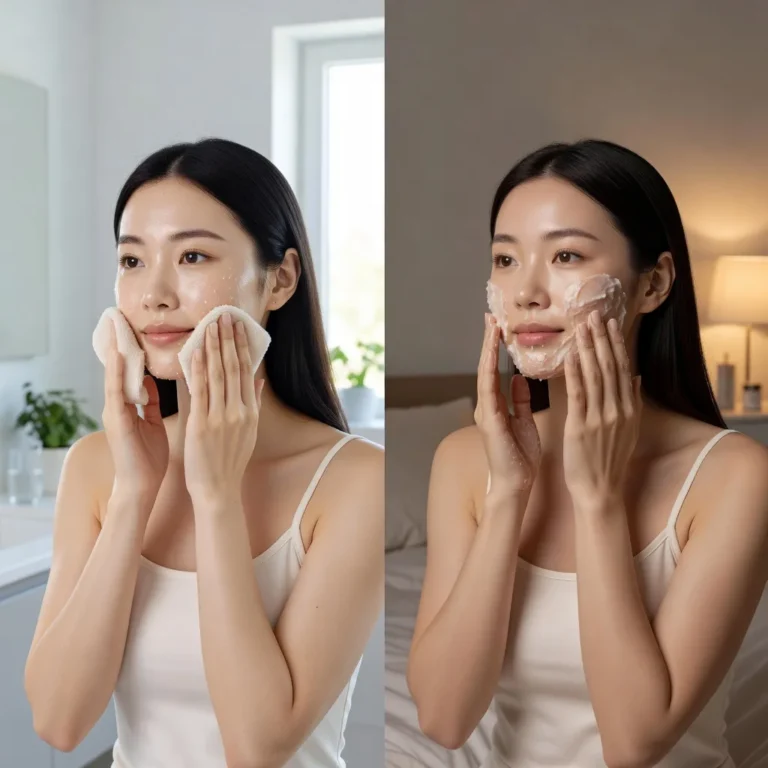
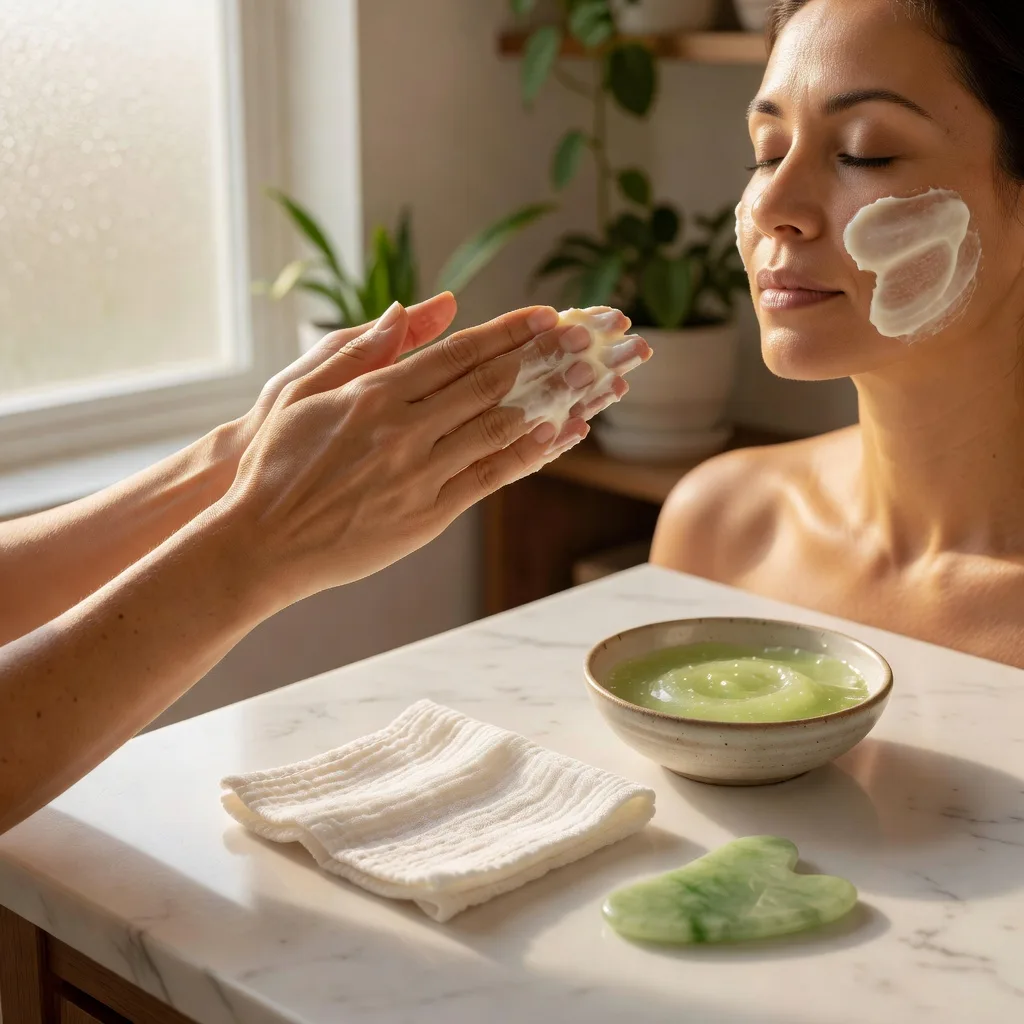
Not all physical exfoliation is harsh. A soft washcloth moistened with lukewarm water and moved in light circles, with no pressure, can lift loose flakes. The same goes for a soft konjac sponge.
The key is pressure and frequency. If your skin turns pink or feels sensitive afterwards, you are pressing too hard or doing it too often. Once or twice a week is plenty.
Avoid gritty scrubs with sharp particles, stiff brushes and cleansing devices used daily. These are the tools most likely to cause small abrasions and irritation. Our comparison of facial wash versus facial scrub explains the difference.
Do not use any physical exfoliation on active acne, broken skin, sunburn or eczema. It can spread inflammation and slow healing.
What About Retinoids?
Retinoids are not exfoliants in the traditional sense, but they increase cell turnover and can improve texture over time. For many people, a retinoid used a few nights a week does more for rough, uneven skin than any exfoliant.
They are not gentle at first, though. Dryness and flaking are common in the first weeks. If you are choosing a gentler path, start with a low-strength retinol or adapalene two or three nights a week, and do not combine it with other exfoliants on the same night.
Our guide to starting retinol smoothly explains how to build up without a flare.
Choosing by Skin Type
Dry skin: start with hydration and barrier care. If you still want more smoothing, a PHA or low-strength lactic acid product once or twice a week is usually well tolerated. Urea creams can also help rough, flaky patches. Sensitive or redness-prone skin: azelaic acid and niacinamide are often the most comfortable choices. Introduce them slowly and choose fragrance-free formulas. Skip physical exfoliation if your skin flushes easily. Oily or acne-prone skin: a gentle salicylic acid product a couple of times a week may suit you better than PHAs, since it works inside the pores. Azelaic acid is another good option for bumps and marks. Mature skin: skin tends to become drier with age, so moisturising first makes a noticeable difference. A low-strength retinoid a few nights a week may do more for texture than frequent exfoliation. Combination skin: you can use a gentle option only where you need it, such as salicylic acid on the nose and chin, and keep drier areas to moisturiser alone.A Gentle Smoothing Routine
| Time | Step | Frequency |
|---|---|---|
| Morning | Gentle cleanser or water rinse, moisturiser, sunscreen | Daily |
| Evening | Gentle cleanser, moisturiser | Daily |
| Evening (optional) | One gentle option, such as a PHA or azelaic acid, before moisturiser | Two or three times a week |
| Weekly (optional) | Soft washcloth or konjac sponge with no pressure | Once or twice a week, not on active nights |
Keep gentle physical and chemical options on separate days. Using both on the same evening adds up, even when each is mild on its own.
After six weeks, look at your skin in good light. If it feels smoother and comfortable, keep going. If not, try a different single option rather than adding a second one.
Dos and Don’ts
Good Habits
- Moisturise well before reaching for exfoliants
- Choose one gentle option at a time
- Patch test new products
- Use soft cloths with no pressure
- Wear sunscreen daily
Common Mistakes
- Scrub harder when skin feels rough
- Combine several exfoliants
- Exfoliate irritated or broken skin
- Use gritty scrubs or stiff brushes
- Expect overnight results from gentle products
Honest Limits
Gentler options work more slowly than strong acids or professional peels. If you want a dramatic change quickly, they may feel frustrating. The trade-off is far less risk of irritation, which often means better results over months.
Some texture problems, such as acne scars or deep sun damage, need professional treatments rather than home products. Gentle options can improve the surface but will not change deeper structures.
Research on PHAs, urea and other gentle ingredients for facial texture is more limited than for glycolic acid or retinoids. They are well tolerated and widely recommended for sensitive skin, but evidence for large improvements is modest. Treat them as steady, low-risk helpers rather than quick fixes, and judge them over weeks rather than days.
When to See a Dermatologist
- Rough patches do not improve with moisturising and gentle care.
- You have persistent small bumps that may be keratosis pilaris, milia or acne.
- Your skin reacts to almost every product.
- You want professional treatment for scars or deep texture.
A dermatologist can identify the cause of rough texture and recommend treatments, from prescription creams to in-office procedures, that suit your skin.
This article is for general information and does not replace professional medical advice. See a dermatologist for persistent skin concerns.
Your Questions, Answered
What can I use instead of exfoliating?
Better hydration, PHAs, azelaic acid, niacinamide, low-strength urea or a soft washcloth used gently.
Can moisturiser replace exfoliation?
For dry, rough skin, good moisturising often makes skin smoother on its own.
What is the gentlest chemical exfoliant?
PHAs such as gluconolactone and lactobionic acid are among the gentlest.
Is a washcloth a good exfoliator?
A soft washcloth used with no pressure can be a gentle option once or twice a week.
Are konjac sponges gentle?
Generally yes, if used lightly and replaced regularly.
Does niacinamide exfoliate?
No, but it supports the barrier and can improve the look of texture.
Can azelaic acid replace exfoliation?
It has a mild smoothing effect and helps with redness and bumps.
Is retinol an exfoliant?
Not exactly, but it increases cell turnover and can improve texture over time.
Can I skip exfoliation altogether?
Yes. Many people have smooth skin without it.
How long do gentle options take to work?
Often several weeks; give each option about six weeks.
The Takeaway
Smoother skin does not require harsh exfoliation. Better hydration, PHAs, azelaic acid, niacinamide, low-strength urea or a soft washcloth can all improve texture with less irritation.
Start by moisturising well, choose one gentle option, patch test and use it a few times a week. Keep up daily sunscreen and see a dermatologist if rough skin does not improve.

Written by
Registered pharmacist and founder of Facial Adviser. Rakib's pharmacy training covers how skincare actives work and interact; a later course in cosmetology turned that into a focus on facial treatments and skincare products. He plans, researches and edits every guide on the site and checks health claims against sources such as the American Academy of Dermatology, the FDA and the NIH. He is not a dermatologist; see the Editorial Policy and Medical Disclaimer.
About · Editorial policy · How we choose products · Medical disclaimer · Contact
Keep reading: Face masks and exfoliation
- 10 Best Face Masks for Every Skin Type (2026): Clay, Gel and Sheet
- 10 Best Face Mask Treatment Devices (2026): LED Masks With Honest Limits
- Facial Masks Homemade for Acne Scars: Real Answer
- Can Over-Exfoliating Cause Acne?
- What Does Exfoliating Skin Mean?
- What Are the Best Homemade Face Masks?
- 10 Best Facial Cleansers for Combination Skin (2026): Balanced Picks
- 10 Best Facial Moisturizers for Dry Skin (2026): Rich, Gentle Creams