Which Face Oil Is Best for Combination Skin?
Combination skin makes choosing a face oil tricky. Your cheeks may feel tight and flaky while your forehead, nose and chin are shiny by lunchtime, sometimes on the very same day. An oil that comforts the dry areas might leave the T-zone greasy or congested.
Part of our guide to skincare products. Start with: 10 Best Facial Moisturizers for Dry Skin (2026): Rich, Gentle Creams
For combination skin, the best face oils are usually light, fast-absorbing ones such as squalane or jojoba, with rosehip seed oil as another option for many people. Use only two or three drops, apply them mainly to the drier areas such as the cheeks, and keep the T-zone light or oil-free. Using the oil at night, over a moisturiser, lets you add comfort without shine during the day. Patch test first, and stop if you see new bumps or breakouts.
There is no single best oil for everyone with combination skin. Skin varies from person to person, and even from season to season. What matters most is choosing a light oil, using a small amount and putting it where it is needed.
Many people with combination skin do not need a face oil at all. A good moisturiser may be enough. An oil is an optional extra for dry areas, not an essential step, and it should never replace sunscreen or a moisturiser that suits you.
This guide compares the oils most often recommended for combination skin, explains how to apply them zone by zone, and covers when to skip oil altogether.
Shopping these picks?
Amazon Prime members get fast, free shipping on eligible items, plus Prime Video, Amazon Music and member deals. New members can start with a free trial.
Start a free Prime trialAged 18 to 24? Prime for Young Adults comes with a longer free trial and a lower price after it.
Affiliate link: we may earn a commission at no extra cost to you.
Recommended Light Oils and Combination-Skin Basics
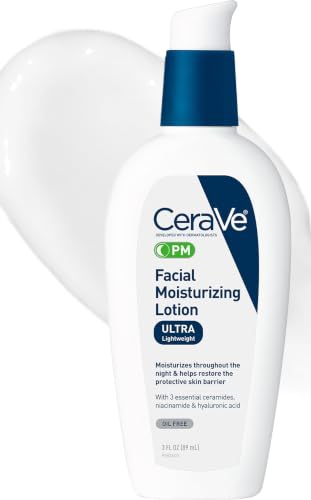
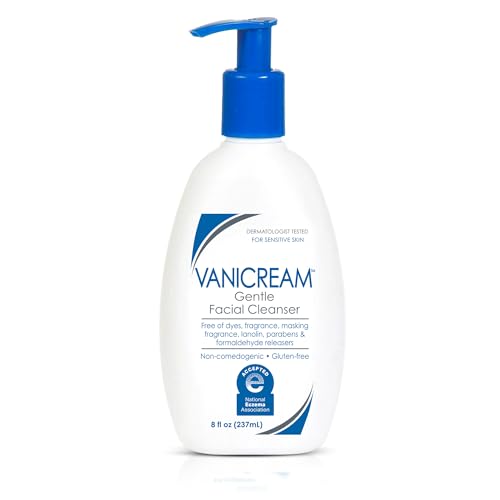

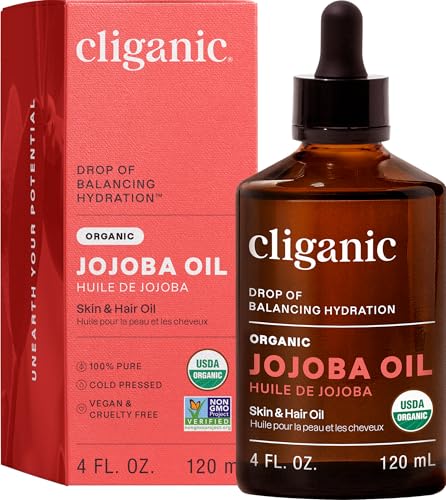
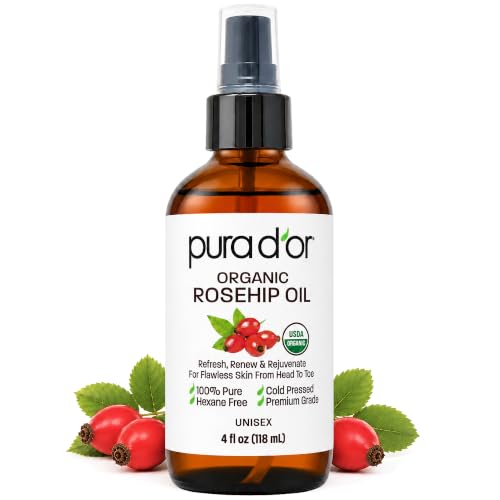

Contents
- Face Oils for Combination Skin Compared
- Using Oil Zone by Zone
- How to Use a Face Oil on Combination Skin
- Where Oil Fits in Your Routine
- Keeping the T-Zone Under Control
- When to Skip Face Oil Altogether
- How to Choose a Good Face Oil
- Common Mistakes With Face Oils
- Dos and Don’ts
- Adjusting Through the Year
- Honest Limits
- When to See a Dermatologist
- FAQ
- Summing Up
The Short Version
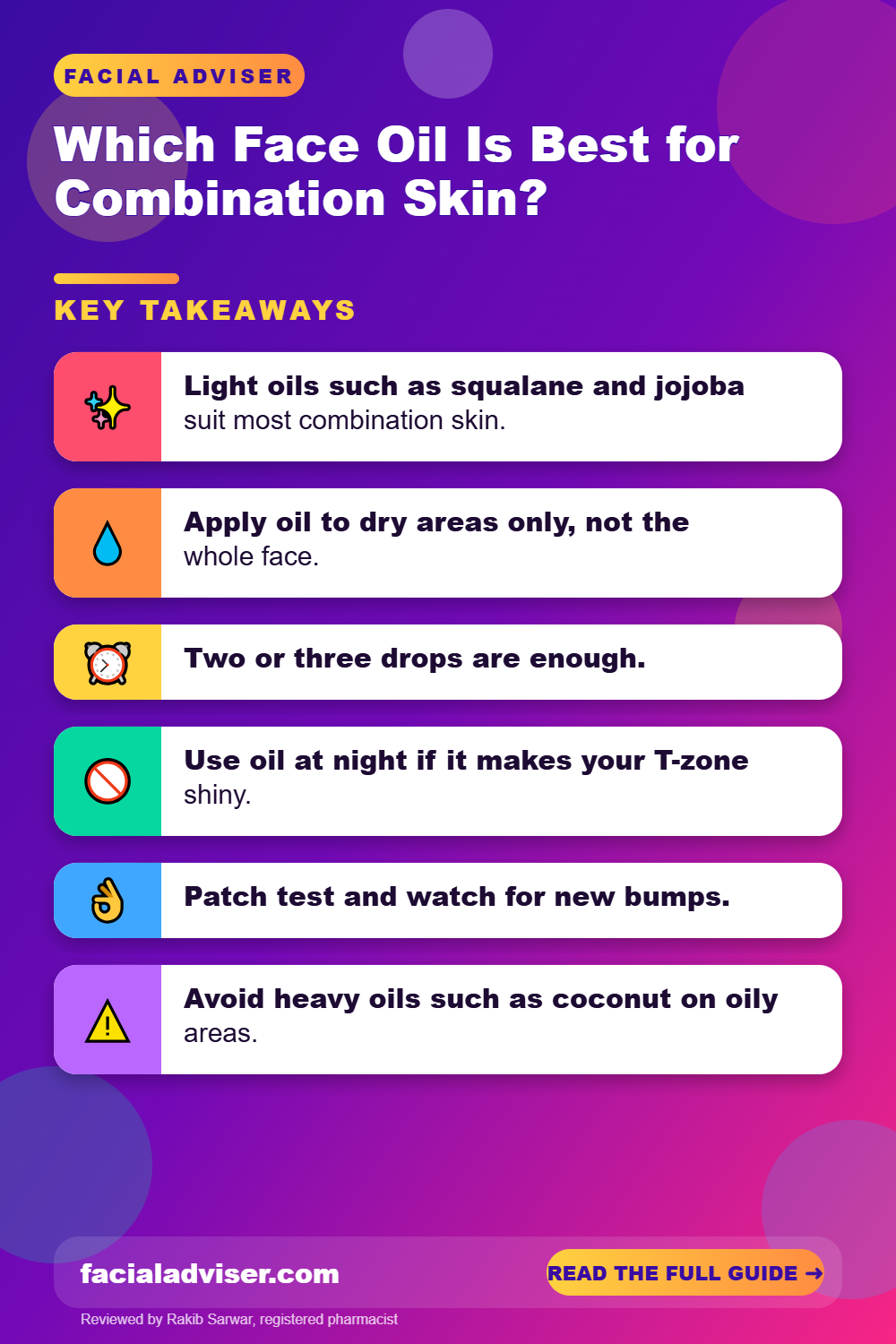
- Light oils such as squalane and jojoba suit most combination skin.
- Apply oil to dry areas only, not the whole face.
- Two or three drops are enough.
- Use oil at night if it makes your T-zone shiny.
- Patch test and watch for new bumps.
- Avoid heavy oils such as coconut on oily areas.
- A face oil is optional; a good moisturiser may be enough.
Face Oils for Combination Skin Compared
| Oil | Feel | Why it suits combination skin | Watch for |
|---|---|---|---|
| Squalane | Very light, dry finish | Absorbs quickly; rarely feels greasy | Choose plant-derived if you prefer |
| Jojoba | Light, silky | Feels similar to skin’s own oil | Occasional breakouts in some people |
| Rosehip seed | Light, slightly dry | Softens dry patches | Can oxidise; store away from light |
| Grapeseed | Light | Absorbs well | Less studied |
| Marula | Medium | Comforting on very dry cheeks | May feel heavy on the T-zone |
| Argan | Medium | Softening | Mixed reports on oily areas |
| Coconut | Heavy | Rarely suitable | Often reported to clog pores |
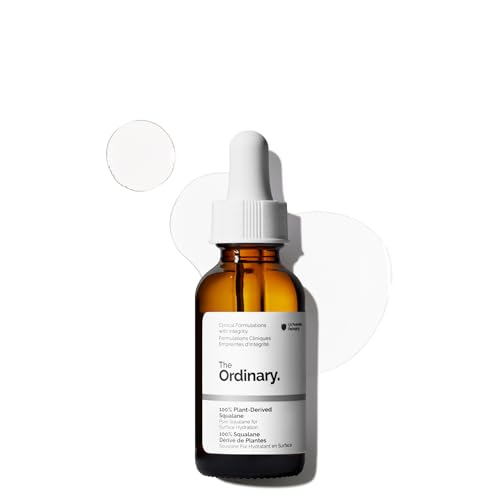
Squalane is often the easiest place to start. It is lightweight, well tolerated and unlikely to leave the T-zone greasy. Jojoba is another common first choice. Technically a liquid wax rather than an oil, it has a texture many people find close to their own skin’s oil, which is why it tends to sit comfortably on combination skin.
Our guide on whether facial oils clog pores explains why lighter oils tend to be safer for oilier areas.
Single-ingredient oils make it easier to see what your skin tolerates. Blends with many oils, fragrance or essential oils add more variables and more chances of irritation.
Using Oil Zone by Zone
The simplest approach for combination skin is not to treat your face as one surface. Put oil where it helps and leave it off where it does not.
| Zone | Typical need | Oil use |
|---|---|---|
| Cheeks | Dryness, tightness | Two or three drops pressed in at night |
| Around the mouth and chin sides | Dryness, flaking | A small amount if dry |
| Forehead | Oil, shine | Usually none |
| Nose | Oil, blackheads | Usually none |
| Centre of chin | Oil, breakouts | Usually none |
| Around the eyes | Dryness | Only oils suitable for the eye area, very little |
Your own pattern may differ. Some people have a dry forehead and oily cheeks. Look at where your skin actually feels tight or flaky and put oil there.
A quick way to map your zones is to cleanse, wait an hour without applying anything, then press a clean tissue to different parts of your face. Areas that leave an oily mark need little or no oil; areas that feel tight and leave nothing are the ones that may benefit.
How to Use a Face Oil on Combination Skin
Cleanse gently
Use a mild cleanser that does not leave your skin tight.
Apply your moisturiser
A light gel or lotion over the whole face.
Warm two or three drops
Rub the oil between your fingertips.
Press onto dry areas
Focus on the cheeks and other dry patches, avoiding the T-zone.
Use at night first
See how your skin responds before trying it in the morning.
Watch for changes
Stop if you notice new bumps, blackheads or breakouts.
Mix one drop of oil into your moisturiser before applying it to your cheeks. It gives dry areas extra comfort while keeping the amount of oil very small.
Where Oil Fits in Your Routine
Oils usually go after water-based products such as serums and moisturisers. They form a light layer that slows water loss, so applying them last helps seal in the hydration underneath.
If you apply oil first, it can stop water-based products from spreading evenly and may make your routine pill.
In the morning, oil under sunscreen can make some sunscreens slide or pill, and it can add shine to the T-zone by midday. Many people with combination skin use oil only at night for that reason. If you want some in the morning, a single drop mixed into moisturiser on the cheeks is usually subtle enough.
Our comparison of facial oil versus serum explains how the two differ and how to use both.
Keeping the T-Zone Under Control
If your T-zone is oily and prone to blackheads, the goal is to keep it light while caring for dry areas. A gentle cleanser, a light gel moisturiser and, if you need it, a salicylic acid product a few times a week on the T-zone only usually works well.
Salicylic acid is oil-soluble and works inside pores, which makes it a good match for oily areas. Use it on different nights from any strong actives and keep it off dry cheeks.
Our guide to an oily T-zone with dry cheeks covers the full routine for combination skin.
Stop using a face oil if you develop clusters of small, itchy, uniform bumps, particularly on the forehead. This can be a sign of fungal acne, which some oils can worsen. See a dermatologist if it continues.
When to Skip Face Oil Altogether
- Your moisturiser already keeps your cheeks comfortable.
- You break out easily, even with light oils.
- You have fungal acne or seborrheic dermatitis.
- You live somewhere hot and humid and your skin feels greasy by midday.
- You already use several leave-on products and want to simplify.
In these cases, a slightly richer moisturiser on dry areas may be a better answer than adding an oil. Oil is one tool among several, not a requirement for healthy combination skin, and leaving it out will not hold your skin back.
If you are acne-prone, the AAD’s acne skin care tips recommend products labelled non-comedogenic or oil-free, which is a useful guide when deciding whether an oil belongs in your routine at all.
How to Choose a Good Face Oil
Once you know which oil you want to try, a few simple checks help you pick a good product.
- Single ingredient: a bottle that lists only squalane, jojoba or rosehip seed oil is easier to judge than a blend.
- Fragrance-free: avoid added fragrance and essential oils, which can irritate.
- Dark or opaque bottle: helps protect oils that oxidise, such as rosehip.
- Dropper or pump: keeps the oil cleaner and makes it easy to use only a few drops.
- Small size: a small bottle lets you test an oil without committing to a large one, and you will finish it before it goes off.
Price is not a reliable guide. Simple, inexpensive single-ingredient oils often perform as well as luxury blends, and they are easier to evaluate on your skin.
Smell the oil when you open it and occasionally as you use it. A sharp, rancid or crayon-like smell suggests it has oxidised and should be replaced.
Common Mistakes With Face Oils
Using too much. A few drops go a long way. If your face looks shiny or feels slippery after application, you have used more than you need. Applying it everywhere. The whole point for combination skin is targeting dry areas. Oil across the T-zone often leads to shine and congestion. Using oil instead of moisturiser. Oils soften and seal but do not add water. On their own, they may not fix dehydration. Pairing them with a water-based moisturiser usually works better. Switching oils too quickly. Give each oil a couple of weeks before deciding. Changing every few days makes it hard to tell what is helping or causing problems.Dos and Don’ts
Do
- Choose light oils such as squalane or jojoba
- Apply oil only to dry areas
- Use two or three drops
- Try it at night first
- Patch test for one to two weeks
Don’t
- Apply oil all over the T-zone
- Use heavy oils such as coconut on oily areas
- Use several oils at once
- Apply oil under a product that then pills
- Keep using an oil that causes breakouts
Adjusting Through the Year
Combination skin often shifts with the seasons. In winter, cheeks may need oil more often and the T-zone may be less oily. In summer, you might skip oil entirely or use it only a couple of nights a week.
Our guide to adjusting skincare for seasonal changes covers how to shift your routine through the year.
Storing oils properly also matters. Many plant oils, especially rosehip, can oxidise when exposed to light, air and heat. Keep them capped, away from sunlight and use them within the time recommended on the label.
Hormones, stress and changes in your routine can also shift the balance between oily and dry areas. If your skin suddenly feels different, adjust how often you use the oil rather than switching to a new product straight away. Often a small change in frequency is all that is needed.
Honest Limits
Evidence comparing face oils specifically for combination skin is limited. Recommendations are based on the texture and composition of the oils, older comedogenicity testing and dermatologists’ clinical experience rather than large trials.
Your skin’s response is the best guide. An oil that suits most people with combination skin may still cause breakouts for you, and an oil others avoid may work well. Patch testing and introducing one product at a time are the most reliable ways to find out. Keeping a short note of what you used and how your skin looked the next morning can make patterns much easier to spot.
When to See a Dermatologist
- You break out every time you try a face oil.
- You have small, itchy bumps that do not respond to acne products.
- Your cheeks stay dry, red or flaky despite moisturising.
- You are unsure whether your skin is combination or has a condition such as rosacea or seborrheic dermatitis.
This article is for general information and does not replace professional medical advice. See a dermatologist for persistent skin concerns.
FAQ
What is the best face oil for combination skin?
Light oils such as squalane or jojoba are usually the best starting points.
Should I use face oil on my T-zone?
Usually not. Apply it mainly to drier areas such as the cheeks.
How much face oil should I use?
Two or three drops are usually enough.
Is rosehip oil good for combination skin?
Many people tolerate it well, but patch test first.
Should I use face oil in the morning or at night?
Night is often best for combination skin, to avoid midday shine.
Does face oil go before or after moisturiser?
Usually after, as the last step of your evening routine.
Can face oil cause breakouts?
Yes, some oils can, especially on oily or acne-prone areas.
Is coconut oil good for combination skin?
It is usually best avoided, especially on oily areas.
Do I need a face oil if I have combination skin?
No. It is optional; a good moisturiser may be enough.
Can I mix face oil with moisturiser?
Yes. Mixing a drop into moisturiser is a gentle way to use it.
Summing Up
For combination skin, light oils such as squalane and jojoba usually work best, applied in small amounts to dry areas only and often at night.
Keep the T-zone light, patch test new oils and stop if you notice breakouts. If oils never agree with your skin, a slightly richer moisturiser on dry areas is a perfectly good alternative.

Written by
Registered pharmacist and founder of Facial Adviser. Rakib's pharmacy training covers how skincare actives work and interact; a later course in cosmetology turned that into a focus on facial treatments and skincare products. He plans, researches and edits every guide on the site and checks health claims against sources such as the American Academy of Dermatology, the FDA and the NIH. He is not a dermatologist; see the Editorial Policy and Medical Disclaimer.
About · Editorial policy · How we choose products · Medical disclaimer · Contact
Keep reading: Moisturisers and face oils
- 10 Best Facial Moisturizers for Dry Skin (2026): Rich, Gentle Creams
- 10 Best Indoor Tanning Lotions (2026): Sunless Colour, No Tanning Bed
- Does Shea Butter Remove Dark Spots? Real Answer
- Can You Use Rosehip Oil With Retinol?
- Does Vitamin C Facial Cream Work?
- Facial Oil vs Essential Oil: Why One Moisturizes and the Other Can Irritate
- 10 Best Face Masks for Every Skin Type (2026): Clay, Gel and Sheet
- What Does a Facial Toner Do? The Real Answer