How to Adjust Your Skincare Routine for Seasonal Changes
If your skin feels tight and flaky every winter and shiny and congested every summer, your routine is not failing you. Your skin is responding to changes in temperature, humidity, sun and indoor heating, and a routine that worked perfectly in one season can feel wrong in the next.
Part of our guide to skincare routines and ingredients. Start with: Best Skin Care Routine: Simple AM and PM Steps for Every Skin Type
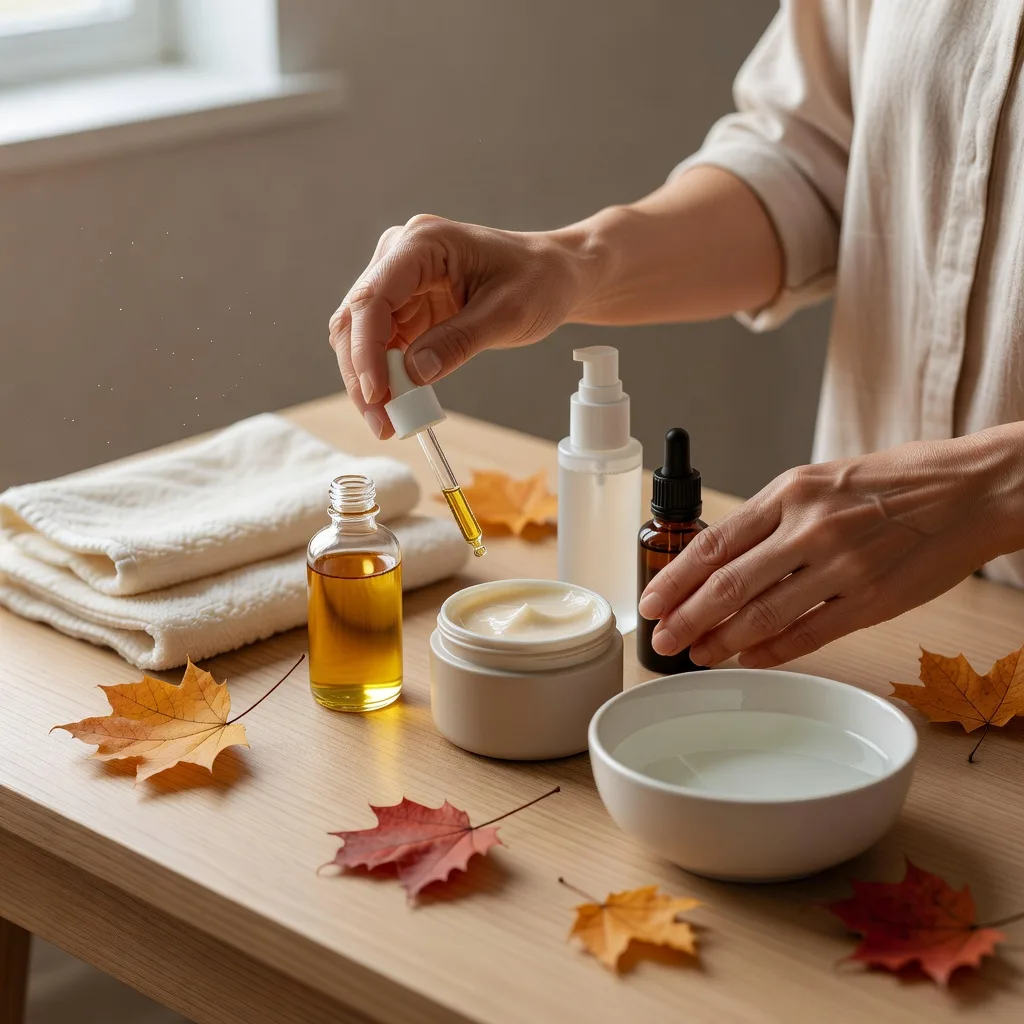
Adjusting skincare for the seasons usually means changing texture, not starting over. In colder, drier months, switch to a gentler, creamier cleanser and a richer moisturiser, add an occlusive for very dry patches and use strong actives less often. In warmer, more humid months, move to lighter gels and lotions, cleanse after sweating and keep actives that help with oil and clogged pores. Sunscreen stays every day, all year.
The main drivers are humidity and temperature. Cold air holds less moisture, and indoor heating dries it further, so skin loses water faster and the barrier becomes easier to irritate. Warm, humid air means less water loss but more oil and sweat. UV levels also rise in spring and summer, though UV is present year-round.
The American Academy of Dermatology’s tips for relieving dry skin, such as using lukewarm water, applying moisturiser straight after washing and choosing creams or ointments over lotions, are especially useful in winter. Its sunscreen advice applies in every season.
This guide explains how skin changes through the year, what to adjust in each season, and how to make the switch smoothly without triggering irritation.
Shopping these picks?
Amazon Prime members get fast, free shipping on eligible items, plus Prime Video, Amazon Music and member deals. New members can start with a free trial.
Start a free Prime trialAged 18 to 24? Prime for Young Adults comes with a longer free trial and a lower price after it.
Affiliate link: we may earn a commission at no extra cost to you.
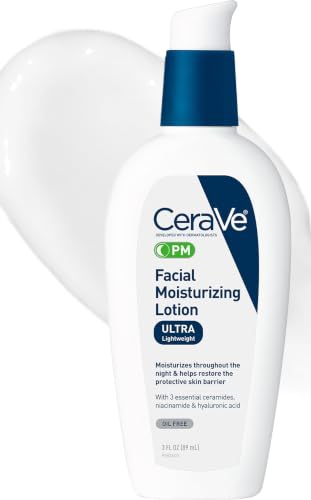
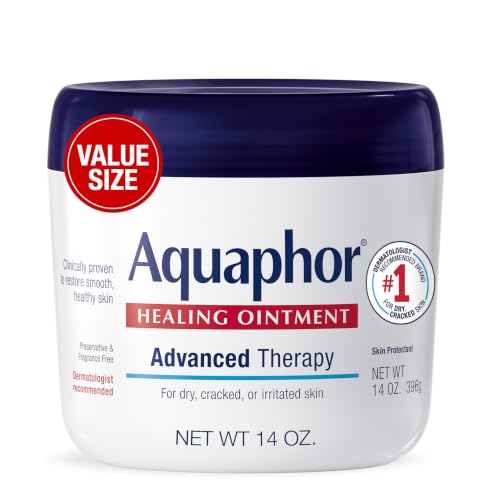
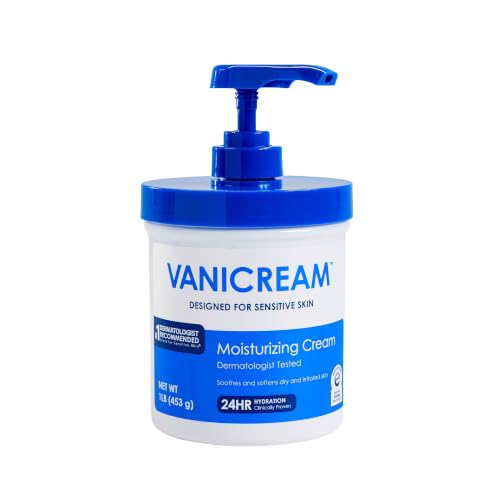
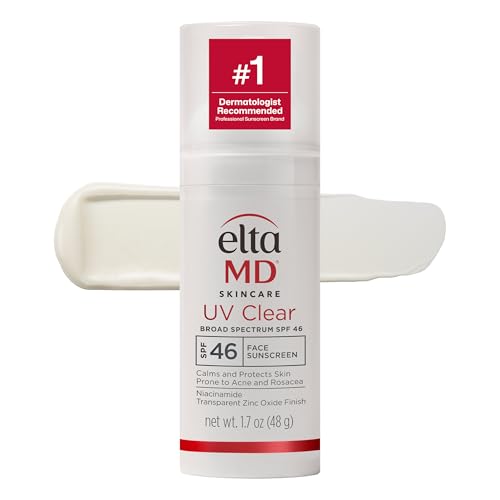
Recommended Products for Changing Seasons



In This Guide
- Why Your Skin Changes With the Seasons
- Adjusting for Winter
- Adjusting for Summer
- Spring and Autumn: The In-Between Seasons
- How to Switch Your Routine Between Seasons
- Your Routine Through the Year
- Sunscreen Is Not Seasonal
- Seasonal Habits Beyond Products
- Seasonal Tips by Skin Type
- Dos and Don’ts
- Honest Limits
- When to See a Dermatologist
- Common Questions
- Summing Up
What to Know First
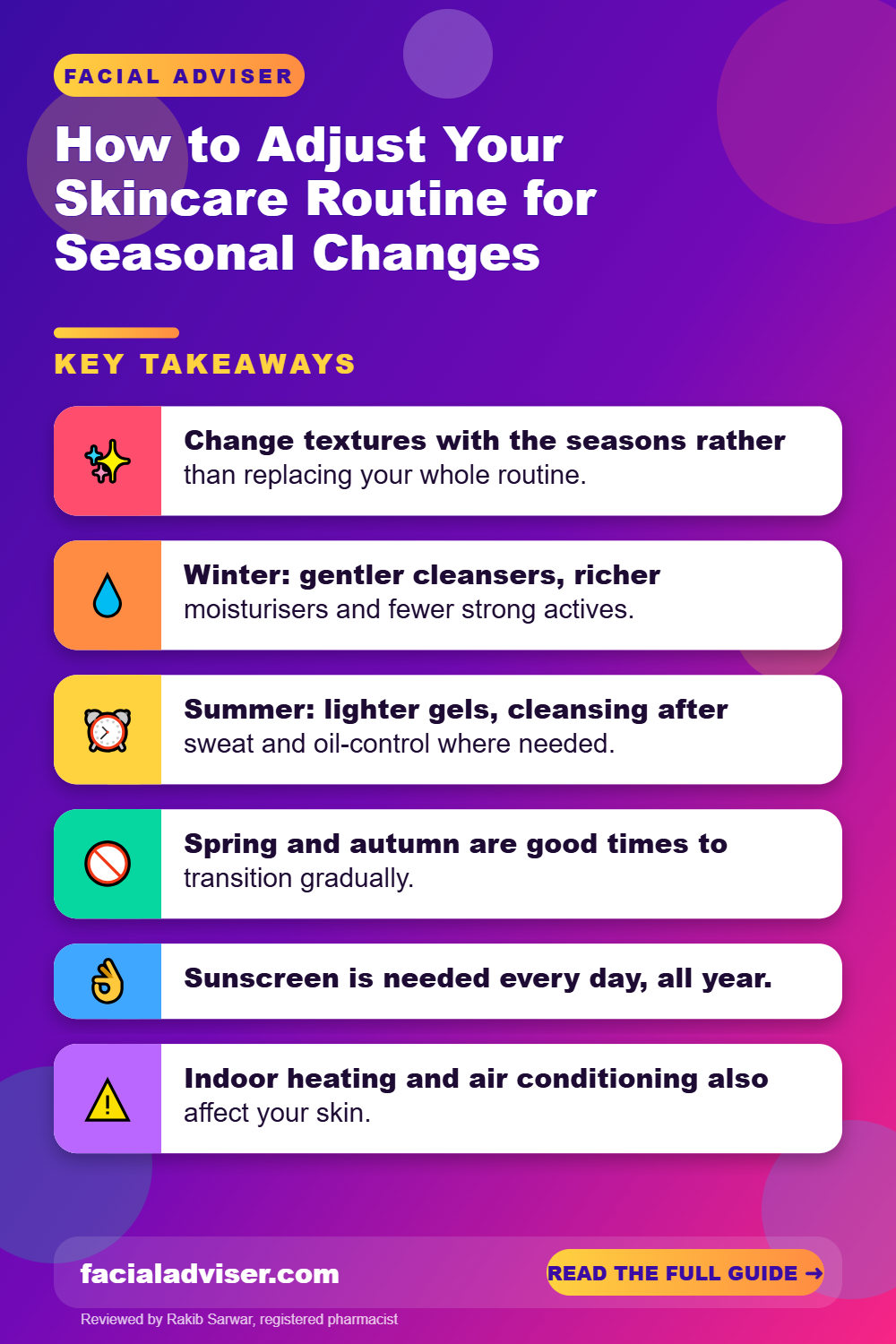
- Change textures with the seasons rather than replacing your whole routine.
- Winter: gentler cleansers, richer moisturisers and fewer strong actives.
- Summer: lighter gels, cleansing after sweat and oil-control where needed.
- Spring and autumn are good times to transition gradually.
- Sunscreen is needed every day, all year.
- Indoor heating and air conditioning also affect your skin.
- Change one product at a time.
Why Your Skin Changes With the Seasons
| Season | Typical conditions | Common skin changes |
|---|---|---|
| Winter | Cold, dry air; indoor heating; wind | Dryness, tightness, flaking, redness, more sensitivity |
| Spring | Changing temperatures, pollen, rising UV | Mixed dryness and oiliness, allergy-related irritation |
| Summer | Heat, humidity, strong sun, sweat | More oil and shine, clogged pores, heat rash, sunburn risk |
| Autumn | Cooling air, lower humidity | Early dryness, dullness after summer sun |
Your own climate matters more than the calendar. In tropical regions, the key shift may be between rainy and dry seasons rather than winter and summer. In very dry places, even summer can leave skin thirsty.
Lifestyle changes with the seasons too. Hot showers, heating, holidays in the sun, swimming pools and more time outdoors all add to what your skin has to deal with.
Seasonal changes are gradual. Adjusting one product at a time as the weather shifts is easier on your skin than switching everything overnight.
Adjusting for Winter
Cleanser: switch to a creamy or hydrating cleanser if a foaming one leaves your skin tight. Wash with lukewarm rather than hot water. Moisturiser: move to a richer cream with ceramides, glycerin and some occlusive ingredients. Apply it to slightly damp skin straight after washing. Occlusive: a thin layer of ointment on very dry patches, lips or the corners of the nose at night can make a big difference. Actives: retinoids and exfoliating acids can feel stronger in winter. Using them less often, or buffering them with moisturiser, can prevent flaking.Wind and cold can also leave cheeks red and chapped, particularly if you spend time outdoors for work or sport. A richer cream or a thin layer of balm on exposed areas before you go out can act as a barrier, and covering your face with a scarf in very cold wind helps more than any product.
The AAD’s tips for relieving dry skin also suggest shorter showers, lukewarm water and a humidifier in the bedroom. Our guide to facial dryness from indoor heating covers the winter indoor environment in more detail.
Adjusting for Summer
Cleanser: a gentle gel cleanser often feels better in the heat. Cleanse after exercise or heavy sweating, not just morning and night. Moisturiser: switch to a gel or light lotion. Oily skin may need only a hydrating serum under sunscreen in the morning. Actives: salicylic acid can help with oil and clogged pores. If you use retinoids or exfoliating acids, keep them for evenings and be diligent about sunscreen. Sunscreen: use a broad-spectrum SPF 30 or higher, choose a water-resistant formula if you will be sweating or swimming, and reapply every two hours outdoors.Our guide on skincare for humid climates covers hot, humid weather in more depth, including heat rash and fungal acne.
Spring and Autumn: The In-Between Seasons
The shoulder seasons are when many people notice their skin feels confused, dry one day and oily the next. This is a good time to make changes gradually rather than all at once.
In spring, you might keep your winter cleanser but switch to a lighter moisturiser in the morning while keeping the richer one at night. In autumn, do the reverse, adding a richer night cream first and changing your daytime products later.
Spring can also bring pollen and allergy-related irritation around the eyes and nose. Our guide on how seasonal allergies affect facial skin covers what helps.
Autumn is also a good time to reassess after summer. Any new dark spots or uneven tone from summer sun often respond to consistent sunscreen and, if you wish, a brightening ingredient such as vitamin C or azelaic acid.
How to Switch Your Routine Between Seasons
Notice the signs
Tightness, flaking and stinging suggest you need more moisture; shine and congestion suggest lighter products.
Change one product at a time
Start with the product that feels most wrong, usually the moisturiser.
Give it two weeks
Allow time to see how your skin responds before changing anything else.
Adjust actives
Reduce frequency in dry months and watch sun exposure in sunny months.
Keep sunscreen constant
Switch texture if needed, but never skip it.
Review again as the weather changes
Small tweaks through the year are better than one big overhaul.
Keep two moisturisers on hand, a lighter one and a richer one, and switch between them as the weather changes. Many people use the lighter one in the morning and the richer one at night during the in-between months.
Your Routine Through the Year
| Step | Colder, drier months | Warmer, more humid months |
|---|---|---|
| Cleanser | Creamy or hydrating, lukewarm water | Gentle gel, cleanse after sweating |
| Toner or serum | Hydrating serum with glycerin or hyaluronic acid | Light hydrating serum or niacinamide |
| Moisturiser | Richer cream with ceramides | Gel or light lotion |
| Occlusive | Ointment on dry patches at night | Usually not needed |
| Actives | Less often; buffer if needed | As tolerated; evenings only for retinoids and acids |
| Sunscreen | Daily broad-spectrum SPF 30+ | Daily, water-resistant if sweating; reapply outdoors |
This is a starting point rather than a rulebook. Many people only need to change one or two products through the year, most often the moisturiser.
Our guide to morning versus night routine order shows how the steps fit together in any season.
Sunscreen Is Not Seasonal
UV rays are present all year, including on cloudy and cold days, and snow and water reflect UV, increasing exposure. UVA, which contributes to skin ageing and dark spots, also passes through clouds and window glass.
The AAD recommends a broad-spectrum sunscreen of SPF 30 or higher for daily use. What can change with the seasons is the texture: a creamier sunscreen that doubles as moisture in winter, and a lighter, water-resistant fluid in summer.
Do not stop using sunscreen in winter. Skiing, snow and high altitude can cause significant sun exposure even in cold weather.
Seasonal Habits Beyond Products
Products are only part of the picture. Small changes in daily habits often make as much difference as swapping a moisturiser.
- Shower temperature: long, hot showers feel good in winter but strip oils from the skin. Keep them short and lukewarm.
- Humidifier: running one in the bedroom during the heating season can reduce overnight dryness.
- Clothing: scarves and hats protect against wind in winter; breathable fabrics reduce sweat build-up in summer.
- Pillowcases: change them more often in hot weather, when sweat and oil build up faster.
- Hydration and sleep: drinking enough water and sleeping well will not replace skincare, but dehydration and poor sleep can make skin look dull in any season.
Travel counts too. A winter holiday somewhere hot, or a summer trip to the mountains, can change your skin’s needs for a week or two. Packing a lighter and a richer moisturiser covers most situations.
Seasonal Tips by Skin Type
Dry skin: winter is usually the hardest season. Richer creams, occlusives at night and fewer actives help. Summer may feel easier, but air conditioning can still dry you out. Oily skin: summer brings the most shine. Gel textures, oil-free sunscreen and salicylic acid help. In winter, oily skin can still become dehydrated, so do not skip moisturiser altogether. Combination skin: use a lighter product on the T-zone and a richer one on the cheeks, especially in the in-between seasons. Sensitive skin: both extremes can trigger flares. Keep your routine simple, fragrance-free and consistent, and change products more slowly than other skin types.Dos and Don’ts
Helps
- Change textures as the weather shifts
- Moisturise straight after washing in dry months
- Cleanse after sweating in warm months
- Use sunscreen every day, all year
- Change one product at a time
Backfires
- Overhaul your whole routine at once
- Use hot water in winter
- Keep heavy creams in hot, humid weather if they cause breakouts
- Use strong actives as often on dry, irritated skin
- Skip sunscreen because it is cloudy or cold
Honest Limits
Seasonal skincare advice is based on general principles about humidity, temperature and UV rather than precise studies of what everyone needs at each time of year. Your own skin, climate and lifestyle matter more than any seasonal checklist.
Some changes that look seasonal may have other causes. Worsening dryness can be eczema, and summer breakouts can be fungal acne or a reaction to sunscreen. If a problem does not respond to simple adjustments, it is worth getting checked.
And you may not need to change much at all. If your skin feels comfortable year-round with the same products, there is no reason to switch just because the season has changed.
When to See a Dermatologist
- Your skin cracks, bleeds or becomes painfully dry in winter.
- You develop red, itchy or scaly patches that do not settle.
- Breakouts every summer do not respond to lighter products.
- You notice new or changing spots or moles after sun exposure.
A dermatologist can help identify seasonal conditions such as eczema flares, rosacea triggers or fungal acne, and suggest a routine that works across the year.
This article is for general information and does not replace professional medical advice. See a dermatologist for persistent skin concerns.
Common Questions
Should I change my skincare routine every season?
You may need to adjust textures, especially moisturiser, but not necessarily your whole routine.
What should I change first in winter?
Usually your moisturiser, to something richer, and your cleanser if it leaves skin tight.
What should I change first in summer?
Switch to a lighter moisturiser and a water-resistant sunscreen if you sweat.
Do I need sunscreen in winter?
Yes. UV is present all year, and snow reflects UV.
Should I use retinol less in winter?
Many people find they need to use it less often or buffer it with moisturiser in dry months.
Why is my skin oily in summer and dry in winter?
Heat and humidity increase oil and sweat, while cold, dry air and heating increase water loss.
Can I use the same moisturiser all year?
Yes, if your skin stays comfortable. Many people prefer a lighter one in summer and a richer one in winter.
Does a humidifier help in winter?
It can help reduce dryness, especially in heated bedrooms.
How long should I test a new seasonal product?
About two weeks before changing anything else.
What about rainy and dry seasons?
The same principle applies: lighter in humid months and richer in dry months.
Summing Up
Adjusting skincare for the seasons is mostly about texture: richer, gentler products in cold, dry months and lighter ones in hot, humid months, with fewer strong actives when skin is dry.
Change one product at a time as the weather shifts, keep up daily sunscreen all year, and see a dermatologist if seasonal dryness, breakouts or rashes do not settle with simple adjustments.

Written by
Registered pharmacist and founder of Facial Adviser. Rakib's pharmacy training covers how skincare actives work and interact; a later course in cosmetology turned that into a focus on facial treatments and skincare products. He plans, researches and edits every guide on the site and checks health claims against sources such as the American Academy of Dermatology, the FDA and the NIH. He is not a dermatologist; see the Editorial Policy and Medical Disclaimer.
About · Editorial policy · How we choose products · Medical disclaimer · Contact
Keep reading: Skincare routine basics