Is Niacinamide Safe With Acids? What Actually Happens When You Mix Them
Niacinamide and exfoliating acids are two of the most popular ingredients in skincare, and they often end up in the same routine. Then someone reads online that mixing them causes flushing, cancels them out, or damages the skin, and the whole routine gets rearranged around a rule that may not be real.
Part of our guide to skincare products. Start with: 10 Best Facial Serums for Aging Skin (2026): Picks by Concern
For most people, niacinamide is safe to use with AHAs and BHAs, and even in the same routine. The worry comes from chemistry that happens in a beaker. Under heat and over long periods at low pH, niacinamide can slowly convert into nicotinic acid, a form of vitamin B3 that causes temporary flushing. On your face, at skin temperature, over the few minutes it takes products to absorb, that conversion is minimal.
That does not mean every combination is trouble-free. The real risk is irritation from doing too much at once, not a chemical reaction between the two ingredients. A strong glycolic acid followed by a high-strength niacinamide serum can leave a sensitive or already irritated face red and stinging. Some people also react to niacinamide on its own, which gets wrongly blamed on the acid.
The good news is that you can find out exactly which ingredient your skin dislikes. A three-night separation test isolates the cause in less than a week, so you do not have to give up either ingredient on guesswork.
This guide covers where the myth came from, what each combination really does, how to layer them safely, and the signs that your skin is telling you to scale back.
Shopping these picks?
Amazon Prime members get fast, free shipping on eligible items, plus Prime Video, Amazon Music and member deals. New members can start with a free trial.
Start a free Prime trialAged 18 to 24? Prime for Young Adults comes with a longer free trial and a lower price after it.
Affiliate link: we may earn a commission at no extra cost to you.
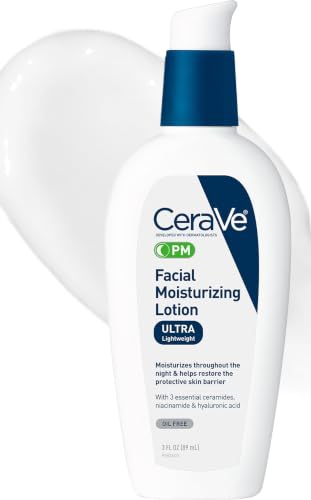
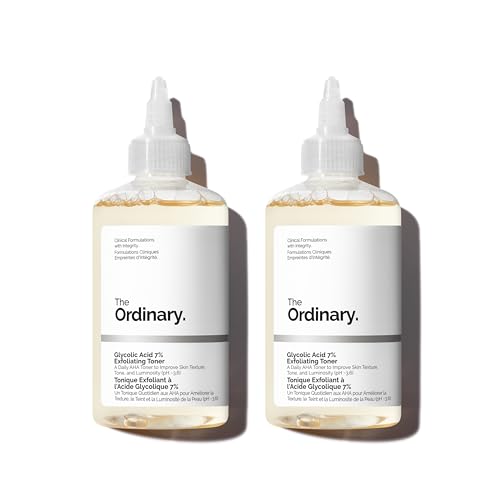
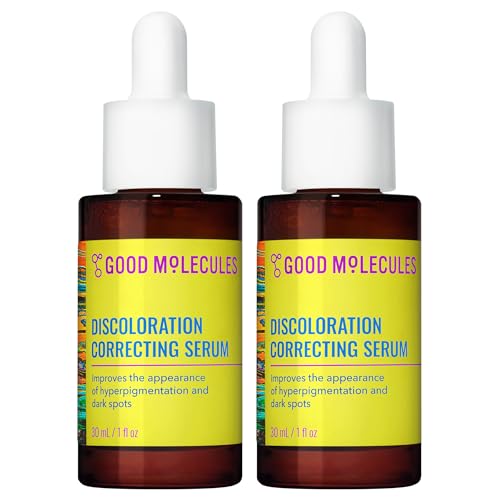
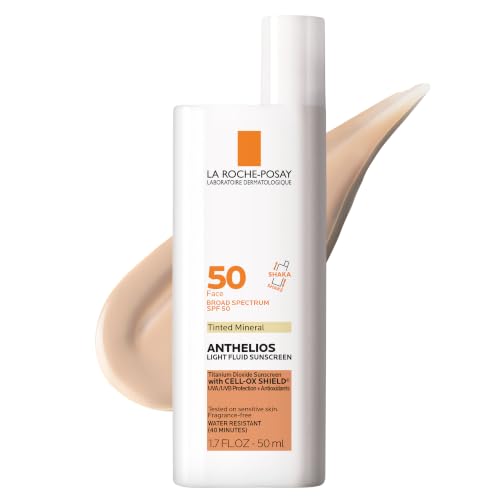
Recommended Niacinamide and Acid Products


Jump to a Section
- Where the Niacinamide and Acid Myth Came From
- What Happens When They Meet on Your Skin
- Niacinamide With Each Type of Acid
- The Real Risk: Irritation, Not Chemistry
- The Three-Night Separation Test
- How to Layer Them Safely
- What the Evidence Says About Niacinamide
- What Mixing Them Will Not Do
- When to See a Dermatologist
- Frequently Asked Questions
- The Bottom Line
Key Takeaways
- Niacinamide can be used with AHAs and BHAs by most people, including in the same routine.
- The flushing concern comes from niacinamide converting to nicotinic acid under heat and time, conditions that do not apply on skin.
- The real risk is cumulative irritation from strong acids plus high-strength niacinamide on sensitive skin.
- Some people react to niacinamide itself. A three-night separation test shows which ingredient is the problem.
- If you prefer, use the acid at night and niacinamide in the morning. This avoids pH debates entirely.
- Higher niacinamide percentages are not clearly more effective. Studies showing benefits used 2 to 5 percent.
Where the Niacinamide and Acid Myth Came From
Niacinamide is a form of vitamin B3. Chemically, it is an amide, and under the right conditions amides can break down, or hydrolyze, into their acid form. For niacinamide, that acid form is nicotinic acid, also called niacin. Niacin is well known for causing a warm, red, sometimes itchy flush on the skin.
Formulators have long known that niacinamide is most stable around a neutral pH and that very acidic conditions combined with heat speed up its conversion. That practical manufacturing advice turned into a consumer rule online: never mix niacinamide with acids. A similar rule, based on old heated-solution experiments, was applied to niacinamide and vitamin C.
The problem is scale. Hydrolysis under manufacturing or storage conditions happens over hours to months, often with heat. Layering two products on your face for a few minutes at skin temperature is a very different situation.
What Happens When They Meet on Your Skin
When you apply an acid toner and then a niacinamide serum, the two mix in a thin film on the skin surface. Skin has its own slightly acidic buffering system, and it quickly nudges the combined layer back toward its natural pH as products absorb.
Two practical effects are possible. First, a small amount of niacinamide could convert to nicotinic acid, but at skin temperature and within minutes, the amount is generally too small to matter for most people. Second, niacinamide has a higher pH than most exfoliating acids, so layering it directly on top may slightly reduce how strongly the acid exfoliates while it is still working.
Neither effect is dangerous. The second one is why some people prefer to wait a few minutes between steps or to separate the two into morning and evening.
Niacinamide With Each Type of Acid
Here is how niacinamide typically behaves with the acids and actives people most often ask about.
| Combination | Is it safe? | What to watch for | Practical tip |
|---|---|---|---|
| Niacinamide + glycolic or lactic acid (AHA) | Generally yes | Stinging on sensitive or damaged skin | Use the AHA first, wait a few minutes, or separate AM and PM |
| Niacinamide + salicylic acid (BHA) | Generally yes | Dryness if both are strong | A common pairing for oily, congested skin |
| Niacinamide + azelaic acid | Yes | Mild tingling from azelaic acid | Often combined for redness and marks |
| Niacinamide + vitamin C | Yes | Rare flushing in sensitive people | The old warning came from heated lab tests |
| Niacinamide + retinoid | Yes | Retinoid dryness | Niacinamide may help tolerance |
If the pairing you care about is in a single product, the brand has already formulated it to be stable, which removes most of the guesswork.
What about PHAs and tranexamic acid?
Polyhydroxy acids such as gluconolactone are gentler cousins of AHAs with larger molecules that penetrate more slowly, so they pair with niacinamide with even less risk of stinging. Tranexamic acid, despite the name, is not an exfoliating acid at all. It is a brightening ingredient often formulated alongside niacinamide for dark spots, and the two are commonly sold together in one serum. If a label says acid, check what kind before assuming it exfoliates.
The Real Risk: Irritation, Not Chemistry
When people have a bad experience combining these ingredients, the cause is usually cumulative irritation. Exfoliating acids loosen the bonds between surface skin cells. Doing that often, at high strength, thins the protective outer layer and leaves the skin more reactive to everything that follows.
High-strength niacinamide can add to that. Serums at 10 percent and above are popular, but some people find them itchy or flushing on their own, particularly on a compromised barrier.
Stop and simplify if you notice: burning that lasts more than a few minutes, redness that lingers for hours, a shiny tight look, or new patches of flaking. These are signs of over-exfoliation. Pause all acids for one to two weeks and focus on a gentle cleanser and moisturizer. Our guide to redness after exfoliation explains the recovery steps.
The Three-Night Separation Test
If your skin reacts when you use both ingredients, do not guess which one is the problem. This test isolates it.
Night one: niacinamide alone
After cleansing, apply only your niacinamide product, then moisturizer. Note any warmth, itching, or redness within 30 minutes.
Night two: acid alone
Skip niacinamide and apply only your acid, then moisturizer. Note the same signs.
Night three: both together
Apply the acid, wait five minutes, then niacinamide and moisturizer.
Compare your notes
Reaction on night one means niacinamide is the issue. Reaction on night two means the acid is too strong or too frequent. Reaction only on night three means the combined load is too much.
Adjust based on the result
Switch to a lower niacinamide strength, reduce acid frequency, or separate the two into morning and evening.
Keep the rest of your routine unchanged during the test, and pause if any night causes significant burning. The test only works if one thing changes at a time.
How to Layer Them Safely
There is no single correct way to use these ingredients together. These three approaches all work, depending on your skin.
| Approach | How | Best for |
|---|---|---|
| Same routine | Acid first, wait a few minutes, then niacinamide | Resilient, oily, or combination skin |
| Split morning and evening | Niacinamide in the morning, acid at night | Most people, and anyone unsure |
| Alternate nights | Acid on two or three nights, niacinamide on others | Sensitive or dry skin |
Worth Doing
- Start with lower strengths, such as 2 to 5 percent niacinamide.
- Introduce one new product at a time.
- Use acids a few nights a week at first.
- Follow with a plain moisturizer.
- Wear sunscreen daily when using AHAs.
- Keep a simple note of how your skin reacts.
Skip It
- Stack a strong AHA, BHA, retinoid, and niacinamide in one night.
- Use acids on broken, sunburned, or peeling skin.
- Assume higher percentages mean better results.
- Blame the combination without testing each ingredient alone.
- Skip moisturizer to make actives work harder.
- Keep going through persistent burning.
What the Evidence Says About Niacinamide
Niacinamide is one of the better-studied cosmetic ingredients. Research by Bissett and colleagues in the mid-2000s found that 5 percent niacinamide improved the look of hyperpigmentation, fine lines, and skin texture over several weeks. A 2006 study by Draelos and colleagues reported reduced sebum production with a 2 percent niacinamide moisturizer.
Those studies used modest concentrations. There is little evidence that 10 or 20 percent formulas work better, and higher strengths are more likely to cause irritation. Most research also tested niacinamide on its own, so data on specific acid combinations is limited. For more on how it compares to a hydrator, see our guide to niacinamide vs hyaluronic acid.
A realistic expectation: niacinamide is a useful supporting ingredient for oil, redness, and uneven tone, with results building over 8 to 12 weeks. It is not a replacement for sunscreen or prescription treatments for acne or melasma.
What Mixing Them Will Not Do
Combining niacinamide and acids will not double their effects. Each works on a different part of the problem, so the benefit is additive at best, and only if your skin tolerates both.
It also will not fix breakouts caused by over-exfoliation. If your skin started breaking out after adding more actives, the solution is usually to do less, not to find the perfect combination. Our guide on whether over-exfoliating can cause acne covers this pattern.
Finally, pH timing rules online are often overstated. Waiting 20 or 30 minutes between steps is rarely necessary. A few minutes, or separating morning and evening, is enough for most people.
When to See a Dermatologist
Book an appointment if you notice:
- Hives, swelling, or a spreading rash after applying a product, which may signal an allergy.
- Burning or redness that continues for days after stopping all actives.
- Acne that is not improving after three months of over-the-counter care.
- Dark patches that are spreading or not responding to treatment, which may need prescription care.
- Persistent flushing and visible blood vessels, which can suggest rosacea.
Medical disclaimer: This article is for general information only and is not a substitute for professional medical advice. Speak with a doctor or dermatologist about skin conditions, reactions, or prescription treatments, especially if you are pregnant or breastfeeding.
Frequently Asked Questions
Can I use niacinamide with AHA and BHA?
Yes, most people can. The main risk is irritation from using too many strong actives, not a harmful reaction between the ingredients.
Does niacinamide turn into niacin with acids?
It can under heat and over long periods at low pH, but on skin, at body temperature and within minutes, the conversion is generally too small to matter.
Should I wait between applying acid and niacinamide?
A few minutes is enough for most people. Alternatively, use the acid at night and niacinamide in the morning.
Can niacinamide cause flushing on its own?
Yes. Some people experience warmth or redness from niacinamide itself, especially at high concentrations or on sensitive skin.
Which should go first, niacinamide or acid?
Apply the acid first on clean skin, then niacinamide, then moisturizer.
Is niacinamide safe with salicylic acid?
Yes. This is a common pairing for oily and congested skin, though it can be drying if both are strong.
Can I use niacinamide and vitamin C together?
Yes. The old warning came from heated laboratory experiments and does not reflect how the products behave on skin.
What percentage of niacinamide is best?
Studies showing benefits used about 2 to 5 percent. Higher strengths are not clearly more effective and irritate some people.
How do I know which ingredient is irritating my skin?
Try each on separate nights, then both together, and note which night causes a reaction.
Can niacinamide reduce irritation from acids?
It may help support the skin barrier, but it will not prevent irritation if the acid is too strong or used too often.
The Bottom Line
Niacinamide and exfoliating acids are compatible for most people. The flushing warning comes from chemistry that needs heat and time, conditions that do not apply when you layer products on your face for a few minutes.
The real risk is doing too much at once. Start with moderate strengths, split them between morning and evening if you are unsure, and if your skin reacts, run the three-night separation test to find the true cause before cutting out an ingredient that may be helping you.

Written by
Registered pharmacist and founder of Facial Adviser. Rakib's pharmacy training covers how skincare actives work and interact; a later course in cosmetology turned that into a focus on facial treatments and skincare products. He plans, researches and edits every guide on the site and checks health claims against sources such as the American Academy of Dermatology, the FDA and the NIH. He is not a dermatologist; see the Editorial Policy and Medical Disclaimer.
About · Editorial policy · How we choose products · Medical disclaimer · Contact
Keep reading: Serums and actives
- 10 Best Facial Serums for Aging Skin (2026): Picks by Concern
- Does Sleeping With the Window Open Affect Your Skin?
- Should You Apply Acids Before or After Vitamin C?
- How to Store Vitamin C Serum So It Lasts Longer
- Skin Cycling: How Many Nights Off Actives Does Your Skin Really Need?
- Can Mixing Skincare Actives Reduce Their Effectiveness?
- 10 Best Facial Moisturizers for Dry Skin (2026): Rich, Gentle Creams
- 10 Best Face Masks for Every Skin Type (2026): Clay, Gel and Sheet