Essence vs Serum: The Real Difference and Whether You Need Both
Essences and serums sit next to each other on the shelf, cost roughly the same, come in similar small bottles, and both promise to transform your skin. If you have ever stood in a store wondering whether you need one, the other, or both, you are not alone.
Part of our guide to skincare products. Start with: 10 Best Facial Serums for Aging Skin (2026): Picks by Concern
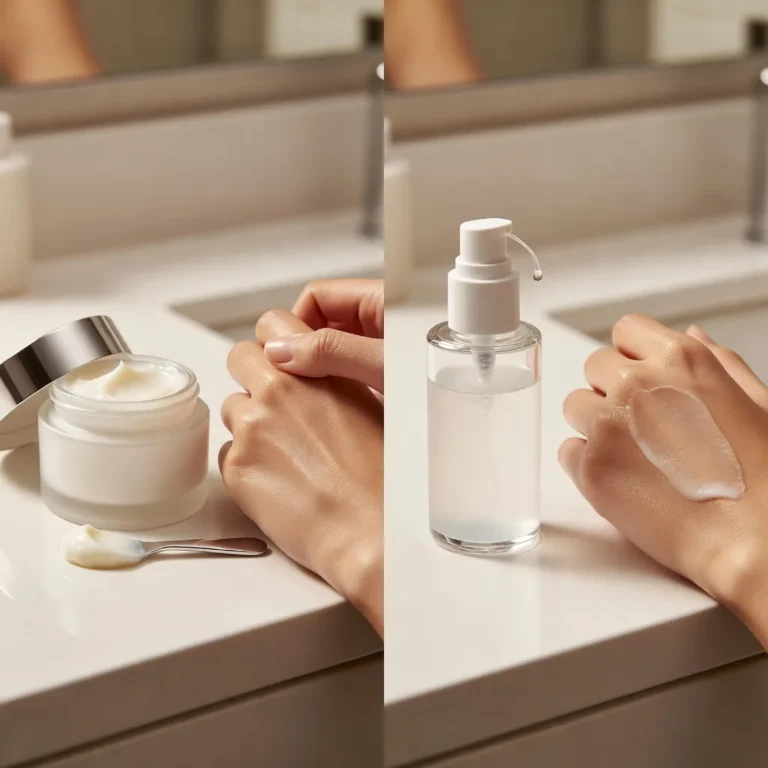
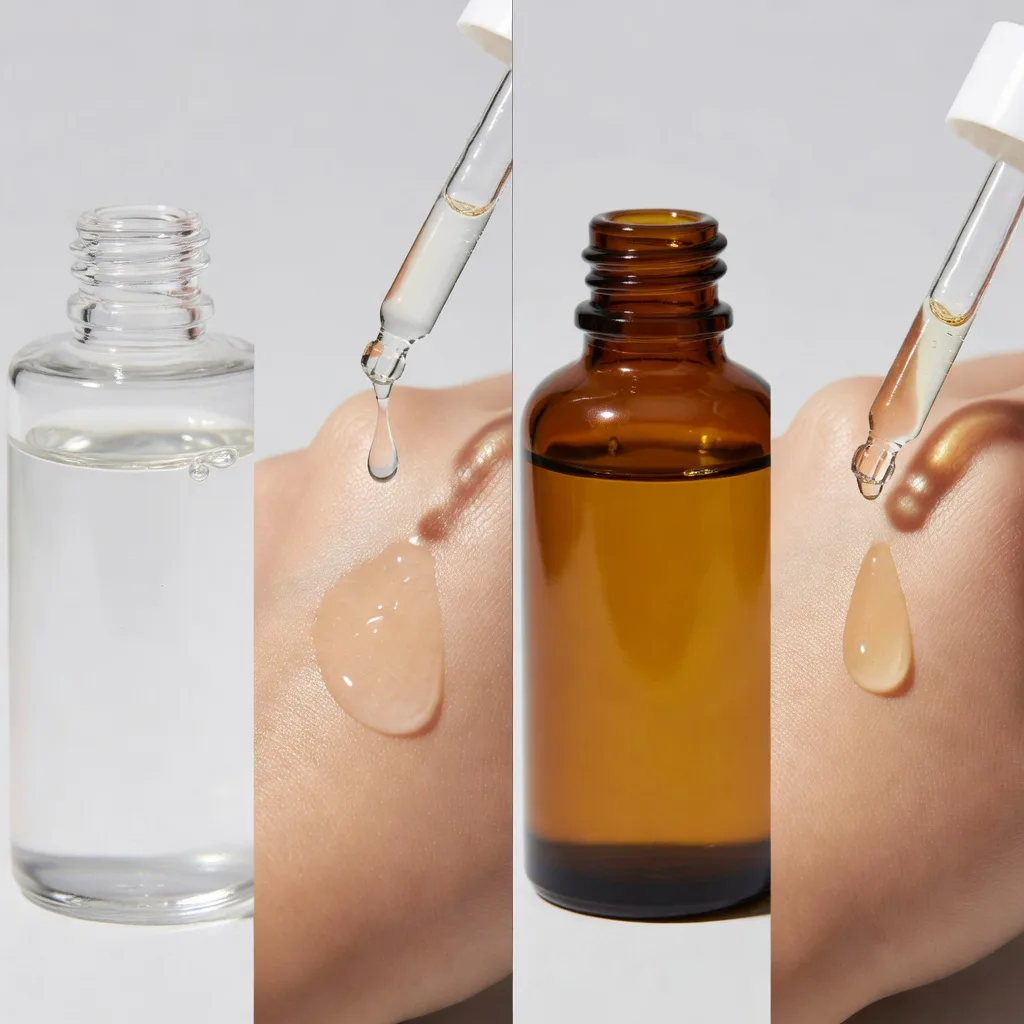
The simplest way to think about it: an essence is a hydrating prep step, and a serum is a treatment step. Essences are usually watery, lightweight liquids made mostly of water, humectants, and sometimes fermented ingredients. Serums are more concentrated formulas built around one or two active ingredients aimed at a specific concern, such as dark spots, oiliness, or fine lines.
Here is the part most guides skip. Neither word has a regulatory definition. Brands can call almost anything an essence or a serum. Some essences contain real actives like niacinamide or exfoliating acids, and plenty of products labeled serum are simple hydrators. That is how people end up layering three products that all do the same job, or unknowingly doubling up on strong actives.
The fix is to judge the formula, not the label. A quick look at the first few ingredients tells you whether a product is working as a hydrator or a treatment, and that tells you where it belongs in your routine and whether you need it at all.
This guide covers how essences and serums differ, how they compare with toners and ampoules, a label test you can run on products you already own, how to layer them, and where the evidence for fermented essences actually stands.
Shopping these picks?
Amazon Prime members get fast, free shipping on eligible items, plus Prime Video, Amazon Music and member deals. New members can start with a free trial.
Start a free Prime trialAged 18 to 24? Prime for Young Adults comes with a longer free trial and a lower price after it.
Affiliate link: we may earn a commission at no extra cost to you.
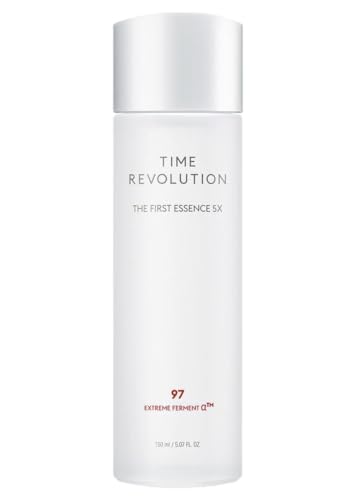
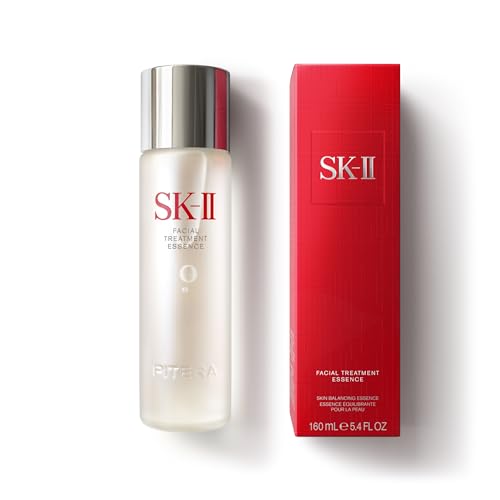
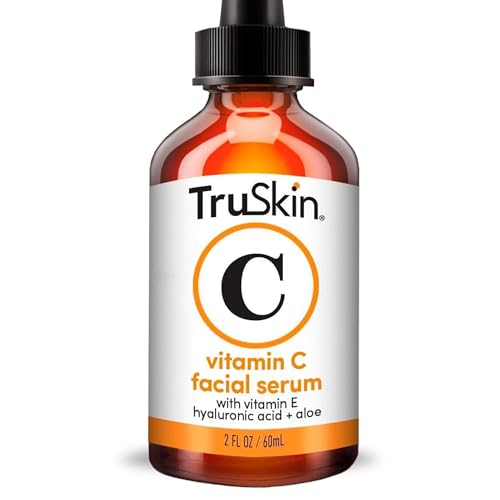
Recommended Essences and Serums



What This Covers
- The Short Answer
- What an Essence Is
- What a Serum Is
- Essence vs Serum vs Toner vs Ampoule
- The Label Test: What Is Your Product Really Doing?
- How to Layer Them
- Do Fermented Essences Live Up to the Hype?
- Do You Need Both?
- What Neither Can Do
- When to See a Dermatologist
- FAQ
- Summing Up
The Short Version
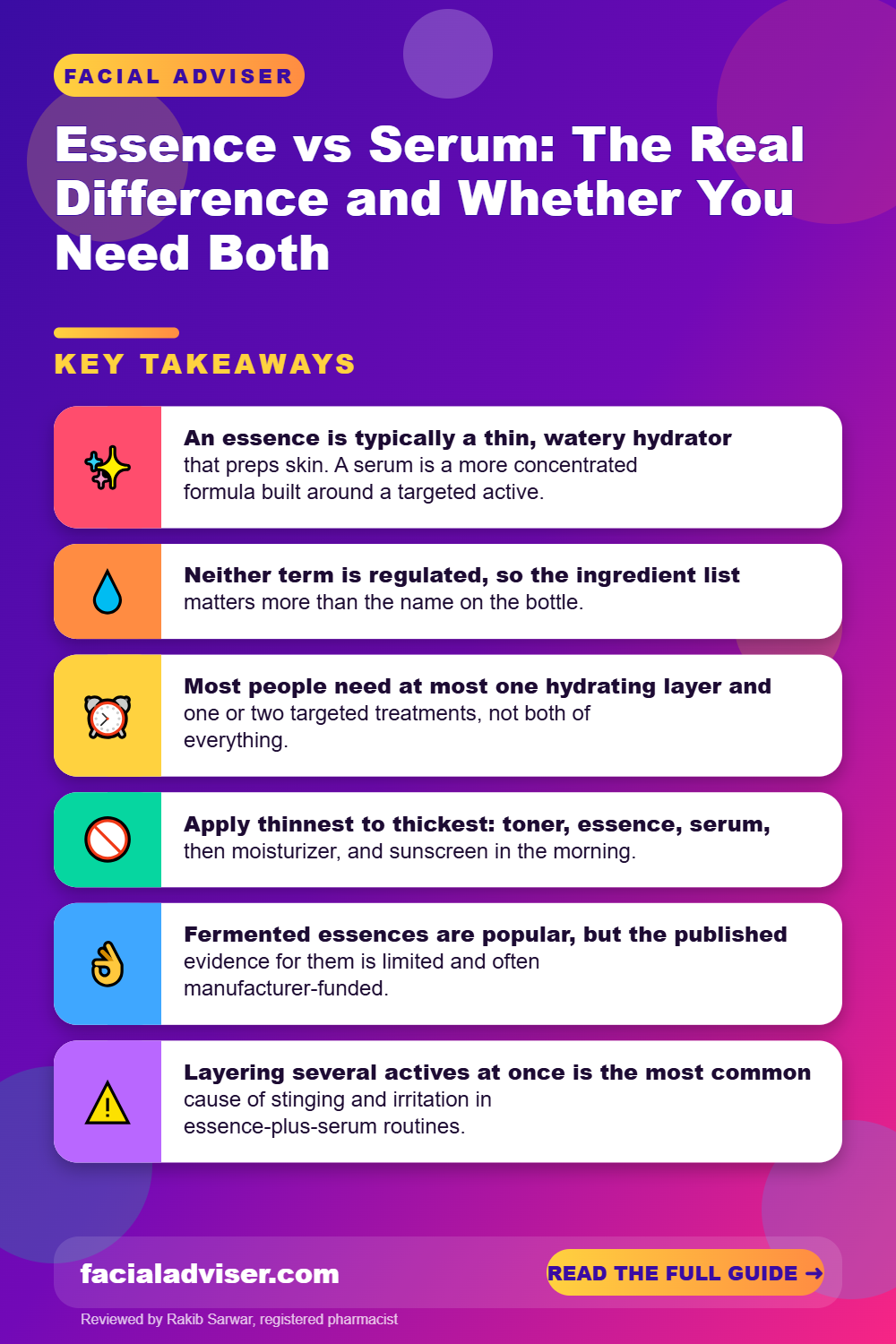
- An essence is typically a thin, watery hydrator that preps skin. A serum is a more concentrated formula built around a targeted active.
- Neither term is regulated, so the ingredient list matters more than the name on the bottle.
- Most people need at most one hydrating layer and one or two targeted treatments, not both of everything.
- Apply thinnest to thickest: toner, essence, serum, then moisturizer, and sunscreen in the morning.
- Fermented essences are popular, but the published evidence for them is limited and often manufacturer-funded.
- Layering several actives at once is the most common cause of stinging and irritation in essence-plus-serum routines.
The Short Answer
If you only remember one thing: essences hydrate, serums treat. An essence gives the outer layer of skin a quick drink of water and humectants so that it feels softer and the products that follow spread more easily. A serum carries a higher dose of a specific ingredient chosen to change something, such as brightness, oil, or texture.
The categories blur in practice, which is why the rest of this guide focuses on how to read what a product actually does. But as a starting point, an essence is optional for most people, while a well-chosen serum is often the step that produces visible results.
What an Essence Is
Essences come from Korean and Japanese skincare, where the routine traditionally includes a watery lotion or essence step after cleansing and toning. The texture is usually between water and a light gel. You pat it into the skin with your hands rather than swiping it on a cotton pad.
Common essence ingredients include glycerin, hyaluronic acid, panthenol, and ferment filtrates such as galactomyces or saccharomyces. Some include mild brightening or soothing ingredients like niacinamide, centella, or ginseng extract, usually at modest concentrations.
The main benefit is hydration. Well-hydrated skin looks smoother and plumper, and it tends to feel less tight. For dry or dehydrated skin, an essence can be a pleasant, gentle layer. For oily skin that already feels comfortable, it often adds little.
What a Serum Is
A serum is designed to deliver a meaningful amount of one or two active ingredients in a lightweight base. The texture ranges from watery to gel to lightly milky, and you usually use only a few drops.
Typical serum actives include vitamin C for brightness and antioxidant protection, niacinamide for oil and redness, retinoids for texture and fine lines, exfoliating acids for congestion, and peptides for firmness. Hyaluronic acid serums are the exception: they are mostly hydrators, which puts them closer to an essence in function.
Because serums are more concentrated, they are also more likely to cause irritation, especially when combined with other actives. That is where most routine problems start. Our guide to niacinamide vs hyaluronic acid shows how two popular serums differ in what they actually do.
Essence vs Serum vs Toner vs Ampoule
These four products often get lumped together. Here is how they usually differ, bearing in mind that brands do not follow strict rules.
| Product | Typical texture | Main job | Active concentration | Needed? |
|---|---|---|---|---|
| Toner | Watery | Rebalance, remove residue, light hydration | Low | Optional |
| Essence | Watery to light gel | Hydrate and prep | Low to moderate | Optional, helpful for dry skin |
| Serum | Light gel or fluid | Treat a specific concern | Moderate to high | Often the most useful step |
| Ampoule | Concentrated fluid | Short-term intensive treatment | High | Rarely necessary |
If you already use a hydrating toner, it may be doing the job of an essence. Our explainer on what a facial toner does covers where the overlap lies.
The Label Test: What Is Your Product Really Doing?
Before buying anything new, run this check on the essences and serums you already own. It takes about a minute per bottle.
Ignore the name on the front
Words like essence, serum, ampoule, booster, and treatment are marketing categories, not definitions.
Read the first five ingredients
Ingredients are listed from highest to lowest concentration. The first five tell you what the product mostly is.
Look for a named active
If you see vitamin C, niacinamide, a retinoid, an AHA or BHA, azelaic acid, or tranexamic acid near the top, the product is working as a treatment.
Check for humectants and ferments
If the top five are mainly water, glycerin, butylene glycol, hyaluronic acid, panthenol, or a ferment filtrate, it is working as a hydrator.
Sort and simplify
Keep one hydrator and one or two treatments. If two products land in the same group, you can probably drop one.
What this changes: many people discover they are using two hydrators and no real treatment, or two strong treatments that irritate each other. Sorting by function usually makes a routine both shorter and more effective.
How to Layer Them
The general rule is thinnest to thickest, so each layer can reach the skin before a heavier one seals it in.
| Step | Morning | Evening |
|---|---|---|
| 1 | Gentle cleanser | Cleanser |
| 2 | Toner (optional) | Toner (optional) |
| 3 | Essence (optional) | Essence (optional) |
| 4 | Serum, such as vitamin C | Serum, such as a retinoid or niacinamide |
| 5 | Moisturizer | Moisturizer |
| 6 | Sunscreen | None |
Worth Doing
- Pat essences in with clean hands.
- Use a few drops of serum, not a full dropper.
- Let each layer settle for a minute before the next.
- Introduce one new active at a time.
- Keep vitamin C in the morning and retinoids at night.
- Finish with moisturizer, and sunscreen in the daytime.
Skip It
- Stack several strong actives in one routine.
- Mix exfoliating acids with a retinoid on the same night when starting out.
- Assume more layers mean better results.
- Buy an essence and serum that contain the same hero ingredient.
- Rub products in hard or tug the skin.
- Skip sunscreen while using actives.
Stinging is a signal: if your skin burns or turns red after adding a new serum, stop the newest product first. Layering an essence with several actives is one of the most common triggers for irritation.
Do Fermented Essences Live Up to the Hype?
Many famous essences are built on ferment filtrates, such as galactomyces from yeast fermentation. Brands describe them as brightening, anti-aging, and barrier-strengthening.
The honest picture is mixed. Ferments do act as humectants, and some contain small amounts of amino acids, organic acids, and sugars that can support hydration. Laboratory and small clinical studies suggest possible antioxidant or brightening effects, but most published work is small, short, and funded or carried out by manufacturers. There is little independent evidence that a fermented essence outperforms a well-formulated hydrating product.
Bottom line on ferments: if you like how a fermented essence feels and your skin tolerates it, it is a reasonable hydrating step. If budget matters, a simple hyaluronic acid or glycerin-based hydrator will do most of the same job.
Do You Need Both?
Most people do not. A practical routine needs a cleanser, a moisturizer, sunscreen in the day, and one or two targeted treatments if you have a concern you want to address. An essence is a nice-to-have.
An essence is worth adding if your skin feels tight or dehydrated even with a good moisturizer, if you live in a dry climate, or if you simply enjoy the extra step. A serum is worth adding if you have a specific goal, such as fading dark spots or reducing oiliness, and you pick an ingredient with evidence for that goal.
If you are short on time or money, spend on the serum and sunscreen first. Those are the steps most likely to produce visible changes.
A quick guide by skin type
Dry or dehydrated skin tends to get the most from an essence, followed by a hydrating or barrier-supporting serum. Oily and acne-prone skin usually does better skipping the essence and choosing a lightweight niacinamide or salicylic acid serum instead. Sensitive skin should keep the routine as short as possible, add one product at a time, and avoid heavily fragranced essences. Mature skin often benefits most from a retinoid serum at night and vitamin C in the morning, with an essence only if dryness is a problem.
What Neither Can Do
No essence or serum can permanently shrink pores, erase deep wrinkles, or replace sunscreen. Hydration makes skin look smoother within hours, but the effect fades by the next day. Real changes in texture or pigmentation take 8 to 12 weeks of consistent use of an evidence-based active.
Concentration claims can also mislead. A higher percentage is not always better, especially for vitamin C and exfoliating acids, where stronger formulas bring more irritation without always adding benefit. Stability and packaging matter as much as the number on the bottle.
When to See a Dermatologist
Reach out to a dermatologist if:
- A new essence or serum causes a rash, swelling, hives, or blistering, which may signal contact dermatitis or an allergy.
- Stinging and redness continue for days after stopping all actives.
- You have a specific concern, such as melasma, acne scarring, or persistent acne, that is not improving after three months.
- You are pregnant or breastfeeding and want to know which actives are safe to use.
Medical disclaimer: This article is for general information only and is not a substitute for professional medical advice. Speak with a doctor or dermatologist about skin conditions, allergies, or prescription treatments.
FAQ
What is the difference between an essence and a serum?
An essence is usually a thin, watery hydrator that preps the skin, while a serum is a more concentrated formula built around a targeted active ingredient.
Which goes first, essence or serum?
Essence goes first because it is thinner. Apply it after cleansing and toning, then follow with your serum and moisturizer.
Do I need both an essence and a serum?
Most people do not. A serum is usually more useful. An essence is optional and helps most if your skin feels dehydrated.
Can an essence replace a toner?
Often yes. A hydrating toner and an essence can do similar jobs, so many people only need one of the two.
Is an ampoule the same as a serum?
An ampoule is typically a more concentrated serum intended for short-term intensive use. Most routines do not need one.
Are fermented essences worth it?
They can be pleasant hydrators, but the evidence for extra benefits is limited and often funded by manufacturers.
Can I use two serums at once?
Yes, if they do not irritate each other. Apply the thinner one first and introduce them one at a time.
How do I know if a product is an essence or a serum?
Check the first five ingredients. Mostly water and humectants means it works as a hydrator. A named active near the top means it works as a treatment.
Is hyaluronic acid serum an essence?
Functionally it is closer to an essence because its main job is hydration rather than treating a specific concern.
Why does my skin sting after essence and serum?
Stinging usually comes from layering several actives or from a damaged barrier. Stop the newest product and simplify your routine.
Summing Up
Essences hydrate and prep, serums deliver targeted actives, and neither label is regulated. The ingredient list tells you far more than the word on the bottle, and a quick label check often reveals that a routine can be shorter.
For most people, one hydrating layer and one or two evidence-based serums, followed by moisturizer and daily sunscreen, is plenty. Add an essence if your skin still feels dehydrated or you enjoy it, but put your money into the serum and sunscreen first.

Written by
Registered pharmacist and founder of Facial Adviser. Rakib's pharmacy training covers how skincare actives work and interact; a later course in cosmetology turned that into a focus on facial treatments and skincare products. He plans, researches and edits every guide on the site and checks health claims against sources such as the American Academy of Dermatology, the FDA and the NIH. He is not a dermatologist; see the Editorial Policy and Medical Disclaimer.
About · Editorial policy · How we choose products · Medical disclaimer · Contact
Keep reading: Serums and actives
- 10 Best Facial Serums for Aging Skin (2026): Picks by Concern
- Is Niacinamide Safe With Acids? What Actually Happens When You Mix Them
- Does Sleeping With the Window Open Affect Your Skin?
- Should You Apply Acids Before or After Vitamin C?
- How to Store Vitamin C Serum So It Lasts Longer
- Skin Cycling: How Many Nights Off Actives Does Your Skin Really Need?
- 10 Best Facial Cleansers for Combination Skin (2026): Balanced Picks
- 10 Best Facial Moisturizers for Dry Skin (2026): Rich, Gentle Creams