10 Best Facial Cleansers for Women Over 40 (2026): Gentle, Hydrating
Many women notice that the cleanser they used for years suddenly feels wrong somewhere in their forties. Skin that once handled a foaming gel may now feel tight after washing or react to products that never bothered it before. This list covers 10 options, from cleansing balms and cream washes to occasional AHA cleansers, with notes on who each suits.
Part of our guide to skincare products. Start with: 10 Best Facial Cleansers for Combination Skin (2026): Balanced Picks
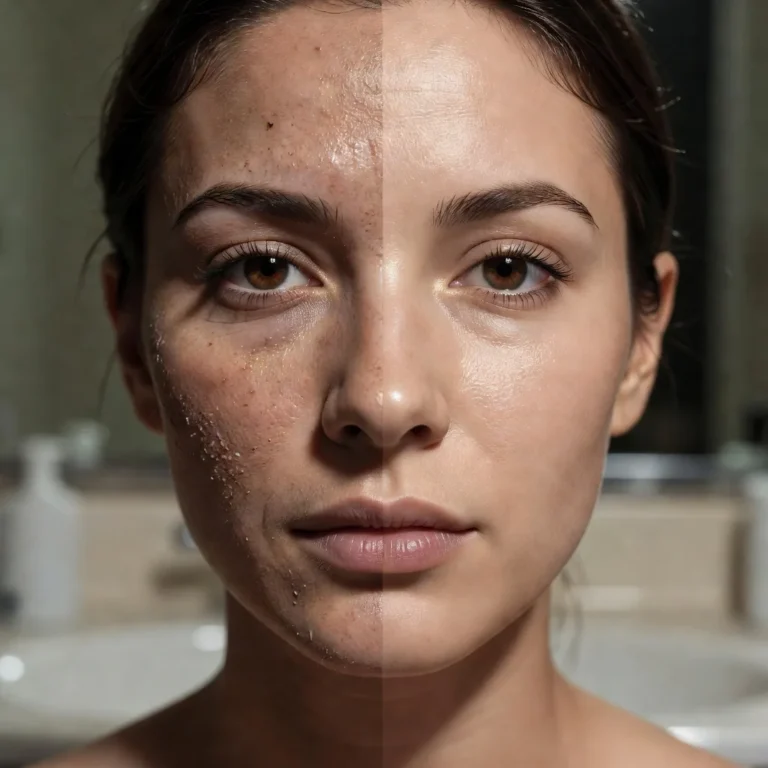
The best facial cleanser for women over 40 is usually a gentle, hydrating, fragrance-free formula, such as a cream, milk, gel-cream or balm, that removes sunscreen and makeup without leaving skin tight. Helpful ingredients include glycerin, ceramides, hyaluronic acid and mild, low-foaming surfactants. As oestrogen falls during perimenopause, skin tends to become drier, thinner and slower to repair its barrier, so harsh, high-foam or alcohol-heavy washes are best avoided. An AHA cleanser with glycolic or lactic acid can help dullness once or twice a week, and a cleansing balm or oil works well at night to dissolve SPF and long-wear makeup.
In short: choose a gentle, hydrating cleanser for daily use and add an acid cleanser only occasionally.
The American Academy of Dermatology recommends gentle cleansers and fragrance-free products for dry skin, and the US Food and Drug Administration notes that alpha hydroxy acids can increase sensitivity to the sun.
Below you will find the ten picks, how we chose them, how skin changes after 40, which cleanser types and ingredients help, what to avoid and how to build a simple cleansing routine.
Shopping these picks?
Amazon Prime members get fast, free shipping on eligible items, plus Prime Video, Amazon Music and member deals. New members can start with a free trial.
Start a free Prime trialAged 18 to 24? Prime for Young Adults comes with a longer free trial and a lower price after it.
Affiliate link: we may earn a commission at no extra cost to you.
As an Amazon Associate we earn from qualifying purchases. This does not change which products we include.


What to Know First
- ELEMIS Pro-Collagen Cleansing Balm is our top pick for removing SPF and makeup while leaving dry skin soft.
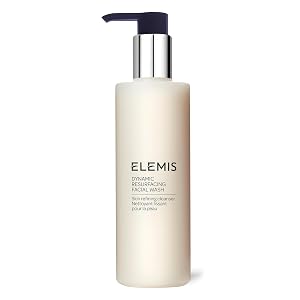
- ELEMIS Dynamic Resurfacing Facial Wash is the best gentle exfoliating option, using enzymes rather than scrubs.
- ZO Skin Health Hydrating Cleanser is the best sulfate-free cream wash for normal to dry skin.
- Skin often gets drier and more sensitive during perimenopause.
- Look for glycerin, ceramides and hyaluronic acid; avoid harsh foams and strong fragrance.
- Use AHA cleansers only once or twice a week and wear sunscreen daily.
- Tight, squeaky skin after washing means the cleanser is too harsh.
Jump to a Section
- The 10 Best Facial Cleansers for Women Over 40 Right Now
- How We Chose These Products
- How Skin Changes After 40
- Cleanser Types Compared for Skin Over 40
- Ingredients That Help Mature Skin
- What to Avoid in a Cleanser After 40
- Should You Use an AHA Cleanser?
- Removing Sunscreen and Makeup Properly
- How to Cleanse Skin Over 40
- Matching the Cleanser to Your Skin
- Dos and Don’ts
- Honest Limits
- When to See a Dermatologist
- Common Questions
- Summing Up
The 10 Best Facial Cleansers for Women Over 40 Right Now
These ten cleansers were shortlisted from widely reviewed Amazon listings and ranked by how gentle and hydrating they are, how well they suit drier, more sensitive skin after 40, and how clearly each seller explains its use. Each pick lists who it suits and who should skip it.
| # | Product | Best For | Standout Feature | |
|---|---|---|---|---|
| 1 | ELEMIS Pro-Collagen Cleansing Balm | Removing SPF and makeup on dry skin | Rich 3-in-1 balm that softens skin | View |
| 2 | ELEMIS Dynamic Resurfacing Facial Wash | Dull skin that dislikes scrubs | Enzyme exfoliation in a daily wash | View |
| 3 | ZO Skin Health Hydrating Cleanser | Normal to dry skin, daily use | Creamy, sulfate-free and rinses clean | View |
| 4 | PCA SKIN Creamy Face Cleanser | Dry, sensitive or reactive skin | Made for dry and sensitive skin | View |
| 5 | IMAGE Skincare VITAL C Hydrating Cleanser | Dull, dry skin wanting antioxidants | Vitamins C, E and A in a gentle wash | View |
| 6 | NEOSTRATA Foaming Glycolic Face Wash | Occasional deep exfoliation | High-strength glycolic acid foaming wash | View |
| 7 | Kate Somerville Goat Milk Moisturizing Cleanser | Dry, red or easily irritated skin | Goat milk, manuka honey and jojoba | View |
| 8 | Glytone Mild Gel Cleanser | Easing into acid cleansers | Lightweight gel with mild glycolic acid | View |
| 9 | Vibriance Oil-to-Foam Moisturizing Cleanser | Combination skin wanting a light foam | Oil-to-foam with niacinamide and shea | View |
| 10 | Eminence Coconut Milk Cleanser | Those preferring organic formulas | Naturally organic milk-style cleanser | View |
ELEMIS Pro-Collagen Cleansing Balm

Best for: Removing SPF and makeup on dry skin
The ELEMIS balm earns the top spot because it solves the biggest cleansing problem after 40: removing sunscreen and long-wear makeup without leaving drier skin tight. A balm melts over the face, dissolves oily residue and rinses off, and this one is mineral oil-free and designed as a cleanser, makeup remover and softening treatment in one.
It works best as the first step of an evening double cleanse, followed by a gentle wash such as the #4 PCA SKIN if you like a squeaky-clean finish. The name mentions collagen, but a rinse-off cleanser does not stay on long enough to change firmness, so treat it as a comfortable, effective cleanser rather than an anti-ageing product.
- 3-in-1 cleanser, makeup remover and softening balm
- Removes makeup, grime and dirt
- Mineral oil-free formula
- Leaves skin feeling soft
Pros
- Dissolves SPF and makeup well
- Comfortable on dry, tight skin
- Doubles as a makeup remover
Cons
- Richer texture may feel heavy on oily skin
- Needs a cloth or thorough rinse to remove fully
Skip it if: Skip it if you have oily or acne-prone skin; the Vibriance oil-to-foam wash rinses away more easily.
Check Price on AmazonELEMIS Dynamic Resurfacing Facial Wash
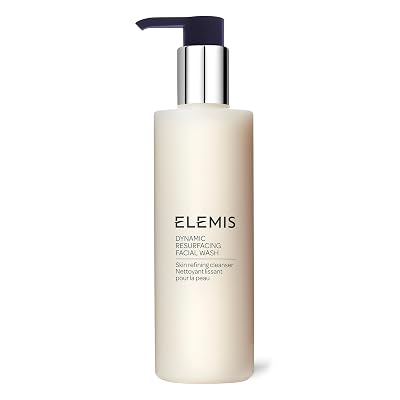
Best for: Dull skin that dislikes scrubs
The ELEMIS Resurfacing Wash exfoliates with enzymes instead of scrubbing particles or strong acids, which suits skin that looks dull but reacts to harsher products. The listing describes it as non-stripping and non-drying, with soothing and conditioning ingredients, and it turns from a gel into a light lather on contact with water.
The brand pitches it for daily use, but mature, sensitive skin may do better starting two or three times a week and watching for redness. It is gentler in concept than the glycolic washes at #6 and #8, so it is the best first step for anyone curious about exfoliating cleansers. Follow with moisturiser and daily sunscreen.
- Enzyme-based exfoliating cleanser
- Described as non-stripping and non-drying
- Gel that turns into a light lather
- Marketed for daily use
Pros
- Brightens without scrubs or strong acids
- Light lather feels fresh
- Good introduction to exfoliating cleansers
Cons
- Daily use may be too much for reactive skin
- Not a makeup remover for heavy SPF on its own
Skip it if: Skip it if your skin is currently irritated or broken; use a plain cream cleanser until it settles.
Check Price on AmazonZO Skin Health Hydrating Cleanser

Best for: Normal to dry skin, daily use
ZO’s Hydrating Cleanser is a straightforward creamy wash for normal to dry skin. It is sulfate-free, which matters because harsh sulfate surfactants are a common reason skin over 40 feels tight after washing, and the listing says it rinses clean without leaving residue, so it suits people who dislike the film some cream cleansers leave.
It is designed to cleanse, hydrate and soothe, which makes it a sensible morning and evening wash for most mature skin. Its listing is shorter than some rivals, so check the full ingredient list if you are sensitive to fragrance. Compared with the #4 PCA SKIN cleanser, it leans slightly more towards normal skin.
- Creamy formula that rinses without residue
- Cleanses, hydrates and soothes
- Sulfate-free
- For normal to dry skin
Pros
- Sulfate-free and gentle
- Rinses clean with no film
- Works morning and night
Cons
- Short listing with limited ingredient detail
- Not designed to remove heavy makeup alone
Skip it if: Skip it if you want a cleanser that also exfoliates; the ELEMIS Resurfacing Wash or Glytone gel do that.
Check Price on AmazonPCA SKIN Creamy Face Cleanser

Best for: Dry, sensitive or reactive skin
PCA SKIN’s Creamy Cleanser is aimed squarely at dry and sensitive skin, which describes many women during perimenopause. It is designed to cleanse and hydrate at the same time without stripping, and includes soothing ingredients such as aloe vera, so it is a comfortable choice for skin that stings or tightens after washing.
The listing gives clear use guidance: a small amount on damp skin, a gentle lather and a lukewarm rinse. It pairs well with the #1 balm as a second cleanse at night. It will not exfoliate or brighten, so if dullness is your main complaint you may want to add one of the acid cleansers a couple of times a week.
- Gentle, hydrating creamy face wash
- Made for dry and sensitive skin
- Contains aloe vera
- Use a small amount on damp skin
Pros
- Very gentle on reactive skin
- Clear, simple instructions
- Good second step in a double cleanse
Cons
- Does not exfoliate or brighten
- Creamy texture may not feel clean enough for oily skin
Skip it if: Skip it if your skin is oily and you like a foaming wash; the Vibriance oil-to-foam suits you better.
Check Price on AmazonIMAGE Skincare VITAL C Hydrating Cleanser

Best for: Dull, dry skin wanting antioxidants
IMAGE’s VITAL C cleanser is a hydrating, gentle face wash that adds vitamins C, E and A to the formula. Antioxidants in a rinse-off product have only brief contact with the skin, so do not expect serum-like results, but it is a pleasant daily wash for dull, dry skin that wants something a little more than a basic cream.
The listing gives very little detail beyond its name and main vitamins, which is why it ranks mid-table; check the full ingredient list for fragrance if you are sensitive. It sits between the plain creams at #3 and #4 and the exfoliating washes further down: brighter in intent, but still gentle enough for regular use.
- Hydrating, gentle face wash
- Contains vitamins C, E and A
- Face wash rather than leave-on product
- Packaging may vary
Pros
- Gentle enough for daily use
- Adds antioxidants to a basic step
- Suits dull, dry skin
Cons
- Very thin listing with little detail
- Rinse-off vitamins have limited contact time
Skip it if: Skip it if you want full ingredient transparency on the listing; the PCA SKIN or Vibriance listings explain more.
Check Price on AmazonNEOSTRATA Foaming Glycolic Face Wash

Best for: Occasional deep exfoliation
NEOSTRATA’s Foaming Glycolic Wash is the strongest exfoliating cleanser on this list, described as a high-strength AHA cleanser. Glycolic acid loosens dull surface cells, so it can help skin that looks rough or lacklustre, but it is also the pick most likely to sting, dry or irritate skin that has become thinner and more reactive after 40.
Use it once or twice a week at most to begin with, and never on the same night as retinoids unless your dermatologist agrees. The FDA notes that AHAs can increase sun sensitivity, so daily sunscreen is essential. The listing gives almost no detail, so read the label carefully; the Glytone gel at #8 is a gentler glycolic option.
- Foaming face wash
- High-strength glycolic acid (AHA)
- Exfoliating AHA cleanser
- Sold as a face wash for the whole face
Pros
- Strongest brightening effect on the list
- Foam feels thoroughly clean
- Useful for rough, dull texture
Cons
- Most likely pick to sting or dry sensitive skin
- Very little product detail on the listing
Skip it if: Skip it if your skin is dry, sensitive or already using retinoids; the ELEMIS enzyme wash is gentler.
Check Price on AmazonKate Somerville Goat Milk Moisturizing Cleanser
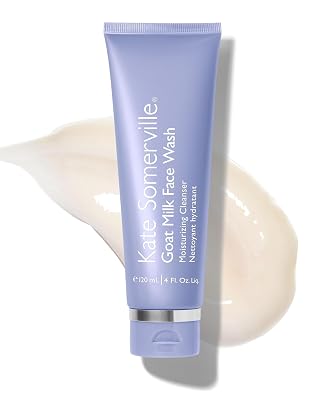
Best for: Dry, red or easily irritated skin
Kate Somerville’s Goat Milk Cleanser is a nourishing milk wash designed for dry, red or sensitive skin, with goat milk to soften, manuka honey to calm dryness and jojoba oil. The brand says the formula was inspired by the founder’s own experience of eczema, and it is pitched as a gentle morning and night cleanser.
A milk texture is one of the gentlest cleanser types, so this is a good choice if your skin feels tight after almost everything. It will not dissolve heavy SPF or makeup as well as the #1 balm, so use a balm first on made-up days. Compared with the PCA SKIN pick, it feels richer and more cushioning.
- Nourishing milk cleanser
- Goat milk, manuka honey and jojoba oil
- Aimed at dry, red or sensitive skin
- For morning and night use
Pros
- Very gentle, cushioning milk texture
- Suits dry, reddened skin
- Comfortable twice a day
Cons
- Not strong enough for heavy makeup alone
- Richer feel may not suit oily skin
Skip it if: Skip it if you want a foaming, squeaky-clean feel; the Vibriance oil-to-foam is closer to that.
Check Price on AmazonGlytone Mild Gel Cleanser
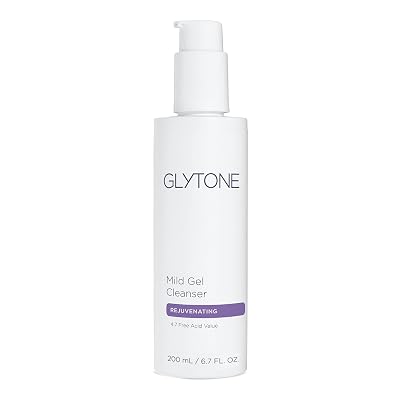
Best for: Easing into acid cleansers
Glytone’s Mild Gel Cleanser contains a modest percentage of glycolic acid in a lightweight gel, which makes it a gentler way into acid cleansers than the #6 NEOSTRATA wash. The brand says it combines exfoliation with hydration and is made with sensitive skin in mind, so it suits dull skin that cannot handle strong peels.
It still contains an AHA, so start with a few evenings a week, stop if you notice stinging or redness and use sunscreen every morning. The listing suggests mixing a small amount with water and massaging it in. It is a practical middle ground between the non-acid creams and the high-strength foaming wash.
- Lightweight gel with glycolic acid
- Exfoliates and cleanses
- Designed to combine exfoliation and hydration
- Mix a small amount with water
Pros
- Gentler introduction to glycolic acid
- Light gel suits combination skin
- Helps with dull, rough texture
Cons
- Still an AHA, so not for broken or irritated skin
- Can increase sun sensitivity
Skip it if: Skip it if your skin is very dry or reactive; a plain cream such as the PCA SKIN is safer.
Check Price on AmazonVibriance Oil-to-Foam Moisturizing Cleanser

Best for: Combination skin wanting a light foam
Vibriance’s cleanser starts as a silky oil and turns into a foam, which gives people who like a lathering wash a gentler alternative to high-foam gels. The formula includes niacinamide and shea butter, and the listing focuses on reducing that tight, dry feel after washing that many women notice in their forties.
It suits combination skin that wants to feel clean without being stripped, and it is a good all-rounder for morning and night. It will not match the #1 balm for melting heavy makeup, but it is lighter on oily areas. Compared with the milk and cream picks, it feels fresher; compared with the acid washes, it is gentler.
- Oil-to-foam cleanser
- Niacinamide and shea butter
- Designed to hydrate and soften
- For women and men
Pros
- Fresh foam without a stripped feel
- Suits combination and normal skin
- Easy daily cleanser
Cons
- Less effective than a balm on heavy makeup
- Foam may still feel too cleansing for very dry skin
Skip it if: Skip it if your skin is very dry; the Kate Somerville milk or PCA SKIN cream are more cushioning.
Check Price on AmazonEminence Coconut Milk Cleanser

Best for: Those preferring organic formulas
Eminence’s Coconut Milk Cleanser is aimed at people who prefer organic, naturally derived skincare. The listing says it removes surface impurities without stripping the skin and is designed to leave it comfortable, which fits the gentle, non-foaming approach this guide recommends for drier, more sensitive skin after 40.
Its listing is brief and short on detail, and it makes an elasticity claim that a rinse-off cleanser cannot really deliver, so we rank it last. Natural-leaning formulas can still contain fragrant plant extracts, so patch test if your skin is reactive. Consider it a pleasant, gentle daily wash rather than a treatment, much like the #7 milk cleanser but with less detail.
- Removes surface impurities without stripping
- Naturally organic formula
- Designed to comfort skin
- Milk-style texture
Pros
- Gentle, non-stripping cleanse
- Appeals to organic-minded buyers
- Comfortable for dry skin
Cons
- Brief listing with few details
- Elasticity claim overstates what a cleanser can do
Skip it if: Skip it if you want a cleanser with clear, detailed ingredient information; the PCA SKIN listing explains more.
Check Price on AmazonHow We Chose These Products
We shortlisted facial cleansers from Amazon listings that are highly rated by a large number of shoppers, favouring established skincare brands and fuller-featured or premium formulas aimed at dry, sensitive or mature skin. We then checked each product’s listed features against the guidance cited in this post, including the AAD’s advice to use gentle cleansers and the FDA’s note that alpha hydroxy acids can increase sun sensitivity.
These are research-based picks, not hands-on lab tests. We did not measure pH or moisture loss ourselves, so the ranking reflects formula type, listed ingredients and how well each cleanser fits drier skin after 40, rather than personal results. Three picks contain exfoliating acids or enzymes, and we flag those as occasional rather than daily washes for most people.
- Strong ratings from a large number of shoppers
- Established brands and fuller-featured or premium formulas preferred
- Listed ingredients checked against the gentle-cleansing and AHA guidance cited here
- Products with thin or unclear listings ranked lower or excluded
- No anti-ageing claims from listings repeated as fact
How Skin Changes After 40
Skin changes gradually through your thirties and forties, but many women notice a sharper shift during perimenopause, the years before periods stop. Falling oestrogen affects how much oil, water and collagen the skin holds.
- Less oil: sebum production drops, so skin that was once combination or oily may now feel dry.
- Weaker barrier: skin loses water more easily and can sting with products it used to tolerate.
- Slower cell turnover: dead cells linger, making skin look dull and rough.
- Thinner skin: collagen falls, so fine lines and crepiness become more visible.
- Hormonal breakouts: some women get adult acne around the jaw and chin at the same time as dryness.
Because of this mix of dryness, sensitivity and occasional breakouts, the cleanser that suits you at 45 may be quite different from the one that suited you at 30. Dryness often shows first around the mouth, nose and cheeks, and makeup may start to cling to flaky patches where it once sat smoothly. A cleanser that respects the barrier is the simplest first change to make, because every other product goes onto skin that the cleanser has just prepared.
Not everyone gets dry skin after 40. If you are still oily or acne-prone, a gentle gel cleanser may suit you better than a rich cream. Choose by how your skin feels, not by your age alone.
Cleanser Types Compared for Skin Over 40
Cleansers vary mainly in texture and how much they foam. More foam usually means stronger surfactants, which can remove more of the natural oils your skin now makes less of.
| Cleanser type | Feel and action | Best for over 40 |
|---|---|---|
| Cream or lotion cleanser | Rich, low or no foam, leaves skin soft | Dry and very dry skin |
| Milk cleanser | Light, fluid, very gentle | Sensitive or easily irritated skin |
| Gel-cream cleanser | Light lather with added hydration | Normal to combination skin |
| Cleansing balm or oil | Melts sunscreen and makeup, rinses off | First cleanse at night |
| Micellar water | Lifts makeup with little rubbing | Quick cleanse or first step |
| AHA cleanser | Mild exfoliation with glycolic or lactic acid | Dullness and rough texture, occasionally |
| Foaming gel | Strong lather, deep clean feel | Oily or acne-prone skin only |
Our guide comparing a hydrating facial cleanser vs a foaming one explains in more detail why many people switch to low-foam cleansers as their skin gets drier.
Ingredients That Help Mature Skin
Cleansers stay on the skin only briefly, so their main job is to clean without doing harm. The ingredients below help a cleanser feel comfortable and protect the barrier while it works.
- Glycerin: a humectant that draws water into the skin and softens the cleansing action.
- Ceramides: lipids that form part of the skin barrier and help limit water loss.
- Hyaluronic acid: holds water on the skin surface, so skin feels less tight after rinsing.
- Mild surfactants: gentler cleansing agents that lift dirt with less stripping.
- Niacinamide: may support the barrier and help uneven tone.
- Soothing ingredients such as oat, panthenol or allantoin for sensitive skin.
The AAD’s tips for relieving dry skin recommend a gentle cleanser, fragrance-free products and warm rather than hot water, all of which suit skin over 40 that is becoming drier.
- Texture: cream, milk, gel-cream or balm rather than a high-foaming gel, unless you are oily.
- Fragrance: fragrance-free rather than unscented or lightly perfumed.
- Humectants and lipids: glycerin, ceramides or hyaluronic acid somewhere in the list.
- Acids: if the daily cleanser contains glycolic or salicylic acid, treat it as an exfoliant, not a basic wash.
- Skin type claims: look for suitable for dry or sensitive skin if that matches how your face feels.
- Size and packaging: a pump or tube keeps the formula cleaner than an open jar.
What to Avoid in a Cleanser After 40
The biggest mistake is carrying on with a cleanser that suited younger, oilier skin. Watch out for these features:
| Avoid or limit | Why it matters after 40 |
|---|---|
| High-foaming washes with strong sulfates | Can strip oils your skin now makes less of |
| Bar soaps | Often alkaline and drying on the face |
| Strong fragrance or essential oils | Common irritants as the barrier weakens |
| High alcohol content | Leaves skin tight and dehydrated |
| Scrubs with rough particles | Can irritate thinner skin |
| Daily strong acid washes | Too much exfoliation, sting and redness |
If your face feels tight, squeaky or itchy after washing, the cleanser is probably too strong. Our guide on how to tell if a cleanser is too harsh lists the warning signs.
Should You Use an AHA Cleanser?
Alpha hydroxy acids such as glycolic and lactic acid loosen dead skin cells so they shed more easily. In a cleanser, they are only on the skin for a short time, which makes the effect milder than a leave-on serum, but they can still help skin look brighter and feel smoother.
- Use an AHA cleanser once or twice a week at first, not every day.
- Lactic acid is often gentler than glycolic acid for sensitive skin.
- Do not combine with other exfoliants or retinoids on the same night at first.
- Skip it if your skin is red, flaky or stinging.
The FDA page on alpha hydroxy acids notes that AHA products can make skin more sensitive to the sun and advises using sun protection, so daily sunscreen matters even more if you use them.
Stop using an AHA cleanser if it causes burning, swelling or persistent redness. Take extra care if you use a prescription retinoid, as combining the two can easily overwhelm thinner skin.
Removing Sunscreen and Makeup Properly
Daily sunscreen is one of the best things you can do for skin over 40, but modern water-resistant and long-wear formulas can be hard to remove with a gentle cleanser alone. Residue left overnight can dull skin and, for some people, clog pores.
A cleansing balm or oil dissolves sunscreen and makeup, then rinses off with water. Follow it with your gentle cleanser if you still feel residue. Our guide on when double cleansing is necessary explains who benefits from two steps and who can skip it.
- Morning: a splash of water or a quick gentle cleanse is often enough.
- Evening with sunscreen only: one gentle cleanse may do.
- Evening with makeup or water-resistant SPF: balm or oil first, then a gentle cleanser.
- Eye makeup: use a dedicated remover and press rather than rub.
How to Cleanse Skin Over 40
These steps suit most women whose skin is becoming drier or more sensitive. Adjust them if you are still oily or acne-prone.
Use lukewarm water
Hot water strips oils and can worsen redness.
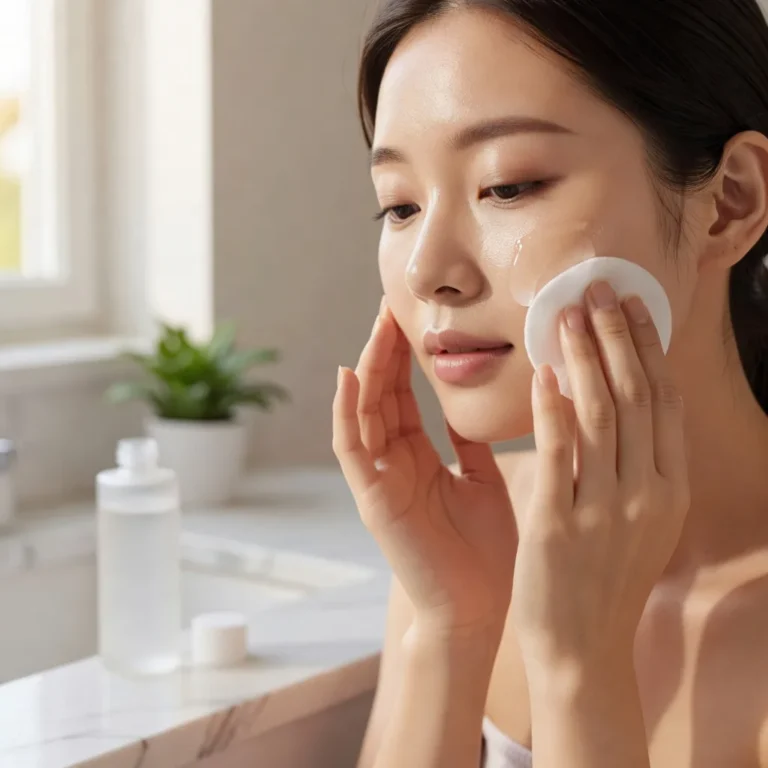
Remove makeup and SPF first
At night, massage a balm or oil over dry skin, then emulsify with water.
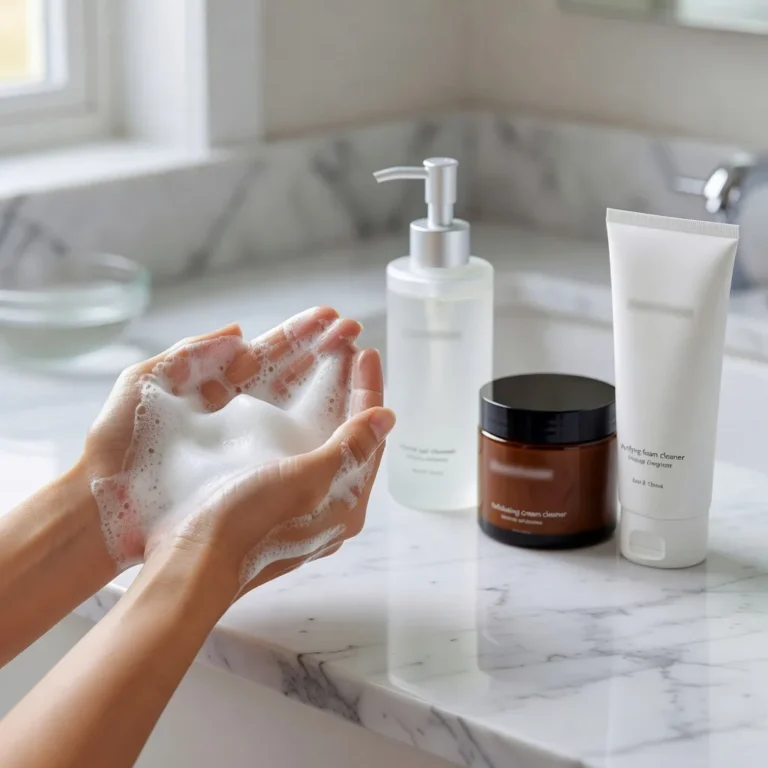
Apply a gentle cleanser
Use a small amount and massage for about 30 to 60 seconds.
Rinse thoroughly
Make sure no residue is left along the hairline and jaw.
Pat dry
Use a clean towel and pat rather than rub.
Moisturise while damp
Apply serum and moisturiser within a minute or two to lock in water.
Add an AHA cleanse occasionally
Swap in an AHA cleanser once or twice a week if your skin tolerates it.
If your skin feels dry in the morning, try rinsing with plain water instead of a cleanser before applying moisturiser and sunscreen. Many drier skin types do well with one full cleanse a day, in the evening.
Matching the Cleanser to Your Skin
Age is only one factor. Your skin type and concerns still decide which cleanser works best.
- Dry or tight skin: cream, milk or balm cleanser.
- Sensitive or rosacea-prone skin: fragrance-free milk or cream with minimal ingredients.
- Combination skin: gel-cream cleanser, with a balm at night for makeup.
- Oily or breakout-prone skin in your forties: gentle gel cleanser, perhaps with salicylic acid a few times a week.
- Dull, rough skin: gentle daily cleanser plus an occasional AHA cleanser.
If your skin changes with the seasons, it is fine to keep two cleansers and switch between a richer one in winter and a lighter one in summer.
Dos and Don’ts
Helps
- Choose a low-foam, hydrating cleanser
- Use lukewarm water
- Remove sunscreen fully at night
- Moisturise straight after cleansing
- Wear sunscreen daily, especially with AHAs
Backfires
- Keep using a cleanser that leaves skin tight
- Wash with hot water
- Scrub thin or sensitive skin
- Use strong acid washes every day
- Assume anti-ageing claims mean better cleansing
Honest Limits
A cleanser is on your face for less than a minute, so it cannot reverse wrinkles, firm sagging skin or replace lost collagen, whatever the label says. Anti-ageing claims on cleansers are mostly marketing. The real benefit of a good cleanser is that it cleans without damaging the barrier, so your moisturiser, sunscreen and any retinoid or vitamin C serum can do their jobs.
Price does not predict gentleness either. Simple, fragrance-free formulas are often as effective as luxury ones. For visible ageing, daily sunscreen and proven leave-on treatments matter far more than the cleanser you choose.
When to See a Dermatologist
- Dryness, itching or flaking does not improve with a gentle routine.
- You develop persistent redness, flushing or bumps that could be rosacea.
- Adult acne appears or worsens in your forties.
- You notice new, changing or unusual spots or patches.
This article is for general information and does not replace professional medical advice. See a board-certified dermatologist for persistent skin changes, and a doctor for perimenopausal symptoms.
Common Questions
What is the best type of cleanser for women over 40?
A gentle, hydrating cream, milk, gel-cream or balm cleanser.
Is the most expensive cleanser for over 40 worth it?
Only if you like the texture. The ELEMIS balm is a pleasure at night, but the PCA SKIN or Vibriance cleansers clean gently too.
Which cleanser is best for sensitive skin over 40?
The PCA SKIN Creamy Cleanser and Kate Somerville Goat Milk Cleanser are aimed at dry, sensitive skin. Patch test any new product.
Which cleansers on this list contain acids?
The NEOSTRATA and Glytone washes contain glycolic acid and the ELEMIS Resurfacing Wash uses enzymes; use them a few times a week and wear sunscreen.
Should I stop using foaming cleansers after 40?
If they leave skin tight, yes; switch to a low-foam formula.
Does perimenopause make skin drier?
Often, because falling oestrogen reduces oil and moisture.
Can I use an AHA cleanser every day?
Most skin over 40 does better with once or twice a week.
Is double cleansing good for mature skin?
Yes at night if you wear sunscreen or makeup.
Are anti-ageing cleansers worth it?
Rarely; cleansers do not stay on long enough to change wrinkles.
Can I still get acne after 40?
Yes, hormonal breakouts are common in perimenopause.
Summing Up
The best facial cleanser for women over 40 is gentle and hydrating, removes sunscreen and makeup without stripping, and leaves skin comfortable rather than tight; the ELEMIS Pro-Collagen Cleansing Balm is our top pick overall.
Pair it with a balm at night if you wear makeup, add an AHA cleanser only occasionally, moisturise straight after washing and see a dermatologist if dryness, redness or breakouts persist.
Our top pick: ELEMIS Pro-Collagen Cleansing Balm
The ELEMIS Pro-Collagen Cleansing Balm takes the top spot because a mineral oil-free balm melts away sunscreen and makeup while leaving drier skin soft, which is exactly what most skin over 40 needs at night. Choose the PCA SKIN Creamy Cleanser instead if you want a simple, gentle wash for dry, sensitive skin, or the ZO Hydrating Cleanser if you prefer a sulfate-free cream that rinses cleanly.
Check Price on Amazon
Written by
Registered pharmacist and founder of Facial Adviser. Rakib's pharmacy training covers how skincare actives work and interact; a later course in cosmetology turned that into a focus on facial treatments and skincare products. He plans, researches and edits every guide on the site and checks health claims against sources such as the American Academy of Dermatology, the FDA and the NIH. He is not a dermatologist; see the Editorial Policy and Medical Disclaimer.
About · Editorial policy · How we choose products · Medical disclaimer · Contact
Keep reading: Cleansers and face wash
- 10 Best Facial Cleansers for Sensitive Dry Skin (2026): Gentle Picks
- 10 Best Facial Cleansers for Combination Skin (2026): Balanced Picks
- 10 Best Facial Cleansers and Moisturizers (2026): Matched by Skin Type
- 10 Best Facial Cleansers for Extremely Dry Skin (2026): Balms to Milks
- Elemis Dynamic Resurfacing Facial Pads: Do They Help With Blackheads?
- 10 Best Facial Moisturizers for Dry Skin (2026): Rich, Gentle Creams
- 10 Best Facial Serums for Aging Skin (2026): Picks by Concern