Best Facial Treatment for Acne Scars: Options by Scar Type and Home Care
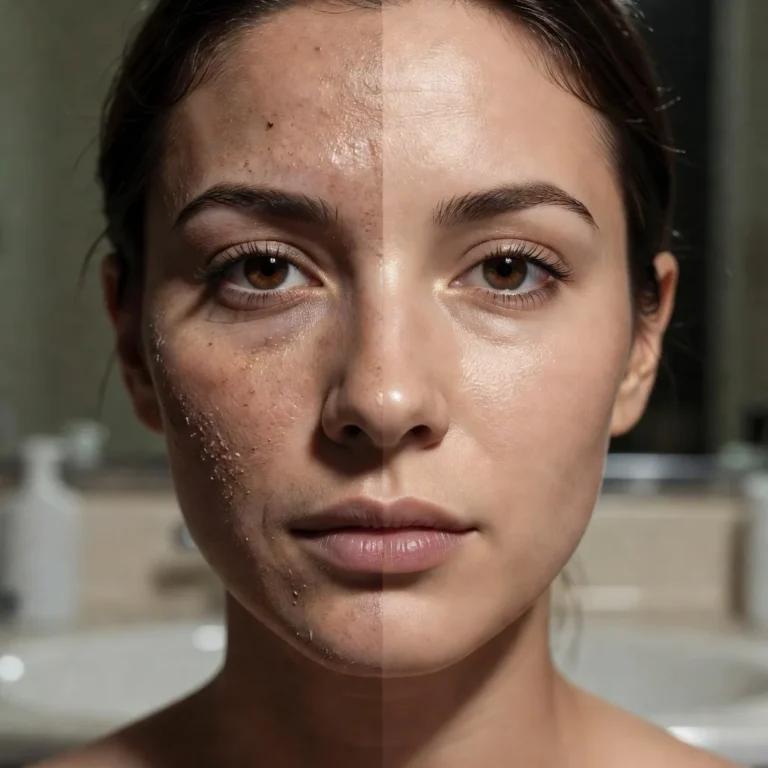
Acne scars are not all the same, and that is why so many treatments disappoint. A facial that softens flat red or brown marks may do nothing for a deep, narrow pit, while a procedure that lifts rolling scars may be the wrong choice for a raised scar on the jawline.
Part of our guide to facial treatments. Start with: Facial Types: A Guide to 11 Popular Facials and How to Choose One
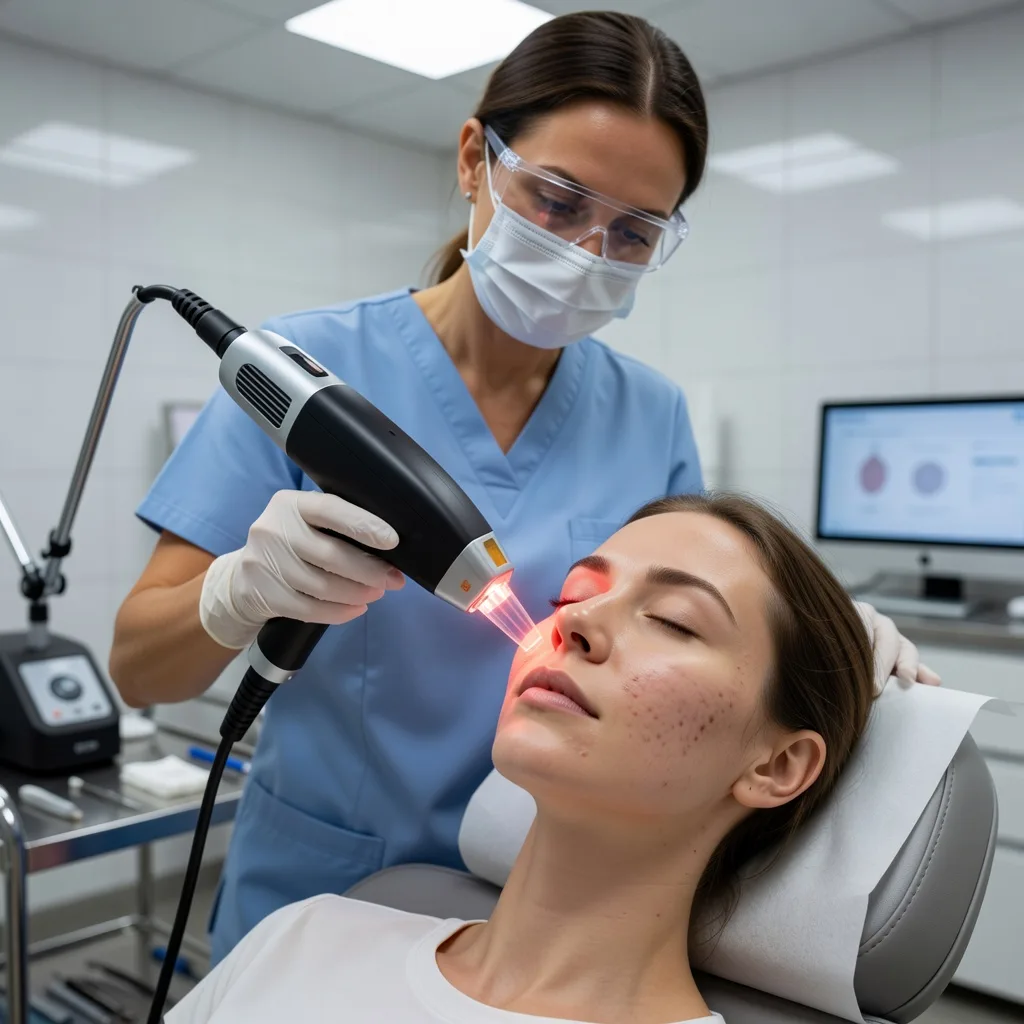
The best facial treatment for acne scars depends on the scar type. For true depressed scars, the most effective options are in-office procedures carried out by a dermatologist: microneedling, laser resurfacing, chemical peels, subcision for rolling scars, fillers and, for deep ice pick scars, targeted techniques such as punch excision. Regular spa facials cannot rebuild lost collagen, so they have little effect on true scars. Flat dark or red marks left after spots are not true scars; they usually fade with time, daily sunscreen and home ingredients such as retinoids, azelaic acid and niacinamide. Many people get the best results by combining treatments over several months.
In short: match the treatment to the scar, use home care for marks and texture, and expect gradual improvement rather than erasure.
The American Academy of Dermatology notes that treatments such as laser resurfacing, microneedling, chemical peels, fillers and scar surgery can make depressed acne scars less noticeable, and that raised scars need different treatment.
This guide explains how to identify your scar type, which professional treatments fit each one, what home products can and cannot do and how to choose them.
Shopping these picks?
Amazon Prime members get fast, free shipping on eligible items, plus Prime Video, Amazon Music and member deals. New members can start with a free trial.
Start a free Prime trialAged 18 to 24? Prime for Young Adults comes with a longer free trial and a lower price after it.
Affiliate link: we may earn a commission at no extra cost to you.
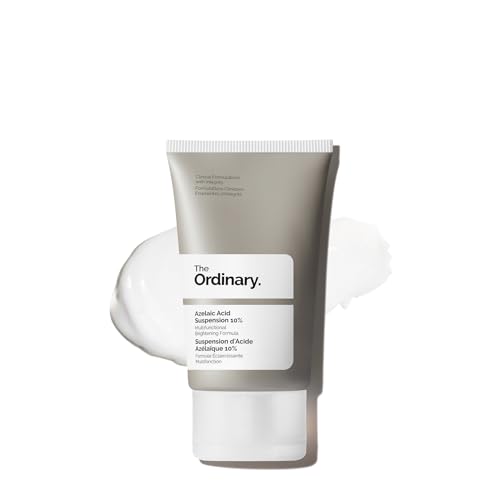
Recommended Acne Scar and Mark Care Products on Amazon



In This Guide
- Types of Acne Scars and Marks
- In-Office Treatments by Scar Type
- Can a Regular Facial Help Acne Scars?
- What At-Home Products Can and Cannot Do
- How to Choose Scar and Mark Care Products
- How to Care for Acne Scars and Marks at Home
- Dos and Don’ts for Acne Scars
- Acne Scars in Medium and Deep Skin Tones
- Combining Treatments and Planning Timing
- Risks and Downtime
- Honest Limits
- When to See a Dermatologist
- Your Questions, Answered
- Summing Up
In Brief
- Identify whether you have dark marks, depressed scars or raised scars.
- Flat marks usually fade with sunscreen and gentle actives.
- Depressed scars usually need in-office collagen-building treatments.
- Subcision suits rolling scars; targeted techniques suit ice pick scars.
- Regular spa facials cannot fill true scars.
- Get active acne under control before treating scars.
- Most people need a series of treatments and some patience.
Types of Acne Scars and Marks
Before choosing any treatment, work out what you are actually looking at. Many people call every leftover spot a scar, but flat discolouration and true scarring behave very differently.
| Type | What it looks like | Main cause |
|---|---|---|
| Post-inflammatory hyperpigmentation (PIH) | Flat brown or dark marks | Extra pigment after inflammation |
| Post-inflammatory erythema (PIE) | Flat pink, red or purple marks | Widened small blood vessels |
| Ice pick scars | Narrow, deep pits like large pores | Deep damage to a narrow area |
| Boxcar scars | Round or oval depressions with sharp edges | Loss of collagen in a wider area |
| Rolling scars | Wavy, uneven texture with soft edges | Bands pulling skin down from below |
| Raised (hypertrophic) scars and keloids | Firm, raised bumps | Too much collagen during healing |
A simple check is to stretch the skin gently. If a mark flattens or looks the same but is only a colour change, it is likely a mark rather than a scar. If the dip remains or deepens in side lighting, it is probably a true depressed scar. Our guide on pimple scars that will not fade explains more about why some marks linger.
In-Office Treatments by Scar Type
Professional procedures work by injuring the skin in a controlled way so it builds new collagen, or by physically lifting or removing the scar. The AAD overview of acne scar treatment describes how dermatologists match these options to the scar.
| Treatment | Best suited to | What to expect |
|---|---|---|
| Microneedling | Rolling and shallow boxcar scars | Several sessions; the AAD notes it is safe for all skin tones |
| Laser resurfacing | Boxcar and rolling scars, uneven texture | Downtime varies with the laser; care needed in deeper skin tones |
| Chemical peels | Shallow scars, texture and marks | Depth chosen by the provider; deeper peels mean more downtime |
| Subcision | Rolling scars | Releases bands under the skin so it can rise |
| Fillers | Soft, rolling depressions | Immediate lift that lasts months, then needs repeating |
| Punch techniques | Deep ice pick and narrow boxcar scars | The scar is removed or raised and closed |
| Steroid injections, silicone | Raised scars and keloids | Flattens raised tissue over time |
Dermatologists often combine methods, for example subcision followed by microneedling or laser, because most people have a mix of scar types. Our comparison of laser facials vs microneedling covers the differences in downtime and results.
Can a Regular Facial Help Acne Scars?
A standard spa facial, with cleansing, a mask and massage, does not reach the deeper layers where scars form, so it will not fill pits or lift rolling scars. It can still improve how skin looks and feels in the short term.
- Gentle exfoliating facials can smooth surface texture for a few days.
- Light superficial peels can help fade dark marks over a series.
- Hydrating facials can make shallow scars look slightly softer by plumping skin.
- Extractions, if done badly, can cause new marks and should be kept minimal.
- Microdermabrasion can improve dullness but does little for true scars.
The AAD overview of chemical peels explains that peels range from light to deep and that deeper peels need an experienced dermatologist.
Treat active acne first. New breakouts create new marks and scars, and many procedures cannot be done on inflamed skin. If you still get regular spots, a dermatologist can help control them before you invest in scar treatment.
What At-Home Products Can and Cannot Do
Home care is most useful for flat marks, overall texture and preventing new scars. It cannot rebuild deep collagen loss the way procedures can, but it supports professional treatment and keeps results looking better.
| Product type | Helps with | Limits |
|---|---|---|
| Retinoids (adapalene, retinol) | Texture, marks, preventing new acne | Very slow effect on depressed scars; can irritate |
| Azelaic acid | Dark marks, redness, active acne | Gradual results over months |
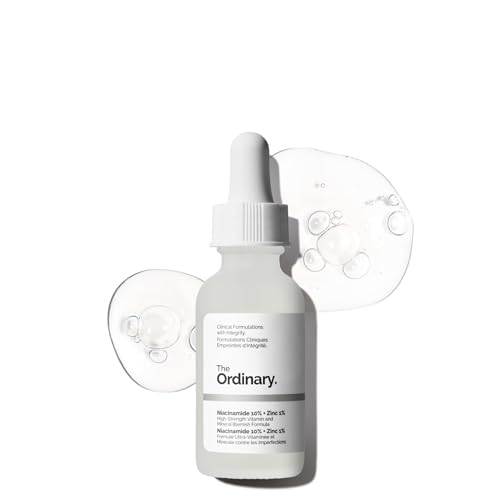
| Niacinamide | Dark marks, redness, oil | Mild effect; best as support |
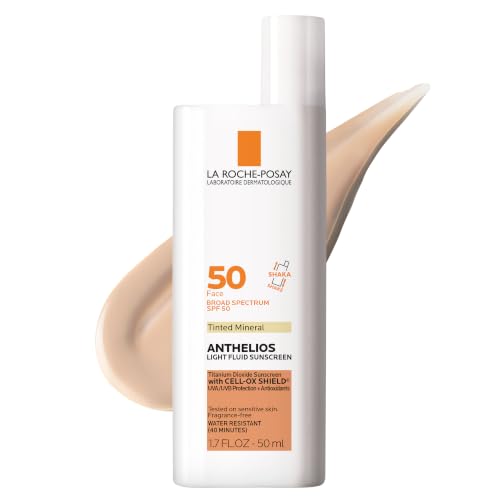
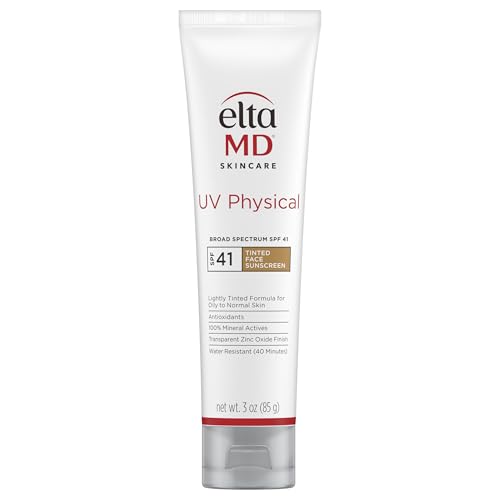
| Broad-spectrum sunscreen | Stops marks darkening | Does not treat scars directly |
| Silicone scar gel | Raised scars | Little benefit for depressed scars |
| Gentle AHA exfoliants | Surface texture, dullness | Can irritate if overused |
Retinoids are the most useful home active for acne-prone skin with scarring because they treat breakouts and improve texture over time. Our guide on how to transition to retinol smoothly explains how to start without irritation.
Azelaic acid and niacinamide are useful partners because they calm redness and dark marks without much irritation, which makes them easier to combine with a retinoid. Red or purple marks tend to fade more slowly than brown ones, and they respond best to patience, gentle care and avoiding picking; in-office vascular lasers are an option if they persist.
How to Choose Scar and Mark Care Products
When shopping for home products, look at the formula rather than claims such as scar eraser or instant results.
- Choose non-comedogenic, fragrance-free formulas for acne-prone skin.
- Start with adapalene or a low-strength retinol rather than high-strength products.
- Look for azelaic acid or niacinamide with the strength clearly stated.
- Pick a sunscreen texture you will wear every day, such as a gel or fluid.
- Choose silicone scar gel only for raised scars, not pitted ones.
- Avoid gritty scrubs, which irritate rather than resurface skin.
Introduce one new active at a time and use it for at least eight weeks before judging it. Photograph your skin in the same light every few weeks, because slow changes are hard to see day to day.
How to Care for Acne Scars and Marks at Home
This routine supports both mark fading and professional scar treatment.
Cleanse gently
Use a mild, non-foaming or low-foam cleanser morning and night.
Apply a mark-fading serum in the morning
Use niacinamide or azelaic acid on dry skin.
Apply sunscreen daily
Use a broad-spectrum SPF 30 or higher and reapply outdoors.
Use a retinoid at night
Apply a pea-sized amount two or three nights a week at first.
Moisturise
Use a light, non-comedogenic moisturiser to reduce irritation.
Leave spots alone
Do not squeeze or pick, which deepens scars.
Plan professional treatment
See a dermatologist for depressed scars that do not change.
The AAD guide on how to apply sunscreen covers the amount to use and when to reapply.
Dos and Don’ts for Acne Scars
Good Habits
- Identify your scar type first
- Wear sunscreen every day
- Control active acne
- Choose experienced providers
- Allow months for results
Common Mistakes
- Pick or squeeze spots
- Use harsh scrubs on scars
- Use deep needling tools at home
- Stack many strong acids
- Book aggressive treatments on tanned skin
Home dermarollers and needling pens are widely sold, but using them deeply at home risks infection, scarring and dark marks. Professional microneedling uses sterile equipment and controlled depth, which is why it is safer and more predictable.
Acne Scars in Medium and Deep Skin Tones
People with brown and deep skin tones are more likely to develop dark marks after acne, and some heat-based lasers and deep peels carry a higher risk of new pigment problems or lightening. That does not rule treatment out, but it does change the choice.
- Microneedling is generally a safer option across skin tones.
- Superficial peels and gentle lasers may be preferred over deeper ones.
- A test area can show how your skin reacts first.
- Strict sun protection before and after reduces dark marks.
Dark marks in deeper skin can last many months, and they are often mistaken for scars. Treating the pigment with sunscreen, azelaic acid and niacinamide first can reveal how much true scarring is left, which helps you avoid paying for procedures you may not need.
Combining Treatments and Planning Timing
Because most faces have more than one scar type, a treatment plan is usually built in stages rather than around a single procedure. A dermatologist may first clear active acne, then treat tethered rolling scars with subcision, then use microneedling or laser sessions to smooth the remaining texture, adding filler for any soft dips that remain.
Timing matters as much as the method. Collagen remodelling continues for months after each session, so results often look better three to six months after a course than they do a week after the last visit.
- Allow several weeks between collagen-building sessions.
- Avoid tanning and strong sun for weeks before and after treatment.
- Pause retinoids and exfoliating acids before procedures if advised.
- Plan intensive treatments for seasons when you can stay out of the sun.
- Keep a simple routine while skin is healing: cleanser, moisturiser, sunscreen.
Ask any provider to explain which scars each step targets and how many sessions they expect. A clear plan with realistic expectations is a good sign; a promise of complete removal after one visit is not.
Risks and Downtime
All scar treatments carry some risk, and the stronger the treatment, the longer the recovery.
- Redness and swelling for days to weeks after lasers or deeper peels.
- Dark or light patches, especially in deeper skin tones.
- Infection or cold sore flare-ups after resurfacing.
- Bruising after subcision or fillers.
Avoid scar procedures while taking oral isotretinoin or shortly after stopping unless your dermatologist advises otherwise. Seek medical help for spreading redness, pus, fever or severe pain after any treatment.
Honest Limits
No facial, serum or device removes acne scars completely. Good treatment can make scars much less noticeable, often by a meaningful amount, but most people see improvement rather than perfect skin, and deep ice pick scars are especially stubborn.
Creams and serums work best on flat marks and texture. If you have clear pits or rolling scars that have not changed in a year, home products alone are unlikely to make a big difference, and a consultation is the more efficient next step. Results also vary between people with similar scars, because healing, skin tone and collagen response differ from person to person.
When to See a Dermatologist
- You have depressed, rolling or ice pick scars.
- You have raised scars or keloids.
- Acne is still active or leaving new scars.
- Marks have not faded after six months of home care.
- You want lasers, subcision, fillers or deeper peels.
This article is for general information and does not replace professional medical advice. See a board-certified dermatologist to assess your scars and choose treatments that suit your skin type and tone.
Your Questions, Answered
What is the best facial treatment for acne scars?
It depends on the scar type; microneedling, lasers, peels and subcision are common.
Can a regular facial remove acne scars?
No, but it can improve surface texture and glow.
Do dark spots after acne count as scars?
No, flat marks usually fade with time and sunscreen.
What helps ice pick scars?
Targeted in-office techniques such as punch excision.
What helps rolling scars?
Subcision, often combined with microneedling or lasers.
Can retinol fix acne scars?
It helps texture and marks but not deep scars.
Is silicone gel good for acne scars?
It is mainly useful for raised scars.
Is microneedling safe for dark skin?
The AAD notes it is safe for all skin tones.
How many treatments will I need?
Usually a series over several months.
Should I treat acne before scars?
Yes, control breakouts first to prevent new scars.
Summing Up
The best facial treatment for acne scars depends on whether you have flat marks, depressed scars or raised scars, and true scars usually need in-office care.
Protect your skin daily, use a retinoid and one mark-fading active at home, and see a dermatologist for scars that home care does not change.

Written by
Registered pharmacist and founder of Facial Adviser. Rakib's pharmacy training covers how skincare actives work and interact; a later course in cosmetology turned that into a focus on facial treatments and skincare products. He plans, researches and edits every guide on the site and checks health claims against sources such as the American Academy of Dermatology, the FDA and the NIH. He is not a dermatologist; see the Editorial Policy and Medical Disclaimer.
About · Editorial policy · How we choose products · Medical disclaimer · Contact
Keep reading: Types of facials compared
- Facial Types: A Guide to 11 Popular Facials and How to Choose One
- Best Facial for Melasma: Gentle Treatments, What to Avoid and Home Care
- Best Facial for Blackheads and Large Pores: Which Treatment Actually Helps
- Best Facial for Acne-Prone Skin: Professional Options and Aftercare
- Soft Bumps on Face After a Facial Treatment: Purging, Milia or Irritation?
- Acne Facial: Does It Really Work?
- What Is a Spa Facial?
- Fruit Facial at Home: Does It Actually Work?