
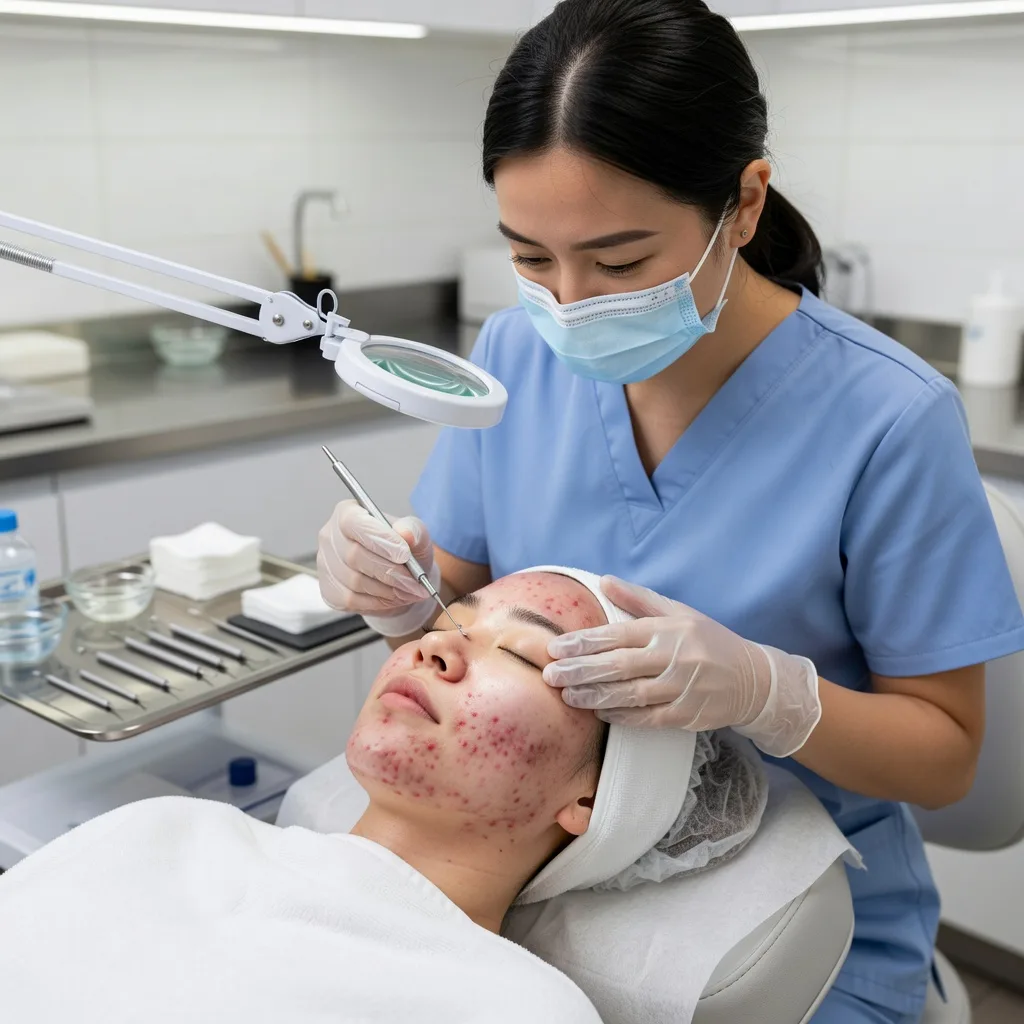
Acne Facial: Does It Really Work?
An acne facial promises clearer skin in an hour, and for surface congestion, it can genuinely deliver that. What it can’t do is replace the treatments dermatology guidelines actually rely on, and knowing which is which before you book keeps a routine maintenance appointment from turning into a breakout that’s worse than what you started with.
Part of our guide to facial treatments. Start with: Facial Types: A Guide to 11 Popular Facials and How to Choose One
The entire risk comes down to one distinction: extracting a surface blackhead is nothing like extracting a deep, inflamed cyst. The first is exactly what a facial is designed for. The second is what causes the post-inflammatory marks and scarring people blame on “bad facials,” when the real issue was extracting the wrong kind of lesion in the first place.
There’s also a piece of outdated advice still circulating that stops people from getting even mild treatments: the old six-month wait after isotretinoin before any cosmetic procedure. Newer research has walked that back significantly for superficial treatments specifically, though not for everything.
This guide covers the 60-second press test that tells you whether a blemish is safe to extract, what an acne facial can and can’t actually treat compared to prescription options, and exactly when it’s time to see a dermatologist instead of booking another session.
Recommended Products for Acne


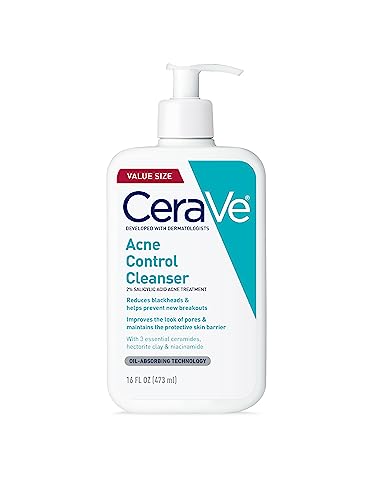

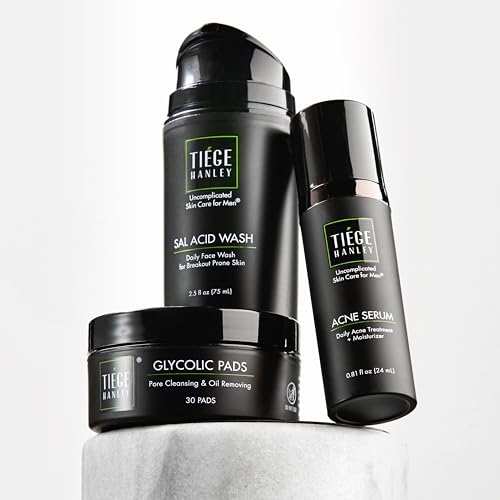
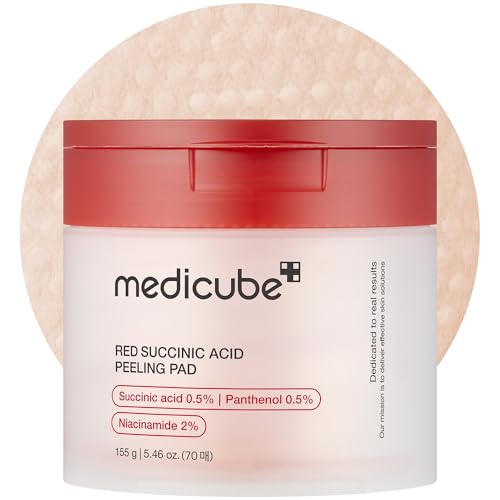
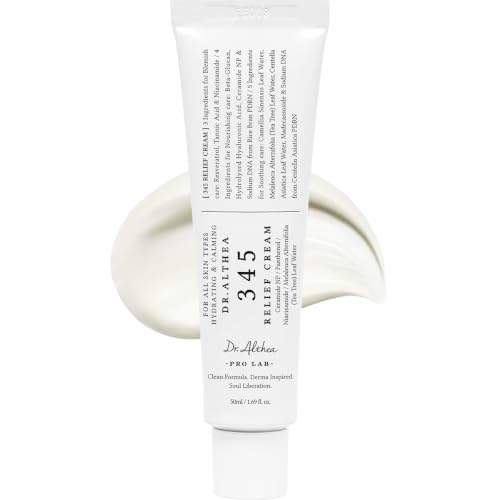


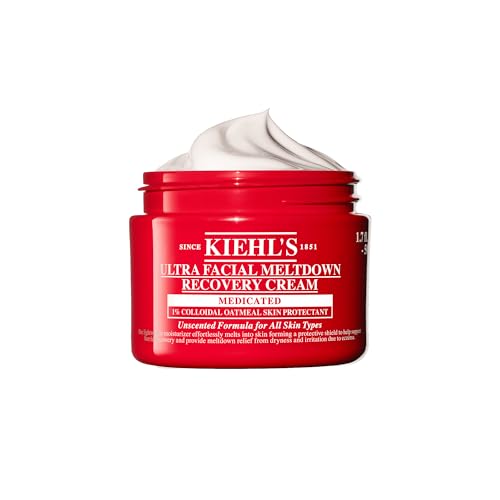
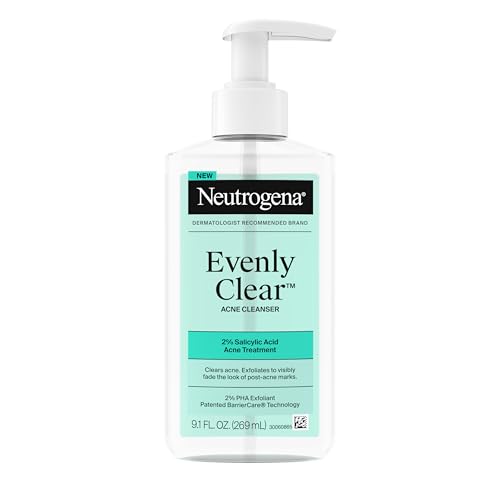
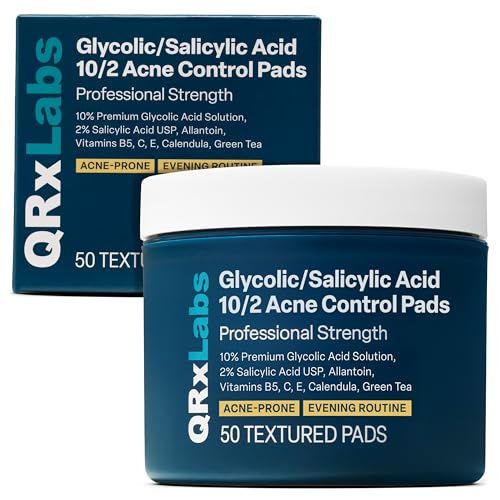
Shopping these picks?
Amazon Prime members get fast, free shipping on eligible items, plus Prime Video, Amazon Music and member deals. New members can start with a free trial.
Start a free Prime trialAged 18 to 24? Prime for Young Adults comes with a longer free trial and a lower price after it.
Affiliate link: we may earn a commission at no extra cost to you.
Key Takeaways
- An acne facial (extraction, LED light, a superficial peel, sometimes high-frequency current) is a cosmetic adjunct. It is not a substitute for the treatments dermatology guidelines actually rely on: topical retinoids, benzoyl peroxide, oral antibiotics, or isotretinoin.
- A 60-second press test on a blemish tells you whether it’s safe to extract or whether it needs a dermatologist instead.
- Extracting an inflamed cyst or nodule, rather than a surface blackhead or whitehead, is what causes the post-inflammatory marks and scarring people blame on “bad facials.”
- The old rule of waiting a full 6 months after isotretinoin before any cosmetic procedure has been walked back for superficial treatments specifically. Full-face ablative resurfacing and mechanical dermabrasion are the ones that still warrant real caution.
- Chemical peels used in acne facials (azelaic acid, pyruvic acid, salicylic acid) have real supporting evidence for mild, comedonal acne, but as an add-on, not a replacement for medical therapy.
- Blue LED light works by generating reactive oxygen species inside acne bacteria. It has a real, modest effect on inflammatory lesions, weaker than topical or oral medication.
- Darker skin tones carry a higher risk of visible post-inflammatory hyperpigmentation from aggressive extraction, which is a reason to be more selective about who performs it and how.
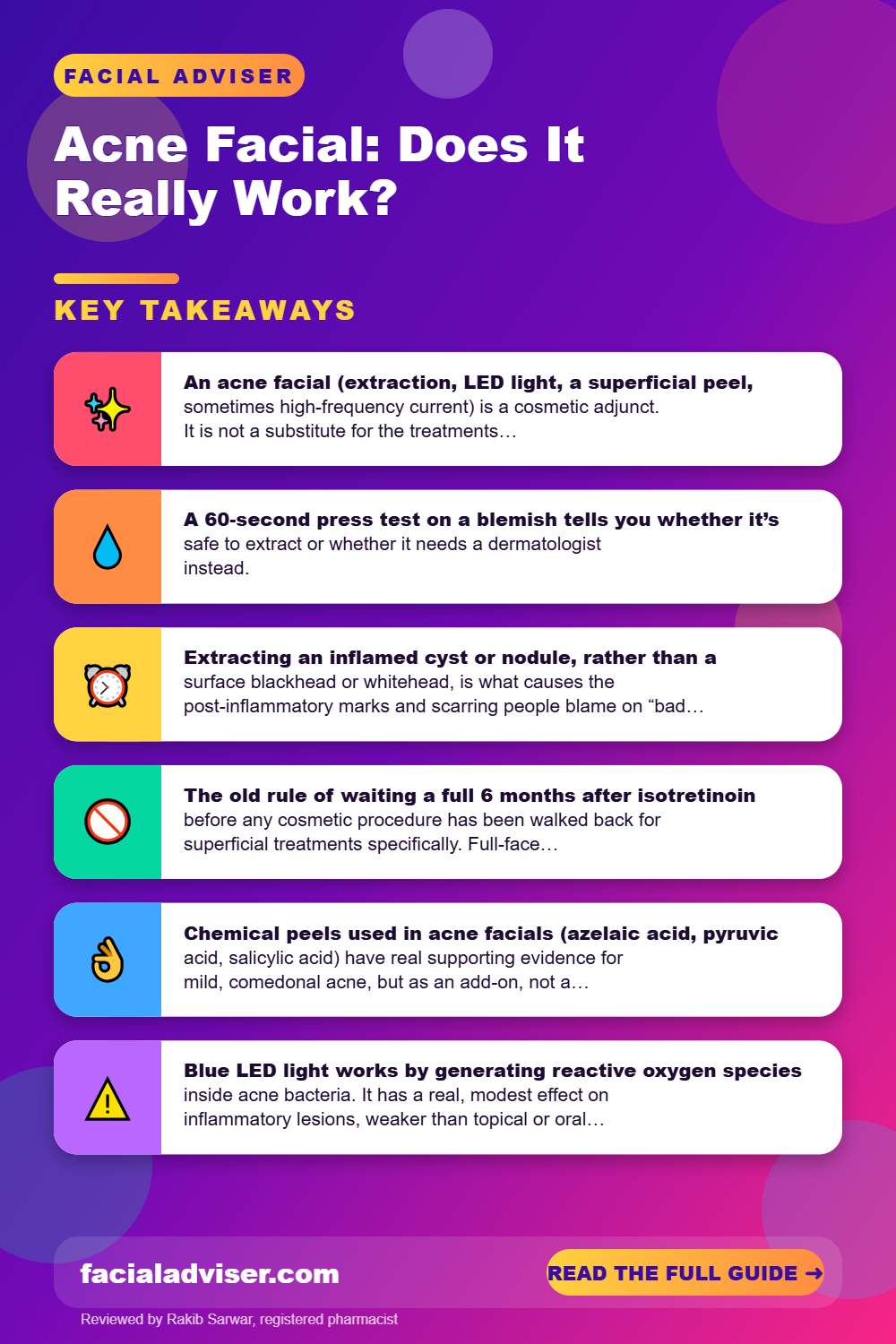
Table of Contents
- What Actually Happens During an Acne Facial
- The 60-Second Test: Should This Blemish Be Extracted?
- Acne Facial vs. Medical Acne Treatment
- Isotretinoin and Procedure Timing: What Changed
- Do This, Not That: Getting a Facial Without Making Acne Worse
- What a Session Actually Involves
- What an Acne Facial Can’t Do
- When to See a Dermatologist Instead
- Frequently Asked Questions
- The Bottom Line
What Actually Happens During an Acne Facial
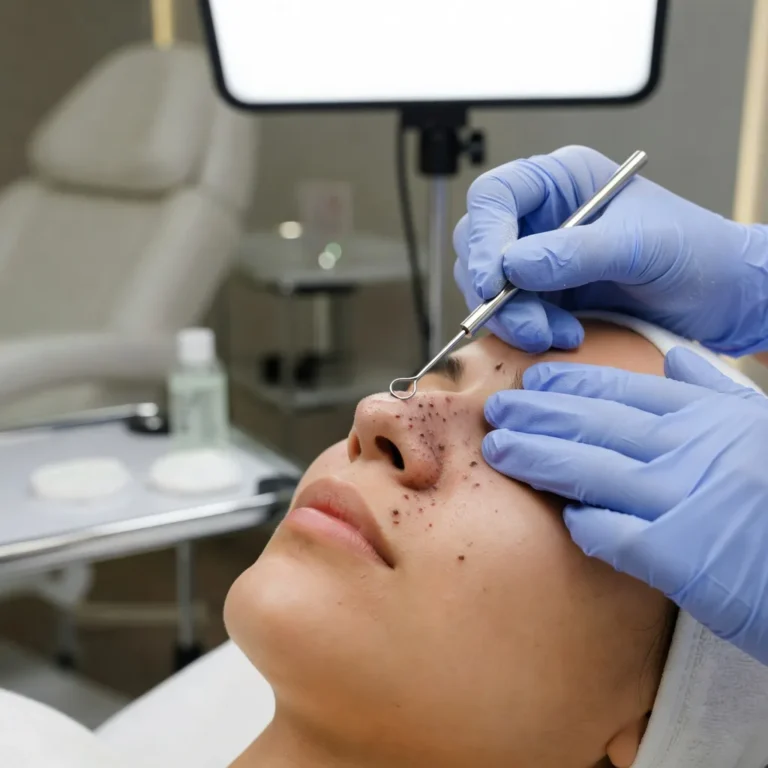
An acne facial usually stacks a few distinct steps: manual extraction of blackheads and whiteheads with a comedone tool, a superficial chemical peel (commonly salicylic, glycolic, azelaic, or pyruvic acid), blue or red LED light exposure, and sometimes high-frequency current applied with a glass electrode marketed as antibacterial or oxygenating.
Blue LED light works by activating porphyrins that acne bacteria produce, generating reactive oxygen species that damage the bacteria from the inside. That’s a real mechanism with modest supporting evidence for inflammatory lesions, though the effect is smaller than what a topical or oral medication produces. High-frequency current has comparatively little independent clinical trial evidence behind its antibacterial claims.
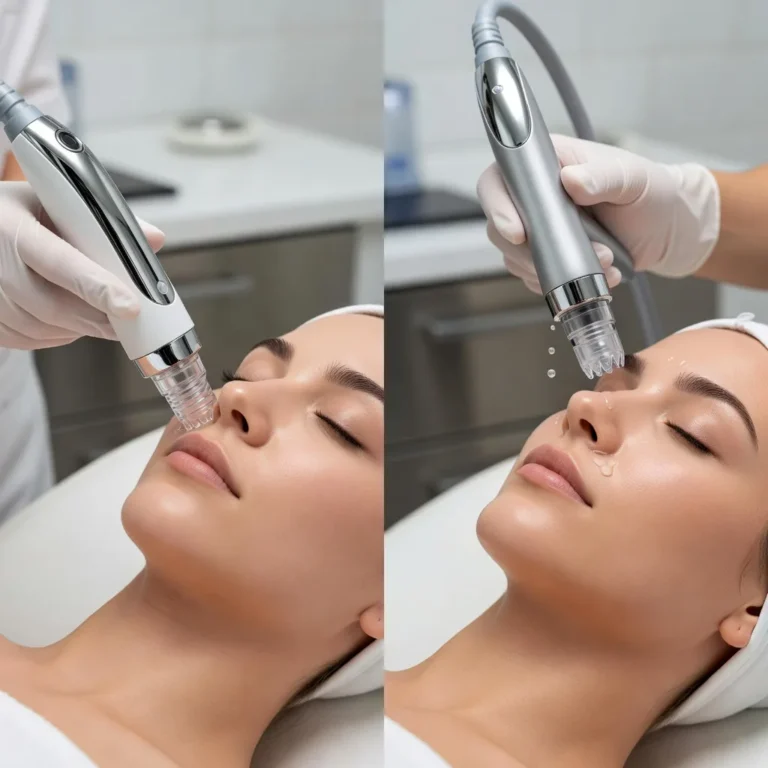
Superficial peels have better evidence. A randomized trial comparing azelaic acid and pyruvic acid peels found both comparably effective for adult female acne, which is a genuine, if modest, result for a cosmetic-level treatment, in the same family of exfoliating treatments as hydrodermabrasion and microdermabrasion.
The 60-Second Test: Should This Blemish Be Extracted?
Gently press on the blemish in question before anyone reaches for an extraction tool:
- Hard, deep, and painful with no visible surface head: this is an inflammatory cyst or nodule sitting deep in the skin. Extraction won’t work and risks pushing inflammation deeper, which is exactly what causes scarring and dark marks. This needs a dermatologist, often for an intralesional steroid injection, not a spa tool.
- Small, whitish or dark surface bump you can see the tip of, minimal tenderness: a true blackhead or whitehead. This is the kind of lesion extraction is actually designed for, and it’s reasonable to have done at a facial.
This distinction is the entire difference between a facial that helps clear congestion and one that leaves marks behind.
Acne Facial vs. Medical Acne Treatment
| Acne facial (spa/esthetician) | Medical acne treatment (dermatologist) | |
|---|---|---|
| What it includes | Extraction, LED, superficial peel, high-frequency current | Topical retinoids, benzoyl peroxide, topical/oral antibiotics, isotretinoin |
| Evidence base | Modest, mostly for mild/comedonal acne as an adjunct | Strong, supported by numerous randomized controlled trials |
| Who can perform it | Licensed esthetician | Licensed medical provider (dermatologist, PA, NP) |
| Best suited for | Surface blackheads/whiteheads, maintenance between medical treatment | Inflammatory, cystic, hormonal, or treatment-resistant acne |
| Risk if misapplied | PIH or scarring from extracting inflamed lesions | Side effects are managed and monitored by a prescriber |
The two aren’t competing options so much as different tools for different jobs. A facial is reasonable maintenance for someone whose acne is mild and mostly comedonal, or as a complement alongside prescription treatment for someone with more active disease, but it isn’t a substitute for the treatments with the actual trial data behind them.
Isotretinoin and Procedure Timing: What Changed
For years, the standard advice was to wait a full six months after finishing isotretinoin before having any cosmetic procedure, including a facial. That blanket rule traced back to older case reports of hypertrophic scarring linked specifically to dermabrasion and ablative laser resurfacing, not to superficial treatments.
A 2017 expert consensus statement reviewing 36 studies concluded there’s little evidence to support delaying superficial procedures, including chemical peels, non-ablative lasers, and light microdermabrasion, during or shortly after isotretinoin. A subsequent 2023 update reinforced that position. The six-month delay is still recommended specifically for full-face ablative resurfacing and mechanical dermabrasion, not for the lighter treatments included in a typical acne facial.
Note: “Little evidence to support delaying” isn’t the same as “no risk at all.” Anyone currently on isotretinoin should still tell their esthetician or dermatologist before any procedure, since skin on the medication is more fragile and dries out more easily.
Do This, Not That: Getting a Facial Without Making Acne Worse
Do
- Tell your esthetician about any current cystic or nodular breakouts before they start
- Ask whether they’ll skip extraction on anything that’s hard, deep, or painful
- Mention if you’re currently on isotretinoin or another oral acne medication
- Expect gradual improvement in surface congestion, not a cure for active inflammatory acne
- Pair a facial with, not instead of, whatever your dermatologist has prescribed
Don’t
- Let anyone aggressively extract a painful, deep cyst
- Expect a facial alone to control moderate to severe inflammatory acne
- Book an aggressive peel or extraction session right before a big event, skin needs recovery time
- Assume “natural” or “purifying” marketing claims mean a treatment is gentler than it is
- Skip patch testing a new peel or product if you have sensitive or reactive skin
What a Session Actually Involves
Skin analysis
The esthetician examines your skin under magnification to identify which lesions are surface congestion versus deeper inflammatory acne.
Cleansing and steam
Skin is cleansed and often steamed briefly to soften the surface before extraction.
Extraction
Surface blackheads and whiteheads are cleared with a comedone tool. Deep, inflamed lesions should be left alone.
Peel or exfoliation
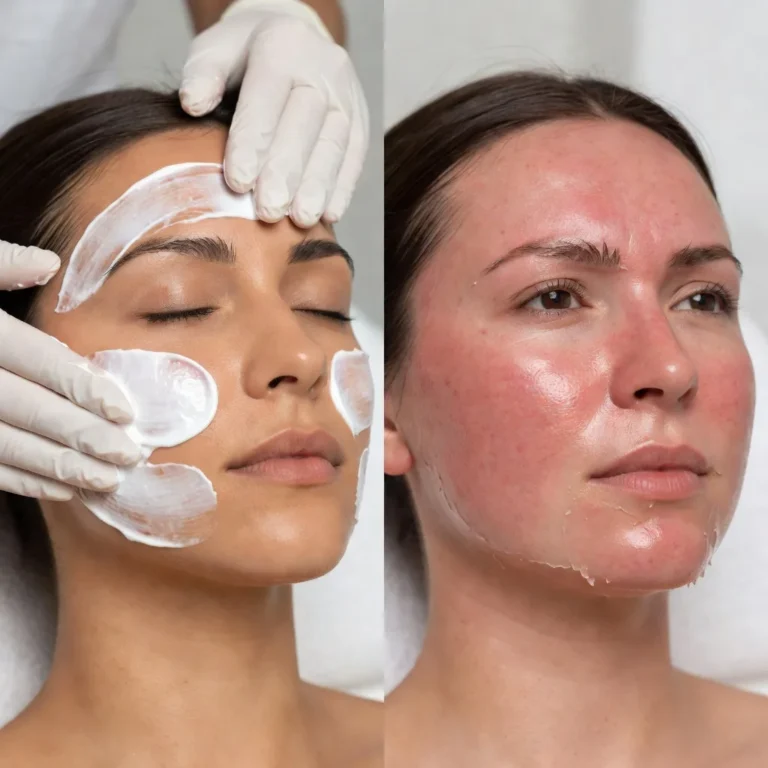
A superficial acid peel is applied for a set contact time, then neutralized.
Tip: Ask what percentage and pH the peel solution is if you have sensitive skin. A weaker, shorter-contact peel is a reasonable first step before a stronger one.
LED or high-frequency step
Blue light or high-frequency current is applied for several minutes, depending on the protocol.
Calming and SPF
A soothing mask or serum is applied, followed by sunscreen since freshly treated skin is more sun-sensitive.
Aftercare window
Mild redness or flaking is normal for a day or two. Avoid new active ingredients and picking at the skin during that window.
What an Acne Facial Can’t Do
A facial cannot reliably control moderate to severe inflammatory, cystic, or hormonal acne on its own. The lesions that drive the most visible scarring and distress respond best to prescription-strength treatment, and no amount of extraction or LED exposure substitutes for that.
It also can’t undo scarring that’s already formed. Textural acne scarring needs a treatment aimed specifically at collagen remodeling, such as microneedling, not surface-level extraction or peels.
When to See a Dermatologist Instead
Warning: Painful cysts or nodules, acne that’s spreading or worsening despite consistent at-home care, any sign of infection (spreading redness, warmth, pus with fever), or acne that’s already left dark marks or pitted scars all warrant a licensed dermatologist, not another round of extractions.
Frequently Asked Questions
What is an acne facial?
A cosmetic treatment combining extraction, a superficial chemical peel, LED light, and sometimes high-frequency current, aimed at clearing surface congestion and calming mild breakouts.
Can an acne facial cure acne?
No. It’s a cosmetic adjunct that helps with surface blackheads and whiteheads. Moderate to severe inflammatory acne needs prescription-strength medical treatment.
Is it safe to get a facial with active cystic acne?
Extraction on hard, painful, deep lesions should be avoided since it can worsen inflammation and cause scarring. Milder surface congestion can still reasonably be treated.
Can I get a facial while on isotretinoin?
Superficial procedures like light peels are now considered reasonably low-risk during or shortly after isotretinoin, based on newer research overturning the old blanket six-month wait. Full-face ablative resurfacing and mechanical dermabrasion still warrant caution. Tell your provider you’re on the medication either way.
Why did my face break out worse after a facial?
This usually happens when inflamed, deep lesions were aggressively extracted rather than left alone, or when a peel was too strong for the skin’s current state.
Does high-frequency treatment actually kill acne bacteria?
It’s marketed as antibacterial, but there’s comparatively little independent clinical trial evidence supporting that specific claim compared to LED light or chemical peels.
How often should I get an acne facial?
Most estheticians recommend spacing sessions three to four weeks apart to allow skin to fully recover between treatments.
Can an acne facial fix acne scars?
No. Existing textural scarring needs a treatment aimed at collagen remodeling, not surface extraction or a superficial peel.
What’s the risk of extracting acne myself at home?
Without proper tools and technique, home extraction on inflamed lesions carries a higher risk of pushing bacteria deeper, worsening inflammation, and causing lasting marks.
When should I see a dermatologist instead of getting a facial?
Painful cysts, spreading or worsening acne, signs of infection, or acne that’s already caused scarring or dark marks are all reasons to see a dermatologist rather than book another facial.
The Bottom Line
An acne facial is a reasonable, low-risk way to manage surface congestion and give mild acne a cosmetic boost, but it was never designed to replace the treatments with real trial data behind them. The sixty-second press test is the difference between a facial that helps and one that leaves a mark: surface blackheads are fair game, anything hard, deep, and painful needs a dermatologist instead.
If you’re currently on isotretinoin, newer research has relaxed the old blanket wait for superficial treatments specifically, but always tell your provider beforehand. And if acne is already inflammatory, spreading, or leaving scars, a facial is the wrong tool for that job entirely.

Written by
Registered pharmacist and founder of Facial Adviser. Rakib's pharmacy training covers how skincare actives work and interact; a later course in cosmetology turned that into a focus on facial treatments and skincare products. He plans, researches and edits every guide on the site and checks health claims against sources such as the American Academy of Dermatology, the FDA and the NIH. He is not a dermatologist; see the Editorial Policy and Medical Disclaimer.
About · Editorial policy · How we choose products · Medical disclaimer · Contact
Keep reading: Types of facials compared
- Facial Treatment Facial Benefits: What's Real
- Basic Facial Cleanup: What It Actually Involves
- Facial Types: A Guide to 11 Popular Facials and How to Choose One
- Why Have a Facial? The Real Reasons
- Which Facial Is Best for Acne-Prone Skin? Options, Evidence and What to Avoid
- What Is the Best Anti-Aging Facial Treatment? Options Compared by Goal
- What Is a Spa Facial?

2 Comments