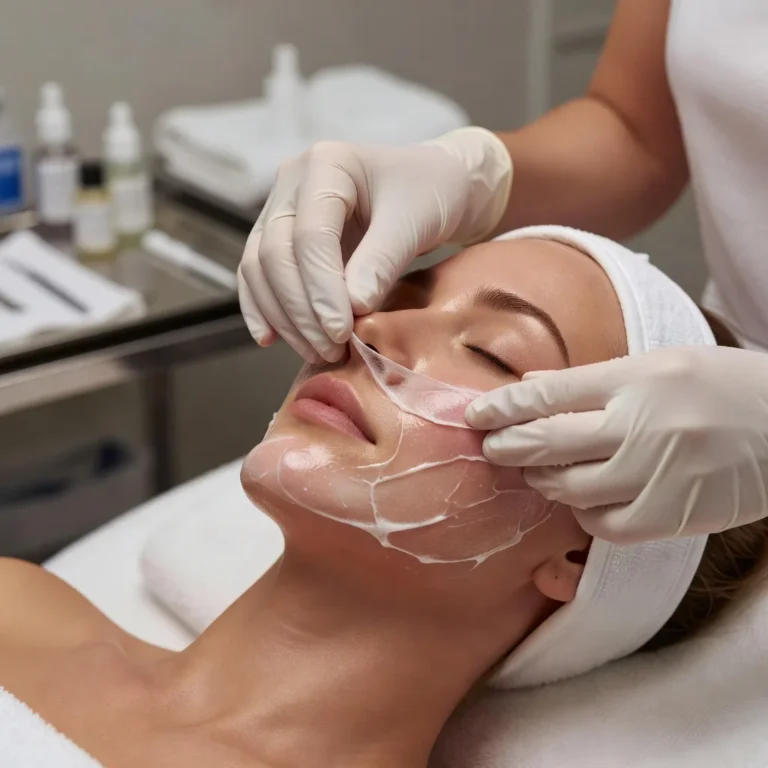
Facial Treatment Facial Benefits: What’s Real
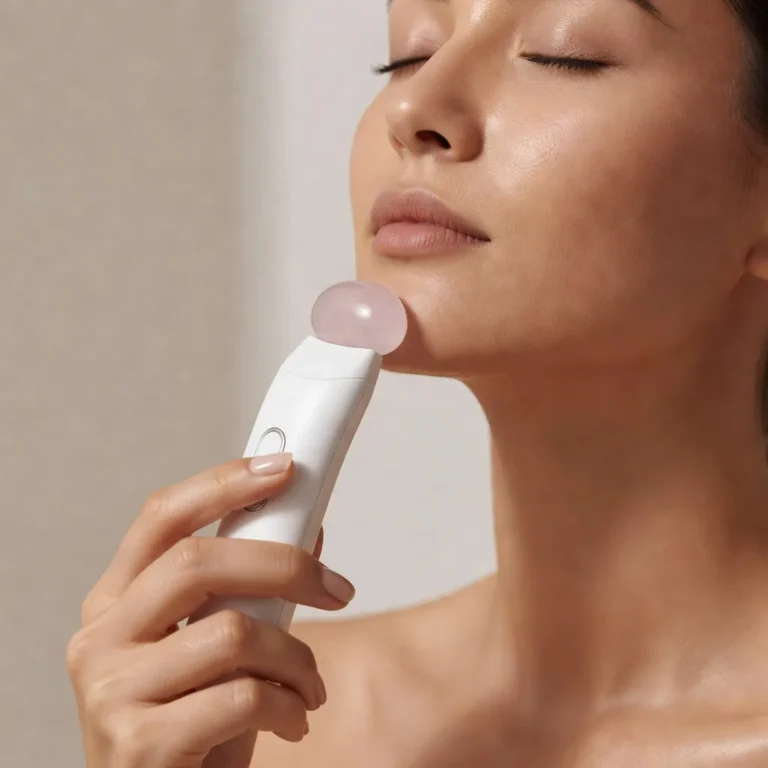
Facial treatment facial benefits get oversold constantly, so it’s worth separating what genuinely holds up from what’s pure marketing before booking your next appointment.
Part of our guide to facial treatments. Start with: Facial Types: A Guide to 11 Popular Facials and How to Choose One
The real, defensible benefits are narrower than most spa menus suggest: safer extractions than doing it yourself, access to professional-strength actives at concentrations retail products legally can’t use, and a real but temporary exfoliation and hydration effect. Facial massage’s relaxation value is real too, though its commonly cited mechanism isn’t what most people assume.
Claims like “detoxifies your skin” or “boosts circulation to cure” a specific condition don’t hold up against how the body’s actual systems work, and knowing that distinction changes how often a facial is genuinely worth paying for.
This guide walks through what’s real, what’s inflated, and how to get honest value out of a professional facial without over-relying on marketing language to decide.
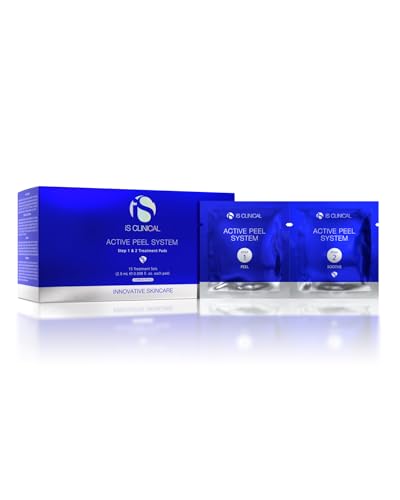
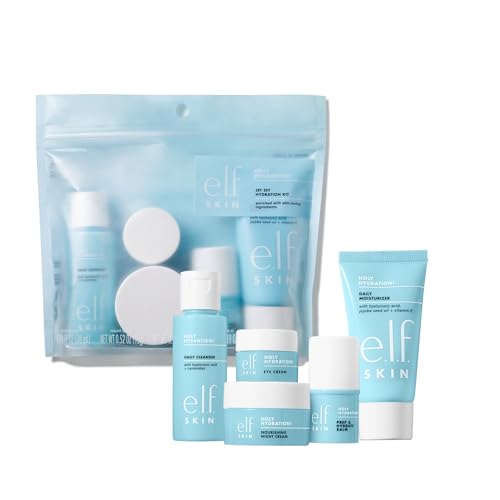
Recommended Products for Home Skin Care Between Facials





Key Takeaways
- The most defensible benefit of a professional facial is reduced self-extraction injury risk, trained technique and sterile tools genuinely lower scarring and infection risk versus DIY extraction.
- Professional-strength actives are a real regulatory fact: retail AHA products are capped at 10% concentration, while professional-use products aren’t subject to that same limit.
- Exfoliation and hydration effects are real but temporary, and largely achievable at home with consistent, appropriately dosed products over time.
- Facial massage’s relaxation value is real, but a pooled analysis found its commonly cited “lowers cortisol” mechanism is not well supported by the evidence.
- “Detoxifies your skin” is a claim directly contradicted by how the body’s actual detox organs work, not a mildly overstated one.
- People with normal skin and no specific concern, and a solid home routine already in place, may not need frequent professional facials at all.
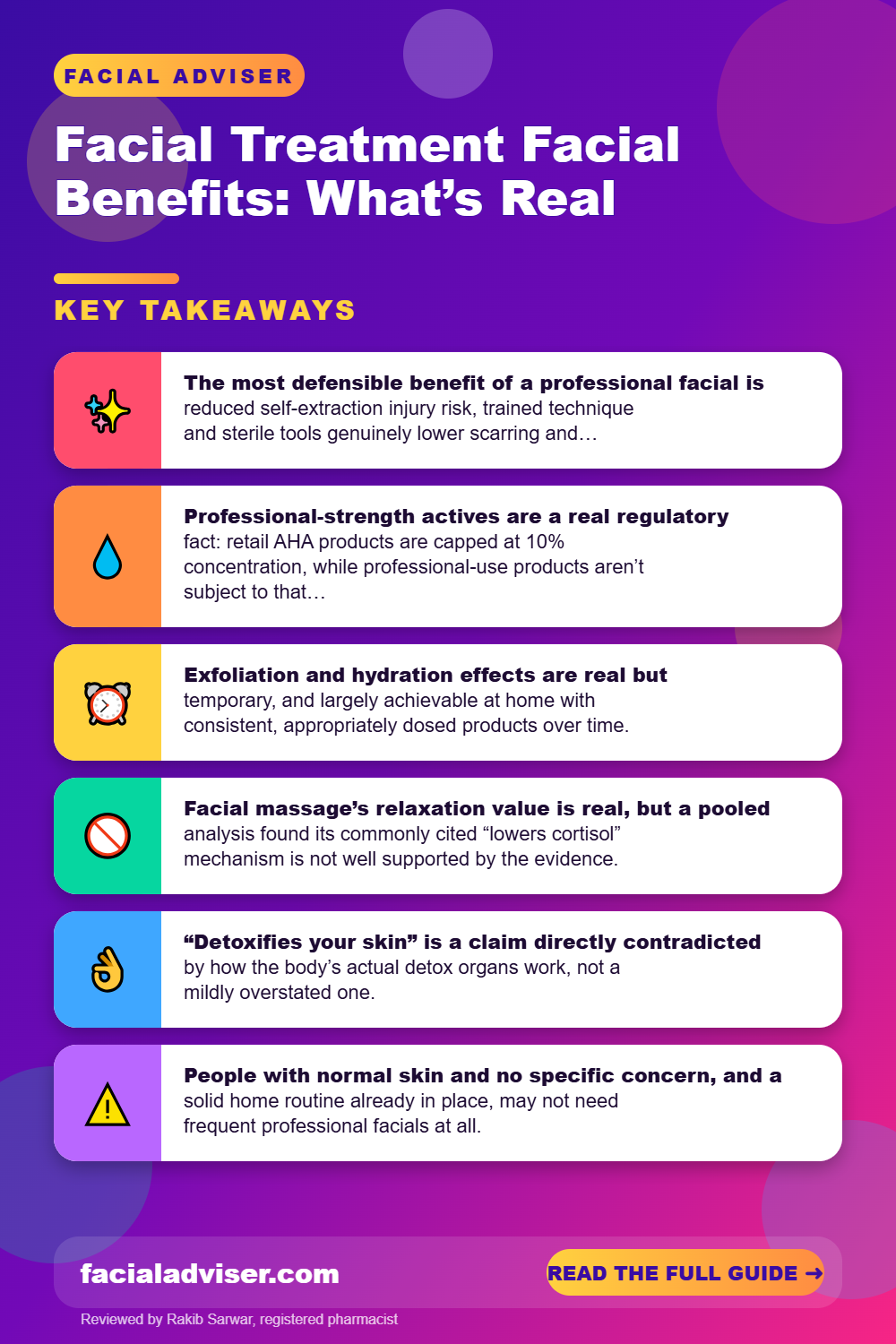
Table of Contents
- What Getting a Professional Facial Actually Does
- The Most Defensible Benefit: Extraction Safety
- Professional-Grade Actives at Real, Higher Concentrations
- Exfoliation and Hydration: Real but Time-Limited
- Facial Massage: Real Relaxation, Overstated Mechanism
- Claims That Don’t Hold Up
- Who Doesn’t Need Professional Facials, and How Often
- Getting Real Value for What You Pay
- Do This, Not That
- Getting the Real Value From a Facial
- When to See a Dermatologist
- Frequently Asked Questions
- The Bottom Line
What Getting a Professional Facial Actually Does
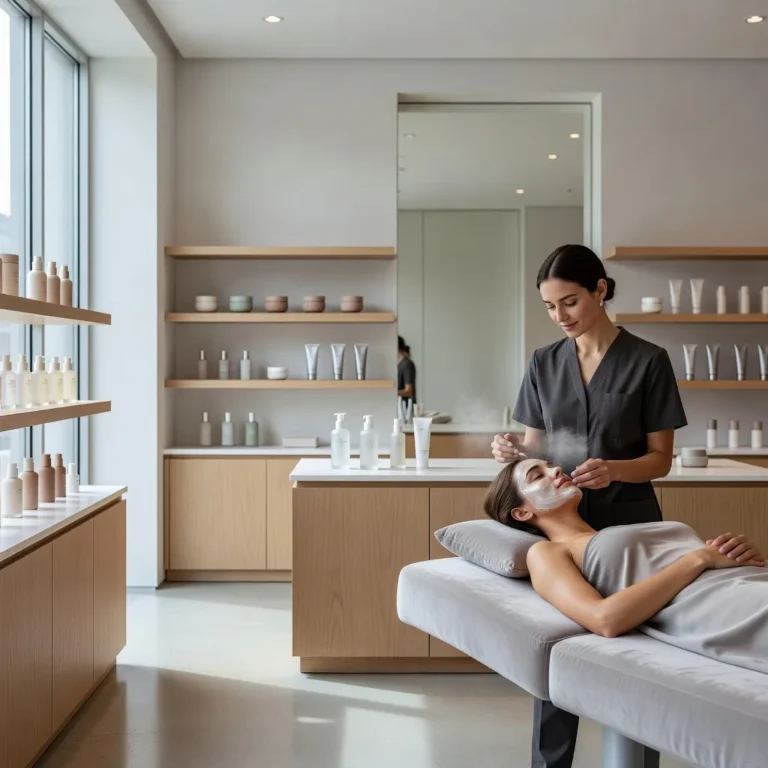
A professional facial’s genuine benefits are narrower and more specific than the marketing usually suggests: safer extractions, access to higher-strength actives than you can buy over the counter, real but temporary exfoliation and hydration effects, and a relaxation benefit from massage whose actual mechanism isn’t what most people assume. Separating those real benefits from inflated claims like “detox” changes how often a facial is actually worth booking.
Shopping these picks?
Amazon Prime members get fast, free shipping on eligible items, plus Prime Video, Amazon Music and member deals. New members can start with a free trial.
Start a free Prime trialAged 18 to 24? Prime for Young Adults comes with a longer free trial and a lower price after it.
Affiliate link: we may earn a commission at no extra cost to you.
This guide walks through what holds up to scrutiny, what’s overstated, and how to get genuine value out of a professional facial without over-relying on marketing language to decide.
The Most Defensible Benefit: Extraction Safety
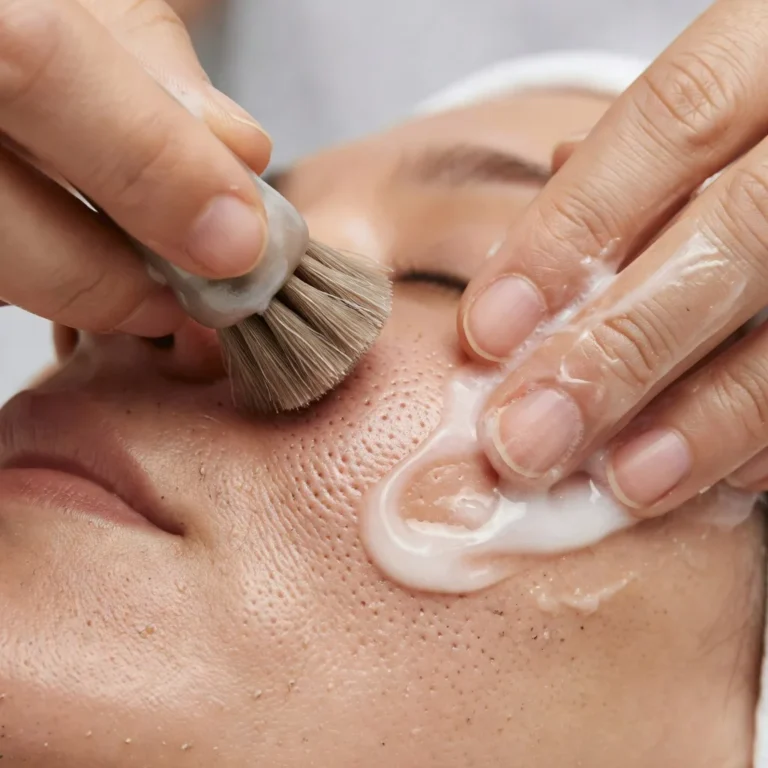
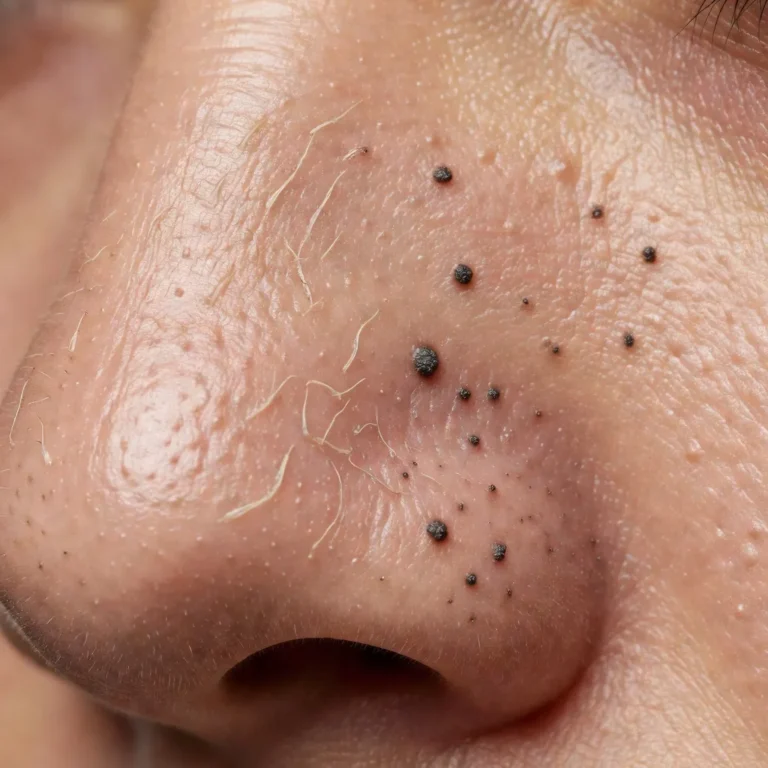
This is the single most defensible, least-hyped claim in the whole topic. Professional extractions, performed after appropriate softening or steaming and with correct tools and technique, carry meaningfully lower risk of the two big self-extraction harms: scarring from excessive pressure or repeated attempts, and secondary infection from unsterile fingers or tools re-inoculating bacteria into broken skin.
Warning: Inflamed papules and cysts should never be manually extracted, by you or, in principle, by anyone, since forcing an inflamed lesion increases the risk of pushing infection deeper and worsening scarring. A trained provider’s real advantage isn’t a different rule here, it’s correct timing, sterile tools, and the discipline to leave inflamed lesions alone rather than forcing them, which is exactly what most people at home don’t consistently do.
Professional-Grade Actives at Real, Higher Concentrations
This is a real, citable regulatory fact, not marketing fluff. Guidance on alpha hydroxy acids caps consumer, retail cosmetic AHA products at 10% concentration with a pH of at least 3.5, and requires a “Sunburn Alert” label with sun-protection instructions. Retail packaging and labeling requirements don’t apply the same way to professional-use-only products, meaning a licensed provider can legally use meaningfully higher-percentage peels, commonly in the 20 to 70% range depending on the acid and goal, than anything sold over the counter.
Note: This concentration gap is exactly why professional-strength peels need supervision and specific aftercare. Regulatory testing found that after four weeks of AHA use, sensitivity to UV-induced skin reddening rose by about 18%, with UV-related cellular damage sensitivity roughly doubling, a real, quantified reason higher-strength actives aren’t simply a stronger version of your home routine without added risk.
Exfoliation and Hydration: Real but Time-Limited
Mechanical or chemical exfoliation genuinely improves how skin looks and feels in the short-to-medium term, better light reflection, smoother texture, improved product penetration afterward, and a well-formulated mask or occlusive step genuinely improves surface hydration and barrier feel for a period after treatment. Neither effect is permanent, and both are achievable to a meaningful degree with a good home routine using appropriately dosed over-the-counter actives consistently over time. This is exactly the point where marketing tends to overstate a single session’s lasting impact.
Facial Massage: Real Relaxation, Overstated Mechanism
This one is genuinely nuanced and worth getting right. A comprehensive, pooled quantitative review of massage therapy and cortisol found effect sizes of only 0.05 to 0.30, described by the researchers as “generally very small and, in most cases, not statistically distinguishable from zero.” The one partial exception, a multiple-dose effect seen in children, was based on just three studies and flagged by the same researchers as vulnerable to bias.
The researchers’ own conclusion is directly quotable: cortisol reduction “cannot be the cause of massage therapy’s well-established and statistically larger beneficial effects on anxiety, depression, and pain,” and the actual mechanism behind those real benefits is still unidentified. Translation for anyone booking a facial for the relaxation value: that value is real and well documented for mood and anxiety, but the commonly repeated “it lowers your cortisol” explanation isn’t well supported by the pooled evidence. Similarly, “boosts circulation to cure X” is a marketing overreach; mild, transient increased blood flow from massage is real and unremarkable, but there’s no credible evidence it treats any specific skin condition.
Claims That Don’t Hold Up
| Claim | What’s actually true |
|---|---|
| “Facials detoxify your skin” | Directly contradicted; actual detoxification happens via the liver, kidneys, intestines, immune, and respiratory systems, not the skin surface |
| “Permanent anti-aging results” | Not supported; any improvement is real but temporary and needs maintenance |
| “Boosts circulation to cure acne/aging/pigmentation” | Unsupported as a therapeutic claim; increased blood flow is transient and doesn’t treat these conditions |
| “Massage lowers cortisol for stress relief” | Weakly supported at best; relaxation benefit is real, this specific mechanism is not well established |
Who Doesn’t Need Professional Facials, and How Often
Independent dermatologist commentary is directly useful here. One dermatologist put it plainly: healthy skin is the best way to combat aging, and people with normal skin and no specific concern are often better served starting with, or sticking to, a solid home routine, a professional facial in that case is genuine pampering, not a medical necessity. Another dermatologist frames repeat treatments like microdermabrasion as needing renewal roughly every 3 to 4 weeks just to sustain any visible effect, reinforcing that facials sit in a maintenance and cosmetic-polish category rather than a cure.
A reasonable, defensible frequency for anyone who does find real value in professional facials is monthly to every 4 to 6 weeks, which aligns with skin’s own turnover cycle. More frequent than that tends to produce diminishing returns alongside unnecessary irritation risk.
Getting Real Value for What You Pay
Facials range widely in price partly because “facial” covers genuinely different mechanisms, a basic manual extraction-and-mask facial, a device-based diamond-tip treatment, and a combination system that adds simultaneous serum infusion are priced very differently in most spas, and that pricing gap does track a real difference in what’s happening during the session rather than being pure marketing markup. Paying more for a combination device makes sense if the specific extra step, simultaneous infusion, a particular add-on serum, is something you actually want, not simply because the higher price tag implies a better outcome by default.
The most cost-effective way to evaluate any facial, regardless of price tier, is to ask what specific mechanism is producing the claimed benefit and whether that mechanism matches what you’re actually trying to achieve, extraction safety, a stronger active, or straightforward relaxation. A cheaper option that correctly matches your actual goal is a better purchase than an expensive one chosen mainly because of its branding.
Do This, Not That
Do
- Value professional extractions specifically for reduced scarring and infection risk
- Ask your provider the actual concentration of any acid or active being used
- Treat exfoliation/hydration benefits as real but temporary, needing home maintenance too
- Enjoy the relaxation value of facial massage on its own terms
- Space professional facials monthly to every 4-6 weeks if you find real value in them
Don’t
- Manually extract inflamed papules or cysts, whether at home or expecting a provider to do so
- Believe a facial “detoxifies” your skin or body
- Expect any single facial to produce permanent anti-aging results
- Attribute facial massage’s relaxation benefit specifically to lowered cortisol
- Assume normal, unremarkable skin requires frequent professional treatment
Getting the Real Value From a Facial
Identify your actual goal
Extraction safety, a stronger active than you use at home, or simple relaxation each point to a different reason to book.
Ask about the actual concentration being used
A meaningful professional-strength peel should be noticeably higher percentage than your home products, not just branded as “professional.”
Tip: If a provider can’t tell you the specific acid and concentration being used, that’s worth asking about directly before treatment.
Set realistic expectations on duration
Plan for a temporary glow and texture improvement, not a permanent change, after any single session.
Space sessions to match skin’s turnover cycle
Monthly to every 4-6 weeks is a reasonable interval for anyone getting real ongoing value.
Skip it if your home routine is already solid
Normal, unremarkable skin with a good existing routine may not need frequent professional treatment at all.
When to See a Dermatologist
See a dermatologist or skin specialist if you have persistent acne, inflamed lesions, or a skin concern a general spa facial isn’t resolving, since a medical evaluation may point toward a different, more targeted treatment. For a closer look at one specific device-based option, our diamond microdermabrasion guide covers what that particular mechanism can and can’t do.
Frequently Asked Questions
What’s the real benefit of getting a professional facial?
Safer extractions, access to higher-strength actives, and real but temporary exfoliation and hydration effects.
Do facials actually detoxify skin?
No, actual detoxification happens through the liver, kidneys, and other organs, not the skin surface via a facial.
Are professional peels really stronger than home products?
Yes, retail AHA products are capped at 10% concentration while professional-use products aren’t subject to that same limit.
Does facial massage lower cortisol?
The pooled evidence found this effect is very small and mostly not distinguishable from zero, despite the relaxation benefit being real.
Do facials produce permanent anti-aging results?
No, any improvement is real but temporary and requires ongoing maintenance.
Should inflamed acne be extracted during a facial?
No, inflamed papules and cysts shouldn’t be manually extracted, by anyone, since it risks pushing infection deeper.
Does facial massage boost circulation enough to cure skin issues?
No, the circulation increase is real but transient and unsupported as a treatment for any specific skin condition.
How often should I get a professional facial?
Monthly to every 4 to 6 weeks is a reasonable interval if you find real ongoing value in one.
Who doesn’t need frequent professional facials?
People with normal, unremarkable skin and an already solid home routine.
Should I ask what concentration my provider is using?
Yes, a genuine professional-strength active should be noticeably higher percentage than your home products.
The Bottom Line
The real benefits of a professional facial are narrower than the marketing suggests but still genuine: safer extractions, real access to higher-strength actives, temporary exfoliation and hydration improvement, and a relaxation value whose mechanism isn’t what most people assume. “Detoxifies,” “permanent anti-aging,” and “boosts circulation to cure X” don’t hold up.
Book a facial for what it actually delivers, not the inflated version of it, and skip frequent sessions if your skin is normal and your home routine already covers the basics.

Written by
Registered pharmacist and founder of Facial Adviser. Rakib's pharmacy training covers how skincare actives work and interact; a later course in cosmetology turned that into a focus on facial treatments and skincare products. He plans, researches and edits every guide on the site and checks health claims against sources such as the American Academy of Dermatology, the FDA and the NIH. He is not a dermatologist; see the Editorial Policy and Medical Disclaimer.
About · Editorial policy · How we choose products · Medical disclaimer · Contact
Keep reading: Types of facials compared
- Basic Facial Cleanup: What It Actually Involves
- Facial Types: A Guide to 11 Popular Facials and How to Choose One
- Why Have a Facial? The Real Reasons
- Which Facial Is Best for Acne-Prone Skin? Options, Evidence and What to Avoid
- Which Facial Is Best for Glowing Skin? Matching the Treatment to Your Skin
- Facial vs Chemical Peel: Differences, Results and Which to Choose
- What Is the Best Anti-Aging Facial Treatment? Options Compared by Goal