What Does Exfoliating Skin Mean?
What does exfoliating skin mean, in actual biological terms rather than marketing language?
Part of our guide to skincare products. Start with: 10 Best Face Masks for Every Skin Type (2026): Clay, Gel and Sheet
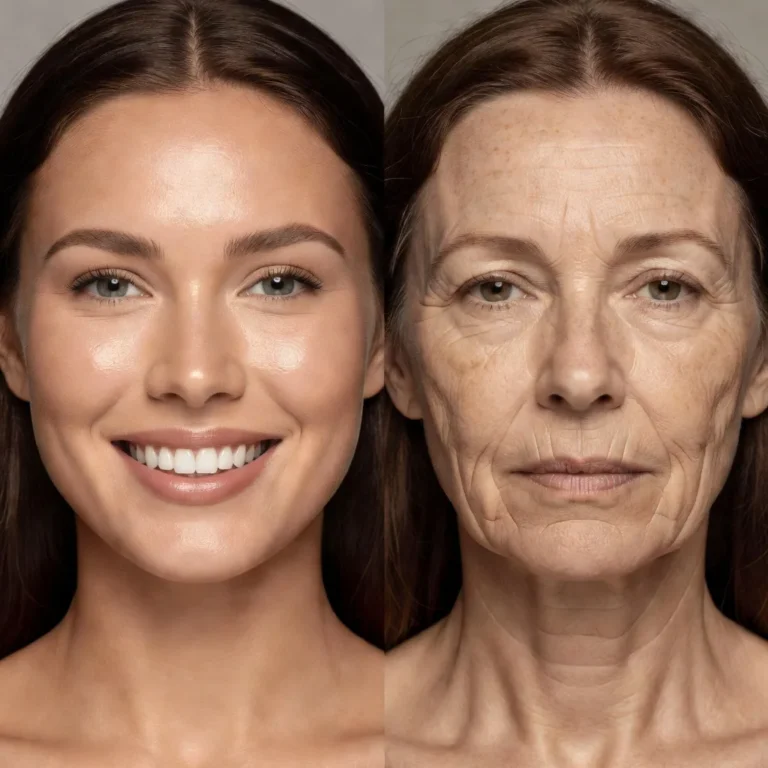
It means desquamation — the shedding of dead corneocytes from the skin’s outer layer — which happens naturally and can be sped up mechanically, chemically, or enzymatically. The oft-repeated “28-day skin cycle” is an outdated oversimplification; more rigorous modern research puts full epidermal renewal closer to 35 to 48 days in healthy young adults, lengthening further with age.
Understanding the real mechanism, and the genuine differences between exfoliation types, matters for choosing a method that actually fits your skin rather than following a generic routine.
This guide covers the cellular mechanism behind exfoliation, the three real categories it falls into, and what the actual research says about how often skin renews itself.
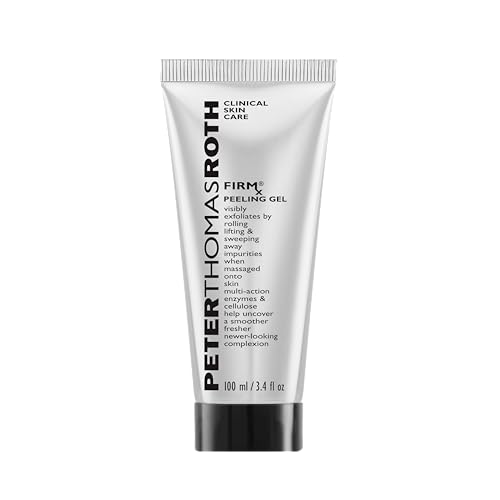
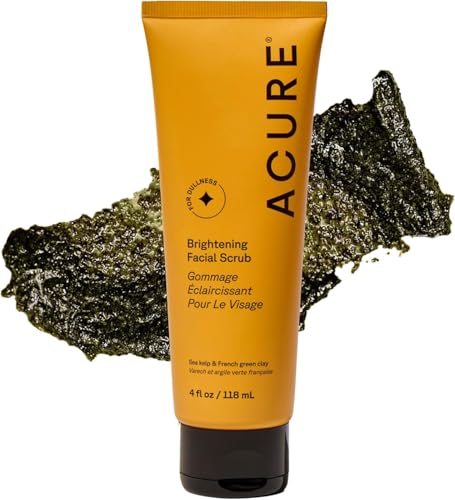
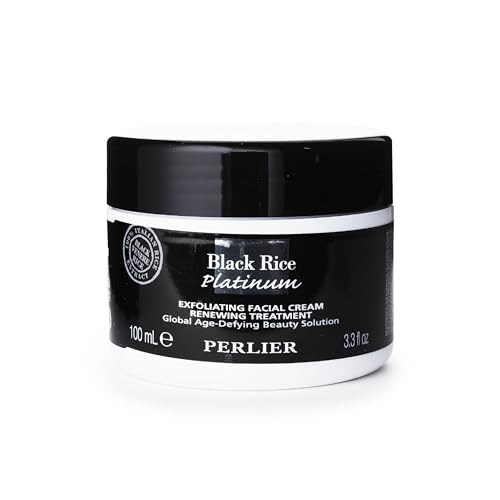
Recommended Chemical and Enzymatic Exfoliants



Plain-English Summary
- Exfoliating means desquamation — the shedding of dead surface skin cells, which happens on its own but can also be sped up mechanically or chemically.
- The oft-repeated “28-day skin cycle” is an outdated oversimplification; more rigorous modern measurements put full epidermal renewal closer to 35–48 days in healthy young adults, and it slows further with age.
- There are three genuinely different mechanisms behind exfoliation — mechanical, chemical, and enzymatic — not one interchangeable process.
- Over-exfoliation is best understood as a rate mismatch: removing surface cells faster than the deeper skin can regenerate them.
What’s Inside This Guide
- What “Exfoliating” Actually Means, Biologically
- The Cellular Mechanism Behind It
- Three Genuinely Different Types of Exfoliation
- AHA vs. BHA vs. Enzymatic, Side by Side
- Why the “28-Day Skin Cycle” Is Outdated
- How the Number Has Changed Across Real Studies
- Do This, Not That
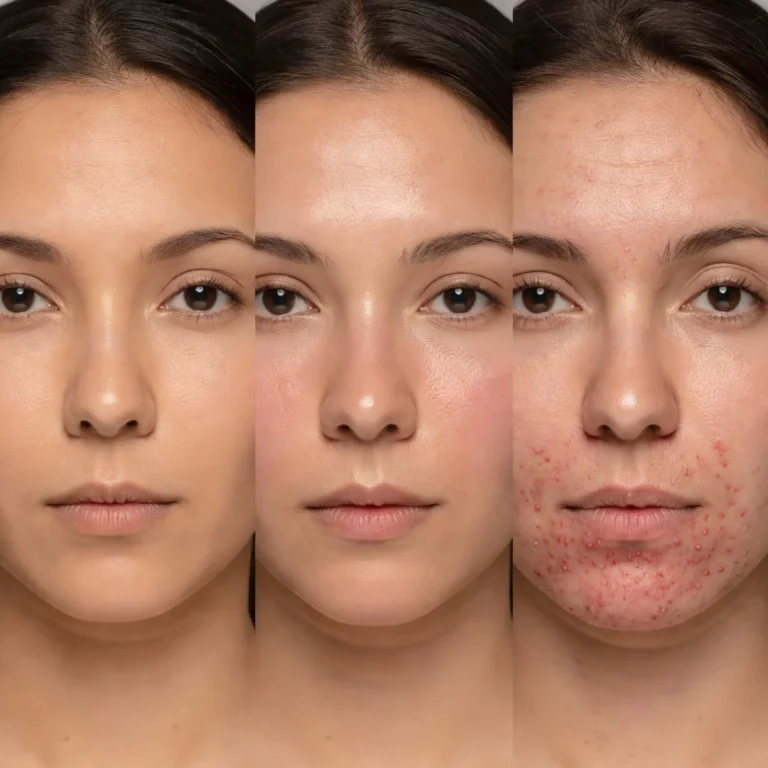
- What Over-Exfoliation Actually Damages
- A Practical Way to Match Method to Skin Type
- How to Introduce Exfoliation Into a Routine
- Is There a Real Test for Your Personal Turnover Rate?
- When to Ask a Dermatologist
- What This Evidence Doesn’t Tell Us
- Frequently Asked Questions
What “Exfoliating” Actually Means, Biologically
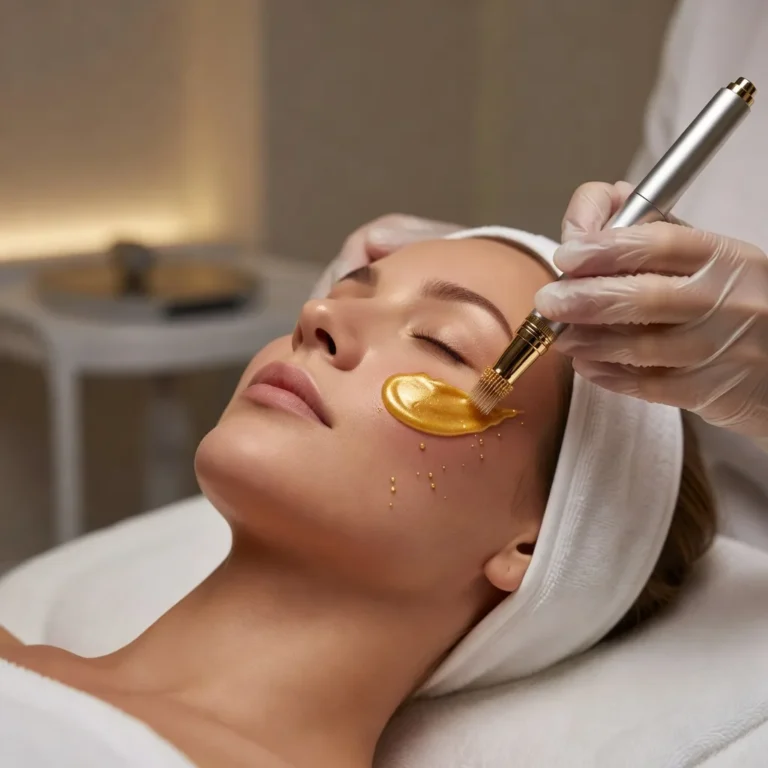
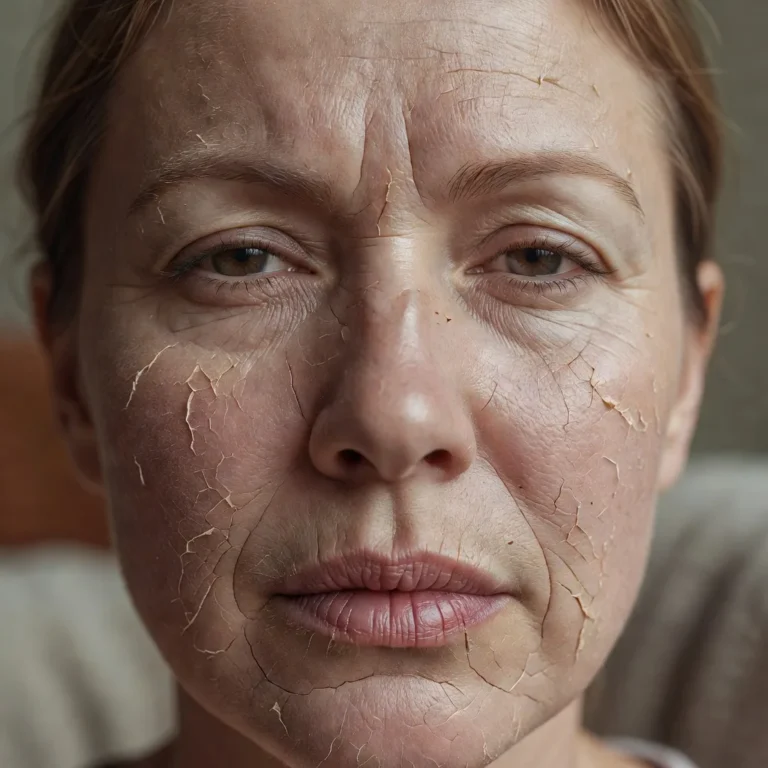
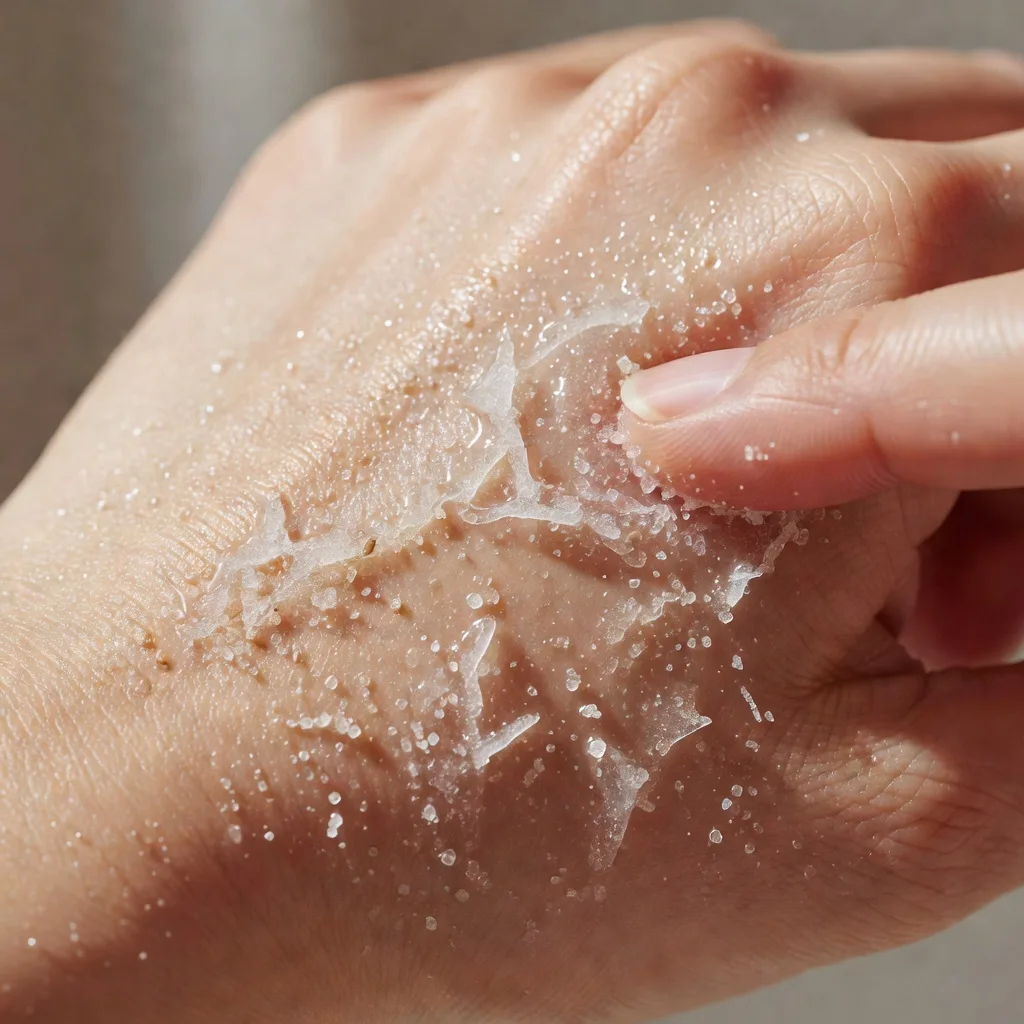
In plain biological terms, exfoliating means desquamation: the shedding of corneocytes, the dead, flattened keratinocytes that make up the outermost layer of skin, the stratum corneum. This happens naturally and continuously as part of skin’s normal renewal cycle. “Exfoliating” in a skincare-routine sense just means deliberately accelerating or assisting that same natural shedding process, rather than introducing something skin doesn’t already do on its own.
Shopping these picks?
Amazon Prime members get fast, free shipping on eligible items, plus Prime Video, Amazon Music and member deals. New members can start with a free trial.
Start a free Prime trialAged 18 to 24? Prime for Young Adults comes with a longer free trial and a lower price after it.
Affiliate link: we may earn a commission at no extra cost to you.
The Cellular Mechanism Behind It
Corneocytes stay attached to each other via structures called corneodesmosomes — essentially protein “rivets” holding adjacent dead cells together. Desquamation depends on the enzymatic breakdown of those structures, a process sometimes called corneodesmolysis, carried out by proteinases that degrade the corneodesmosomal proteins holding cells in place. Once enough of those connections are broken down, the outermost cells detach and shed. Interestingly, this is also part of how retinoids work: they accelerate this same natural corneodesmosome-degradation pathway, meaning a retinoid is, mechanistically, a chemical exfoliant working through the skin’s own existing machinery, just sped up.
Three Genuinely Different Types of Exfoliation
“Exfoliation” gets used as if it’s one thing, but there are three real, mechanistically distinct categories, and knowing the difference matters for choosing the right one for your skin:
Mechanical (physical) exfoliation removes corneocytes through direct friction — scrubs, facial brushes, dermaplaning, and microdermabrasion all work this way, physically abrading the outer cell layer rather than dissolving the bonds between cells.
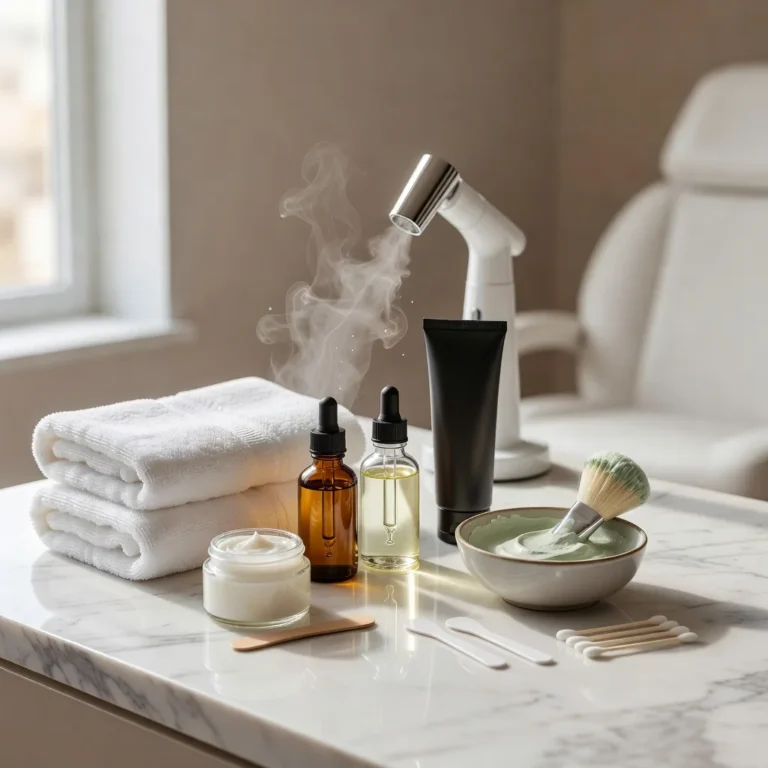
Chemical exfoliation uses acids to dissolve the corneodesmosome “glue” itself. Alpha-hydroxy acids (AHAs, like glycolic and lactic acid) are water-soluble and act mainly at the very surface; beta-hydroxy acid (BHA, salicylic acid) is lipid-soluble, letting it get into sebum-filled pores, which is part of why it’s specifically favored for oily or acne-prone skin.
Enzymatic exfoliation uses proteolytic enzymes from fruit — papain from papaya, bromelain from pineapple — that break down the keratin protein structure of corneocytes directly. It’s generally considered the gentlest of the three, since it tends to act only on cells that are already loosened and ready to shed, rather than penetrating more deeply into intact tissue.
AHA vs. BHA vs. Enzymatic, Side by Side
| Type | Solubility | Best suited for |
|---|---|---|
| AHA (glycolic, lactic acid) | Water-soluble | Surface texture, dullness, mild pigmentation, drier skin |
| BHA (salicylic acid) | Lipid-soluble | Oily and acne-prone skin, since it penetrates sebum-filled pores |
| Enzymatic (papain, bromelain) | N/A, protein-digesting | Sensitive or reactive skin wanting a gentler option |
Why the “28-Day Skin Cycle” Is Outdated
It’s one of the most repeated numbers in skincare content: skin supposedly renews itself on a fixed 28-day cycle. It’s worth being direct that this figure has been under scientific dispute for more than fifty years and doesn’t hold up well against more recent, more careful measurement.
How the Number Has Changed Across Real Studies
| Study | What it found |
|---|---|
| Halprin, 1972 | An early, direct critical re-examination questioning the accuracy of turnover-time estimates in use at the time |
| Iizuka, 1994 | Recalculated turnover time from classic tracer data, arriving at 47–48 days rather than the previously assumed 39 |
| Maeda, 2017 | Using a novel UVA-darkening measurement method, found a mean full turnover of about 36 days, while separately measuring the much faster surface-only stratum corneum transit time at just under 14 days |
The Maeda study’s split finding is the key to understanding where the “28 days” figure likely comes from: the fast, surface-only shedding of the stratum corneum takes roughly two weeks, while full epidermal renewal starting from the basal layer takes substantially longer — somewhere in the 35-to-48-plus-day range in healthy young adults by more rigorous modern measurement, and the same study found turnover slows further with age. A single, fixed “28 days for everyone” figure conflates two different processes and ignores individual variation, including age — it’s best understood as a popularized approximation, not a precise clinical fact.
Do This, Not That
Do
- Match your exfoliation type to your skin’s actual needs — BHA for oily/acne-prone skin, gentler AHA or enzymatic options for drier or more reactive skin.
- Give any new exfoliating product several weeks before judging its effect, since real turnover happens on a longer timeline than a few days.
- Moisturize after exfoliating to support the barrier while it’s in a temporarily more vulnerable state.
- Reduce frequency as the aggressiveness of the method increases.
Don’t
- Don’t assume everyone’s skin renews on exactly the same 28-day schedule — real measurements show meaningful individual and age-related variation.
- Don’t combine multiple exfoliating methods (a physical scrub plus a strong acid plus a retinoid) in the same routine without easing in gradually.
- Don’t treat “exfoliating” as one single method; a scrub and a BHA serum work through entirely different mechanisms.
- Don’t exfoliate over active irritation, sunburn, or broken skin.
What Over-Exfoliation Actually Damages
A Practical Way to Match Method to Skin Type
How to Introduce Exfoliation Into a Routine
Identify your skin’s main concern
Oiliness and clogged pores point toward BHA; dullness and rough texture point toward AHA; sensitivity points toward enzymatic options.Start with a low frequency
Once or twice a week is a reasonable starting point for most chemical exfoliants, regardless of type.Watch for redness or excessive dryness
These are signs to scale back frequency before increasing it.Give it several weeks
Real turnover-related changes happen over a period closer to a month or more, not overnight.Adjust based on your skin’s actual response
Increase frequency slowly only if your skin tolerates the starting routine well.
Is There a Real Test for Your Personal Turnover Rate?
Not a practical one at home. The research studies that measured turnover time precisely used specialized methods — UVA-induced melanin darkening tracked with a dedicated device, or dye-based stripping techniques — that aren’t available as a consumer product. The realistic substitute is simply observing how your own skin responds to a given exfoliation frequency over several weeks, rather than assuming a fixed number applies to you specifically.
When to Ask a Dermatologist
See a dermatologist if you’re not sure which type of exfoliation suits a specific skin condition (rosacea, eczema, active acne under treatment), if you’re experiencing persistent redness or sensitivity that doesn’t resolve when you reduce exfoliation frequency, or if you want to combine exfoliation with a prescription-strength retinoid safely without over-stressing your skin barrier.
What This Evidence Doesn’t Tell Us
To be direct: even the more rigorous modern turnover-time studies used small sample sizes (Maeda’s key study measured just six people), so the 35-to-48-day range should be read as a better approximation than “28 days,” not as an exact number that applies identically to everyone. Individual factors like age, skin condition, and genetics all plausibly affect an individual’s actual turnover rate, and there’s no simple, validated way to measure your own number outside a research setting.
It’s also worth being honest about where the measurement methods themselves diverge. Some studies track dye or tape-stripping markers applied to the very outer layer of the stratum corneum, capturing only the fast, surface-level shedding process that Maeda’s work separately clocked at under 14 days. Others, like the UVA-darkening method, track a marker introduced deeper in the epidermis and follow it all the way through to full shedding, which is why that same body of research produced two very different numbers depending on which compartment was actually being measured. A lot of the confusion in popular skincare content comes from citing one of these numbers as if it applied to the entire renewal process, when it only describes one stage of it. Knowing which stage a given claim is actually describing is more useful than memorizing a single figure.
There’s also a practical implication worth spelling out: because full renewal takes longer than the popularized number suggests, and slows further with age, expecting a skincare routine’s effects to show up on a fixed monthly schedule isn’t well supported either. A change introduced this week may not be fully reflected in your skin’s surface for well over a month, and that lag is longer, not shorter, than most marketing timelines imply.
Frequently Asked Questions
What does exfoliating skin mean?
It means desquamation, the shedding of dead surface skin cells, which happens naturally and can also be accelerated mechanically, chemically, or enzymatically.
Is the 28-day skin cycle real?
More rigorous modern measurements put full epidermal turnover closer to 35 to 48 days in healthy young adults, suggesting the popular 28-day figure is an outdated oversimplification.
What’s the difference between physical and chemical exfoliation?
Physical exfoliation removes dead cells through friction, like a scrub or brush, while chemical exfoliation uses acids to dissolve the bonds holding cells together.
What is enzymatic exfoliation?
It uses fruit-derived enzymes like papain or bromelain to break down the protein structure of dead skin cells, generally considered a gentler method than acids or scrubs.
What’s the difference between AHA and BHA?
AHAs are water-soluble and work mainly at the skin’s surface, while BHA (salicylic acid) is lipid-soluble and can penetrate into sebum-filled pores, making it better suited for oily or acne-prone skin.
How often should I exfoliate?
Once or twice a week is a reasonable starting point for most chemical exfoliants, with frequency adjusted based on how your skin responds.
What happens if you over-exfoliate?
It can strip the skin barrier faster than it can regenerate, measurable as elevated transepidermal water loss and visible as redness or irritation.
Do retinoids count as exfoliation?
Mechanistically, yes; retinoids accelerate the same natural corneodesmosome-breakdown pathway that drives ordinary skin shedding.
Does skin turnover slow down with age?
Research measuring turnover time has found a positive correlation between age and turnover time, meaning the process takes longer in older adults.
When should I see a dermatologist about exfoliation?
See one if you have a specific skin condition like rosacea or eczema, or if irritation persists even after reducing how often you exfoliate.

Written by
Registered pharmacist and founder of Facial Adviser. Rakib's pharmacy training covers how skincare actives work and interact; a later course in cosmetology turned that into a focus on facial treatments and skincare products. He plans, researches and edits every guide on the site and checks health claims against sources such as the American Academy of Dermatology, the FDA and the NIH. He is not a dermatologist; see the Editorial Policy and Medical Disclaimer.
About · Editorial policy · How we choose products · Medical disclaimer · Contact
Keep reading: Face masks and exfoliation
- 10 Best Face Masks for Every Skin Type (2026): Clay, Gel and Sheet
- What Are the Best Homemade Face Masks?
- Do Gel Face Masks Work?
- 10 Best Facial Exfoliators for Mature Skin (2026): Lactic, AHA and PHA
- 10 Best Face Masks for Redness (2026): Cool, Calm, Fragrance-Aware
- 10 Best Face Masks for Men With Acne (2026): Clay, Mud and Patches
- 10 Best Facial Cleansers for Combination Skin (2026): Balanced Picks
- 10 Best Facial Moisturizers for Dry Skin (2026): Rich, Gentle Creams