What Are the Best Homemade Face Masks?
What are the best homemade face masks, according to actual research rather than the ingredient lists that circulate on social media?
Part of our guide to skincare products. Start with: 10 Best Face Masks for Every Skin Type (2026): Clay, Gel and Sheet
Colloidal oatmeal and cosmetic clay have the strongest genuine evidence behind them, each backed by controlled research on skin barrier repair and sebum reduction respectively. Honey, turmeric, and avocado have real research too, but it’s almost always for a concentrated or formulated version, not the raw kitchen version most people actually mix up.
Egg white and yogurt, by contrast, have little credible evidence of cosmetic benefit and carry their own real risks, from salmonella exposure to simply being too diluted to do what people expect.
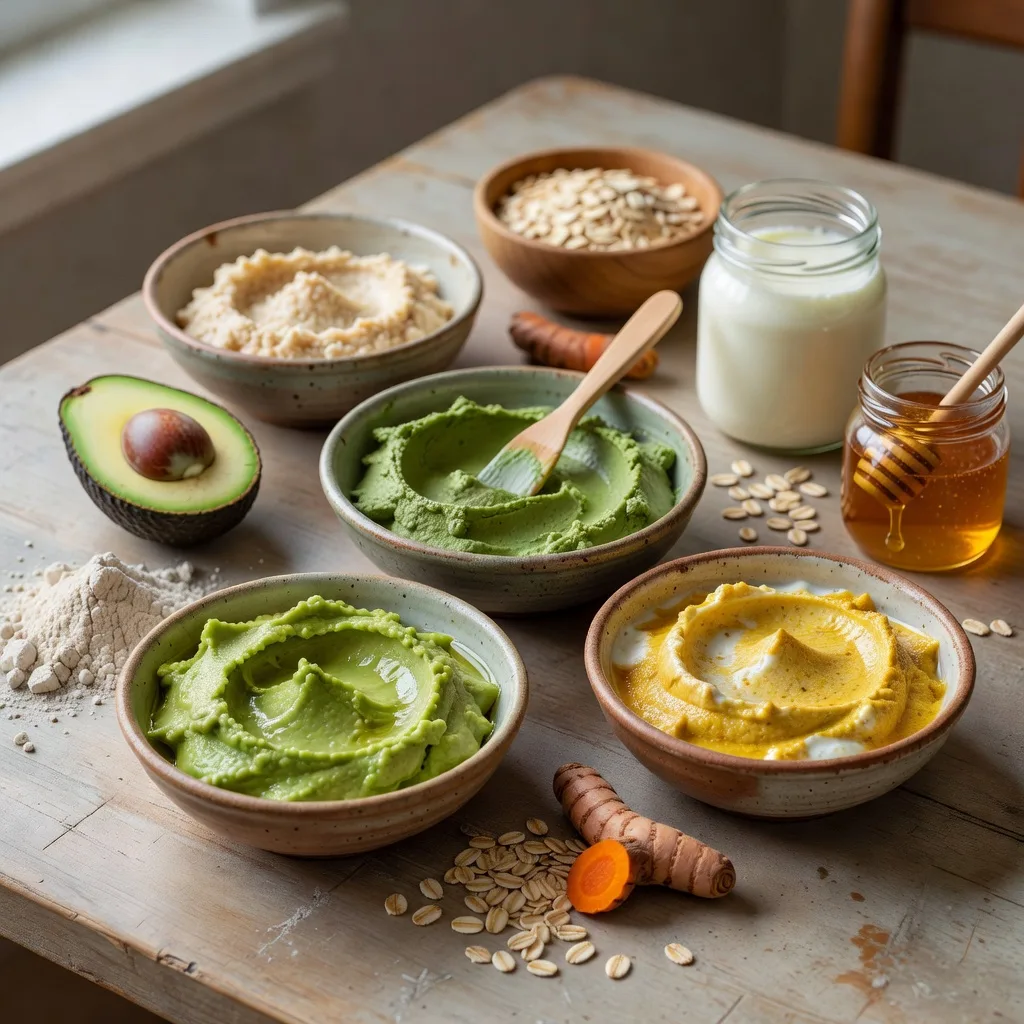
This guide grades each common DIY mask ingredient against the actual research, flags the real safety risks, and explains why even a good ingredient often works better as a formulated product than a raw paste.
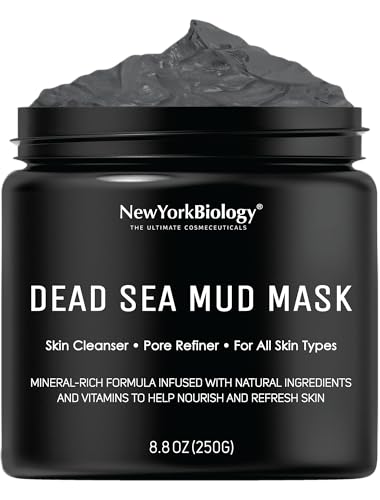
Recommended Colloidal Oatmeal and Clay Mask Products
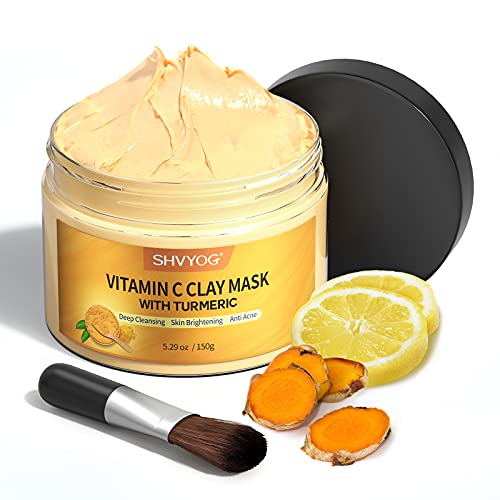
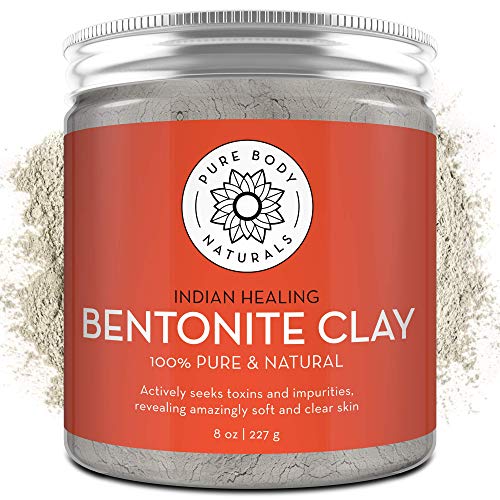
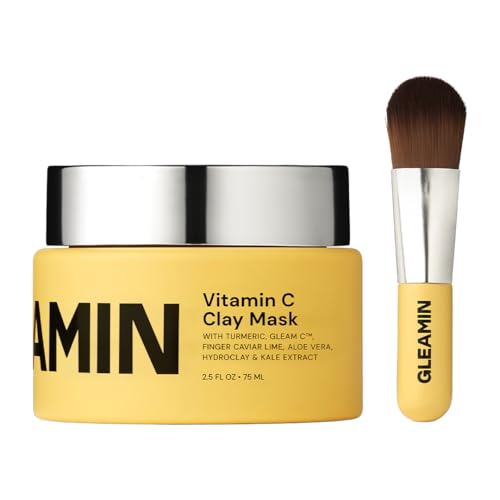
![SKIN1004 [Hudson's Pick] Poremizing Clay Stick Mask, Pore Care, 0...](https://m.media-amazon.com/images/I/41JnWZuIzmL.jpg)

The Headline Facts
- Colloidal oatmeal and cosmetic clay have the strongest real evidence of any common DIY mask ingredient.
- Honey’s antibacterial evidence is real, but it’s wound-care research — not a tested cosmetic-mask outcome.
- Yogurt’s lactic acid content is roughly 10–20 times too dilute to exfoliate the way a real AHA product does.
- Egg white has no credible clinical evidence of benefit and carries a real salmonella risk from raw egg.
- Turmeric has solid research behind it — for engineered formulations and non-acne skin conditions, not raw kitchen paste.
- Nearly every ingredient’s real evidence is for a standardized, concentrated version — not the raw form used in a DIY mask.
- None of this means DIY masks are useless; it means the marketing usually overstates what’s actually been proven.
Full Breakdown
- Honey
- Colloidal Oatmeal
- Yogurt
- Egg White
- Avocado
- Turmeric
- Clay
- Evidence Strength, Side by Side
- A Quick Risk Check Before You Mix Anything
- DIY Mask vs. Formulated Product: What Actually Changes
- How to Make a DIY Mask Slightly More Effective
- Do This, Not That
- Real Risks Worth Knowing
- Frequently Asked Questions
- The Bottom Line
Honey
Honey’s antibacterial mechanisms are genuinely real and well documented: high sugar osmolarity, hydrogen peroxide production, and, particularly in Manuka honey, methylglyoxal and polyphenols with measurable antibacterial activity, including against some antibiotic-resistant strains. A 2021 systematic review covering 41 studies supports honey specifically for wound and burn healing.
Shopping these picks?
Amazon Prime members get fast, free shipping on eligible items, plus Prime Video, Amazon Music and member deals. New members can start with a free trial.
Start a free Prime trialAged 18 to 24? Prime for Young Adults comes with a longer free trial and a lower price after it.
Affiliate link: we may earn a commission at no extra cost to you.
Here’s the honest gap: none of that evidence is about intact, healthy facial skin or acne outcomes — it’s wound-care literature. Applying honey to unbroken skin as a cosmetic mask has essentially no dedicated trials measuring acne, pore, or complexion results. It’s plausible some of that antibacterial activity carries over, but that’s extrapolation, not demonstrated fact. It’s also worth knowing that ordinary grocery-store honey isn’t standardized the way medical-grade Manuka honey used in wound-care research is — its antibacterial potency is genuinely inconsistent jar to jar.
Colloidal Oatmeal
This is the strongest evidence base of any common DIY ingredient, with a real caveat: the research is on pharmaceutical-grade colloidal oatmeal — finely milled and standardized, often formulated into a cream — not oats blended at home. A randomized, double-blind, placebo-controlled trial testing 1% colloidal oatmeal cream as add-on therapy for chronic irritant hand eczema found the treatment group maintained improvement over six weeks while the control group’s symptoms regressed back toward baseline, a statistically significant difference. Separate mechanistic research documents oat extracts activating genes for epidermal differentiation and lipid regulation, reducing inflammatory signaling, and stimulating ceramide synthesis — real, published mechanisms, not folk claims.
The evidence is strongest for barrier repair and dryness, not acne or a specific “glow” effect, and home-blended oatmeal isn’t identical to pharmaceutical colloidal oatmeal — though finely grinding oats is a reasonable approximation of the mechanism.
Yogurt
The lactic-acid-as-exfoliant claim is real chemistry, but concentration is the entire story here. Professional lactic acid peels use concentrations from roughly 10% up to as high as 30 to 92%, at a controlled low pH. Plain yogurt contains only about 0.5 to 2% lactic acid at a milder pH — an order of magnitude or more below effective peel concentrations, and applied briefly rather than in a controlled, timed application.
Any perceived smoothness after a yogurt mask more likely comes from removing the mask itself and temporary surface hydration, not genuine acid-driven cell turnover. The claim isn’t fabricated, but the concentration used in a DIY mask is almost certainly too dilute to do what the marketing implies.
Egg White
No credible clinical evidence of a cosmetic benefit was found for egg white masks in this research. Any tightening or smoothing sensation is a temporary film-forming effect from the protein drying on skin, not a real skincare mechanism, and it disappears the moment you wash it off.
Avocado
Claims center on oleic acid and other fatty acids moisturizing skin, and there is legitimate research on extracted, concentrated avocado oil showing real emollient and occlusive benefits for dry skin. The gap: mashing raw avocado flesh onto your face isn’t the same delivery system as a formulated oil, and much of the fatty-acid content in whole flesh isn’t going to meaningfully penetrate skin during a 15-minute mask. It’s mild, low-risk, and plausibly mildly moisturizing thanks to real fat content — but it hasn’t actually been tested as a raw-fruit mask, so calling it “science-backed” overstates the evidence.
Turmeric
Turmeric has some of the more legitimate peer-reviewed backing on this list — for specific conditions using engineered formulations, not raw kitchen paste and not acne specifically. Research includes trials on topical turmeric for scalp psoriasis, a curcumin microemulgel trial, oral curcumin reducing radiation dermatitis severity in a breast cancer trial, and oral curcumin reducing chronic itch.
The catch is bioavailability, and it’s well documented in the same research: curcumin has notoriously poor water solubility, poor absorption, and poor skin permeability even in purpose-built topical formulations. If engineered creams struggle to deliver curcumin into skin, a home turmeric-and-yogurt paste is a weaker delivery vehicle still. Turmeric also reliably, if temporarily, stains skin yellow — a common, real complaint worth mentioning upfront.
Clay
Clay has the best-controlled study found in this research that’s genuinely specific to the ingredient itself. A four-week clinical trial in participants with mild-to-moderate acne and oily or combination skin measured real outcomes: closed comedones reduced by roughly 46%, open comedones by roughly 66%, sebum content dropped substantially, hydration increased, and water loss decreased, with no significant change in pore size.
That trial tested a formulated, standardized clay mask product rather than a home-mixed clay-and-water paste, but clay’s mechanism — physical sebum and oil absorption through mineral surface charge — is basic, well-understood chemistry that plausibly transfers reasonably well to a simple home preparation using real cosmetic-grade bentonite or kaolin powder. The real risk is overuse: leaving a clay mask on too long or using it too frequently can over-dry and disrupt the skin barrier, especially on non-oily or already-compromised skin.
Evidence Strength, Side by Side
| Ingredient | Real evidence exists for | Evidence gap |
|---|---|---|
| Colloidal oatmeal | Barrier repair, eczema, dryness (RCT) | Not tested for acne or “glow” |
| Clay | Sebum and comedone reduction (controlled trial) | Tested as formulated product, not raw paste |
| Turmeric | Psoriasis, radiation dermatitis, itch (RCTs) | Poor bioavailability; not tested for acne or raw use |
| Honey | Wound and burn healing (systematic review) | Not tested on intact skin or for acne |
| Yogurt | Real lactic acid content | Concentration far below effective exfoliation levels |
| Avocado | Concentrated oil form shows emollient benefit | Raw flesh not tested; poor expected penetration |
| Egg white | No credible cosmetic evidence found | Real salmonella and allergen risk |
A Quick Risk Check Before You Mix Anything
Before trying any DIY mask, run through one simple check: does this ingredient involve raw animal protein (egg, dairy left at room temperature), and do you have any known food allergy to it — even a mild one? If either answer is yes, treat that ingredient as higher-risk regardless of what a blog claims about its benefits. Contact allergic reactions to food ingredients can occur even in people who tolerate them fine when eaten, and this is a genuinely underused safety check most DIY-mask content skips entirely.
DIY Mask vs. Formulated Product: What Actually Changes
The gap between a kitchen mask and a store-bought version of the same ingredient isn’t just marketing. It comes down to four practical things a formulated product controls that a DIY mix generally can’t.
| Factor | DIY kitchen mask | Formulated product |
|---|---|---|
| Concentration | Unmeasured, varies batch to batch | Standardized to a tested percentage |
| pH | Whatever the raw ingredient happens to be | Adjusted for skin tolerance and stability |
| Preservation | None — contamination risk grows within hours | Preserved for repeated safe use |
| Delivery | Sits on the surface, rinsed off | Often designed to penetrate or stay on skin |
How to Make a DIY Mask Slightly More Effective
Choose clay or colloidal oatmeal first
These have the most real evidence behind their mechanism.
Use cosmetic-grade powder where possible
A real bentonite or kaolin clay powder is closer to what’s actually been studied than an improvised substitute.
Patch test first
Apply a small amount to your inner forearm and wait 24 hours before using anything new on your face.
Keep timing reasonable
10–15 minutes is enough for most masks; longer isn’t automatically better and can increase irritation risk.
Don’t stack multiple active ingredients at once
Combining clay, acids, and other actives in one DIY mask increases irritation risk without a clear added benefit.
Do This, Not That
Do
- Reach for clay or colloidal oatmeal for the strongest real evidence
- Patch test anything new before applying it to your face
- Treat DIY masks as a mild supplement, not a replacement for formulated actives
Don’t
- Use raw egg white on your face given the lack of evidence and real contamination risk
- Expect yogurt to exfoliate the way a real AHA product does
- Leave a clay mask on longer than recommended to try to boost results
Real Risks Worth Knowing
Raw food ingredients carry genuine bacterial and contamination risk on skin, particularly with any micro-abrasion or active acne present — raw egg’s salmonella risk is the clearest documented example. Allergen risk is real and under-discussed for honey, egg, and dairy proteins, all of which can cause a contact reaction even in people without a diagnosed ingestion allergy. Healthy skin’s surface is mildly acidic, and some DIY ingredients sit outside that range, though the evidence that occasional brief exposure meaningfully disrupts barrier pH long-term isn’t well established — a real but likely minor consideration rather than something to be alarmed about.
Frequently Asked Questions
What’s the most evidence-backed homemade face mask ingredient?
Colloidal oatmeal and cosmetic clay have the strongest real research behind them, though most of that research tested standardized, formulated versions rather than raw home preparations.
Does honey actually help acne when used as a mask?
Honey’s antibacterial properties are real, but the supporting evidence is wound-care research, not a tested cosmetic-mask outcome for acne or intact skin.
Does a yogurt mask really exfoliate skin?
The lactic acid in yogurt is real, but at a concentration roughly 10 to 20 times lower than an effective chemical peel, so meaningful exfoliation from a plain yogurt mask is unlikely.
Is an egg white mask safe?
It carries a real salmonella and allergen risk from raw egg, and no credible clinical evidence supports a cosmetic benefit, making it one of the least defensible DIY ingredients.
Does turmeric help with acne?
Turmeric has real research behind it for other skin conditions using engineered formulations, but there’s essentially no comparable evidence for raw turmeric masks or acne specifically, and it reliably stains skin yellow.
Is clay good for oily or acne-prone skin?
Yes, a controlled trial found real reductions in sebum and comedone counts from a clay mask, making it one of the better-supported options for oily or congested skin.
Can DIY masks replace formulated skincare products?
Not reliably. Most of the real evidence behind these ingredients is for standardized, concentrated formulations, not the diluted, unstandardized versions used at home.
Is avocado a good moisturizing mask?
Concentrated avocado oil has real emollient evidence, but raw mashed avocado likely delivers far less benefit since much of its fatty-acid content won’t meaningfully penetrate in a short mask.
How long should I leave a DIY face mask on?
Around 10 to 15 minutes is reasonable for most masks; longer isn’t automatically more effective and can increase irritation, especially with clay.
Should I patch test a homemade mask before using it on my face?
Yes. Applying a small amount to your inner forearm and waiting 24 hours is a simple, genuinely useful precaution before trying any new ingredient on your face.
The Bottom Line
Across the most common DIY mask ingredients, a consistent pattern holds: the real, peer-reviewed evidence that exists is almost always for a standardized, concentrated, or purpose-formulated version — not the raw, kitchen-mixed version most people actually use. That doesn’t mean every ingredient is placebo; clay and colloidal oatmeal in particular have genuine mechanisms and real controlled research behind them.
It does mean the honest expectation should be modest. Formulated skincare products exist precisely to solve what a DIY mask can’t — standardized concentration, appropriate pH, and a delivery system that’s actually been shown to work. Treat homemade masks as a mild, occasional supplement, not a substitute for a real routine.

Written by
Registered pharmacist and founder of Facial Adviser. Rakib's pharmacy training covers how skincare actives work and interact; a later course in cosmetology turned that into a focus on facial treatments and skincare products. He plans, researches and edits every guide on the site and checks health claims against sources such as the American Academy of Dermatology, the FDA and the NIH. He is not a dermatologist; see the Editorial Policy and Medical Disclaimer.
About · Editorial policy · How we choose products · Medical disclaimer · Contact
Keep reading: Face masks and exfoliation
- 10 Best Face Masks for Every Skin Type (2026): Clay, Gel and Sheet
- Do Gel Face Masks Work?
- 10 Best Facial Exfoliators for Mature Skin (2026): Lactic, AHA and PHA
- 10 Best Face Masks for Redness (2026): Cool, Calm, Fragrance-Aware
- 10 Best Face Masks for Men With Acne (2026): Clay, Mud and Patches
- 10 Best Facial Masks for Aging Skin (2026): Plumper, Smoother Skin
- 10 Best Facial Moisturizers for Dry Skin (2026): Rich, Gentle Creams
- 10 Best Facial Serums for Aging Skin (2026): Picks by Concern