10 Best Face Masks for Every Skin Type (2026): Clay, Gel and Sheet
Face masks are one of the most enjoyable parts of a skincare routine, and one of the most confusing to shop for. Shelves are full of clay, sheet, cream, gel and overnight masks, each promising clearer, brighter or plumper skin. No single mask is best for everyone, so this list covers 10 options across the main mask types, with notes on who each suits.
The best facial mask for your skin depends on your skin type and what you want it to do. Oily and acne-prone skin usually does best with a clay mask containing kaolin or bentonite, used once or twice a week. Dry or dehydrated skin benefits from hydrating sheet, gel, cream or overnight masks with humectants such as glycerin and hyaluronic acid. Dull or rough skin can use a gentle exfoliating mask with low-strength acids or enzymes once a week, and sensitive skin suits fragrance-free soothing masks. Combination skin often needs two masks in different areas.
In short: choose the mask for the job, not the trend, and treat it as a boost on top of a good daily routine.
Dermatologists at the American Academy of Dermatology advise matching exfoliation to your skin type and going gently, because over-exfoliating is a common cause of redness and irritation.
Below you will find the ten picks, how we chose them, each type of mask, which ingredients to look for and avoid, how often to mask and how to get the most from each session.
Shopping these picks?
Amazon Prime members get fast, free shipping on eligible items, plus Prime Video, Amazon Music and member deals. New members can start with a free trial.
Start a free Prime trialAged 18 to 24? Prime for Young Adults comes with a longer free trial and a lower price after it.
Affiliate link: we may earn a commission at no extra cost to you.
As an Amazon Associate we earn from qualifying purchases. This does not change which products we include.


What to Know First
- BIODANCE Bio-Collagen Real Deep Mask is our top pick: a long-wear hydrogel sheet that suits most skin types.
- Borghese Fango Active Mud is the best clay mask for oily, congested skin that dislikes over-drying.
- Peter Thomas Roth Cucumber Gel Mask is the most soothing pick for dry, irritated skin.
- Choose a mask by skin type and goal: clay for oil, hydrating masks for dryness, enzymes for dullness.
- Use exfoliating masks no more than once or twice a week.
- Masks give short-term results and do not replace daily skincare.
- Patch test any new mask, especially exfoliating or fragranced types.
Jump to a Section
- The 10 Best Face Masks Right Now
- How We Chose These Products
- Face Mask Types Explained
- The Best Face Mask for Each Skin Type
- Clay Masks for Oily and Acne-Prone Skin
- Hydrating Sheet, Cream and Overnight Masks
- Exfoliating Masks: Acids and Enzymes
- Soothing Masks for Sensitive Skin
- How Often Should You Use a Face Mask?
- How to Use a Face Mask for the Best Results
- What to Avoid When Choosing a Face Mask
- Honest Limits
- When to See a Dermatologist
- Questions People Ask
- The Takeaway
The 10 Best Face Masks Right Now
These ten masks were shortlisted from widely reviewed Amazon listings and cover clay, enzyme, gel, sheet and overnight types, ranked by how clearly each seller explains its use and which skin it suits. Each pick notes its trade-offs and who should skip it.
| # | Product | Best For | Standout Feature | |
|---|---|---|---|---|
| 1 | BIODANCE Bio-Collagen Real Deep Mask | Dry, dull or tired-looking skin | Hydrogel sheet worn for hours or overnight | View |
| 2 | Borghese Fango Active Mud Clay Mask | Oily skin and congested pores | Purifying mud that aims not to over-dry | View |
| 3 | Peter Thomas Roth Cucumber Gel Mask | Dry, irritated or sensitive skin | Cooling gel that rinses off in minutes | View |
| 4 | ELEMIS Papaya Enzyme Peel Mask | Dull, rough skin wanting gentle exfoliation | Fruit enzymes instead of acids or grains | View |
| 5 | Summer Fridays Jet Lag Mask | Dry skin and busy routines | Works as mask, moisturiser or eye cream | View |
| 6 | Gleamin Vitamin C Clay Mask | Oily skin with dullness | Clay plus fruit and turmeric extracts | View |
| 7 | FACETORY 23 Korean Sheet Mask Variety Pack | Trying different masks or gifting | 23 different sheet masks in one box | View |
| 8 | +WIS+ Hyaluronic Acid Sheet Masks | Frequent hydration on sensitive skin | Thin sheets with three hyaluronic acids | View |
| 9 | belif Vitamin E Jelly Overnight Mask | Dry skin that wakes up tight | Pillow-proof jelly that melts in overnight | View |
| 10 | Bliss Mighty Marshmallow Whipped Mask | A light, quick brightening boost | Whipped texture, labelled for daily use | View |
BIODANCE Bio-Collagen Real Deep Mask

Best for: Dry, dull or tired-looking skin
The BIODANCE Bio-Collagen Real Deep Mask takes the top spot because it suits the widest range of skin with the least risk. Each hydrogel sheet holds its essence in a solid gel rather than a dripping liquid, and it can stay on for about three hours or overnight, turning clear as the essence is absorbed.
The listing highlights oligo-hyaluronic acid for hydration and low molecular weight collagen. Topical collagen does not rebuild the skin’s own collagen, so think of it as a very good hydrating treatment rather than a firming one. It is more of an occasion mask than the #8 +WIS+ sheets, and the long wear time needs planning.
- Hydrogel sheet with solidified essence
- Oligo-hyaluronic acid for hydration
- Low molecular weight collagen
- Can be worn for about three hours or overnight
Pros
- Stays in place better than cotton sheets
- Suits most skin types
- Strong short-term hydration boost
Cons
- Collagen and firming claims are cosmetic
- Long wear time is not always practical
Skip it if: Skip it if you want a quick ten-minute mask; the Peter Thomas Roth gel or +WIS+ sheets are faster.
Check Price on AmazonBorghese Fango Active Mud Clay Mask

Best for: Oily skin and congested pores
The Borghese Advanced Fango Active Mud is the pick for oily, congested skin. It is a purifying clay mask aimed at blackheads and pores, and the seller says it is designed to balance oil without the tight, over-dried feel many clay masks leave, which matters for combination skin that is dry on the cheeks.
It gives a cooling, spa-like feel and is sized for both face and body, so the jar lasts. As with any clay mask, it absorbs surface oil rather than drawing out toxins, and it will not clear acne on its own. Use it once or twice a week and follow with moisturiser.
- Deep-cleansing clay mask for congested pores
- Aimed at blackheads and texture
- Designed to balance without over-drying
- Suitable for face and body
Pros
- Good fit for oily and combination skin
- Cooling, refreshing feel
- Large jar for face and body
Cons
- Clay can still feel drying on very dry skin
- Will not treat acne on its own
Skip it if: Skip it if your skin is dry or sensitive; the Peter Thomas Roth gel or belif jelly suits you better.
Check Price on AmazonPeter Thomas Roth Cucumber Gel Mask

Best for: Dry, irritated or sensitive skin
The Peter Thomas Roth Cucumber Gel Mask is the pick for skin that feels hot, dry or irritated. The seller describes an ultra-gentle, cooling gel with botanical extracts designed to soothe and hydrate, and it only needs about ten minutes before you rinse it off with cool water. It is the easiest pick here to use on a bad skin day.
That makes it much quicker than the #1 BIODANCE sheet and gentler than the #2 clay mask. The detox wording on the label is marketing; the real benefit is a calming, hydrating layer. Botanical extracts can still irritate a small number of people, so patch test before using it on the whole face.
- Cooling, moisturising and calming gel
- Botanical extracts
- Ten-minute rinse-off treatment
- Large 150 ml tube
Pros
- Fast, simple routine
- Calming feel on irritated skin
- Suits dry and sensitive skin
Cons
- Detox claim is marketing, not a proven effect
- Plant extracts may not suit every sensitive skin
Skip it if: Skip it if oil and blackheads are your main concern; a clay pick will do more.
Check Price on AmazonELEMIS Papaya Enzyme Peel Mask

Best for: Dull, rough skin wanting gentle exfoliation
The ELEMIS Papaya Enzyme Peel is the pick for dull or rough skin. It uses fruit enzymes such as papaya rather than acids or scrubbing grains, and the rinse-off cream texture makes it gentler than many exfoliating masks. Enzymes loosen dead skin at the surface, so the result is mainly a smoother, brighter look. That makes it a good once-weekly treat.
The formula also includes bladderwrack and vitamin E to leave skin feeling nourished. Even gentle exfoliants can irritate if overused, so limit it to once a week, and avoid pairing it with retinoids or acids on the same night. It is not a substitute for the #6 clay mask if oil is your concern.
- Non-abrasive fruit enzyme exfoliation
- Rinse-off cream mask
- Bladderwrack and vitamin E
- Aimed at dullness and uneven texture
Pros
- Gentler than acid peels or scrubs
- Creamy, comfortable texture
- Clear once-weekly role in a routine
Cons
- Still an exfoliant, so not for broken or very reactive skin
- Effects are surface-level and short term
Skip it if: Skip it if you already use retinoids or acids regularly; extra exfoliation may irritate.
Check Price on AmazonSummer Fridays Jet Lag Mask

Best for: Dry skin and busy routines
The Summer Fridays Jet Lag Mask is the most versatile pick. The seller describes it as a hydrating overnight mask that can also be used as a daily moisturiser or eye cream, so it earns its place in a routine rather than sitting in the cupboard between mask nights. Few masks here are as easy to use up.
It relies on glycerin and hyaluronic acid to attract and hold moisture, which makes it a good choice for dull, dry skin. It is a cream rather than a sheet, so it is less of a treat than the #1 BIODANCE but easier to use often. Oily skin may find it too rich for daytime.
- Hydrating overnight face mask
- Glycerin and hyaluronic acid
- Can double as a moisturiser
- Can also be used around the eyes
Pros
- Three uses in one product
- Simple, hydrating formula
- Easy to use several times a week
Cons
- May be too rich for oily skin
- Small tube if used daily
Skip it if: Skip it if your skin is oily and you want oil control; choose the Borghese or Gleamin clay mask.
Check Price on AmazonGleamin Vitamin C Clay Mask
Best for: Oily skin with dullness
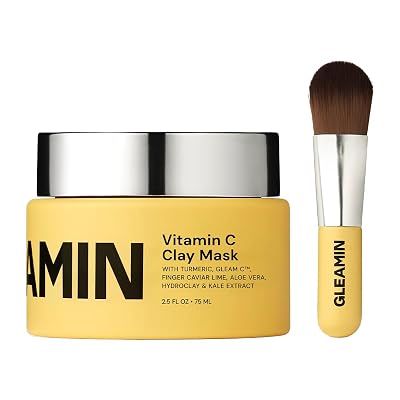
The Gleamin Vitamin C Clay Mask combines clay for oily skin and pores with Kakadu plum, desert lime and turmeric, which the seller positions as brightening. That makes it a two-in-one option for skin that is both shiny and dull, and it only needs about ten minutes. It suits a quick weekly routine.
Vitamin C in a short rinse-off mask is unlikely to fade dark spots on its own; a leave-on serum and daily sunscreen do far more. Turmeric can also temporarily tint pale skin, so rinse thoroughly. Compared with the #2 Borghese, it is a smaller jar and more focused on glow than on congestion.
- Ten-minute clay mask
- Kakadu plum, desert lime and turmeric
- Aimed at oily skin and pores
- Jar provides many treatments
Pros
- Covers oil and dullness together
- Quick ten-minute routine
- Small jar goes a long way
Cons
- Rinse-off vitamin C will not fade dark spots alone
- Clay can dry out dry cheeks
Skip it if: Skip it if you mainly want to fade dark spots; a vitamin C serum and sunscreen do more.
Check Price on AmazonFACETORY 23 Korean Sheet Mask Variety Pack

Best for: Trying different masks or gifting
The FACETORY 23 Collection is the pick for anyone who wants to try several sheet masks before settling on one. The box holds 23 masks aimed at a range of goals, mainly hydrating and calming, and it comes in gift packaging, which makes it a useful present. It is also an easy way to learn which textures you like.
The seller notes that the assortment may vary, so you cannot choose exactly which masks you get, and sensitive skin should check each ingredient list before use. Sheet masks give a short-term hydration boost; the #8 +WIS+ sheets are more consistent if you already know you want a hyaluronic acid mask.
- 23 assorted sheet masks
- Hydrating and calming focus
- Gift box presentation
- For all skin types
Pros
- Lots of variety
- Good for gifting
- Easy single-use sheets
Cons
- Assortment may vary from the photo
- Harder to track which mask suits you
Skip it if: Skip it if your skin is very reactive; a single, simple formula like the +WIS+ sheets is safer.
Check Price on Amazon+WIS+ Hyaluronic Acid Sheet Masks

Best for: Frequent hydration on sensitive skin
The +WIS+ Hyaluronic Acid Face Mask pack is the most practical sheet mask pick. The listing describes a gentle, non-irritating daily mask using three sizes of hyaluronic acid plus vitamin B5 and gentian extract, and the very thin, elastic sheet is designed to cling closely to the face. A close fit helps the essence stay where you want it.
With 24 sheets in the pack, it suits people who like to mask several times a week, and the seller says it is suitable for most skin types, including most sensitive skin. It is less indulgent than the #1 BIODANCE hydrogel, but it is quicker and better for regular use.
- High, low and oligomer hyaluronic acid
- Vitamin B5 and gentian extract
- Ultra-thin elastic sheet
- For all skin types, including sensitive skin
Pros
- Gentle enough for frequent use
- Close-fitting thin sheet
- Large pack of 24
Cons
- Single-use sheets create waste
- Hydration boost is short term
Skip it if: Skip it if you want oil control or exfoliation; a clay or enzyme pick suits you better.
Check Price on Amazonbelif Vitamin E Jelly Overnight Mask

Best for: Dry skin that wakes up tight
The belif Vitamin E Jelly Overnight Mask is the pick for dry skin that feels tight by morning. It is a bouncy jelly sleeping mask that melts into the skin, and the seller describes a memory gel texture and a pillow-proof, non-sticky finish, which solves the main complaint about overnight masks.
It includes vitamin E and red algae and can be used as the final step of your night-time routine. Compared with the #5 Summer Fridays cream, it is lighter and more gel-like, so it may suit normal to combination skin better. Very oily skin may still find it too much.
- Jelly sleeping mask for overnight use
- Vitamin E and red algae
- Memory gel texture
- Pillow-proof, non-sticky finish
Pros
- Non-sticky overnight wear
- Light, bouncy texture
- Easy last step at night
Cons
- Less versatile than the Summer Fridays mask
- May feel heavy on very oily skin
Skip it if: Skip it if you want a quick rinse-off mask; the Peter Thomas Roth gel is faster.
Check Price on AmazonBliss Mighty Marshmallow Whipped Mask

Best for: A light, quick brightening boost
The Bliss Mighty Marshmallow Brightening Whipped Face Mask stands out for its airy, whipped texture and for being labelled for daily use, which sets it apart from the clay and enzyme masks that should only be used once or twice a week. It is aimed at a brighter, fresher look rather than oil control.
Its listing gives less detail than the other picks, so we have described it only from its title and ranked it last. Check the full ingredient list for fragrance if your skin is sensitive, and compare it with the more clearly described #3 Peter Thomas Roth gel if soothing is your priority.
- Whipped, marshmallow-like texture
- Aimed at brightening
- Labelled for daily use
- Small 1.7 oz jar
Pros
- Light, pleasant texture
- Can be used often
- From a well-known brand
Cons
- Less listing detail than other picks
- Small jar if used daily
Skip it if: Skip it if you want a clearly described formula; choose the +WIS+ or Peter Thomas Roth pick.
Check Price on AmazonHow We Chose These Products
We shortlisted face masks from Amazon listings that are highly rated by a large number of shoppers, favouring established skincare brands and fuller-featured formulas, and made sure the final list covers each main mask type: clay, enzyme, gel, sheet and overnight. We then checked each product’s listed features against the dermatology guidance cited in this post, including the AAD’s advice to match exfoliation to your skin type and go gently.
These are research-based picks, not hands-on lab tests. We did not try the masks on skin ourselves, so the ranking reflects listing detail, mask type and who each product suits. We removed a sleep mask for the eyes that appeared in the search results, because it is not a skincare product.
- Strong ratings from a large number of shoppers
- Established brands and fuller-featured formulas preferred
- Listed features checked against the cited AAD guidance
- Products with thin or unclear listings excluded or ranked lower
- Detox, pore-shrinking and clinical claims not repeated as fact
Face Mask Types Explained
Masks differ mainly in their base and their active ingredients. The base decides how the mask feels and how long it stays on; the actives decide what it does.
| Mask type | Typical ingredients | What it does | Best for |
|---|---|---|---|
| Clay or mud | Kaolin, bentonite, sometimes charcoal | Absorbs oil, temporarily tightens and mattifies | Oily, combination, acne-prone |
| Sheet mask | Serum soaked into cotton, hydrogel or fibre | Holds hydrating ingredients against the skin | Dry, dehydrated, dull |
| Cream mask | Oils, butters, ceramides, glycerin | Softens and replenishes | Dry, mature, tight-feeling skin |
| Gel mask | Aloe, glycerin, hyaluronic acid | Cools and hydrates without heaviness | Normal, oily but dehydrated |
| Overnight or sleeping mask | Humectants plus occlusives | Seals in moisture while you sleep | Dry, winter-stressed skin |
| Exfoliating mask | AHAs, BHA, PHAs or fruit enzymes | Loosens dead skin cells for smoother texture | Dull, rough, uneven skin |
| Soothing mask | Oat, centella, panthenol, allantoin | Calms visible redness and tightness | Sensitive or irritated skin |
The Best Face Mask for Each Skin Type
Start with your skin type, then pick a mask that matches your main concern this week.
| Skin type | First choice | Occasional extra | Usually skip |
|---|---|---|---|
| Oily | Clay mask | Hydrating gel mask | Heavy cream and oil masks |
| Acne-prone | Clay mask with salicylic acid | Soothing mask after breakouts | Rich, oily or fragranced masks |
| Dry | Cream or overnight mask | Hydrating sheet mask | Drying clay masks |
| Combination | Clay on the T-zone, hydrating elsewhere | Gentle exfoliating mask | One harsh mask all over |
| Sensitive | Fragrance-free soothing mask | Simple hydrating sheet mask | Acid, peel-off and scented masks |
| Mature | Hydrating cream or sheet mask | Gentle exfoliating mask | Tight peel-off masks |
If you are unsure of your skin type, notice how your face feels two hours after cleansing with nothing applied: shiny all over suggests oily, tight suggests dry, and shiny only in the centre suggests combination.
Clay Masks for Oily and Acne-Prone Skin
Clay masks are the classic choice for oily skin because clays such as kaolin and bentonite absorb excess oil from the surface and give a fresh, matte finish for the rest of the day.
- Kaolin is the gentler clay and suits combination or slightly sensitive oily skin.
- Bentonite absorbs more oil and suits very oily skin.
- Charcoal adds oil absorption but has no proven extra detox effect.
- A little salicylic acid can help with blackheads and breakouts.
Clay masks do not pull toxins out of your skin or shrink pores permanently. They absorb surface oil, which can make pores look less obvious for a few hours.
Rinse clay masks before they dry completely and crack. Letting clay bake onto the skin can leave it tight and irritated, especially on the cheeks. If your skin feels stripped afterwards, choose a kaolin formula with added glycerin or aloe, shorten the time on the skin, or use it only on the oiliest areas rather than the whole face.
Hydrating Sheet, Cream and Overnight Masks
Hydrating masks are the most forgiving type and suit nearly every skin type, including oily skin that feels tight or dehydrated.
- Look for humectants such as glycerin, hyaluronic acid, panthenol and urea to draw water into the skin.
- Ceramides, squalane and shea butter help seal moisture in and support the skin barrier.
- Sheet masks are convenient and leave skin looking plump for a few hours.
- Overnight masks work best as the last step of your evening routine, in place of or over moisturiser.
Apply a moisturiser after a sheet mask rather than letting the essence evaporate on its own, since that can leave skin feeling drier than before. Pat any leftover serum from the pouch onto your neck, and store sheet masks in a cool place; some people like them chilled in the fridge for a cooling effect on puffy mornings.
Exfoliating Masks: Acids and Enzymes
Exfoliating masks contain alpha hydroxy acids such as glycolic and lactic acid, beta hydroxy acid (salicylic acid), gentler polyhydroxy acids or fruit enzymes such as papain and bromelain. They loosen dead skin cells so skin looks smoother and brighter.
The FDA’s page on alpha hydroxy acids notes that these acids can increase the skin’s sensitivity to the sun, so use sunscreen daily in the week after an acid mask. The AAD’s guide to exfoliating safely at home recommends choosing a method that suits your skin type and stopping if skin becomes red or irritated.
Once a week is enough for most people. Do not use an exfoliating mask on the same night as a retinoid or another acid product, and skip it entirely while skin is sunburnt, peeling or broken out with irritated spots. If your skin is sensitive, our guide on how often to exfoliate sensitive skin suggests safer schedules and gentler alternatives.
Soothing Masks for Sensitive Skin
Sensitive skin often reacts to the same things that make masks feel luxurious: fragrance, essential oils, menthol and high levels of alcohol. A soothing mask should be simple, with a short ingredient list and a creamy or gel texture that you rinse off gently.
- Colloidal oatmeal, centella asiatica, panthenol and allantoin are well-tolerated calming ingredients.
- Fragrance-free is more important than natural or organic.
- Cream and gel textures are usually better than drying clay or peel-off films.
- Leave on for the shorter end of the directions the first time.
A soothing mask can make skin feel calmer after sun, wind or a harsh product, but it will not treat rosacea or eczema. If redness or stinging keeps coming back, the cause is more likely your routine or a skin condition than a lack of masks.
How Often Should You Use a Face Mask?
How often you mask depends on the type. Gentle hydrating masks can be used often, while active masks need rest days in between.
- Hydrating sheet, gel and cream masks: two to three times a week, or daily for short periods if skin tolerates it.
- Clay masks: once or twice a week for oily skin, once a week or less for combination skin.
- Exfoliating masks: once a week, or every other week for sensitive skin.
- Overnight masks: two or three nights a week, more in cold, dry weather.
Our guide on whether daily mask use is okay covers when frequent masking helps and when it starts to backfire.
How to Use a Face Mask for the Best Results
A few simple habits make any mask work better and reduce the chance of irritation.
Cleanse first
Remove makeup and sunscreen with a gentle cleanser so the mask sits on clean skin.
Patch test new masks
Try a small amount on the jaw or neck before using it on your whole face.
Apply an even layer
Use clean fingers or a brush and keep away from the eyes and lips.
Time it
Follow the directions and remove clay before it cracks.
Rinse gently
Use lukewarm water and a soft cloth or fingers; do not scrub.
Follow with moisturiser
Seal in hydration, especially after clay or exfoliating masks.
Protect from the sun
Use sunscreen the next morning, particularly after acid masks.
If you have an oily T-zone and dry cheeks, apply clay only to the forehead, nose and chin and a hydrating mask to the cheeks at the same time. Our guide to multi-masking explains how to plan it.
What to Avoid When Choosing a Face Mask
Two masks of the same type can behave very differently. A quick look at the packaging and ingredient list tells you more than the marketing on the front.
- Skin type on the label: a mask made for oily skin will usually feel drying on dry cheeks.
- Fragrance and essential oils: they add scent, not benefit, and are common triggers for irritation.
- Acid type and strength: lactic and mandelic acids and PHAs are usually gentler than glycolic acid.
- Non-comedogenic claims: helpful for acne-prone skin, though not a guarantee.
- Packaging: tubes and pumps stay cleaner than open jars you dip into with your fingers.
- Single-use sheet masks: convenient and hygienic, but check the serum for alcohol and fragrance near the top of the list.
Price is not a reliable guide to quality. Simple, well-formulated masks exist at every price point, and a longer ingredient list does not mean a better product.
Do
- Choose masks by skin type and goal
- Pick fragrance-free options for sensitive skin
- Rinse clay before it fully dries
- Use sunscreen after acid masks
- Replace opened jars as directed on the label
Don’t
- Use several exfoliating masks in one week
- Leave masks on overnight unless designed for it
- Rely on peel-off masks to remove blackheads
- Apply lemon, baking soda or toothpaste to your face
- Mask over broken, sunburnt or freshly waxed skin
Peel-off masks can remove the top layer of skin along with fine hair and may leave the face red and raw, particularly on sensitive or thin skin. Homemade masks with lemon juice, vinegar, cinnamon or baking soda can burn or irritate. Rinse off any mask that stings strongly or burns.
Honest Limits
Face masks give short-term results. A hydrating mask can make skin look plumper for a few hours and a clay mask can reduce shine for the day, but no mask shrinks pores permanently, removes wrinkles or clears acne on its own.
The biggest long-term gains still come from daily basics: a gentle cleanser, a moisturiser that suits your skin, sunscreen and, where needed, a proven treatment such as a retinoid or an acne medicine. Treat masks as a pleasant extra, and the AAD’s acne skin care tips are a better starting point if breakouts are your main concern.
When to See a Dermatologist
- A mask causes swelling, blistering, hives or a rash that does not settle.
- Your skin is red, burning or flaking after most products.
- You have persistent acne, rosacea or eczema that masks do not help.
- You have dark patches or scarring you want treated.
This article is for general information and does not replace professional medical advice. See a board-certified dermatologist for skin conditions, persistent irritation or allergic reactions to cosmetic products.
Questions People Ask
What is the best face mask for oily skin?
A kaolin or bentonite clay mask used once or twice a week.
What is the best face mask for dry skin?
A hydrating cream, gel, sheet or overnight mask.
Can I use a face mask every day?
Gentle hydrating masks, yes; clay and acid masks, no.
Which mask on this list is best for oily skin?
The Borghese Fango Active Mud or the Gleamin Vitamin C Clay Mask, used once or twice a week.
Which mask is best for sensitive skin?
The Peter Thomas Roth Cucumber Gel Mask or the +WIS+ hyaluronic acid sheets are the gentlest; patch test first.
Should I moisturise after a face mask?
Yes, especially after clay or exfoliating masks.
Is the most expensive face mask worth it?
Not always. The BIODANCE sheets are premium, but the +WIS+ sheets and belif jelly also give a good hydration boost.
Can I use a face mask on sensitive skin?
Yes, a fragrance-free soothing or hydrating mask.
How long should I leave a face mask on?
As directed, usually 10 to 20 minutes.
Are homemade face masks safe?
Some kitchen ingredients such as lemon can irritate or burn skin.
The Takeaway
The best facial mask for your skin is the one that matches your skin type and goal: clay for oil, hydrating formulas for dryness, gentle enzymes for dullness and soothing gels for sensitivity; the BIODANCE mask is our top pick overall.
Use active masks sparingly, always moisturise and protect from the sun afterwards, and rely on a steady daily routine for lasting results.
Our top pick: BIODANCE Bio-Collagen Real Deep Mask
The BIODANCE Bio-Collagen Real Deep Mask takes the top spot because a hydrogel sheet that sits on the skin for hours suits the widest range of skin types, including dry, dull and mature skin, with little risk of irritation. Choose the Borghese Fango Active Mud instead if oil and congested pores are your main concern, or the Peter Thomas Roth Cucumber Gel Mask if your skin is dry and easily irritated.
Check Price on Amazon
Written by
Registered pharmacist and founder of Facial Adviser. Rakib's pharmacy training covers how skincare actives work and interact; a later course in cosmetology turned that into a focus on facial treatments and skincare products. He plans, researches and edits every guide on the site and checks health claims against sources such as the American Academy of Dermatology, the FDA and the NIH. He is not a dermatologist; see the Editorial Policy and Medical Disclaimer.
About · Editorial policy · How we choose products · Medical disclaimer · Contact
Keep reading: Face masks and exfoliation
- 10 Best Face Masks for Dry Skin (2026): Hydrating Picks That Soothe
- 10 Best Facial Scrubs for African American Skin (2026): Gentle Picks
- Bumpy, Uneven Chin After Wearing a Mask? Causes and Fixes
- Sebaceous Filaments vs Blackheads: How to Tell the Difference
- Facial Redness After Exfoliation: Causes, Burn Signs and How to Calm It
- 10 Best Facial Moisturizers for Dry Skin (2026): Rich, Gentle Creams
- 10 Best Facial Serums for Aging Skin (2026): Picks by Concern