10 Best Facial Scrubs for African American Skin (2026): Gentle Picks
Exfoliating can brighten dull skin and smooth rough patches, which is why many people with Black and brown skin reach for a face scrub. The catch is that darker skin often responds to irritation by making extra pigment, leaving dark marks that can take months to fade. This list covers 10 options, all chosen for gentleness.
Part of our guide to skincare products. Start with: 10 Best Face Masks for Every Skin Type (2026): Clay, Gel and Sheet
The best facial scrubs for African American skin are gentle ones: fine, smooth, rounded grains such as jojoba beads or rice powder in a creamy base, or mild chemical exfoliants such as lactic acid, mandelic acid or polyhydroxy acids. These remove dead cells without scratching or inflaming the skin, which matters because irritation in darker skin can trigger post-inflammatory hyperpigmentation. Avoid jagged crushed shells or pits, harsh brushes and strong acid peels at home. Most people do well exfoliating one to three times a week, not daily, and should use a broad-spectrum sunscreen every day, because sun exposure darkens marks and acids can increase sun sensitivity.
In short: gentle beats strong, less often beats more often, and sunscreen protects the results.
The American Academy of Dermatology advises that people with darker skin tones may want to avoid aggressive exfoliation, because it can leave dark spots, and the US Food and Drug Administration notes that alpha hydroxy acids can increase sun sensitivity.
Below you will find the ten picks, how we chose them, which exfoliant types suit darker skin, what to avoid, how to choose by skin type and how to exfoliate without leaving marks.
Shopping these picks?
Amazon Prime members get fast, free shipping on eligible items, plus Prime Video, Amazon Music and member deals. New members can start with a free trial.
Start a free Prime trialAged 18 to 24? Prime for Young Adults comes with a longer free trial and a lower price after it.
Affiliate link: we may earn a commission at no extra cost to you.
As an Amazon Associate we earn from qualifying purchases. This does not change which products we include.


Contents
- The 10 Best Facial Scrubs and Gentle Exfoliators for African American Skin
- How We Chose These Products
- Why Gentle Exfoliation Matters for Darker Skin
- Physical vs Chemical Exfoliants Compared
- What to Avoid
- How to Choose by Skin Type
- Features to Look For on the Label
- How to Exfoliate Darker Skin Safely
- Sunscreen and Dark Marks
- Exfoliating for Common Concerns
- Dos and Don’ts
- Honest Limits
- When to See a Dermatologist
- Questions People Ask
- Where This Leaves You
At a Glance
- ELEMIS Dynamic Resurfacing Facial Wash is our top pick because it exfoliates with enzymes, not grains or strong acids.
- Almond Clear Mandelic Acid serum is the best mild acid for uneven tone, bumps and ingrown hairs.
- ELEMIS Papaya Enzyme Peel is a gentle weekly treatment with no scrubbing.
- Irritation from harsh scrubbing can trigger dark marks (hyperpigmentation) on darker skin.
- Choose enzymes, fine rounded grains or mild acids; skip crushed shells and pits.
- Exfoliate one to three times a week at most, and never scrub and use an acid on the same day.
- Daily broad-spectrum sunscreen helps marks fade and prevents new ones.
The 10 Best Facial Scrubs and Gentle Exfoliators for African American Skin
These ten exfoliators were shortlisted from widely reviewed Amazon listings and chosen for gentleness, because irritation is the main cause of dark marks on Black and brown skin. The list mixes enzyme cleansers, fine-grain scrubs and mild acids, with notes on who each suits and who should skip it.
| # | Product | Best For | Standout Feature | |
|---|---|---|---|---|
| 1 | ELEMIS Dynamic Resurfacing Facial Wash | Dull skin prone to dark marks | Enzyme exfoliation with no grains | View |
| 2 | Almond Clear Mandelic Acid Level 1 Serum | Uneven tone, bumps and ingrown hairs | Mandelic acid, a gentle large-molecule AHA | View |
| 3 | ELEMIS Papaya Enzyme Peel | A gentle once-a-week glow | Rinse-off fruit enzyme cream mask | View |
| 4 | philosophy Microdelivery Exfoliating Wash | People who like a scrub feel | Fine grains in a daily wash | View |
| 5 | PCA SKIN Nutrient Toner | Oily or combination skin | Lactic acid toner with pumpkin wine | View |
| 6 | DRMTLGY Pumpkin Enzyme Face Mask | A relaxing weekly treatment | Self-warming enzyme mask with jojoba beads | View |
| 7 | Lancer The Method: Polish | Rough texture on resilient skin | Dermatologist-developed face polish | View |
| 8 | BABOR Enzyme Powder Cleanser | Sensitive, oily or combination skin | Powder that foams into an enzyme wash | View |
| 9 | First Aid Beauty Brighten and Glow Pads | Quick, no-rinse exfoliation | Lactic and glycolic acid pads | View |
| 10 | Avene Gentle Exfoliating Gel Face Scrub | Sensitive skin that still wants a scrub | Soft cellulose and jojoba wax beads | View |
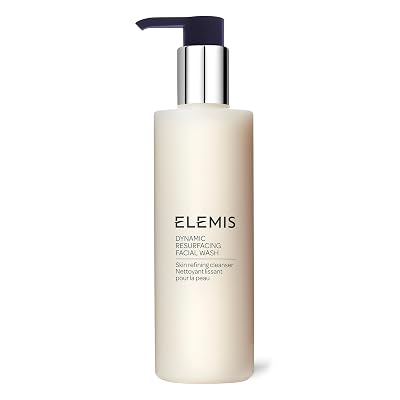
ELEMIS Dynamic Resurfacing Facial Wash
Best for: Dull skin prone to dark marks
The ELEMIS Dynamic Resurfacing Facial Wash earns the top spot because it exfoliates with enzymes rather than gritty particles or strong acids. For Black and brown skin, that matters: the less friction and irritation, the lower the risk of post-inflammatory hyperpigmentation, the dark marks that can follow inflammation and take months to fade.
The listing describes a non-stripping creamy gel with a light lather, plus hydrating and conditioning ingredients. It is designed for daily use, but on darker or sensitive skin it is wise to start two or three times a week and build up only if your skin stays calm. Its fruity-floral scent is the main drawback for fragrance-sensitive skin.
- Tri-enzyme technology to loosen dead surface cells
- Non-stripping creamy gel with a light lather
- Hydrating and conditioning ingredients
- Suitable for all skin types, morning or evening
Pros
- No grains to scratch the skin
- Cleanses and exfoliates in one step
- Non-drying formula
Cons
- Contains a fruity-floral scent
- Daily use may be too much for some skin
Skip it if: Skip it if your skin reacts to fragrance; the BABOR powder or Avene scrub may suit you better.
Check Price on AmazonAlmond Clear Mandelic Acid Level 1 Serum

Best for: Uneven tone, bumps and ingrown hairs
Almond Clear Level 1 is a mandelic acid serum, and mandelic acid is often suggested for darker skin because its larger molecule tends to penetrate more slowly and gently than glycolic acid. The listing positions it for the look of dark spots, uneven tone, bumps and ingrown hairs, which are common reasons people with darker skin want to exfoliate.
The listing makes some strong claims about acne and scars; treat it as a gentle exfoliant that can support a routine rather than a treatment. Start a few evenings a week, never on the same night as a scrub, and wear broad-spectrum sunscreen daily, because acids can increase sun sensitivity and sun darkens marks. It is a leave-on product, unlike the rinse-off picks.
- Mandelic (almond) acid serum
- Gentle leave-on exfoliation
- Aims to improve the look of uneven tone
- Helpful for bumps and ingrown hairs
Pros
- Gentler acid often chosen for darker skin
- Helps with shaving bumps and texture
- Level 1 is a starter strength
Cons
- Leave-on acid needs daily sunscreen
- Can sting on broken or very dry skin
Skip it if: Skip it if you already use another acid or retinoid; layering exfoliants raises the risk of irritation.
Check Price on AmazonELEMIS Papaya Enzyme Peel

Best for: A gentle once-a-week glow
The ELEMIS Papaya Enzyme Peel is a rinse-off cream mask that uses fruit enzymes from papaya and pineapple to loosen dead skin, and its listing calls it non-abrasive. That makes it a sensible weekly treatment for darker skin: you get smoother, brighter-looking skin without scrubbing, which is the habit most likely to leave marks.
Despite the word peel, this is not an acid peel; it is a gentle enzyme mask with bladderwrack and vitamin E. Use it once a week on a day you do not use any other exfoliant. It pairs well with the #1 ELEMIS wash only if you drop the wash that day, since two exfoliating steps together is too much.
- Papain and bromelain fruit enzymes
- Non-abrasive rinse-off cream mask
- Bladderwrack and vitamin E
- Suitable for all skin types
Pros
- No grains or strong acids
- Easy weekly routine
- Creamy, comfortable texture
Cons
- Name may suggest a stronger peel than it is
- Enzymes can still sting broken skin
Skip it if: Skip it if you already exfoliate twice a week; adding a mask on top is unnecessary.
Check Price on Amazonphilosophy Microdelivery Exfoliating Wash

Best for: People who like a scrub feel
philosophy microdelivery exfoliating wash is the pick for people who want the feel of a scrub but in a softer form. Its title describes fine-grain desert earth with gentle amino acids, and fine, small grains are far less likely to scratch than the jagged shells and pits this guide warns against.
The listing calls it a daily wash, but on Black and brown skin, two or three times a week is a safer starting point, using light pressure only. Stop if you see redness or darker patches. It is grittier than the enzyme picks at #1 and #3, but gentler in texture than a coarse traditional scrub.
- Fine-grain exfoliating face wash
- Gentle amino acids
- Polishes away dead skin build-up
- Aims for a more even-looking glow
Pros
- Fine grains rather than jagged particles
- Cleanses and exfoliates together
- Satisfying scrub feel
Cons
- Daily use may be too much for darker skin
- Any scrub can irritate if you press hard
Skip it if: Skip it if your skin marks easily from friction; choose an enzyme pick instead.
Check Price on AmazonPCA SKIN Nutrient Toner

Best for: Oily or combination skin
PCA SKIN Nutrient Toner is a lactic acid toner, and lactic acid is one of the milder alpha hydroxy acids, which also helps with hydration. The listing describes it as a gentle exfoliator that refines texture and brightens, using pumpkin wine, and says it suits dry, oily, combination and normal skin.
A toner is a light way to exfoliate without any rubbing, which suits darker skin that marks easily from friction. The listing suggests daily use, but start every other evening and wear sunscreen daily, as the FDA notes that alpha hydroxy acids can increase sun sensitivity. It is milder than the glycolic-containing pads at #9.
- Lactic acid to exfoliate and hydrate
- Pumpkin wine for a brighter look
- Refines the look of texture and pores
- For most skin types, after cleansing
Pros
- No scrubbing required
- Mild AHA
- Suits oily and combination skin
Cons
- Requires daily sunscreen
- Can sting on very dry or broken skin
Skip it if: Skip it if you already use a leave-on acid such as Almond Clear; one is enough.
Check Price on AmazonDRMTLGY Pumpkin Enzyme Face Mask

Best for: A relaxing weekly treatment
DRMTLGY Pumpkin Enzyme Face Mask is a self-warming cream mask that combines enzymes with time-released jojoba balls, according to its listing. Jojoba beads are one of the smooth, rounded exfoliants this guide recommends for darker skin, and the listing describes the mask as safe for sensitive skin. That makes it a gentle weekly option.
It suits a once-a-week routine when you want something more indulgent than a wash. The pumpkin scent and warming feel are part of the appeal but may not suit very reactive skin. Compared with the ELEMIS Papaya peel at #3, it adds a light physical element, so apply it gently and never over active breakouts.
- Self-warming pumpkin enzyme mask
- Time-released jojoba balls
- Minerals and antioxidants
- Described as suitable for sensitive skin
Pros
- Smooth jojoba beads, not jagged grains
- Spa-like weekly treatment
- Rich, creamy texture
Cons
- Scented formula
- Warming feel may bother very reactive skin
Skip it if: Skip it if warming or scented products irritate you; the ELEMIS peel is simpler.
Check Price on AmazonLancer The Method: Polish

Best for: Rough texture on resilient skin
Lancer The Method: Polish is a face scrub developed by a dermatologist and first sold through his clinic, and it is part of a three-step routine. The listing mentions moisturising ingredients and tells you to use a small amount on damp skin, avoiding the eyes. It is the most traditional scrub-style pick on this list.
It is a more traditional polish than the enzyme picks, so it suits skin that is not easily irritated. The listing suggests daily use, but on darker skin that is prone to dark marks, once or twice a week with very light pressure is the safer approach. Choose the Avene scrub at #10 instead if your skin is sensitive.
- Exfoliating face polish
- Developed in a dermatology practice
- Includes moisturising ingredients
- Small amount on damp skin
Pros
- Established clinic brand
- Noticeably smoother feel
- Small amount goes a long way
Cons
- Daily use as directed may be too much for darker skin
- Stronger feel than enzyme exfoliants
Skip it if: Skip it if you have acne, eczema or skin that darkens easily after irritation.
Check Price on AmazonBABOR Enzyme Powder Cleanser

Best for: Sensitive, oily or combination skin
BABOR Enzyme Powder Cleanser is a powder that turns into a creamy foam with water, combining enzymes with stabilised vitamin C and moringa seed extract. Its listing stresses that it is non-abrasive and contains no scrubbing particles, which makes it a gentle choice for darker skin that marks easily or feels tight after washing.
Powder cleansers let you control the strength by using more or less, and they travel well. It is similar in approach to the #1 ELEMIS wash but fragrance is not highlighted, and the small size runs out sooner. Vitamin C here is a supporting ingredient in a wash, so do not expect it to fade dark marks on its own.
- Enzyme and vitamin C powder cleanser
- Foams on contact with water
- Moringa seed extract
- Non-abrasive, no scrubbing particles
Pros
- No grains at all
- Adjustable strength
- Travel-friendly
Cons
- Small container
- Powder can clump if it gets wet
Skip it if: Skip it if you want a stronger, targeted treatment for dark marks; a mild acid does more.
Check Price on AmazonFirst Aid Beauty Brighten and Glow Pads

Best for: Quick, no-rinse exfoliation
First Aid Beauty Brighten and Glow Pads are pre-soaked pads with lactic and glycolic acids, designed for sensitive skin and free from alcohol and fragrance, according to the listing. Pads are quick and easy, and there is no scrubbing, which removes one of the main triggers for dark marks on darker skin.
Glycolic acid is stronger than lactic or mandelic acid, so darker skin should use these pads no more than two or three times a week at first, never on the same day as a scrub, and always with daily sunscreen. They are stronger than the PCA toner at #5 and the Almond Clear serum at #2, so they suit skin already used to acids.
- Lactic and glycolic acid pads
- No alcohol, fragrance or parabens
- Vegan and non-comedogenic
- Doubles as a prep step before makeup
Pros
- Quick and mess-free
- Fragrance-free
- No rubbing needed
Cons
- Glycolic acid can irritate beginners
- Requires daily sunscreen
Skip it if: Skip it if you have never used acids before; start with the Almond Clear or PCA picks.
Check Price on AmazonAvene Gentle Exfoliating Gel Face Scrub

Best for: Sensitive skin that still wants a scrub
Avene Gentle Exfoliating Gel Face Scrub is the most gentle traditional scrub on this list. Its title describes cellulose and jojoba wax beads, which are the smooth, rounded particles this guide recommends for darker skin, in a gel made for sensitive skin. That makes it a safer option than scrubs with crushed shells or pits.
Because it is a physical scrub, use it once or twice a week, with fingertips and light pressure only, and never over active spots or broken skin. It is gentler than the Lancer polish at #7 and the philosophy wash at #4, so it is the best starting point if you have never used a scrub before.
- Gel scrub for sensitive skin
- Cellulose and jojoba wax beads
- Rounded, gentle particles
- Rinse-off format
Pros
- Smooth, rounded exfoliating beads
- Made for sensitive skin
- Good first scrub
Cons
- Mild effect on very rough texture
- Still a physical scrub, so limit use
Skip it if: Skip it if you prefer no friction at all; the enzyme picks at #1, #3 and #8 are grain-free.
Check Price on AmazonHow We Chose These Products
We shortlisted exfoliators from Amazon listings that are highly rated by a large number of shoppers, favouring established brands and fuller-featured formulas. Because harsh scrubbing can trigger post-inflammatory hyperpigmentation on Black and brown skin, we kept only enzyme exfoliants, fine or rounded grains and mild acids, and left out intensive scrub-and-acid treatments, microdermabrasion-style products and scrubs with crushed shells or pits.
We then checked each product’s listed features against the guidance cited in this post, including the AAD’s advice that people with darker skin may want to avoid aggressive exfoliation and the FDA’s note that alpha hydroxy acids can increase sun sensitivity. These are research-based picks, not hands-on lab tests, and where a listing suggests daily use we give a more cautious frequency.
- Strong ratings from a large number of shoppers
- Gentle exfoliation methods only
- Established brands and fuller-featured formulas preferred
- Listed features checked against the cited guidance
- No medical claims from listings repeated as fact
Why Gentle Exfoliation Matters for Darker Skin
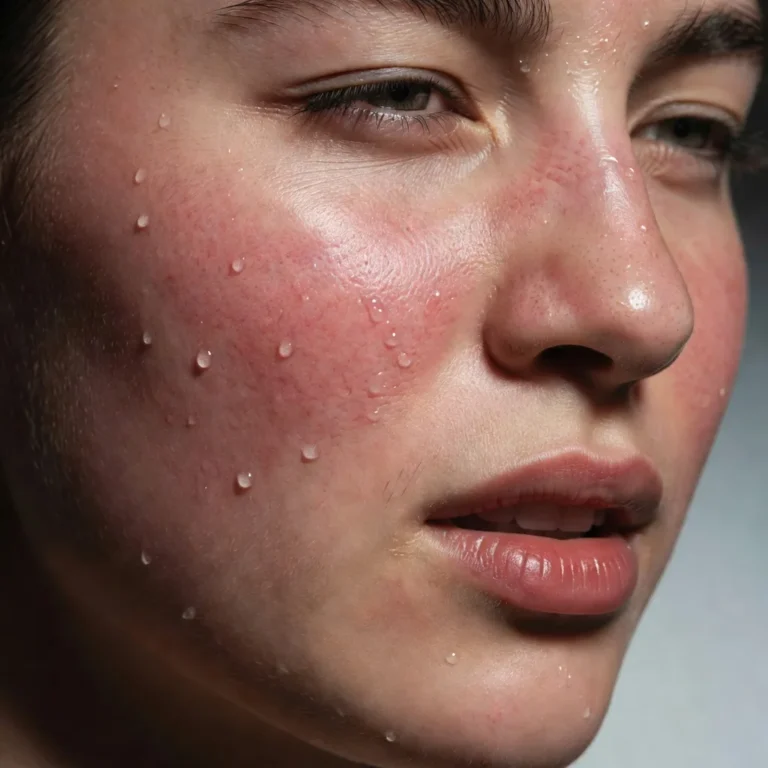
All skin types can benefit from removing dead cells now and then, but Black and brown skin has one key difference: the pigment cells tend to respond strongly to inflammation. A scrub that leaves skin red and raw, a breakout that gets picked, or an acid that burns can each leave a flat dark patch behind. This is called post-inflammatory hyperpigmentation, and it often lasts longer than the original irritation.
That is why the goal of exfoliation for darker skin is not a tingling, squeaky feeling. The goal is a smooth, even surface with no redness, stinging or peeling. When in doubt, choose the milder product and use it less often.
Skin colour is only one factor. Oiliness, sensitivity, acne, eczema and the products you already use all matter, so two people with the same skin tone may need very different exfoliants.
Physical vs Chemical Exfoliants Compared
Exfoliants work in two main ways. Physical exfoliants use grains or tools to lift dead cells; chemical exfoliants use acids or enzymes to loosen the bonds that hold dead cells together.
| Exfoliant type | How it works | Gentleness on darker skin | Notes |
|---|---|---|---|
| Fine, rounded grains (jojoba beads, rice powder) | Light polishing in a creamy base | Usually gentle | Use soft, light pressure |
| Crushed shells, pits or sugar crystals | Sharp or uneven particles | Often too harsh | Can cause micro-scratches and irritation |
| Lactic acid (AHA) | Loosens dead cells, also hydrates | Generally gentle at low strength | Increases sun sensitivity |
| Mandelic acid (AHA) | Larger molecule, penetrates slowly | Often well tolerated | Good for acne-prone skin |
| Glycolic acid (AHA) | Small molecule, works quickly | Can be too strong for some | Start low and infrequent |
| Polyhydroxy acids (PHA) | Very mild surface exfoliation | Among the gentlest | Good for sensitive skin |
| Salicylic acid (BHA) | Oil-soluble, works in pores | Helpful for oily, acne-prone skin | Can dry if overused |
| Enzymes (papain, bromelain) | Digest surface proteins | Usually mild | Results are subtle |
For many people with darker skin, a mild lactic or mandelic acid used a few times a week gives smoother, brighter skin with less risk than a grainy scrub. If you prefer the feel of a scrub, pick one with fine, smooth grains and let the product, not pressure, do the work. Our comparison of facial wash vs facial scrub explains when a scrub adds value.
What to Avoid
Some popular exfoliating habits carry a higher risk of dark marks on Black and brown skin.
- Scrubs with crushed nut shells, fruit pits or large, jagged grains.
- Rough washcloths, stiff brushes or scrubbing hard with any product.
- Combining a scrub and an acid on the same day.
- Strong at-home peels or high-strength acids without professional advice.
- Exfoliating over active breakouts, cuts, eczema patches or sunburn.
- Daily exfoliation, which weakens the skin barrier over time.
- Fragrance-heavy scrubs if your skin is sensitive.
Stop exfoliating if your skin stings, burns, stays red, peels or starts to look darker in patches. Continuing can deepen hyperpigmentation. Let skin recover with a gentle cleanser, moisturiser and sunscreen, and see a dermatologist if marks appear.
How to Choose by Skin Type
Match the exfoliant to your skin type and main concern rather than to the strongest claim on the label.
| Skin type or concern | Good starting option | Frequency to start |
|---|---|---|
| Dry or ashy | Lactic acid in a hydrating base, or a creamy fine-grain scrub | Once or twice a week |
| Oily | Salicylic acid or mandelic acid | Two or three times a week |
| Acne-prone | Mandelic or salicylic acid, no grainy scrub on active spots | Two or three times a week |
| Sensitive | Polyhydroxy acid or enzyme exfoliant | Once a week |
| Dark marks | Lactic or mandelic acid plus daily sunscreen | Two or three times a week |
| Razor bumps (beard area) | Salicylic or glycolic acid at low strength | Two or three times a week |
Start at the low end of the frequency range and increase only if your skin stays calm. Our guide on how often to exfoliate sensitive skin gives more detail on building up slowly.
Features to Look For on the Label
- A creamy or gel base that cushions grains.
- Grains described as fine, smooth, spherical or micro, such as jojoba esters or rice powder.
- Acid strength listed clearly, with lower strengths for beginners.
- Soothing and hydrating ingredients such as glycerin, panthenol, allantoin or niacinamide.
- Fragrance-free if you are sensitive or prone to irritation.
- Non-comedogenic if you are acne-prone.
- Clear directions on how often to use it.
If a product does not list an acid percentage, treat it as moderate and use it less often until you know how your skin reacts.
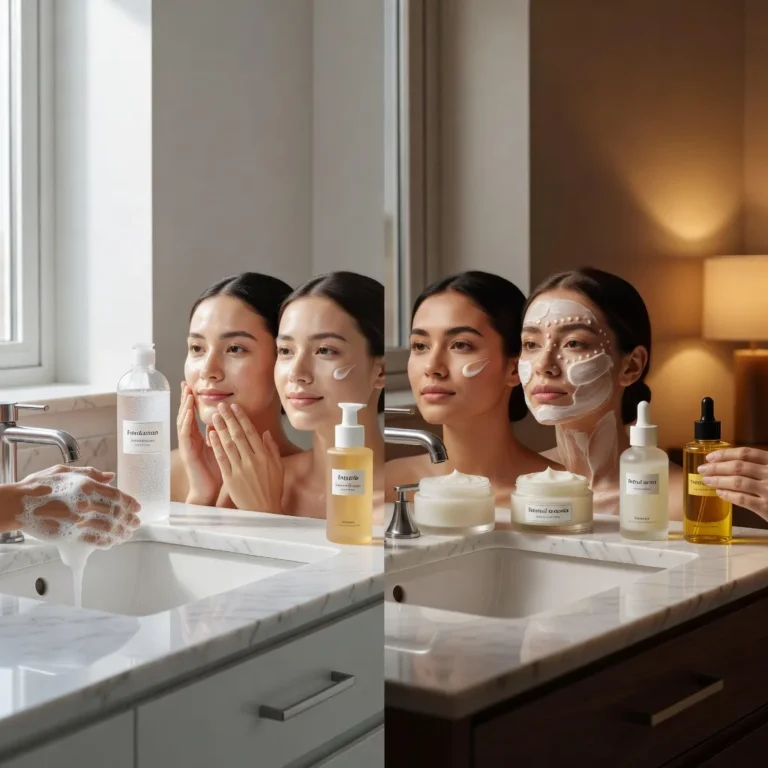
How to Exfoliate Darker Skin Safely
These steps follow the general advice the AAD gives on exfoliating safely at home.
Patch test first
Apply the product to a small area near the jaw for a few days and watch for redness or darkening.
Cleanse gently
Wash with lukewarm water and a mild cleanser; do not exfoliate right after shaving or waxing.
Use light pressure
For scrubs, massage in small circles with fingertips for about 30 seconds, then rinse.
Follow directions for acids
Apply a thin layer to dry skin, avoid the eyes and lips, and do not rinse unless the label says so.
Moisturise
Apply a fragrance-free moisturiser to support the skin barrier.
Protect from the sun
Use a broad-spectrum sunscreen of SPF 30 or higher the next morning and every day.
Space it out
Leave at least a day between sessions and never combine a scrub with an acid on the same day.
Evening is usually the best time to use acid exfoliants, because skin then has the night to settle before sun exposure. Keep other strong actives, such as retinoids, on different nights.
Sunscreen and Dark Marks
Sun exposure darkens existing marks and slows fading, and exfoliating acids make skin more sensitive to the sun. The FDA page on alpha hydroxy acids advises using sun protection while using AHA products and for a week after stopping.
Many people with darker skin skip sunscreen because some formulas leave a white or grey cast. Tinted mineral sunscreens and sheer chemical sunscreens avoid this for many skin tones. The goal is a formula you are happy to wear every single day, because consistency matters more than the brand. Apply it generously to the face, ears and neck, and reapply when you are outdoors for long periods, since even a few unprotected days in strong sun can undo weeks of slow progress on dark marks. For gentler routines without exfoliation, our guide on gentler alternatives to exfoliation is a useful next read.
Exfoliating for Common Concerns
Some concerns are especially common in Black and brown skin, and each calls for a slightly different approach to exfoliation.
- Ashy, dull skin: a mild lactic acid or creamy fine-grain scrub followed straight away by a rich moisturiser usually restores a smooth, even look.
- Razor bumps and ingrown hairs: a low-strength salicylic or glycolic acid on non-shaving days can help free trapped hairs; grainy scrubs on inflamed bumps can make them worse.
- Dark marks after acne: a gentle acid a few times a week plus daily sunscreen is a steadier approach than frequent scrubbing.
- Rough texture on the forehead or chin: a polyhydroxy or mandelic acid often smooths this without irritation.
- Oily skin with clogged pores: salicylic acid works inside the pore, where a scrub cannot reach.
Whatever the concern, results build slowly over weeks. Doubling the frequency rarely speeds things up and often causes the very irritation you are trying to avoid.
Dos and Don’ts
Good Habits
- Choose fine grains or mild acids
- Start once or twice a week
- Patch test new products
- Moisturise after exfoliating
- Wear sunscreen every day
Common Mistakes
- Scrub hard or use jagged grains
- Exfoliate over breakouts or broken skin
- Mix a scrub and an acid on the same day
- Use strong home peels without advice
- Keep going if skin stings or darkens
Honest Limits
Exfoliation smooths the surface and can help marks look lighter over time, but it is not a cure for melasma, deep hyperpigmentation or acne scarring. Deep or long-standing dark patches often need targeted ingredients, prescription treatments or professional procedures chosen with darker skin in mind.
No scrub is designed only for one ethnicity, and marketing labels do not guarantee a product is gentle. The type of exfoliant, its strength and how often you use it matter far more than who it is marketed to. If a product irritates you, it is the wrong product, however it is labelled.
When to See a Dermatologist
- Dark marks or patches are spreading or not fading after several months.
- You have melasma, keloid scarring or frequent razor bumps.
- Your skin reacts to most exfoliants with burning, peeling or darkening.
- You are considering chemical peels or microdermabrasion and want a provider experienced with darker skin.
This article is for general information and does not replace professional medical advice. See a board-certified dermatologist, ideally one experienced in treating skin of colour, for pigmentation problems, acne or reactions to skincare products.
Questions People Ask
What is the best type of scrub for Black skin?
A gentle scrub with fine, rounded grains or a mild lactic or mandelic acid exfoliant.
Can scrubs cause dark spots on darker skin?
Yes, harsh scrubbing can inflame skin and leave dark marks.
How often should African American skin be exfoliated?
Usually one to three times a week, depending on sensitivity.
Is glycolic acid safe for dark skin?
Often, at low strength and used infrequently; start slowly.
Which pick is best for dark marks and ingrown hairs?
The Almond Clear Mandelic Acid serum and the lactic acid PCA SKIN Nutrient Toner are the mildest acids here. Use one, not both, a few times a week, and wear broad-spectrum sunscreen daily, because marks fade slowly and sun exposure darkens them. See a dermatologist for stubborn hyperpigmentation.
Are walnut or apricot scrubs good for the face?
They are usually too rough for facial skin, especially darker skin.
Can exfoliation fade hyperpigmentation?
It can help over time, alongside daily sunscreen.
Should I exfoliate if I have acne?
Use a chemical exfoliant rather than a grainy scrub on breakouts.
Do I need sunscreen if I have dark skin?
Yes, daily sunscreen helps prevent and fade dark marks.
Which product on this list is gentlest for darker skin?
The ELEMIS Dynamic Resurfacing Facial Wash and BABOR Enzyme Powder Cleanser use enzymes with no grains, and the Avene Gentle Exfoliating Gel Face Scrub uses soft, rounded beads. All three are good starting points.
Where This Leaves You
The best facial scrubs for African American skin are gentle ones: fine, smooth grains or mild acids such as lactic, mandelic or polyhydroxy acids, used a few times a week rather than daily.
Avoid harsh grains, hard scrubbing and strong home peels, moisturise afterwards, wear sunscreen every day, and stop at the first sign of stinging or darkening so exfoliation brightens skin instead of marking it.
Our top pick: ELEMIS Dynamic Resurfacing Facial Wash
The ELEMIS Dynamic Resurfacing Facial Wash takes the top spot because it exfoliates with enzymes rather than grains or strong acids, which is one of the lowest-irritation ways to smooth darker skin and lowers the risk of post-inflammatory hyperpigmentation. Choose the Almond Clear Mandelic Acid serum instead if you want a mild acid for dark marks and bumps, or the Avene Gentle Exfoliating Gel Face Scrub if you prefer a traditional scrub with soft, rounded beads.
Check Price on Amazon
Written by
Registered pharmacist and founder of Facial Adviser. Rakib's pharmacy training covers how skincare actives work and interact; a later course in cosmetology turned that into a focus on facial treatments and skincare products. He plans, researches and edits every guide on the site and checks health claims against sources such as the American Academy of Dermatology, the FDA and the NIH. He is not a dermatologist; see the Editorial Policy and Medical Disclaimer.
About · Editorial policy · How we choose products · Medical disclaimer · Contact
Keep reading: Face masks and exfoliation
- 10 Best Face Masks for Every Skin Type (2026): Clay, Gel and Sheet
- Bumpy, Uneven Chin After Wearing a Mask? Causes and Fixes
- Sebaceous Filaments vs Blackheads: How to Tell the Difference
- Facial Redness After Exfoliation: Causes, Burn Signs and How to Calm It
- Is It Okay to Use a Face Mask Every Day? It Depends on the Mask
- Best Time to Exfoliate: Morning or Night? What Works for Each Method
- What Does a Facial Toner Do? The Real Answer
- 10 Best Facial Cleansers for Combination Skin (2026): Balanced Picks