Centella (Cica) for Sensitive Skin: Benefits and How to Use It
Centella asiatica, often called cica or tiger grass, has become one of the most recognizable ingredients in modern skincare. You will find it in serums, creams, toners, sheet masks and even sunscreens, usually with green packaging and words like calming, soothing or barrier repair.
Part of our guide to body and other. Start with: 10 Best Body Tools for Skincare and Massage (2026): Smooth and Relax
The appeal is clear. Many people have skin that reacts easily to weather, new products or active ingredients, and centella is often marketed as the gentle, comforting option. Korean brands made it popular, and French pharmacy brands such as La Roche-Posay helped bring cica balms to a wider audience.
What is less clear is how much of the hype is backed by evidence. Centella has a long history in traditional medicine and some promising lab and small human studies, but cosmetic products vary a lot in how much of the plant extract they contain and how it is processed.
Black Friday is coming: shop the deals with Prime
In this guide we explain what centella is, what it can realistically do for sensitive skin, who should be careful, and how to use it in a routine.
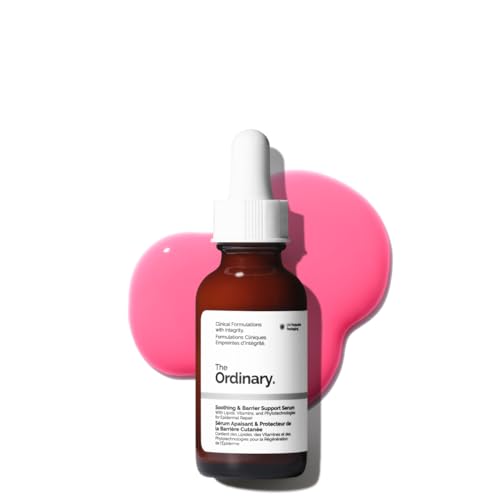
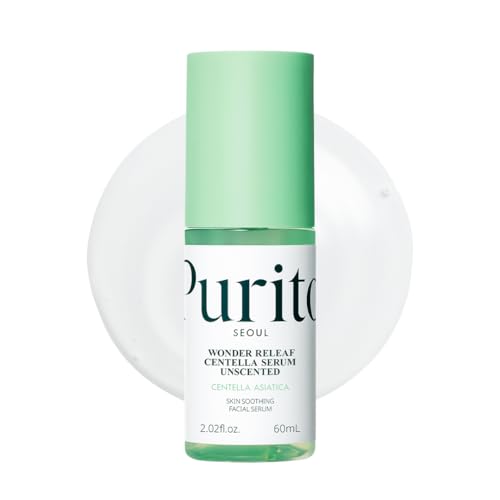
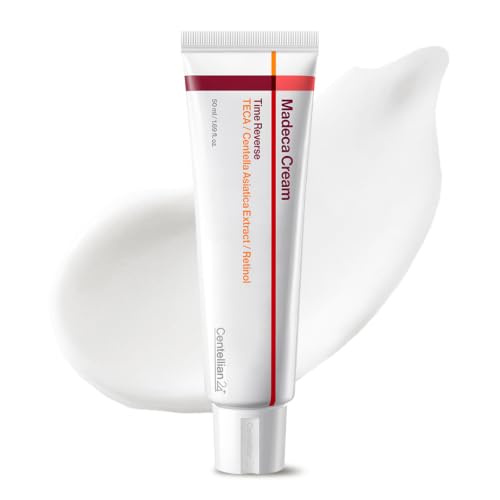
We also list seven popular products, described from their listings and general knowledge of the ingredient, so check the label before you buy. Keep in mind that sensitivity is personal, so what calms one person may sting another.
Whether your skin is genuinely sensitive or just stressed by weather and strong products, a little context helps you buy only what you need.
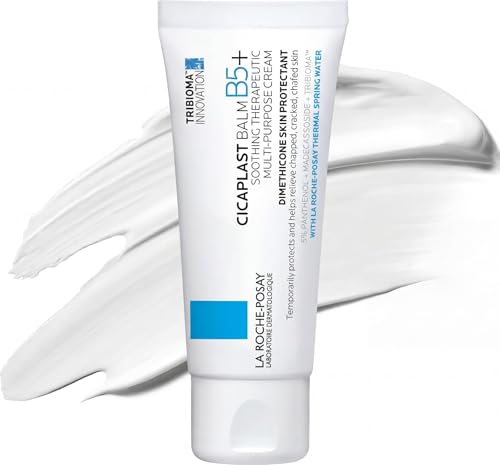
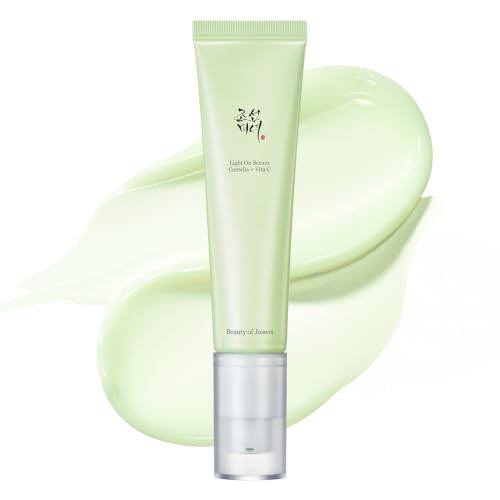
Popular Centella and Cica Products Worth Knowing


In This Guide
- What Centella Asiatica Is
- Benefits Centella May Offer
- What the Evidence Shows
- Types of Centella Products
- How to Use Centella Step by Step
- How to Choose a Centella Product
- What to Pair Centella With
- Sample Routines With Centella
- Who Might Like It and Who Should Be Careful
- Common Mistakes With Cica Products
- Honest Limits
- When to See a Professional
- Questions People Ask
- Summing Up
At a Glance
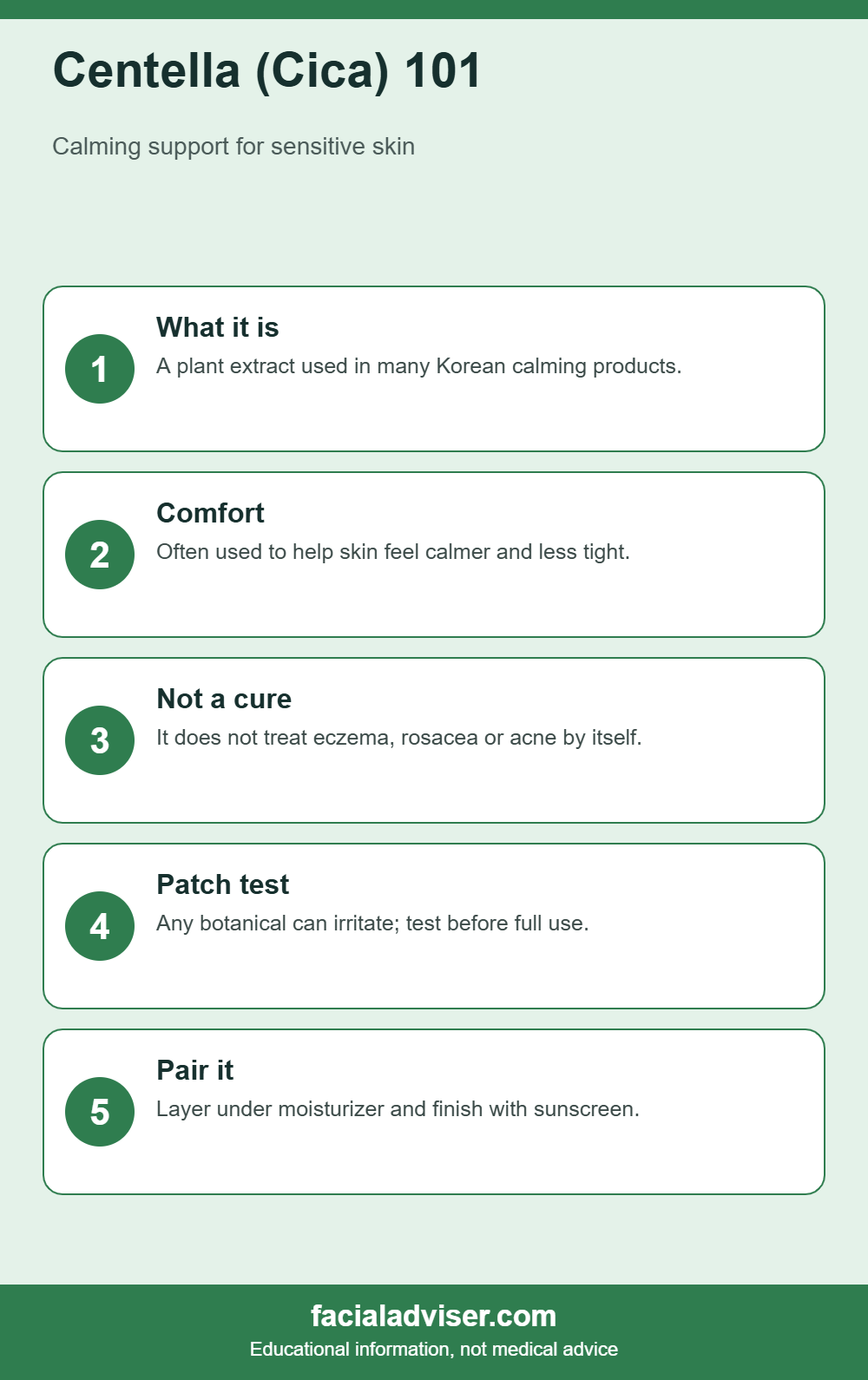
- Centella asiatica is a plant extract used mainly for calming and comfort in skincare.
- Its main compounds include asiaticoside, madecassoside, asiatic acid and madecassic acid.
- Evidence supports a soothing, hydrating role; claims about scars and acne are weaker.
- Any botanical can cause irritation or allergy, so patch test first.
- Use it after cleansing and toner, before moisturizer.
- Cica is an add-on to a simple routine, not a treatment for eczema, rosacea or infection.
- See a doctor for persistent redness, rash or burning.
What Centella Asiatica Is
Centella asiatica is a creeping plant that grows in wet areas across Asia, Africa and the Pacific. It is also known as gotu kola, tiger grass and Indian pennywort. It has been used in traditional medicine for centuries, especially for minor wounds and skin problems.
In cosmetics, the leaves are extracted to concentrate active compounds. The best known are asiaticoside, madecassoside, asiatic acid and madecassic acid. Some products list a combined extract, while others use one purified compound, such as madecassoside, or a blend sold as TECA, short for titrated extract of centella asiatica.
Because the term cica simply refers to centella-based products, a cica label tells you only that the plant is in the formula. It does not tell you how much, what form, or what else is in the bottle.
Benefits Centella May Offer
Most benefits relate to calming and comfort. Centella is typically used in products designed for sensitive, dry or stressed skin.
- Soothing feel: many people with reactive skin find centella-based products comfortable and non-stinging.
- Hydration support: centella products are usually paired with humectants and emollients that improve skin comfort.
- Antioxidant properties: lab studies suggest the compounds can neutralize free radicals, though this does not prove a visible anti-aging effect.
- Barrier support: some small studies and brand-led tests suggest centella may help skin recover after irritation, particularly in combination with ceramides and panthenol.
It is important to note that many cica products contain other soothing ingredients, such as panthenol, glycerin, ceramides and allantoin. It can be hard to tell how much of the benefit comes from centella itself.
If your skin feels calmer after switching to a simple routine with a cica product, that is a good result, even if the exact reason is unclear.
What the Evidence Shows
Research on centella is promising but limited. There are lab studies on skin cells, a few small clinical trials on wound healing and scar appearance, and consumer studies funded by brands. Large, independent trials are scarce.
| Claim | Evidence level | Our take |
|---|---|---|
| Soothes irritated-feeling skin | Moderate, mostly user and brand studies | Reasonable to expect |
| Supports barrier recovery | Limited but plausible | Best with ceramides and moisturizer |
| Improves scars | Limited and mixed | Do not rely on it |
| Treats acne | Weak | Not a replacement for acne treatment |
| Anti-aging | Weak | Use sunscreen and retinoids instead |
Honest brands usually word their claims carefully. If a label promises that cica will repair damaged skin overnight or erase redness, treat the claim with caution.
Types of Centella Products
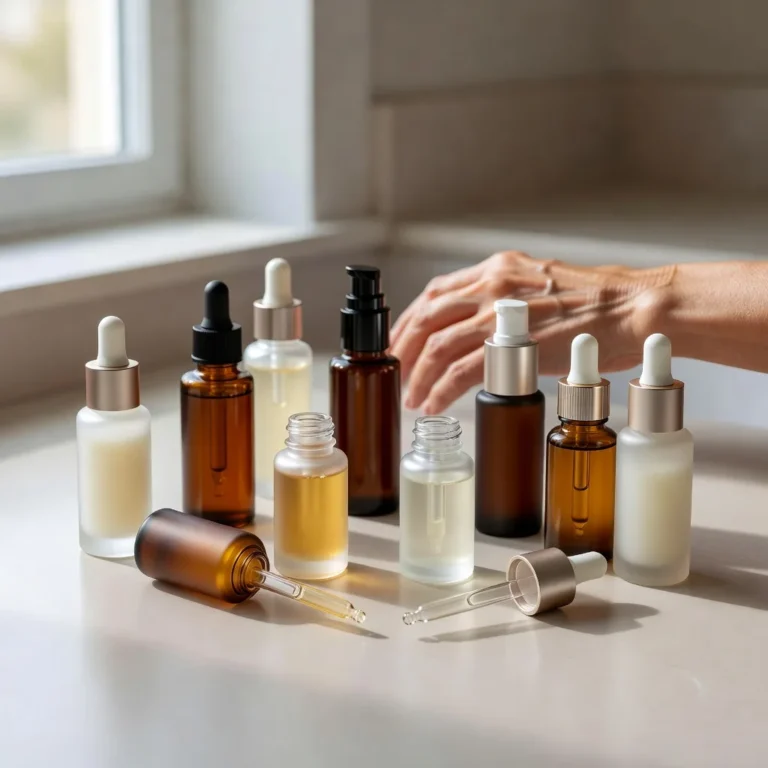
Centella appears in many formats, and each suits a different step.
| Format | Texture | Best for |
|---|---|---|
| Toner or essence | Watery to light gel | A hydrating first step |
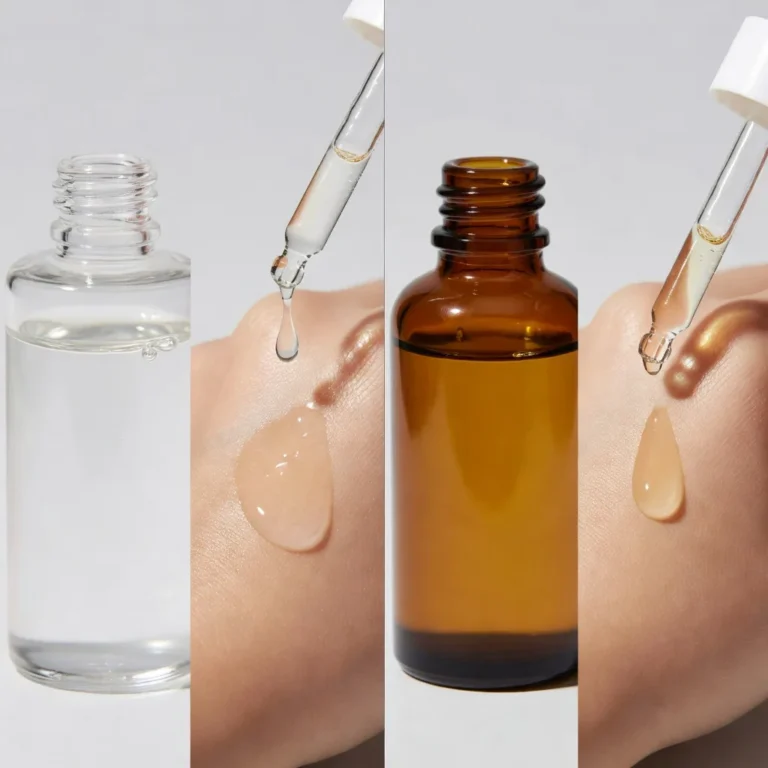
| Ampoule or serum | Light, concentrated | Targeted calming |
| Cream or balm | Richer, cushioning | Dry or very sensitive skin |
| Sheet mask | Soaked sheet | Occasional comfort boost |
| Sunscreen with centella | Varies | Daytime protection with a calming feel |
If your skin is dry, pick a cream or balm. If it is oily or combination, an ampoule or lightweight gel is usually enough.
Check the ingredient list for fragrance and essential oils. Some cica products are unscented, while others are lightly scented.
How to Use Centella Step by Step
Centella fits easily into most routines.
Cleanse gently
Wash with a mild cleanser and leave skin slightly damp.
Apply toner or essence
Pat a centella toner or essence into the skin if you use one.
Add a serum or ampoule
Use two to three drops or a small pump and press it in.
Moisturize
Seal in with a basic moisturizer or a cica cream.
Finish with sunscreen in the morning
Use broad-spectrum sunscreen as the last daytime step.
If your skin is irritated, pause strong actives such as retinoids and exfoliating acids for a few days and keep the routine to cleanser, cica and moisturizer.
Stop using a product if you notice burning, itching, swelling or a spreading rash, and seek medical advice if symptoms are severe.
How to Choose a Centella Product
Start with your skin type and the job you want the product to do. If your skin is oily or combination, a lightweight essence or ampoule is usually enough. If it is dry, a cream or balm adds cushioning.
Then read the ingredient list, not just the front label. Look for centella extract or madecassoside near the top, and a short list of supportive ingredients such as glycerin, panthenol or ceramides. A long list of fragrances, essential oils or drying alcohols near the top is a warning sign for reactive skin.
Finally, think about the size and price. Because results are gentle and gradual, a small trial size is a sensible way to see whether your skin likes a product before committing to a large bottle or a full routine of the same line.
If you already use many products, avoid replacing everything at once. Swap one step, such as your toner or moisturizer, for a cica version and watch how your skin responds over two weeks.
What to Pair Centella With
Centella pairs well with most gentle ingredients. Combinations that are commonly used include hyaluronic acid for hydration, ceramides for barrier support, panthenol for comfort and niacinamide for general skin balance.
If you use retinoids or exfoliating acids, centella can be a calming layer on top. Apply the active first and let it absorb, then add the cica product if your skin tolerates it.
Avoid layering many strong products at once. If your skin is red or stinging, a simple routine is better than adding more steps.
Sunscreen deserves a special mention. Some modern sunscreens include centella for a calming feel, which can make daily protection more comfortable for sensitive skin. That is a sensible use, but the sunscreen filters, not the plant extract, provide the UV protection, so choose a broad-spectrum product with an SPF of 30 or higher.
Sample Routines With Centella
Here are two simple ways to fit centella into a day without overloading your skin.
Morning: rinse or use a gentle cleanser, apply a cica essence or ampoule, add a lightweight moisturizer and finish with broad-spectrum sunscreen. Keep it to these four steps if your skin is reactive.
Evening: remove sunscreen and makeup with a gentle cleanser, apply your active if you use one, wait a few minutes, then add a cica serum and a moisturizer. On nights when your skin feels irritated, skip the active entirely and use only cleanser, cica and moisturizer.
Give any new routine at least three to four weeks before judging it. Skin cells take about a month to renew, and calming effects often build slowly as your barrier recovers.
Who Might Like It and Who Should Be Careful
Good Habits
- People with sensitive or easily irritated skin
- Those using retinoids who want extra comfort
- Anyone who likes gentle, light textures
- Dry or combination skin that feels tight
- People building a simple Korean-style routine
Common Mistakes
- Anyone with a known allergy to plants in the Apiaceae family
- People who react easily to botanical extracts
- Those with active eczema, rosacea flares or open wounds who have not asked a doctor
- Anyone with signs of infection
- People who dislike any scent or green color in products
Contact allergy to centella extract is uncommon but has been reported, so a patch test is worthwhile, especially for reactive skin.
Common Mistakes With Cica Products
The most common mistake is expecting cica to fix a damaged barrier on its own. If you keep using harsh cleansers, strong acids or hot water, no soothing product can keep up.
Another is trusting the green packaging. Color and the word cica on the label do not guarantee a meaningful amount of centella.
A third is using too many new products at once. If you add a cica serum, a new cream and a new toner in the same week, you cannot tell what is helping or hurting.
Finally, some people stop sunscreen because their skin feels calm. Calm skin still needs UV protection, and sun exposure can undo barrier repair.
It is also easy to forget about patch testing with products labeled gentle. A quick test behind the ear or on the inner forearm for two or three days costs nothing and can save you from a week of red, itchy skin.
Honest Limits
Centella is a comfort ingredient, not a medicine. It will not cure eczema, rosacea, acne or infection, and it will not replace sunscreen.
We have not tested every product, and the descriptions here come from listings and general knowledge of the ingredients. Your skin may respond differently.
Product formulas change, and the amount of centella is rarely disclosed. Always read the current label and patch test.
Results are individual. Some people notice a clear calming effect within days, while others see no difference. If you do not notice any benefit after a month, it is reasonable to simplify your routine and move on.
When to See a Professional
See a doctor or dermatologist if you have persistent redness, burning, a rash, or skin that does not improve after two to four weeks of a gentle routine. Conditions such as eczema, rosacea and contact dermatitis need proper diagnosis.
This article is for general information and is not medical advice. Rakib Sarwar is a registered pharmacist with a cosmetology course, not a dermatologist. Talk to a doctor or dermatologist about persistent skin problems.
Questions People Ask
What does centella do for skin?
It is mainly used to calm and comfort skin. Evidence supports a soothing role, while claims about scars and acne are weaker.
Is centella the same as cica?
Yes. Cica is shorthand for centella asiatica products.
Is centella safe for sensitive skin?
Most people tolerate it, but allergy is possible. Patch test first.
Can I use centella every day?
Many people use it daily if their skin tolerates it.
Can I use centella with retinol?
Yes. It can add comfort. Apply the retinoid as directed and layer cica around it.
Does centella help acne?
Evidence is limited. It may calm redness, but it is not an acne treatment.
Does centella fade scars?
Evidence is limited and mixed. See a doctor for scar treatment.
What is the difference between centella and madecassoside?
Madecassoside is one active compound found in centella extract.
Is a higher centella percentage better?
Not necessarily. The overall formula matters more than a single number.
When should I see a doctor?
See a doctor for persistent redness, burning, rash or suspected infection.
Summing Up
Centella is a pleasant, calming ingredient that suits many sensitive skin routines. Treat it as comfort support, patch test it, and keep sunscreen and a gentle moisturizer at the center of your routine.
If your skin stays irritated, talk to a doctor or dermatologist rather than adding more products.

Written by
Registered pharmacist and founder of Facial Adviser. Rakib's pharmacy training covers how skincare actives work and interact; a later course in cosmetology turned that into a focus on facial treatments and skincare products. He plans, researches and edits every guide on the site and checks health claims against sources such as the American Academy of Dermatology, the FDA and the NIH. He is not a dermatologist; see the Editorial Policy and Medical Disclaimer.
About · Editorial policy · How we choose products · Medical disclaimer · Contact
Keep reading: Body care and more
- 10 Best Body Tools for Skincare and Massage (2026): Smooth and Relax
- 10 Best Neck and Shoulder Massagers (2026): Relief for Tight Muscles
- Face Yoga: Does It Work? What the Evidence Says
- Ozempic Face: Why GLP-1 Weight Loss Changes Your Face and What Helps
- Is a Muscle Massage Gun Worth It? What the Evidence Says and Who Benefits
- Jeroboam Gozo Perfume: Notes, Wear and Who It Suits
Build a spa-like routine with ad-free music