Does Cold Water Close Pores? Myth or Fact, Explained
Splash your face with cold water after cleansing and it feels instantly tighter, fresher, and smoother. It is easy to believe you have just closed your pores. The idea is repeated so often, alongside its partner myth that hot water opens them, that most people never question it.
Part of our guide to skin concerns. Start with: How Can I Make My Pores Less Visible?
Cold water does not close pores, because pores cannot open or close at all. A pore is simply the opening of a hair follicle. There is no muscle around it that could squeeze it shut or pull it wide. What changes with temperature is the skin around the pore and the blood vessels underneath, and those changes wear off within minutes.
That does not make the cold splash useless. Cold water can briefly calm redness, reduce puffiness, and make skin look a little smoother while you apply makeup. It is also gentler than very hot water, which strips protective oils and can leave skin dry and irritated. But none of that changes how big your pores actually are.
Pore size is driven mostly by oil production, genetics, age, and sun damage. Research from Korea published in the British Journal of Dermatology in 2006 found that pore size tracked closely with how much sebum the skin produced. As skin ages and loses collagen, pore walls lose support and look larger too. Those are the causes worth treating.
This guide covers what cold and hot water really do to your skin, a simple blotting test to work out what is making your pores look bigger, and the treatments that make a lasting difference.
Shopping these picks?
Amazon Prime members get fast, free shipping on eligible items, plus Prime Video, Amazon Music and member deals. New members can start with a free trial.
Start a free Prime trialAged 18 to 24? Prime for Young Adults comes with a longer free trial and a lower price after it.
Affiliate link: we may earn a commission at no extra cost to you.
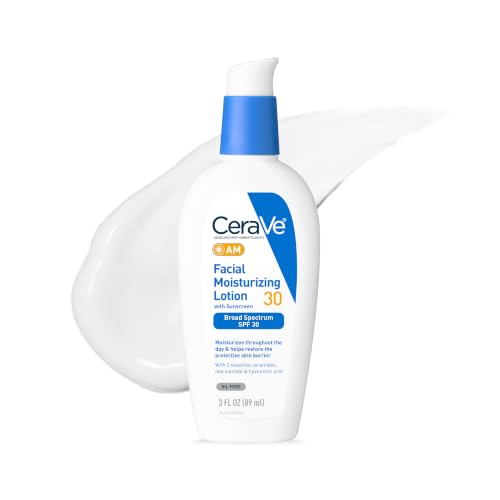
Recommended Products for Visibly Smaller-Looking Pores




In Brief
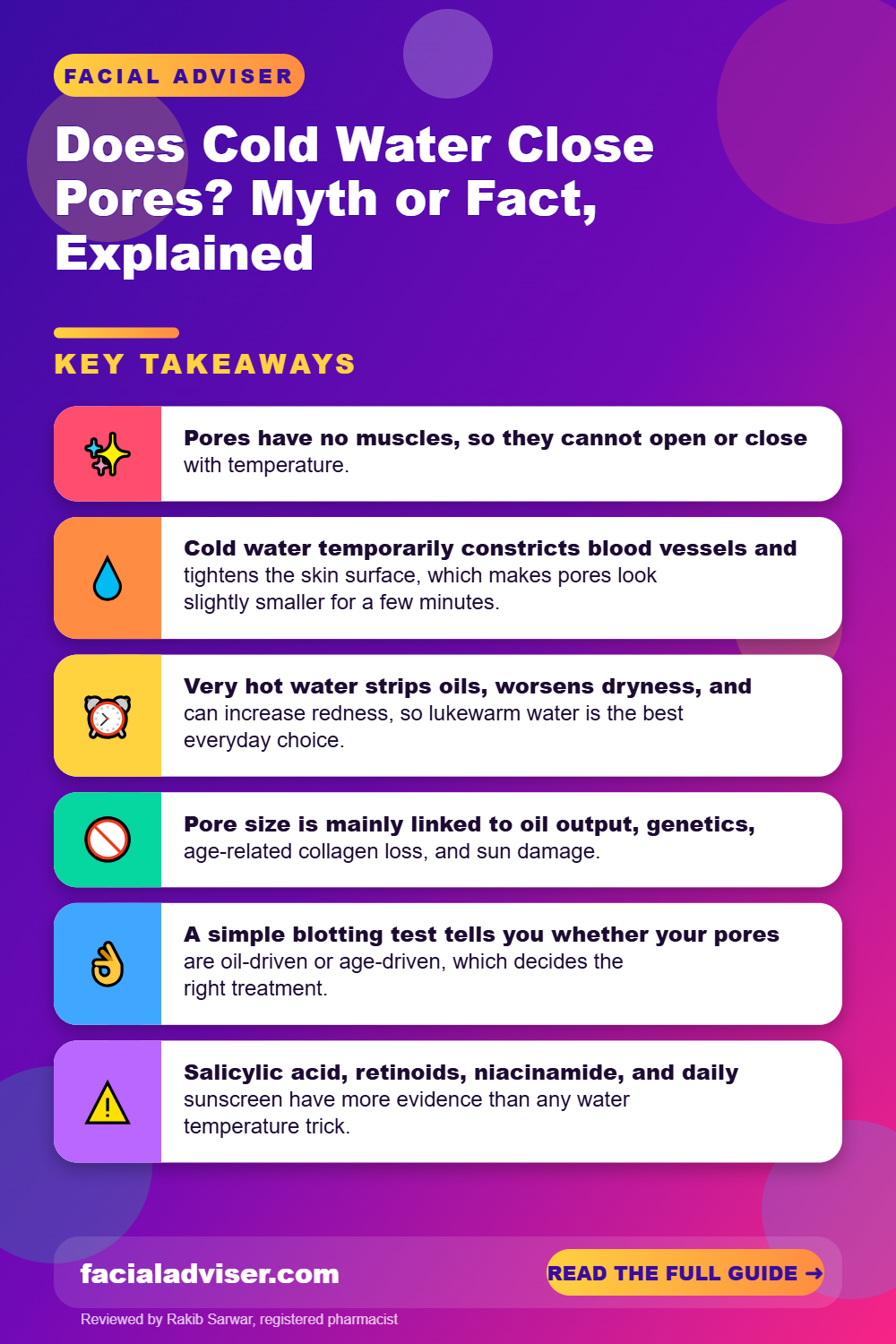
- Pores have no muscles, so they cannot open or close with temperature.
- Cold water temporarily constricts blood vessels and tightens the skin surface, which makes pores look slightly smaller for a few minutes.
- Very hot water strips oils, worsens dryness, and can increase redness, so lukewarm water is the best everyday choice.
- Pore size is mainly linked to oil output, genetics, age-related collagen loss, and sun damage.
- A simple blotting test tells you whether your pores are oil-driven or age-driven, which decides the right treatment.
- Salicylic acid, retinoids, niacinamide, and daily sunscreen have more evidence than any water temperature trick.
- Ice applied directly to the skin for too long can cause cold injury, so always wrap it.
On This Page
- Where the Open and Closed Pore Myth Comes From
- What a Pore Actually Is
- What Cold, Lukewarm, and Hot Water Really Do
- The Blot Test: What Is Making Your Pores Look Bigger?
- The Real Reasons Pores Look Larger
- What Actually Makes Pores Look Smaller
- Is an Ice Facial Worth It?
- What No Routine Can Change
- When to See a Dermatologist
- FAQ
- Summing Up
Where the Open and Closed Pore Myth Comes From
The myth makes intuitive sense. Warm steam softens skin and makes it easier to clean, while cold water makes skin feel taut. It is natural to assume the pores themselves are moving.
Facial and spa routines reinforced the idea for decades. Steaming before extractions was described as opening pores, and a cold splash or toner afterwards was described as closing them. The sensations are real. The explanation is not.
What people actually feel is the skin surface reacting. Heat softens the outer layer and the oil inside pores, which can make extractions easier. Cold causes a brief tightening of the skin and narrowing of small blood vessels. The pore opening itself stays the same size throughout.
What a Pore Actually Is
A facial pore is the opening at the top of a hair follicle, where a sebaceous gland empties its oil onto the skin. You have tens of thousands of them across your face, and they are largest where oil glands are biggest: the nose, inner cheeks, chin, and forehead.
The only muscle attached to a hair follicle is the tiny arrector pili, which makes body hair stand up when you are cold. It pulls on the follicle at an angle. It does not ring the pore opening, and on the face it has no meaningful effect on how large pores look.
How big a pore looks depends on three things: how much oil and debris is sitting in it, how stretched the opening has become over time, and how firm the surrounding skin is. That is why pores look bigger on oily skin, on skin with blackheads, and on skin that has lost collagen with age or sun exposure. Our guide on why pores look bigger when skin is oily goes deeper into the oil side.
What Cold, Lukewarm, and Hot Water Really Do
Water temperature does matter for your skin, just not in the way the myth suggests.
| Temperature | What it does | Effect on pores | Best use |
|---|---|---|---|
| Cold | Constricts small blood vessels, briefly tightens skin | Look slightly smaller for a few minutes | Morning refresh, calming puffiness |
| Lukewarm | Cleans without stripping protective oils | No change | Everyday cleansing |
| Hot | Dilates vessels, softens oil, strips skin lipids | May look redder and more visible | Avoid for face washing |
| Steam | Softens surface and sebum | No change in size | Before professional extraction only |
Hot showers are the one habit worth changing. Water that feels hot to your hand removes lipids from the outer skin layer, which can leave the face tight, dry, and more reactive. Dry, irritated skin often produces more redness around pores, making them more noticeable.
The Blot Test: What Is Making Your Pores Look Bigger?
Before you spend money on pore products, work out which cause is driving yours. This takes one morning.
Wash the night before
Cleanse as usual in the evening and skip heavy creams or oils so the result is not skewed.
Blot two hours after waking
Press a clean blotting sheet on your nose, forehead, and chin, then use a second sheet on your cheeks.
Hold the sheets to the light
Heavy, translucent oil spots from the T-zone point to oil-driven pores. Little or no oil suggests another cause.
Check pore shape in a normal mirror
Stand an arm’s length from a mirror in daylight. Round, evenly enlarged pores on the nose and forehead fit an oil pattern. Oval or teardrop-shaped pores on the cheeks fit age or sun-related laxity.
Match the cause to the treatment
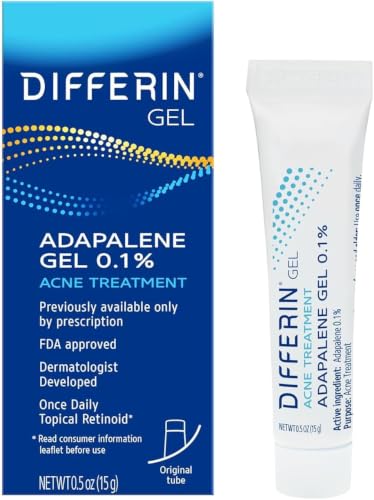
Oil-driven pores respond best to salicylic acid, niacinamide, and retinoids. Laxity-driven pores need retinoids, daily sunscreen, and sometimes in-office procedures.
Use a normal mirror, not a magnifying one. At normal conversation distance, most people cannot see individual pores at all. Magnifying mirrors make almost everyone’s pores look alarming.
The Real Reasons Pores Look Larger
Oil production
This is the biggest factor for most people. A 2006 study by Roh and colleagues in the British Journal of Dermatology linked larger facial pores to higher sebum output. Oil stretches the pore opening and makes it more reflective, so it catches the light.
Genetics and sex hormones
Oil gland size is largely inherited and is driven by androgens, which is why pores often look bigger from the teenage years and can shift with hormonal changes.
Age and sun damage
Collagen and elastin support the walls of each pore. As they decline with age and UV exposure, pores lose that support and can sag into elongated shapes. This is why pores can look larger in your 40s even if your skin is less oily than it used to be.
Clogged pores and blackheads
Debris sitting in the pore stretches it and makes it more visible. Clearing that debris helps the pore look smaller, though it will not shrink below its natural size. If the dots you see are grey and evenly spaced, they may be sebaceous filaments rather than blackheads.
What Actually Makes Pores Look Smaller
No treatment physically shrinks a pore permanently, but several make pores look noticeably smaller by reducing oil, clearing debris, or improving skin firmness.
| Treatment | How it helps | Best for | Time to see change |
|---|---|---|---|
| Salicylic acid (BHA) | Dissolves oil and debris inside the pore | Oily, congested skin | 4 to 8 weeks |
| Topical retinoid | Normalizes shedding and supports collagen | Oily and aging skin | 8 to 12 weeks |
| Niacinamide | May reduce oiliness modestly | Oily and combination skin | 8 weeks |
| Daily sunscreen | Prevents further collagen breakdown | All skin types | Months, preventive |
| Oil blotting | Removes surface shine | Midday touch-ups | Immediate, temporary |
| In-office lasers or microneedling | Stimulate collagen around pores | Laxity-related pores | Several sessions |
Worth Doing
- Wash with lukewarm water and a gentle cleanser.
- Use a leave-on BHA a few nights a week.
- Add a retinoid at night and build up slowly.
- Wear sunscreen daily, even on cloudy days.
- Blot oil during the day instead of rewashing.
- Give any routine at least 8 weeks.
Skip It
- Rely on cold water or ice to fix pore size.
- Wash your face with hot water.
- Squeeze or pick at pores.
- Use harsh alcohol toners to tighten skin.
- Stack multiple exfoliants at once.
- Judge pores in a magnifying mirror.
Is an Ice Facial Worth It?
Ice rolling and ice-water dunks are popular for depuffing. They can reduce morning puffiness and redness for a short while by narrowing blood vessels, which is why some people like them before makeup.
The effect on pores is cosmetic and brief. Within minutes of skin returning to normal temperature, pores look exactly as they did before. If you enjoy the routine, it is fine to keep it as a morning refresher.
Avoid cold injury: never hold bare ice against the skin for more than a few seconds at a time. Wrap ice in a thin cloth, keep it moving, and stop after a minute or two. People with rosacea, Raynaud phenomenon, or cold urticaria should skip ice facials, as cold can trigger flares.
What No Routine Can Change
Pore size has a large genetic component. Even with a perfect routine, oily skin with naturally large oil glands will always have more visible pores than dry skin with small ones. The realistic goal is pores that look cleaner and less noticeable, not invisible.
The evidence behind many pore products is also weaker than their claims. Most studies measure oiliness or acne rather than pore size directly, and pore measurements vary with lighting and camera angle. Products that promise to erase pores in days are selling a temporary blurring effect, usually from silicones or powders.
A realistic check-in: take a photo in the same daylight spot before you start and again after 8 to 12 weeks. That is far more reliable than judging day to day in a bathroom mirror.
When to See a Dermatologist
Enlarged pores are a cosmetic concern, not a medical problem. See a dermatologist if:
- A single large pore keeps refilling with dark material, which may be a dilated pore of Winer.
- Pores are accompanied by persistent redness, flushing, or visible vessels, which can suggest rosacea.
- You have deep, painful breakouts or scarring alongside congestion.
- Yellowish bumps with a central dip appear, which may be sebaceous hyperplasia.
- Over-the-counter treatments have not helped after three months and you want to discuss prescription retinoids or procedures.
For more ways to reduce how visible your pores are, see our guide on making pores less visible.
Medical disclaimer: This article is for general information and is not a substitute for professional medical advice. Speak with a doctor or dermatologist about any skin condition or before starting prescription treatments.
FAQ
Does cold water close pores?
No. Pores have no muscles, so they cannot open or close. Cold water only tightens the skin surface and narrows blood vessels briefly, which can make pores look slightly smaller for a few minutes.
Does hot water open pores?
No. Hot water softens oil and dilates blood vessels, but it does not open pores. It can strip protective oils and leave skin dry and red.
What water temperature is best for washing your face?
Lukewarm water is best. It cleans effectively without stripping the skin’s natural lipids.
Can ice shrink pores permanently?
No. Ice can make pores look smaller for a few minutes by tightening skin and reducing redness, but they return to normal once the skin warms up.
What really causes large pores?
The main factors are oil production, genetics, hormones, age-related collagen loss, sun damage, and debris clogging the pore.
Does steaming your face open pores?
Steam softens the skin surface and oil inside pores, which can make extraction easier, but it does not change the size of the pore opening.
What ingredients make pores look smaller?
Salicylic acid, topical retinoids, and niacinamide have the most support, along with daily sunscreen to protect collagen.
Can you get rid of pores completely?
No. Pores are a normal part of skin. Treatments can make them look cleaner and less noticeable, but not invisible.
Is an ice facial safe?
It is generally safe if the ice is wrapped and kept moving for a minute or two. People with rosacea, Raynaud phenomenon, or cold urticaria should avoid it.
How long does it take to see smaller-looking pores?
Most people see a change after 8 to 12 weeks of consistent use of a BHA or retinoid, along with daily sunscreen.
Summing Up
Cold water does not close pores, and hot water does not open them. Pores are fixed openings without muscles, so the tight feeling after a cold splash is only the skin surface and blood vessels reacting, and it fades within minutes.
If your pores bother you, work out whether oil or age is the main driver with the blot test, then treat that cause with salicylic acid, a retinoid, niacinamide, and daily sunscreen. Keep the cold splash if you like how it feels, but use lukewarm water for cleansing and give real treatments two to three months to show results.

Written by
Registered pharmacist and founder of Facial Adviser. Rakib's pharmacy training covers how skincare actives work and interact; a later course in cosmetology turned that into a focus on facial treatments and skincare products. He plans, researches and edits every guide on the site and checks health claims against sources such as the American Academy of Dermatology, the FDA and the NIH. He is not a dermatologist; see the Editorial Policy and Medical Disclaimer.
About · Editorial policy · How we choose products · Medical disclaimer · Contact
Keep reading: Pores and texture