Best Place for a Facial: Spa, Dermatologist, Medspa, Salon or Home?
Facials are offered almost everywhere now: day spas, hotel spas, hair salons, beauty clinics, medical spas and dermatology practices, not to mention the growing range of at-home kits and tools sold for use in your own bathroom. Each setting offers a different kind of treatment, with different training, equipment and results.
Part of our guide to facial treatments. Start with: Facial Types: A Guide to 11 Popular Facials and How to Choose One
The best place for a facial depends on what you want from it. For relaxation and a gentle cleanse, a reputable day spa or salon with a licensed esthetician is usually ideal. For acne, pigmentation, rosacea or signs of ageing that need stronger treatments such as medical-grade peels or lasers, a dermatologist’s office or a medspa overseen by a qualified doctor is the safer choice. For simple maintenance between visits, a gentle at-home facial can work well. Whatever the setting, look for proper licensing, good hygiene and a skin consultation before treatment.
In short: choose a spa or salon for pampering, a dermatologist or supervised medspa for skin problems, and home care for upkeep.
The American Academy of Dermatology notes that treatments such as chemical peels and microdermabrasion carry more risk when performed by someone without the right training, and recommends seeing a board-certified dermatologist for deeper procedures.
This guide compares each type of facial venue, explains what each does best, how to choose safely, what to ask before booking, and when an at-home facial makes sense. It is based on dermatology guidance and general industry practice.
Buying for a salon, spa or clinic?
A free Amazon Business account gives you business-only pricing on eligible items, multi-user buying and tax-exemption tools.
Create a free Business accountAffiliate link: we may earn a commission at no extra cost to you.
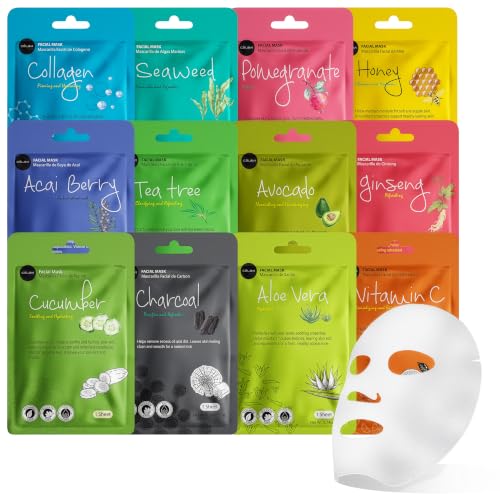
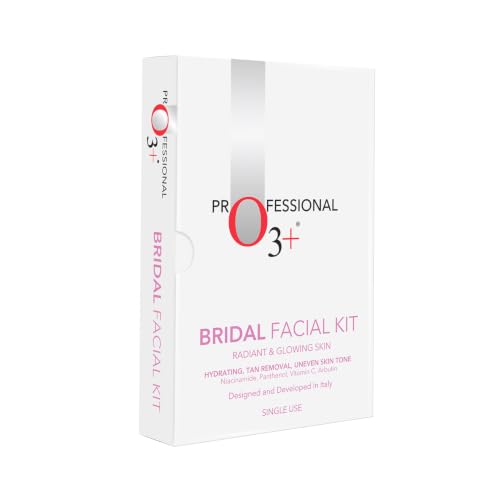
Recommended At-Home Facial Kits, Steamers and Masks



Key Takeaways
- The right place depends on your goal: relaxation, maintenance or treating a skin concern.
- Day spas and salons suit relaxing, gentle facials with a licensed esthetician.
- Dermatologists are best for acne, rosacea, pigmentation and deeper treatments.
- Medspas can offer stronger treatments, but check medical supervision.
- At-home facials are useful for gentle maintenance between visits.
- Always check licensing, hygiene and whether a skin consultation is offered.
- Be cautious with strong peels or devices outside a medical setting.
On This Page
- Where Can You Get a Facial?
- Day Spas and Hotel Spas: Best for Relaxation
- Salons: Convenient and Basic
- Dermatologists: Best for Skin Concerns
- Medspas: Stronger Treatments, Check Supervision
- At-Home Facials: Best for Maintenance
- Comparing Facial Venues Side by Side
- How to Choose the Right Place for Your Facial
- Questions to Ask Before You Book
- Dos and Don’ts
- Honest Limits
- When to See a Dermatologist
- Frequently Asked Questions
- The Takeaway
Where Can You Get a Facial?
A facial is a structured skin treatment that usually includes cleansing, exfoliation, extractions if needed, a mask, massage and moisturiser. Beyond those basics, what you get varies enormously depending on where you go and who performs it.
In most places, facials outside medical settings are performed by estheticians or beauty therapists who are trained and licensed to work on the skin’s surface. Dermatologists are medical doctors who diagnose and treat skin conditions and can perform deeper procedures. Medspas sit in between, offering cosmetic treatments that may include medical devices, ideally under a doctor’s supervision.
| Venue | Who usually performs it | Best for |
|---|---|---|
| Day spa or hotel spa | Licensed esthetician or therapist | Relaxation, gentle cleansing, glow |
| Salon | Esthetician or beauty therapist | Convenient, basic facials |
| Medspa | Estheticians, nurses, doctors | Stronger peels, devices, cosmetic treatments |
| Dermatologist’s office | Dermatologist or supervised staff | Acne, rosacea, pigmentation, medical-grade treatments |
| At home | You | Gentle maintenance between visits |
Licensing rules for estheticians and medspas differ between countries and states, so check what applies where you live. A reputable provider will be happy to tell you about their qualifications and who oversees any medical treatments.
Day Spas and Hotel Spas: Best for Relaxation
Spas are the classic place for a facial. The focus is usually on comfort and experience: calm treatment rooms, facial massage, pleasant products and time to unwind. A good spa facial can leave skin looking clean, hydrated and glowing, and many people value the stress relief as much as the skin benefits.
Spa facials tend to use gentle exfoliation and hydrating masks rather than aggressive treatments. That makes them suitable for most skin types, including sensitive skin, as long as you mention any allergies or conditions at the start.
- Choose a spa that uses licensed estheticians.
- Ask whether products are fragrance-free if your skin is sensitive.
- Expect a relaxing, surface-level treatment rather than a fix for skin conditions.
- Avoid strong peels or extractions right before a big event.
Hotel spas often have excellent facilities, such as steam rooms and relaxation areas, which can make the experience feel special. The facial itself, though, depends on the therapist and the products, so read recent reviews that mention the facial rather than the pool or the view.
Salons: Convenient and Basic
Many hair and beauty salons offer facials alongside other services. Salon facials are often shorter and more straightforward than spa treatments, which makes them convenient for a quick refresh.
Quality varies more between salons than between specialist spas, so it is worth checking who performs the treatment and how the space is cleaned. A small salon with an experienced, licensed esthetician can be excellent; a busy salon where facials are an afterthought may not be.
Salons are a good fit for maintenance facials when your skin is generally healthy and you simply want a deep cleanse and some hydration. For persistent breakouts or pigmentation, a salon facial alone is unlikely to be enough.
Before booking, look at how the treatment room is set up. A separate, clean room with fresh linens and closed product containers is a better sign than a facial bed squeezed into a busy styling area.
Dermatologists: Best for Skin Concerns
If you are dealing with acne, rosacea, melasma, significant sun damage or scarring, a dermatologist is usually the best place to start. They can diagnose the underlying problem, prescribe treatment and perform or supervise stronger procedures that go beyond a standard facial.
The American Academy of Dermatology’s overview of chemical peels explains that peels range from light to deep, and that deeper peels need more expertise and aftercare. Its page on microdermabrasion similarly notes that results and safety depend on the skill of the person performing the treatment.
Many dermatology practices also have in-house estheticians who perform medical-grade facials under a dermatologist’s supervision. This can be a good middle ground if you want a facial that is tailored to a diagnosed skin condition.
Appointments with a dermatologist may need to be booked well in advance, and cosmetic treatments are usually not covered by insurance. For a medical problem such as acne or rosacea, however, the first consultation focuses on diagnosis and treatment, which a facial alone cannot provide.
Medspas: Stronger Treatments, Check Supervision
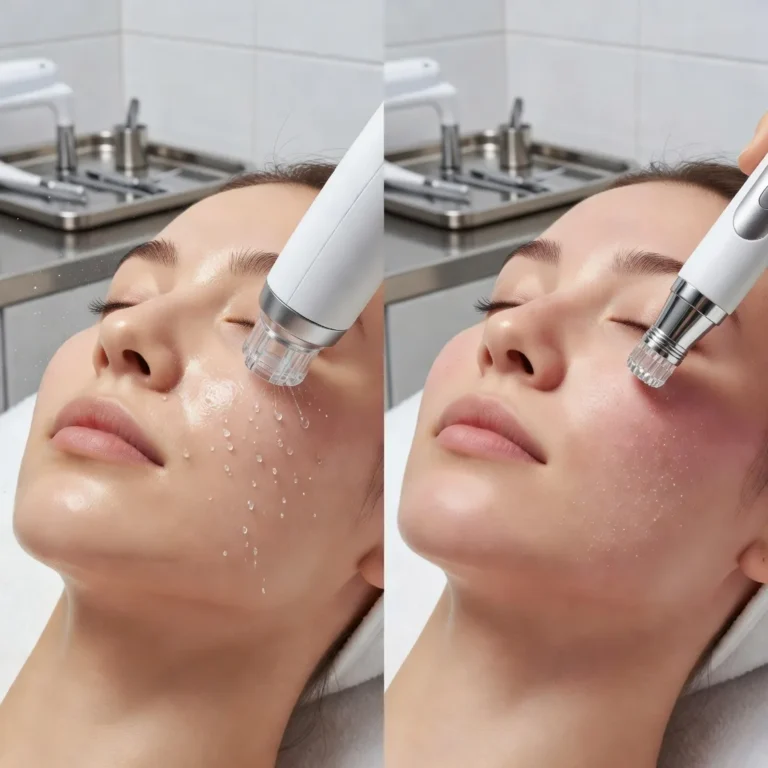
Medical spas offer treatments such as chemical peels, microneedling, laser and light therapies, and injectables alongside facials. They can deliver stronger results than a traditional spa, but the level of medical oversight varies widely.
Before booking, ask who owns and supervises the medspa, who will perform your treatment and what their training is. Stronger treatments carry greater risk of burns, pigment changes and scarring, especially on darker skin tones, if performed incorrectly.
Be cautious with deep peels, laser treatments or microneedling offered without a proper skin consultation or medical supervision. Ask about possible side effects, aftercare and who you can contact if something goes wrong. If a deal sounds too good to be true, check credentials carefully.
At-Home Facials: Best for Maintenance
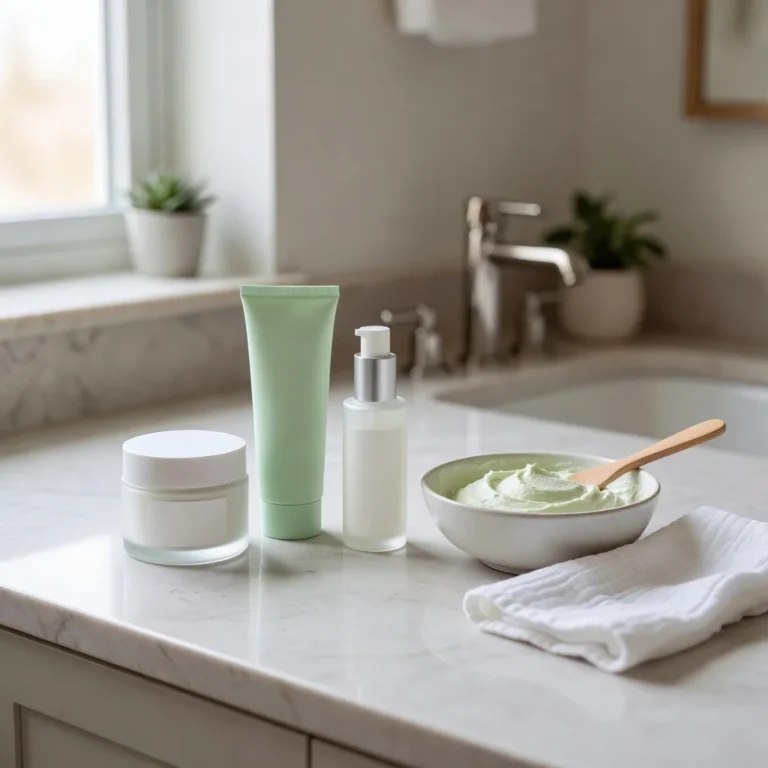
An at-home facial can be a relaxing, low-risk way to keep skin clean and hydrated between professional visits. The key is to stay gentle: home treatments should support the skin, not attempt to match professional peels or extractions.
The American Academy of Dermatology’s guide to exfoliating safely at home advises choosing an exfoliation method that suits your skin type, being gentle and exfoliating less often if your skin is sensitive or dark.
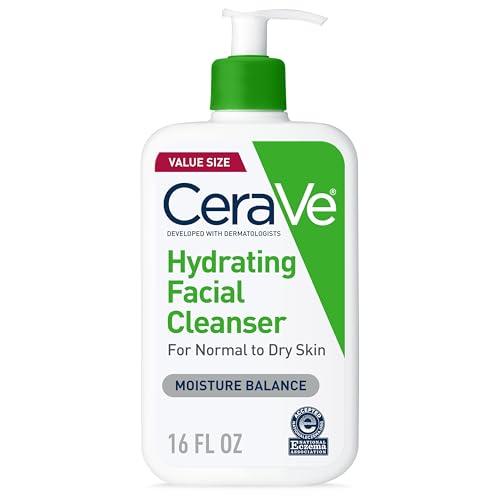
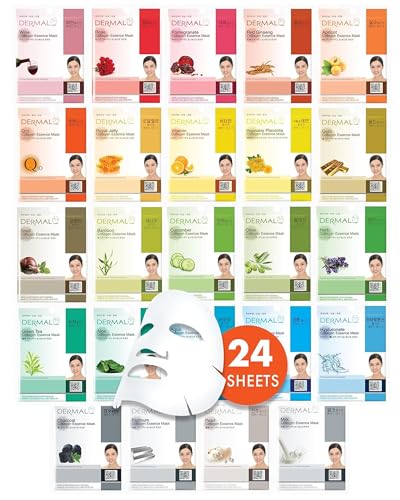
Keep home facials simple: cleanse, a short steam or warm cloth if your skin tolerates it, a mask suited to your skin type, a gentle massage and a fragrance-free moisturiser. Skip squeezing spots, which can cause marks and infection.
Choose home products carefully. Strong at-home peels, derma rollers and extraction tools can cause irritation, infection and marks when used without training, so gentle masks, a soft cleanser and a plain moisturiser are the safer foundation for a home facial.
Comparing Facial Venues Side by Side
The table below compares venues by general features rather than specific businesses. Prices vary widely by location, so compare local options directly.
| Factor | Spa | Salon | Medspa | Dermatologist | Home |
|---|---|---|---|---|---|
| Relaxation | High | Moderate | Moderate | Low to moderate | Depends |
| Treats skin conditions | Limited | Limited | Some | Yes | No |
| Strength of treatments | Gentle | Gentle | Moderate to strong | Gentle to strong | Gentle |
| Medical oversight | Usually none | Usually none | Varies | Yes | None |
| Best use | Pampering, glow | Quick refresh | Cosmetic upgrades | Diagnosed concerns | Upkeep |
How to Choose the Right Place for Your Facial
Use these steps to match your needs to the right venue.
Define your goal
Decide whether you want relaxation, general maintenance or help with a specific skin concern.
Match the venue
Choose a spa or salon for relaxation, a dermatologist for skin conditions and a supervised medspa for stronger cosmetic treatments.
Check credentials
Confirm the esthetician is licensed and, for medical treatments, who supervises them.
Ask for a consultation
A good provider will ask about your skin, medications, allergies and recent treatments.
Review hygiene
Look for clean rooms, fresh linens, single-use or sterilised tools and handwashing.
Clarify aftercare
Ask what to expect afterwards and what to avoid.
Start gently
Book a basic treatment first before trying stronger options.
Our guide on how to prepare for a facial explains what to do in the days before your appointment, such as pausing strong actives.
Questions to Ask Before You Book
- Who will perform my facial, and what is their training or licence?
- Is there a skin consultation before treatment?
- What products will you use, and are they suitable for sensitive skin?
- Will you do extractions, and how are tools cleaned?
- Are any peels or devices involved, and what are the side effects?
- What aftercare do you recommend?
How often you return depends on your skin and goals. Our article on how often to get a professional facial gives practical guidance for different skin types.
Dos and Don’ts
Good Habits
- Choose licensed professionals
- Mention allergies, medications and conditions
- Match the venue to your goal
- Ask about side effects and aftercare
- Keep home facials gentle
Common Mistakes
- Book a strong peel before a big event
- Accept treatment without a consultation
- Pick at spots after a facial
- Use retinoids or acids right before treatment without advice
- Ignore burning or unusual pain
If you use prescription retinoids, isotretinoin or other strong treatments, tell your provider. These can make skin more fragile and may mean some facial steps should be skipped.
Honest Limits
This guide describes typical differences between venues, but individual businesses vary enormously. An outstanding esthetician in a small salon may give a better facial than a rushed treatment at an expensive spa, and the level of supervision at medspas ranges from excellent to minimal.
It is also worth being realistic about what facials can do. A facial can cleanse, hydrate, gently exfoliate and help you relax, and skin often looks brighter afterwards. It cannot cure acne, erase deep wrinkles or permanently shrink pores on its own. Lasting improvements usually come from a consistent daily routine, sun protection and, where needed, medical treatment prescribed by a dermatologist.
Finally, prices and packages differ widely by location, so compare what is included, such as consultation time, extractions and aftercare advice, rather than just the headline cost.
When to See a Dermatologist
- You have acne, rosacea or eczema that does not improve with good home care.
- You notice new, changing or unusual spots or moles.
- Your skin reacts badly after a facial with swelling, blistering or pain.
- You want deeper treatments such as medium or deep peels or laser.
This article is general information and does not replace medical advice. Facial treatments vary between providers and regions. See a board-certified dermatologist for skin conditions, before stronger procedures, or if you have a reaction after any facial.
Frequently Asked Questions
Where is the best place to get a facial?
A spa for relaxation, a dermatologist for skin concerns.
Are dermatologist facials better than spa facials?
They are better for treating conditions; spas are better for relaxation.
Is a medspa safe?
It can be, if treatments are supervised by a qualified doctor.
Can a salon facial help acne?
It may help mild congestion but is not an acne treatment.
Are at-home facials worth it?
Yes, for gentle maintenance between visits.
What should I ask before booking?
Who performs it, their training, products and aftercare.
Can facials cause breakouts?
Some people break out after a facial, usually temporarily.
How often should I get a facial?
It depends on your skin; many people go every few weeks to months.
Should I tell them about medications?
Yes, especially retinoids and acne treatments.
Is a facial safe during pregnancy?
Gentle facials usually are; avoid strong peels and ask your doctor.
The Takeaway
The best place for a facial is the one that matches your goal: a spa or salon for relaxation, a dermatologist or supervised medspa for skin concerns, and your own bathroom for gentle upkeep.
Check credentials and hygiene, ask for a consultation, start gently and see a dermatologist when a skin problem needs more than a facial.

Written by
Registered pharmacist and founder of Facial Adviser. Rakib's pharmacy training covers how skincare actives work and interact; a later course in cosmetology turned that into a focus on facial treatments and skincare products. He plans, researches and edits every guide on the site and checks health claims against sources such as the American Academy of Dermatology, the FDA and the NIH. He is not a dermatologist; see the Editorial Policy and Medical Disclaimer.
About · Editorial policy · How we choose products · Medical disclaimer · Contact
Keep reading: Types of facials compared
- Facial Types: A Guide to 11 Popular Facials and How to Choose One
- Best Facial Treatment for Acne Scars: Options by Scar Type and Home Care
- Best Facial for Melasma: Gentle Treatments, What to Avoid and Home Care
- Best Facial for Blackheads and Large Pores: Which Treatment Actually Helps
- Best Facial for Acne-Prone Skin: Professional Options and Aftercare
- Soft Bumps on Face After a Facial Treatment: Purging, Milia or Irritation?
- Microneedling Facial: Real Results, Explained
- Is Hydrafacial a Gimmick? What Evidence Shows