Soft Bumps on Face After a Facial Treatment: Purging, Milia or Irritation?
You booked a facial for clearer, calmer skin, and a day or two later your face feels bumpy. Small, soft bumps after a facial are common and usually settle on their own within days, but they are not all the same thing, and the right aftercare depends on what is actually going on.
Part of our guide to facial treatments. Start with: Facial Types: A Guide to 11 Popular Facials and How to Choose One
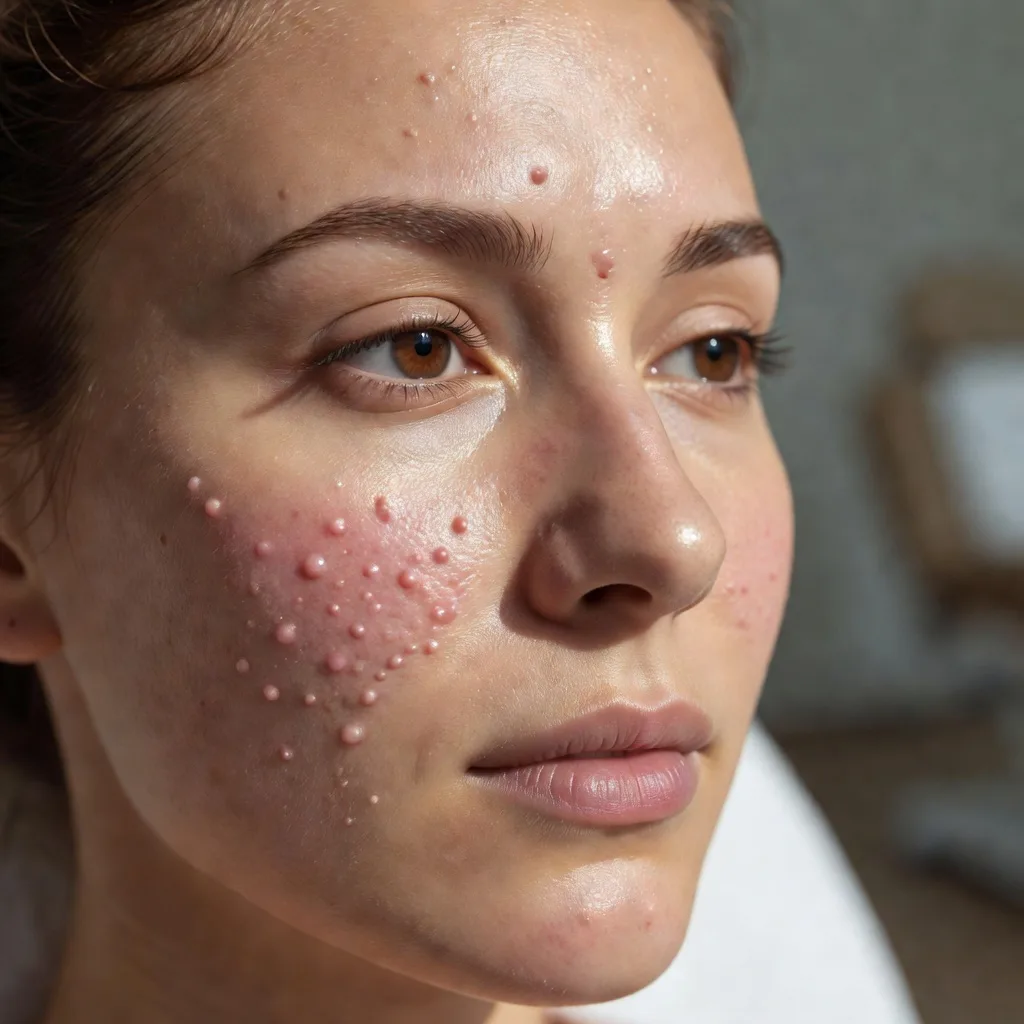
Soft bumps on the face after a facial treatment are most often caused by irritation, a short-term breakout or purging. Irritation from steam, extractions, massage or strong products causes small, even, skin-coloured or pink bumps that usually calm within a few days. Breakouts happen when heavy creams, oils or makeup block pores after treatment. Purging is a faster turnover of already-forming spots after an exfoliating peel or active ingredient, and it clears within a few weeks. Hard, white, pinhead bumps that do not go away are more likely milia, while itchy, pus-filled bumps around hair follicles may be folliculitis. Gentle care usually resolves them.
In short: most bumps after a facial are temporary irritation or breakouts; persistent, painful or spreading bumps need a professional look.
The American Academy of Dermatology advises keeping hands off spots and using gentle, non-comedogenic products, which is the backbone of good aftercare after any facial.
This guide explains how to tell the five common causes apart, how to care for your skin while it settles and when bumps are a reason to call a doctor.
Shopping these picks?
Amazon Prime members get fast, free shipping on eligible items, plus Prime Video, Amazon Music and member deals. New members can start with a free trial.
Start a free Prime trialAged 18 to 24? Prime for Young Adults comes with a longer free trial and a lower price after it.
Affiliate link: we may earn a commission at no extra cost to you.
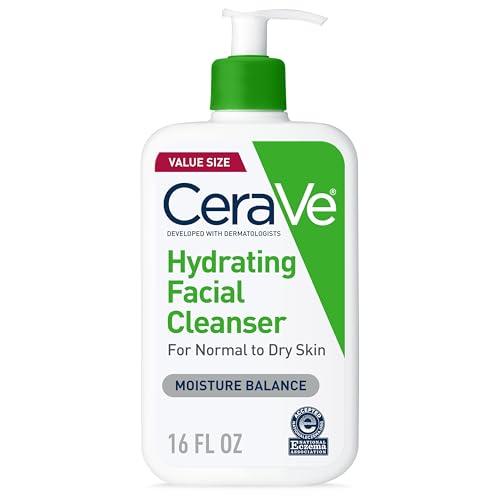
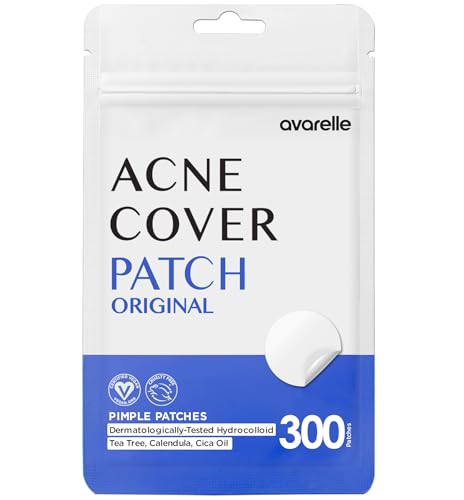
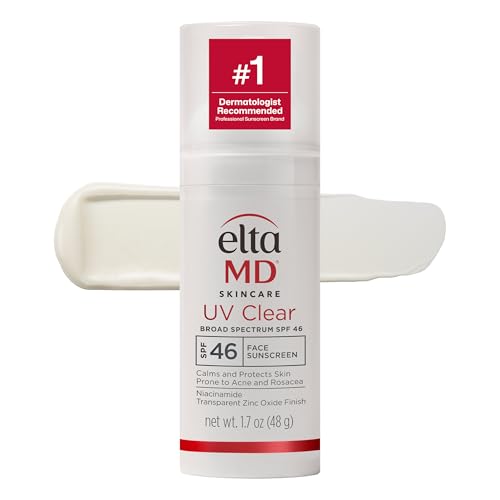
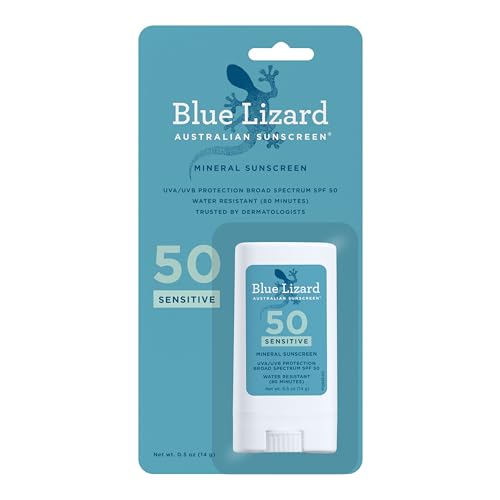
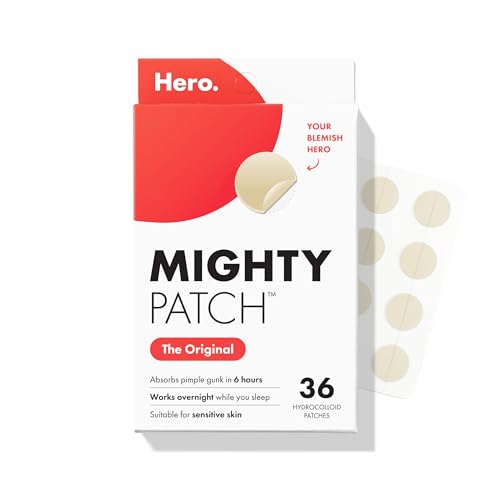
Recommended Aftercare Products for Bumps After a Facial


What This Covers
- Why You Get Bumps After a Facial
- Purging vs Breakouts vs Irritation vs Milia vs Folliculitis
- Irritation and Contact Reactions
- Purging and Breakouts
- Milia and Folliculitis
- How to Care for Bumpy Skin After a Facial
- Aftercare Products: What to Use and What to Skip
- Dos and Don’ts While Bumps Settle
- How to Prevent Bumps After Your Next Facial
- Honest Limits
- When to See a Dermatologist
- FAQ
- Summing Up
The Short Version
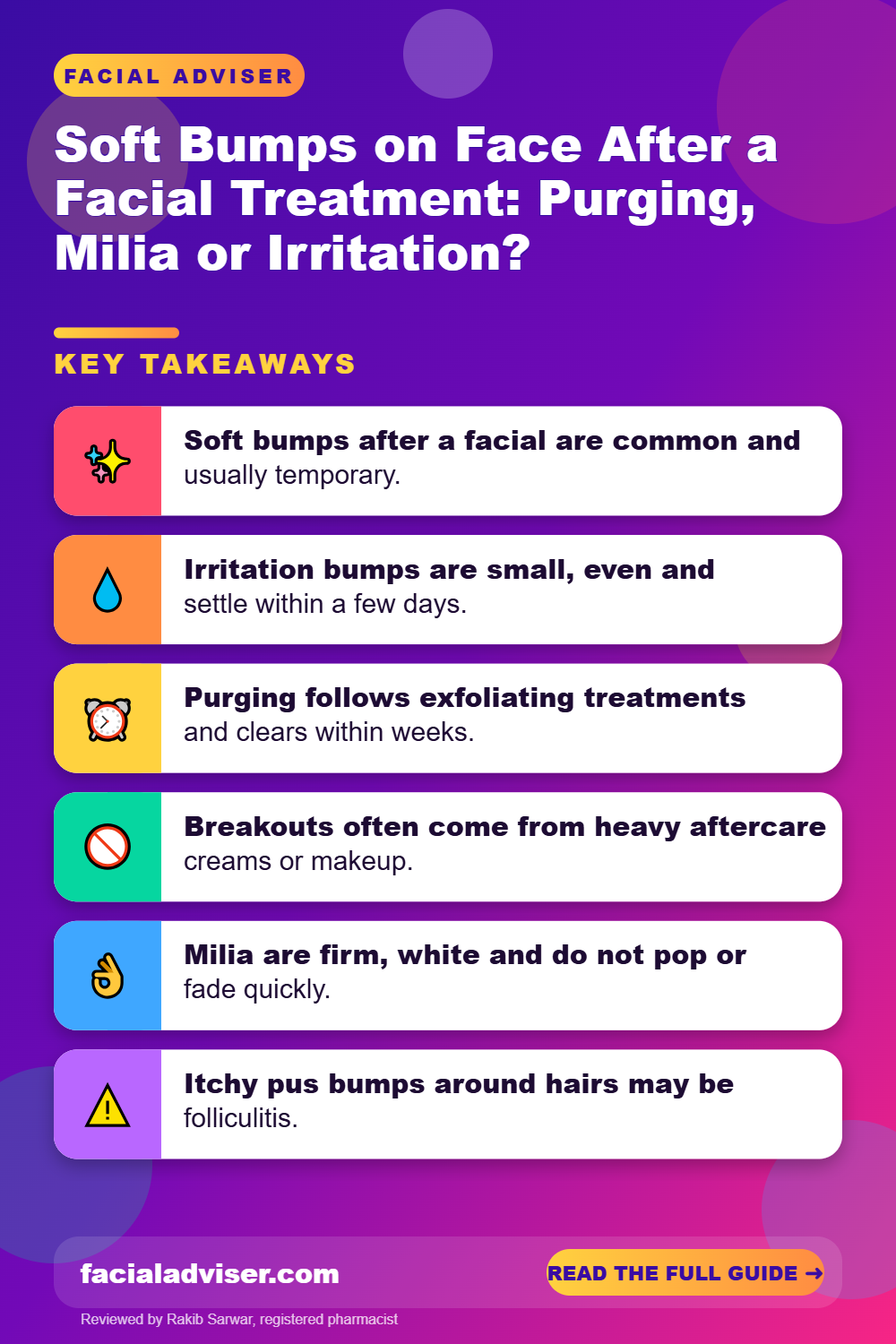
- Soft bumps after a facial are common and usually temporary.
- Irritation bumps are small, even and settle within a few days.
- Purging follows exfoliating treatments and clears within weeks.
- Breakouts often come from heavy aftercare creams or makeup.
- Milia are firm, white and do not pop or fade quickly.
- Itchy pus bumps around hairs may be folliculitis.
- Gentle cleansing, light moisturiser and sunscreen are the best aftercare.
Why You Get Bumps After a Facial
A facial can involve steaming, cleansing, exfoliating acids or scrubs, extractions, massage, masks and heavier creams, all in about an hour. Any of these can disturb pores or the skin barrier, especially if your skin is sensitive or it is your first treatment in a while.
- Steam and heat that open blood vessels and make skin reactive.
- Extractions that inflame pores and surrounding skin.
- Chemical peels or enzymes that speed up cell turnover.
- Rich massage oils or creams that can block pores.
- Fragrance or botanical extracts that some people react to.
- Touching the face, makeup or sweating soon after treatment.
Our guide on whether you will break out after a facial explains why the first treatment is often the bumpiest.
Purging vs Breakouts vs Irritation vs Milia vs Folliculitis
Looking closely at where the bumps are, how they feel and when they appeared usually narrows down the cause. Check them in good daylight and gently run a clean fingertip over the area: irritation feels like fine, even texture, while milia feel like tiny hard grains under the surface.
| Cause | How the bumps look and feel | When they appear | How long they last |
|---|---|---|---|
| Irritation | Small, soft, pink or skin-coloured, even spread, may sting | Within hours to a day | A few days |
| Purging | Small whiteheads and spots in your usual breakout areas | A few days after a peel or active | Two to four weeks |
| Breakout | Spots in new areas, often where heavy cream was used | Two to five days | One to two weeks per spot |
| Milia | Firm, white, pinhead cysts, no redness | Days to weeks after rich products | Weeks to months without removal |
| Folliculitis | Itchy or tender red bumps with pus, centred on hairs | A few days after steam or hair removal | Days to weeks, needs care |
Purging only happens with treatments that speed up skin turnover, such as acid peels or retinoids. A basic cleansing facial with steam and massage does not cause purging, so new spots after one are more likely a breakout or irritation.
Irritation and Contact Reactions
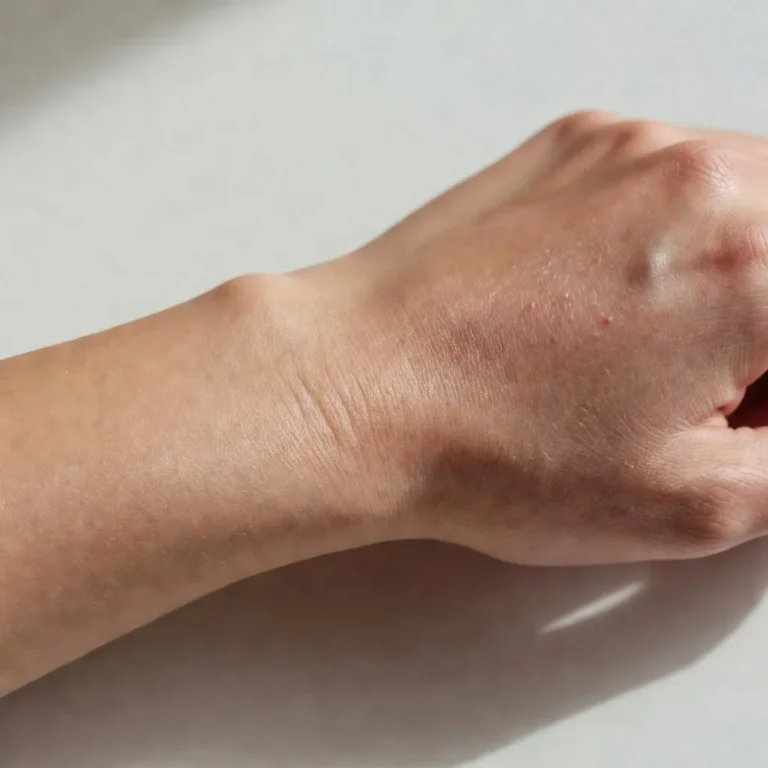
Irritation is the most common reason for soft bumps straight after a facial. The skin looks slightly swollen and textured, sometimes with a fine rash, and may feel warm, tight or itchy. It usually peaks within a day and fades steadily as the barrier recovers.
An allergic contact reaction is less common but more stubborn. It tends to be itchy, can spread beyond where products were applied and may worsen for a couple of days rather than improve. Fragrance, essential oils and some preservatives are frequent triggers. If you suspect an allergy, ask the salon for the full ingredient list of what was used, so you can avoid it next time and show it to a doctor if needed.
If itching is your main symptom, our guide on why your face itches after a facial covers the likely culprits and how to calm them.
Purging and Breakouts
Purging and breakouts look alike, but the timing and location differ. Purging appears in areas where you usually get spots, comes on quickly after an exfoliating treatment and clears faster than your typical spots. It happens because the treatment brings forming spots to the surface sooner.
A breakout after a basic facial more often appears in new places, such as the cheeks or jaw where heavy massage cream sat. It can also follow extractions, when bacteria are pushed deeper, or wearing makeup too soon. Either way, the spots behave like ordinary acne and heal the same way, so treat them gently rather than aggressively.
- Keep your routine simple for at least a week.
- Avoid heavy oils, balms and thick creams for a few days.
- Use a hydrocolloid patch on individual spots instead of squeezing.
- Do not add new actives while skin is settling.
- Tell your therapist next time which products seemed to cause spots.
Milia and Folliculitis
Milia are tiny, firm, white cysts of trapped keratin. They are not pus and cannot be squeezed out safely at home. They are more likely after using rich creams around the eyes and cheeks, or after skin trauma. Many clear slowly on their own; stubborn ones can be removed by a dermatologist or trained professional with a sterile needle.
Folliculitis is inflammation of hair follicles, sometimes from bacteria and occasionally from yeast. It looks like small red bumps or pustules with a hair at the centre, can be itchy or tender, and is more common after steam, waxing, threading or dermaplaning in the same session. Mild cases often settle with gentle cleansing, loose clothing on the face and neck, and no shaving over the area for a few days. Bumps that keep spreading, keep returning or become painful may need an antibacterial or antifungal treatment, and a doctor can tell which type you have.
Never try to pick out milia or squeeze folliculitis bumps with fingers, pins or extractors. This can cause infection, spread folliculitis and leave scars or dark marks, especially on medium and deep skin tones.
How to Care for Bumpy Skin After a Facial
Most bumps settle faster when you do less. Use this simple aftercare plan for the first week.
Stop all actives
Pause retinoids, acids, vitamin C and scrubs for five to seven days.
Cleanse gently
Wash twice a day with lukewarm water and a mild, fragrance-free cleanser, patting dry.
Moisturise lightly
Apply a fragrance-free, non-comedogenic moisturiser to support the barrier.
Cool if hot or itchy
Use a clean cloth soaked in cool water for a few minutes.
Patch individual spots
Place hydrocolloid patches on any pimples that form.
Protect from sun
Use a mineral sunscreen every morning and stay out of strong sun.
Keep your hands off
Avoid touching, picking, makeup and heavy sweating for a day or two.
Wash pillowcases and use a fresh face towel each day while bumps settle. It is a simple step that reduces bacteria on skin that has just had pores opened and extracted.
Aftercare Products: What to Use and What to Skip
Aftercare should protect and calm, not treat. Keep ingredient lists short while skin recovers. The fewer products you apply, the easier it is to spot what helps and what makes things worse.
| Use | Why | Skip for now | Why |
|---|---|---|---|
| Gentle cleanser | Cleans without stripping | Foaming or scrubbing cleansers | Strip the barrier |
| Fragrance-free moisturiser | Supports repair | Rich oils and balms | Can block pores |
| Hydrocolloid patches | Protect spots from picking | Spot treatments with strong acids | Sting inflamed skin |
| Mineral sunscreen | Gentle UV protection | Fragranced sunscreens | May irritate |
| Cool water compress | Soothes heat and itch | Hot water and saunas | Increase redness |
The AAD’s guide on how to apply sunscreen covers how much to use. Our guide on what not to do after a facial lists other habits to avoid.
Dos and Don’ts While Bumps Settle
A few habits make the difference between bumps that fade in days and bumps that linger. Most of them simply mean giving freshly treated skin a quiet week.
Try This
- Keep your routine to cleanser, moisturiser and sunscreen.
- Take photos to track whether bumps are improving.
- Sleep on a clean pillowcase.
- Tell your therapist about reactions before your next booking.
- Patch test new products for future facials.
Avoid This
- Do not squeeze, pick or scratch bumps.
- Do not book another facial or peel until skin is calm.
- Do not use saunas, steam rooms or hot yoga for a few days.
- Do not apply heavy makeup straight after treatment.
- Do not start new actives to try to clear bumps quickly.
How to Prevent Bumps After Your Next Facial
You cannot rule out every reaction, but you can lower the odds a lot with a quick conversation before treatment.
- Tell your therapist if you are acne-prone, sensitive or use retinoids.
- Ask for lighter, non-comedogenic products and less oil during massage.
- Ask for fewer or gentler extractions if you usually break out afterwards.
- Avoid combining waxing or dermaplaning with steam in the same session.
- Book facials at least a week before important events.
Choose a facial that suits your skin type rather than the most intensive option on the menu. If you are prone to breakouts, a gentle cleansing or hydrating facial is usually a safer choice than a heavy massage facial with rich creams. If you have had milia before, ask for lighter products around the eyes. Leave at least a week between a facial and starting any new retinoid or acid at home, so that you can tell which one is responsible if your skin reacts.
Honest Limits
It is not always possible to tell the cause of bumps by looking at them online or in the mirror, and more than one can happen at once. The descriptions here are general patterns, not a diagnosis.
Some reactions, such as allergic contact dermatitis or bacterial folliculitis, may need prescription creams or tests to settle properly. Milia do not respond well to home exfoliation and often need professional removal. Aftercare products support recovery but cannot speed it up dramatically; for most people, time and a gentle routine are what actually clear the bumps. Be sceptical of products sold as post-facial rescue treatments that promise to remove bumps overnight. Adding more products to reactive skin is one of the most common reasons bumps last longer than they should.
When to See a Dermatologist
- Bumps are getting worse after three or four days rather than better.
- There is spreading redness, swelling, warmth or pain.
- You develop a fever or feel unwell.
- Bumps are filled with pus, crusting or weeping.
- Bumps last longer than two weeks or leave marks.
- Your eyes, lips or face swell after treatment.
This article is for general information and does not replace professional medical advice. Seek urgent care for facial swelling, difficulty breathing or signs of infection, and see a board-certified dermatologist for bumps that persist or worsen.
FAQ
Is it normal to have bumps after a facial?
Yes, mild bumps are common and usually settle in days.
How long does purging last after a facial?
Usually two to four weeks after an exfoliating treatment.
Can a basic facial cause purging?
No, purging follows turnover-boosting treatments only.
What are white hard bumps after a facial?
They are often milia, which need professional removal.
Why are my bumps itchy?
Irritation, allergy or folliculitis are the usual causes.
Should I exfoliate the bumps away?
No, pause exfoliation until skin calms.
Can I wear makeup with bumps after a facial?
Wait at least a day and keep it light.
Do pimple patches help after a facial?
Yes, they protect spots and stop picking.
Should I use sunscreen after a facial?
Yes, a gentle mineral sunscreen every day.
When are bumps after a facial serious?
When they spread, hurt, ooze or come with fever.
Summing Up
Soft bumps on your face after a facial are usually irritation, a short-lived breakout or purging, and they tend to clear with a simple, gentle routine and time.
Keep hands off, pause actives, use a fragrance-free moisturiser and mineral sunscreen, and see a doctor if bumps spread, hurt, ooze or linger beyond two weeks.

Written by
Registered pharmacist and founder of Facial Adviser. Rakib's pharmacy training covers how skincare actives work and interact; a later course in cosmetology turned that into a focus on facial treatments and skincare products. He plans, researches and edits every guide on the site and checks health claims against sources such as the American Academy of Dermatology, the FDA and the NIH. He is not a dermatologist; see the Editorial Policy and Medical Disclaimer.
About · Editorial policy · How we choose products · Medical disclaimer · Contact
Keep reading: Types of facials compared
- Acne Facial: Does It Really Work?
- Facial Treatment Facial Benefits: What's Real
- Basic Facial Cleanup: What It Actually Involves
- Facial Types: A Guide to 11 Popular Facials and How to Choose One
- Why Have a Facial? The Real Reasons
- What Is the Best Anti-Aging Facial Treatment? Options Compared by Goal
- What Is a Spa Facial?