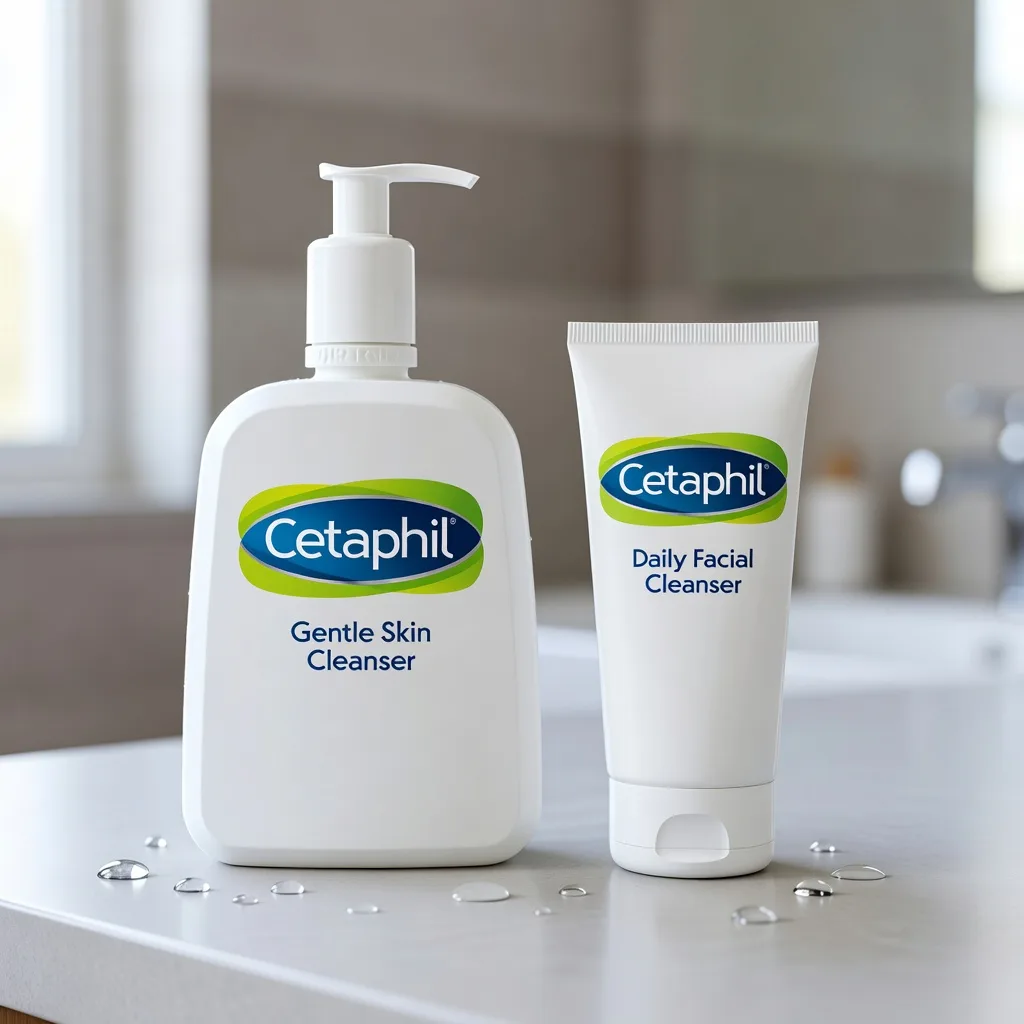
Cetaphil Gentle Skin Cleanser vs Daily Facial Cleanser: Which Should You Use?
Cetaphil is one of the best-known drugstore skincare brands, and two of its cleansers are especially popular: the Gentle Skin Cleanser and the Daily Facial Cleanser. They sit side by side on the shelf, both are fragrance-free and both are marketed for sensitive skin, so it is easy to wonder whether it matters which one you buy. It does, because they are designed for different skin types.
Part of our guide to skincare products. Start with: 10 Best Facial Cleansers for Combination Skin (2026): Balanced Picks
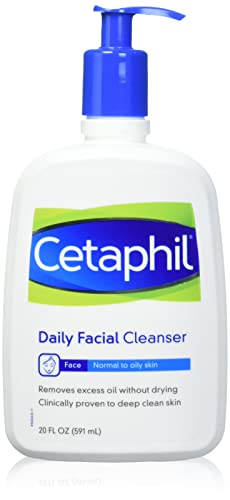
Cetaphil Gentle Skin Cleanser is a creamy, low-foaming lotion cleanser designed for dry, sensitive and easily irritated skin, and it can be used with or without water. Cetaphil Daily Facial Cleanser is a gel cleanser that lathers into a light foam and is designed for combination to oily skin, removing more oil and makeup. If your skin often feels tight, dry or reactive, the Gentle Skin Cleanser is usually the better fit. If your skin gets shiny by midday or you wear makeup and sunscreen daily, the Daily Facial Cleanser is usually the better choice.
In short, the Gentle Skin Cleanser prioritises comfort, while the Daily Facial Cleanser prioritises a cleaner, fresher feel on oilier skin.
The American Academy of Dermatology recommends washing with a gentle, non-abrasive cleanser and lukewarm water. A 2026 randomised study in the International Journal of Cosmetic Science found that cleansing the face with cool rather than warm water helped preserve the skin barrier while removing makeup effectively, which is useful whichever cleanser you choose.
This guide compares the two cleansers, explains who each suits and shows how to build a simple routine around them.
Shopping these picks?
Amazon Prime members get fast, free shipping on eligible items, plus Prime Video, Amazon Music and member deals. New members can start with a free trial.
Start a free Prime trialAged 18 to 24? Prime for Young Adults comes with a longer free trial and a lower price after it.
Affiliate link: we may earn a commission at no extra cost to you.
Recommended Cleansers and Routine Essentials

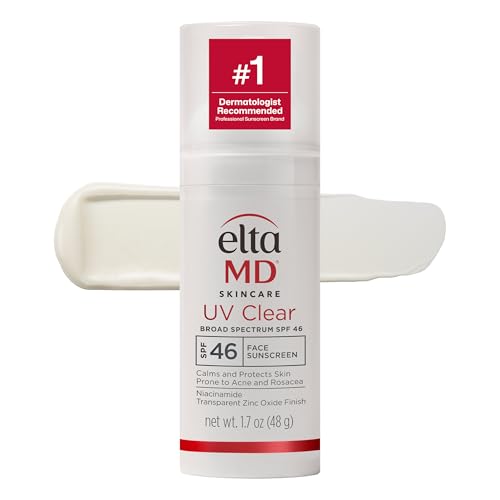

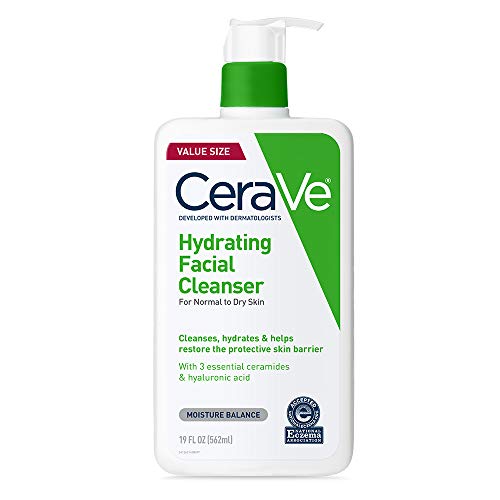
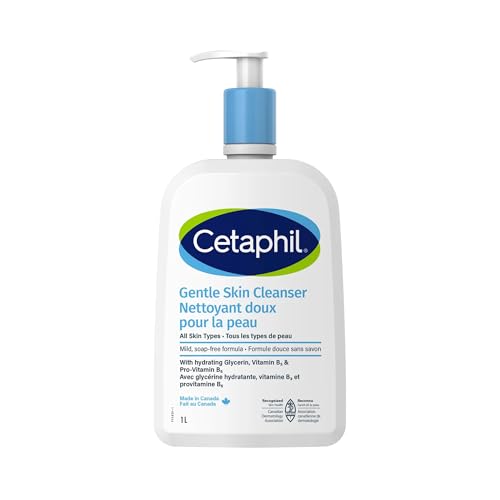

At a Glance
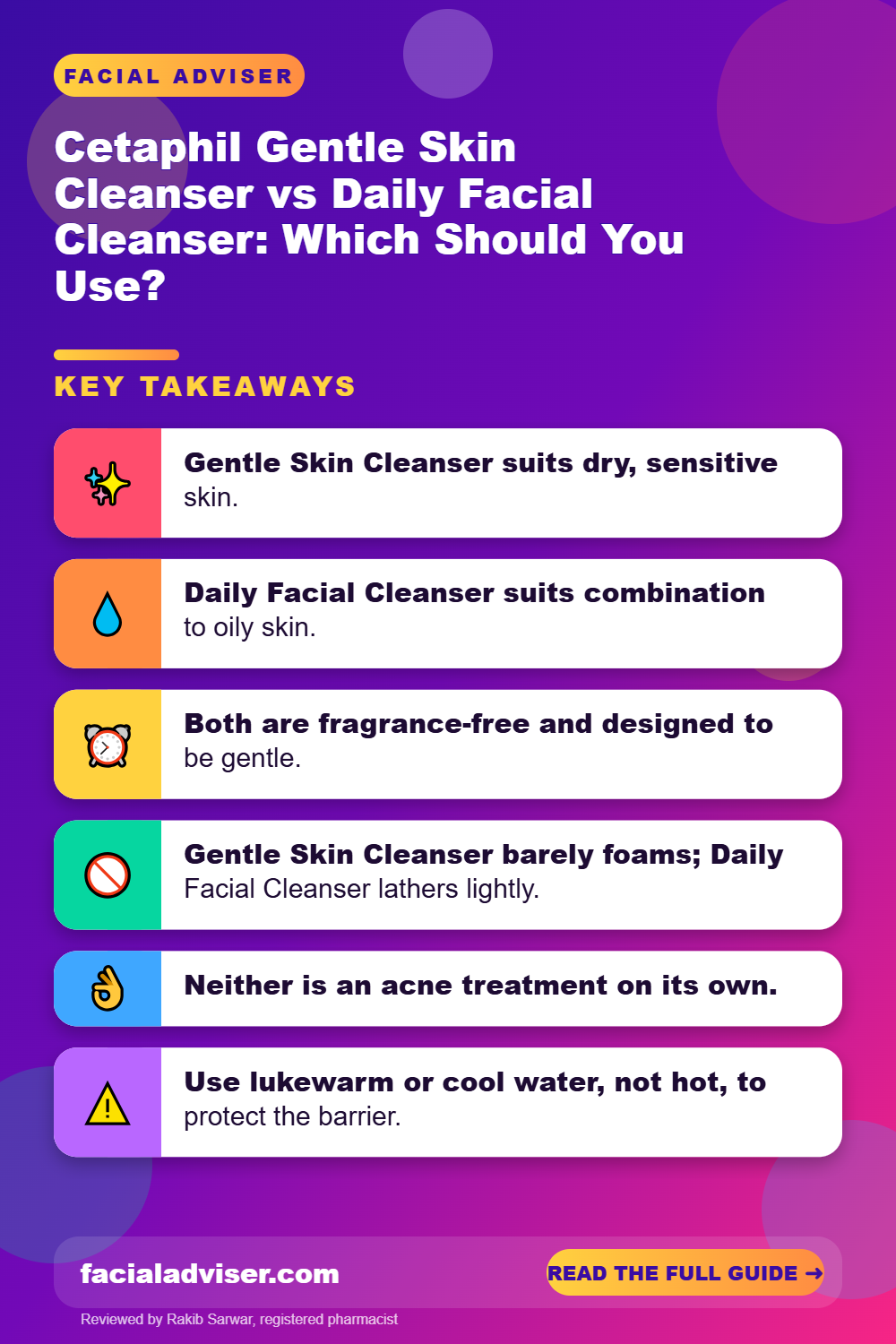
- Gentle Skin Cleanser suits dry, sensitive skin.
- Daily Facial Cleanser suits combination to oily skin.
- Both are fragrance-free and designed to be gentle.
- Gentle Skin Cleanser barely foams; Daily Facial Cleanser lathers lightly.
- Neither is an acne treatment on its own.
- Use lukewarm or cool water, not hot, to protect the barrier.
- Follow cleansing with moisturiser and daily sunscreen.
In This Guide
- Gentle Skin Cleanser vs Daily Facial Cleanser at a Glance
- Cetaphil Gentle Skin Cleanser: Who It Suits
- Cetaphil Daily Facial Cleanser: Who It Suits
- How to Wash Your Face Properly
- How to Choose the Right Cetaphil Cleanser
- Building a Simple Routine Around Your Cleanser
- Common Cleansing Mistakes
- Alternatives to Consider
- Adjusting Your Cleanser Through the Year
- Dos and Don’ts
- Honest Limits
- When to See a Dermatologist
- Frequently Asked Questions
- Final Word
Gentle Skin Cleanser vs Daily Facial Cleanser at a Glance
Here are the practical differences between the two cleansers.
| Feature | Gentle Skin Cleanser | Daily Facial Cleanser |
|---|---|---|
| Texture | Creamy lotion | Clear to light gel |
| Foam | Very little | Light lather |
| Best for | Dry, sensitive, easily irritated skin | Combination to oily, sensitive skin |
| After-wash feel | Soft, sometimes slightly filmy | Fresh and clean |
| Makeup and sunscreen removal | Light makeup; may need a first cleanse for heavy makeup | Removes more oil and light to moderate makeup |
| Use without water | Yes, can be wiped off | No, rinse off |
| Where to use | Face and body | Mainly face |
Both cleansers are widely recommended as simple, fragrance-free options, and neither contains harsh scrubbing particles. The choice mostly comes down to how oily or dry your skin feels through the day.
Cetaphil Gentle Skin Cleanser: Who It Suits
The Gentle Skin Cleanser is one of the longest-standing products in the Cetaphil range. It is a mild, low-foaming lotion that cleans without leaving skin feeling stripped, which is why it is popular with people who have dry, sensitive or eczema-prone skin and those using drying treatments such as retinoids.
Because it barely lathers, some people feel it does not clean deeply enough, especially if they wear heavy makeup or water-resistant sunscreen. In that case, using a makeup remover or micellar water first and then the Gentle Skin Cleanser works well.
The Gentle Skin Cleanser can be used without water by massaging it in and wiping it away with a soft cloth. This can be handy for very dry or sensitive skin, but rinsing is usually better if you wear makeup or sunscreen.
If you are unsure whether a creamy or foaming cleanser suits you, our guide on hydrating versus foaming facial cleansers explains the difference in more detail.
Cetaphil Daily Facial Cleanser: Who It Suits
The Daily Facial Cleanser is a gel formula that lathers into a light foam. It is aimed at combination to oily skin that still needs gentle care, removing excess oil, dirt and light to moderate makeup while leaving skin feeling fresh.
- Good for skin that looks shiny by midday.
- Useful for people who wear makeup or sunscreen every day.
- Suits many people with mild, occasional breakouts.
- May feel too drying for very dry or eczema-prone skin, especially in winter.
If you have oily or acne-prone skin, a gentle foaming cleanser like this is often a good base. Active breakouts, however, usually need treatment ingredients such as salicylic acid, benzoyl peroxide or a retinoid rather than a stronger cleanser. The American Academy of Dermatology offers practical tips on how to control oily skin.
How to Wash Your Face Properly
Using the right cleanser matters, but so does how you use it. The American Academy of Dermatology’s face washing guide recommends a gentle, non-abrasive cleanser, lukewarm water and fingertips rather than rough washcloths or scrubbing.
Wet your face
Use lukewarm or cool water, not hot.
Apply a small amount of cleanser
A pea- to coin-sized amount is usually enough.
Massage gently
Use fingertips in small circles for about 30 to 60 seconds.
Rinse thoroughly
Make sure no cleanser is left along the hairline or jaw.
Pat dry
Use a clean, soft towel and avoid rubbing.
Moisturise straight away
Apply moisturiser while skin is still slightly damp.
Finish with sunscreen in the morning
Use broad-spectrum SPF 30 or higher daily.
A randomised controlled study published in the International Journal of Cosmetic Science and available on PubMed compared cool and warm water for routine facial cleansing and concluded that cool water helped preserve skin barrier integrity, while both approaches removed makeup effectively.
How to Choose the Right Cetaphil Cleanser
Use this quick guide to match the cleanser to your skin.
| Your skin | Better choice | Why |
|---|---|---|
| Dry or flaky | Gentle Skin Cleanser | Cleans without stripping moisture |
| Sensitive or easily irritated | Gentle Skin Cleanser | Very mild, low-foam formula |
| Combination | Either, or both | Daily Facial in summer or morning; Gentle in winter or evening |
| Oily and shiny | Daily Facial Cleanser | Removes more oil and leaves a fresh feel |
| Using retinoids or acne treatments | Gentle Skin Cleanser | Helps offset dryness from actives |
| Heavy makeup wearer | Daily Facial Cleanser or double cleanse | Removes more product |
Many people with combination skin keep both: the Daily Facial Cleanser for mornings or hot weather, and the Gentle Skin Cleanser for evenings, winter or days when skin feels irritated.
Our guide on pre-cleanse oils versus micellar water explains how to add a first cleanse when you wear heavier makeup.
Building a Simple Routine Around Your Cleanser
A cleanser only removes dirt, oil and product; the rest of your routine does the protecting and treating.
- Morning: cleanse (or simply rinse if skin is very dry), apply moisturiser, then broad-spectrum sunscreen.
- Evening: remove makeup and sunscreen if needed, cleanse, apply any treatment such as a retinoid or exfoliant, then moisturiser.
- Oily skin: a lightweight, non-comedogenic moisturiser still helps keep the barrier healthy.
- Dry skin: a richer cream in the evening can reduce tightness and flaking.
Introduce new active ingredients one at a time, and give each a few weeks before judging it. If your skin starts stinging after washing, it may be a sign the barrier needs a break. Our guide on how to repair your moisture barrier explains what to do.
Common Cleansing Mistakes
Even a gentle cleanser can cause problems if it is used the wrong way.
- Washing too often: twice a day is enough for most people, plus after heavy sweating.
- Using hot water: it can strip oils and leave skin tight and red.
- Scrubbing hard or using rough cloths: this irritates the skin barrier.
- Not removing sunscreen and makeup properly: leftover product can clog pores.
- Switching products constantly: skin needs time to adjust to a routine.
Stop using any cleanser that causes burning, persistent redness, swelling or a rash. Fragrance-free products can still trigger reactions in some people. If symptoms continue after stopping, see a dermatologist.
If you are prone to breakouts, look for products labelled non-comedogenic and be patient: most acne treatments take several weeks to show results.
Alternatives to Consider
Cetaphil is far from the only gentle option. Many drugstore brands make fragrance-free cream, gel and foaming cleansers that suit similar skin types, and it can be worth trying another if a Cetaphil formula does not agree with you.
People with oily or acne-prone skin sometimes pair a gentle cleanser with a separate leave-on salicylic acid exfoliant a few times a week rather than using a medicated wash every day. People with very dry skin may prefer a cream or hydrating cleanser with ingredients such as ceramides or glycerin.
When comparing cleansers, focus on how your skin feels 30 minutes after washing. Comfortable, not tight and not greasy, is the goal. Give any new cleanser at least two weeks of consistent use before deciding, unless it causes stinging or redness, and change only one product at a time so you can tell what is making the difference.
Adjusting Your Cleanser Through the Year
Skin rarely behaves the same way all year. Cold air and indoor heating in winter tend to make skin drier and more sensitive, while heat and humidity in summer often increase oil and sweat. Many people find the cleanser that felt perfect in July leaves their skin tight in January.
A practical approach is to watch how your face feels about 30 minutes after washing. If it feels tight, dry or itchy, switch to a creamier cleanser such as the Gentle Skin Cleanser, cleanse only once a day or simply rinse with water in the morning. If it feels greasy again quickly or pores look congested, a light foaming cleanser such as the Daily Facial Cleanser may suit better for that season.
Travel, a new climate, hormonal changes and new treatments such as retinoids can all shift what your skin needs. Rather than overhauling your whole routine, changing just the cleanser is often enough to restore comfort, and keeping both options on hand makes that easy.
Dos and Don’ts
Helps
- Choose a cleanser for your skin type
- Use lukewarm or cool water
- Cleanse twice daily at most
- Moisturise straight after
- Wear sunscreen every morning
Backfires
- Scrub your face hard
- Use hot water
- Expect a cleanser to cure acne
- Leave makeup on overnight
- Keep using a cleanser that stings
Honest Limits
Both cleansers are simple, well-tolerated basics, but a cleanser stays on the skin for only a minute or so, so it cannot do much to treat acne, pigmentation or wrinkles. Those concerns need leave-on treatments or professional care.
Formulas can also change over time, so check the current ingredient list if you have known allergies or sensitivities. If your skin stays dry, oily or irritated despite a gentle routine, a dermatologist can help identify the cause and recommend suitable products.
When to See a Dermatologist
- Your skin stings, burns or develops a rash after washing.
- Acne is persistent, painful or leaving marks.
- Dryness, flaking or redness does not improve with a gentle routine.
- You are unsure which products suit a skin condition such as eczema or rosacea.
This article is for general information and does not replace professional medical advice. Consult a board-certified dermatologist if you have a skin condition or persistent skin concerns.
Frequently Asked Questions
What is the difference between Cetaphil Gentle Skin Cleanser and Daily Facial Cleanser?
Gentle Skin Cleanser is a low-foam lotion for dry, sensitive skin; Daily Facial Cleanser is a foaming gel for combination to oily skin.
Which Cetaphil cleanser is best for oily skin?
The Daily Facial Cleanser is usually the better fit.
Which Cetaphil cleanser is best for dry skin?
The Gentle Skin Cleanser is usually the better fit.
Can I use Cetaphil Gentle Skin Cleanser without water?
Yes, it can be wiped off, though rinsing is better if you wear makeup.
Does Cetaphil Daily Facial Cleanser remove makeup?
It removes light to moderate makeup; heavy makeup may need a first cleanse.
Are Cetaphil cleansers good for acne?
They make a gentle base, but acne usually needs treatment ingredients.
Can I use both cleansers?
Yes, many people with combination skin alternate them.
Is Cetaphil good for sensitive skin?
Both are fragrance-free and designed for sensitive skin, though anyone can react.
How often should I wash my face?
Usually twice a day and after heavy sweating.
Should I use hot or cold water?
Lukewarm or cool water is gentler on the skin barrier.
Final Word
Cetaphil Gentle Skin Cleanser is a low-foam lotion best for dry and sensitive skin, while the Daily Facial Cleanser is a light foaming gel better for combination and oily skin.
Choose based on how your skin feels through the day, wash gently with lukewarm or cool water, and follow with moisturiser and daily sunscreen.

Written by
Registered pharmacist and founder of Facial Adviser. Rakib's pharmacy training covers how skincare actives work and interact; a later course in cosmetology turned that into a focus on facial treatments and skincare products. He plans, researches and edits every guide on the site and checks health claims against sources such as the American Academy of Dermatology, the FDA and the NIH. He is not a dermatologist; see the Editorial Policy and Medical Disclaimer.
About · Editorial policy · How we choose products · Medical disclaimer · Contact
Keep reading: Cleansers and face wash
- 10 Best Facial Cleansers for Combination Skin (2026): Balanced Picks
- Facial Wash vs Facial Scrub: Which Does Your Skin Actually Need?
- Hydrating vs Foaming Cleanser: How to Pick the Right Face Wash
- 10 Best Facial Cleansers for Very Dry Skin (2026): Clean Without Tightness
- 10 Best Facial Wipes for Sensitive Skin (2026): Gentle, Fragrance-Free
- 10 Best Facial Cleansers for Acne (2026): Clearer Skin Without the Sting
- 10 Best Face Masks for Every Skin Type (2026): Clay, Gel and Sheet
- What Does a Facial Toner Do? The Real Answer