Benefits of Facial Yoga: What Science Actually Shows
Facial yoga has become one of the most popular do-it-yourself anti-aging trends, with short daily routines promising lifted cheeks, a firmer jawline and fewer lines, all without needles or devices. The appeal is obvious: it is free, takes a few minutes and feels like taking control. The harder question is how much of it is backed by evidence.
Part of our guide to at-home facial devices. Start with: 10 Best Gua Sha Facial Tools (2026): Stone and Steel Picks Compared
Facial yoga is a set of exercises, stretches and self-massage techniques for the muscles of the face and neck. Small studies suggest that regular practice over several weeks may change how facial muscles behave and may lead to modest improvements in the appearance of the cheeks, but the research so far involves few participants, short follow-up and often no control group. Facial yoga is low risk and can be a pleasant habit, but it is not proven to erase wrinkles or replace sun protection, retinoids or medical treatments.
In short, facial yoga is a promising but unproven habit: reasonable to try if you enjoy it, as long as expectations stay realistic.
A 2025 pre-experimental trial in Medicina followed 12 middle-aged women through 8 weeks of intensive face yoga and found measurable changes in the tone, stiffness and elasticity of several facial muscles, while calling for larger studies. An earlier study published in JAMA Dermatology in 2018 also examined whether facial exercise was associated with the appearance of aging.
This guide explains what the evidence shows, which benefits are plausible, how to try a safe routine and how to judge whether it is working for you.
Shopping these picks?
Amazon Prime members get fast, free shipping on eligible items, plus Prime Video, Amazon Music and member deals. New members can start with a free trial.
Start a free Prime trialAged 18 to 24? Prime for Young Adults comes with a longer free trial and a lower price after it.
Affiliate link: we may earn a commission at no extra cost to you.
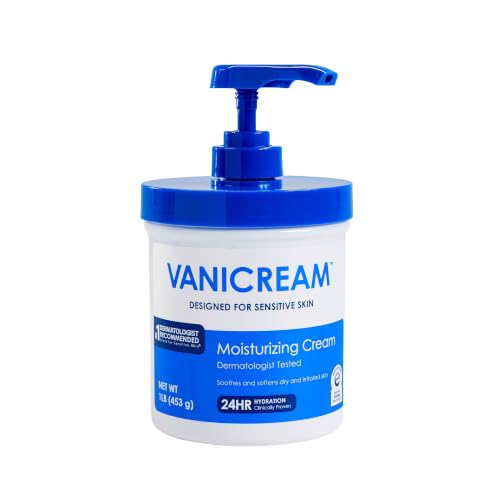
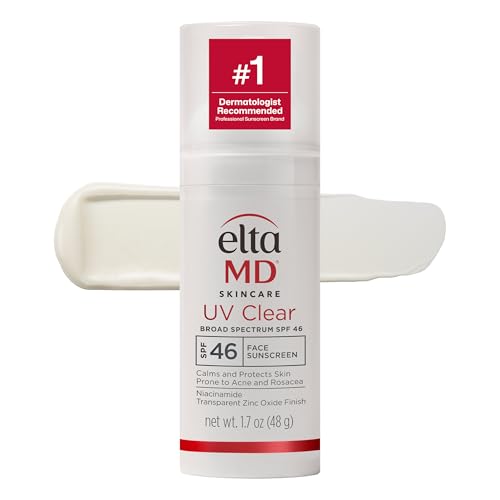
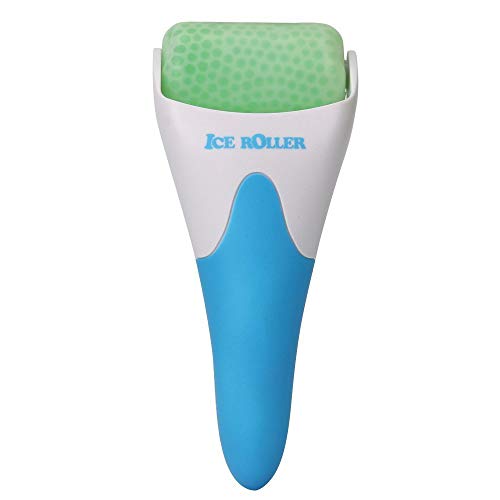
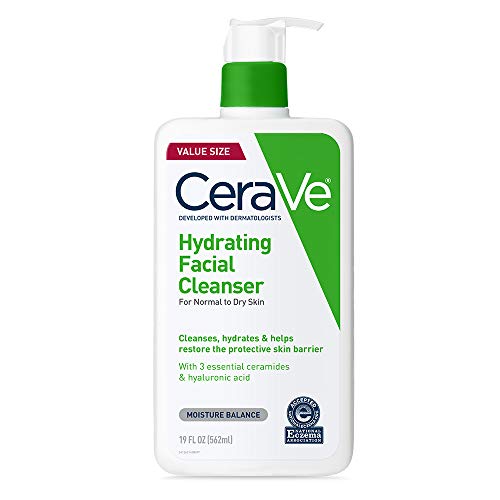
Recommended Tools and Products for a Facial Yoga Routine


Contents
- What the Research Actually Shows
- How Facial Yoga Is Supposed to Work
- Which Benefits Are Realistic?
- How to Start a Facial Yoga Routine
- Safety and Who Should Be Careful
- Can Facial Yoga Cause Wrinkles?
- Facial Yoga Compared With Other Anti-Aging Options
- Pairing Facial Yoga With a Skincare Routine
- Do You Need Tools?
- Dos and Don’ts
- Honest Limits
- When to See a Doctor
- Common Questions
- The Bottom Line
In Brief
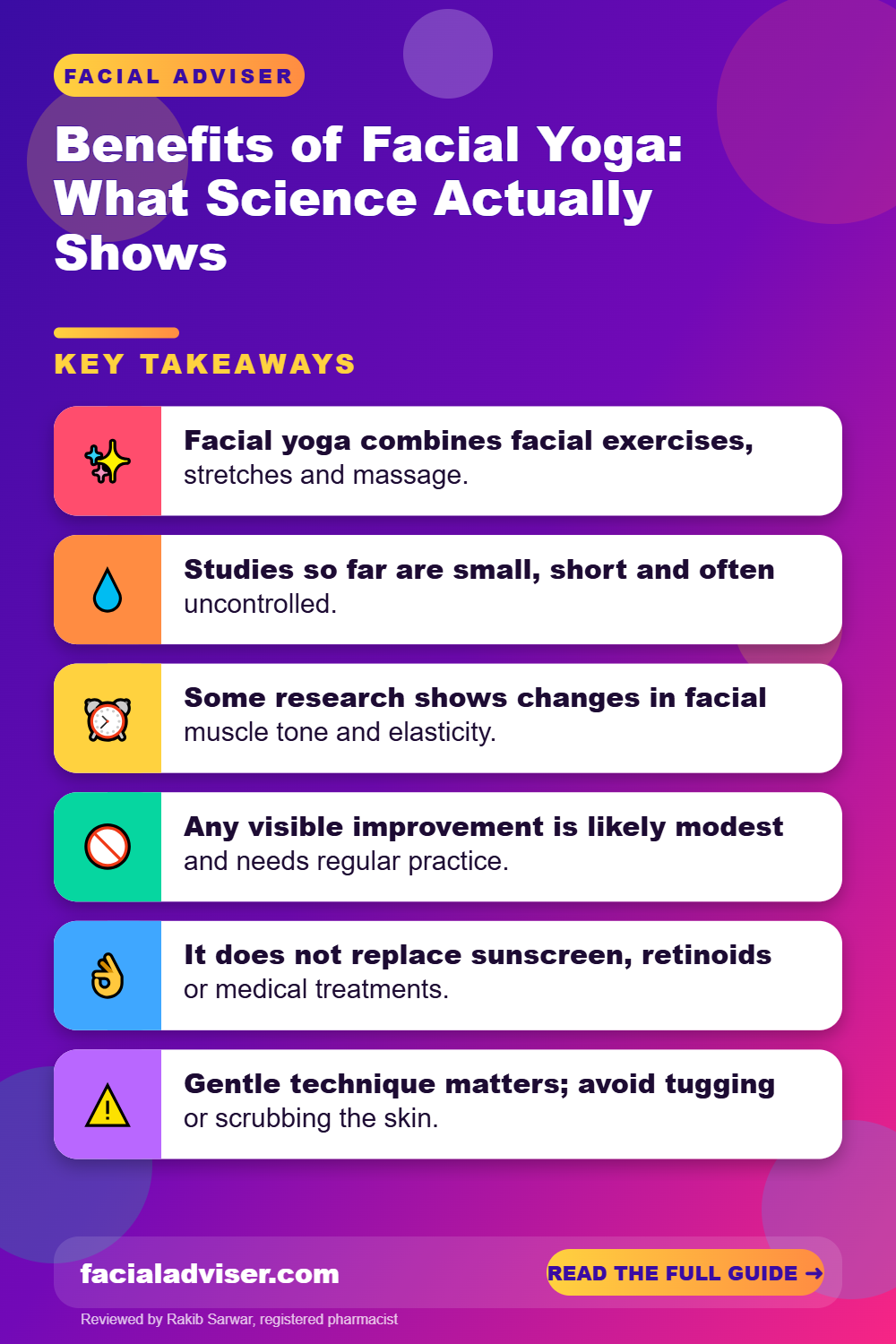
- Facial yoga combines facial exercises, stretches and massage.
- Studies so far are small, short and often uncontrolled.
- Some research shows changes in facial muscle tone and elasticity.
- Any visible improvement is likely modest and needs regular practice.
- It does not replace sunscreen, retinoids or medical treatments.
- Gentle technique matters; avoid tugging or scrubbing the skin.
- Photos in consistent lighting are the best way to judge results.
What the Research Actually Shows
Research on facial yoga is still at an early stage. The studies available tend to be small, run for weeks rather than years and often lack a comparison group, which makes it hard to separate real effects from chance or expectation.
| Study | Who took part | What was done | What was found |
|---|---|---|---|
| Medicina, 2025 | 12 women, average age about 50 | 8 weeks of face yoga, 2 supervised and 5 home sessions a week | Changes in tone and stiffness of several facial muscles; elasticity increased; no control group |
| JAMA Dermatology, 2018 | Adults in a facial exercise program | Facial exercise program | Examined whether facial exercise was associated with the appearance of aging |
The 2025 trial, published in Medicina and available on PubMed, measured facial muscles with a device before and after the program. Tone and stiffness decreased in some muscles, such as those around the eyes and forehead, and increased in others, such as the buccinator in the cheek, while elasticity increased in all muscles tested. The authors concluded that face yoga affects muscles differently depending on their structure and function and that future studies need to reproduce the results.
The JAMA Dermatology pilot study, available on PubMed, is often cited online as proof that facial yoga makes people look younger. Like the 2025 trial, it is an early piece of research. A single early study, however encouraging, is best treated as a reason for larger, controlled trials rather than as proof that facial yoga makes people look younger.
How Facial Yoga Is Supposed to Work
The face contains dozens of small muscles that attach directly to the skin. The theory behind facial yoga is that strengthening some of these muscles could add a little fullness under the skin, particularly in the cheeks, while stretching and relaxing others could ease tension that contributes to certain lines.
- Strengthening: repeated contractions may increase muscle size or tone, which could slightly support the skin above.
- Relaxing: stretches and massage may release habitual tension, for example in the forehead or jaw.
- Circulation: movement and massage temporarily increase blood flow, which can give a short-lived glow.
- Awareness: noticing habits such as frowning or clenching can help you reduce them.
Skin aging is driven mostly by sun exposure, genetics, loss of collagen and changes in fat and bone. Muscles are only one part of the picture, which is why exercise alone cannot reverse all signs of aging.
Our guide on whether chewing gum tones facial muscles looks at a related question about muscle training and face shape.
Which Benefits Are Realistic?
Here is how popular claims compare with what is currently known.
| Claim | How realistic | Why |
|---|---|---|
| Fuller, lifted-looking cheeks | Possible, modest | Small studies suggest some change after weeks of practice |
| Fewer forehead lines | Uncertain | Repeated movement can also deepen expression lines |
| Firmer jawline or less double chin | Limited | Fat and skin laxity matter more than muscle |
| Temporary glow | Likely | Massage increases blood flow for a short time |
| Less jaw and facial tension | Likely for many people | Stretching and relaxation can ease clenching |
| Replacing fillers or Botox | Not supported | Effects are far smaller and less predictable |
The benefits most people notice quickly are relaxation, a brief glow and greater awareness of tension. Structural changes, if they happen, are slower and smaller.
How to Start a Facial Yoga Routine
A simple, gentle routine is enough to see whether facial yoga suits you.
Take baseline photos
Photograph your face from the front and both sides in the same light, with a neutral expression.
Start with clean hands and skin
Wash your hands and use a little moisturiser or oil so fingers glide without dragging.
Warm up
Gently massage the face and neck for a minute to relax the muscles.
Do a few targeted exercises
For example, cheek lifts, a gentle forehead smoothing hold and jaw release stretches, holding each for a few seconds.
Keep it short
Aim for 10 to 20 minutes, most days, rather than long occasional sessions.
Finish with relaxation
End with gentle downward and outward strokes and relax your whole face.
Review after 8 to 12 weeks
Compare new photos with your baseline in the same light before deciding if it helps.
Use a mirror while you learn. It helps you avoid squinting, frowning or scrunching the skin, which can work against what you are trying to achieve.
If you are interested in how exercises affect the lower face specifically, our guide on whether face exercise works for a double chin covers the evidence.
Safety and Who Should Be Careful
Facial yoga is generally low risk, but a few precautions help.
- Avoid pulling or tugging the skin hard, which can irritate it or stretch delicate areas.
- Stop any exercise that causes jaw pain, clicking or headaches.
- Skip massage over active acne, rashes, cold sores or broken skin.
- Be gentle around the eyes, where skin is thin.
If you have a jaw joint (TMJ) disorder, facial nerve problems such as Bell’s palsy, recent facial surgery, fillers or Botox, check with your doctor or treating clinician before starting facial exercises or massage.
People who naturally frown, squint or clench may benefit most from the relaxation side of facial yoga, as long as they avoid exercises that exaggerate those same movements.
Can Facial Yoga Cause Wrinkles?
This is a common worry. Expression lines form partly because the same muscles fold the skin in the same place thousands of times. In theory, exercises that repeatedly crease the skin in these areas could make lines more noticeable, particularly on the forehead and around the eyes.
Most facial yoga teachers address this by encouraging you to keep the skin smooth with your fingers during certain moves, to focus on relaxing rather than squeezing some muscles and to avoid exaggerated expressions. If you notice more creasing in a particular area, drop or modify the exercise that targets it.
Relaxing tension can be just as useful as strengthening. Many people find simply noticing and releasing a habitual frown during the day helps their face look less tense.
Facial Yoga Compared With Other Anti-Aging Options
It helps to see facial yoga alongside other options.
| Option | Evidence | Effort and cost | What it helps |
|---|---|---|---|
| Daily sunscreen | Strong | Low | Prevents further photoaging |
| Topical retinoids | Strong | Low to moderate | Fine lines, texture, tone |
| Facial yoga | Limited, early | Time, no cost | Possible modest fullness, relaxation |
| Microcurrent devices | Limited | Moderate | Temporary toned look |
| Botox and fillers | Strong for specific uses | Higher, repeated | Expression lines, volume loss |
Facial yoga fits best as an extra alongside proven basics rather than instead of them. For a comparison of a popular device-based option, see our guide to microcurrent versus radiofrequency.
Pairing Facial Yoga With a Skincare Routine
Facial yoga works on muscles, while skincare works on the skin itself. Combining both gives you the best chance of seeing an overall improvement.
- Morning: gentle cleanser, moisturiser and broad-spectrum sunscreen every day.
- Evening: cleanser, a retinoid if your skin tolerates it, then moisturiser.
- During facial yoga: use a little moisturiser or facial oil so fingers glide.
- Weekly: check skin for irritation, especially if using retinoids and massage.
The American Academy of Dermatology lists daily sun protection among its top ways to reduce premature skin aging. Our guide on how to stimulate collagen naturally covers the other habits that support firmer skin.
Do You Need Tools?
No tools are required. Your hands are enough for almost every facial yoga exercise and massage technique.
Some people like to add a gua sha stone or roller for the massage part of a routine. These can feel pleasant and may temporarily reduce puffiness, but there is little evidence that they add structural benefits. If you use one, keep it clean, use light pressure with plenty of slip and avoid dragging the skin.
A mirror is the most useful tool, especially at the start, because it helps you learn the movements without creating unwanted creases. A cold roller can be handy for morning puffiness, but it is a separate effect from facial yoga. Whatever you use, clean it regularly and store it somewhere dry, and replace any tool that becomes chipped or rough, as sharp edges can scratch the skin.
Dos and Don’ts
Helps
- Keep movements gentle and controlled
- Use a mirror while learning
- Practise briefly and regularly
- Track progress with photos
- Wear sunscreen every day
Backfires
- Tug or drag the skin
- Exaggerate frowns or squints
- Push through jaw pain
- Massage over broken or inflamed skin
- Expect results like Botox or surgery
Honest Limits
The evidence for facial yoga is encouraging but thin. Studies have included small numbers of mostly middle-aged women, run for weeks or a few months and often had no control group. We do not know how long any benefits last, which exercises matter most or who is most likely to benefit.
Facial yoga cannot restore lost bone or fat, tighten significantly loose skin or undo sun damage. If you enjoy it, it is a low-risk habit, but it works best alongside proven basics such as sunscreen, retinoids and a healthy lifestyle, and a dermatologist can advise if you want more noticeable results.
When to See a Doctor
- Exercises cause jaw pain, clicking or headaches that do not settle.
- You notice facial weakness, drooping or twitching.
- Skin becomes irritated, broken or develops a rash from massage.
- You want advice on treatments for sagging or deep lines.
This article is for general information and does not replace professional medical advice. Consult a doctor or board-certified dermatologist if you have a medical condition affecting your face or jaw before starting facial exercises.
Common Questions
Does facial yoga really work?
Small studies suggest modest benefits, but stronger evidence is still needed.
How long does facial yoga take to show results?
Studies have used programs of around 8 weeks or longer.
Can facial yoga cause wrinkles?
Exercises that repeatedly crease the skin could, so keep movements gentle.
How often should I do facial yoga?
Short sessions most days are more practical than occasional long ones.
Can facial yoga replace Botox?
No. Its effects are smaller and less predictable.
Does facial yoga help a double chin?
Only a little, if at all; fat and skin laxity matter more.
Is facial yoga safe?
Generally, if gentle; check with a doctor if you have jaw or nerve problems.
Do I need a gua sha or roller?
No, your hands are enough.
Can I do facial yoga with acne?
Avoid massaging over active breakouts or inflamed skin.
What should I combine facial yoga with?
Daily sunscreen, a gentle routine and, if tolerated, a retinoid.
The Bottom Line
Facial yoga is a low-risk, free habit with early evidence of changes in facial muscles and possibly modest improvements in appearance, but the studies are small and short, so it should not be treated as a proven anti-aging treatment.
If you enjoy it, practise gently and regularly, track your progress with photos and keep the proven basics, especially daily sunscreen, at the centre of your routine.

Written by
Registered pharmacist and founder of Facial Adviser. Rakib's pharmacy training covers how skincare actives work and interact; a later course in cosmetology turned that into a focus on facial treatments and skincare products. He plans, researches and edits every guide on the site and checks health claims against sources such as the American Academy of Dermatology, the FDA and the NIH. He is not a dermatologist; see the Editorial Policy and Medical Disclaimer.
About · Editorial policy · How we choose products · Medical disclaimer · Contact
Keep reading: Facial rollers, gua sha and massagers
- Nurse Jamie UpLift Beauty Roller: Does It Sculpt and Depuff?
- Best Vibrating T-Bar Beauty Tool: What It Does and How to Choose One
- 10 Best Gua Sha Facial Tools (2026): Stone and Steel Picks Compared
- 10 Best Facial Massager Rollers (2026): Depuff and Relax at Home
- 10 Best Lymphatic Drainage Massagers (2026): Gentle Tools That Depuff
- How to Incorporate Microcurrent Into Your Routine: Gel, Timing and Safety
- 10 Best Products for Women's Facial Hair Removal (2026): Gentle Picks