How to Give a Facial to a Man With a Beard
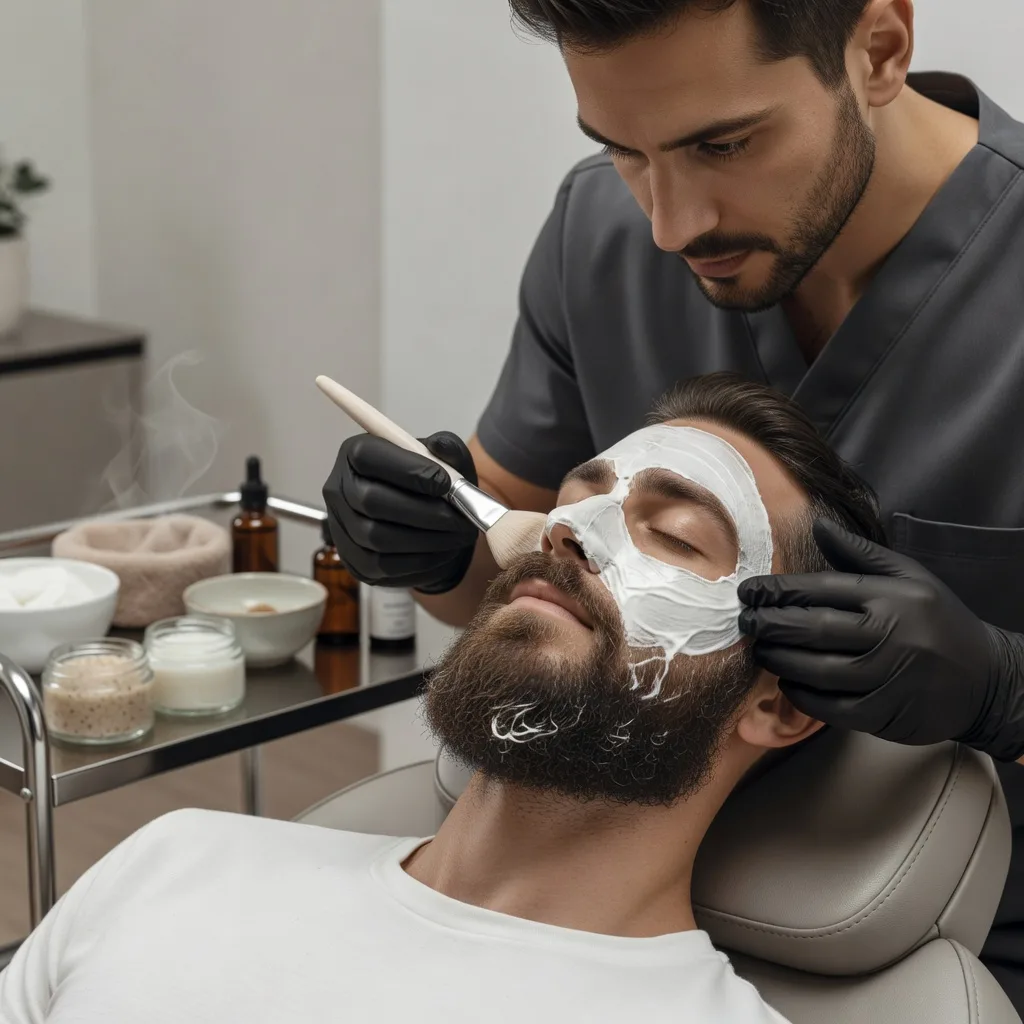
How to give a facial to a man with a beard comes down to technique, not different chemistry — beard hair mostly changes what you can see and reach, not what the skin underneath actually needs.
Part of our guide to men's grooming tools. Start with: 10 Best Beard Trimmers (2026): Even Lengths, Clean Edges
Bearded skin isn’t biologically different enough to need separate “for-men” formulations — the real challenge is visualization, since hair blocks the view of comedones and can trap product on the hair shaft instead of delivering it to skin. Razor bumps (pseudofolliculitis barbae) are a distinct inflammatory reaction to a hair shaft re-entering the skin, not a blackhead, and treating one like a comedone risks worsening it.
AAD guidance for bearded skin centers on cleansing matched to skin type underneath the beard, moisturizing even if acne-prone, and exfoliating during the stubble phase specifically to prevent ingrown hairs.
This guide covers the real technique adjustments bearded skin needs, how to correctly tell a razor bump from a comedone, and when a persistent bump needs a dermatologist instead of an esthetician.
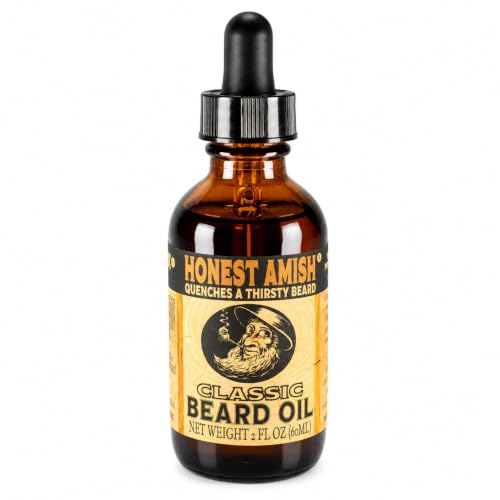
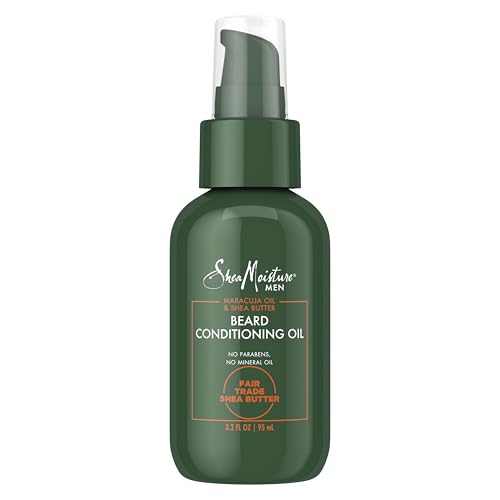
Recommended Grooming Products for Bearded Skin




The Essentials
- A beard doesn’t make skin biologically different enough to need special “for-men” formulations — the real challenge is mechanical: hair blocks visualization of comedones and can trap product on the hair shaft instead of the skin.
- Razor bumps (pseudofolliculitis barbae) are a distinct inflammatory reaction to a hair shaft re-entering the skin, not a blackhead, and should never be treated with standard comedone extraction.
- The AAD’s real guidance for bearded skin centers on cleansing matched to skin type underneath the hair, moisturizing even if acne-prone, and exfoliating 1–2 times a week during the stubble phase specifically to prevent ingrown hairs.
- A full, grown-in beard eliminates razor bumps entirely, since the hairs are no longer being cut short enough to curl back into the skin.
Table of Contents
- Why a Beard Changes the Approach, Not the Chemistry
- The Real Challenge: Seeing the Skin
- Cleansing Under a Beard
- Steam and Softening With Hair in the Way
- Razor Bumps Are Not Blackheads
- What’s Actually Happening in a Razor Bump
- Comedone vs. Razor Bump: How They’re Actually Different
- Beard Dandruff: The Other Common Mix-Up
- Technique Adjustments for Bearded Skin
- Preventing Razor Bumps Going Forward
- Do This, Not That
- Giving a Facial on Bearded Skin, Step by Step
- What This Article Can’t Tell You
- Frequently Asked Questions
Why a Beard Changes the Approach, Not the Chemistry
Giving a facial to someone with a beard doesn’t require different chemistry from a clean-shaven facial — the skin underneath is the same skin. What genuinely changes is technique: how you cleanse, how you steam, how you see what you’re working on, and how you tell a normal ingrown hair apart from a lesion that actually needs extracting.
Shopping these picks?
Amazon Prime members get fast, free shipping on eligible items, plus Prime Video, Amazon Music and member deals. New members can start with a free trial.
Start a free Prime trialAged 18 to 24? Prime for Young Adults comes with a longer free trial and a lower price after it.
Affiliate link: we may earn a commission at no extra cost to you.
The Real Challenge: Seeing the Skin
The core practical problem with a bearded facial is visualization. Hair physically covers comedones, ingrown hairs, and areas of congestion, making it harder to spot what actually needs attention. Product applied over the top of the beard can also sit on the hair shaft rather than reaching the skin underneath, reducing its effectiveness even if the formulation itself is perfectly suitable. Parting the hair in sections before applying cleanser, exfoliant, or mask is a simple technique fix for a problem that has nothing to do with ingredient chemistry.
Cleansing Under a Beard
The American Academy of Dermatology’s guidance on bearded skin recommends cleansing daily with a cleanser matched to the skin type underneath the beard, not the beard itself — a gel cleanser with salicylic acid for oily or acne-prone skin, a hydrating formula for dry skin, and a fragrance-free cream cleanser for sensitive skin. Moisturizing afterward is recommended even for acne-prone skin, since skipping it can leave the skin under the beard dry, flaky, and itchy, which is often mistaken for a beard-specific problem rather than ordinary under-moisturized skin.
Steam and Softening With Hair in the Way
Steam still works the same way on bearded skin — softening sebum and keratin inside follicles to make extraction easier — but only if it actually reaches the skin. Longer steam exposure and physically parting or holding back the beard during the steam step are both reasonable adjustments to make sure the skin surface, not just the hair, is getting warmed and humidified.
Razor Bumps Are Not Blackheads
Pseudofolliculitis barbae (PFB), commonly called razor bumps, is a genuinely distinct condition from a comedone, and treating it like one is a real technique error. A comedone is a keratin-and-sebum plug sitting in a follicle. PFB is an inflammatory foreign-body reaction to a hair shaft that’s been cut too short, curled, and re-entered the skin either directly or after growing back around. There’s no sebaceous plug to express in a razor bump, and attempting standard extraction on one risks worsening the inflammation rather than resolving it.
What’s Actually Happening in a Razor Bump
According to AAD guidance, PFB is especially common with coarse or curly hair and disproportionately affects men with darker skin tones, whose hair is more likely to curl back into the skin after being cut close. The body’s immune system treats the re-entered hair shaft as a foreign object, triggering the same kind of inflammatory response it would to a splinter — not to a clogged pore. That’s the mechanistic reason this needs prevention and technique changes, not extraction.
Comedone vs. Razor Bump: How They’re Actually Different
| Feature | Comedone (blackhead/whitehead) | Razor bump (PFB) |
|---|---|---|
| What’s inside | Sebum and keratin plug | A re-entered hair shaft, no plug |
| Appropriate response | Manual extraction, once softened | Prevention/technique change, not extraction |
| Who’s more affected | General acne-prone population | Coarse/curly hair, disproportionately darker skin tones |
| Resolved by growing a beard out | No direct effect | Eliminated entirely once hair is no longer cut short |
Beard Dandruff: The Other Common Mix-Up
Flaking and itching under a beard is sometimes simple dryness, but it can also be seborrheic dermatitis — a distinct inflammatory skin condition, not just “beard dandruff” from under-moisturizing. Harsh antibacterial cleansers used aggressively under a beard can actually worsen dryness and irritation, making the flaking worse rather than better. Persistent flaking that doesn’t improve with a gentler cleanser and consistent moisturizing is worth flagging for a dermatologist rather than assuming it’s ordinary dryness. The distinction matters for treatment, too: seborrheic dermatitis typically responds to an antifungal or medicated shampoo used on the beard itself, which is a different fix entirely from simply switching to a richer moisturizer for plain dryness.
Technique Adjustments for Bearded Skin
| Standard facial step | Adjustment for bearded skin |
|---|---|
| Cleansing | Part hair in sections to ensure cleanser reaches skin, not just the hair shaft |
| Steaming | Hold hair back or use longer exposure to ensure adequate skin surface warming |
| Extraction | Use magnification and identify lesion type first — comedone vs. razor bump — before touching anything |
| Product application | Apply in sections against and with the grain to work product past the hair to the skin |
Preventing Razor Bumps Going Forward
For clients who shave rather than grow a full beard, AAD guidance for preventing PFB includes shaving in the direction of hair growth, using short strokes, never passing over the same area more than twice, using a sharp single-blade or electric razor, applying a warm compress before shaving and a cool one after, and never plucking or pulling hairs out of existing bumps. Training hair growth direction with a soft-bristle brush can also help over time. Growing a full beard eliminates the problem entirely, since the hair is no longer being cut short enough to curl back into the skin.
Do This, Not That
Do
- Part the beard before cleansing, steaming, and applying product to ensure it actually reaches the skin.
- Use magnification to correctly identify a lesion as a comedone or a razor bump before deciding how to treat it.
- Recommend a dermatologist for persistent PFB or flaking that doesn’t improve with gentler products.
Don’t
- Don’t attempt standard extraction technique on a razor bump — there’s no plug to remove.
- Don’t assume “beard-specific” marketed products are chemically necessary over well-matched standard formulations.
- Don’t use harsh antibacterial cleansers aggressively under a beard, which can worsen dryness and irritation.
Giving a Facial on Bearded Skin, Step by Step
Assess and part the beard first
Section the hair to see the skin clearly before cleansing or treating anything.
Cleanse with a formula matched to skin type
Choose based on the skin underneath, not the beard itself, and work product past the hair shaft to the skin.
Steam with adequate exposure
Hold hair back or extend steam time to make sure the skin surface, not just the hair, is being softened.
Identify each lesion before touching it
Use magnification to distinguish a genuine comedone from a razor bump before deciding whether to extract.
Moisturize the skin under the beard, not just the hair
Finish with a moisturizer worked down to the skin to prevent the dryness and flaking that beards can otherwise trap in.
What This Article Can’t Tell You
This guide can’t diagnose whether a specific bump on a specific person’s face is a comedone or a razor bump — that needs a direct look, ideally with magnification, by whoever is doing the facial. What it can tell you honestly is the mechanistic difference between the two conditions, so that difference gets checked before anything gets extracted.
Frequently Asked Questions
How do you give a facial to someone with a beard?
The same core steps as any facial, with technique adjustments: part the beard before cleansing, steaming, and applying product so they reach the skin, and use magnification to identify lesions correctly before extracting anything.
Do bearded men need special skincare products?
Not chemically, in most cases. The real challenge is mechanical — hair blocking visualization and product delivery — which technique adjustments address better than specially marketed “for-men” formulations.
Can you extract a razor bump like a blackhead?
No. A razor bump has no sebum plug to express — it’s an inflammatory reaction to a re-entered hair shaft, and standard extraction technique can worsen the inflammation.
What causes razor bumps (pseudofolliculitis barbae)?
A hair shaft cut too short curls back and re-enters the skin, triggering a foreign-body inflammatory reaction, especially common with coarse or curly hair.
Does growing a full beard get rid of razor bumps?
Yes, it eliminates them entirely, since the hair is no longer being cut short enough to curl back into the skin.
Is flaking under a beard always just dryness?
Not always. It can be simple dryness, but persistent flaking can also be seborrheic dermatitis, a distinct condition worth checking with a dermatologist if gentler products don’t help.
Why is steaming harder to do effectively on bearded skin?
Because hair can block heat and humidity from reaching the skin surface directly — parting the beard or extending steam time helps ensure adequate exposure.
Should you use a magnification lamp during a bearded facial?
Yes, it makes it much easier to correctly identify a comedone versus a razor bump among the hair, which changes how it should be handled.
What’s the AAD’s basic skincare advice for bearded men?
Cleanse daily with a formula matched to skin type, moisturize even if acne-prone, exfoliate 1–2 times weekly during the stubble phase, and use SPF 30 moisturizer on exposed skin.
When should persistent razor bumps see a dermatologist?
If bumps persist despite shaving-technique changes, since untreated pseudofolliculitis barbae can lead to permanent scarring.

Written by
Registered pharmacist and founder of Facial Adviser. Rakib's pharmacy training covers how skincare actives work and interact; a later course in cosmetology turned that into a focus on facial treatments and skincare products. He plans, researches and edits every guide on the site and checks health claims against sources such as the American Academy of Dermatology, the FDA and the NIH. He is not a dermatologist; see the Editorial Policy and Medical Disclaimer.
About · Editorial policy · How we choose products · Medical disclaimer · Contact
Keep reading: Clippers, trimmers and beard care
- 10 Best Beard Trimmers (2026): Even Lengths, Clean Edges
- BaBylissPRO High Performance Compact Lo-ProFX Hair Trimmer: Features and Fit
- BaBylissPRO x Tomb45 Wireless Charging Hair Clipper: Is It Worth It?
- BaBylissPRO GoldFX Professional Barber Cord/Cordless Hair Clipper: Is It Worth It?
- StyleCraft Saber Full Metal Digital Brushless Hair Clipper: Features and Fit
- StyleCraft Saber II Professional Cordless Hair Clipper: Features and Who It Suits
- 10 Best Hair Dryers (2026): Faster Drying With Less Heat Damage
- 10 Best Safety Razors (2026): Closer, Calmer Shaves for Every Level