Facial Swelling in the Morning: Common Reasons and When to Worry
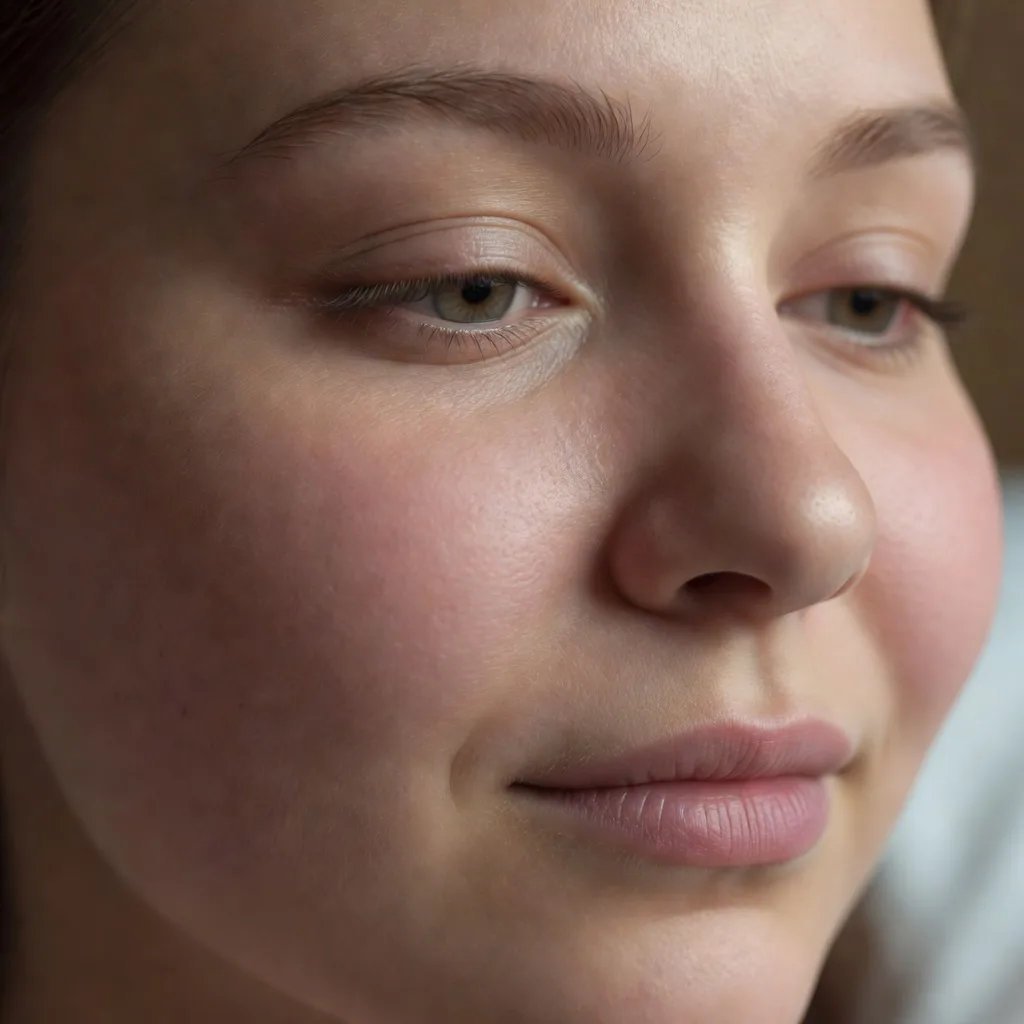
You look in the mirror first thing and your face seems rounder, your eyelids heavy and your cheeks puffy, yet by lunchtime you look like yourself again. Morning facial swelling is very common and usually harmless. It happens because fluid shifts while you lie flat for hours, and several everyday habits make it more noticeable.
Part of our guide to skin concerns. Start with: How to Calm Inflamed Red Patches on Your Face
The most common reasons for facial swelling in the morning are sleeping flat or face-down, a salty or late evening meal, alcohol the night before, poor or short sleep, crying, and allergies such as hay fever or dust mite allergy. In these cases the puffiness is soft, affects both sides, is worst around the eyes and fades within an hour or two of being upright. Swelling that lasts all day, keeps getting worse, affects one side, or comes with swollen legs, foamy urine, tiredness or weight gain needs a check with a doctor, as kidney, thyroid and other conditions can be involved. Sudden swelling of the lips, tongue or throat is an emergency.
In short: everyday morning puffiness is fluid that settles overnight, but persistent, one-sided or sudden swelling is a medical question.
The US National Library of Medicine’s MedlinePlus encyclopedia lists allergic reactions, infections, dental problems, medicines and injury among the causes of facial swelling and advises emergency care if swelling comes with breathing problems.
This guide explains each everyday cause, simple fixes that help and the red flags you should not ignore.
Shopping these picks?
Amazon Prime members get fast, free shipping on eligible items, plus Prime Video, Amazon Music and member deals. New members can start with a free trial.
Start a free Prime trialAged 18 to 24? Prime for Young Adults comes with a longer free trial and a lower price after it.
Affiliate link: we may earn a commission at no extra cost to you.
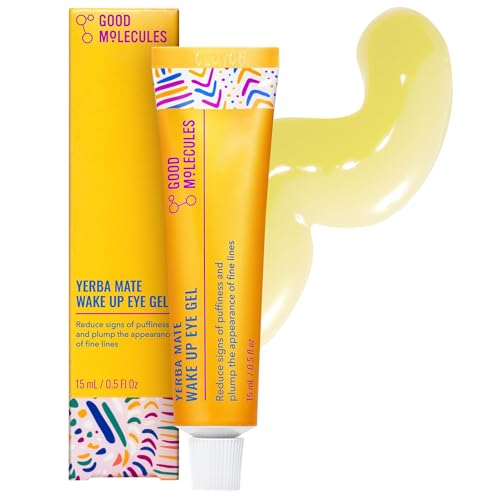
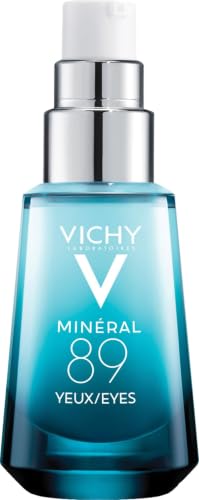
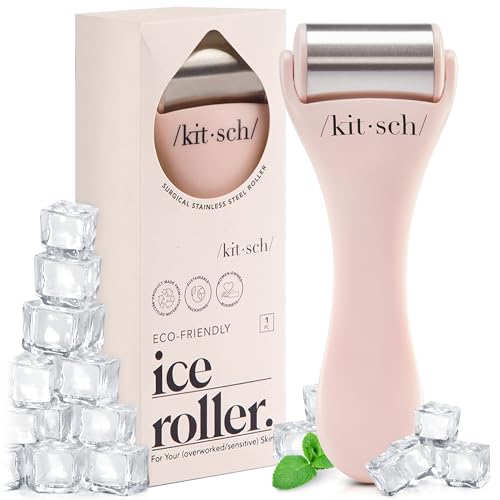
Recommended Products for Morning Facial Puffiness



At a Glance
- Lying flat for hours lets fluid collect in the soft tissue of the face, especially around the eyes.
- Salt and alcohol in the evening make the body hold more water overnight.
- Allergies often cause itchy, puffy eyelids that are worst on waking.
- Sleeping slightly elevated and on your back can reduce puffiness.
- Cold compresses and caffeine eye products give short-lived improvement only.
- Persistent or worsening swelling can point to kidney, thyroid or other health problems.
- Sudden swelling of the lips, tongue or throat needs emergency care.
Jump to a Section
- Why Your Face Is Puffier in the Morning
- Common Everyday Causes
- Sleep Position and Pillows
- Salt, Alcohol and Late Meals
- Allergies and Irritants
- How to Reduce Morning Facial Puffiness
- What Depuffing Products Can Do
- Morning Swelling vs Swelling That Lasts All Day
- Red Flags: Kidney, Thyroid and Other Causes
- Angioedema: When Swelling Is an Emergency
- Honest Limits
- When to See a Dermatologist or Doctor
- Your Questions, Answered
- Summing Up
Why Your Face Is Puffier in the Morning
During the day, gravity helps fluid drain downwards and the movement of your muscles pushes it back into circulation. When you lie flat for seven or eight hours, fluid redistributes more evenly, and some of it collects in the loose tissue of the face. The skin around the eyes is thin and stretchy, so it shows swelling first.
Once you get up, walk around and blink, the fluid starts to drain again. That is why normal morning puffiness improves within an hour or two. If it does not, something other than sleeping position is probably involved.
Common Everyday Causes
Most people with morning puffiness have one or more of the following. Working out which applies to you makes it easier to fix.
| Cause | Clues | What helps |
|---|---|---|
| Sleeping flat or face-down | Worse on the side you sleep on, creases on waking | Sleep on your back with head slightly raised |
| Salty evening meal | Puffier after takeaways, crisps or processed food | Lower salt, eat earlier, drink water |
| Alcohol | Puffier the morning after drinking | Drink less, alternate with water |
| Short or poor sleep | Puffy and dull after late nights | Regular sleep schedule |
| Crying | Swollen eyelids the morning after | Cool compress, time |
| Hormonal changes | Puffier before a period | Usually settles within days |
If salt seems to be your main trigger, our guide on puffiness under the eyes after salt intake explains why sodium has such a visible effect.
Sleep Position and Pillows
Sleeping on your stomach or side presses the face into the pillow and lets fluid pool on the lower side. Many people notice that one eye or cheek is puffier than the other depending on how they slept. Sleeping on your back with the head slightly raised lets fluid drain more evenly.
A wedge pillow or an extra pillow can raise the head a little. It does not need to be steep; a gentle incline is enough for many people. A smooth silk or satin pillowcase will not stop swelling, but it may reduce sleep creases on the skin, which can make a puffy face look more rumpled first thing.
If you cannot stay on your back, try raising the head of the bed slightly with a wedge under the mattress. Your whole upper body stays gently elevated even when you turn onto your side.
Salt, Alcohol and Late Meals
Salt makes the body hold on to water to keep the balance of sodium in the blood steady. A salty dinner, especially late in the evening, can mean more fluid in the tissues by morning. Processed foods, ready meals, soy sauce, cured meats and snacks are common hidden sources.
Alcohol has a double effect. It dehydrates you, which can make the body hold water afterwards, and it widens small blood vessels, which adds redness and puffiness. Poor sleep after drinking adds to the effect. Cutting back, or alternating each drink with a glass of water, usually makes a visible difference within a few days.
Allergies and Irritants
Allergies are a very common reason for puffy eyelids on waking. Dust mites live in bedding, pet dander settles on pillows, and pollen collects in hair. Allergic swelling tends to come with itching, watery eyes, sneezing or a blocked nose.
- Wash pillowcases and bedding hot and often if you suspect dust mites.
- Shower and wash your hair before bed in pollen season.
- Keep pets out of the bedroom if dander bothers you.
- Check new night creams, eye creams or hair products, which can cause contact allergy.
- Speak to a pharmacist about suitable antihistamines if hay fever is the cause.
New skincare can be a hidden trigger. If puffiness started after a new eye cream, night cream or serum, stop using it for a week and see whether the swelling settles. Rubbing itchy eyes also makes swelling worse.
How to Reduce Morning Facial Puffiness
These steps help everyday puffiness. They do not treat an underlying medical problem.
Get upright and moving
Sit up, walk around and blink; gravity and movement start draining fluid within minutes.
Cool the area
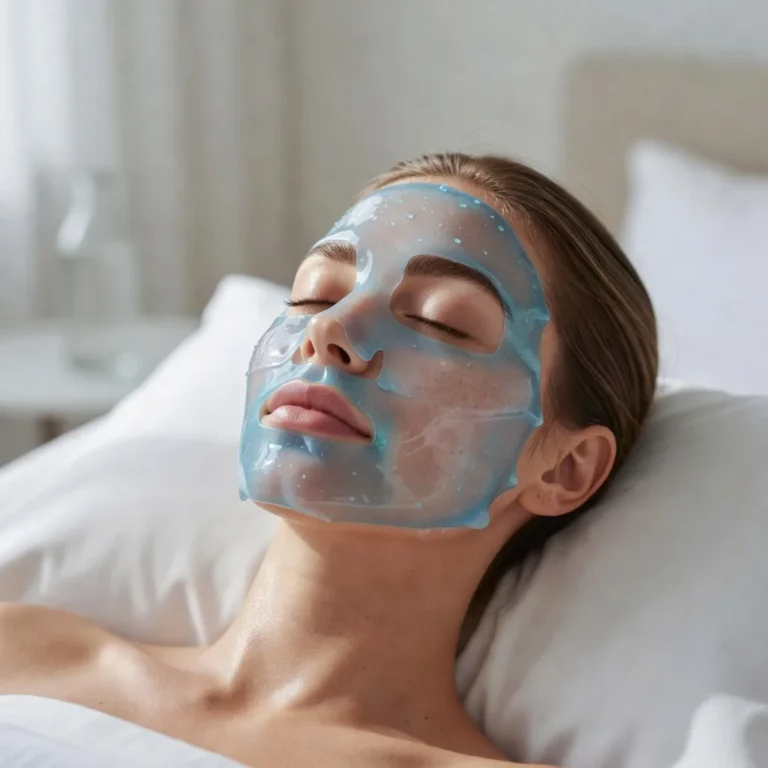
Hold a cold gel eye mask or a cool, damp cloth over puffy areas for five to ten minutes.
Roll gently
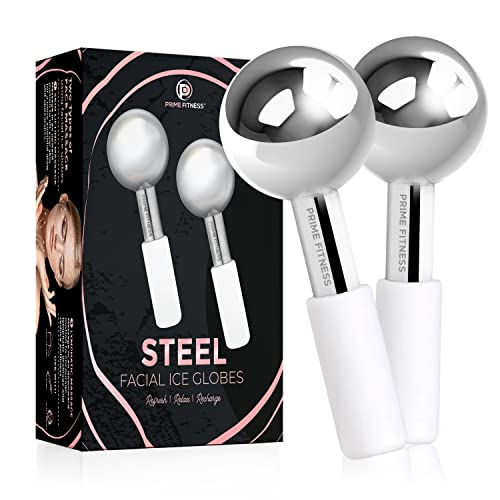
Use a chilled ice roller with light, outward and downward strokes towards the ears and neck.
Drink water
Rehydrate, especially if you had salt or alcohol the night before.
Apply a caffeine eye product
Pat a small amount around the orbital bone; any tightening effect is temporary.
Adjust the evening
Eat earlier, go easier on salt and alcohol and sleep with your head slightly raised.
Cold tools should be fridge-cold, not frozen, and should never be pressed hard against the eyes. Gentle massage towards the lymph nodes in the neck can also help move fluid, as long as it is light and comfortable.
What Depuffing Products Can Do
Depuffing products are popular, but it helps to know what each one realistically offers.
| Product | How it may help | Realistic effect |
|---|---|---|
| Ice roller or cooling globes | Cold briefly narrows blood vessels and soothes | Short-term, mostly cosmetic |
| Cold gel eye mask | Targets eyelid puffiness | Short-term relief |
| Caffeine eye serum | May have a mild temporary tightening effect | Subtle, varies by person |
| Silk pillowcase | Less friction and fewer sleep creases | Does not prevent fluid build-up |
| Wedge pillow | Keeps head raised so fluid drains | Can reduce puffiness if you use it nightly |
None of these change the cause. They make a normal morning face look fresher a little sooner.
Morning Swelling vs Swelling That Lasts All Day
The timing of the swelling is one of the most useful clues. Puffiness that is worst on waking and fades as you move around fits the normal overnight shift of fluid. Swelling that is mild in the morning but builds as the day goes on, or that never really goes down, follows a different pattern and has a different list of possible causes.
It helps to take a photo at the same time each morning and again in the afternoon for a week or two, along with brief notes on what you ate, drank and how you slept. This simple record makes it much easier to spot triggers and gives a doctor useful information if you need an appointment. If your swelling tends to get worse later in the day, our guide on facial swelling that worsens in the evening covers that pattern and its causes.
Red Flags: Kidney, Thyroid and Other Causes
Sometimes morning facial swelling is a sign of something else going on. Kidney conditions can cause puffiness around the eyes, often with swollen ankles, foamy urine or passing less urine. An underactive thyroid can cause a puffy face along with tiredness, weight gain, feeling cold, dry skin and constipation. Our guide on thyroid disorders and facial puffiness explains this link.
Some medicines, including certain blood pressure tablets, steroids and hormonal treatments, can cause fluid retention or swelling. Dental infections, sinus infections and salivary gland problems usually cause swelling on one side, often with pain, tenderness or fever.
Helps
- See a doctor if swelling lasts all day
- Get checked if it is getting worse over weeks
- Mention any new medicine
- Note other symptoms such as swollen legs or tiredness
- Keep a simple diary of food, alcohol and sleep
Backfires
- Do not ignore swelling on one side only
- Do not assume a new, lasting change is just salt
- Do not stop prescribed medicine without advice
- Do not rub or massage a painful, hot swelling
- Do not treat repeated swelling with products alone
Angioedema: When Swelling Is an Emergency
Angioedema is rapid swelling of the deeper layers of the skin, often around the lips, eyes, tongue or throat. It can be caused by allergies to food, insect stings or medicines, and some blood pressure medicines can trigger it even after years of use. It may happen with hives, but not always.
Call emergency services immediately if facial swelling comes on quickly and affects the lips, tongue or throat, or if you have difficulty breathing or swallowing, a hoarse voice, wheezing, dizziness or feel faint. Use an adrenaline auto-injector if you have been prescribed one.
Honest Limits
There is no product that stops morning puffiness for good. Cold tools, eye gels and massage give short-term improvement that usually lasts minutes to a few hours. Lasting change comes from habits such as eating less salt in the evening, drinking less alcohol, treating allergies and sleeping slightly elevated. If swelling persists despite these changes, the answer is a medical check, not another product.
When to See a Dermatologist or Doctor
See a GP or doctor if morning swelling lasts most of the day, is getting worse, affects only one side, returns frequently without an obvious trigger or comes with other symptoms such as swollen legs, changes in urine, tiredness, fever or pain. A dermatologist can help with contact allergies, eyelid dermatitis and skin conditions around the eyes.
This article is for general information and does not replace professional medical advice. Facial swelling can have medical causes, so see a doctor for persistent or unexplained swelling and seek emergency care for sudden swelling of the lips, tongue or throat or any breathing difficulty.
Your Questions, Answered
Why is my face swollen when I wake up?
Usually because fluid collects in the face while you lie flat, made worse by salt, alcohol or allergies.
How long should morning puffiness last?
Normal puffiness usually improves within an hour or two of being upright.
Does drinking water reduce facial swelling?
Staying hydrated can help, especially after salt or alcohol.
Can sleeping on my side cause facial swelling?
Yes, fluid tends to pool on the side pressed into the pillow.
Does an ice roller really work?
It can reduce puffiness for a short time, but it does not treat the cause.
Can allergies cause a puffy face in the morning?
Yes, dust mites, pollen and pet dander commonly cause morning eyelid swelling.
Can thyroid problems cause facial swelling?
An underactive thyroid can cause a puffy face along with other symptoms.
Is facial swelling a sign of kidney problems?
It can be, especially with swollen ankles or changes in urine, so get checked.
When is facial swelling an emergency?
When it is sudden and affects the lips, tongue or throat, or you struggle to breathe.
Does a silk pillowcase reduce puffiness?
It may reduce sleep creases, but it does not stop fluid from collecting.
Summing Up
Morning facial swelling is usually a harmless result of lying flat, helped along by salt, alcohol, poor sleep or allergies. Sleeping slightly elevated, eating earlier, drinking less and treating allergies make the biggest difference, while cold tools and eye products give a quick, temporary lift.
Pay attention to swelling that does not follow the usual pattern. Persistent, one-sided or worsening puffiness deserves a medical check, and sudden swelling of the lips, tongue or throat always needs emergency help.

Written by
Registered pharmacist and founder of Facial Adviser. Rakib's pharmacy training covers how skincare actives work and interact; a later course in cosmetology turned that into a focus on facial treatments and skincare products. He plans, researches and edits every guide on the site and checks health claims against sources such as the American Academy of Dermatology, the FDA and the NIH. He is not a dermatologist; see the Editorial Policy and Medical Disclaimer.
About · Editorial policy · How we choose products · Medical disclaimer · Contact
Keep reading: Redness, puffiness and uneven tone
- What to Eat to Remove Dark Spots on Your Face
- Itchy Face After a Facial? Common Reasons and What to Do
- Facial Swelling That Gets Worse in the Evening: Possible Causes
- What Causes Your Face to Look Tired All the Time? Causes and Real Fixes
- How to Calm Inflamed Red Patches on Your Face
- How Can I Make My Pores Less Visible?
- Are Facials Good for Acne?