Facial Swelling That Gets Worse in the Evening: Possible Causes
Most people who deal with a puffy face notice it first thing in the morning. Fluid settles in the face overnight while you lie flat, and it drains away once you are upright. So when swelling does the opposite, building through the day and peaking in the evening, it is worth paying attention.
Part of our guide to skin concerns. Start with: How to Calm Inflamed Red Patches on Your Face
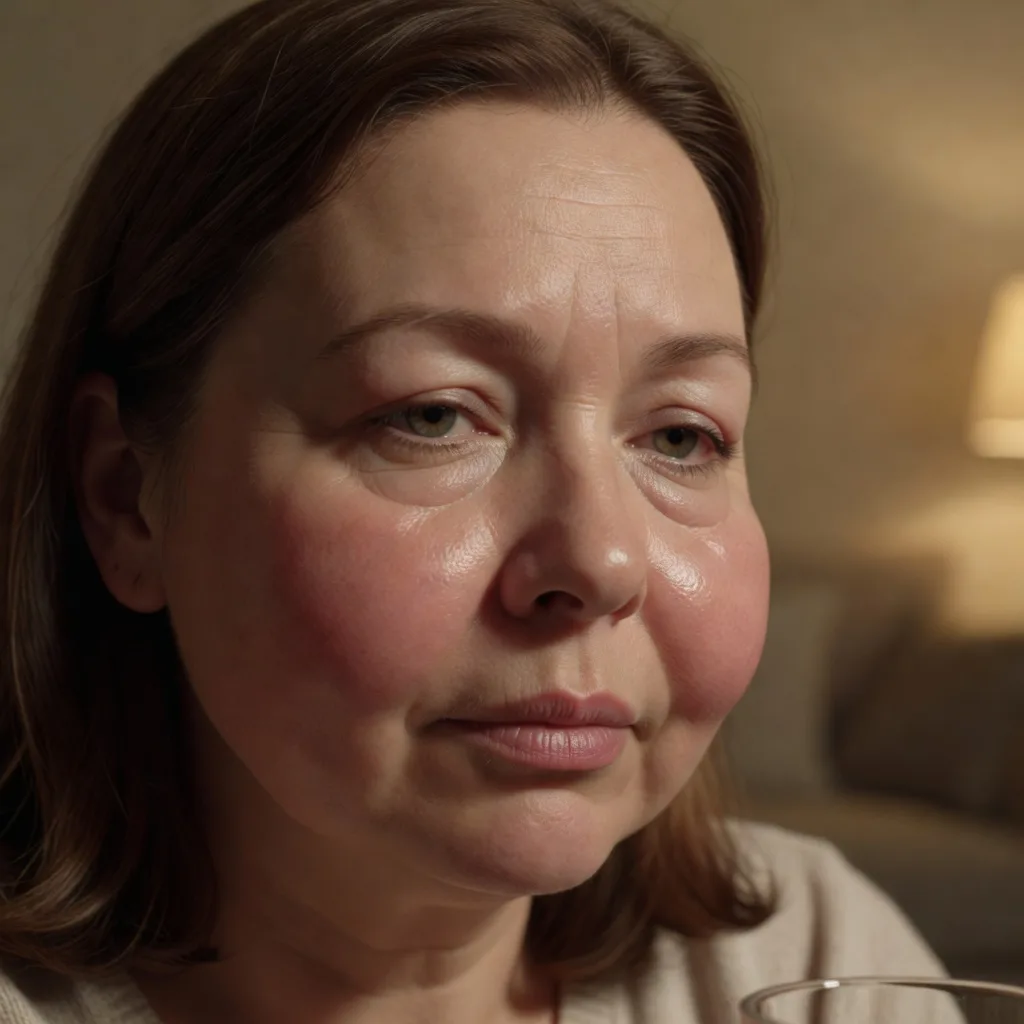
Facial swelling that worsens in the evening usually points to something that builds up during the day rather than overnight fluid pooling. Common causes include allergies to things you are exposed to during the day, salty meals, sinus inflammation, dental or salivary gland problems that flare with eating, and reactions to skincare or makeup. Less often, it can be angioedema or a medical condition affecting fluid balance. Sudden swelling of the lips, tongue or throat is an emergency.
The pattern matters because it narrows down the possibilities. Swelling that is worse after meals suggests salivary glands or food. Swelling that tracks your time outdoors or at work suggests allergies or irritants. Swelling that is worse on one side suggests a dental or gland problem.
This is not a topic where a new cream or gadget is the answer. The most useful thing you can do is notice the pattern, remove likely triggers and see a doctor if it continues, is one-sided, painful or getting worse.
This guide explains why most facial swelling follows a morning pattern, the causes that make it worse in the evening, how to track your symptoms, what helps, and when you need medical help.
Shopping these picks?
Amazon Prime members get fast, free shipping on eligible items, plus Prime Video, Amazon Music and member deals. New members can start with a free trial.
Start a free Prime trialAged 18 to 24? Prime for Young Adults comes with a longer free trial and a lower price after it.
Affiliate link: we may earn a commission at no extra cost to you.
Recommended Products to Help Manage Evening Facial Swelling



What This Covers
- Why Most Facial Swelling Is Worse in the Morning
- Common Causes of Swelling That Builds by Evening
- Salivary Glands: Swelling at Meal Times
- Allergies and Daytime Exposures
- Angioedema: Sudden Deep Swelling
- Other Everyday Causes Worth Considering
- Track the Pattern
- How to Track and Reduce Evening Facial Swelling
- Dos and Don’ts
- Honest Limits
- When to See a Doctor
- Your Questions, Answered
- The Takeaway
The Short Version
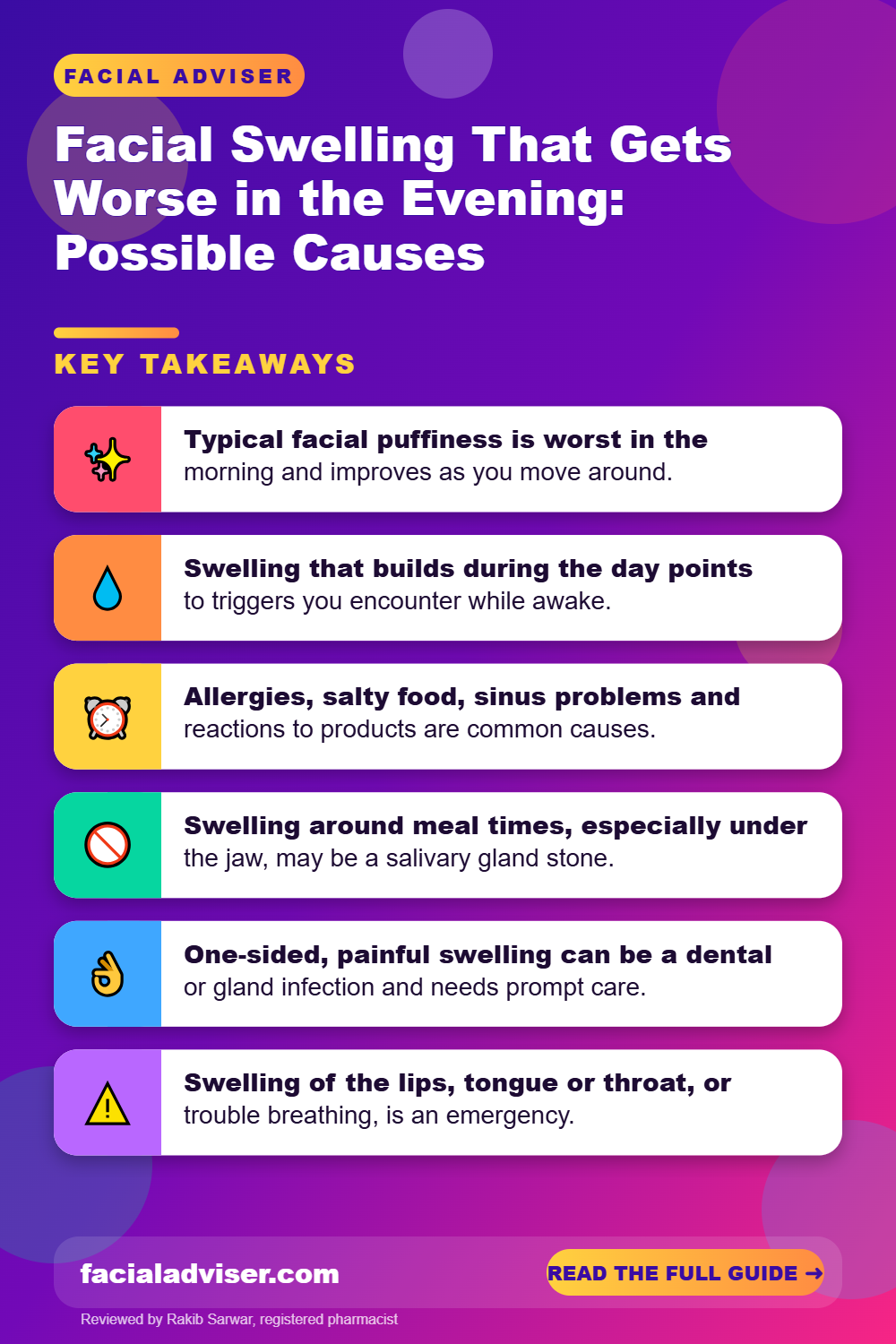
- Typical facial puffiness is worst in the morning and improves as you move around.
- Swelling that builds during the day points to triggers you encounter while awake.
- Allergies, salty food, sinus problems and reactions to products are common causes.
- Swelling around meal times, especially under the jaw, may be a salivary gland stone.
- One-sided, painful swelling can be a dental or gland infection and needs prompt care.
- Swelling of the lips, tongue or throat, or trouble breathing, is an emergency.
- A symptom diary is the most useful first step to pin down the cause.
Why Most Facial Swelling Is Worse in the Morning
When you lie down for hours, gravity no longer helps fluid drain from your face. Fluid collects in the soft tissues, particularly around the eyes, and you wake up puffy. Once you are upright and moving, it drains away over the morning.
Because of this, the usual advice for puffiness, such as sleeping with your head raised, cutting salt in the evening and using cold compresses in the morning, is designed around a morning pattern. When swelling instead gets worse as the day goes on, it suggests a different mechanism, and the usual morning fixes are less likely to help on their own.
| Pattern | Most likely explanation |
|---|---|
| Worst on waking, better by midday | Overnight fluid pooling, salt or alcohol the night before, poor sleep |
| Builds through the day, worst in the evening | Daytime allergens, salty meals, products, heat, gland or dental problems |
| Comes and goes suddenly | Allergic reaction or angioedema |
| Present all day, slowly worsening over weeks | Medical causes such as thyroid or kidney problems; see a doctor |
For more on morning puffiness and lymph drainage, see our guide on facial massage and lymph flow.
Common Causes of Swelling That Builds by Evening
| Cause | Clues | What to do |
|---|---|---|
| Allergies (pollen, pets, dust, workplace irritants) | Itchy eyes, sneezing, swelling after exposure | Reduce exposure; antihistamines; see a doctor |
| Salty or rich meals | Swelling after lunch and dinner, especially restaurant food | Cut salt; drink water |
| Sinus inflammation | Pressure around cheeks and eyes, blocked nose | Saline rinses; treat allergies or infection |
| Reaction to skincare or makeup | Swelling where products are applied, itching | Stop new products; patch test |
| Salivary gland problems | Swelling under jaw or in front of ear when eating | See a doctor or dentist |
| Dental infection | One-sided swelling, toothache, bad taste | See a dentist urgently |
| Angioedema | Sudden, deep swelling of lips, eyelids or face | Urgent medical advice; emergency if breathing affected |
| Heat and alcohol | Flushing and swelling in warm rooms or after drinks | Stay cool; limit alcohol |
Salivary Glands: Swelling at Meal Times
The large salivary glands sit in front of the ears and under the jaw. If a small stone or narrowing blocks the duct that drains saliva, the gland swells when it is stimulated to produce saliva, typically during or just after meals, and then slowly settles.
The NHS describes salivary gland stones as causing dull pain and swelling in the mouth that comes and goes, with intense pain at mealtimes suggesting a complete blockage. Signs of infection include pain, redness, pus and a high temperature (NHS).
Sucking on sugar-free sweets or chewing sugar-free gum, drinking plenty of water and gently massaging the gland can sometimes help a small stone pass. See a doctor or dentist if swelling keeps recurring or you develop signs of infection.
Allergies and Daytime Exposures
If your face swells more on days spent outdoors in spring and summer, after time with pets, or in particular rooms or workplaces, allergies are a strong possibility. Allergic swelling often comes with itchy, watery eyes, sneezing and a blocked nose, and the eyelids are usually the first place it shows.
Irritants and allergens can also collect on your skin and hair during the day. Washing your face and hair in the evening, changing clothes and keeping windows closed on high-pollen days can help. Our guide to sinuses and facial pressure covers how nasal inflammation adds to swelling around the cheeks and eyes.
Non-drowsy antihistamines, saline nasal rinses and steroid nasal sprays can reduce allergic swelling for many people. A doctor or pharmacist can help you choose, and allergy testing may be worthwhile if symptoms are frequent.
Angioedema: Sudden Deep Swelling
Angioedema is swelling deeper in the skin, often of the lips, eyelids, tongue or face. The NHS explains that it is often caused by an allergic reaction but can also be triggered by certain medicines, especially ACE inhibitor blood pressure tablets, can be inherited, or may have no obvious cause (NHS).
Call emergency services immediately if your lips, mouth, throat or tongue suddenly swell, or if you are struggling to breathe or swallow.
Angioedema from ACE inhibitors can start months or even years after beginning the medicine, so it is worth mentioning any blood pressure medication to your doctor if you have unexplained facial swelling.
Other Everyday Causes Worth Considering
Several ordinary habits can make the face look fuller by evening without any underlying condition.
- Long hours looking down at screens: can make the lower face and neck feel congested and look heavier, especially with poor posture.
- Warm rooms and hot drinks: widen blood vessels and can make the face look flushed and puffy.
- Crying or rubbing the eyes: causes temporary swelling of the eyelids.
- Contact lenses and eye strain: can irritate the eyes and eyelids over a long day.
- Hormonal changes: some people retain more fluid in the days before a period.
- Tight headwear or glasses: can leave marks and a feeling of fullness where they press.
If one of these fits your day and the swelling settles by the next morning, it is unlikely to be anything serious. Persistent or worsening swelling is a different matter.
Track the Pattern
A simple diary for two weeks can reveal a lot. Note:
- The time swelling starts and when it is worst
- Where it is: eyelids, lips, cheeks, under the jaw, one side or both
- What you ate and drank, especially salty food and alcohol
- Where you spent the day and any exposure to pollen, pets, dust or chemicals
- New skincare, makeup or medicines
- Other symptoms such as itching, pain, toothache, fever or breathing changes
Take photos in the morning and evening in the same light. Bring the diary and photos to your appointment; they make diagnosis much easier, especially when swelling has gone down by the time you see the doctor.
How to Track and Reduce Evening Facial Swelling
Start a symptom diary
Record timing, location, food, exposures, products and other symptoms for two weeks.
Pause new products
Stop any new skincare, makeup or hair products until you know whether they are involved.
Cut back on salt
Choose home-cooked meals, limit processed and restaurant food and flavour with herbs and lower-sodium seasonings.
Reduce allergen exposure
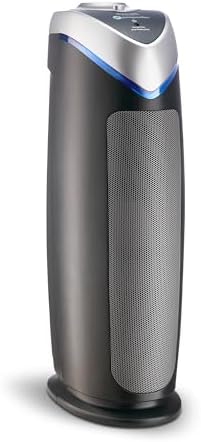
Wash face and hair in the evening, change clothes and use an air purifier if you are allergic.
Cool the swelling
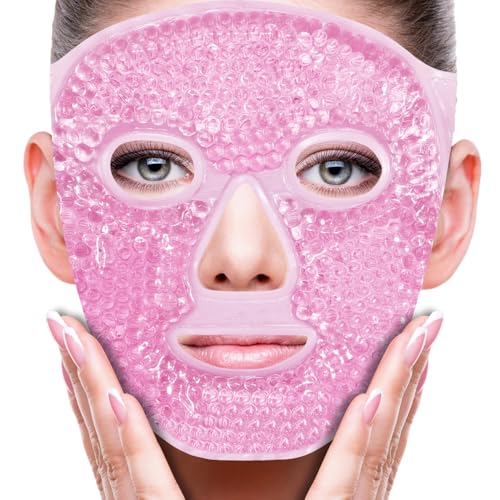
A cool compress for 10 minutes can ease discomfort and reduce simple fluid swelling, but it does not treat the cause.
See a doctor if it persists
Especially if swelling is one-sided, painful, recurring or getting worse.
If you suspect a food or drink, try removing it for two weeks and then reintroducing it, while keeping everything else the same.
Dos and Don’ts
Try This
- Keep a diary with photos
- Stay hydrated and moderate salt
- Wash off allergens at the end of the day
- Mention all medicines to your doctor
- Seek urgent help for lip, tongue or throat swelling
Avoid This
- Assume evening swelling is the same as morning puffiness
- Massage a painful, hot or one-sided swelling
- Start new skincare while investigating the cause
- Ignore toothache with swelling
- Stop prescribed medicines without advice
Honest Limits
Evening facial swelling can have many causes, and some cannot be identified without an examination, blood tests or imaging. This guide can help you notice patterns, but it cannot diagnose you.
Depuffing tools and creams may make the face feel better for a short time but will not address allergies, gland problems, infection or medicine side effects. Treating the underlying cause is what makes the difference.
It is also worth remembering that some swelling is perfectly harmless. A salty dinner, a warm evening and a glass of wine can leave almost anyone looking a little fuller by bedtime. The time to look further is when the pattern is new, persistent, painful, one-sided or accompanied by other symptoms.
Conditions that cause fluid retention elsewhere in the body, such as heart, kidney or liver problems, more often cause swelling in the legs by evening and around the eyes in the morning. If you notice swelling in several places, see a doctor. Our guide to thyroid disorders and facial puffiness covers another medical cause of a persistently puffy face.
When to See a Doctor
Seek emergency help for sudden swelling of the lips, tongue, mouth or throat, difficulty breathing or swallowing, or swelling with dizziness or collapse.
See a doctor or dentist promptly if you have:
- Swelling on one side of the face, especially with pain, redness or fever
- Toothache, a bad taste or pus in the mouth
- Swelling under the jaw or in front of the ear that comes with eating
- Recurring swelling without an obvious trigger
- Swelling after starting a new medicine
- Swelling in the face along with swollen legs, breathlessness or changes in urine
This article is for general information and does not replace medical advice. If facial swelling is sudden, severe or affects your breathing, call emergency services.
Your Questions, Answered
Why is my face puffy at night but not in the morning?
Swelling that builds by evening often comes from daytime triggers such as allergies, salty meals, products, or gland or dental problems.
Can salt make my face swell by evening?
Yes. Salty meals encourage fluid retention, which can make the face look puffier later in the day.
Can allergies cause facial swelling in the evening?
Yes. Exposure to pollen, pets or dust during the day can cause swelling that builds by evening.
What does salivary gland swelling feel like?
Swelling under the jaw or in front of the ear, often painful, that appears around meal times.
Is evening facial swelling serious?
Often not, but one-sided, painful, recurring or rapidly developing swelling needs medical assessment.
Can blood pressure medicine cause facial swelling?
Yes. ACE inhibitors can cause angioedema, sometimes long after starting the medicine.
Should I massage evening facial swelling?
Gentle massage may help simple fluid puffiness, but avoid massaging painful, hot or one-sided swelling.
Can dental problems cause facial swelling?
Yes. A tooth abscess can cause one-sided facial swelling and needs urgent dental care.
When is facial swelling an emergency?
If it affects the lips, tongue or throat, or you have trouble breathing or swallowing.
How do I find out what is causing my facial swelling?
Keep a symptom diary with photos for two weeks and share it with your doctor.
The Takeaway
Facial swelling usually follows a morning pattern, so swelling that builds through the day and peaks in the evening deserves a closer look. The most common reasons are daytime exposures such as allergens, salty meals and new products, along with sinus inflammation and problems with the teeth or salivary glands.
Keep a short diary with photos, remove likely triggers, cut back on salt and wash off allergens in the evening. See a doctor or dentist for swelling that is one-sided, painful, recurring or linked to meals or medicines, and call emergency services straight away for any swelling of the lips, tongue or throat.

Written by
Registered pharmacist and founder of Facial Adviser. Rakib's pharmacy training covers how skincare actives work and interact; a later course in cosmetology turned that into a focus on facial treatments and skincare products. He plans, researches and edits every guide on the site and checks health claims against sources such as the American Academy of Dermatology, the FDA and the NIH. He is not a dermatologist; see the Editorial Policy and Medical Disclaimer.
About · Editorial policy · How we choose products · Medical disclaimer · Contact
Keep reading: Redness, puffiness and uneven tone
- What Causes Your Face to Look Tired All the Time? Causes and Real Fixes
- How to Calm Inflamed Red Patches on Your Face
- Fine Lines Around the Mouth in Your 20s: How to Prevent Them
- Dark Shadow Around the Mouth: Causes and How to Fade It
- Facial Tightness After Washing Face: Why It Happens and How to Stop It
- How Can I Make My Pores Less Visible?
- Are Facials Good for Acne?