Facial Tightness After Washing Face: Why It Happens and How to Stop It
You rinse off your cleanser, pat your face dry and within a minute your skin feels stretched, dry and almost too small for your face. Some people describe it as squeaky clean and assume it means the cleanser worked. In reality, that tight feeling is usually your skin telling you something was removed that should have stayed.
Part of our guide to skin concerns. Start with: How to Calm Inflamed Red Patches on Your Face
Facial tightness after washing usually means your skin barrier has been stripped of some of its natural oils and moisture. The most common causes are harsh foaming cleansers with strong surfactants, water that is too hot, washing too often or too long, hard water that leaves mineral residue, and waiting too long before applying moisturiser. Dry, sensitive or mature skin feels it most. The fix is to switch to a gentle, hydrating or cream cleanser, wash with lukewarm water for less time, and apply a moisturiser with ceramides or humectants such as hyaluronic acid while the skin is still slightly damp.
In short: skin should feel comfortable after cleansing, not tight, so treat tightness as a signal to go gentler.
The American Academy of Dermatology recommends washing the face with a gentle, non-abrasive cleanser and lukewarm water, and applying moisturiser afterwards, advice that directly addresses the most common causes of tightness.
This guide explains why skin feels tight after washing, how to spot a cleanser that is too harsh, what role water plays and how to build a routine that leaves your face clean but comfortable.
Shopping these picks?
Amazon Prime members get fast, free shipping on eligible items, plus Prime Video, Amazon Music and member deals. New members can start with a free trial.
Start a free Prime trialAged 18 to 24? Prime for Young Adults comes with a longer free trial and a lower price after it.
Affiliate link: we may earn a commission at no extra cost to you.
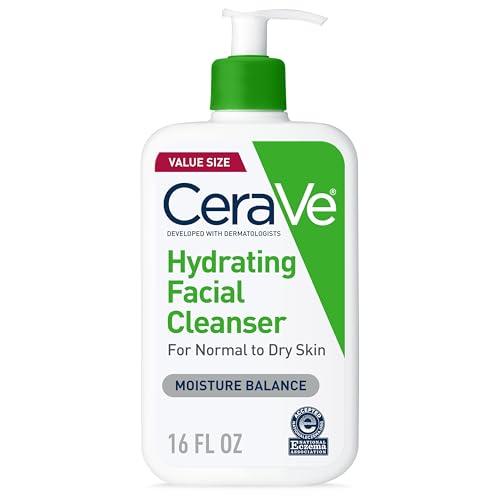
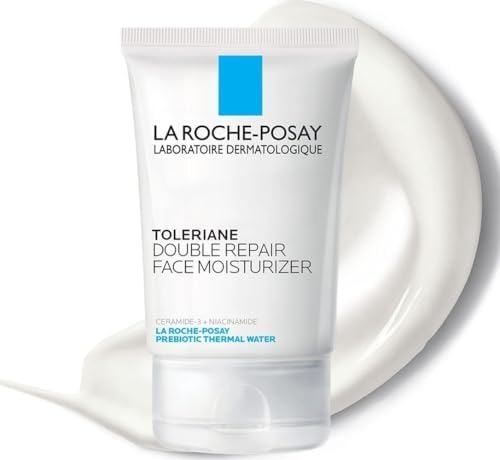
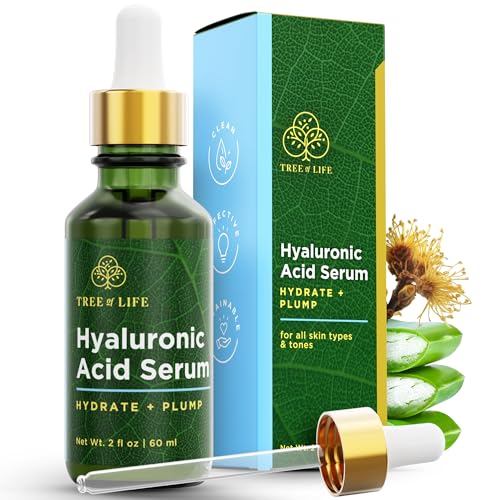
Recommended Gentle Cleansers and Barrier Moisturisers




The Short Version
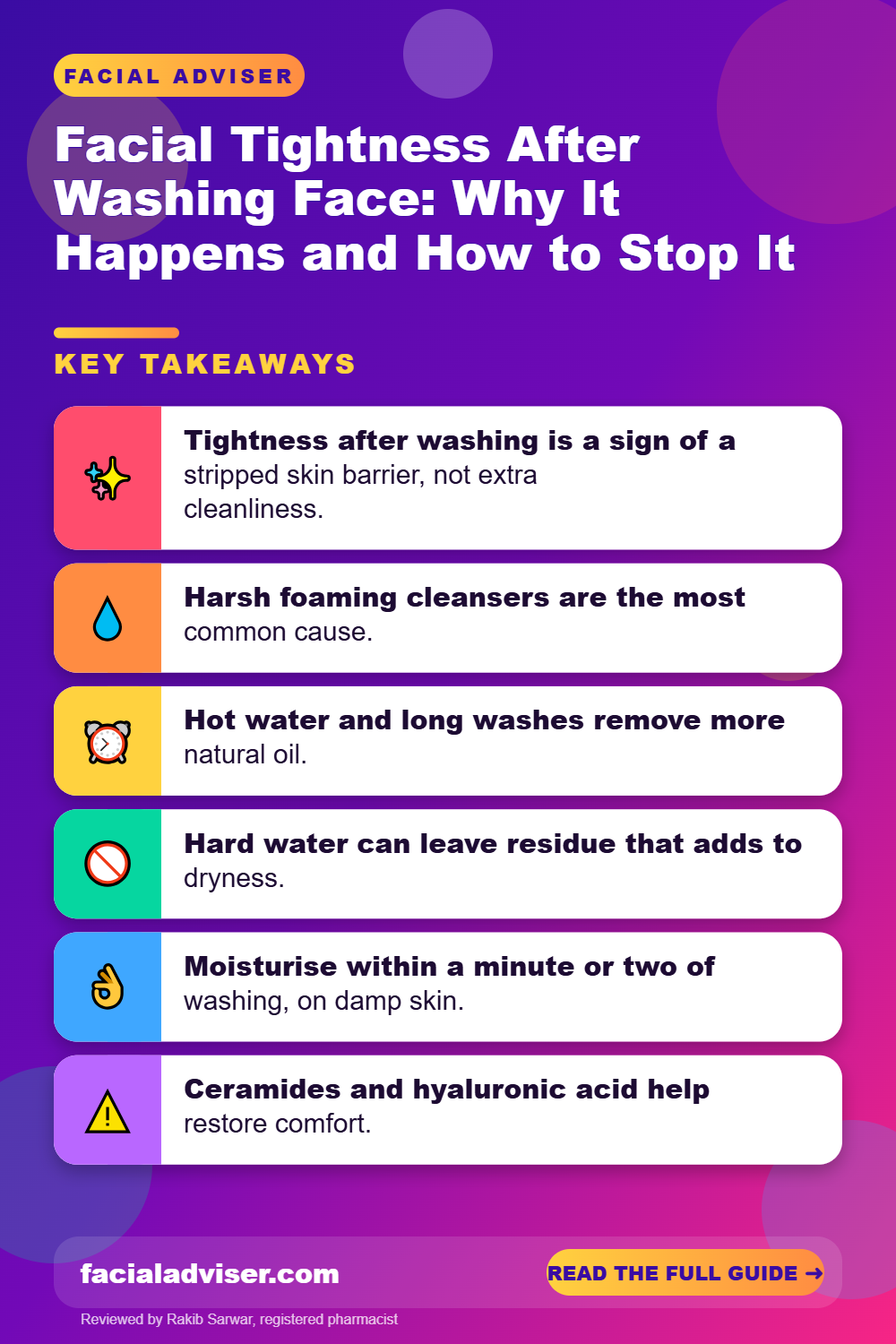
- Tightness after washing is a sign of a stripped skin barrier, not extra cleanliness.
- Harsh foaming cleansers are the most common cause.
- Hot water and long washes remove more natural oil.
- Hard water can leave residue that adds to dryness.
- Moisturise within a minute or two of washing, on damp skin.
- Ceramides and hyaluronic acid help restore comfort.
- Persistent tightness with redness or flaking may need a doctor’s view.
In This Guide
- Why Does My Face Feel Tight After Washing?
- Common Causes of Tightness After Cleansing
- How to Tell If Your Cleanser Is Too Harsh
- Hot Water and Hard Water: Do They Matter?
- Is Tightness Normal for My Skin Type?
- What to Apply After Washing
- How to Wash Your Face Without the Tight Feeling
- Habits That Make Tightness Worse
- Other Reasons Your Skin Might Feel Tight
- Dos and Don’ts for Tight Skin After Washing
- Honest Limits
- When to See a Dermatologist
- Your Questions, Answered
- Final Word
Why Does My Face Feel Tight After Washing?
The outer layer of your skin is held together by a mix of lipids, including ceramides, cholesterol and fatty acids, along with natural moisturising factors that attract water. Together they form the skin barrier, which keeps water in and irritants out.
Cleansers work by using surfactants that lift oil and dirt so water can rinse them away. The problem is that they cannot tell the difference between the grime you want gone and the lipids your skin needs. A strong cleanser removes both. As water evaporates from the surface afterwards, the outer layer contracts slightly, and without enough oil and moisture to keep it supple, you feel that stretched, tight sensation.
- Skin loses some of its protective lipids during cleansing.
- Water evaporates quickly from the unprotected surface.
- The outer layer shrinks and feels stiff.
- Sensitive nerve endings register it as tightness, itching or stinging.
Common Causes of Tightness After Cleansing
Tightness usually has more than one cause. This table helps you spot the most likely culprits in your own routine.
| Cause | Why it causes tightness | Quick fix |
|---|---|---|
| Harsh foaming cleanser | Strong surfactants strip barrier lipids | Switch to a hydrating, cream or gel cleanser |
| Hot water | Heat dissolves and removes more natural oil | Use lukewarm water |
| Washing too often | Repeated stripping gives the barrier no time to recover | Wash twice a day at most; rinse with water in the morning if needed |
| Long washes or scrubbing | More contact time and friction | Cleanse for about 30 to 60 seconds, gently |
| Hard water | Minerals can leave residue and react with soap | Rinse well, use a gentle non-soap cleanser, consider micellar water |
| Delayed moisturising | Water evaporates from skin before it is sealed in | Moisturise within a minute or two |
| Other actives | Retinoids, acids or benzoyl peroxide already weaken the barrier | Pair them with a very gentle cleanser |
A cleanser that works well in humid summer can feel far too strong in winter or in heated rooms. Many people need a gentler cleanser in colder months even if their skin type has not changed.
How to Tell If Your Cleanser Is Too Harsh
Foam is not the same as cleaning power, but formulas that foam a lot often contain stronger surfactants. Bar soaps, some acne washes and deep-cleansing gels are frequent culprits, especially for dry or sensitive skin.
- Your skin feels tight or squeaky within minutes of rinsing.
- You see flaking around the nose, mouth or eyebrows.
- Your moisturiser stings when you apply it.
- Your face looks shiny by midday even though it felt dry in the morning.
- Redness or itching appears after washing.
The AAD’s skin care tips also advise using your fingertips rather than a washcloth or sponge, since scrubbing irritates skin. If several of these sound familiar, your cleanser is probably too strong for your skin right now. Our guide on how to tell if a cleanser is too harsh goes through the warning signs in more detail, and our comparison of hydrating and foaming cleansers explains which suits each skin type.
Hot Water and Hard Water: Do They Matter?
Water temperature matters more than most people think. Hot water feels relaxing, but it dissolves skin oils more effectively than lukewarm water, which is why a hot shower often leaves the face feeling drier than a quick splash at the sink. Lukewarm water cleans just as well for everyday grime.
Hard water contains high levels of calcium and magnesium. When it mixes with traditional soap, it can form a residue, sometimes called soap scum, that clings to skin. Research has linked hard water with more skin irritation in people with eczema, although evidence for healthy skin is limited. If you live in a hard water area, practical steps can help without expensive equipment.
- Choose a non-soap, gentle cleanser rather than a bar soap.
- Rinse thoroughly so no cleanser residue remains.
- Try micellar water or a cleansing milk that can be wiped off on some evenings.
- Pat dry and moisturise straight away.
- A shower filter may help some people, but results vary and it is not essential.
Is Tightness Normal for My Skin Type?
Tightness is common in dry skin, but it is not something any skin type needs to accept. Oily skin can feel tight too, especially after strong acne washes, and it may respond by producing even more oil later in the day.
| Skin type | What tightness often means | Best cleanser style |
|---|---|---|
| Dry | Barrier is short of lipids | Cream, milk or balm cleanser |
| Oily | Cleanser is too stripping, may trigger rebound oil | Gentle gel cleanser, low-foam |
| Combination | Dry areas are being over-cleansed | Gentle gel or light cream cleanser |
| Sensitive | Barrier is easily disrupted | Fragrance-free, minimal-ingredient cleanser |
| Mature | Skin produces less oil with age | Hydrating cream cleanser |
What to Apply After Washing
The minutes after washing matter. Skin is slightly damp and ready to absorb moisture, but that water evaporates quickly. Applying a hydrating serum or moisturiser straight away helps hold it in.
- Hyaluronic acid and glycerin are humectants that draw water into the outer skin.
- Ceramides, cholesterol and fatty acids help replace barrier lipids.
- Occlusives such as petrolatum or dimethicone slow water loss, useful at night for very dry skin.
- Fragrance-free formulas are less likely to sting a stripped barrier.
If your skin still feels tight after moisturising, it may need a richer formula or a short barrier-repair routine. Our guide on how to repair your moisture barrier fast covers what helps most.
How to Wash Your Face Without the Tight Feeling
These steps suit most skin types and take no longer than your current routine.
Choose a gentle cleanser
Pick a hydrating, cream or low-foam gel cleanser without harsh soaps or fragrance.
Use lukewarm water
Avoid hot water, including washing your face in a hot shower.
Cleanse briefly and gently
Massage with fingertips for about 30 to 60 seconds, without scrubbing.
Rinse thoroughly
Make sure no residue remains, especially along the hairline and jaw.
Pat, do not rub
Use a clean, soft towel and leave skin slightly damp.
Moisturise within two minutes
Apply a hydrating serum and a ceramide moisturiser straight away.
In the morning, many people with dry or sensitive skin find that rinsing with lukewarm water alone, or using a very small amount of gentle cleanser, is enough. Save a fuller cleanse for the evening when you are removing sunscreen and makeup.
Habits That Make Tightness Worse
Even with a gentle cleanser, some habits keep the barrier under stress. Small changes here often make a noticeable difference within a week or two.
- Using facial cleansing brushes or scrubs daily.
- Double cleansing every night when you are not wearing heavy makeup or sunscreen.
- Using toners with high alcohol content straight after washing.
- Layering several exfoliating acids or retinoids at once.
- Leaving skin bare for a long time after washing.
If your face stings, burns or turns red every time you wash it, stop all exfoliating acids, retinoids and scrubs for a week or two and use only a gentle cleanser and plain moisturiser. Continuing to use actives on an irritated barrier can lead to dermatitis.
Other Reasons Your Skin Might Feel Tight
If you have already switched to a gentle cleanser and lukewarm water and your face still feels tight, something else may be involved. Tightness is a symptom rather than a diagnosis, and several everyday factors can add to it.
- Dry indoor air from heating or air conditioning pulls moisture from the skin.
- Cold, windy weather dries the outer layer quickly.
- Acne treatments such as benzoyl peroxide and retinoids reduce oil and can leave skin tight.
- Sunburn or recent sun exposure dehydrates the skin.
- Not drinking enough water rarely causes facial dryness on its own, but severe dehydration can make skin feel less supple.
- Skin conditions such as eczema and rosacea make the barrier more fragile.
If one of these fits, adjust that factor alongside your cleansing routine. A humidifier at night, a richer moisturiser in winter and a slower introduction of acne treatments can each reduce tightness noticeably. Give each change a week or two before judging it.
Dos and Don’ts for Tight Skin After Washing
Worth Doing
- Use a gentle, fragrance-free cleanser
- Wash with lukewarm water
- Moisturise on slightly damp skin
- Choose ceramides and humectants
- Adjust your cleanser with the seasons
Skip It
- Chase a squeaky-clean feeling
- Wash your face in a hot shower
- Scrub or use brushes daily
- Skip moisturiser because you have oily skin
- Pile on new actives when skin feels tight
Honest Limits
A gentle cleanser and good moisturiser solve tightness for most people, but they are not a cure for underlying conditions. Eczema, rosacea, psoriasis and some allergies can all cause tightness and need proper diagnosis and treatment.
There is also no single best cleanser. Labels such as gentle or hydrating are marketing terms, not regulated standards, so the real test is how your skin feels 10 minutes after washing. Hard water filters, special waters and expensive cleansers are optional; for most people, technique and temperature matter more than the product price.
When to See a Dermatologist
- Tightness continues after two to four weeks of a gentle routine.
- You have persistent redness, scaling, cracking or itching.
- Your skin burns or stings with most products.
- You notice rough, scaly patches that do not respond to moisturiser.
- Dryness is affecting sleep or daily comfort.
This article is for general information and does not replace professional medical advice. See a board-certified dermatologist if tightness is accompanied by persistent redness, flaking, itching or pain.
Your Questions, Answered
Is it normal for my face to feel tight after washing?
It is common but not ideal; it usually means your cleanser or routine is too stripping.
Does tight skin mean my face is clean?
No, it means some natural oils and moisture have been removed.
Can hot water make my face feel tight?
Yes, hot water removes more natural oil than lukewarm water.
Does hard water cause facial dryness?
It can leave residue that adds to dryness, especially with soap.
What cleanser is best for tight skin?
A gentle hydrating, cream or low-foam cleanser without fragrance.
How soon should I moisturise after washing?
Within a minute or two, while skin is slightly damp.
Can oily skin feel tight after washing?
Yes, harsh cleansers can make oily skin feel tight and produce more oil later.
Does hyaluronic acid help tight skin?
It helps attract water, but pair it with a moisturiser to seal it in.
Should I stop washing my face in the morning?
Some people do well with a water rinse or tiny amount of gentle cleanser in the morning.
How long does it take for the barrier to recover?
Many people notice less tightness within one to two weeks of a gentle routine.
Final Word
Facial tightness after washing is a sign your skin barrier has been stripped, usually by a harsh cleanser, hot water, hard water or waiting too long to moisturise.
Switch to a gentle cleanser, use lukewarm water, keep washes short and moisturise straight away with ceramides and humectants. If tightness persists with redness or flaking, see a dermatologist.

Written by
Registered pharmacist and founder of Facial Adviser. Rakib's pharmacy training covers how skincare actives work and interact; a later course in cosmetology turned that into a focus on facial treatments and skincare products. He plans, researches and edits every guide on the site and checks health claims against sources such as the American Academy of Dermatology, the FDA and the NIH. He is not a dermatologist; see the Editorial Policy and Medical Disclaimer.
About · Editorial policy · How we choose products · Medical disclaimer · Contact
Keep reading: Redness, puffiness and uneven tone
- How to Calm Inflamed Red Patches on Your Face
- Why Cheeks Get Hot Suddenly: Causes of Facial Flushing and What Helps
- How to Soothe Post-Facial Irritation: Calm Redness and Know What Is Normal
- Facial Numbness After a Nerve Block or Dental Work: What Is Normal
- Facial Discoloration After Sunburn: Why It Happens and How to Fade It
- Facial Swelling in the Morning: Common Reasons and When to Worry
- How Can I Make My Pores Less Visible?
- Are Facials Good for Acne?