How to Do Lymphatic Massage After Lipo
Learning how to do lymphatic massage after lipo starts with an honest look at the evidence, since MLD is widely recommended in practice, but the actual controlled research behind it is thinner than most recovery guides let on.
Part of our guide to at-home facial devices. Start with: 10 Best Gua Sha Facial Tools (2026): Stone and Steel Picks Compared
One controlled study found MLD reduced edema more than compression garments alone, but the difference wasn’t statistically significant, and the ASPS’s own recovery timeline doesn’t mention MLD at all. That’s not a reason to skip it, but it is a reason to treat it as a reasonable adjunct rather than a proven medical requirement.
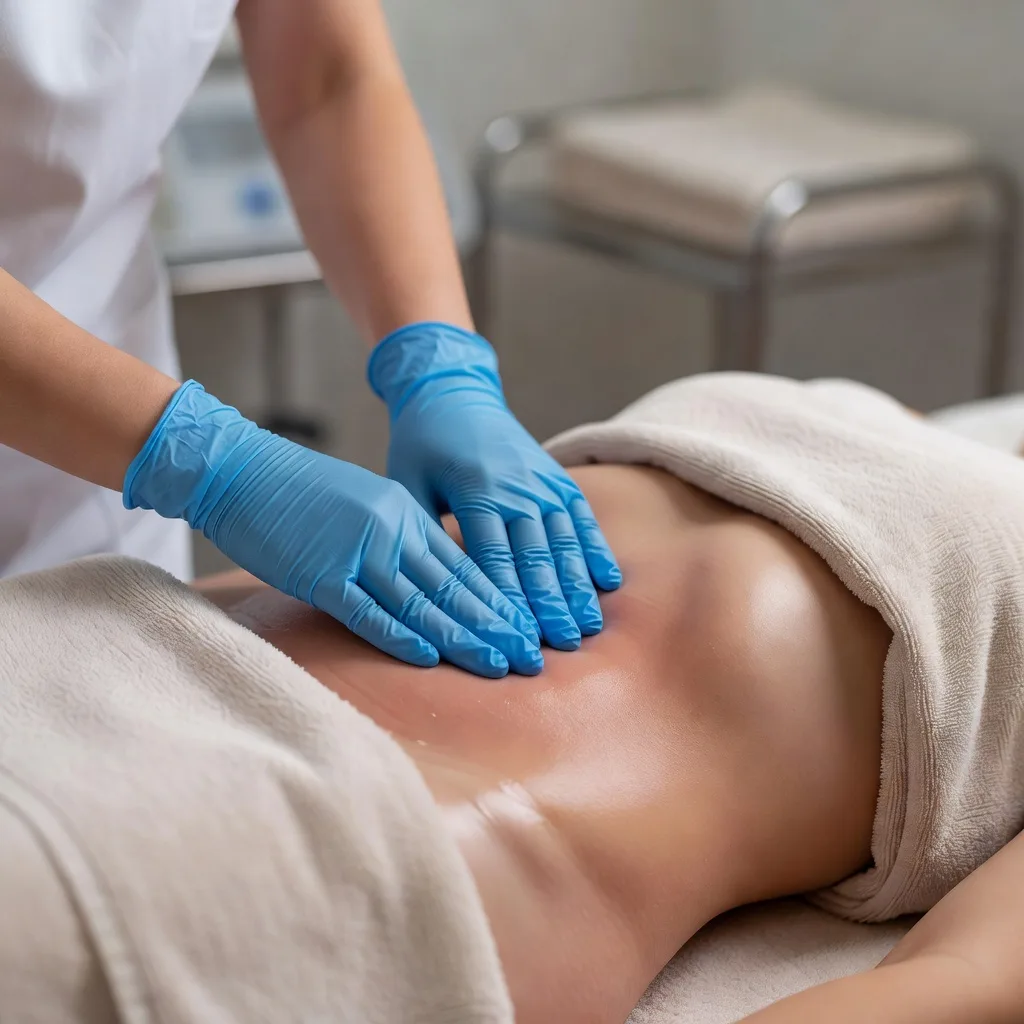
Proper technique matters just as much as the decision to do it at all, very light pressure and slow, rhythmic strokes toward your nearest lymph node basin, not deep tissue work.
This guide covers the real rationale, what the one controlled trial actually found, correct timing and technique, and the genuine red flags, DVT and infection, that mean it’s time to call your surgeon.
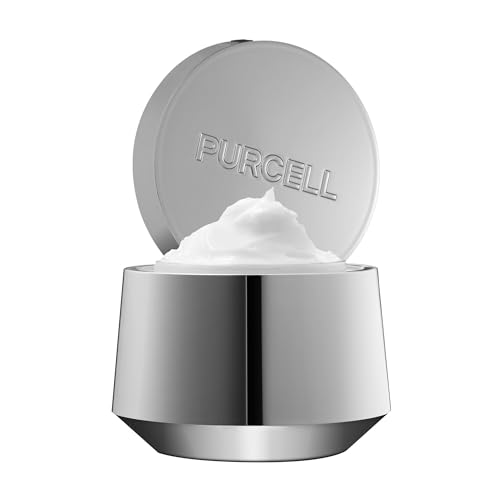
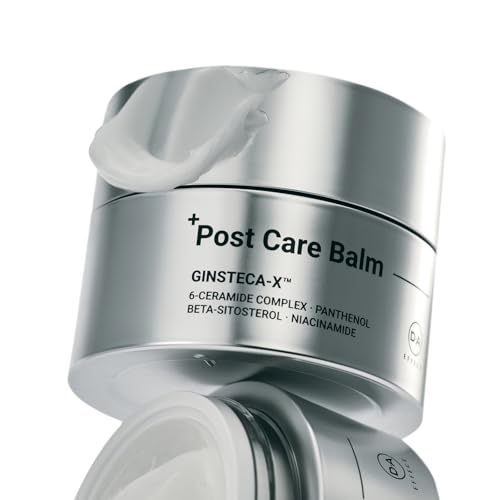
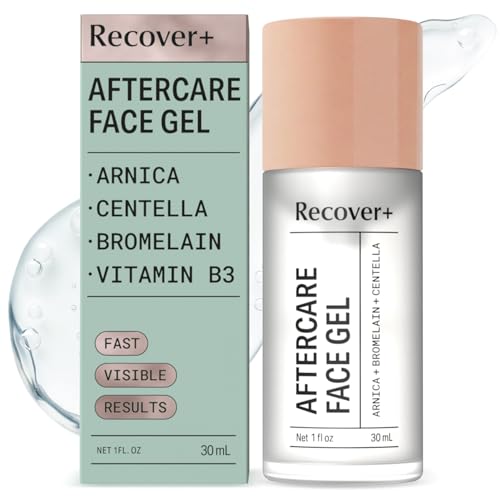
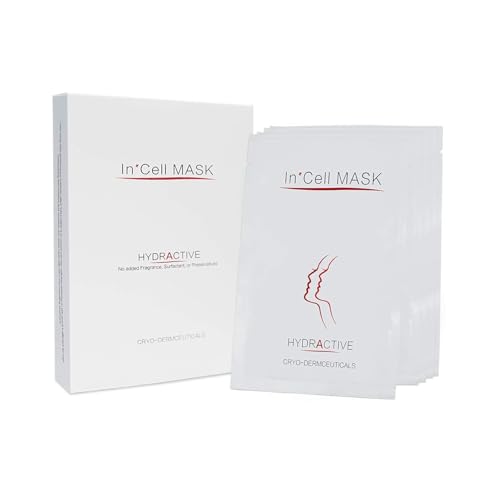
Recommended Products for Post-Procedure Skin Care

Key Takeaways
- Manual lymphatic drainage (MLD) after liposuction is widely recommended and mechanistically plausible, but the actual controlled-trial evidence for a statistically significant benefit over compression garments alone is thin.
- One controlled study of post-abdominoplasty and lipo patients found MLD reduced edema more than compression alone, but the difference wasn’t statistically significant (P=.11).
- The ASPS’s own recovery timeline for liposuction doesn’t mention lymphatic drainage massage at all, confirming it’s a common adjunct, not a universally mandated protocol.
- Technique matters: MLD uses very light pressure and slow, rhythmic strokes toward the nearest lymph node basin, not deep tissue kneading.
- One-sided limb swelling, pain, warmth, or discoloration are real DVT warning signs, and massaging over a suspected clot can be dangerous.
- Fever, worsening redness, or discharge from an incision are infection signs that call for your surgeon, not a massage appointment.
Table of Contents
- How to Do Lymphatic Massage After Lipo
- Why Lymphatic Drainage Is Recommended
- What the Real Controlled Study Found
- Timing and Technique
- Comparing MLD to Standard Recovery Care
- Real Red Flags: DVT and Infection
- Checking Your Own Recovery Progress
- Do This, Not That
- How to Approach Post-Lipo Lymphatic Massage
- When to Call Your Surgeon Immediately
- Frequently Asked Questions
- The Bottom Line
How to Do Lymphatic Massage After Lipo
Manual lymphatic drainage after liposuction uses very light, rhythmic strokes directed toward your nearest lymph node basin, typically starting once your surgeon clears you and swelling has begun to stabilize. It’s widely recommended in practice, and the mechanism behind it is genuinely plausible, but the honest, complete picture also includes what the actual controlled research on it has, and hasn’t, found.
Shopping these picks?
Amazon Prime members get fast, free shipping on eligible items, plus Prime Video, Amazon Music and member deals. New members can start with a free trial.
Start a free Prime trialAged 18 to 24? Prime for Young Adults comes with a longer free trial and a lower price after it.
Affiliate link: we may earn a commission at no extra cost to you.
This guide covers the real rationale, the one controlled study that actually measured MLD’s effect against compression garments alone, proper timing and technique, and the genuine red flags, DVT and infection, that mean it’s time to call your surgeon instead of booking a massage.
Why Lymphatic Drainage Is Recommended
Liposuction surgery disrupts local lymphatic channels in the treated area, and that disruption can lead to fluid accumulation, or edema. Left unmanaged, ongoing edema can contribute to fibrosis, hardened or lumpy tissue caused by excess collagen deposited during healing. Manual lymphatic drainage is theorized to help move that accumulated fluid along and reduce the risk of fibrosis developing.
This rationale is genuinely reasonable on its own mechanistic terms, and it’s why so many surgeons recommend it as part of recovery. The part that deserves more attention than it usually gets is how strong the actual controlled evidence is for that theory translating into a measurably better outcome.
What the Real Controlled Study Found
Note: A controlled study published in a SAGE journal followed 20 women aged 30 to 60 after abdominoplasty with core liposuction. One group received MLD twice weekly for 3 weeks starting at week 6 post-op; the other received compression garments alone. Researchers measured waist circumference, a proxy for edema, at weeks 6 and 8.
The MLD group showed a mean edema reduction of 9.8 centimeters, compared to 6.6 centimeters in the compression-only group. That’s a real trend favoring MLD, but the difference was not statistically significant (P=.11). The study authors’ own conclusion was direct: MLD reduced edema more than compression alone, but not by a statistically significant amount. This is worth stating honestly rather than either dismissing MLD as useless or overstating it as proven, the evidence shows a plausible trend that hasn’t yet reached statistical proof in this trial.
Timing and Technique
General practice consensus, rather than a single defining trial, suggests most surgeons recommend starting MLD once you’re cleared, commonly 1 to 2 weeks post-op once initial swelling and bruising have begun to stabilize and any drains have been removed. Notably, the SAGE study itself started MLD at week 6, considerably later than typical practice recommendations, which is worth flagging as a real inconsistency between common clinical advice and the timing used in the one controlled trial available.
Frequency is typically 1 to 2 sessions per week for several weeks, tapering as swelling resolves, often 4 to 8 or more sessions total depending on the extent of your procedure. Technique matters: MLD uses very light pressure, noticeably lighter than a typical massage, with slow, rhythmic strokes directed toward your nearest lymph node basin, the groin or armpit depending on the treated area. This is explicitly not deep tissue work or kneading, which can aggravate healing tissue rather than help it.
Comparing MLD to Standard Recovery Care
| Compression garments | Manual lymphatic drainage | |
|---|---|---|
| ASPS recovery timeline mention | Confirmed as standard of care | Not mentioned in ASPS’s own recovery page |
| Controlled trial evidence | Established standard, used as the comparison baseline | Trend toward benefit, not statistically significant in the available study |
| Typical practice status | Universally recommended | Commonly recommended adjunct by many individual surgeons |
| ASPS recovery week | What to expect |
|---|---|
| Week 1 | Monitor pain, swelling, and bruising |
| Weeks 2-3 | Feeling better, possible desk-work return |
| Weeks 4-5 | Bruising resolves, swelling subsides |
| Week 6+ | Continued improvement, gradual activity increase |
Real Red Flags: DVT and Infection
Warning: One-sided leg or arm swelling, sometimes appearing suddenly, tenderness or pain when standing or walking, warmth in the swollen area, or discolored or reddened skin are real deep vein thrombosis (DVT) warning signs. Never massage over a suspected clot, doing so can dislodge it and cause a life-threatening pulmonary embolism.
Pulmonary embolism symptoms, a genuine medical emergency, include chest pain, shortness of breath, coughing blood, lightheadedness, or fainting, and require immediate emergency care. Separately, infection signs include fever, redness or warmth that’s increasing rather than decreasing after the first few days, pus or unusual discharge, foul odor from an incision, or pain that’s getting worse instead of better. Any of these calls for your surgeon, not a lymphatic massage session.
Checking Your Own Recovery Progress
A useful, non-diagnostic self-check during recovery is simply tracking whether swelling is symmetric and gradually improving, not worsening or suddenly appearing on one side only. Gentle daily observation, comparing both sides of your body in similar lighting, noting whether swelling responds to elevation and rest, and tracking whether pain is stable or trending down, gives you a rough sense of whether recovery is following the expected pattern described in the ASPS timeline above.
This isn’t a substitute for your surgeon’s follow-up appointments, but it does give you a practical basis for deciding whether something needs an earlier call. Symmetric, gradually improving swelling that responds to your compression garment and elevation is consistent with normal healing; sudden, one-sided, or worsening swelling is the pattern that should prompt you to call sooner rather than waiting for a scheduled visit.
It’s also worth being realistic about how gradual this process is. Visible swelling reduction often continues for two to three months after liposuction, well beyond the more dramatic early changes in the first few weeks, and final results, once residual swelling has fully resolved, are frequently not apparent until four to six months post-procedure. Expecting an early, MLD-driven timeline to resolve everything within the first few weeks sets up disappointment that has more to do with the normal pace of tissue healing than with whether MLD itself is working.
Do This, Not That
Do
- Wear your compression garment as directed, it’s the confirmed standard-of-care baseline
- Get your surgeon’s explicit clearance before starting MLD
- Use very light pressure and slow strokes toward your nearest lymph node basin
- Watch for one-sided limb swelling, warmth, or discoloration as real DVT warning signs
- Call your surgeon for fever or worsening incision redness rather than scheduling a massage
Don’t
- Assume MLD is a scientifically proven requirement, the controlled evidence for it is thin
- Use deep tissue pressure or kneading on healing post-surgical tissue
- Massage over an area with suspected DVT symptoms
- Skip your compression garment in favor of MLD alone
- Ignore increasing pain, redness, or discharge from an incision
How to Approach Post-Lipo Lymphatic Massage
Get surgeon clearance first
Confirm timing with your surgeon rather than starting on a fixed schedule you found online.
Continue wearing your compression garment
This remains the confirmed standard-of-care baseline regardless of whether you add MLD.
Book a licensed lymphatic-drainage therapist
Look for someone experienced specifically with post-surgical patients.
Tip: Ask your surgeon for a referral, many maintain relationships with therapists experienced in post-lipo care specifically.
Confirm the technique is very light pressure
Rhythmic, gentle strokes toward the nearest lymph node basin, not deep tissue work.
Monitor for red flags throughout
Watch for one-sided swelling, warmth, discoloration, fever, or worsening incision symptoms at every session.
When to Call Your Surgeon Immediately
Call your surgeon or seek emergency care immediately for any DVT warning sign, one-sided limb swelling, pain, warmth, or discoloration, or any pulmonary embolism symptom like chest pain or shortness of breath. Also call your surgeon, rather than scheduling a massage, for fever, worsening redness, unusual discharge, or increasing pain from an incision. If you’re also managing facial swelling separately from your body procedure, our lymphatic facial massage guide covers that area specifically, and if you’re still deciding among liposuction and other body-contouring options, our body sculpting comparison covers the broader landscape.
Frequently Asked Questions
Does lymphatic massage really help after liposuction?
It’s widely recommended and mechanistically plausible, but the one controlled study available found a trend toward benefit that wasn’t statistically significant.
When should I start lymphatic massage after lipo?
Common practice suggests 1 to 2 weeks post-op once cleared by your surgeon, though the one controlled study started at week 6.
How often should I get lymphatic massage after lipo?
Typically 1 to 2 sessions weekly for several weeks, tapering as swelling resolves.
Is lymphatic massage a substitute for compression garments?
No, compression garments are the confirmed standard of care; MLD is a commonly recommended adjunct, not a replacement.
Should lymphatic massage feel like deep tissue work?
No, it should use very light pressure and slow, rhythmic strokes, not kneading or deep pressure.
What are the warning signs of a blood clot after lipo?
One-sided limb swelling, pain when standing or walking, warmth, and discoloration are real DVT warning signs.
Can I massage over a suspected blood clot?
No, this can dislodge the clot and cause a life-threatening pulmonary embolism.
What are signs of infection after liposuction?
Fever, worsening redness or warmth, unusual discharge, and increasing pain are infection warning signs.
Does the ASPS recommend lymphatic massage after lipo?
Its own recovery timeline doesn’t mention lymphatic drainage massage, confirming it’s a common adjunct rather than a mandated step.
Who should perform post-lipo lymphatic massage?
A licensed therapist experienced with post-surgical patients, ideally referred by your surgeon.
The Bottom Line
Manual lymphatic drainage after liposuction is a widely recommended, mechanistically reasonable practice, but the honest evidence picture is more limited than most recovery guides suggest. One controlled study found a trend toward better edema reduction with MLD over compression garments alone, but that difference didn’t reach statistical significance, and the ASPS’s own recovery page doesn’t mention MLD at all.
Use very light, rhythmic technique, keep wearing your compression garment regardless, and treat MLD as a reasonable adjunct rather than a proven requirement. Watch closely for the real red flags, DVT and infection, and call your surgeon immediately if either appears rather than continuing with massage.

Written by
Registered pharmacist and founder of Facial Adviser. Rakib's pharmacy training covers how skincare actives work and interact; a later course in cosmetology turned that into a focus on facial treatments and skincare products. He plans, researches and edits every guide on the site and checks health claims against sources such as the American Academy of Dermatology, the FDA and the NIH. He is not a dermatologist; see the Editorial Policy and Medical Disclaimer.
About · Editorial policy · How we choose products · Medical disclaimer · Contact
Keep reading: Facial rollers, gua sha and massagers
- 10 Best Gua Sha Facial Tools (2026): Stone and Steel Picks Compared
- Is Daily Face Massage Good for Skin?
- Does Massaging Your Face Reduce Wrinkles? What It Can and Cannot Do
- Is a Face Massager Good for Your Skin? What Rollers, Gua Sha and Devices Can Do
- Frownies vs Facial Smoothies: Do Wrinkle Patches Actually Work?
- Facial Roller vs Gua Sha: What a 2025 Trial Found and Which to Choose
- How to Incorporate Microcurrent Into Your Routine: Gel, Timing and Safety
- 10 Best Products for Women's Facial Hair Removal (2026): Gentle Picks