
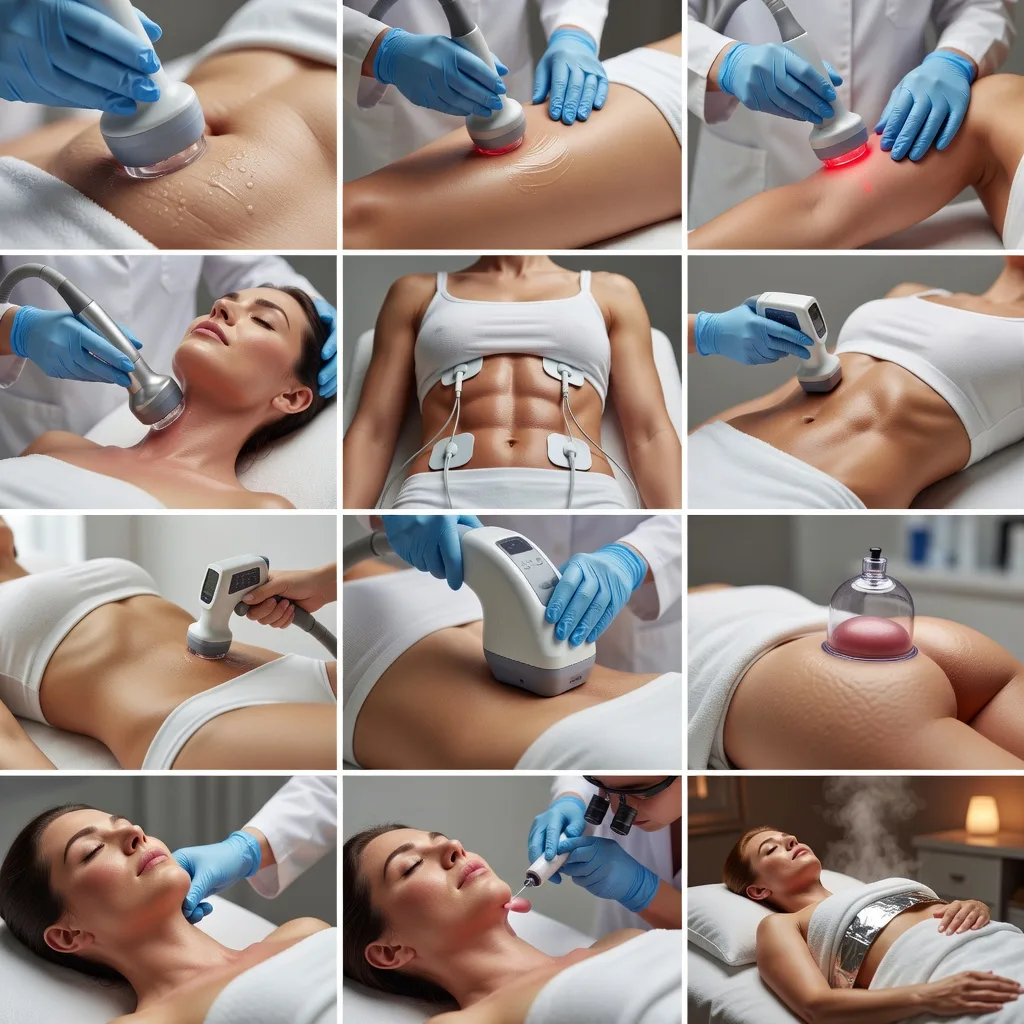
Types of Body Sculpting: Full Comparison
The different types of body sculpting get marketed as if they’re interchangeable versions of the same treatment, when they’re actually distinct technologies with their own mechanisms, their own FDA clearance histories, and their own real limitations.
Part of our guide to professional machines. Start with: Best Professional Oxygen Facial Machine: Features, Safety and Results
Cryolipolysis, laser lipolysis, radiofrequency, HIFEM muscle stimulation, and ultrasonic cavitation each do something genuinely different to fat or muscle tissue. Some carry solid FDA clearances for their specific claims. Some, particularly the portable cavitation machines sold for spas and home use, largely don’t, despite using similar marketing language to the professional devices that do.
The detail almost nobody mentions upfront: none of these non-invasive methods can touch anything that isn’t pinchable subcutaneous fat, which rules out a lot of areas people assume they can treat before ever checking.
This guide breaks down the 60-second pinch test that tells you whether an area is even a candidate, a full comparison of the major technologies and their actual FDA status, and how the non-invasive options stack up against surgical liposuction.
Recommended Products for Body Sculpting

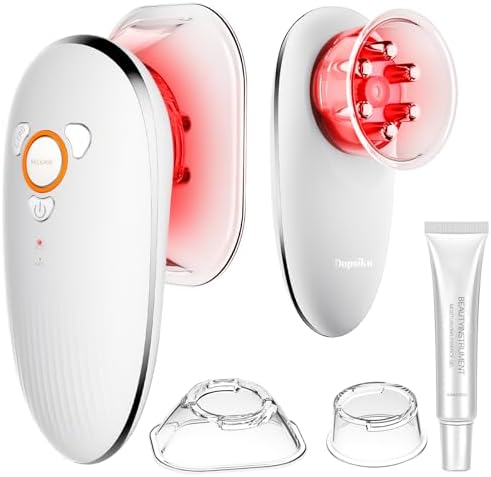

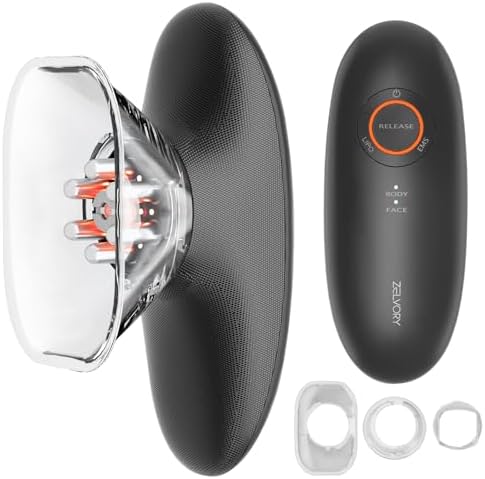
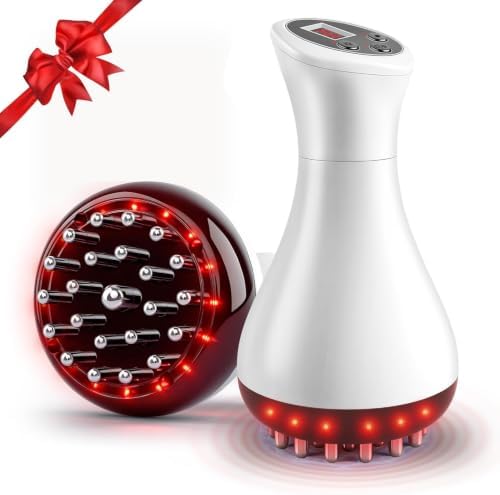

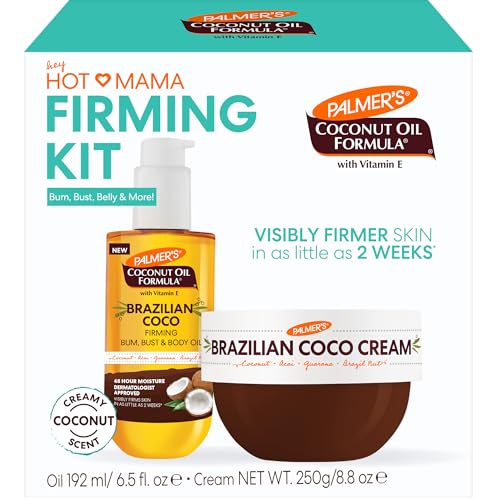


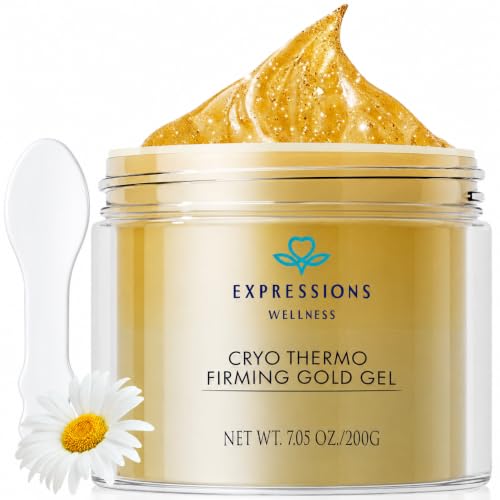

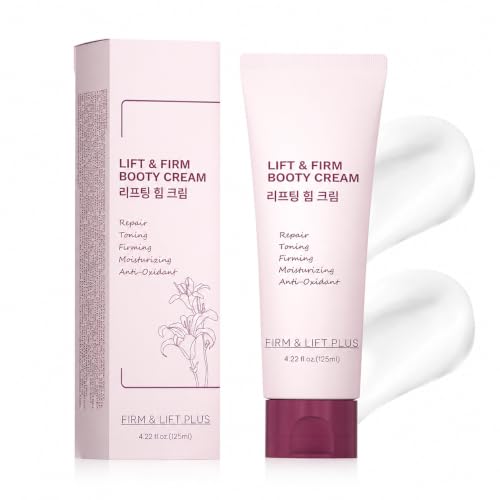
Shopping these picks?
Amazon Prime members get fast, free shipping on eligible items, plus Prime Video, Amazon Music and member deals. New members can start with a free trial.
Start a free Prime trialAged 18 to 24? Prime for Young Adults comes with a longer free trial and a lower price after it.
Affiliate link: we may earn a commission at no extra cost to you.
Key Takeaways
- The different types of body sculpting fall into a few genuinely distinct categories: cryolipolysis (cold), laser lipolysis (heat via laser), radiofrequency (heat via RF energy), HIFEM muscle stimulation, ultrasonic cavitation, and surgical liposuction.
- A simple pinch test tells you whether an area is even a candidate for non-invasive body sculpting before you book anything.
- Cryolipolysis (CoolSculpting), laser lipolysis (SculpSure), radiofrequency (truSculpt), and HIFEM (Emsculpt) all have genuine FDA clearances for their specific claims.
- Portable, low-cost ultrasonic cavitation machines sold for spas or home use are, in most cases, not FDA-cleared for fat reduction, unlike professional medical-grade ultrasonic devices.
- Every non-invasive method targets pinchable subcutaneous fat only. None of them touch visceral fat or reshape muscle the way surgery or targeted exercise does, apart from HIFEM’s specific muscle-toning effect.
- Surgical liposuction remains the only option for significant fat volume removal, with real surgical risks that the non-invasive categories don’t carry.
- Results from every non-invasive method are gradual and modest, not a substitute for diet, exercise, or medical weight management.
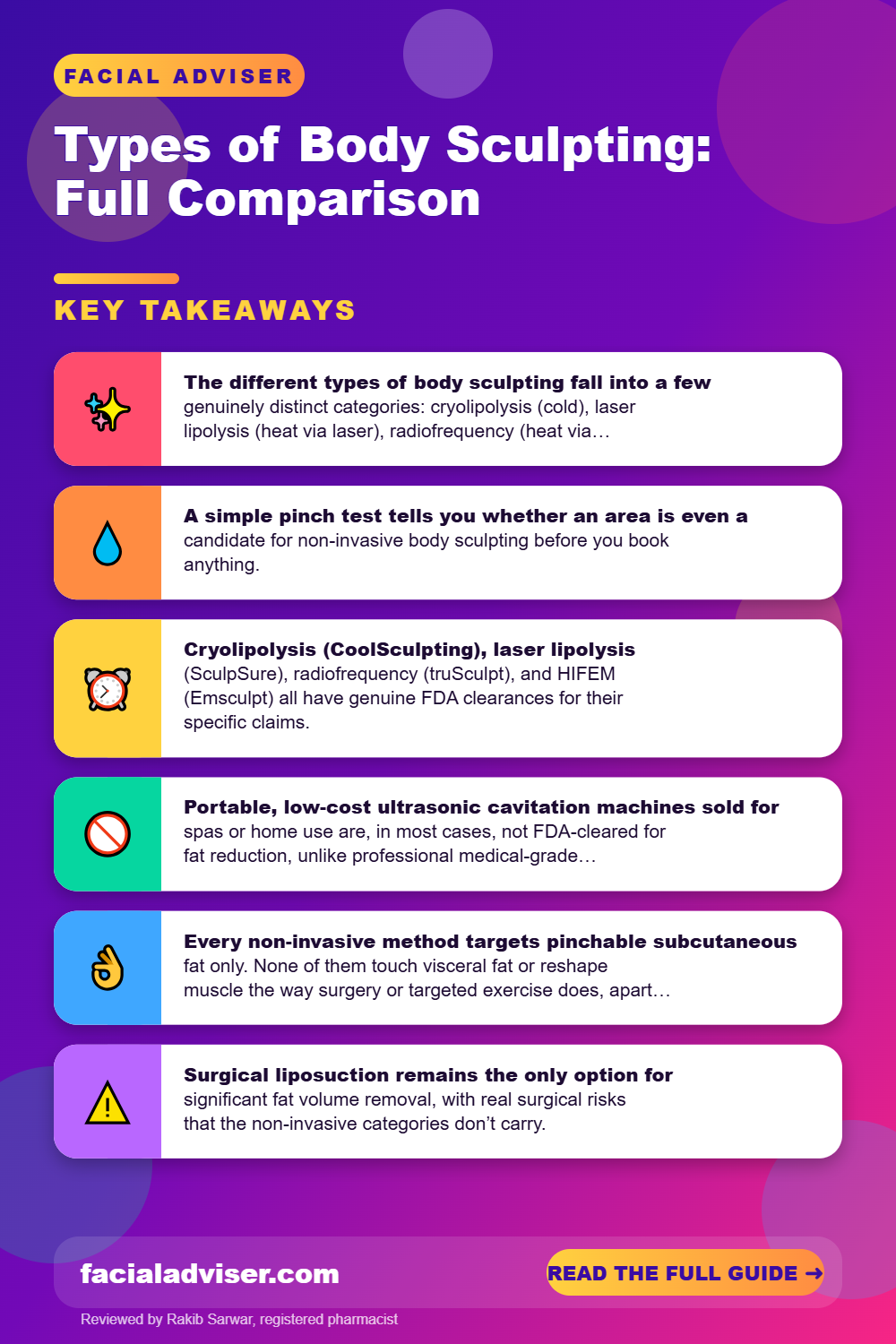
Table of Contents
- The Real Categories of Body Sculpting
- The 60-Second Pinch Test Before You Book Anything
- Non-Invasive Body Sculpting Technologies Compared
- Non-Invasive vs. Surgical Liposuction
- Do This, Not That: Choosing a Method
- What a Typical Session Involves
- What None of These Can Do
- When It’s More Than a Cosmetic Decision
- Frequently Asked Questions
- The Bottom Line
The Real Categories of Body Sculpting
“Body sculpting” covers several genuinely different technologies that happen to share a marketing category, not one treatment sold under different names. Cryolipolysis, most familiar as CoolSculpting, uses controlled cooling to trigger apoptosis in fat cells, which are more cold-sensitive than the skin around them. It was first FDA-cleared in 2010 for the flanks, with clearance later expanding to the abdomen, thighs, and submental fat.
Laser lipolysis comes in an invasive form, where a fiber-optic laser liquefies fat before it’s suctioned out, and a non-invasive form like SculpSure, cleared by the FDA in 2015 as the first hyperthermic laser treatment for non-invasive fat reduction. Radiofrequency devices heat subcutaneous tissue to damage fat cells directly through the skin. HIFEM devices like Emsculpt use focused electromagnetic energy to cause supramaximal muscle contractions, building muscle rather than primarily removing fat, and were cleared by the FDA in 2018.
Ultrasonic cavitation uses low-frequency sound waves to rupture fat cell membranes mechanically. Professional medical-grade devices in this category do carry real FDA clearances, but most of the portable cavitation machines sold for spas or home use do not.
Note: Brand names and generic technology names get used loosely in marketing. “Cavitation,” “fat freezing,” and “body contouring” are often used interchangeably online even though they describe genuinely different mechanisms, which is exactly why asking for the specific device name and clearance matters more than the category label on a menu.
The 60-Second Pinch Test Before You Book Anything
Grab the area you’re considering treating between your fingers:
- Soft and pinchable: that’s subcutaneous fat, the only kind cryolipolysis, radiofrequency, laser lipolysis, and ultrasonic cavitation are actually designed to treat.
- Firm, tense, and doesn’t pinch: that’s more likely visceral fat sitting deeper around organs, or muscle. None of the non-invasive body sculpting categories can reach or affect that.
This is the single fastest way to rule out a treatment before spending money on a consultation for an area it was never going to help.
Non-Invasive Body Sculpting Technologies Compared
| Technology | Mechanism | Example brand | FDA status |
|---|---|---|---|
| Cryolipolysis | Controlled cooling triggers fat cell death | CoolSculpting | Cleared 2010, expanded through 2015 |
| Laser lipolysis (non-invasive) | External laser heats and damages fat cells | SculpSure | Cleared 2015, expanded 2016-2017 |
| Radiofrequency | RF energy heats subcutaneous tissue | truSculpt, Vanquish | Cleared for temporary circumference reduction |
| HIFEM muscle stimulation | Electromagnetic energy triggers muscle contractions | Emsculpt | Cleared 2018 for muscle toning |
| Ultrasonic cavitation (professional) | Sound waves rupture fat cell membranes | UltraShape, Liposonix | Cleared for non-invasive fat reduction |
| Ultrasonic cavitation (portable) | Same claimed mechanism, lower power | Various spa/home devices | Mostly not cleared for fat reduction |
The regulatory status gap between professional and portable ultrasonic devices is the detail most marketing pages skip entirely, and it’s genuinely the most useful thing to check before booking a cavitation session anywhere.
Non-Invasive vs. Surgical Liposuction
Traditional liposuction is regulated as a surgical procedure, not a device clearance, and remains the only option for significant fat volume removal. It’s performed under anesthesia, commonly using the tumescent technique, and carries real surgical risks: bleeding, infection, and contour irregularity that don’t apply to any of the non-invasive categories above.
Every non-invasive method trades that higher effect size for a much lower risk profile and no downtime. Someone looking for a few centimeters of localized reduction over several sessions is a very different case than someone looking for a substantial volume change, and the honest answer to which fits depends entirely on that goal. If loose skin rather than fat volume is the main concern, that’s a job for a skin-tightening approach, not any of the fat-reduction categories above.
Do This, Not That: Choosing a Method
Do
- Pinch-test the area first to confirm it’s pinchable subcutaneous fat
- Ask which specific device and FDA clearance a clinic is actually using
- Expect gradual, modest circumference reduction over multiple sessions
- Consider HIFEM specifically if the goal is muscle tone rather than fat loss
- Treat surgical liposuction as the option for significant volume change, not a last resort after non-invasive methods fail
Don’t
- Book a portable cavitation session assuming it carries the same clearance as a professional device
- Expect any non-invasive method to substitute for diet, exercise, or medical weight loss
- Assume firm, non-pinchable areas will respond to cryolipolysis or RF
- Ignore a provider who can’t or won’t name the specific device and its clearance
- Treat body sculpting as a weight-loss method rather than localized contouring
What a Typical Session Involves
Consultation and pinch test
The provider assesses whether the area has enough pinchable fat to be a reasonable candidate.
Marking the area
The treatment zone is marked and measured for before/after comparison.
Applicator or device placement
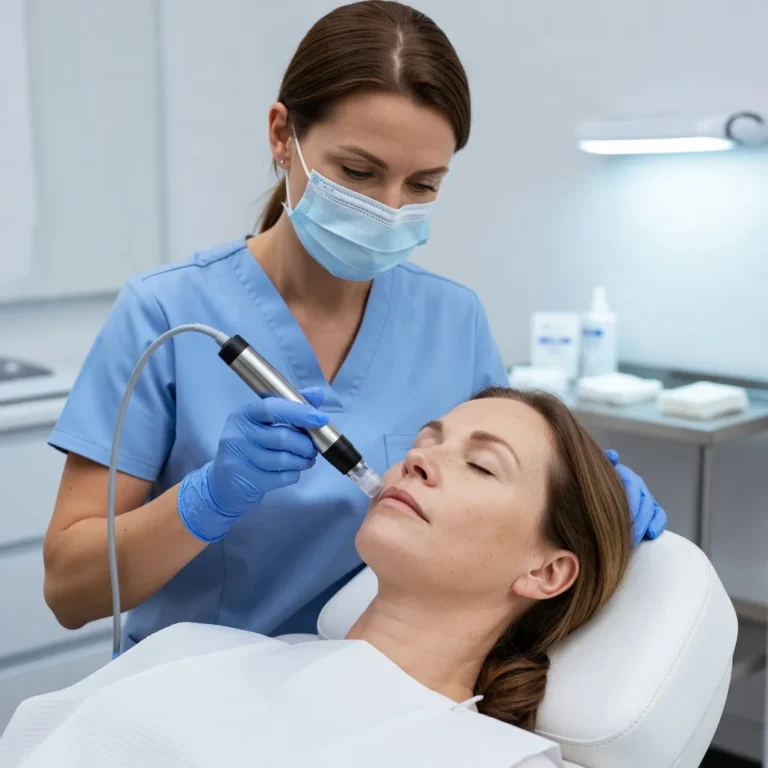
Depending on the technology, a cooling applicator, laser panel, RF handpiece, or HIFEM paddle is positioned against the skin.
Treatment cycle
Sessions typically run 20 to 60 minutes depending on the technology and area size.
Tip: Cryolipolysis sessions often include a brief massage of the treated area afterward, which some studies suggest may improve fat cell breakdown.
Immediately after
Temporary redness, numbness, tingling, or mild swelling is common depending on the technology and typically resolves within days.
Following weeks
The body gradually processes the affected fat cells or continues building muscle response, with visible change typically appearing over several weeks.
Re-treatment window
Most protocols involve a series of multiple sessions spaced weeks apart for a fuller result.
What None of These Can Do
None of the non-invasive categories produce dramatic, surgery-level fat removal, and none of them are a weight-loss method. They’re localized, modest-effect treatments for a specific pinchable area, and results vary a great deal between individuals. Loose skin isn’t addressed by any fat-reduction method here either, that’s a separate concern requiring a technology aimed specifically at skin tightening.
When It’s More Than a Cosmetic Decision
Warning: Pregnancy, active cancer near the treatment site, pacemakers or other implanted electronic devices, uncontrolled clotting disorders, and significant kidney or liver disease are contraindications across most of these technologies. Persistent pain, numbness, or skin discoloration after a session is a reason to see a doctor rather than book another round.
Frequently Asked Questions
What are the main types of body sculpting?
Cryolipolysis, laser lipolysis, radiofrequency, HIFEM muscle stimulation, ultrasonic cavitation, and surgical liposuction are the main distinct categories, each using a different mechanism.
Which body sculpting method is FDA approved?
CoolSculpting, SculpSure, truSculpt, Vanquish, and Emsculpt all carry genuine FDA clearances for their specific claims. Many portable ultrasonic cavitation machines do not.
Does body sculpting work on any part of the body?
Only on areas with pinchable subcutaneous fat. Firm, non-pinchable areas, often visceral fat or muscle, don’t respond to these technologies.
Is body sculpting a weight-loss treatment?
No. It targets localized fat in specific areas and isn’t designed or evidenced as a method for overall weight loss.
What’s the difference between cryolipolysis and radiofrequency?
Cryolipolysis uses controlled cooling to trigger fat cell death, while radiofrequency uses heat energy to damage fat cells. Both are FDA-cleared for their specific circumference-reduction claims.
Does Emsculpt remove fat or build muscle?
It’s primarily cleared for building and toning muscle through electromagnetic-induced contractions, with a secondary effect on adjacent fat rather than being a primary fat-reduction method.
Are portable cavitation machines safe?
They’re generally low-risk, but most carry no FDA clearance for fat reduction specifically, and the evidence behind their effectiveness is weaker than for cleared professional devices.
How many sessions does body sculpting take to see results?
Most protocols call for a series of multiple sessions spaced weeks apart, with gradual, visible change building over that series rather than after one treatment.
Is surgical liposuction better than non-invasive body sculpting?
It removes more fat volume in one procedure but carries real surgical risk. Non-invasive methods are lower risk with a smaller, more gradual effect, suited to different goals.
What symptoms after body sculpting mean I should see a doctor?
Persistent pain, numbness, or skin discoloration that doesn’t resolve within a few days warrants medical evaluation rather than another session.
The Bottom Line
Body sculpting isn’t one treatment, it’s a category covering several genuinely different technologies, each with its own mechanism and its own FDA clearance history. The pinch test is the fastest way to know whether an area is even a candidate before spending money on a consultation, and checking a specific device’s actual clearance separates a legitimate treatment from a portable gadget riding on the same marketing language.
Every non-invasive option here produces gradual, modest, localized results, not a weight-loss method and not a substitute for surgical liposuction when significant volume removal is the actual goal. Match the method to what the area and the goal genuinely call for, not to whichever clinic is closest.

Written by
Registered pharmacist and founder of Facial Adviser. Rakib's pharmacy training covers how skincare actives work and interact; a later course in cosmetology turned that into a focus on facial treatments and skincare products. He plans, researches and edits every guide on the site and checks health claims against sources such as the American Academy of Dermatology, the FDA and the NIH. He is not a dermatologist; see the Editorial Policy and Medical Disclaimer.
About · Editorial policy · How we choose products · Medical disclaimer · Contact
Keep reading: Professional spa machines

One Comment